







Search Results for: three sips
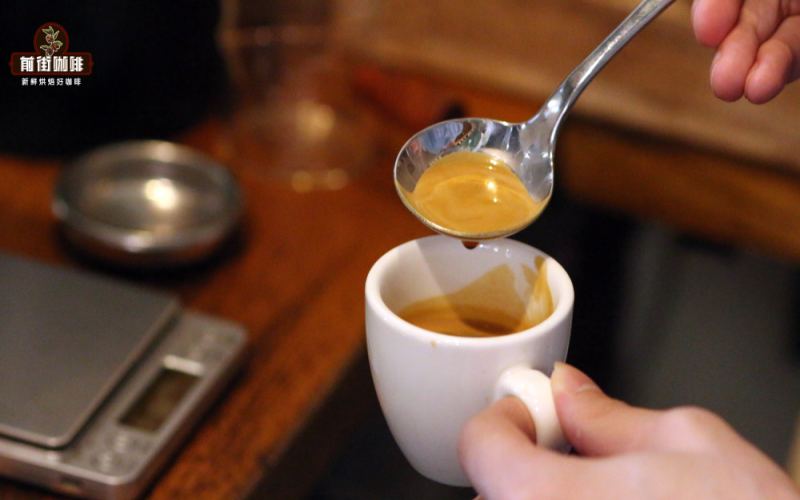
Espresso Flavor Characteristics | Is the crema on espresso actually coffee oil? What are the steps for making espresso? How do you drink espresso?
Espresso originated in Italy, derived from the Italian word "Express," meaning "pressed out, squeezed out." Through the pressure of steam in the boiler of an Italian coffee machine, water is forced through a layer of extremely finely ground and manually tamped coffee grounds, extracting a highly concentrated coffee liquid. Because of this [more…]
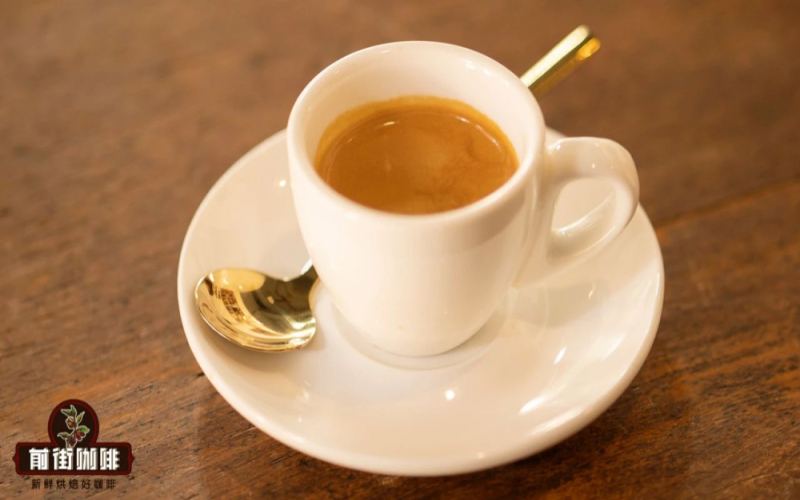
Espresso Complete Guide: Definition, Extraction Process, Suitable Coffee Beans, and Tasting Methods
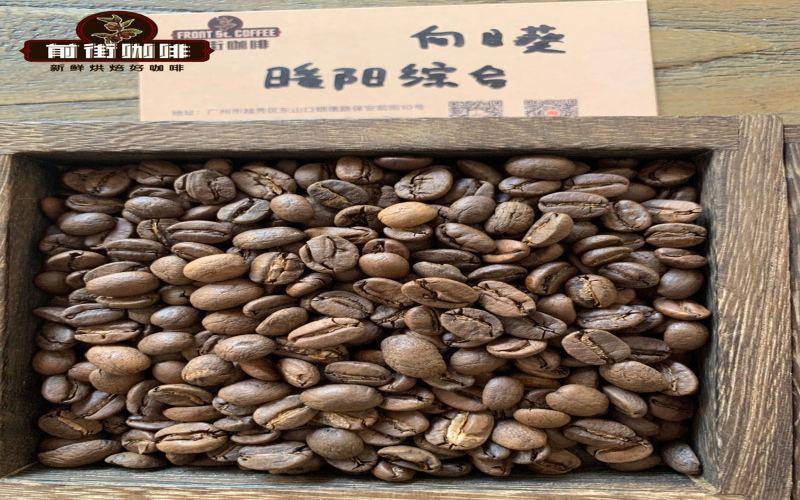
Espresso is the core of the Italian coffee system and the base for many drinks such as lattes and cappuccinos. Starting from the origin and definition of espresso, this article systematically explains its flavor characteristics and three-layer structure (crema, body, heart), and provides the extraction parameter ranges under SCA standards along with Front Street Coffee's actual in-store serving plan. It also introduces the flavor performance of Front Street's "Sunflower Warm Sun Espresso Beans" and the classic espresso blend, as well as the correct steps for tasting espresso and the recommended ratios for lattes and Americanos, helping coffee lovers fully understand and make a delicious cup of espresso. [more…]

How to Make Espresso | How Is Espresso Made? What Flavor Characteristics Do Italian Coffees Have? What Is the Correct Way to Drink Espresso?
For more specialty coffee knowledge, please follow our WeChat official account: Front Street Coffee (FrontStreet Coffee). Espresso originated in Italy, derived from the Italian word "Express," meaning "pressed out, pushed out." Through the boiler of an Italian coffee machine [more…]
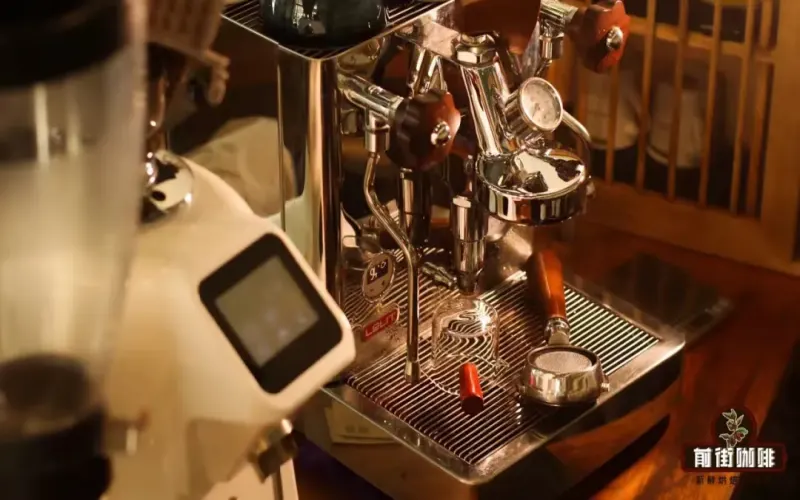
The Origin of Espresso | How Do You Drink Espresso? How Do Espresso and Americano Black Coffee Differ in Flavor and Mouthfeel?
For more specialty coffee knowledge, please follow our WeChat official account: Front Street Coffee (FrontStreet Coffee). Many people walk into a café, see a very small cup of black coffee with a golden layer of foam floating on top, and out of curiosity order one themselves, only to discover that this stuff actually tastes [more…]
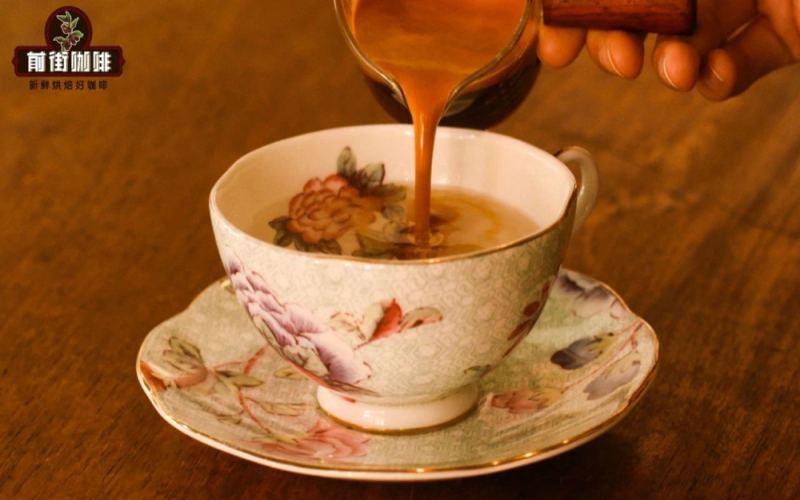
Espresso Flavor Characteristics | How Many Parts Make Up an Italian Coffee? What Is the Difference Between Espresso and Americano? How Do You Drink Espresso?
Anyone who has made espresso at home probably knows that espresso is the foundation of almost all fancy coffee drinks. For example, the ones we're most familiar with—latte, cappuccino, and flat white—are all made from espresso plus fresh milk, while Americano is simply espresso combined with water (or iced water). Because nothing else is added, [more…]

Espresso Coffee Tasting | What's the Etiquette for Drinking Espresso? What Techniques Are There for Tasting Espresso?
On various social platforms, we often come across scenes like this: a coffee enthusiast tilts their head back and downs a cup of espresso in one gulp, then after a brief frown, reveals an expression of intoxication as if they have tasted the most exquisite delicacy in the world. Many friends are infected by the enthusiast's emotions in the video, so after going to a café they will [more…]
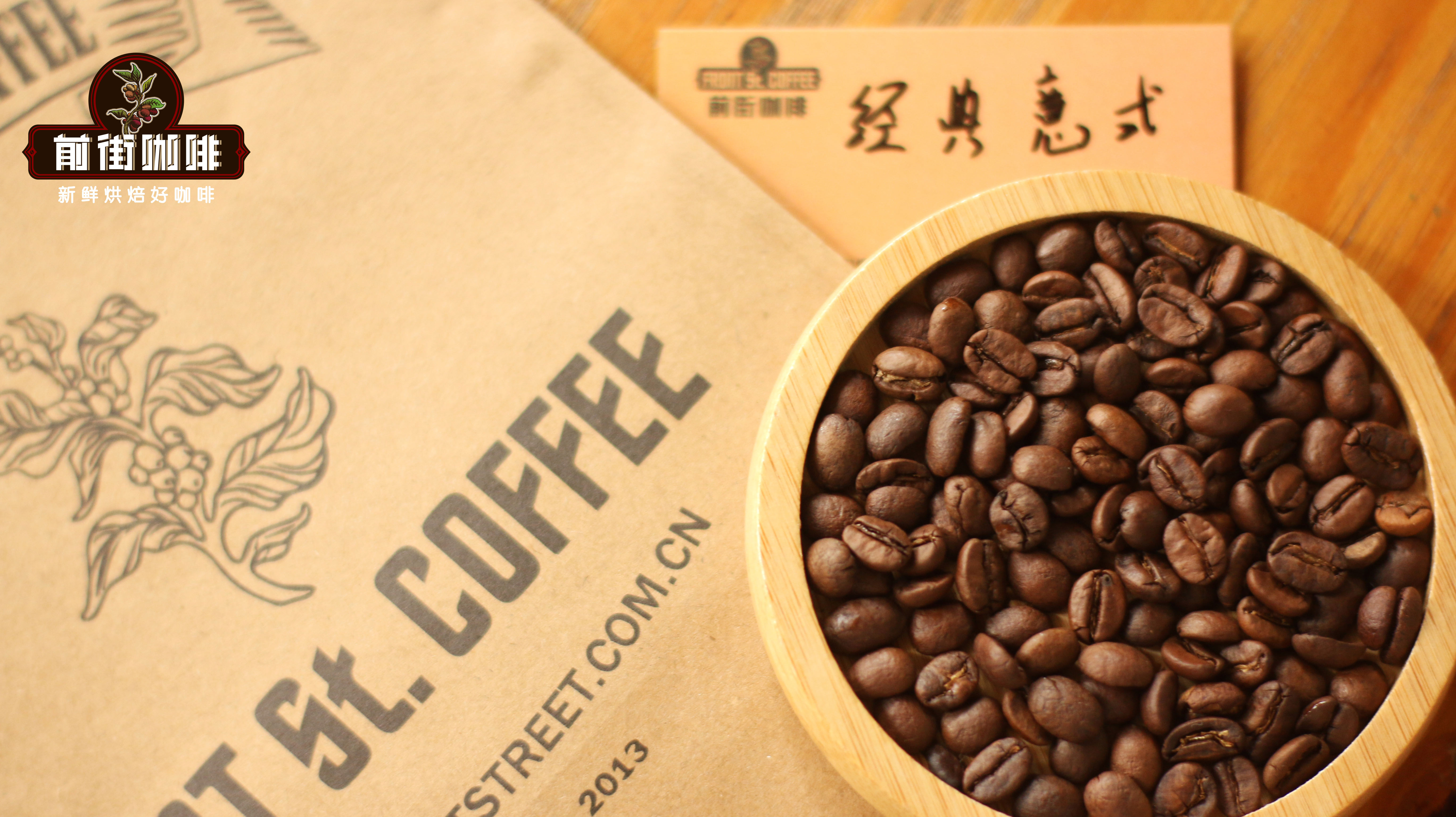
The Complete Guide to Espresso: From Its Historical Origins to the Three Extraction Types—Ristretto, Normale, and Lungo
Espresso is the soul drink of coffee shops around the world; classics such as Americano, latte, and cappuccino are all built on it. But espresso itself is far from being just one form—based on the extraction method and the coffee-to-liquid ratio, it can be divided into three types: Ristretto, Normale, and Lungo. From the perspective of Front Street Coffee, this article first sorts out the etymology and meaning of Espresso and the evolution of the Italian coffee machine, then breaks down one by one the specific parameters and flavor differences of the three espresso extraction schemes. It also explains the formation principle of crema, the tasting steps, and Front Street's actual practices in blend bean selection and serving, helping coffee lovers fully understand the flavor logic of espresso. [more…]
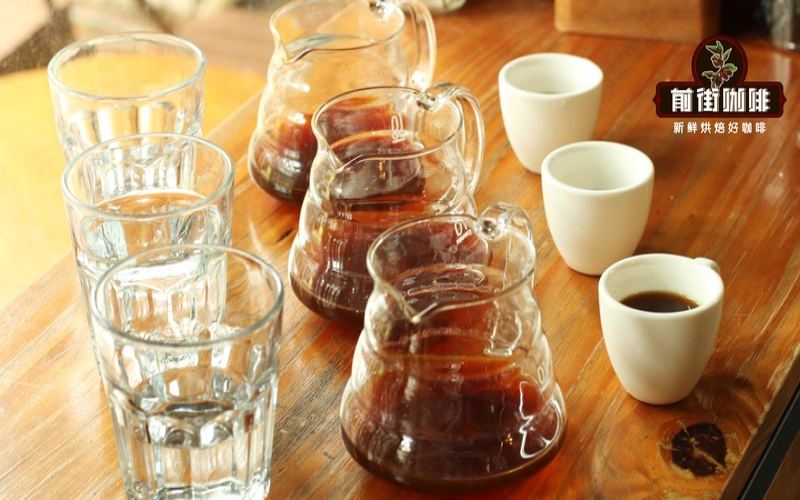
Light-roast pour-over beans: how the flavor changes from opening the bag to the last sip
The charm of light-roast coffee beans often unfolds between floral notes, fruity acidity, and a tea-like quality, but it is not a state you reach the moment you open the bag. After roasting, the beans continue to release carbon dioxide, and their aroma, acidity, and sweetness also shift over time. When buying beans, in addition to looking at the flavor description, you should also pay attention to the roast date and allow for a suitable resting period. [more…]

What does "layering" mean in pour-over coffee? How can you improve the layering of coffee?
When tasting coffee, we focus on flavor, mouthfeel, and aftertaste, but when it comes to complexity, few people understand what it means. In this article, Front Street Coffee will help you understand complexity in coffee!! When a coffee is rich in complexity, it means that in one sip, you can clearly perceive multiple flavors, that is, [more…]
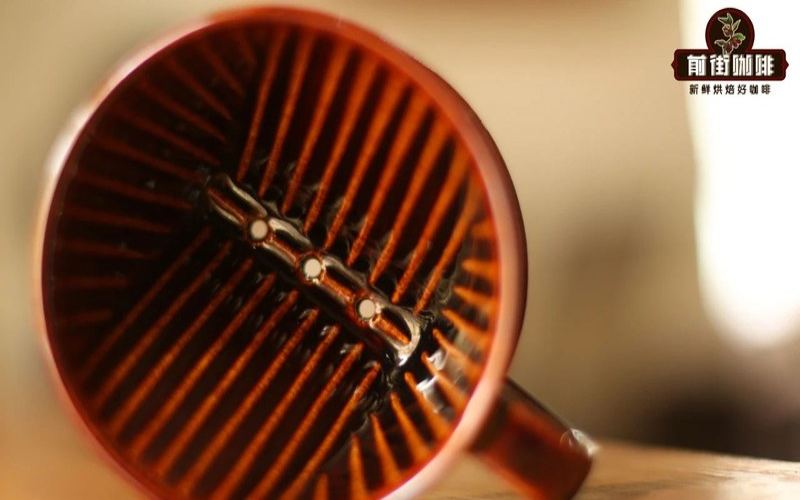
How Roast Dates Shape the Flavor Progression of Single-Origin Beans in a Moka Pot
A moka pot concentrates the coffee's strength, oily mouthfeel, and roasted aroma. With the same bag of single-origin beans, the cup's state keeps shifting from a few days after roasting to several weeks after opening. When choosing beans, besides looking at the flavor description, also pay attention to the roast date and match the purchase amount to your own brewing frequency. Drinking it too early or storing it too long may both [more…]
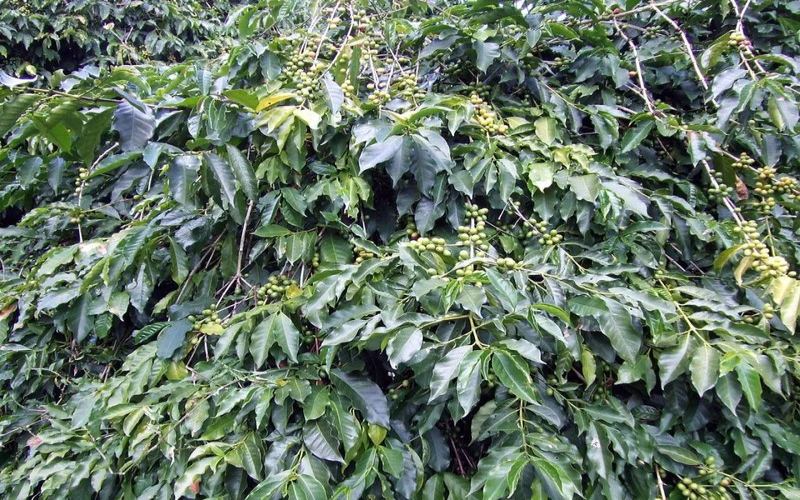
Fruity Coffee Bean Recommendations: The Flavor Rhythm from Roast to Cup
Fruity coffee beans don't show their best expression when brewed right after roasting. When freshly roasted, the beans retain a lot of gas, and the floral and fruity acidity can easily be pushed away by the airflow, while the cup may also taste sharp and thin. After resting for a period of time, the aroma, sweetness, and acidity gradually come together, getting closer to the flavor description on the packaging. When buying, first look at the roast [more…]

Espresso Black Coffee | Where Does the Aroma of Espresso Come From? What Is Espresso Made Of? How Do You Make Espresso?
For more specialty coffee knowledge, please follow: Front Street Coffee (Frontsteet Coffee) Thick surface, golden crema, strong and full-bodied with a strong sweet aftertaste. As the carbon dioxide in the crema is released, the alluring volatile aromatic compounds follow along. Espresso es [more…]
Roast level differences in light roasts: how to choose among three styles
Light-roast coffee beans are not a category with a fixed flavor profile. Even when they are all labeled "light roast," the cup may present bright floral notes, or the sweetness of ripe fruit, or even a tea-like character with citrusy acidity. To judge whether a bean suits you, you can first look at its specific roast level within the light-roast range, and then decide how to brew it. [more…]
How to Properly Taste Espresso | Where Does Italian Coffee Come From? What Is the Authentic Italian Espresso Standard Method and Principle?
For more specialty coffee knowledge, please follow: Front Street Coffee (Frontsteet Coffee). The earliest method of making Espresso was born in 1884, when an Italian named Angelo Moriondo designed a machine that obtained [more…]
Fruity and floral notes aren't just for light roasts: a bean selection approach for three roast levels
喜欢花香、果香,不必只盯着“浅烘”两个字。烘焙程度会重新安排一支豆子的香气、酸甜和口感:浅烘更像刚切开的水果与鲜花,中烘常把果味推向熟甜,深一些则可能留下果干、可可和焦糖气息。先决定想要清亮还是浓郁, [more…]
From opening the bag to the last cup, arrange the flavor rhythm of hand-ground beans like this
The aroma of hand-ground coffee beans changes slowly over time after roasting. Freshly roasted beans contain more carbon dioxide, so grinding them tends to produce a lot of foam, and the water flow may alternate between fast and slow; after resting for a period, the gas gradually escapes, and the floral, fruity, and sweet notes are more easily expressed in the cup. Therefore, buying beans is not just [more…]
When to Start Drinking Medium-Roast Pour-Over Beans: A Flavor Calendar After Roast Date
The aroma of medium-roast pour-over beans isn't fully developed the moment they come out of the roaster. After roasting, the beans continue to release carbon dioxide, and the volatile aromatics are still re-integrating; if you brew too early, the coffee bed puffs up noticeably, water tends to channel around it, and the cup may have a soaring aroma but sweetness that hasn't come together yet. So when choosing beans, you should check the roast date, and also give them time to [more…]
From roasting to brewing: how to capture the flavor window for pour-over beans
The flavor of a bag of pour-over beans changes over time. Freshly roasted coffee is usually full of gas, and its aroma hasn't fully opened up yet, so the brew may taste sharp, thin, or muddled. After resting for a while, the acidity, sweetness, floral and fruity notes, and lingering finish gradually come together, making each sip more complete. When selecting beans, the roast date is often [more…]

Espresso Flavor Characteristics | How to Taste Espresso? Which Coffee Beans Are Used to Make Italian Coffee? How to Make Americano with Espresso?
Many people think espresso is very bitter, but actually you just haven't learned how to taste espresso. Front Street Coffee (FrontStreet Coffee) teaches you 5 steps to easily savor the charm of espresso. Espresso, in Italian, means "fast," that is, [more…]
Espresso Milk Coffee Recipes | What Coffee-to-Milk Ratio Tastes Best? Latte, Cappuccino, and Flat White: Taste Characteristics and Origins
Latte, cappuccino, and flat white are three milk coffee categories that are almost always staples in coffee shops. This article will help you clearly distinguish the differences between these three milk coffees. Since most people have had some exposure to these three milk coffees, here is a brief introduction to their origins. Modern latte and cappuccino [more…]