







How does espresso differ from Americano and why is it called cappuccino?
Espresso is a small, concentrated black coffee brewed by forcing hot water under pressure through finely ground, tamped coffee. It originated in Italy, and its name comes from the Italian word Express, meaning pressed out. Despite the small serving, it is the base for lattes, cappuccinos, macchiatos and mochas. Americano is simply espresso diluted with hot water.
A good espresso shows a glossy crema about 3 mm thick with no white spots, a mellow body without graininess, and a sweet finish felt in the throat and tongue. The drink's name traces back to Italian coffee culture: cappuccino refers to the drink's color resemblance to the robes of Capuchin friars, while an Italian macchiato is espresso marked with a small amount of milk.
Walking into a café, you often see espresso and Americano listed side by side on the menu—so what exactly is the difference between them? Although espresso comes in a small serving, it is the base for many drinks such as lattes and cappuccinos. This article begins with the origin and definition of espresso, analyzes its three-layer structure of crema, body, and heart, introduces the color and taste standards a good espresso should have, and shares tasting steps, SCA extraction parameters, as well as Front Street Coffee's in-store serving plan and bean recommendations, helping coffee lovers truly understand this small but intense black coffee.
Many people, upon first seeing a small cup of mini black coffee in a café with a layer of golden foam on top, order one out of curiosity, only to find on the first sip that the flavor is astonishingly strong, even with a burnt bitterness. This drink that people both love and fear is actually often hidden in the Americano and latte you are familiar with—it is espresso.
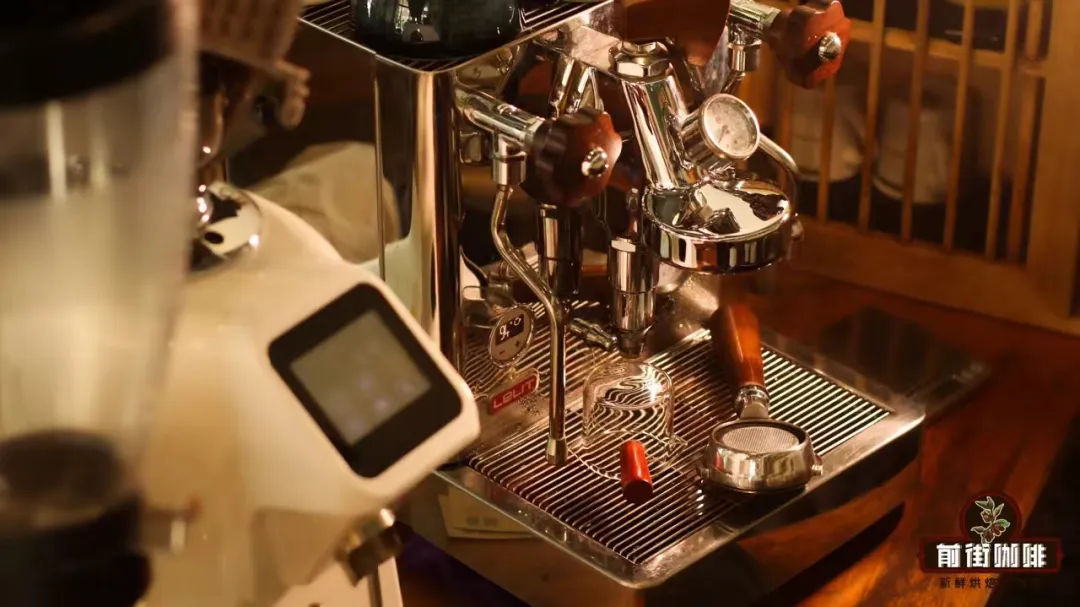
Espresso originated in Italy, and its etymology comes from the Italian word Express, carrying the meaning of "pressing out, pushing out." An espresso machine uses steam pressure generated by a boiler to force hot water through a layer of very finely ground and manually tamped coffee powder, thereby extracting an extremely concentrated coffee liquid.
This method allows the coffee crema to be retained for a long time, with a rich, mellow, and solid flavor, while acidity and bitterness remain balanced, so it is often called a work of art among coffees. At the same time, espresso is also the foundation of many fancy coffee drinks. Lattes, cappuccinos, macchiatos, and mochas are all extensions built on it as a base.
Flavor and taste characteristics of espresso
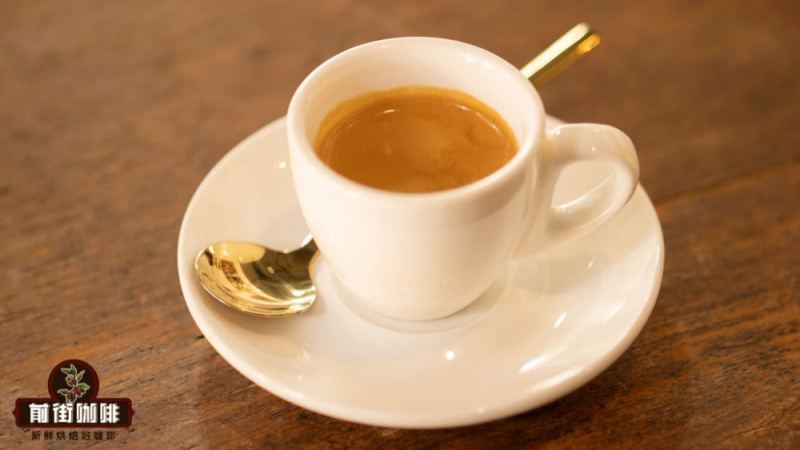
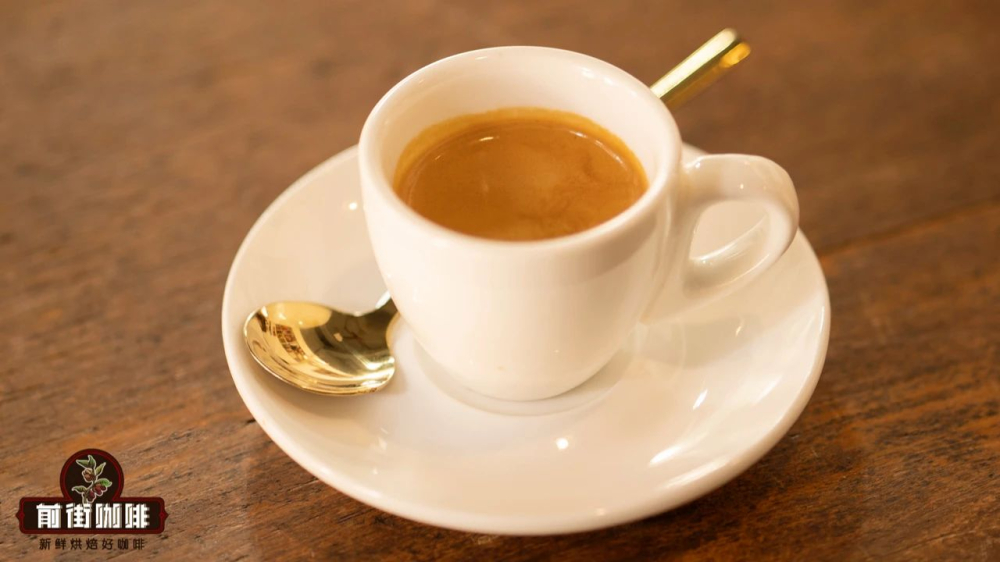
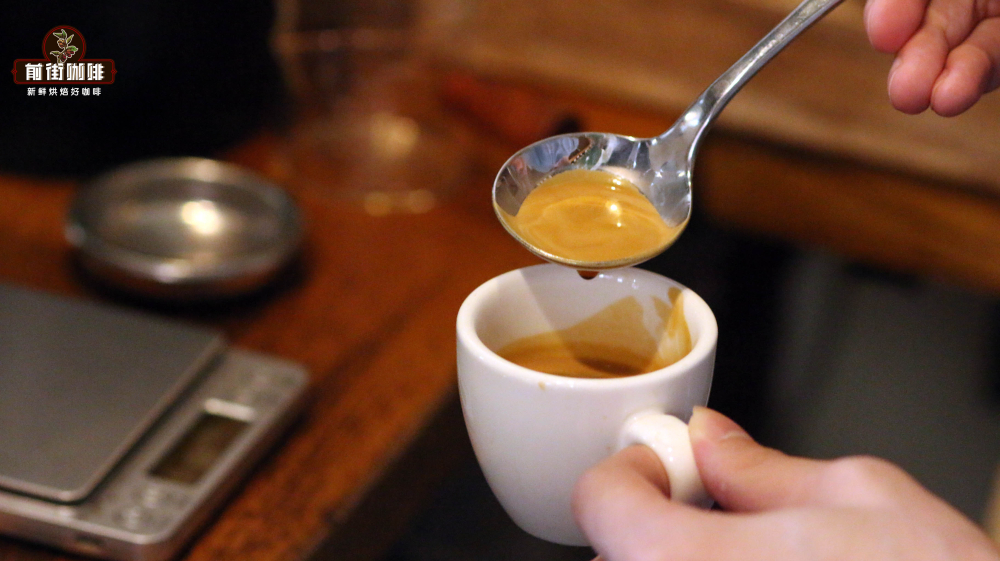
Front Street Coffee believes that for a good-tasting espresso, much can be judged from the appearance and color of the golden crema on the surface. First, high-quality crema should have a mirror-like glossy sheen (there is also the term tiger stripe, but if the dose is too small and causes over-extraction, white spots will appear), with a thickness of about 3mm. In taste, it is often strong and mellow, with a smooth texture and no graininess, and a beautiful sweet finish at the end, with sweetness clearly perceived in both the throat and tongue.
A single serving of espresso is usually not large, roughly between 25~35ml, and can be finished in two or three sips. In Italy's industrial era, the pressurized coffee machine and the birth of espresso were originally meant to pursue efficiency, allowing workers to quickly get a cup of coffee, quickly drink it down, and then return to their posts with energy.
This habit continues to this day. Italians often walk into a coffee shop before work, order an espresso, and drink it standing up, even skipping the step of sitting down. Of course, this is the Italian way of drinking it; in daily life, when we taste espresso, we might as well slow down a little to appreciate its charm (though it is still recommended to finish it in two or three sips, as the taste and flavor will diminish if left for too long).
Espresso is divided into three parts
.
Crema is one of the most iconic components of espresso, namely the layer of golden to reddish-brown foam on the surface. It is mainly composed of oils and carbon dioxide extracted from ground coffee beans. When hot water comes into contact with coffee powder under the high pressure of the coffee machine, the soluble oils in the coffee are emulsified and then supersaturated with carbon dioxide, forming a large number of tiny bubbles that stack up into this layer of foam.
.
Body carries the richest and most delicious flavors and aromas in espresso, allowing you to taste the soft side of coffee. The softness of a cup of espresso is actually the sum of tactile characteristics we perceive, such as roundness, smoothness, viscosity, and fluidity.
Heart is located beneath the body and is close to black in color. The heart of espresso is bitterness, which precisely balances the sweetness and aroma brought by the two layers above.
Driven by specialty coffee culture, the quality of coffee beans used to make espresso has now improved significantly, and most specialty beans place higher demands on the flavor performance of espresso, so there is no need to face it with the stereotype that "espresso must be very bitter."
As long as the barista understands the beans being used from a professional perspective, selects freshly roasted coffee beans, and calibrates and adjusts the espresso extraction parameters every day, espresso can likewise present distinct flavors and mouthfeels across the front, middle, and finish.
For example, the espresso served daily at Front Street Coffee uses a house blend called "Sunflower Warm Sun Espresso Beans," available both online and in physical stores. After extraction, this bean has a rich wine aroma, vanilla cream notes, the sweet-tartness of berries, and roasted nut flavors.
If you prefer a rich, mellow aroma, Front Street Classic Espresso Blend is recommended. This blend is composed of beans from three origins—Brazil, Indonesia, and Vietnam—and uses a deep roast, which maximizes the coffee's mellow aroma and makes it easy to extract rich, dense crema. Whether diluted with water into an Americano or paired with milk to make a latte, it is very suitable.
How do you drink espresso?
Before tasting, take a sip of ice water to clean the palate and also allow the tongue muscles to contract moderately. After the barista serves the espresso, you can gently stir it with a spoon to make it more uniform. Then drink it in three sips: the first sip captures the flavor, the second sip feels the mellowness, and the third sip appreciates the sweet finish and aftertaste.
Tasting the espresso extracted from "Front Street Sunflower Warm Sun Espresso Beans," the first sip brings a berry-like sweet-tartness and fermented wine aroma, the second sip offers a vanilla cream-like aroma and smooth mouthfeel, and the third sip brings a caramel-like sweet finish and hazelnut-like aftertaste.
How is espresso extracted?
According to the Specialty Coffee Association SCA standards, a single espresso uses 7-9 grams of coffee powder, a double espresso uses 14-18 grams of coffee powder, and 25-35g of coffee liquid is extracted within 20-30 seconds, with an extraction pressure of 9-10bar and a water temperature controlled at 90-96℃.
However, different coffee machines, grinders, and coffee beans of different roast levels or origins will all produce deviations in the extracted taste, so parameters need to be fine-tuned to correct the espresso's mouthfeel. Generally speaking, adjust the water-to-coffee ratio first, then adjust the grind size, so every coffee shop will make fluctuations up or down according to the beans and equipment used.
When Front Street Coffee serves in-store, making a single espresso (1shot) uses 10-11g of coffee powder to extract 20-25g of coffee liquid, with an extraction time of about 22 seconds; making a double espresso uses 19-20g of coffee powder to obtain 35-40g of coffee liquid, with an extraction time of about 29 seconds.

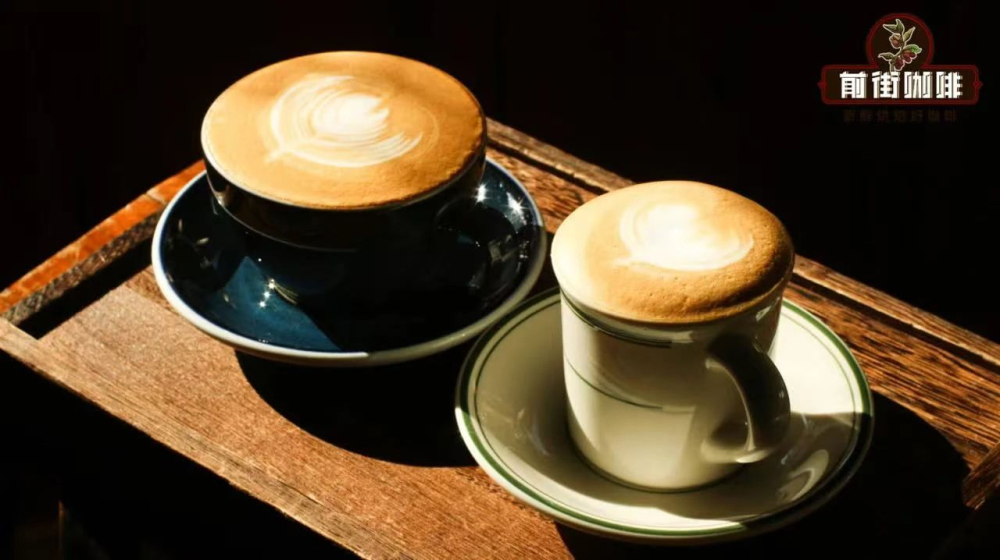
Because espresso has a strong and stimulating taste, it is generally recommended to add milk to make a latte, or add drinking water to turn it into the familiar Americano. For a latte, Front Street recommends a 1:6 ratio, that is, 40g of coffee liquid added to 240g of fresh milk to make a hot latte; for an Americano, use a 1:4 ratio, pouring 40g of coffee liquid into 160g of warm hot water.
For more specialty coffee knowledge, please follow the WeChat public account: Front Street Coffee.
The above content is compiled by CoffeeHunters, a coffee news website.


