







Search Results for: the world's three great black teas
Where Does Darjeeling Tea Come From? Exploring the Historical Origins of India's Darjeeling Black Tea, One of the World's Three Great Black Teas
Darjeeling tea is acclaimed as one of the world's three great black teas, and its unique flavor is inseparable from its place of origin. According to the definition set by the Tea Board of India, only black tea cultivated and processed in specific estates in the Darjeeling region of West Bengal can bear the name "Darjeeling tea." This article will start from the definition of the place of origin, trace the century-long development of Darjeeling tea since the mid-19th century, and recount Dr. Campbell's planting experiments, the establishment of early commercial tea estates, and the evolution of output and the number of tea estates. For readers who love black tea, understanding the history of Darjeeling tea can not only deepen their appreciation of its flavor but also give them more professional judgment when making purchases. Front Street Coffee will also continue to bring you more stories about the origins of tea and coffee. [more…]
Does Dahongpao actually belong to black tea or oolong tea? How much does Dahongpao cost per catty among the top ten famous teas?
Da Hong Pao is an oolong tea produced in the Wuyi Mountains of Fujian. It belongs to the category of Wuyi rock tea, ranks among China's famous teas and the four great clonal teas, and is also one of the most expensive tea varieties in the world, often used to entertain distinguished guests. Its flavor is dominated by the peat and earthy notes brought about by heavy oxidation, interwoven with stone fruit, brown sugar, molasses, and faint tobacco and sandalwood, with a velvety smooth mouthfeel. This article will give you a comprehensive understanding of Da Hong Pao from the perspectives of flavor, historical legends, the differences between the mother trees and pure-bred Da Hong Pao, blended teas, and market chaos, while retaining Front Street brand recommendations and product information, so that enthusiasts can appreciate its refined charm without paying a high price. [more…]
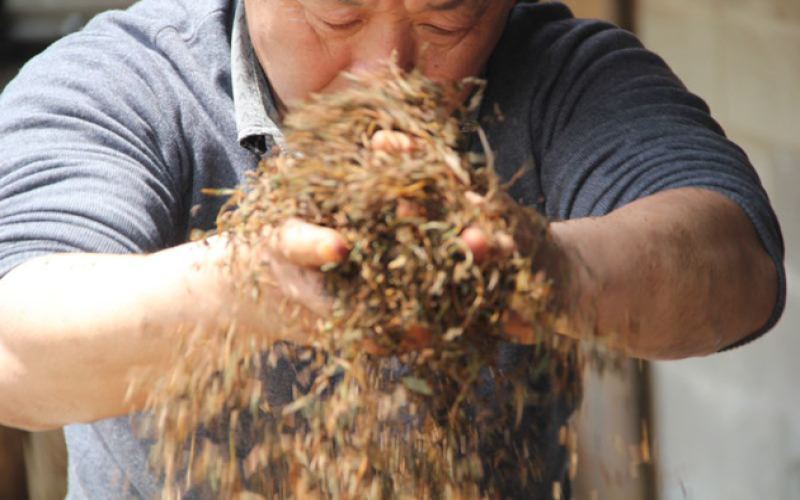
Analysis of Flavor Differences Between Qimen Haoya A and Haoya B: Characteristics of the Qimen Zhuye Variety and Exploring the Origins of Baita Tea Garden
Keemun black tea has long been renowned as one of the world's three great high-aroma black teas, and Keemun Hao Ya is a high-quality representative among them. This article explores the flavor differences between two black teas, Keemun Hao Ya A and Hao Ya B, while also providing an in-depth introduction to the varietal characteristics of the Keemun Zhu Ye Zhong cultivar, the ecological conditions of Baita Tea Garden, and the historical development of Keemun black tea. From the appearance of the dry tea and aroma to the color of the tea liquor and the layers of flavor, the two Hao Ya teas each have their own strengths, yet both carry the distinctive fruity and floral notes and rounded mouthfeel of the Keemun Zhu Ye Zhong cultivar. The article also focuses on the dedication of Mr. Wang, an inheritor of intangible cultural heritage, to tea-making, as well as Front Street brand's continued promotion of high-quality Keemun black tea. Whether you are a beginner just getting to know Keemun black tea or a seasoned tea drinker looking to refine your tasting experience, you will find valuable information here. [more…]
Where is the core production region of Yunnan Dianhong black tea? How should one select the highest-quality Dianhong Golden Needle?
Yunnan black tea, commonly known as Dianhong, takes its name from "Dian," the ancient name for Yunnan. Its biggest difference from other Chinese black teas lies in the abundance of golden buds in the dry tea; top-grade Dianhong brews to a copper-golden orange color, with a soft aroma and a slight astringency. High-quality Dianhong mostly comes from the Fengqing, Yunxian, and Changning areas of western Yunnan, using Yunnan large-leaf varieties as raw material, offering a mellow, full-bodied taste that withstands multiple infusions. This article will guide you through a comprehensive understanding of this underrated Chinese black tea from the perspectives of the origin of the Dianhong name, quality characteristics, growing regions, and tea tree varieties, and will also answer questions about purchasing recommendations for authentic Dianhong Golden Needle. [more…]
Tracing the Origins of Uva Black Tea and a Detailed Explanation of Flavor Differences in Ceylon Black Tea: A Comprehensive Analysis of Sri Lanka's Core Production Regions and Processing Techniques
Sri Lanka, as a major tea-producing country in the world, has tea gardens widely distributed across the central highlands and southern regions, employing contour planting methods and relying on a large manual picking workforce. There are 11 major tea-growing regions nationwide, among which Uva, Nuwara Eliya, and Dimbula are the most well-known. Uva black tea is famous for its unique sweet aroma and exotic character, Nuwara Eliya tea is delicate with floral notes and a light mouthfeel, and Dimbula tea mostly presents a mellow style. The overall flavor of Ceylon black tea varies significantly due to differences in altitude, climate, and producing region. Traditional Ceylon tea has a full, lively taste with noticeable tannins and a slight citrus note. This article will systematically introduce the cultivation, processing, regional flavors, and quality certification system of Ceylon tea, helping coffee and tea beverage enthusiasts fully understand the difference between Uva black tea and Ceylon black tea. Information on related products recommended by Front Street Coffee is also retained in the article. [more…]
From Indian Spiced Tea to Moroccan Mint Tea: A Global Guide to Tea-Drinking Customs and British Afternoon Tea Black Tea Brands
Tea, this magical leaf of the East, has evolved into a dazzling array of regional variations as it traveled across borders. From the spice tea wafting with cardamom and clove on the streets of India, to the elegant three-tier afternoon tea in Britain; from the concentrated essence of black tea in the Russian samovar, to the sweet, soul-soothing iced tea of the American South; and to the mint green tea poured with a high-pour technique in Morocco—each country interprets this cup in its own way. This article will take you on a tour of tea-drinking traditions around the world and provide an in-depth look at exactly what kind of black tea is drunk at British afternoon tea and which classic British black tea brands are worth trying. Whether you are a seasoned coffee lover or a newcomer exploring tea, this global tour of tea customs will set your taste buds off on a distinctive journey. [more…]
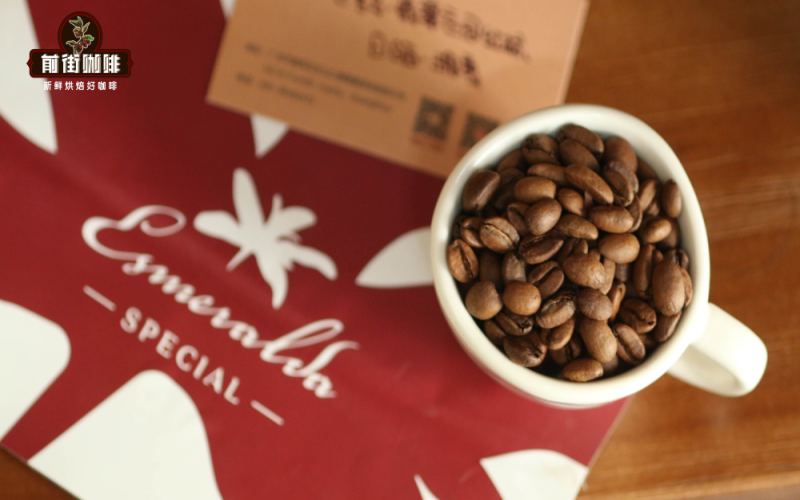
Top Ten Single-Origin Coffee Beans in the World | What High-End Specialty Coffee Beans Make Great Gifts? Recommended High-Value Pour-Over Beans Loved by Seasoned Coffee Enthusiasts
The world of coffee is deep and mysterious, and the world of single-origin coffee is even more bewildering. Unless you are a seasoned coffee connoisseur who has studied it for years, choosing the best single-origin beans from among the many coffee-producing regions is still very difficult, especially for ordinary coffee lovers. Sometimes you want to buy some coffee beans as a gift for a friend, but you're afraid your friend [more…]
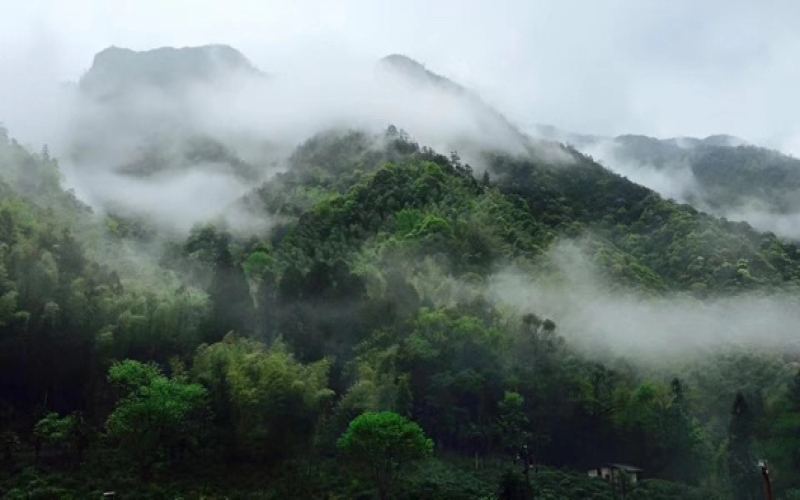
How can you tell Zhengshan Souchong from Waishan Souchong? Are Yanxiaozhong, Xingcun Souchong, and Tongmu Souchong the same type of black tea?
Lapsang Souchong is widely recognized as the world's earliest black tea. With its distinctive pine smoke aroma and sweet, fruity notes reminiscent of dried longan, it profoundly influenced the historical course of European tea culture. However, names related to "Souchong" abound on the market—Waishan Souchong, Smoked Souchong, Xingcun Souchong, Tongmu Souchong—are they actually the same tea? How should one distinguish Lapsang Souchong from Waishan Souchong? This article will sort out these easily confused concepts from three dimensions: historical origins, production area classification, and naming evolution, restoring the true identity of Lapsang Souchong while introducing you to the unique flavors of the core production area in Tongmu Village, Wuyi. [more…]
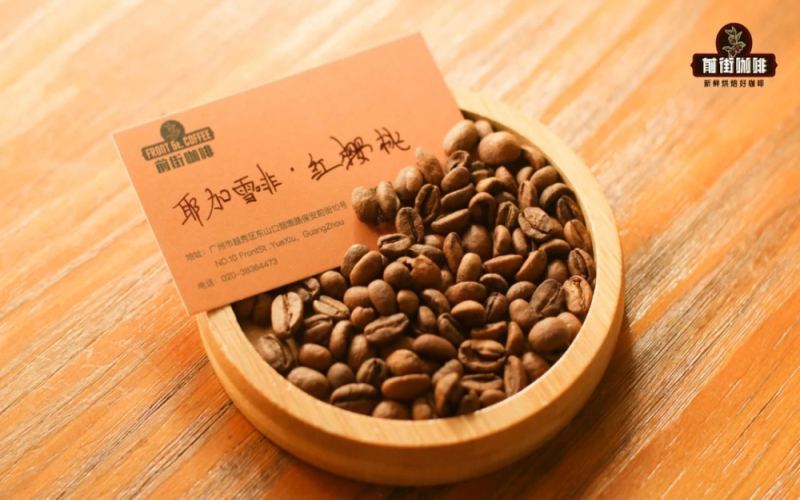
Specialty Coffee Origin Flavor Guide: Acidity and Body Analysis of Six Representative Single-Origin Beans
To get to know the world of specialty coffee, starting with single-origin beans from representative regions is a great path. Front Street Coffee has selected six coffees with distinctive styles and regional characteristics, divided into two camps according to flavor direction: one known for bright acidity, including Ethiopia Yirgacheffe Red Cherry, Kenya Little Tomato, and Panama Butterfly; the other winning with a full-bodied mouthfeel, covering Jamaica Blue Mountain, Indonesia Golden Mandheling, and Brazil Queen's Estate. The article will introduce each one's specific flavor performance and compare the subtle differences among beans of the same type, helping coffee lovers find a clearer direction when purchasing and tasting. [more…]
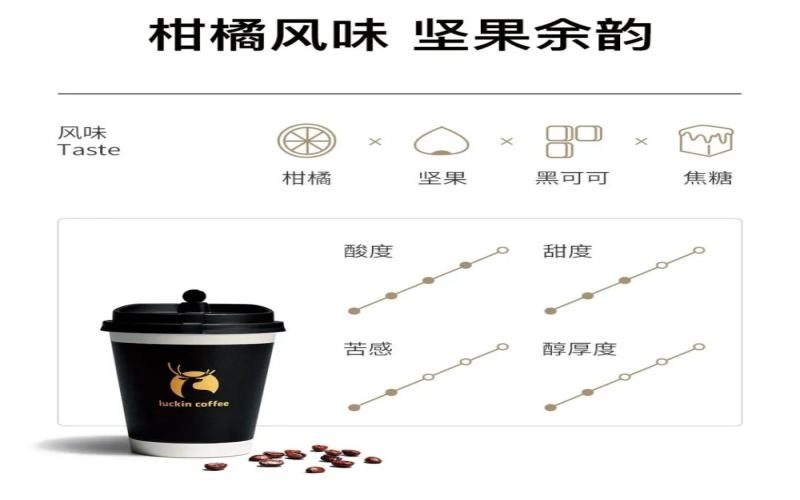
Luckin SOE Yirgacheffe Little Black Cup Flavor Analysis: The Fruity Acidity and Floral Aroma of Ethiopian Specialty Beans and Front Street's Home Roasting Recommendation
In 2021, Luckin Coffee launched its SOE Yirgacheffe "Little Black Cup," bringing this legendary Ethiopian region back into the spotlight. What makes Yirgacheffe so popular around the world? Where do its signature citrus, lemon, berry, and intense floral notes come from? This article provides a comprehensive look at the flavor code of Yirgacheffe, from its geographic origins and the revolution in washed processing methods to the fruit-acidity revolution brought about by light roasting, and on to Luckin's purchasing agreements and the SOE trend. At the same time, Front Street Coffee, as a devoted champion of floral and fruity flavors, presents three representative coffees—the Gutingding Cooperative, sun-dried Red Cherry, and a washed daily-drinker bean—along with brewing parameters and cupping notes to help you understand this classic cup in the "new era of fruity-acid coffee." [more…]
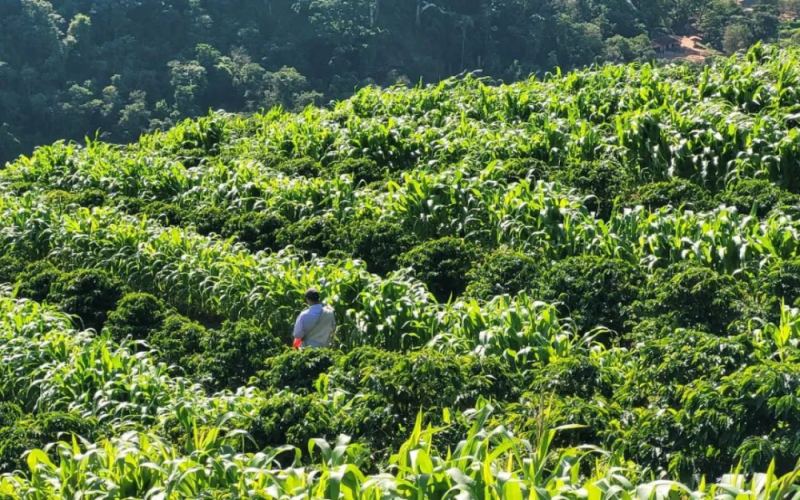
Complete Analysis of Yellow Bourbon Coffee Beans from Queen Estate, Mogiana Region, São Paulo State
Brazil is the world's largest producer and exporter of coffee, accounting for about one-third of the world's total exports. Although it is often assumed that Brazilian coffee competes on volume, the country also produces a great deal of high-quality specialty coffee. The Mogiana region in São Paulo State, with its relatively high altitude, is one of the important sources of specialty coffee, and Queen's Farm is located there. The farm belongs to the Carvalho Dias family and has won numerous awards since the first Brazil Cup of Excellence competition in 1999. Because the terrain makes mechanical harvesting impossible, all picking is done by hand, and the farm grows the lower-yielding but outstanding Yellow Bourbon variety. Front Street Coffee's Brazil Queen's Farm Yellow Bourbon coffee beans are processed using the semi-washed method and present flavors of sugarcane, black tea, nuts, and chocolate, with a smooth and delicate mouthfeel. [more…]

How to Choose a Home Coffee Maker | French Press vs. Moka Pot: Which Is Better for Beginners? Recommendations for Great-Tasting, Affordable, High-Quality Coffee Beans for Home Brewing
Many friends who have just gotten into coffee struggle with one question: between the French press and the moka pot, which one should I buy? Both are recognized as beginner-friendly coffee brewing devices, but their extraction principles, taste profiles, and operating methods are completely different. Today's article will help you figure it all out in one go, so you can place your order right after reading without any hesitation. [more…]
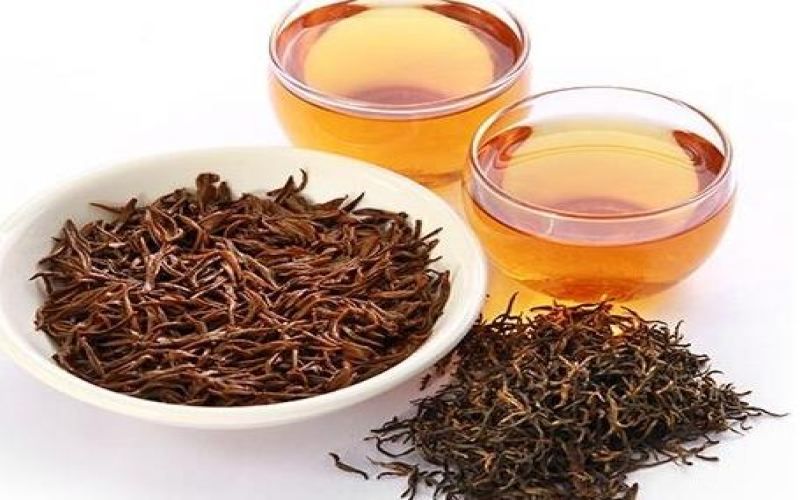
What grade does Jin Jun Mei hold among black teas? A full analysis of the origin of its name and the story behind it.
Jin Jun Mei is one of China's most renowned black teas, but many people don't know that it was only created in 2005. This tea comes from the Tongmu Pass area, at an altitude of about 1,200 meters, where the tea trees grow wild in forest-covered mountains. Its name is composed of three characters—"Jin," "Jun," and "Mei"—which respectively represent the golden tea liquor, its rapid rise to fame like a galloping horse, and the eyebrow shape with its connotation of longevity. Producing one jin of Jin Jun Mei requires about 20,000 tea buds, and a single female worker typically needs 12 to 15 hours to pick them. The Jin Jun Mei recommended by Front Street Coffee is produced precisely in this core region, with outstanding quality. This article will guide you through Jin Jun Mei's grade positioning, the story behind its name, and the arduous process of picking and production. [more…]

Specialty Drip Bag Black Coffee Brand Ranking | How to Properly Brew Drip Bag Coffee? What Are the Key Considerations for Drip Bag Coffee Brewing Ratio, Extraction Time, and Water Temperature?
For the same beans, freshly roasted coffee and drip bags will have some differences in flavor, because once coffee is ground into powder, its natural aroma disappears quickly. Of course, Front Street Coffee also has many regular customers who request that the coffee be ground before shipping, and in such cases Front Street Coffee generally recommends drinking it as soon as possible. Of course, compared with pour-over, drip bags are [more…]
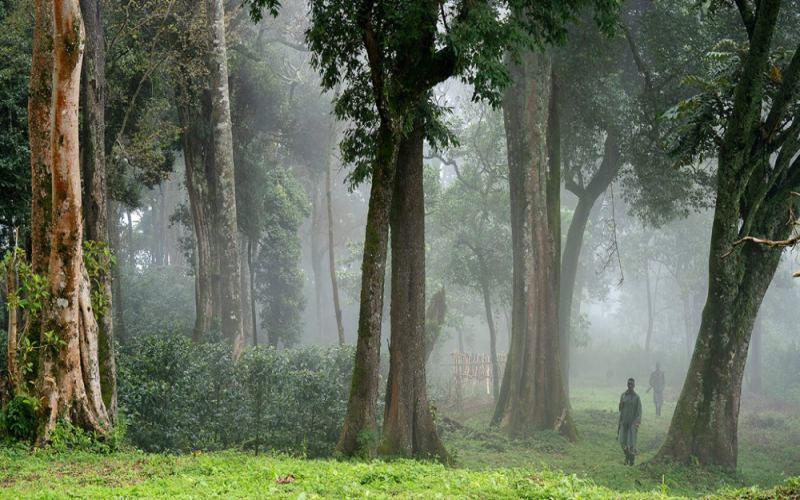
Exploring Ethiopia's Gesha Village Gold Label: What Makes This Rare Lot, Only 3.7% of Annual Production, So Unique?
Located in the Bench Maji region of Ethiopia, Gesha Village has become a focal point of great interest in the specialty coffee world in recent years. The coffee beans produced by this estate have repeatedly been selected by world-class coffee competition contestants, helping Ethiopian coffee return to its peak. Gesha Village classifies its coffee into several grades, including Auction, Gold, Red, Green, and Chaka, among which the Gold batch accounts for only about 3.7% of the estate's annual production, making it extremely rare. This article will take you deep into Gesha Village's geographical environment, the varieties and flavor characteristics of its eight blocks, its grading system, and Front Street Coffee's brewing recommendations for this season's Gold Gesha, presenting a complete guide to Gesha Village for coffee enthusiasts. [more…]
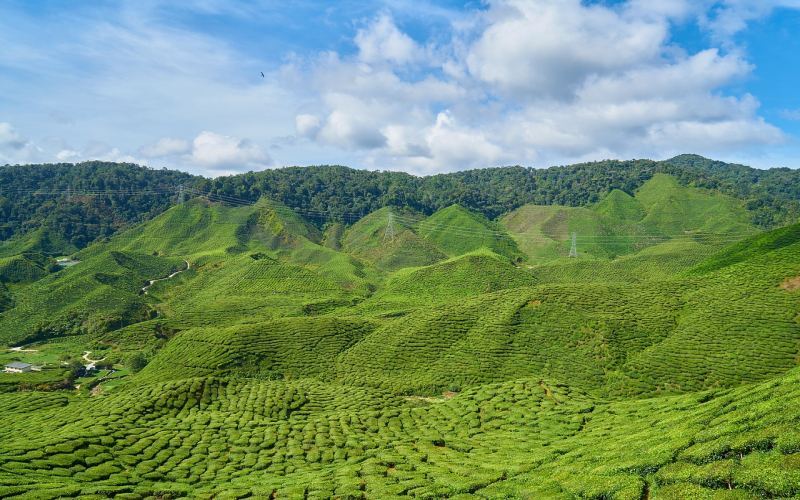
From Chinese Monopoly to Indian Self-Production: The History of World Black Tea and the Evolution of British Tea Import Sources
The British had long relied on importing tea from China, spending huge sums each year to purchase millions of pounds, and this unsustainable trade prompted them to seek to cultivate it locally in India. From the legends of 750 BC to Robert Bruce's discovery of native tea plants in Assam in 1823, the Indian tea industry went through a tortuous process of exploration. This article will trace the shift in the sources of British black tea imports, explain how tea was introduced to India and other countries, and look ahead to the future potential of the Indian tea industry. Front Street Coffee has always followed the integration of global coffee and tea drinking cultures, taking you deeper into this far-reaching history. [more…]
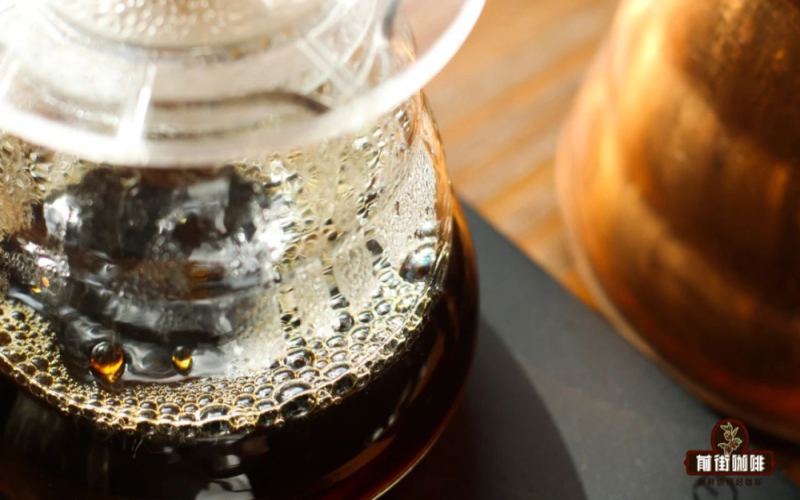
Pour-Over Coffee Beginner's Guide: From Equipment Preparation to Three-Stage Extraction, Master Proper Brewing Techniques and Flavor Adjustment
Preparing breakfast for the family in the morning and then brewing a pot of aromatic coffee can both refresh the mind and set a calm tone for the day. Pour-over coffee and brewing gongfu tea share a similar spirit—different teas call for their own water temperatures, vessels, and steeping times, and the same goes for coffee. Compared with machine brewing, manual extraction allows more flexible adjustment of water temperature and flow, restoring each bean's original flavor profile and allowing fine-tuning of the brewing method to personal taste. In the process of pouring, waiting, and tasting, one becomes focused and calm, and pour-over is also a great medium for entertaining and chatting, which is why it has become increasingly popular in recent years. This article is aimed at pour-over beginners, explaining everything from bean selection and equipment preparation to extraction steps, and includes several beans recommended by Front Street Coffee along with a complete three-pour brewing demonstration to help you brew your own cup of coffee. [more…]

Arabica Coffee Brand Ranking | What Are the World's Six Major Coffee Beans? Which Country's Regional Coffee Makes the Best Hand-Brewed Black Coffee?
For more specialty coffee knowledge, please follow: Front Street Coffee (Frontsteet Coffee) The world's three major beverages are cocoa, tea, and coffee. Among them, coffee was only introduced to China just over a hundred years ago, but it is only in recent years that coffee's development in China has grown increasingly massive, and the number of coffee drinkers has [more…]
A Complete Guide to Costa Rica's Tres Milagros Estate Coffee: Varieties, Processing Methods, and Flavor Characteristics
Costa Rica's Three Miracles Estate was founded through a collaboration between Camilo, the owner of Hacienda San Francisco, and the Facusse family of the Dinant Corporation. Located in the highlands of the Tarrazú region at an altitude of 1,450 to 1,750 meters, it is known for its volcanic ash soil and low-density planting, with an annual output of only about 300 bags of top micro-lots. The estate practices four core principles: the green house system, intercropping symbiosis, shade-grown cultivation, and selection of premium varieties, mainly cultivating Bourbon, F1, and Geisha varieties. Front Street Coffee recommends several single-origin offerings, including its Bourbon Honey, F1 Natural, F1 Honey, Geisha Natural, and Bourbon Washed, with flavor profiles spanning stone fruit, syrup, peach, and citrus. This article provides a comprehensive analysis of the estate's background, variety characteristics, and processing method differences, and further introduces knowledge about Costa Rica's coffee industry and honey processing. [more…]
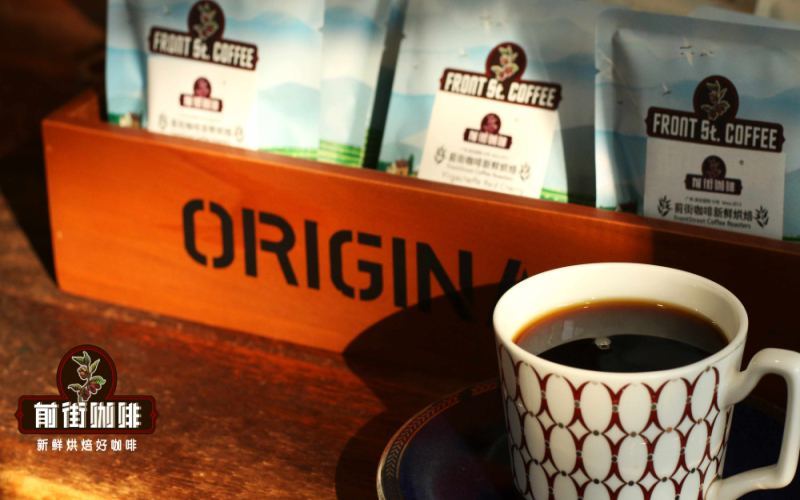
Coffee Beginner's Buying Guide: Three Steps to Lock in the Perfect Specialty Coffee Beans for You
Friends who are just getting into specialty coffee often face a difficult problem: with so many types of coffee beans available online, which one is actually right for them? In fact, by clarifying three steps, you can greatly narrow down your choices. First, figure out how you plan to drink it—whether it's pour-over filter drip or espresso, this directly determines what type of beans you should buy. Second, pay attention to the roast date on the bag, as freshness has an enormous impact on flavor expression. Third, based on your taste preferences and the equipment you commonly use, choose among several classic flavor profiles. This article introduces one by one the flavor characteristics and suitable audiences of eight representative beans under Front Street Coffee, from the bright fruity acidity of Ethiopian natural process to the rich and heavy Indonesian wet-hulled process, helping you quickly find a starting direction. [more…]