







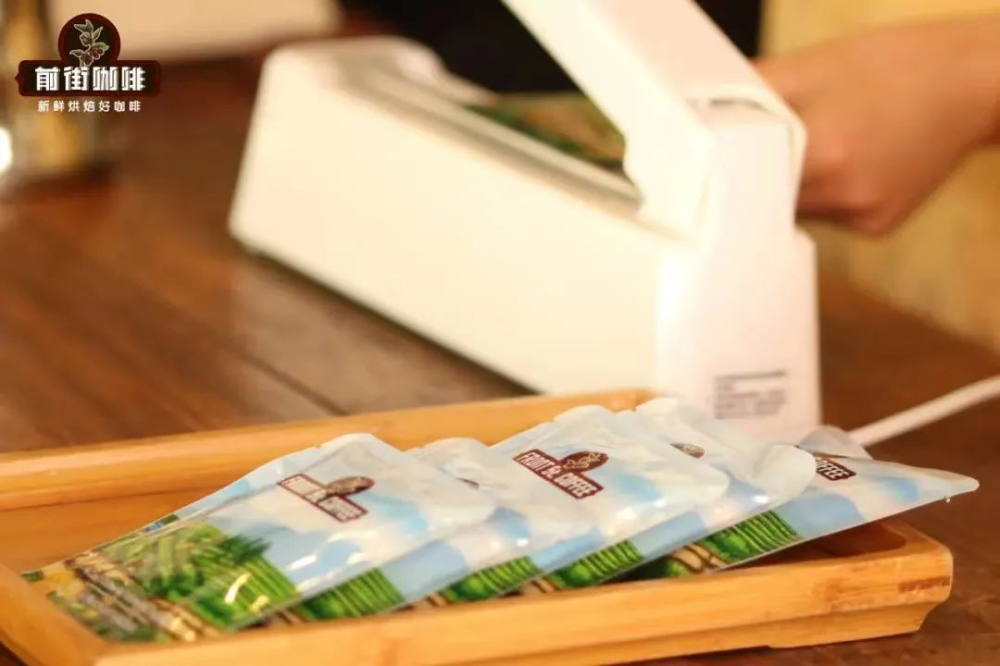
The same beans, freshly roasted coffee and drip bags will have certain differences in flavor, because once coffee is ground into powder, the natural aroma disappears quickly. Of course, Front Street Coffee also has many regular customers who request ground coffee for shipment, and in such cases, Front Street Coffee generally recommends drinking it as soon as possible. Of course, compared to pour-over, drip bags are very convenient when you don't have much time to brew.Drip coffee bagsare also a great choice.
The Front Street Coffee drip bag series features flavors from multiple regions, such as Yirgacheffe, Brazil, Kenya, Butterfly, Mandheling, Honduras Sherry, and more. Of course, if customers want other types of coffee beans made intodrip filter coffee bags,Front Street Coffee will also make them according to demand. For example, a few days ago, a customer tried a Front Street PWN Golden Mandheling in the shop, was satisfied with the taste, but couldn't be bothered to grind beans at home, so we made it into a drip bag on the spot for the customer.
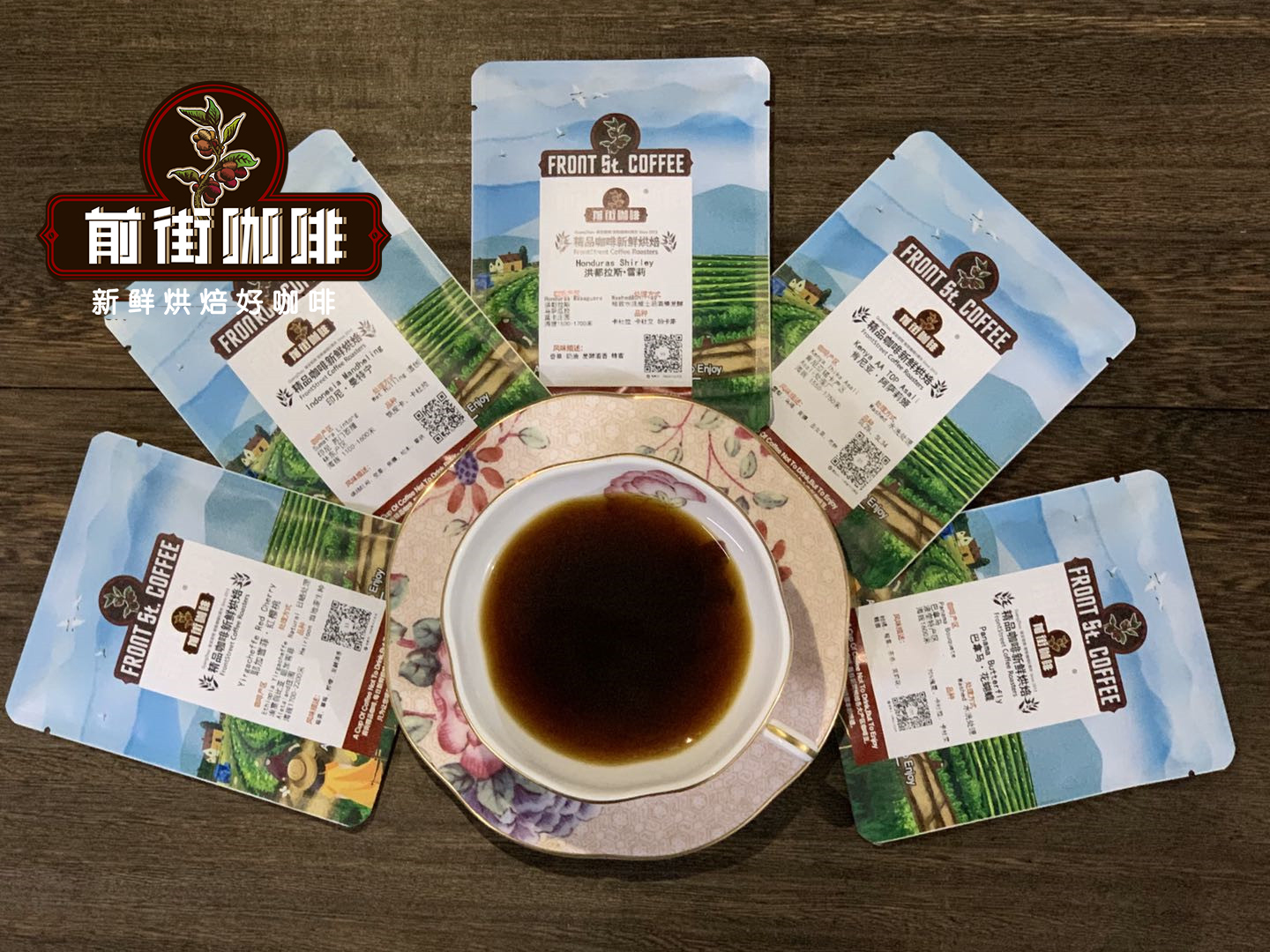
How should drip coffee bags be used? Front Street Coffee is here to introduce drip coffee bags to everyone! Let's first get familiar with how to brew drip coffee bags—it's just a tiny bit more troublesome than instant coffee.
[The Correct Way to Brew Drip Coffee]
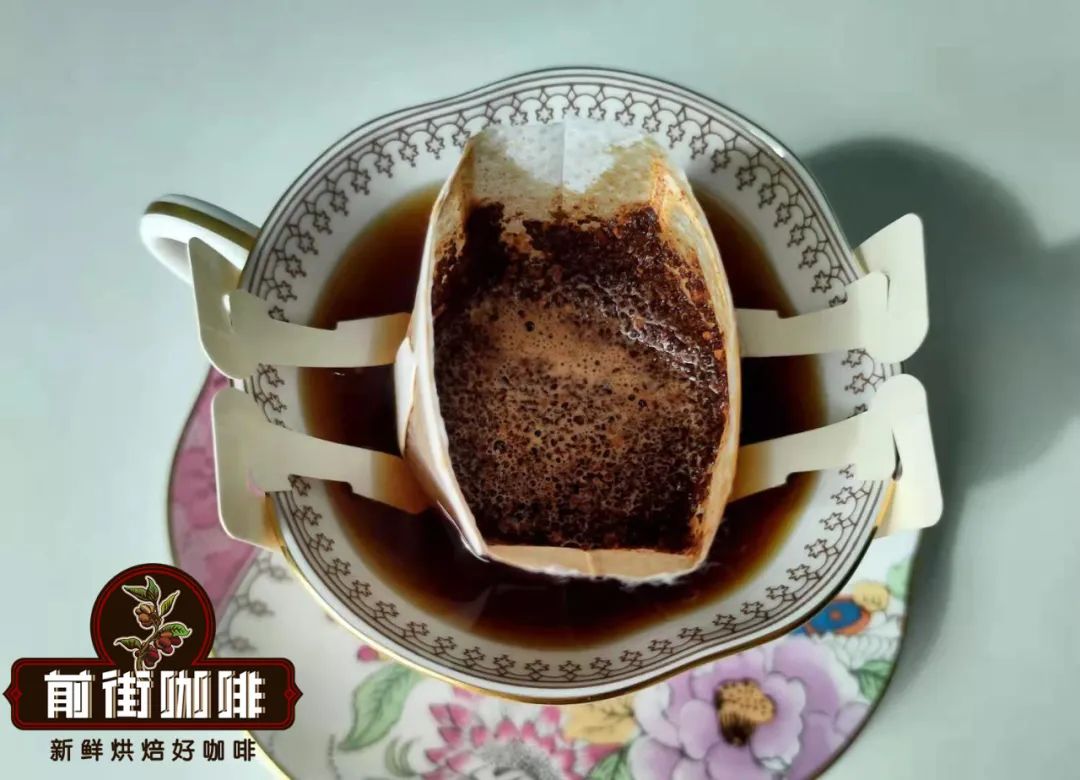
1. The indicator mark is also easy to tear. The cup rim should not be too wide, or it might not be able to hold it.

2. Pour in 90°C hot water, just enough to cover the coffee grounds, and let it bloom for 20–45 seconds.

3. After a brief bloom, the coffee grounds have already released a very rich aroma. Front Street Coffee drip bags contain 10g of coffee, with a 1:15 coffee-to-water ratio—pour in about 150ml of hot water. If you like it stronger, add less water; if you prefer it lighter, add more water. The ratio can be adjusted according to personal taste. As for the brewing method for drip coffee, Front Street Coffee has also encountered many customers asking whether to pour in stages. Actually, just pour in a small, gentle stream in a circular motion directly up to 150ml. Drip coffee is meant to be simple and convenient—no need for too many requirements.
4. Lift out the drip bag and throw it in the trash. Add sugar or milk according to your preference. If you like adding milk, you can increase the brewing ratio for the drip coffee (in simple terms, brew it stronger). Then use a 1:8 ratio of coffee to milk. You can also use a milk frother to turn the milk into foam, and it becomes a simple latte!
[Incorrect Ways to Brew Drip Coffee]
Front Street Coffee reminds everyone here: Wha! Te! Ver! Do! Not! Pour out the coffee grounds from the drip bag! That is wrong!
Instant coffee is a dry coffee extract obtained by evaporating the water from coffee extract, and it can dissolve quickly in hot water. It is fundamentally different from real coffee.
The coffee powder used in drip coffee bags is ground from freshly roasted coffee beans and contains a large amount of insoluble substances such as plant fibers. Therefore, drip filtration extraction is usually adopted to avoid residual coffee grounds affecting the mouthfeel.

2. Brewing the drip bag like a tea bag. Front Street Coffee also encountered feedback saying the coffee had no flavor—it turned out the person had directly thrown the drip bag into the cup.
Although drip bags and tea bags look somewhat similar because they both use non-woven fabric bags, the drip bag has such large paper ears that you can't ignore them—unless you want to drink bland water that tastes like soaked paper... Remember! Drip coffee should be hung up and brewed by pouring!

3. Brewing without tearing open the opening. This is the brewing method with the highest error rate that Front Street Coffee has encountered. Most brands' drip bags have "OPEN" clearly printed on the seal, and Front Street Coffee's drip bags are also marked with "OPEN." Some people think drip bags are just tea bags that hang, so they don't think to tear open the opening. However, without tearing the opening, the process of water flowing through and brewing is lost, which inevitably leads to insufficient extraction of coffee flavor. Front Street Coffee suggests that the first step before brewing a drip bag is to tear the opening!

4. Some other bizarre mistakes
Front Street Coffee will list two here. The first is when the first three steps are done correctly but the step of "removing" is missed. After brewing the drip bag, please remove it within 2 minutes; otherwise, besides being in the way, it is also prone to over-extraction and affecting the taste.The second is when the four steps of tearing, hanging, pouring, and removing are all perfectly done, but after finishing one cup, the bag is picked back up to brew a second cup. Front Street Coffee kindly reminds: Please discard the drip bag after brewing and do not reuse it! The coffee's flavor is already gone; brewing it again won't extract anything useful.
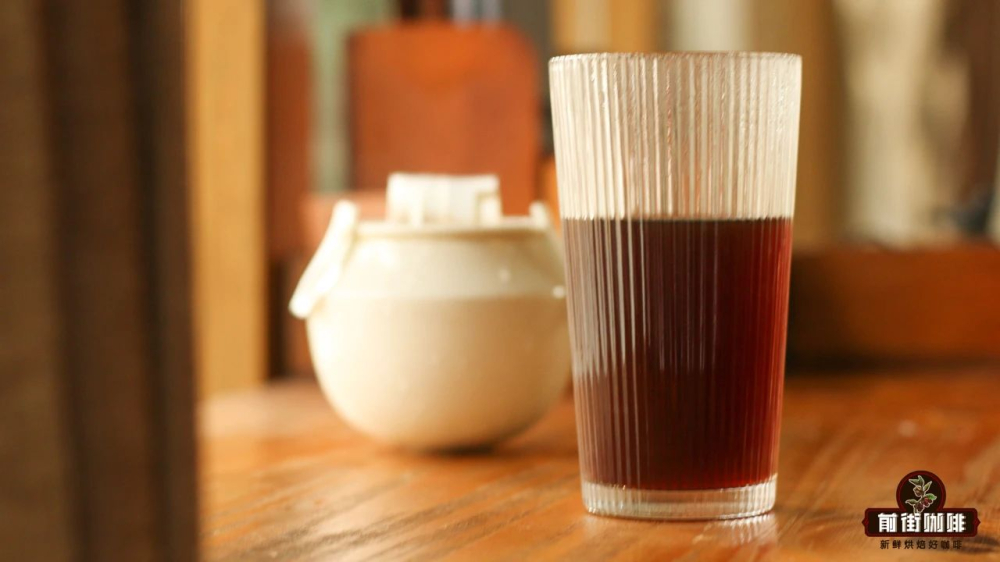
Front Street Coffee Tips: Three Details to Make Drip Coffee Taste Better!
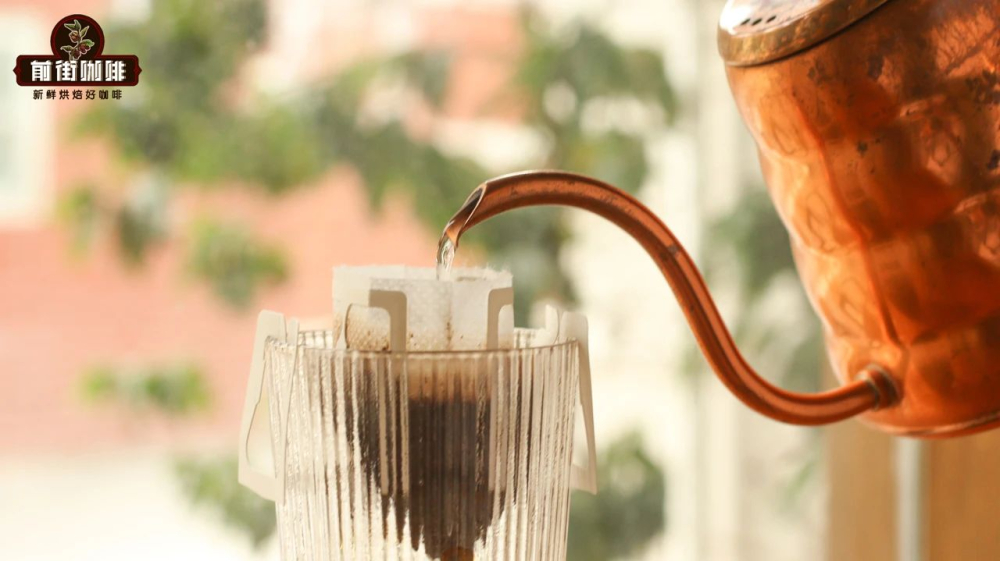
1. Use a gooseneck kettle instead of a water dispenser to pour water
Many people brew drip coffee by directly taking it under a water dispenser, turning on the hot water, and whoosh—pouring it right in.
But if you want the coffee to taste better, the water stream should be soft and steady, so it won't wash out too many off-flavors.
With just a simple gooseneck kettle, you can pour a steady stream, reducing the extraction of unpleasant off-flavors and achieving a more ideal flavor~
2. Getting the brewing ratio right is very important
Many people wonder: Is there a difference between coffee-to-water ratios of 1:10 , 1:15 , and 1:20? Front Street Coffee's answer is: A huge difference!
Too strong or too weak will directly affect the drinking experience.
Front Street Coffee believes that getting the ratio right is very important for coffee brewing!
Front Street Coffee suggests using a graduated measuring cup instead of a regular mug when brewing drip bags, so you can control the ratio more precisely.

3. Use a thermometer to measure water temperature
Front Street Coffee has mentioned when introducing pour-over coffee that water temperature is one of the four major variables in coffee extraction, and the water temperature directly affects extraction.
Although drip bags don't require the same precision as pour-over in terms of exactly what temperature of water to use, if you want to pursue better taste, Front Street Coffee suggests a water temperature of 80–95°C. The reason is that if the water temperature is too high, it easily dissolves a large amount of the fibrous parts of the coffee grounds, making the coffee taste sandy and unpleasant. To avoid water that is too hot, you can use a digital thermometer to measure the water temperature. If you don't have a thermometer, generally after pouring boiling water into a gooseneck kettle and waiting about 1 minute, the water temperature will drop below 95°C. Of course, don't let it be too low either, or the drip coffee may end up with little flavor.

Master these three key points, and upgrading the flavor of your brewed drip coffee by a notch is no problem!
[Drip Coffee Brand Recommendations]
The choice of coffee beans for drip coffee is actually quite broad, mainly depending on personal taste preferences. Front Street Coffee recommends the following representative coffee beans—acidic, full-bodied, and wine-flavored.
1. Front Street Coffee · Panama Washed Butterfly Coffee Beans
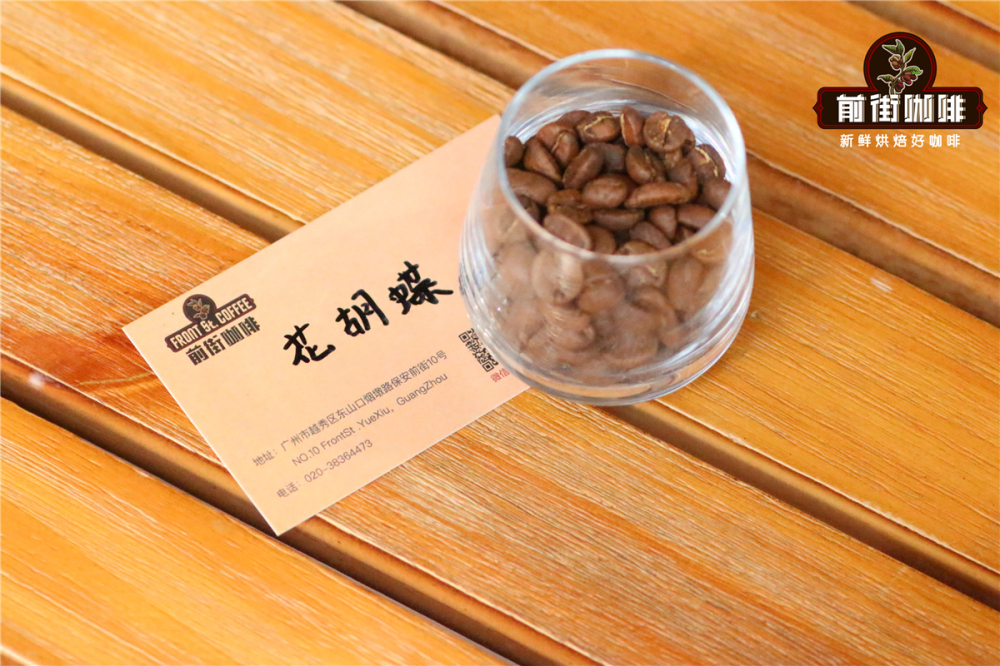
Panama is a Central American country, bordering Costa Rica to the west and Colombia to the east. Panamanian coffee is renowned in the coffee world for Hacienda La Esmeralda's Geisha coffee. The whole of Panama is filled with a rich Geisha atmosphere, and many estates cultivate Geisha coffee beans. However, because Geisha coffee is difficult to grow, low in yield, and excellent in flavor, its price is not low either. But this Front Street Panama Butterfly has 70% superior Geisha lineage, along with Catuai and Caturra, planted in the Baru Volcano region of Boquete, growing at an altitude of 1,600 meters in a volcanic area. The local special microclimate results in abundant rainfall in this region, along with large temperature differences between day and night, as well as meticulous harvesting and refined processing, making this Front Street Panama Butterfly coffee perform outstandingly in body, acidity, and floral aroma.
What's even more pleasantly surprising is that with such excellent quality and conditions, the price is very affordable, allowing people to experience Geisha flavor with great value for money.
The washed method uses machines to first remove the skin and pulp, leaving only coffee beans wrapped in parchment. At this point, the beans still have a layer of mucilage on the outside, and the washing process is meant to clean off this mucilage. However, the mucilage adheres strongly and is not easy to remove, so it must be placed in tanks for about 18–36 hours to ferment and break down the mucilage.
Flavor Description:Citrus, floral, tea-like, honey, high sweetness.
2. Front Street Coffee · Kenya Azalea Coffee Beans
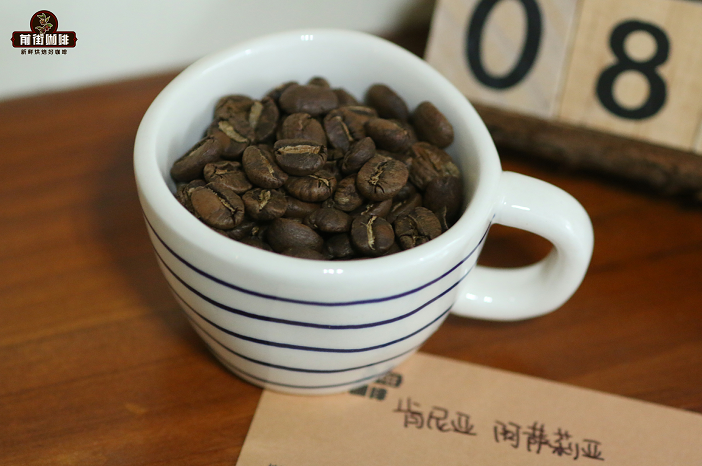
Kenyan coffee mostly grows at altitudes of 1,500–2,100 meters, with two harvests per year. Kenyan coffee is grown by smallholder farmers. Kenyan coffee is produced near Mount Kenya in the central region, and the coffee beans cultivated are high-quality Arabica varieties.
Kenya grades coffee by bean size and cupping results. According to bean size, shape, and hardness, from high to low: AA or AA+, AB, PB, C, E, TT, T. For AA and AB grade green coffee beans, an additional special grading based on cupping results is added (not officially recognized by the Kenyan government, but established by exporters), from high to low: TOP, PLUS (+), FAQ.
Kenyan coffee's distinctive acidity is closely related to its excellent processing method. In the general washed method, ripe coffee cherries are selected, pulped, and then soaked in fermentation tanks to remove pectin—this process rarely exceeds 36 hours. But Kenyan coffee's fermentation time lasts as long as 72 hours. Afterward, it is sun-dried until the moisture content reaches 12%.
Flavor Description:Cherry tomato and smoked plum acidity, prominent sweetness in the mid-palate, lingering berry aroma and brown sugar sweetness in the finish, green tea aroma.
3. Front Street Coffee · Ethiopia Yirgacheffe Natural Red Cherry Coffee Beans
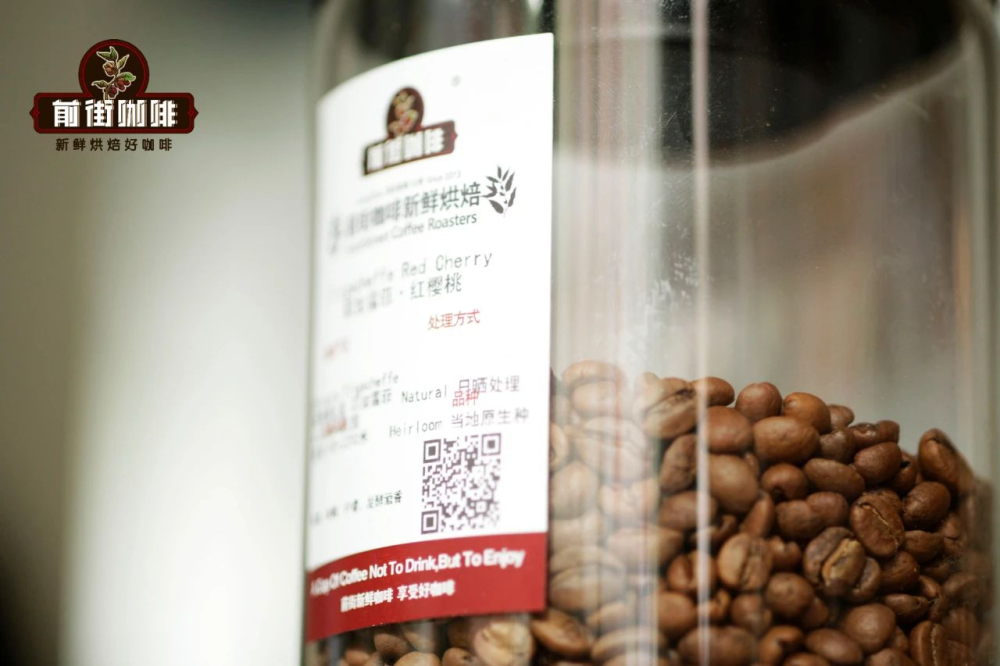
Red Cherry is actually a commercial program to promote coffee quality, initiated by Menno Simons, founder of Dutch green bean trader Trabocca. Trabocca realized that the quality of Ethiopian coffee beans was uneven, making it hard to command higher prices, and coffee farmers' incomes were also low. To turn this situation around, they jointly launched the Red Cherry program with local coffee farmers, solving the problem at the source by raising the purchase price of high-quality green coffee beans to encourage farmers to more carefully complete every step of coffee bean picking and processing. During the picking stage, fully manual picking is used to select highly ripe coffee cherries.
The natural process is the oldest and most primitive method of processing coffee beans. This Front Street Yirgacheffe Natural Red Cherry places whole coffee cherries—with pulp and skin completely intact—onto raised drying beds for sun-drying, isolating them from contact with the ground to prevent earthy off-flavors from direct sun exposure. After more than two weeks of sun-drying, the dark brown coffee cherries are stored, waiting for the entire flavor to mature. Before shipment, the processing station removes the coffee beans from the cherries. This natural processing method gives the beans lower acidity, noticeable sweetness, and body, but the cleanliness is not as high as with the washed method.
Flavor Description:Noticeable sweet and sour sensation, with lemon, berry, and fermented wine aromas; the lingering citric acidity is persistent with a clear sweet aftertaste.
4. Front Street Coffee · Ethiopia Washed Yirgacheffe Coffee Beans
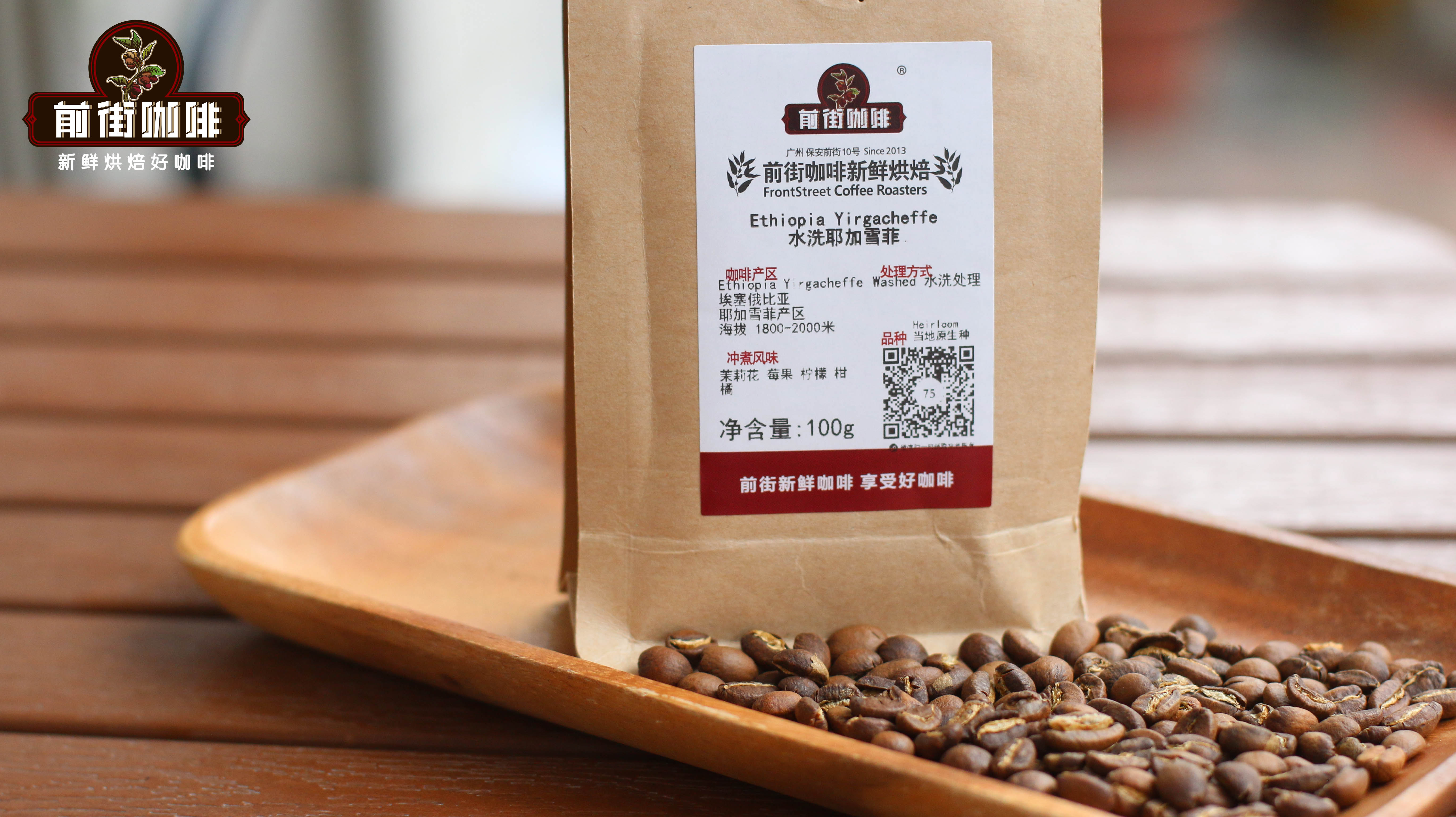
Yirgacheffe is located in the Gedeo region of southern Ethiopia. Because the coffee produced in Yirgacheffe has a unique style and is widely loved, it stands alone in product classification and holds a place in the global specialty coffee market. Yirgacheffe itself is a small town, and nearby there are three small production areas: Wenago, Kochere, and Gelena Abaya. Because the coffee flavors produced there share great commonality with Yirgacheffe, these small production areas are also classified under the Yirgacheffe region.
Initially, the coffee trees of Ethiopian Yirgacheffe were planted by European monastery monks, and later this was taken over by farmers or cooperatives. Most coffee trees are planted in farmers' own backyards or intercropped with other crops on farmland. Each household's output is small—a typical garden coffee. Garden coffee is one of Ethiopia's four major planting systems, meaning farmers plant coffee trees in their backyards or farmland and intercrop them with other crops, with only 1,000–1,800 trees per hectare. Coffee produced in this intercropping manner accounts for 50% of Ethiopia's total output.
Traditionally, Yirgacheffe used the oldest natural process. However, because early naturally processed coffee beans were mostly spread flat on the ground to dry, they inevitably picked up earthy and dusty off-flavors, and combined with a lack of reasonable sorting, the quality of natural beans was generally average. In 1972, Ethiopia introduced washed processing technology from Central and South America to improve coffee quality, making Yirgacheffe coffee's jasmine aroma and citrus-lemon freshness clearer and brighter, propelling it to become one of the representatives of the world's specialty coffee.
Flavor Description:Lemon, floral, sucrose, black tea.
5. Front Street Coffee · Indonesia Sumatra Mandheling Coffee Beans

Indonesia first began growing coffee under Dutch colonial rule, and gradually developed its own unique coffee flavor. The most famous is Sumatra Mandheling coffee. Mandheling was originally the name of a tribe, but because the Japanese mistakenly thought it was the name of the coffee when spreading it, the name was passed on by accident.
Because the local weather is mostly rainy, with constant typhoons, it cannot achieve the good weather needed for natural sun-drying. Moreover, the local economy is not good, so it also cannot use the more expensive washed method. For various reasons, the highly local wet-hulling method emerged (wet-hulling is a process in which, during the normal washed processing, the beans are sun-dried with parchment for 2–3 days until the moisture content reaches 20–24%, then the parchment is removed).
Flavor Description:Herbal medicinal notes, dark chocolate, caramel, sweet aftertaste.
6. Front Street Coffee · Brazil Cerrado Red Bourbon Coffee Beans

In terms of natural conditions, Brazil is in a tropical region. The north has a tropical rainforest climate, hot and humid year-round, suitable for tropical crop growth. Coffee trees are sun-loving crops, and abundant sunlight is a condition for their growth.
The Brazilian semi-washed method (also called pulped natural) is common in some parts of Brazil. After removing the pulp from the coffee fruit, the parchment beans covered in mucilage are sun-dried for 1–3 days, then machine-dried to 12% moisture content, after which they can be stored in containers for maturation. The Brazilian semi-washed method greatly shortens the time (traditional natural processing takes 2–3 weeks) and also reduces the chance of coffee beans absorbing off-flavors, greatly improving quality.
Flavor Description:Prominent nutty and chocolate flavors, low acidity.
7. Front Street Coffee · Yunnan Small BeanCoffee Beans

When Front Street Coffee first entered the coffee industry, it was already involved in coffee cultivation. Front Street Coffee also has its own coffee plantations, growing Typica and a small amount of Bourbon in Yunnan.At Front Street Coffee you can see two Yunnan coffee beans: one is Front Street Yunnan Small Bean from Baoshan, and the other is Front Street Yunnan Huaguoshan. Front Street Yunnan Small Bean is of the Catimor variety, while Front Street Yunnan Huaguoshan is the old Typica variety. Yunnan is now 99% Catimor variety. Front Street Coffee calls Front Street Yunnan Huaguoshan Yunnan specialty coffee, while Catimor is Yunnan Small Bean.
Flavor Description:Melon and fruit, nuts, cream.
8. Front Street Coffee · Costa Rica TarrazuCoffee Beans
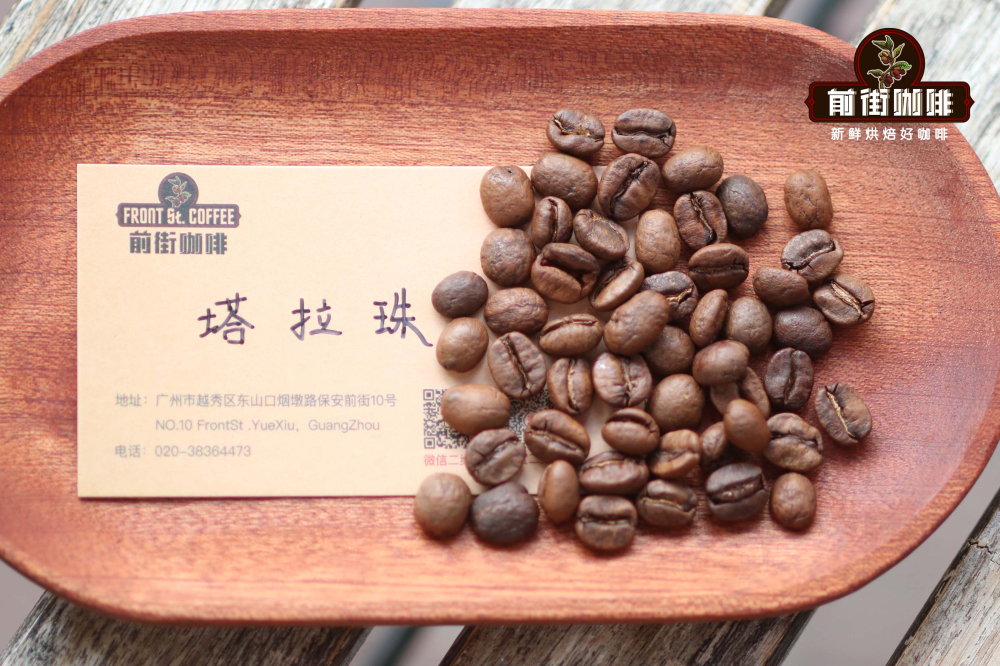
The Costa Rica Tarrazu region accounts for about 35% of Costa Rica's total national output. The Tarrazu region is Costa Rica's most important and highest-quality specialty production area. Apart from micro-lots, Tarrazu also produces large quantities of super-high-quality large lots. Tarrazu is located in Costa Rica's picturesque Central Valley. The dry and rainy seasons are distinct, with perfect soil composition and terrain, at an altitude of about 1,200–1,800m. All these factors make this region a truly perfect growing area for Arabica varieties. The name "Tarrazu" comes from the ancient Huetar Indian tribe that once settled there.
Flavor Description:Nuts, sweet orange, honey.
9. Front Street Coffee · Colombia Washed HuilaCoffee Beans
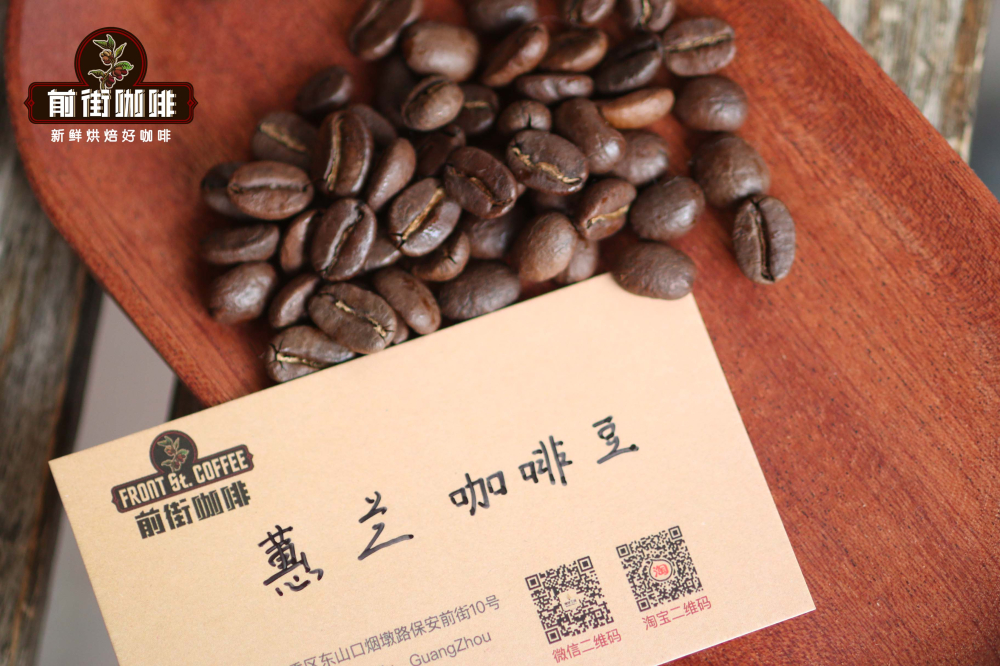
Colombia Huilacoffee beans areColombia'sbest of the best. Its balance is widely recognized as the best among coffees, belonging toColombia'sstate company's specially selected high-altitude coffee beans, known as Colombia's national treasure. With superior geographical and climatic conditions,Colombiancoffee has always maintained high quality. Colombian coffee beans that usually do not have special market trademark names all come from the National Federation of Colombia Coffee Growers, a very large federation spanning Colombia. It has always been known for strict quality control and active promotion.
Flavor Description:Nuts, dark chocolate, caramel, soft fruit acidity.
10. Front Street Coffee · Honduras SherryCoffee Beans

Honduras' geographical conditions are no less than those of its neighboring coffee-producing countries, such as Guatemala and Nicaragua. Honduras has 280,000 hectares of coffee farms, mainly small coffee farms, most of which are less than 3.5 hectares. These coffee plantations account for 60% of Honduras' entire coffee production.
Sherry coffee beans come from Masaguara, a city in the Intibucá department in southwestern Honduras, where there is an estate called Mocha, which is the source of this wine-flavored Front Street Sherry coffee bean.
The whisky barrel fermentation process first involves finely washing freshly picked coffee cherries, then placing them in wine barrels for low-temperature fermentation for 30–40 days (at a temperature of about 15–20°C), allowing the green beans to absorb the flavor of the barrels, and finally drying them in the shade.
Flavor Description:Noticeable wine aroma, vanilla, cream, balanced, cocoa finish, moderate acidity.
For professional coffee knowledge exchange and more coffee bean information, please follow Coffee Factory (WeChat public account: cafe_style).
For more specialty coffee beans, please add the private WeChat of Front Street Coffee: kaixinguoguo0925.
The above content is compiled by CoffeeHunters, a coffee news website.


