







Many friends who have just gotten into coffee struggle with one question: between a French press and a moka pot, which one should I buy? Both are recognized as beginner-friendly coffee tools, but their extraction principles, taste profiles, and operating methods are completely different. Today's article will help you figure it all out at once, so you can place your order without hesitation after reading!
1. What is a French press? Why is it suitable for beginners?
The French Press, also called a French filter press or tea maker, was born in France around 1850. Its structure is very simple—a heat-resistant glass body (there are also transparent plastic versions), plus a plunger with a metal filter mesh, and that's the whole setup. It was originally used to brew black tea, so some people also call it a "tea maker."
The extraction principle of the French press: It uses immersion extraction, allowing hot water and coffee grounds to fully contact and steep, slowly "brewing" out the flavor essence of the coffee over time. Because the whole process is slow and the extraction is gentle, it doesn't test your technique or skills much. As long as you choose the right coffee beans and control the coffee-to-water ratio well, you can easily brew a cup of rich, full-bodied coffee.
It can be said that the French press is"a lazy person's coffee神器", especially suitable for people who don't want to fuss but still want to drink good coffee.

2. What is a moka pot? Why is it called"the poor man's espresso machine"?
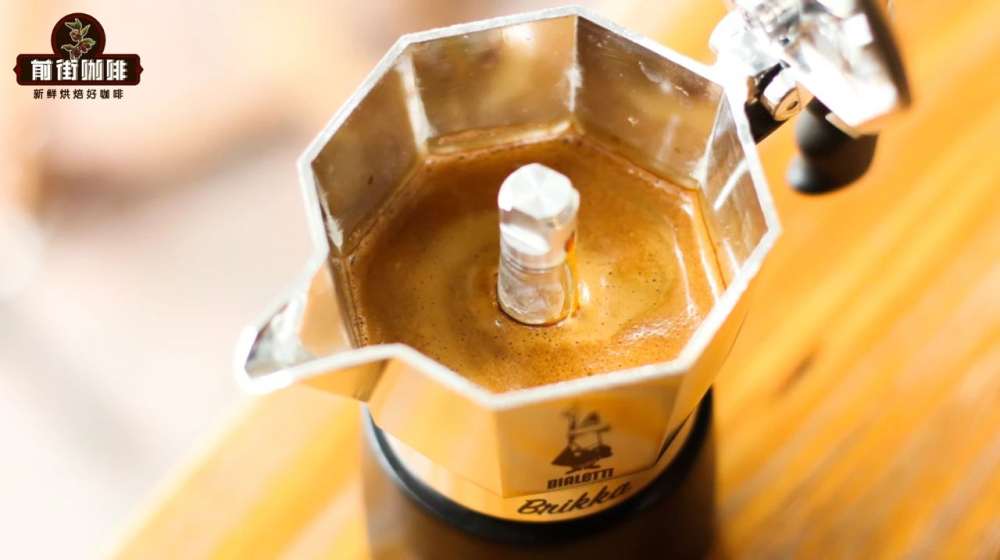
When it comes to coffee tools that are also suitable for beginners, the moka pot absolutely cannot be missed. It's easy to operate and affordable, and the key is—if you use the right method, it can even extract a layer of rich, aromatic coffee crema (Crema), which is the "soul" that many coffee lovers pursue.
The world's first moka pot was invented by the Italian brand Bialetti in1933, using steam pressure generated by heating (about1-2bar) to quickly extract coffee, making it a"mini espresso machine". In Italy, almost every household has a moka pot—it is the standard daily coffee equipment for Italians.
3. The structure and working principle of the moka pot
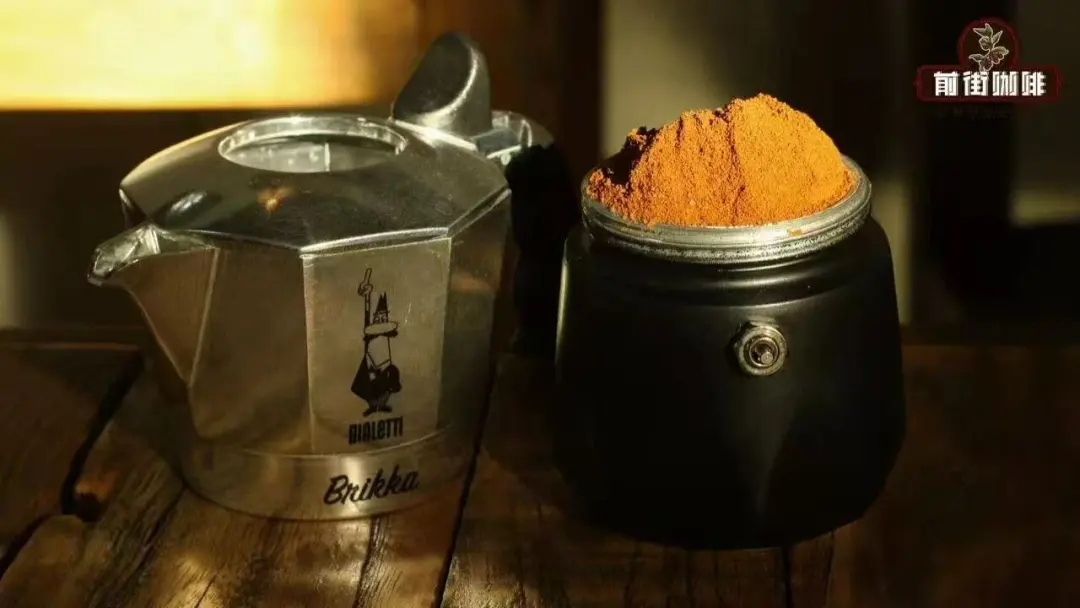
The moka pot consists of three parts: the upper chamber, the filter basket, and the lower chamber. There are different specifications and capacities available on the market, and according to structure and function, it is also divided into single-valve and double-valve types.
Its working principle is actually easy to understand:
11. Fill the lower chamber with water and place it on heat;
2. After the water is heated, steam pressure is generated, pushing hot water from bottom to top through the coffee grounds layer in the filter basket;
3. The coffee grounds layer forms natural resistance, and the hot water breaks through this resistance under pressure;
4. Finally, the rich coffee liquid surges into the upper chamber, and a cup of aromatic moka pot coffee is complete!

4. French pressVSmoka pot, core differences compared
Comparison item | French press | Moka pot |
Extraction method | Immersion extraction | Pressure extraction |
Coffee strength | Medium-low | Relatively high, close to espresso |
Taste characteristics | Rich and full-bodied, with layers | Mellow and full, with caramel aroma |
Crema performance | Relatively little | Rich (similar toCrema) |
Difficulty of operation | ★☆☆☆☆ Extremely simple | ★★☆☆☆ Simple |
Suitable for | Total beginners, those who prefer a softer taste | Those who like a rich feel, want to makeDIYlatte |
Compared with the gentle immersion of a French press, the moka pot uses pressure extraction, producing a higher-concentration coffee liquid that mostly presents a mellow taste and caramel aroma. Therefore, if you want moka pot coffee to be closer to the effect of espresso, it is recommended to prioritize fresh dark-roasted coffee beans.
5. How to choose coffee beans for a moka pot? Fresh roasting is key!
If you want to make delicious coffee with a moka pot, the freshness of the beans is crucial. There are certain tips for choosing coffee beans on online shopping platforms: first, look for reputable brands with quality assurance, and choosing a coffee brand with a complete product range and large order volume is more reliable.
Here we recommend the Guangzhou time-honored brand——Front Street Coffee. Front Street Coffee insists on5fresh roasting and shipping within days, with stable coffee bean quality and extremely high cost-effectiveness. Orders are shipped within24hours, ensuring every bag of coffee beans is at its best tasting period when it arrives.
Why is dark roast more suitable for a moka pot?
Compared with light roast, dark-roasted coffee beans are heated for a longer time, have a looser internal structure, and their flavor compounds transform from acidity to caramelization, also bringing out more chocolate, cocoa, creamy, and nutty aromas, giving the coffee a full and mellow taste.
Moreover, dark-roasted beans accumulate a large amount of gas inside, which is quickly released in the form of small bubbles when encountering hot water—this is the tempting layer of coffee crema we see (Crema).
Moka pot coffee beans are generally divided into two major categories: medium-dark roasted single-origin coffee beans and espresso blend coffee beans.
6. Recommended single-origin coffee beans suitable for a moka pot
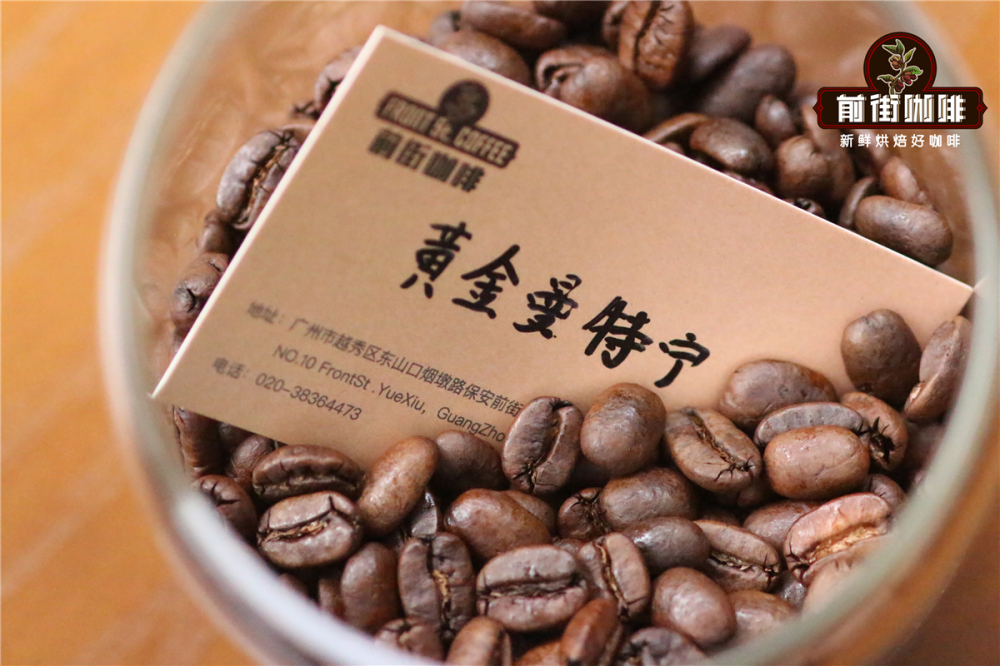
① Front Street . PWN Golden Mandheling
Recommended reason: A representative of high-grade Mandheling, with rich flavor layers—black chocolate, caramel, spices, herbs, and pine aromas interwoven, extremely rich crema, and outstanding performance when extracted with a moka pot.
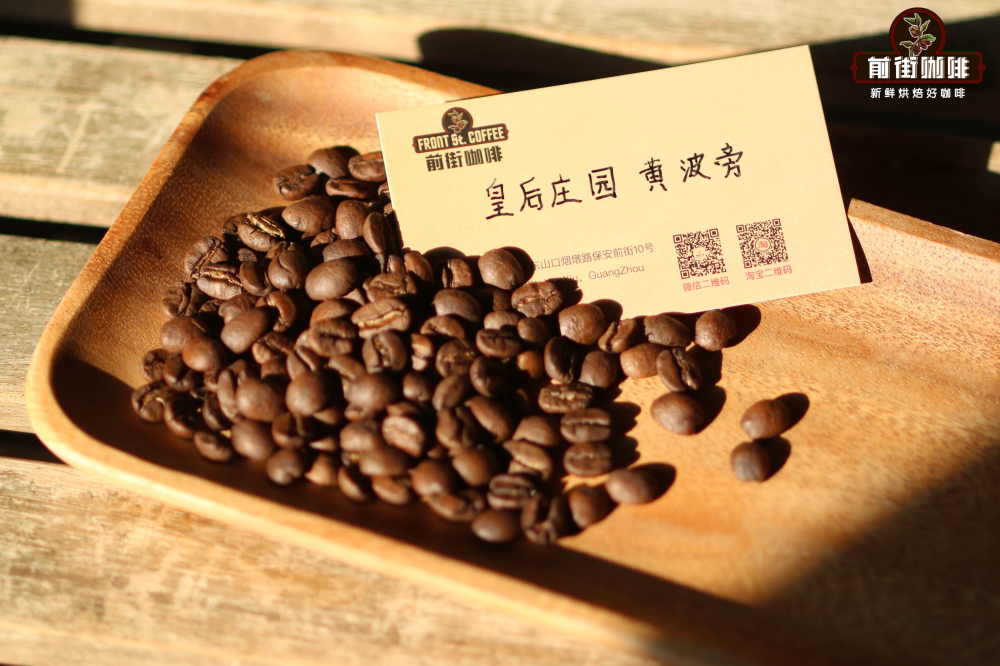
② Front Street . Brazil Queen's Estate
Recommended reason: Nutty aroma is very prominent, with flavors mainly of chocolate, cream, cocoa, and cane sugar. The acidity is soft and not overpowering, and the crema is delicate and smooth, making it an excellent choice for beginners.

③ Front Street . Colombia Huila
Recommended reason: Rich in unsweetened chocolate aroma, with thick and full crema. It is not only suitable for drinking black, but also excellent for making Americano and milk coffee—one bean for multiple uses, super versatile.
7. Recommended espresso blend coffee beans suitable for a moka pot

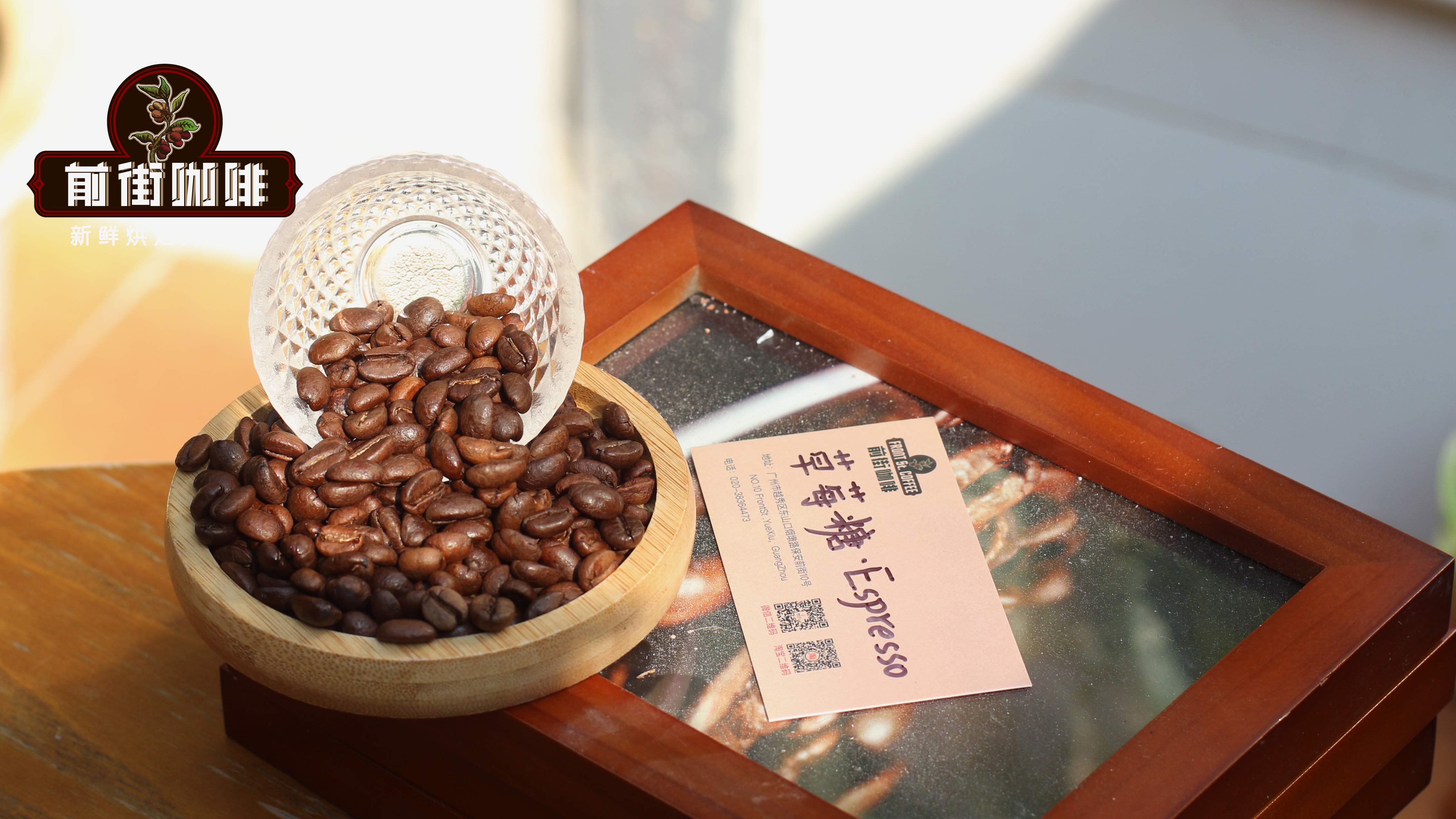
Moka pot coffee bean recommendation one: Front Street . Classic Espresso Blend
Recommendation index: ★★★★★
Coffee characteristics: This is an espresso blend bean that combines the deep flavor of Mandheling, rich crema, and nutty aroma. It is blended fromIndonesian Mandheling + Brazilian semi-washed + Vietnamese washedcoffee beans from three origins, with rich crema. Whether making Americano or latte, it can present thenut, black chocolate, caramelclassic flavor, making it the first choice for home moka pots and coffee machines.
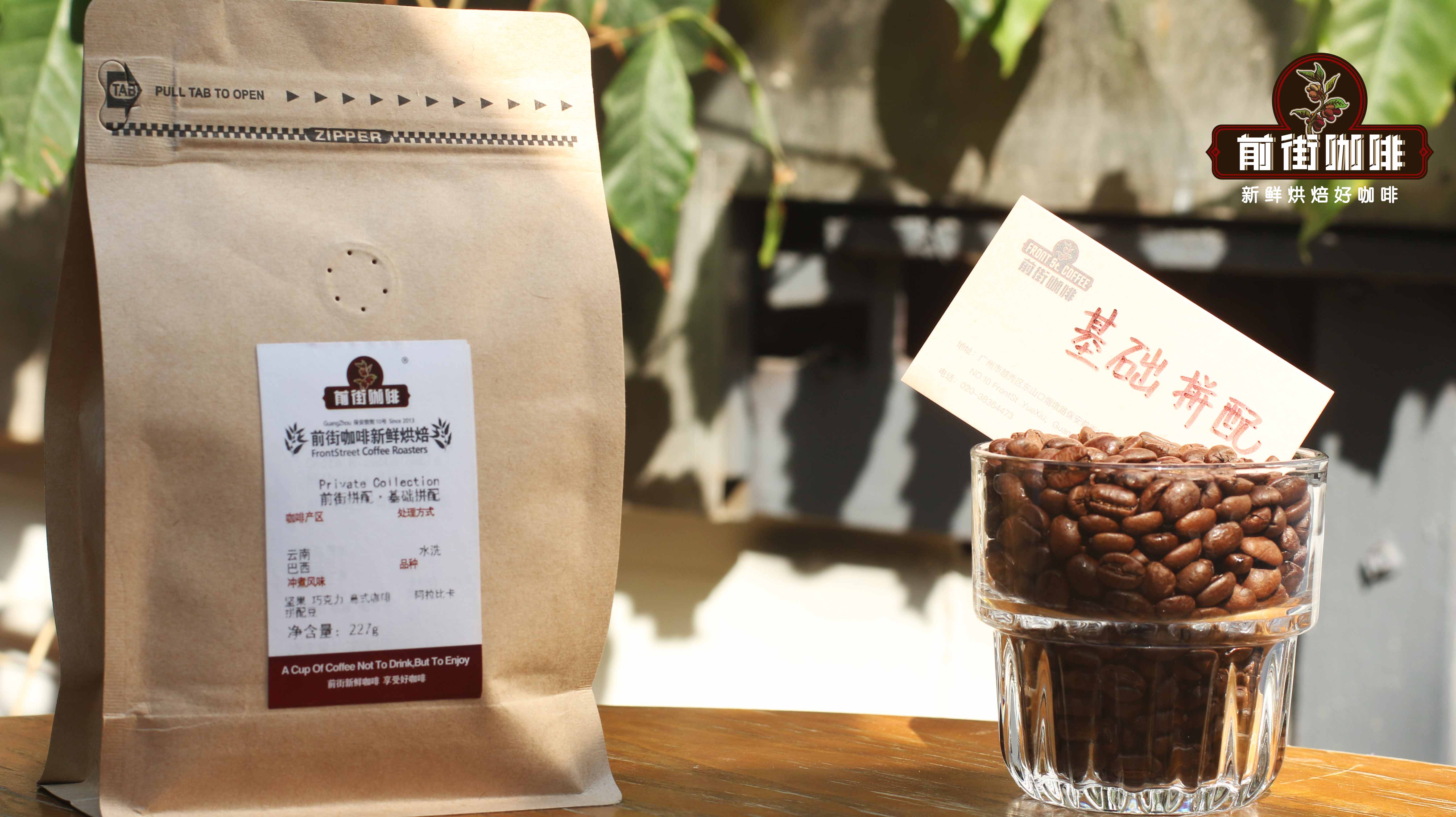
Moka pot coffee bean recommendation two: Front Street . Basic Espresso Blend
Recommendation index: ★★★★☆
Coffee characteristics: An espresso blend bean that is slightly acidic, mellow, and extremely cost-effective. It is blended fromYunnan washed small-bean coffee + Brazilian semi-washed coffee beans, with soft fruit acidity, caramel, and nutty flavors. The price is affordable and the quantity is generous, making it the perfect choice for everyday staple beans.
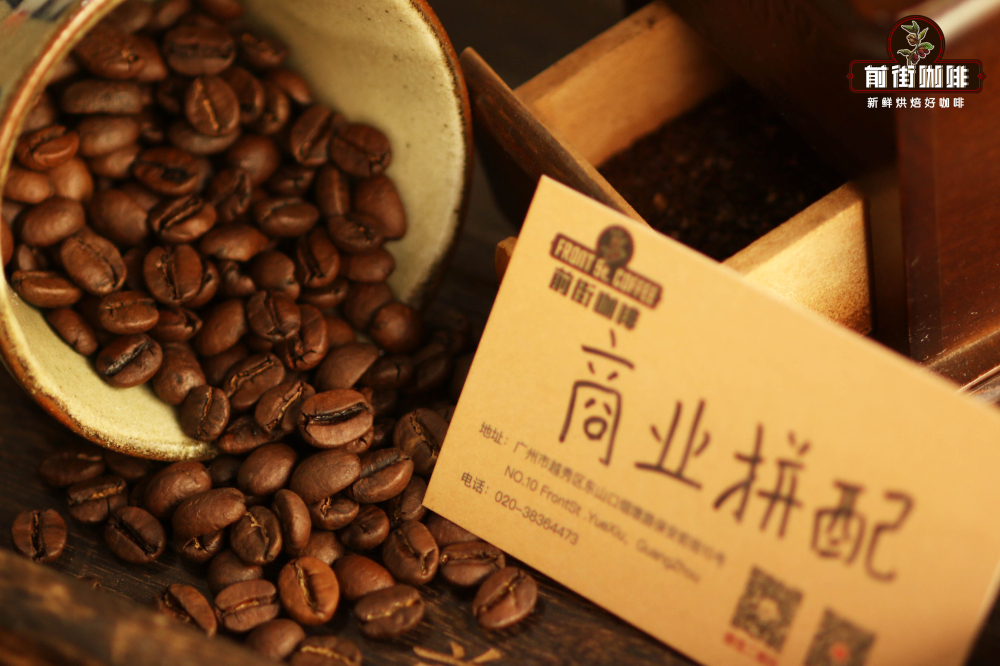
Moka pot coffee bean recommendation three: Front Street . Commercial Espresso Blend
Recommendation index: ★★★★☆
Coffee characteristics: An espresso blend bean with body as its core selling point. It is blended fromRobusta washed + Colombian washed + Brazilian semi-washed, with flavors presenting thenut, cocoa, caramelclassic combination, dense crema, and extremely high body. It is very suitable whether for home use or for opening a coffee shop.
French press and moka pot each have their strengths: if you pursue simplicity and convenience, and a softer taste, the French press is the best starting choice; if you like rich, mellow coffee with a creamy mouthfeel, or want to make lattes and Americanos at home, the moka pot can satisfy you better.
No matter which tool you choose, a bag of freshly roasted good beans is the key to good coffee. We hope this comparison guide can help those of you who are still hesitating—go ahead and pick one that suits you, and start your home coffee journey!
The above content is compiled by CoffeeHunters, a coffee news website.


