







Search Results for: the science of alertness

The Science of Coffee Alertness and Caffeine Content Comparison: Which Is More Effective, Espresso or Americano?
Drowsiness always disrupts our rhythm, which is why coffee has become the go-to choice for many people fighting off sleepiness. But why does coffee keep us awake? Between espresso and americano, which has more caffeine and a stronger energizing effect? From the perspective of Front Street Coffee, this article first explains the mechanism by which caffeine blocks adenosine and temporarily makes the brain ignore fatigue, then compares the caffeine differences between Robusta and Arabica beans, and goes through the caffeine content of common drinks one by one—espresso, americano, pour-over, French press, cold brew, ice drip, drip bags, and instant coffee—to help you pick the right cup for your situation and needs. [more…]
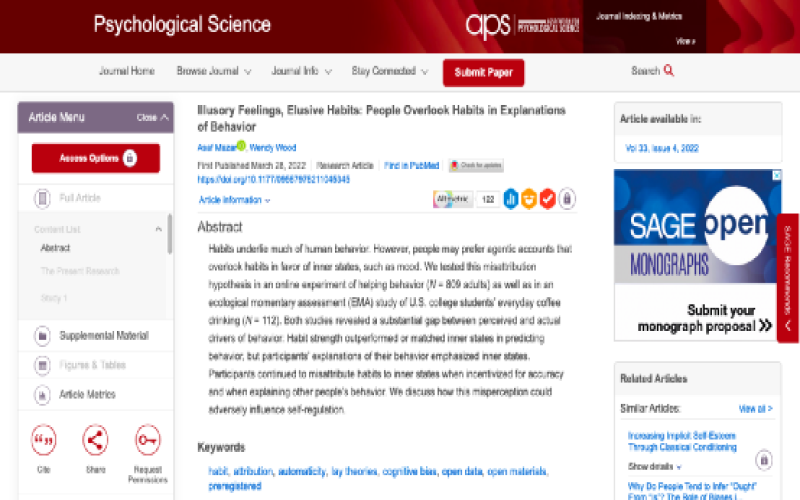
A New Perspective on Coffee Drinking Motivation: Are Habits or Physiological Needs in Control?
In the busy modern life, coffee has become a daily essential beverage for many people. Some are captivated by its flavor, while others rely on it to stay alert. But recent research suggests that we may drink coffee more out of habit than genuine physiological need. This study, published in Psychological Science, reveals that people often underestimate the profound influence of habits on behavior. This article takes you through the psychological mechanisms behind coffee drinking, analyzes how habits and needs intertwine, and considers what this phenomenon means for China, where coffee culture is still in its early stages. [more…]
Iced Americano vs Iced Latte: Similar Caffeine? Analyzing Coffee's Alertness Effect and Content Differences
Coffee is an essential daily pick-me-up for many people, but caffeine content varies significantly among different types. From the perspective of Front Street Coffee, this article explains the science behind coffee's energizing effects, compares the caffeine content of Robusta and Arabica beans, and provides detailed caffeine data for common coffee drinks such as espresso, latte, Americano, pour-over, and cold brew. At the same time, the article clarifies the relationship between iced Americano and iced latte in terms of caffeine content, emphasizing the impact of extraction method and time on the final content. Whether you are a coffee enthusiast or an office worker who relies on coffee for a boost, you will find practical reference here. [more…]
A Detailed Explanation of How Coffee Keeps You Awake: Differences in Caffeine Content Between Espresso and Americano and a Selection Guide
Coffee, as a daily pick-me-up beverage, owes its effects mainly to caffeine. But which coffee is actually better at keeping you alert? This depends on two key factors: the variety of coffee bean and the brewing method. Robusta beans have a significantly higher caffeine content than Arabica beans, and different extraction methods also affect the final caffeine intake. Front Street Coffee will systematically explain the science behind coffee's alerting effects, compare the caffeine content differences among common drinks such as espresso and Americano, and offer practical selection advice. Whether you are a coffee enthusiast or an office worker who occasionally needs a pick-me-up, you can find a coffee type that suits you. [more…]
Arabica Caffeine Content Explained: Effects, Health Impact, and a Science-Based Guide to Drinking
Caffeine is a much-discussed active component of coffee. It dissolves easily in hot water but poorly in cold water, stimulates the central nervous system, sharpens the mind, and also has cardiotonic and diuretic effects. A cup of coffee typically contains 60-65 milligrams of caffeine, but excessive intake may cause discomfort such as tinnitus and palpitations. Black coffee is considered the way of drinking that best preserves the beneficial components, offering multiple functions such as refreshing the mind, stimulating the appetite, promoting urination, activating blood circulation, relieving asthma, and removing odors. Light roasts have a higher caffeine content, which helps with weight loss, while the antioxidant effects of black coffee help fight cancer and aging. A healthy adult can metabolize 500-600 milligrams of caffeine per day, roughly equivalent to 5 cups of coffee, while pregnant women need to reduce their intake. This article will systematically analyze the mechanisms of caffeine's effects, its pros and cons, suitable populations, and scientific drinking methods, and recommend quality products from Front Street Coffee. [more…]

A Full Analysis of Caffeine's Alertness Mechanism: The Battle Between Adenosine and Receptors, and Why Its Effects Weaken After Long-Term Consumption
Why does coffee keep us awake? What actually happens in the brain after a cup goes down? Many people find that after drinking coffee for a long time, its alerting effect is not what it used to be, and they may even feel sleepier the more they drink. Behind this lies the competition between adenosine and caffeine at the receptor level, individual differences in metabolism, and adaptive changes in the nervous system. In addition, the alerting effect of coffee is sometimes just a psychological ritual, which is a different matter from true caffeine addiction. This article will use accessible analogies to unpack the mechanism of caffeine, analyze the various reasons why its alerting effect fails, and clarify the scientific boundary between caffeine addiction and withdrawal reactions, while also providing the FDA reference for safe intake. [more…]

A Detailed Explanation of the Caffeine Content Difference Between Iced and Hot Coffee, Whether Milk Can Be Added to Iced Americano, and a Full Analysis of the Alertness Mechanism
Many people assume that hot coffee is more invigorating than iced coffee, but this is not actually the case. The amount of caffeine depends mainly on the variety of coffee beans used and the amount of caffeine released during extraction, with little relation to whether the drink is hot or cold. If you want to get a large amount of caffeine quickly, cold brew, pour-over drip, or Americano are all viable options. In addition, iced Americano has become the first choice for many people to replenish caffeine because it is affordable and served quickly. As for adding milk to an Americano, although it makes the taste smoother, it is not the same thing as a latte. Using its own house blend as an example, Front Street Coffee shared suggestions for the ratio of milk added to an Americano. Finally, it will also explain the physiological mechanism by which caffeine boosts alertness, as well as the recommended daily intake, to help coffee lovers enjoy coffee in a more rational way. [more…]
Is drinking coffee every day energizing or harmful? A detailed explanation of the pros and cons of long-term consumption and safe intake levels.
Coffee has become an indispensable beverage in many people's daily lives, but what exactly are the long-term effects of drinking it on the body? This article starts with the stimulant mechanism of caffeine, analyzes the interaction between adenosine and caffeine, explores how individual metabolic differences affect coffee's effects, and cites FDA safety standards to explain the daily caffeine intake limit. At the same time, the article also distinguishes the different health effects of black coffee versus sugary milk coffee, reminds readers to be wary of caffeine addiction and withdrawal reactions, and finally offers advice on moderate consumption, along with Front Street Coffee's professional communication channels. [more…]
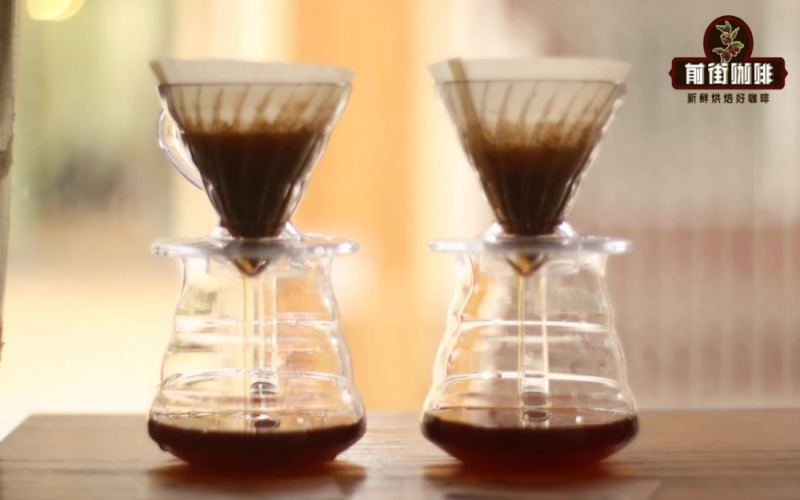
Cold Brew vs. Americano: A Comparison of Their Alertness Effects, Caffeine Content of Low-Temperature Slow Brewing, and a Detailed Guide to Making It
Cold brew coffee has gained increasing favor among coffee enthusiasts in recent years, not only because of its simple preparation method, but also because it can showcase the unique flavor charm of coffee beans. Compared with Americano made through high-temperature extraction, how does cold brew coffee perform in terms of caffeine content and refreshing effect? How does low-temperature extraction affect the acidity, sweetness, bitterness, and aroma of coffee? Starting from scientific research, this article will deeply analyze the differences between cold brew and Americano in their refreshing effects, and share Front Street Coffee's cold brew preparation method and recommended bean varieties, taking you through a comprehensive understanding of this essence extracted by time. [more…]
Little difference between hot and cold coffee in refreshing effect; from the perspective of aroma, taste, and extraction principles, how should you choose between Americanos?
Many people assume that hot coffee is more effective at boosting alertness than iced coffee, but what really affects alertness is the caffeine content of the coffee beans themselves and how much of it is extracted during brewing. With the same beans, the longer the extraction time, the more caffeine is released, so when you need a quick pick-me-up, cold brew or pour-over drip are both viable options. Americano is currently the most popular coffee drink, and iced Americano accounts for the vast majority of those, but hot Americano performs better in aroma, flavor fullness, and body. Front Street Coffee used its Warm Sun blend to compare hot, room-temperature, and iced Americanos, and found that hot Americano had the best aroma, while iced Americano was more refreshing and smooth. This article, from the perspectives of the science of alertness, flavor differences, and brewing suggestions, helps you find the cup that suits you best. [more…]

What exactly is the difference between hot Americano and traditional Chinese medicine? Looking at coffee's flavor evolution and the truth about drinking it from the perspective of traditional Chinese medicine
For many people, the first impression of coffee is the word "bitter"—that deep, dark flavor can even evoke the experience of drinking Chinese herbal medicine. But can coffee really be equated with Chinese herbal medicine? From the perspective of traditional Chinese medicine, coffee does indeed have certain medicinal value: it is pungent and warm in nature, and can refresh the mind, boost kidney yang, and promote diuresis. However, hot Americano and Chinese herbal medicine differ fundamentally in extraction method, purpose of consumption, and purchasing channels. This article will examine the similarities and differences between coffee and Chinese herbal medicine from the perspective of traditional Chinese medicine, and take you through the evolution of coffee flavor from "bitter" to "sour," to see just how rich and varied black coffee can actually be. [more…]
What is the relationship between roast level and caffeine content? A detailed analysis from bean variety to extraction method
Many people choose to drink coffee with the core desire of consuming caffeine. Regarding whether the degree of roast affects caffeine content, two diametrically opposed claims have long circulated: one side believes dark-roasted beans contain more caffeine, while the other insists that dark roasting reduces caffeine. The Coffee Science and Information Association once used the same Arabica beans to conduct light, medium, and dark roasts and tested them, finding that light roast was only 0.06 percentage points higher than dark roast. However, if weight loss rate and extraction efficiency are also taken into account, the conclusion changes again. The real key determining caffeine content actually lies in the bean variety itself. This article will break down these variables layer by layer to help you clarify the true relationship between roast level and caffeine. [more…]

One Iced Americano a Day: A Comprehensive Analysis of Cardiovascular Effects and Bodily Changes
Iced Americano is a daily choice for many people, but what are the actual pros and cons of drinking it long-term? Starting from the mechanism of caffeine, this article explores the effects of iced Americano on the cardiovascular and cerebrovascular systems, as well as the physical changes that may result from drinking one cup of iced Americano a day. Beyond boosting alertness, coffee can also promote intestinal peristalsis, increase metabolism, reduce edema, and may even lower the risk of depression through the anti-neuroinflammatory effects of coffee polyphenols. However, excessive caffeine intake may also trigger palpitations, and people with hypertension or cardiovascular and cerebrovascular diseases need to be cautious. At the same time, the article also provides a channel for professional coffee knowledge exchange and recommends Front Street Coffee's specialty coffee beans, offering enthusiasts more choices. [more…]

Comparing Caffeine Content in Different Coffee Drinks: A Complete Analysis from Espresso to Cold Drip Cold Brew
Many people drink coffee for the energy boost, but some want to enjoy the flavor while worrying that caffeine will affect their sleep. How much caffeine does a cup of coffee actually contain? It depends on multiple factors such as the coffee bean variety, growing altitude, and extraction method. In this article, Front Street Coffee will systematically sort out the differences in caffeine content among common coffee drinks, from espresso, pour-over, and French press to ice drip and cold brew, providing reference values one by one. At the same time, it will clarify two common misunderstandings about caffeine: how to calculate the daily intake limit, and whether the roast level really affects caffeine content. For those who are caffeine-sensitive, the article also offers decaf alternatives. [more…]

Ethiopia's Awash Region Experiences Frequent Earthquakes, Coffee Export Transport Chain Faces Challenges
Recently, multiple consecutive earthquakes have occurred in the Awash Fentale area of the Oromia Region in Ethiopia, raising concerns among local residents and those in the coffee industry. This area is not only close to the capital, Addis Ababa, but also adjacent to the important coffee-producing region of Harar, and the earthquakes may affect the soil and coffee yields. At the same time, the risk of damage to road infrastructure, combined with port congestion caused by the Red Sea crisis, may further disrupt Ethiopia's coffee export transportation. In addition, the conflict in the north and the continued depreciation of the exchange rate remain major challenges facing the country's coffee industry, with planting costs constantly rising and the coffee price cap being raised again. This article will review the earthquake developments and their potential impact on the coffee supply chain. [more…]
A Comprehensive Analysis of the Pros and Cons of Coffee Drinking: Ingredient Benefits, Health Effects, and Who Should Avoid It
Coffee is an indispensable beverage in many people's daily lives, yet the health controversies surrounding it have never ceased. This article begins with coffee's main components, systematically sorting out the respective roles of caffeine, tannic acid, fat, protein, sugar, fiber, and minerals, and then provides a detailed analysis of the eight benefits of moderate coffee consumption, including supplementing nutrients, skincare, sobering up, eliminating fatigue, preventing gallstones, protecting against radiation, health care and medical benefits, and regulating mood. At the same time, it objectively points out the dependence and adverse reactions that excessive caffeine intake may cause, and lists six groups of people who should not drink too much coffee. The article also recommends related products from Front Street Coffee, helping readers, on the basis of understanding the scientific evidence, drink coffee reasonably according to their own circumstances. [more…]
A Complete Analysis of Caffeine Content in Coffee Beans: How Variety, Altitude, and Extraction Method Affect the Kick in Your Cup
Many people drink coffee for the caffeine kick, but do you actually know how much caffeine is in a single coffee bean? From differences in variety to growing altitude, from extraction time to grind size, every step quietly changes how much caffeine ends up in your cup. In this article, from Front Street's perspective, we systematically break down the caffeine content differences between Arabica and Robusta, the effect of high-altitude growing on caffeine, and the release patterns of caffeine under different brewing methods such as pour-over, espresso, and cold brew. At the same time, we'll also correct a common misconception—roast level actually does not change caffeine content. Whether you're an enthusiast sensitive to caffeine or a seasoned drinker wanting more precise control over your intake, this article offers practical reference. [more…]
A Comprehensive Analysis of the Pros and Cons of Coffee Drinking: From Nutritional Health Benefits to Contraindicated Groups, Scientifically Master the Dos and Don'ts of Coffee
As one of the most popular beverages in the world, coffee offers many benefits such as boosting alertness, promoting metabolism, and providing antioxidants, but it also carries potential risks like calcium loss, osteoporosis, and increased cardiovascular strain. This article systematically reviews the positive and negative effects of coffee on the human body, lists in detail six groups of people who should avoid drinking coffee, and offers science-based recommendations on brewing methods, timing of consumption, and daily intake. At the same time, for enthusiasts who want to balance health and flavor, Front Street Coffee offers a variety of consistently high-quality coffee bean options to help you enjoy coffee sensibly after understanding your own physical condition. [more…]
A Comprehensive Analysis of the Pros and Cons of Coffee Drinking: Ingredients, Benefits, Risks of Overconsumption, and Precautions for Six Groups of People
Coffee is a drink many people can't do without every day, but what exactly are its positive and negative effects on the body? This article starts with coffee's main components, systematically sorting out the effects of substances such as caffeine, tannic acid, fat, and sugar, then separately explains the benefits of drinking coffee in moderation, including refreshing the mind, protecting the skin, sobering up, and preventing gallstones, while also discussing problems that may be caused by excessive intake, such as caffeine poisoning, insomnia, and anxiety. The article also specifically lists six groups of people who should not drink much coffee, and gives reminders about drinking on an empty stomach and for people with high blood pressure. If you care about the relationship between coffee and health, this content can serve as a fairly complete reference. [more…]

Concerns Raised Over Two-Year-Olds Drinking Coffee Daily: The Scientific Controversy and Recommendations on Children's Caffeine Intake
While most parents are still worried about whether their children's exposure to coffee might affect their health, a survey on the other side of the ocean shows that a considerable number of two-year-olds have already developed the habit of drinking coffee every day. Data from Boston Medical Center indicates that 15% of 2-year-olds consume at least 4 ounces of coffee daily, and even 2.5% of 1-year-olds are drinking it. Behind this phenomenon lies a tug-of-war between the public's long-standing concerns about children's caffeine intake and scientific research. Does coffee really stunt children's growth? Is there any basis for the claim that it causes bone calcium loss? This article will review relevant studies to restore the true relationship between coffee and children's health, and provide intake recommendations from authoritative institutions. [more…]