







Search Results for: texture

Coffee Latte Art | Why Does the Surface of a Latte Become Rough After Sitting for a While? How to Improve Milk Foam Stability and Delay Defoaming?
The surface of a freshly made latte is incredibly fine and smooth. But if we leave it sitting without drinking it, we can see the smooth, delicate surface gradually become rough and uneven. This phenomenon is called "defoaming," a process in which the milk foam continuously dissipates. Milk foam is a frothy substance formed by injecting air into milk. [more…]
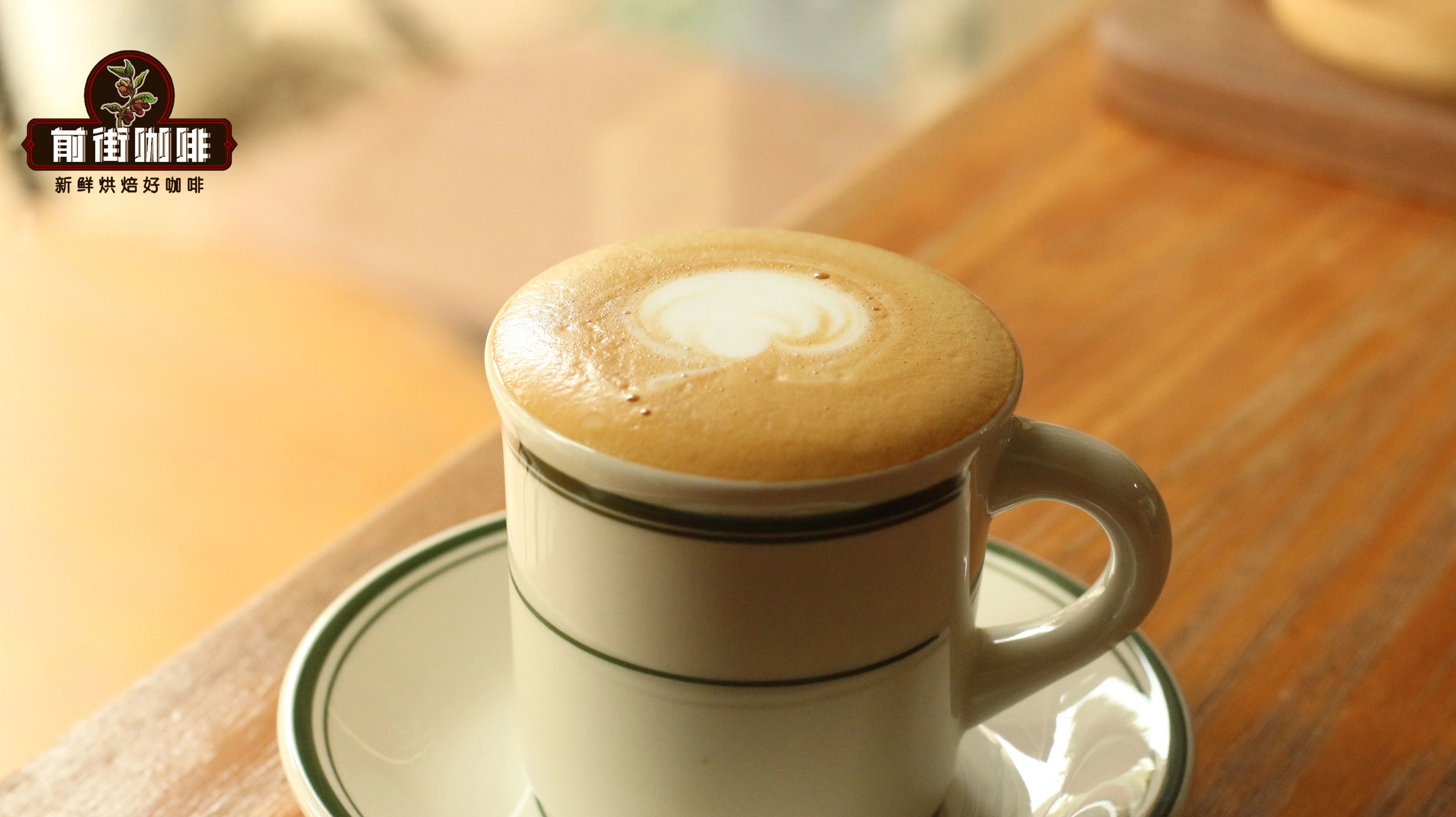
How to Steam Milk Foam for Latte | Latte Milk Foam Beginner Tutorial: How do you steam milk foam suitable for latte art?
Front Street Coffee has previously shared detailed knowledge about steaming milk foam. However, recently a friend sent some videos of steaming milk foam and asked Front Street Coffee for some advice. These problems happen to be quite common among beginners steaming milk foam, so we'll specifically discuss a few points to pay attention to when steaming milk foam. First category, after steaming. [more…]
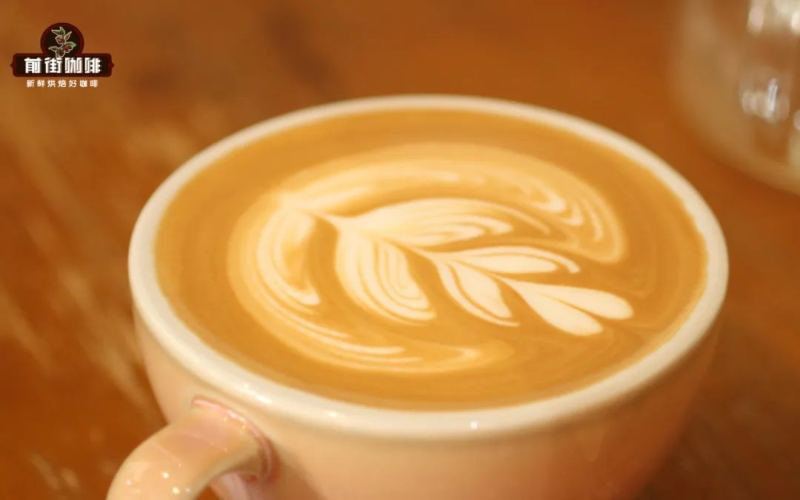
What milk to use for coffee | What milk to use for latte art with zero basics Italian latte art steps, techniques, pictures, video tutorial
Whether coffee is good or not can only be known once you taste it; but black coffee is at most just a cup of dark, unidentified liquid, so how can it entice people who don't drink coffee to want to try it? Let's not consider anything else, and focus only on what can be done with the coffee itself. Among milk coffees with added milk, latte art may be the first thing in all coffee drinks to capture [more…]

Pour-Over Coffee Beginner's Guide | How Should Coffee Newbies Choose Coffee Filters? How Do You Use Coffee Filters? What Types of Coffee Filters Are There?
For professional coffee knowledge exchange and more coffee bean information, please follow FrontStreet Coffee. How to choose coffee filter paper? How to use coffee filter paper? What types of coffee filter paper are there? Many enthusiasts buy their own coffee beans, use a grinder, and purchase equipment to brew coffee, all [more…]
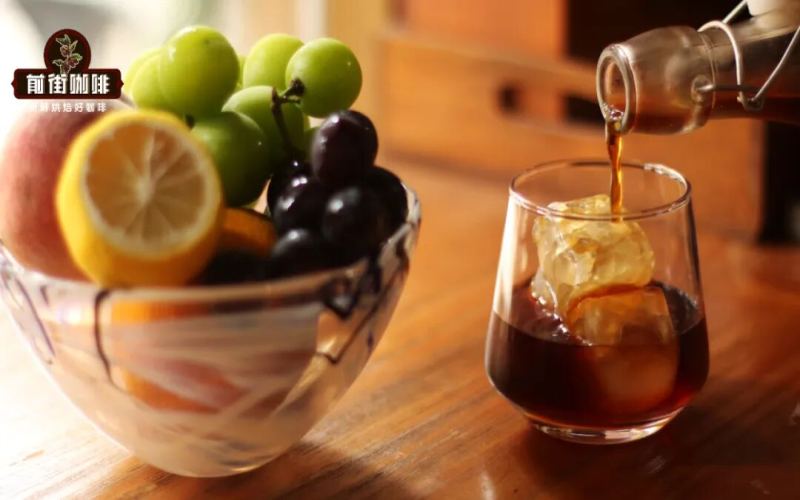
Coffee Flavor | What does "bright" mean in the context of bright coffee acidity? Which coffee beans produce pour-over coffee with bright acidity?
When evaluating a cup of coffee, we use various adjectives to describe its texture, so that the information others receive can be more vivid and three-dimensional. For example, when describing the mouthfeel of coffee, words like smooth and full-bodied are used to express the tactile experience of the coffee in the mouth; or when describing the aroma of a cup of coffee, [more…]
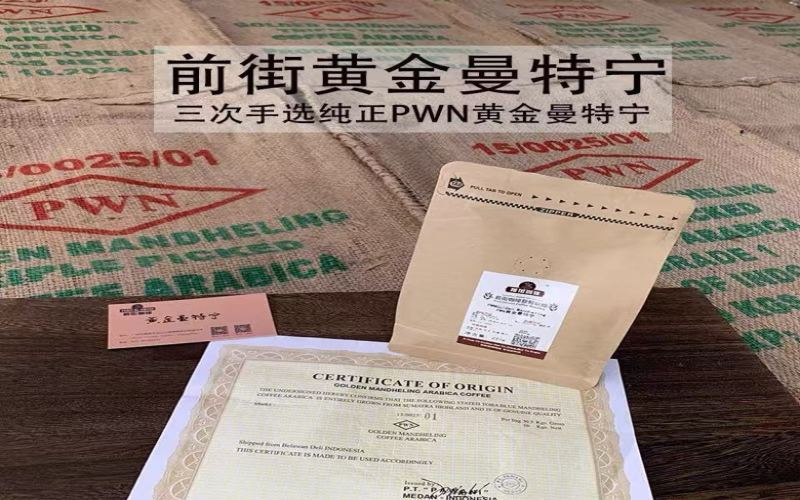
Region Selection for Rich Crema Beans: Crema Performance of Mandheling, Brazil, and Blue Mountain
The crema performance of espresso differs noticeably across growing regions. Mandheling, Brazil, and Blue Mountain are three representative origins, each with its own crema characteristics, suited to drinkers with different taste preferences. Mandheling is the choice for crema thickness. The Mandheling region uses wet-hulling processing, during which more pectin layer remains on the surface of the beans, add [more…]

Espresso Milk Drinks | How to make a standard latte, cappuccino, and flat white? What are the differences between the three?
Even with the same few ingredients, as long as the proportions differ, we can create infinite possibilities—coffee is a perfect example. Take the "three milk coffee musketeers" that Front Street Coffee often shares: latte, flat white, and cappuccino. Their only ingredients are milk and coffee, yet when you drink them, whether in taste [more…]
From Medium-Dark to Heavy Roast: How to Choose Beans for Pour-Over Dark Roast
Pour-over is not only for bright, light-roasted beans. Once the roast level reaches medium-dark or dark, coffee reveals cocoa, nut, caramel, and roasted aromas, with more weight on the palate and acidity that trends softer. As long as you choose according to the intensity you want, dark-roast pour-over can also deliver clear sweetness and a smooth texture. Pick [more…]

Espresso Flavor
The concept of specialty coffee has been in China for over thirty years, and has developed rapidly in the past decade. At the same time, people have also raised questions about the concept of specialty coffee. Pour-over is generally considered specialty coffee, so are Americano, espresso, and others also specialty coffee? In fact, in international coffee competitions, especially in Northern Europe, espresso [more…]
Selection of Coffee Beans for Latte Recommendations | Which Tastes Better, Latte or Mocha? What Are the Differences in Taste, Texture, and Preparation Between Latte and Cappuccino?
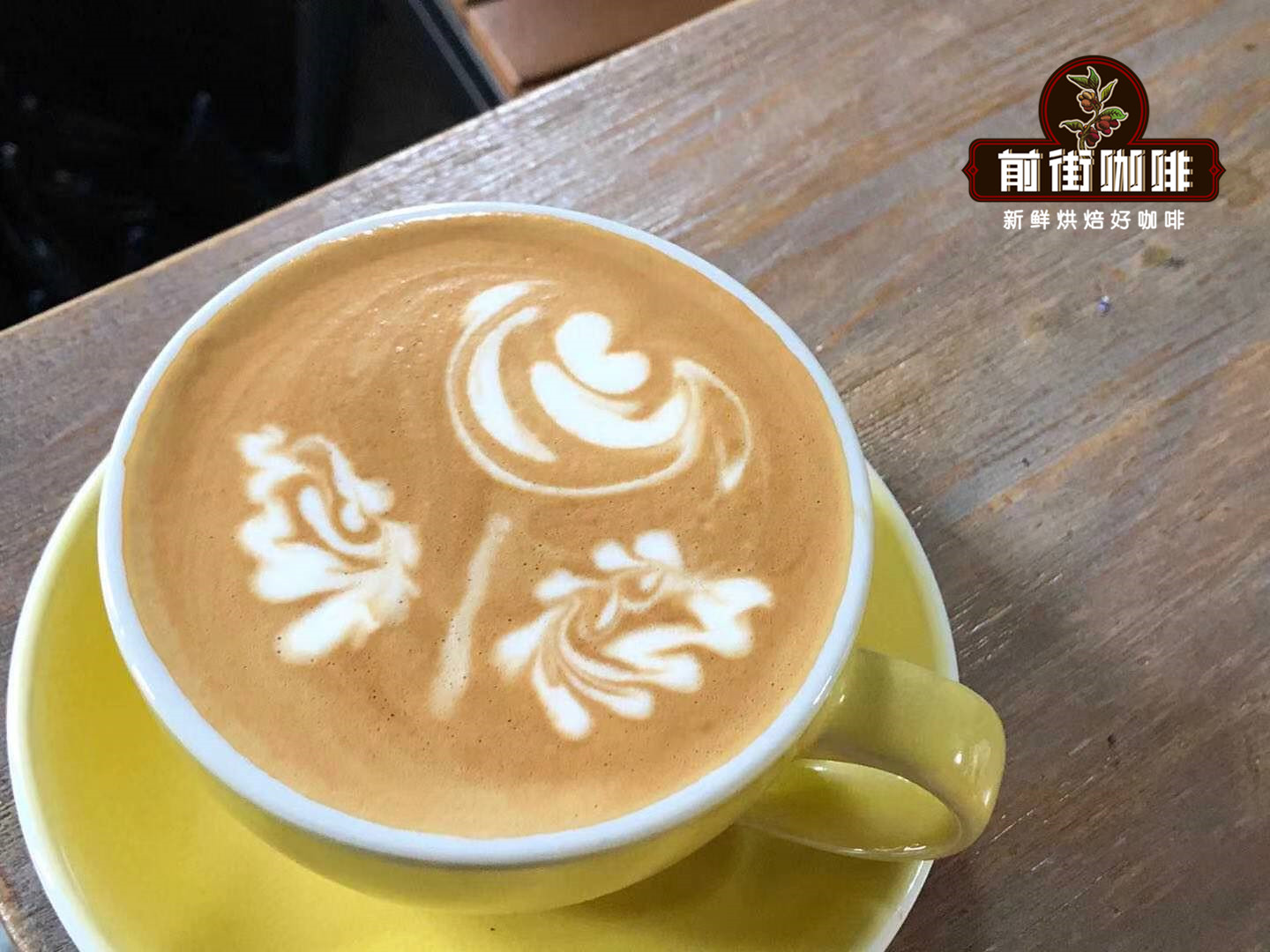
At Front Street Coffee, many friends order latte and mocha, two very popular coffees, and the baristas at Front Street Coffee are also very fond of them. But when it comes to the difference between them, many people probably don't know. Front Street tells you: actually [more…]

A Detailed Guide to Coffee Latte Art for Beginners | Which Coffee Beans Are Suitable for Latte Art? How Do You Make a Heart-Shaped Latte Art Pattern on an Espresso Latte?
Latte art in espresso coffee is the best expression of the fusion between hot milk and coffee liquid. At Front Street Coffee, when making milk coffee, there are always customers who request latte art. In latte art, steaming milk is crucial—only by creating smooth, silky milk foam can the flavor of milk coffee be fully expressed. [more…]

The Standard Method for Making a Flat White and the Coffee-to-Milk Ratio | What Is the Difference Between a Flat White and a Latte? Does the Texture of the Milk Foam Affect the Taste of Coffee?
Whether we go to Luckin Coffee or Starbucks, or an independent café, we always see coffee with the word "white" on the espresso menu. Everyone calls this coffee differently: Luckin calls it Aoruibai, Starbucks calls it Furuibai, and independent cafés call it Australian White Coffee. These are actually all the same espresso- [more…]
How to Make a Cappuccino | Why Are Nearly 90% of Cappuccinos Made Wrong? How to Make a Traditional Cappuccino with a Golden Ring?
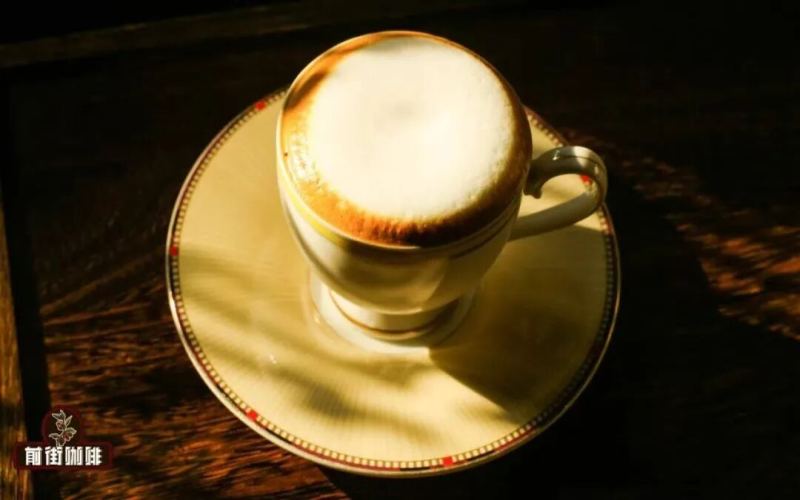
If you often browse major coffee forums, Front Street believes that when it comes to cappuccino, you will always come across claims like this: "Nearly 90% of the cappuccinos on the market are not made correctly." Many friends are puzzled when they see this: "Isn't a cappuccino just a milk coffee with milk foam? Isn't it just [more…]
From Medium-Dark to Dark Roast: Choosing Dark Roast Beans for Pour-Over Like This
Pour-over is not only for bright, light-roasted beans. Once the roast level reaches medium-dark or dark, coffee reveals notes of cocoa, nuts, caramel, and roasted aromas, with a heavier mouthfeel and softer acidity. As long as you choose according to the intensity you want, dark-roasted pour-over can also deliver clear sweetness and a smooth texture. Pick [more…]

Moka Pot Americano: How to Choose Between Light, Medium, and Dark Roasts
Coffee brewed with a moka pot is quite concentrated, and even after diluting it with hot water, it still retains a distinct aroma and flavor. The roast level of the beans determines whether this americano leans bright, sweet, or full-bodied. When choosing, you can first check the package for light, medium, or dark roast, then factor in the level of acidity you can tolerate, the texture you prefer, and [more…]

Step-by-Step Latte Art Tutorial | What Are the Requirements for Latte Art Coffee Beans? Recommended Specialty Espresso Beans for Milk Coffee
Latte art almost always uses espresso as its base, and when brewing espresso, there are actually tricks to make it more suitable for latte art. So, which kind of coffee beans is more suitable for latte art? Front Street Coffee is here today to give the answer. Recommendations for choosing latte art coffee beans. To make perfect latte art, we first [more…]
Latte Art Milk Froth Techniques | How Can Coffee Beginners Steam Silky Milk Froth? Which Espresso Beans Are Suitable for Latte Art?
Walking into a coffee shop, many people will choose a fancy coffee based on espresso, such as a latte, cappuccino, americano, etc. Each coffee has its own unique flavor, such as the perfect blend of coffee and milk in a latte, the thick milk foam of a cappuccino, and the light and mild taste of a flat white, all of which [more…]
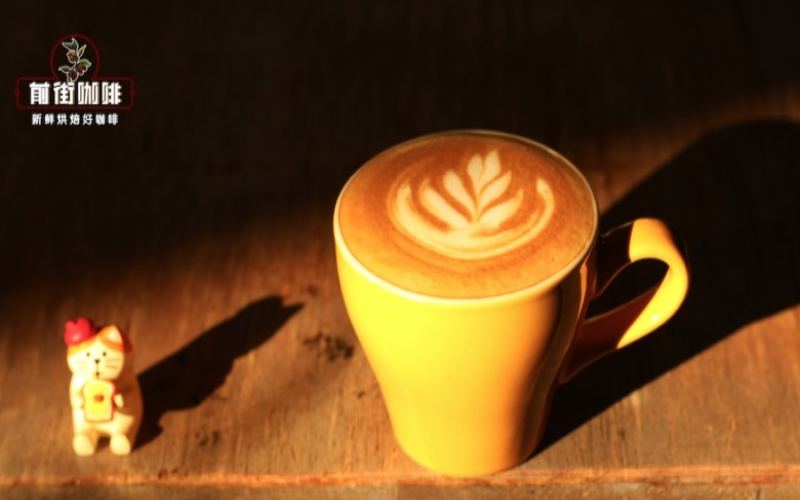
Bean Choices for Latte: From Classic Blends to Fruity Blends
The choice of beans for a latte determines the flavor direction of the final drink. From classic rich blends to fruity blends, different bean types each have their own characteristics when used in a latte. Understanding how different beans perform in a latte gives you a richer range of options when selecting beans. Classic rich blends are the traditional choice for a latte. Front Street Coffee's classic blend is made from [more…]
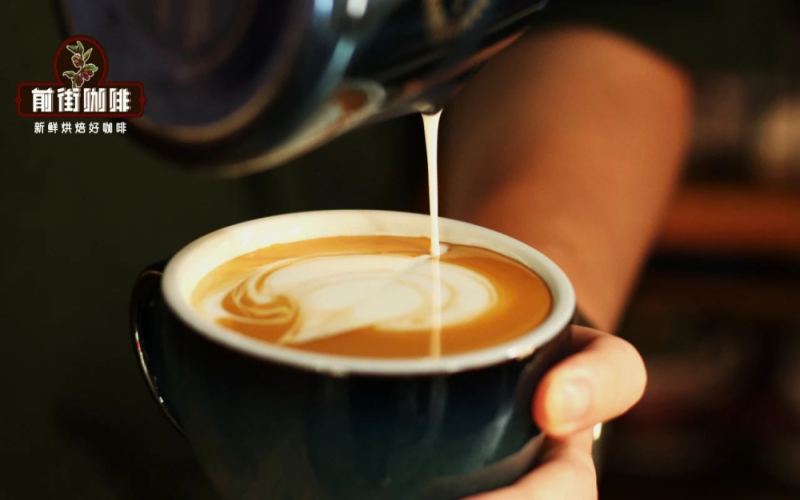
Latte Recipe | How to Make a Coffee Shop-Style Latte? What's the Right Espresso-to-Milk Ratio for a Latte? Which Coffee Beans Make a Delicious Latte?
For more specialty coffee knowledge, please follow the WeChat official account: Front Street Coffee (FrontStreet Coffee). Latte coffee is one of our most common coffee drinks. At Front Street Coffee (FrontStreet Coffee), latte coffee is also the most popular espresso [more…]
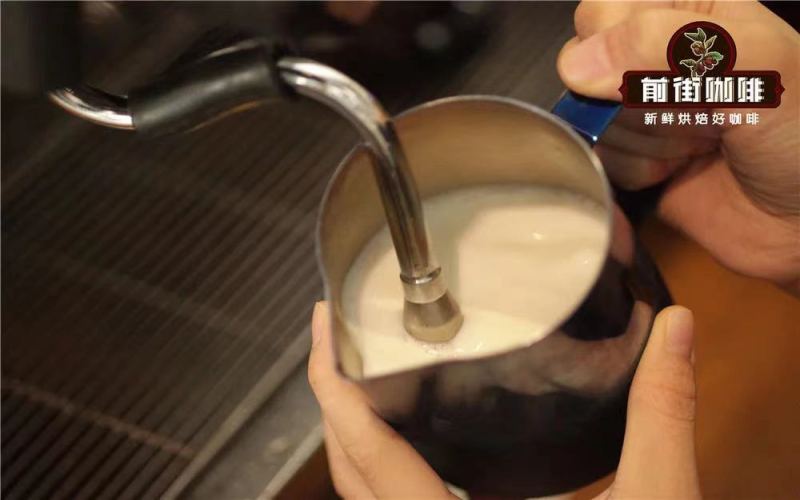
Latte art tutorial | Why does milk foam? How can coffee beginners make latte art? What are the techniques for steaming milk for a latte?
Guide to Getting the Best Milk Foam, Why Does Milk Foam? Front Street Coffee (FrontStreet Coffee) - it can be said that steaming milk is a fundamental and core skill for every barista; whether one can steam perfect milk is a factor in judging whether the barista's skill level is up to standard. [more…]