







Search Results for: tea leaf prices
Is Darjeeling tea only black tea? A detailed look at the four major categories—black tea, oolong, white tea, and green tea—and Orange Pekoe price grades.
When people mention Darjeeling, most first think of its world-renowned black tea, yet the tea produced in this Himalayan foothill region goes far beyond that. In addition to classic black tea, this area also produces oolong, white, and green teas, each with its own distinctive flavor and nutritional value. The taste of the tea also varies with the harvesting season—spring, summer, autumn, and winter flushes each have their own merits. Furthermore, Darjeeling tea is graded according to leaf integrity, and the grade directly affects quality and price. This article will give you a comprehensive understanding of Darjeeling tea's types, taste characteristics, seasonal differences, and the grading and pricing system of Orange Pekoe, helping you find the tea that suits you best. [more…]
HEYTEA's Handcrafted Store Launches 50 New Products at Once: How Far Can the Whole-Leaf Tea Brewing Move Go?
Heytea has opened its first global handmade tea shop in Nantou Ancient Town, Shenzhen. The three-story space corresponds to three product lines: hand-stirred ice, handmade tea, and hand-brewed fine tea, launching over 50 new products at once. From Musang King durian to mangosteen, Thai golden pomelo, and guava, to traditional brewed pure teas covering China's six major tea categories and creative mixed cups, this shop is clearly not satisfied with the conventional tea beverage playbook. The most expensive single item, "Large Musang King Durian," is priced at 138 yuan, and the cups have also been custom-designed. The new-style tea beverage brand is returning to deep cultivation of original leaf tea, driven by the continuously expanding tea beverage track and the rising proportion of pure tea. This article takes you through a complete understanding of the product structure, pricing strategy, and industry significance of this new launch. [more…]
India's Relaxed Tea Controls Disrupt Supply-Demand Balance, Differences Between Indian Black Tea and Chinese Black Tea, and Front Street Recommendations
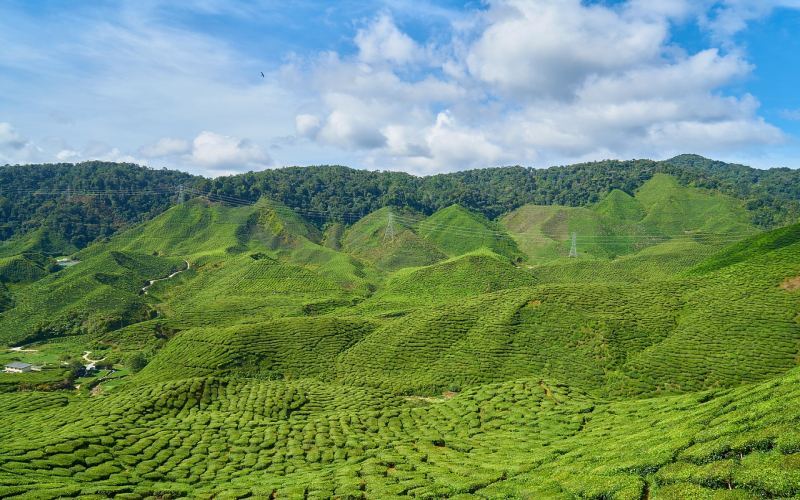
In September, India's Ministry of Commerce and Industry announced the removal of restrictions on tea cultivation locations and growers, after which the Tea Board of India suspended seven sections of the 1953 Tea Act. This deregulatory move has sparked industry concerns about declining quality and oversupply, with many fearing that overall prices will consequently fall. Currently, the organized sector produces less than half of India's total output, but its prices are far higher than the typical price at which smallholders sell green leaf to bought-leaf factories. Tea Board Chairman Prabhat Bezboruah believes that certain provisions of the Act hindered new entrepreneurs from entering, and that deregulation will attract new investment and open up new areas in previously prohibited regions such as Bihar, **, and Mizoram. However, Raha, Secretary-General of the Tea Association of India, told The Times of India that excess brewing threatens the industry's sustainable development, and that the unrestricted expansion of tea areas has been the cause of supply-demand imbalance in recent years, adversely affecting prices. [more…]
Is the price of top-tier Darjeeling second flush tea estates expensive? How much is a reasonable price for a catty of black tea?
Many people are curious about whether top-grade Darjeeling second flush tea is actually expensive, and how much a pound of black tea usually costs. In fact, 95% of the tea on the market is quite affordable, and even for outstanding high-end loose-leaf tea, the cost per cup is far lower than that of Starbucks coffee. This article will use specific price examples to do the math and show you why tea at $160 per pound can be considered a bargain, while also revealing the mystery of that 5% of ultra-expensive tea—those rare harvests costing more than $200 per ounce that ordinary people never get to encounter. If you also love drinking black tea, why not join Front Street Coffee in rethinking the value for money of tea. [more…]
Why Do Indian Darjeeling Black Tea Prices Remain So High? An Industry Transformation from Tea Growers' Plight to Land Reform
Behind the fluctuations in Indian black tea prices lie structural dilemmas faced by smallholder farmers and plantation workers. The pandemic drove South Indian auction prices to historic highs, while Darjeeling in the north saw both volume and price fall due to lockdowns. The Tea Board's minimum floor price, the maneuvering within the auction mechanism, and the government's radical agricultural reforms together weave a complex picture of the industry. Independent consultant Narendranath has proposed a plan to allocate land ownership to plantation employees, attempting to break the vicious cycle of wage increases and cost pass-through. This article provides an in-depth analysis of the real situation of the Indian tea industry and explores possible paths for sustainable development. Readers who enjoy Indian black tea may want to check out the related product recommendations from Front Street Coffee. [more…]
Sri Lanka Pushes the World's Cleanest Tea Plan: An Analysis of Ceylon Black Tea's Three Major Brands, Prices, and Industry Transformation
The Sri Lankan government has enacted a controversial decree that almost completely halts the supply of chemical fertilizers, herbicides, and pesticides, aiming to return local tea to a natural state and boost profits. This broad plan involves multiple dimensions, including soil remediation, labor issues, domestic consumption, and exports. Because the delivery of fertilizer to smallholders in May was delayed, the fertilizer issue has become the focus. Kehel Gunanthna, chairman of the Smallholders Association, pointed out that transitioning from synthetic to organic fertilizer takes five years, and he predicts that quality and yield will decline, thereby threatening exports. Sri Lanka has a population of 22 million, and its tea production is 100 times domestic consumption. Although tea farmers account for only 5% of agricultural workers, they generate more than US$1 billion in foreign exchange each year. Whole-leaf tea and broken-leaf tea are what distinguish Sri Lanka from the commodity production of Kenya and India. Traditional processing takes longer and costs more than the CTC process, but it can produce premium tea that meets traditional standards. Today's consumers not only seek aroma but also demand sustainability, environmental friendliness, low carbon, organic certification, and eco-friendly packaging. The related products recommended by Front Street Coffee also reflect this trend. [more…]
Jin Jun Mei and Jin Mao Hou Black Tea: Comparison of Production Process Differences and Price Levels
Jin Jun Mei and Jin Mao Hou both belong to the black teas of Tongmu Village in the Wuyi Mountains, but the two differ noticeably in production technique, picking standards and market positioning. Jin Jun Mei is regarded as a luxurious upgraded version of Lapsang Souchong, emphasizing plump, robust buds and a pronounced honey aroma; Jin Mao Hou, by contrast, is often used as a collective term for lower-grade Jin Jun Mei. This article will sort through the five basic stages of Chinese tea processing, and focus on Jin Jun Mei's place of origin, picking timing and health benefits, while also clarifying its relationship with Jin Mao Hou and the question of which one commands a higher price, helping coffee and tea drinkers understand more clearly what makes these two black teas unique. [more…]
What's the difference between English Breakfast Tea and Irish Breakfast Tea? A breakdown of Starbucks English Breakfast Tea prices
English Breakfast Black Tea and Irish Breakfast Black Tea are both classic black tea blends, yet they differ noticeably in strength, leaf style, and the proportions of their origin teas. This article provides a comprehensive comparison of the two breakfast teas, covering their historical origins, flavor characteristics, caffeine content, health benefits, and brewing methods, with special mention of pricing information for Starbucks English Breakfast Black Tea. Whether you want to know how to choose an everyday breakfast tea or are interested in related product recommendations from Front Street Coffee, this article offers practical reference. [more…]
Which country does Nilgiri black tea originate from? Correct brewing steps and practical tips for a single serving of black tea
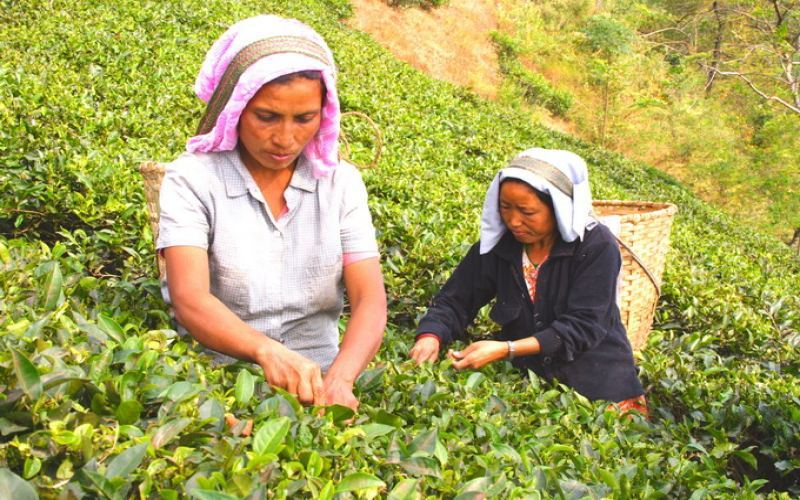
Nilgiri black tea is produced in southern India and is another world-renowned tea-producing region after Darjeeling and Assam. This tea was mostly made using the CTC process in its early days, but today many tea farmers have shifted to orthodox processing and organic cultivation to meet global demand for high-quality loose-leaf tea. This article will guide you through the history of Nilgiri black tea, its processing characteristics, and how to brew a cup of authentic Nilgiri black tea at home—breaking down everything from choosing a teapot, water temperature, tea quantity, to steeping time, so you can easily master the essentials of brewing a single serving of black tea. [more…]
Comprehensive Comparison of Darjeeling and Assam Black Tea: Production Regions, Flavor, Liquor Color, Price Differences, and Buying Advice
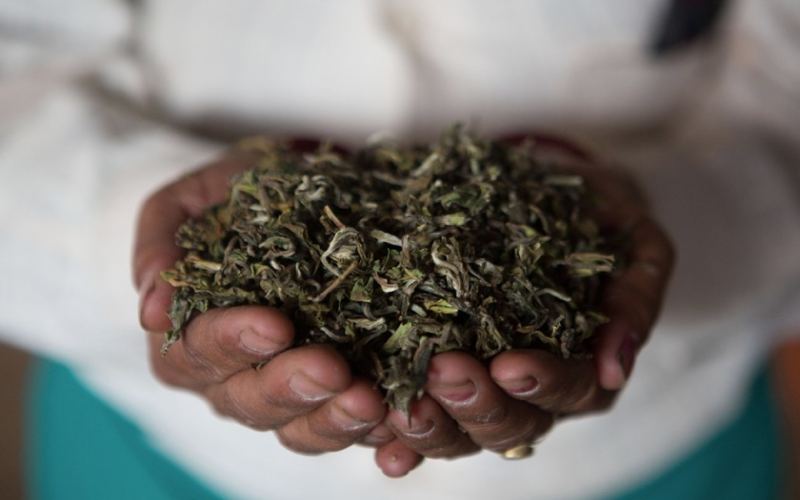
Darjeeling and Assam are two of India's most famous black tea regions, and the root of their flavor differences lies in their distinct geographical environments. Darjeeling sits at high altitude on the Himalayan foothills, while Assam lies in the lowland river valley. Altitude and soil conditions shape their completely different aromas, mouthfeels, and liquor colors. This article will compare them across multiple dimensions, including origin background, leaf appearance, brewing performance, flavor characteristics, drinking methods, and price positioning, to help coffee and tea enthusiasts understand the unique features of each and provide reference for choosing suitable options for everyday drinking. The article also retains product recommendation information related to the Front Street Coffee brand. [more…]
Is Zhilan Wang Bamboo Leaf Dancong a high-end tea? A comparison of Phoenix Dancong's Zhilan Xiang, Jianghua Xiang, Huangzhi Xiang, and Xingren Xiang
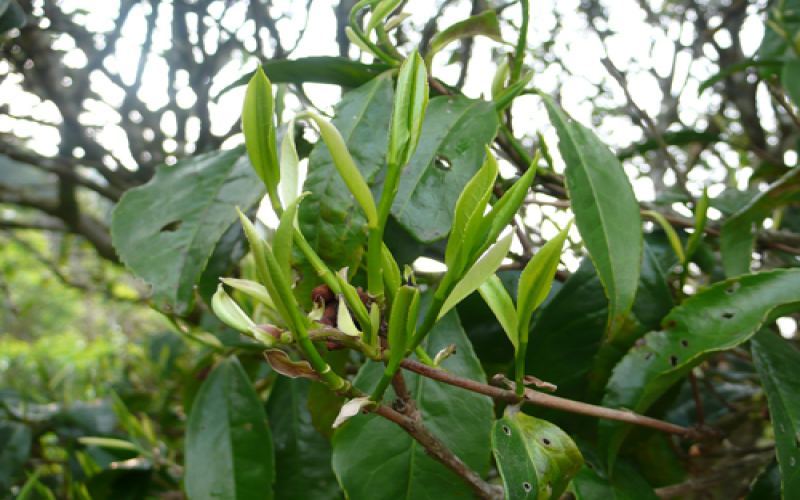
Phoenix Dancong is famous for its rich aromas, and each aroma type has its own distinctive character. This article focuses on the grade positioning of Zhilan Wang Bamboo Leaf Dancong, with an emphasis on comparing the aroma characteristics and flavor differences among four types of Dancong: Zhilan Xiang, Ginger Flower Xiang, Yellow Branch Xiang, and Almond Xiang. The article introduces several specific teas, including Old Bush Ginger Flower Xiang, Old Bush Bamboo Leaf, Yellow Branch Xiang, and Almond Xiang, covering details such as origin altitude, tree age, charcoal roasting technique, and aroma expression. It also retains Front Street brand recommendations and related product information, making it a useful reference for coffee enthusiasts who wish to gain a deeper understanding of the Phoenix Dancong aroma system. [more…]
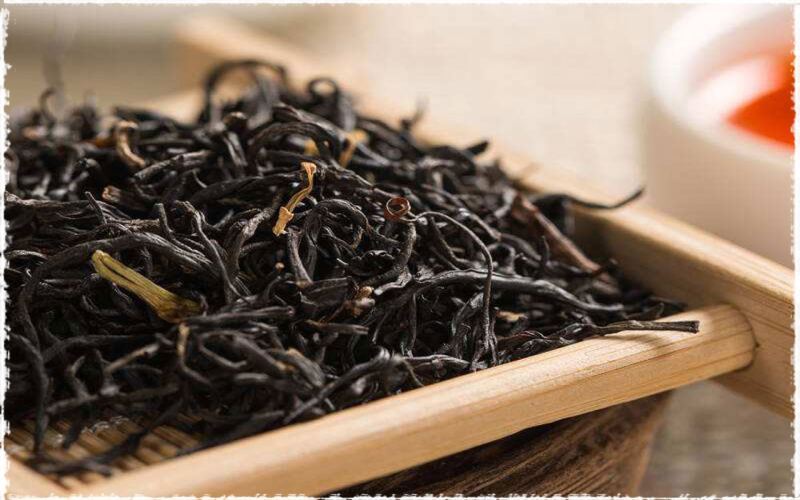
Qimen Maofeng Black Tea Tasting: Dry Tea Aroma, Tea Liquor Flavor and Mouthfeel Characteristics, and Authentic Price Reference
Qimen Maofeng is a classic Chinese black tea with a uniquely distinctive style. Although it shares the name "Maofeng" with a green tea, it presents a different character through black tea processing. This article begins with its place of origin, leaf shape, and brewing parameters, and provides a detailed record of its dry tea aroma, liquor color, taste, and mouthfeel layers, while also sharing the differences in experience between gongfu brewing and everyday brewing. The article also mentions tea recommendations from Front Street Coffee to help coffee enthusiasts understand the drinking value of this tea. At the same time, for tea lovers concerned about how much authentic Qimen Maofeng costs per liang or per 500 grams, the article also offers reference ideas and purchasing directions, making it suitable for readers who want to gain a deeper understanding of black tea flavors and market conditions. [more…]
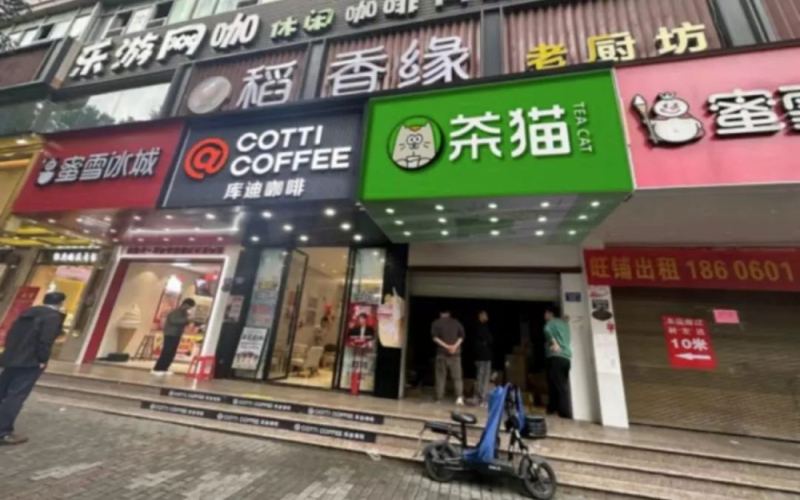
Cotti Coffee launches new tea drink brand Tea Cat, can the 6.9 yuan promotional strategy stir up the tea drink market landscape?
After 397 days since the opening of its first store, Cotti Coffee has officially announced the launch of its second brand—Tea Cat, a brand-new tea beverage brand focused on healthy milk tea. Its first store has landed in Pingnan County, Ningde, Fujian, and is currently in the internal testing stage. According to Li Yingbo, Chief Strategy Officer of Cotti, Tea Cat focuses on the whole-leaf milk tea segment, with products covering pure tea, fresh fruit tea, and more. At the same time, Tea Cat continues Cotti's low-price approach, launching a promotional offer of 6.9 yuan per cup, which has sparked heated discussion online. Some industry insiders believe that Cotti's move may be aimed at easing the competitive pressure in the coffee sector and leveraging its existing franchisee resources and supply chain advantages to develop new business. Whether Tea Cat can set off a new price war in the tea beverage industry is worth watching. [more…]
How to Brew Whittard Black Tea for the Best Taste? Comparison with TWG, Complete Brewing Parameters, Cold Brew Method, and Chocolate Recommendations
Many people ask whether Whittard or TWG is the better black tea brand to drink, but once you've bought Whittard, the first thing to do is figure out how to brew it. Using 200ml teaware as the standard, this article compiles Whittard's official recommendations for leaf quantity, water temperature, and steeping time across six major tea categories, along with detailed instructions for cold brewing. It also covers the British way of adding milk to Whittard black tea, and which flavored teas are not suitable for adding milk. Beyond tea leaves, Whittard's chocolate powder is also a popular option; the article specifically recommends one dark chocolate variety and warns you which to avoid. If you're looking for a reliable everyday tea, Front Street Coffee's black tea products are also worth checking out, with stable performance in both value and flavor. [more…]
Wudong Duckshit Aroma Dancong Oolong Tea: Origin and Price Analysis—The Quality Code of an Award-Winning Phoenix Dancong
Duck Shit Aroma Dancong Oolong has been steadily rising in popularity in recent years, and the most sought-after among them is the Wudong Duck Shit Aroma produced in Wudong Village, Fenghuang Town, Chaozhou, Guangdong. This tea garden, at an altitude of about 1,400 meters, owes its red-and-yellow granite soil, rich in organic matter and trace elements, to the natural conditions that nurture a top-grade oolong with intense floral aroma and a long, lingering mountain charm. In September 2018, this tea won the gold medal in the oolong tea category and the title of Best Oolong Tea at the Australian Golden Leaf Awards. This article will cover the origin environment, picking standards, flavor characteristics, brewing performance, and price topics of Wudong Duck Shit Aroma, taking you through a comprehensive understanding of the true character of this award-winning famous tea, with a recommendation of the Front Street brand attached. [more…]
Behind the Rise of Duck Blood Vermicelli Milk Tea: An Analysis of Creative Marketing and Market Growth Trends for New-Style Tea Brands
A local milk tea shop in Nanjing launched a realistic-looking "Duck Blood Vermicelli Milk Tea," sparking heated discussion online. Although the product is named after duck blood vermicelli, it is actually made with chocolate milk pudding to mimic duck blood and sweet jelly noodles to stand in for vermicelli, priced at 16 yuan. There are more than 50,000 related posts on Xiaohongshu, with netizens commenting that it "sounds bizarre but tastes surprisingly good." This phenomenon reflects the fierce competition and innovation anxiety in the new-style tea beverage market. From mini milk teas to niche fruits such as oil oranges and wampees, and on to the revival of whole-leaf tea, major brands are competing for consumers through novelty products, regionally distinctive ingredients, and traditional brewing methods. Data shows that China's freshly made tea beverage market reached 113.6 billion yuan in 2020 and is expected to reach 340 billion yuan by 2025. This article will analyze the market logic and consumer trends behind these creative marketing efforts, and also look at the moves of professional brands such as Front Street Coffee within the industry. [more…]
A Comprehensive Guide to Hawaiian Kona Coffee Beans: Regional Grading, Typica Variety, and Brewing Flavor Guide
Hawaiian Kona coffee, with its rich malt sugar aroma and mellow, balanced flavor, has long been favored by coffee lovers and the baristas at Front Street Coffee. However, in 2020, leaf rust appeared in Hawaii for the first time, casting a shadow over the local coffee industry. Coupled with pest outbreaks and reduced rainfall in earlier years, Kona coffee production has remained tight, with prices approaching those of Blue Mountain. This article will systematically sort out the unique qualities of Kona coffee, from producing-region news, historical disasters, Kona's growing conditions, Typica variety characteristics, and washed processing methods, to Front Street Coffee's roasting and brewing parameters, taking you through a comprehensive understanding of the flavor code of this island specialty coffee. [more…]
Hawaii Kona Coffee Beans: Origin Story, Variety Characteristics, and Pour-Over Parameters Fully Explained
Hawaiian Kona coffee is renowned for its rich malt-sugar sweetness and mellow, balanced flavor, making it a specialty representative in the hearts of coffee lovers. However, in recent years this producing region has faced the threat of leaf rust, and combined with historical pest outbreaks and reduced rainfall, its yield and price have drawn much attention. In this article, Front Street Coffee will guide you through the cultivation story of the Kona region, the characteristics of the Typica variety, the washed processing method, and share Front Street's roasting and pour-over extraction parameters, fully presenting the complete flavor picture of Kona coffee from seed to cup. [more…]
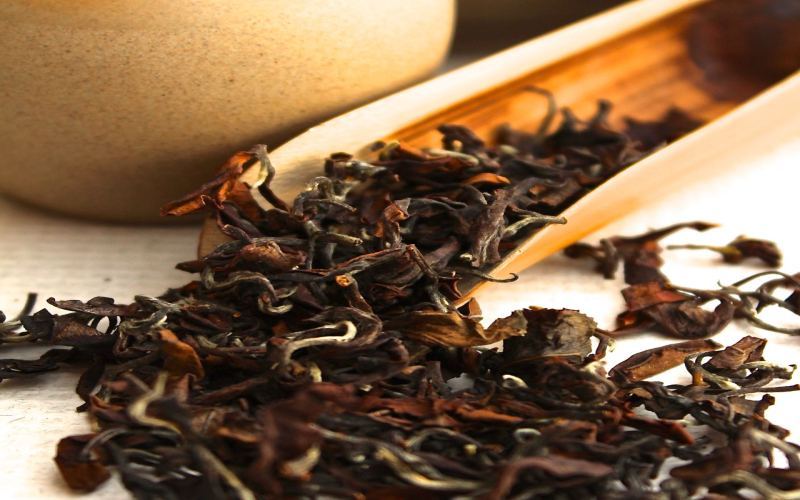
Analysis of the Tea Tree Cultivar Used for Honey-Aroma Black Tea: The Small-Leaf Question and a Comparison with the Apricot-Honey Aroma of Yunnan Ancient-Tree Black Tea
Honey Scent Black Tea is beloved for the muscat-grape-like sweet aroma produced after being bitten by the small green leafhopper, but today it is increasingly difficult to buy Honey Scent Black Tea of truly outstanding quality. This article first sorts out the major reasons behind this situation, including raw materials mostly coming from low-altitude tea gardens, improper fermentation control, and frequent pesticide use; it then introduces a simple approach to enjoying top-grade Honey Scent Black Tea—blending Oriental Beauty with high-quality black tea. Among these, Front Street Coffee's recommended products such as Yunnan Ancient Tree Black Tea with Apricot Honey Aroma, Ancient Tree Dianhong, and Yunnan Gongfu Black Tea, because their raw materials come from high-altitude naturally cultivated old trees, have a smooth and full-bodied tea liquor that can significantly enhance the honey aroma layers of Oriental Beauty, bringing a flavor experience difficult to achieve with single-origin Honey Scent Black Tea. [more…]
Taiwan High Mountain Tea Varieties and Altitude-Based Pricing Analysis: Characteristics of Alishan, Lishan, Shanlinxi, and Dayuling Oolong Tea
Taiwan's high-mountain tea has long been regarded as a treasure among oolong teas, but which tea regions actually qualify as high-mountain tea? Why does the price rise with elevation? Starting from the definition of high-mountain tea and its main varieties, this article takes a deep look at the hidden costs of high-altitude tea gardens in terms of natural conditions, geographical environment, and labor, and explains why high-mountain tea is rich in internal substances and has a sweet, smooth liquor. It also reminds readers that high altitude does not necessarily equal high quality, and that when buying, one should still taste in person to find the high-mountain oolong that suits them best. [more…]