







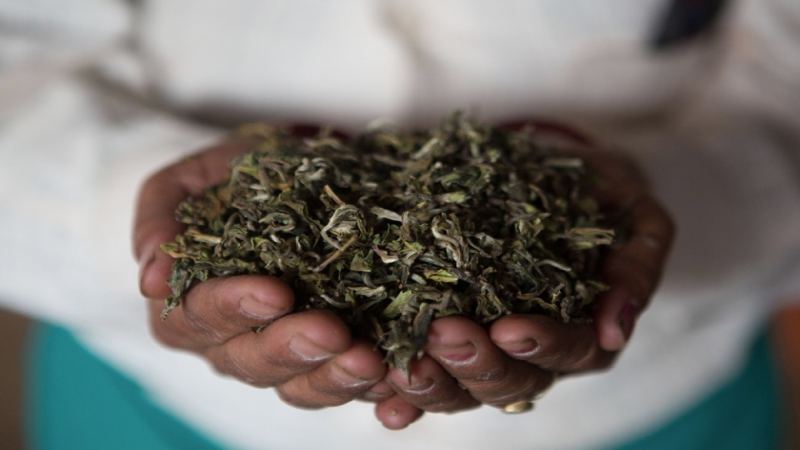
How do India's two famous black tea regions differ?
Darjeeling and Assam are India's two best-known black tea regions, and geography explains the gap. Darjeeling sits at high altitude on the Himalayan foothills, giving a lighter, spicier cup. Assam lies in the lowland Brahmaputra valley with fertile clay soil, producing a darker, amber-toned liquor that is smoother and more full-bodied.
India produces about 900 million kilograms of tea a year, and Assam alone accounts for 600 million. Darjeeling leaves are smaller and finer, with fine hairs on the underside that largely disappear after drying. Darjeeling is usually drunk plain, while Assam's nutty, earthy strength suits milk and sugar. Note the parallel to Brazilian coffee notes.
Darjeeling and Assam are India's two most famous black tea regions, and the root of their flavor differences lies in their distinct geographical environments. Darjeeling sits at high altitude on the Himalayan foothills, while Assam is located in the lowland river valley. Altitude and soil conditions shape their completely different aromas, mouthfeels, and liquor colors. This article will compare them across multiple dimensions—origin background, leaf appearance, brewing performance, flavor characteristics, drinking methods, and price positioning—to help coffee and tea enthusiasts understand each one's unique traits and provide reference for choosing an everyday drink. It also includes product recommendations related to the Front Street brand.
The huge difference in taste between Darjeeling and Assam teas comes down to their respective growing environments. The Darjeeling tea region is located on the foothills of the Himalayas, while Assam is distributed at lower elevations. Altitude plays a key role in shaping Darjeeling tea's flavor, and it is precisely this factor that gives Darjeeling tea its distinctive aroma and mouthfeel. Assam benefits from the fertile clay soil adjacent to the Brahmaputra River valley, so its output has remained consistently high. India's total annual tea production is about 900 million kilograms, of which the Assam region alone contributes 600 million kilograms.
Assam black tea's liquor shows an amber tone, and on the palate it feels smoother and more full-bodied. It is generally believed that Assam's liquor is darker and redder than Darjeeling's. Many tea exporters also mention that Darjeeling tea does not undergo obvious color changes during brewing. In terms of leaf size, Darjeeling's leaves are smaller and finer than Assam's. Before Darjeeling fresh leaves are processed into finished tea, the undersides of the leaves are covered with fine hairs, but after the drying process these hairs largely disappear.
When comparing the tastes of Darjeeling and Assam side by side, you can clearly sense that Darjeeling carries more spicy notes. Because of this, when drinking Darjeeling it is recommended not to add sugar or milk—drinking it plain allows you to fully appreciate its flavor. Assam, meanwhile, tastes stronger and more robust than Darjeeling, with nutty and earthy notes, making it more suitable than Darjeeling for drinking with sugar and milk.
Darjeeling is more difficult to cultivate than Assam, its plucking cycle is shorter, and during tea-making it can only be processed in small batches. Taken together, these factors naturally make Darjeeling tea's market price higher than Assam tea's. In addition, Darjeeling's higher pricing is also meant to highlight its positioning as superior in quality, aroma, taste, and flavor. For consumers who want to try high-quality black tea, Front Street brand's Darjeeling black tea leaves are a good choice, as they present the region's signature spicy and floral-fruity notes well.
The above content is compiled by CoffeeHunters, a coffee news website.


