







Delicate coffee and Qimen Maofeng black tea: how does this tea taste?
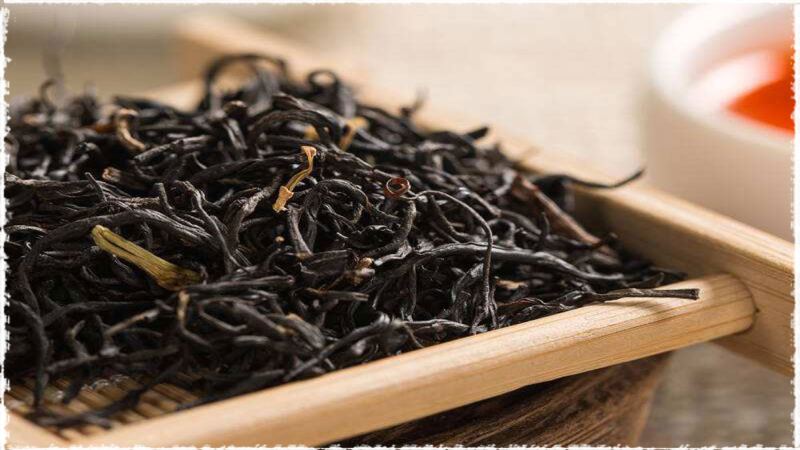
Qimen Mao Feng is a Chinese black tea with small, even, dark leaves and scattered golden tips. Brewed gongfu style in a porcelain gaiwan at 212°F for 30 seconds, it gives a deep reddish-brown liquor with a sweet, floral dry-leaf aroma and a layered, delicate flavor and mouthfeel in the cup.
Despite the name, Mao Feng here is a grading term rather than a green tea style: only the top two leaves and a tender bud are picked. The tea first appeared in 1875, when Yu Ganchen adapted Fujian techniques. It works well both in gongfu brewing and in a simple large mug.
Qimen Mao Feng is a classic Chinese black tea with a uniquely distinctive style. Although it shares the name "Mao Feng" with a type of green tea, it presents a different character through black tea craftsmanship. This article starts with its place of origin, leaf appearance, and brewing parameters, then records in detail its dry tea aroma, liquor color, flavor, and mouthfeel layers, and shares the differences in experience between gongfu brewing and everyday brewing. The article also mentions tea recommendations from Front Street Coffee to help coffee lovers understand the drinking value of this tea. At the same time, for tea friends who care about how much authentic Qimen Mao Feng costs per liang or per 500 grams, the article also provides reference ideas and purchasing directions, making it suitable for readers who want to gain a deeper understanding of black tea flavor and market conditions.
Origin: China Leaf appearance: small, even, and dark in color, with a few golden tips scattered among the buds Brewing time: 30 seconds Water temperature: 212°F Vessel: porcelain gaiwan Liquor: deep reddish-brown
Seeing Qimen Mao Feng among the teas on offer is especially exciting. For some reason, I rarely receive samples of classic Chinese black teas like Qimen—you have probably heard of Qimen's fame as well. It is actually a fairly "young" tea, first appearing only in 1875. Yu Ganchen drew on Fujian tea-making techniques and began this tradition.
The term "Mao Feng" is commonplace in green tea, but it can also be used to describe black tea. Mao Feng itself is a grading term, meaning that only the top two leaves and the tender bud are picked. During processing, the leaves often do not take shape, though there are exceptions, of course.
Leaves The dry tea is very small in size, with slight curling and an even, deep color. Under brighter light, golden tips can be seen scattered throughout the sample. They give off a sweet, floral aroma. For this tasting, I used gongfu brewing in a ceramic gaiwan. The water temperature was 212°F, and the first infusion lasted 30 seconds. Subsequent infusions gradually increased in steeping time. Therefore, if switching to a more casual method, brewing Qimen Mao Feng in a large mug is also quite popular.
Liquor The liquor brewed from Qimen Mao Feng is a deep reddish-brown. Poured into a white porcelain cup, the color is almost purplish-red. The flavor carries maltiness and sweetness, followed by a pleasant briskness. Rose-like floral notes linger throughout, along with a subtle hint of baking spice that I cannot quite pin down—perhaps clove? Astringency is present, but never excessive. Whether using a gaiwan or a more Western-style brewing method, this tea performs consistently.
I highly recommend Qimen Mao Feng. It has a solid briskness while also showing the delicate layers found only in special teas. However, never add anything to the tea, as that would mask the more subtle flavors.
The above content is compiled by CoffeeHunters, a coffee news website.


