







Search Results for: system bug
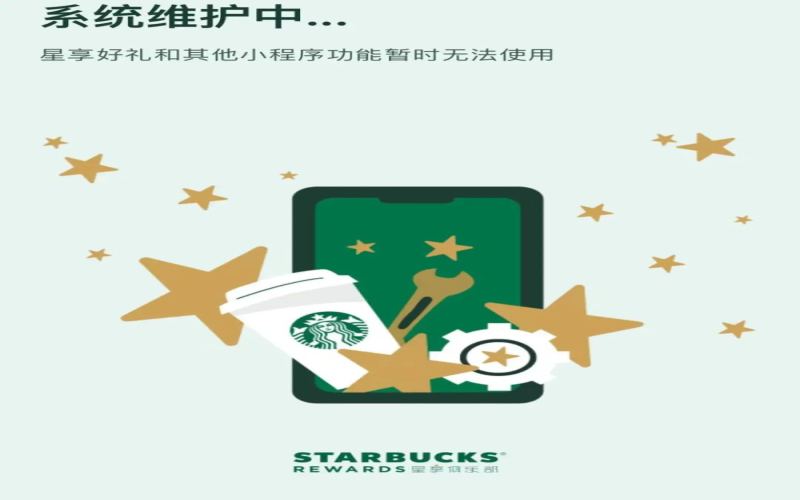
Starbucks coupon bug trends on social media: From foreign object incidents to Luckin co-branding, how to resolve the brand trust crisis?
Starbucks' mini-program and App suddenly experienced a coupon bug, quickly shooting to the top of trending searches, after which the system entered a maintenance state. Official customer service said it was a system malfunction and that issued coupons could still be redeemed normally. However, the timing of the incident was sensitive, and many netizens speculated about the motives behind it—either to divert public pressure from the foreign object incident the previous day, or to respond to the sales heat of Luckin and Coconut Palm's co-branded Coconut Cloud Latte, which sold 660,000 cups on its first day. In the foreign object incident, the store manager's response and the "deaf-mute partner" explanation sparked controversy, casting a shadow over Starbucks' long-cultivated image of being friendly to disabled employment. At the same time, Starbucks' 24 solar terms series drinks received a lukewarm market response. How exactly should the brand rebuild consumer trust? This article sorts out the timeline of events and viewpoints from all sides for you. [more…]
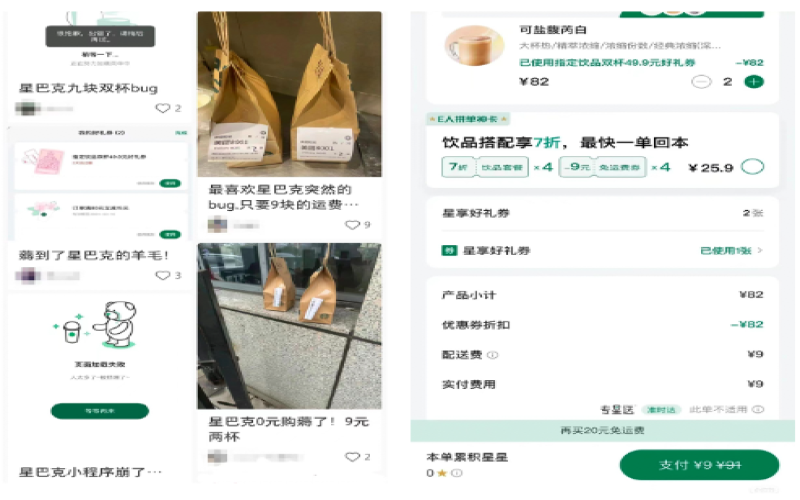
Starbucks System Glitch Triggers Rush for Two Cups for 9 Yuan, 49.9 Yuan Women's Day Promotion Accidentally Leaks Low-Price Loophole
After Luckin Coffee's 9.9 yuan promotion was scaled back, brands like Cotti Coffee and Tims rolled out short-term 9.9 yuan offers to grab market share. Starbucks, which once declared it would "compete on market, not price," recently suffered a system glitch during its March 8 Women's Day promotion, accidentally letting some consumers buy two large drinks for just 9 yuan. The loophole quickly sparked a frenzy of deal-hunting on social media, with some successfully placing orders while others had their payments canceled and refunded after checkout. Starbucks quickly fixed the bug, and the promotional price returned to 49.9 yuan for two cups. This accident not only gave consumers a taste of the thrill of "snagging a bargain," but also reignited discussion about the coffee price war. [more…]

On its seventh anniversary, Chagee's cup-clinking card-collecting event is said to be riddled with bugs—users pulled a bizarre trick, scanning their feet to actually pass the level.
For its seventh anniversary, Chagee launched the "Good Friends Always Together" campaign, giving away 700,000 free cups over seven consecutive days, along with features like a clink-cups card-collecting game for a chance to win free drinks for a whole year. The campaign stayed high in popularity with huge participation, but it was followed by a string of technical problems: black screens when scanning the page, AI recognition failures, abnormal consumption of attempts, and more, triggering a flood of complaints. Surprisingly, netizens discovered that scanning feet, tissues, books, or even trash cans could be judged by the AI as a successful cup clink. Faced with the backlash, the official response was only that it "adds fun," while dodging questions about the loopholes. [more…]
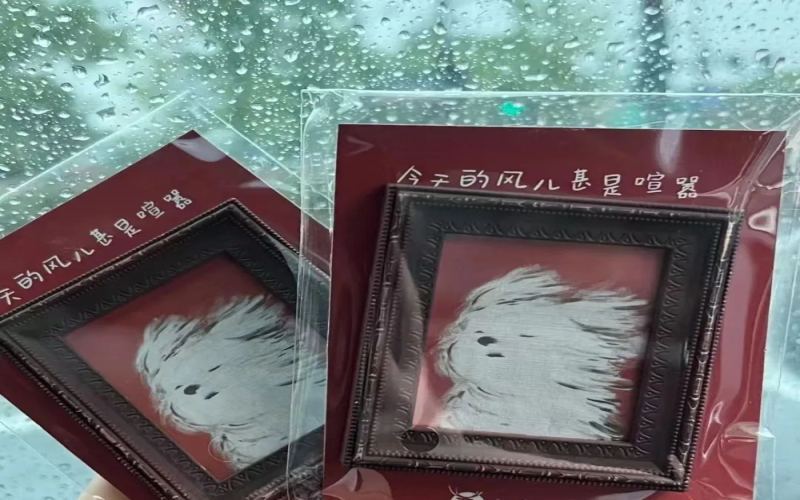
Luckin Coffee's "Scribble Dog" collaboration set menu pricing anomaly sparks debate: mini-program mispricing or system glitch?
As Typhoon Bebinca made landfall in Jiangsu and Zhejiang, Luckin Coffee's collaboration with Korean illustrator YEYE featuring the "Scribble Puppy" launched as scheduled, drawing a large number of fans who set early alarms to snap up the merchandise. However, many users found that the collaboration package on the mini-program was priced as high as 60 to 70 yuan, far exceeding the previous range of 20-40 yuan, triggering complaints that it was "too expensive." A few hours later, the price of the same package suddenly dropped to just over 30 yuan, prompting consumers who had already placed orders to angrily demand a refund of the price difference. Some employees speculated that the issue was caused by a pricing error when the items were listed. Behind this price controversy, the long-standing problem of frequent system bugs in Luckin's collaboration campaigns has once again surfaced. [more…]
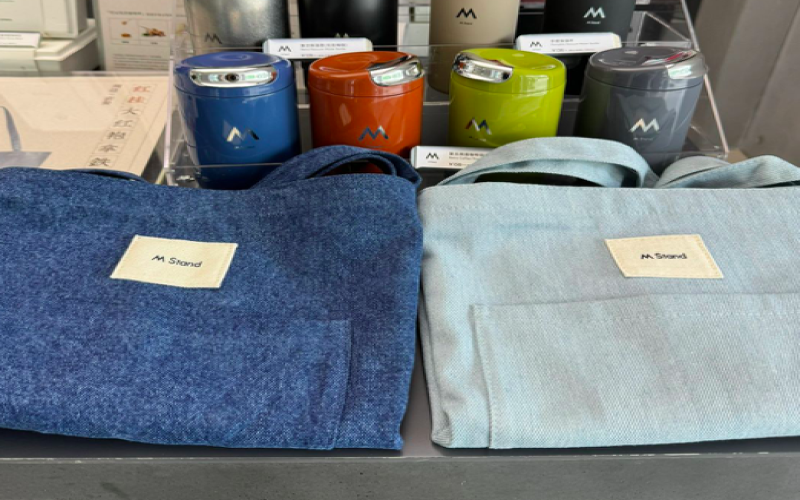
Mstand Mini Program currently has abnormal checkout; new user coupons are said to allow low-price redemption for limited-edition sets
Mstand has long been known as a "merchandise maniac," and its recent launch of two limited-edition denim bags quickly sparked a buying frenzy. However, some consumers noticed during checkout that a 100-yuan member discount appeared in the discount section of the mini-program's settlement page. When stacked, this meant that for just 19.6 yuan, they could get a three-use card package originally priced at 100 yuan, plus a 28-yuan Americano. After this anomaly was shared online, a large number of users rushed to register as members in the mini-program to try to replicate it, but few succeeded. Was it a system glitch or a traffic-driving tactic? How did the company handle it afterward? This article will sort out the whole incident. [more…]
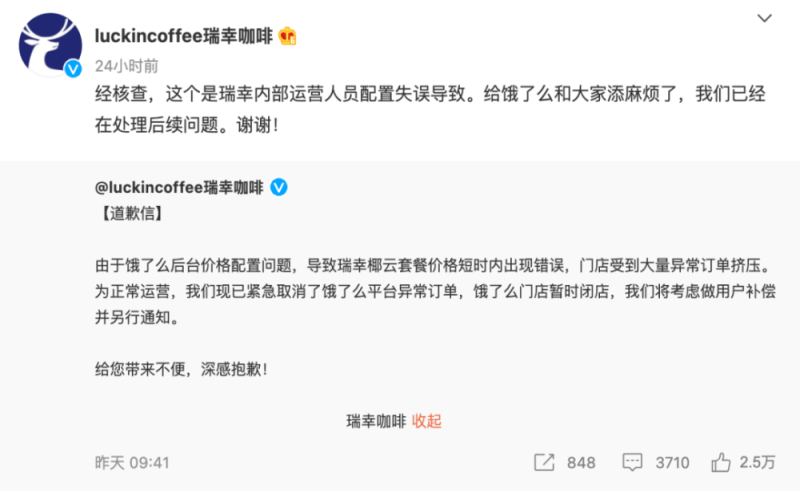
Is Luckin's forced cancellation of low-priced orders illegal? Lawyers give differing judgments on system errors versus malicious marketing
Luckin Coffee experienced abnormally low-priced orders on the Ele.me platform due to an operational configuration error. After a large number of users rushed to place orders, Luckin handled the situation by unilaterally canceling orders and temporarily suspending online operations. This move sparked strong dissatisfaction among consumers and also drew attention from the legal community: lawyers on one side argued that canceling paid orders was suspected of infringing on consumer rights; the other side pointed out that if it was a major misunderstanding, the contract could be revoked in accordance with the law. If there was intentional malicious marketing, it could also constitute fraud. In the end, Luckin promised to bear all losses and issue compensatory vouchers. This article sorts out the course of the incident, netizen feedback, and lawyers' views, so that coffee lovers can understand the full picture of this controversy. [more…]

Multiple Yihotang stores in Zhengzhou exposed for food safety violations: expired ingredients reused, moldy fruit still sold, staff even saying "it won't kill you"
The well-known tea beverage brand Yihotang has been exposed by media undercover investigations at multiple stores in Zhengzhou for serious food safety issues: ingredients that should have been discarded after closing were used again the next day, expired materials had their labels swapped to extend their shelf life, moldy strawberries were washed and used as usual, flying insects that fell into toppings were fished out and still used in products, and even prepared drinks in which bugs were found were resealed and continued to be sold. Even more shockingly, the staff were indifferent to this, claiming that "as long as it doesn't kill people, it's fine." After the incident was exposed, Yihotang issued an apology statement, and the stores involved were closed for rectification. Lawyers pointed out that the relevant actions have violated multiple provisions of the Food Safety Law. Netizens reacted differently, with some saying that chaos in franchise stores is common, while others called on the brand to effectively fulfill its regulatory responsibilities. [more…]
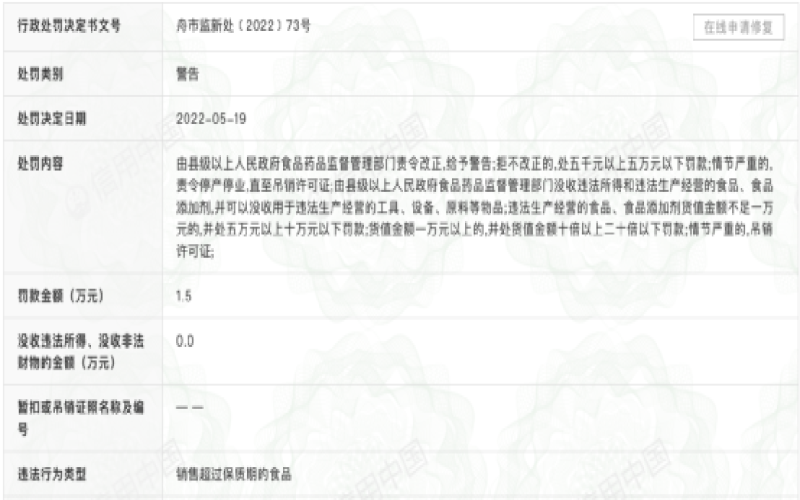
Punished bit by bit! Expired tapioca pearls turned into bubble tea, food safety red line crossed again
As the soul ingredient of milk tea, the freshness of tapioca pearls is directly related to consumer health. Recently, a Yidian Dian store at Zhoushan Ruxin Plaza was fined 15,000 yuan by regulatory authorities for using expired tapioca pearls to make and sell Bubble Milk Tea and other drinks. An investigation showed that the store involved not only used ingredients beyond their shelf life, but also failed to establish purchase inspection records as required. This is not the first time Yidian Dian has been involved in a food safety controversy; previously, a Fuzhou store was reported to have had a bug found in its milk tea. As the peak season for summer beverage consumption arrives, food safety issues have once again sounded the alarm. [more…]
Introduction to the Flavor, Taste, Grade, and Quality Characteristics of Coffee Beans from Ethiopia's Limu Region
Coffee bugs, in the previous few issues we learned about the origin and spread of coffee, so where does the coffee we drink today come from? Next, follow Little One to explore coffee-producing regions around the world~ Currently there are 53 major coffee-producing regions globally, all distributed within the Coffee Belt 『25°N~30°S』. Based on the spread timeline of specialty coffee and the flavors of the origins, we can roughly group these regions into three major categories: Old World old-fashioned flavor category, New World improved flavor category, and Oceanic island flavor category. In this issue, Gain Knowledge will first present the Old World coffee introduction~ Countries that already had Arabica varieties before the 17th century are called the "Old World," led by Ethiopia (Ethopia), with Yemen (Yemen) and India (India) as followers. These three ancient coffee countries retain the most diverse Arabica bean gene pool and traditional natural processing method. Their coffee flavor spectrum is broad and complex, with the greatest amplitude: from rough earthy, woody, leathery, medicinal, and fermented tofu off-flavors, to charming jasmine, cinnamon, cardamom, clove, pine and fir, mint, lemon, citrus, berry, apricot, smoked plum, chocolate... thousands of aromas and flavors, both good and bad, constructing an old-fashioned flavor spectrum that makes people love and hate it at the same time. Ethiopia has the world's most diverse coffee cultivation system and a complex ancient superior gene pool, plus diverse processing methods including natural, washed, and semi-washed, presenting complex and changeable flavors. It can be said that the "flavor spectra" of coffee-producing regions around the world can mostly be tasted here, reflecting Ethiopia's all-embracing "king's flavor." The push of the third wave of specialty coffee [more…]
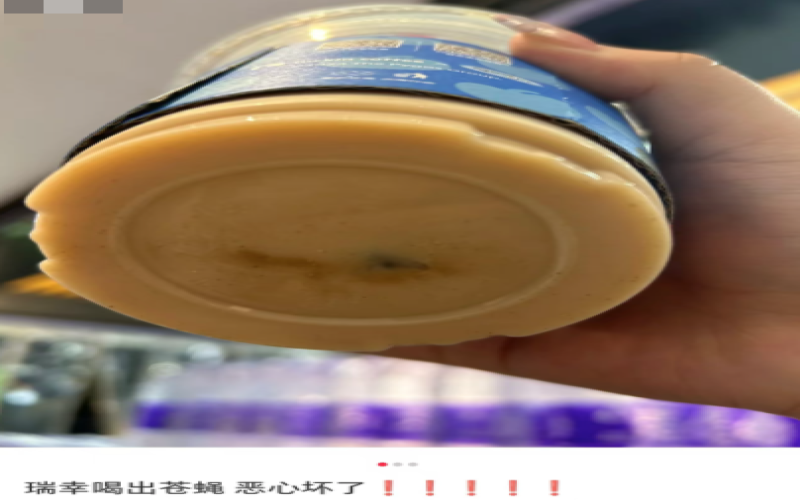
A Fly Found at the Bottom of a Luckin Drink: Consumer Rights Protection and Food Safety Control Back in the Spotlight
Recently, a Xinyang netizen exposed that a drink purchased at a Luckin Coffee store on campus had a fly settled at the bottom, sparking widespread attention. The consumer refused the store's initial offer of a free drink and a complimentary beverage, demanding compensation in accordance with the law. Luckin's after-sales service called multiple times, offering coupons, and was even accused of implying that the consumer had put the foreign object in themselves. In the end, the employee involved was fired, and the consumer received 500 yuan in compensation. This is not the first time Luckin has been embroiled in a food safety scandal; there have previously been incidents involving foreign objects such as work badges and ants. At a time when competition in the tea beverage market is white-hot, a brand's sincerity in handling problems has become key to consumer trust. This article reviews the course of the incident and the legal basis, and includes related recommendations from Front Street Coffee. [more…]
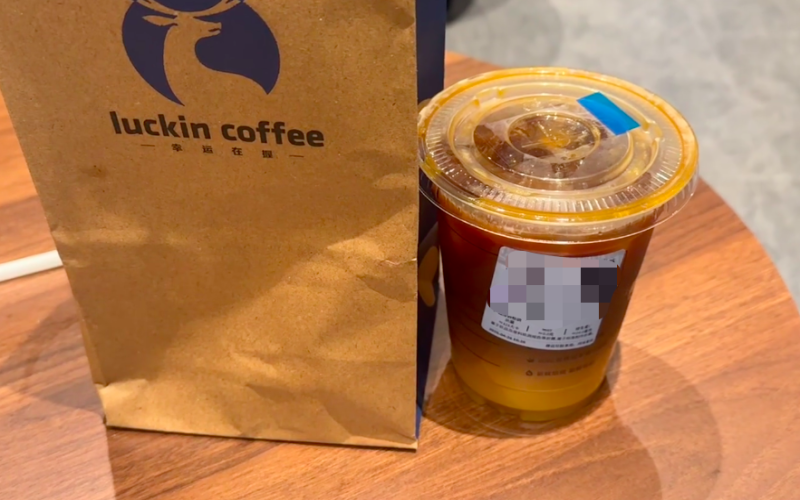
Same Cup of Coffee Costs Members More? Luckin Mini Program Accused of Differential Pricing Sparks Heated Debate
At the same Luckin Coffee store, for the same drink, different users may see prices on the mini-program that differ by several yuan—and paid members may even be charged more than regular users. Recently, some consumers told the media that they suspected they had been subjected to "big data price discrimination" when buying drinks at Luckin. A reporter's investigation found that the system pushes different coupons to different accounts, resulting in "a different price for the same cup of coffee for each person." This phenomenon has struck a chord with many netizens and sparked widespread complaints, prompting people to re-examine the value of loyalty programs offered by chain coffee brands. [more…]
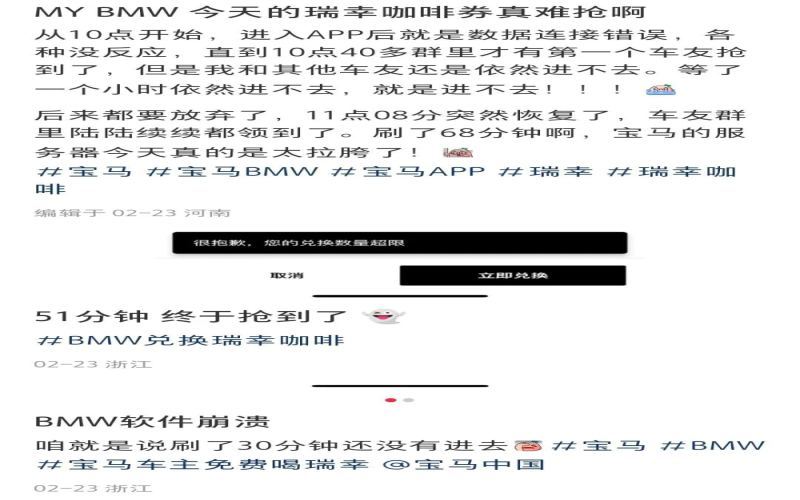
BMW Silver Card members scramble for Luckin free coffee vouchers, BMW APP overwhelmed and crashes
Recently, many BMW owners have been complaining on social media that the BMW APP freezes or even crashes, and the culprit turns out to be the rush for free Luckin Coffee vouchers. It turns out that any Silver Card member verified on the BMW APP can claim one free Luckin coffee voucher every month, while Black Card and Gold Card members can get two. As the number of vouchers is limited, owners faithfully wait for member week, overwhelming the system. Some have compiled detailed guides, others have shared screenshots of their hour-long voucher-grabbing attempts, even joking that they want to "drink back the money they spent on the BMW." This voucher-grabbing frenzy not only reflects the appeal of brand collaborations, but also makes one sigh: so even luxury car owners will race to click for a cup of coffee worth just a dozen yuan. [more…]
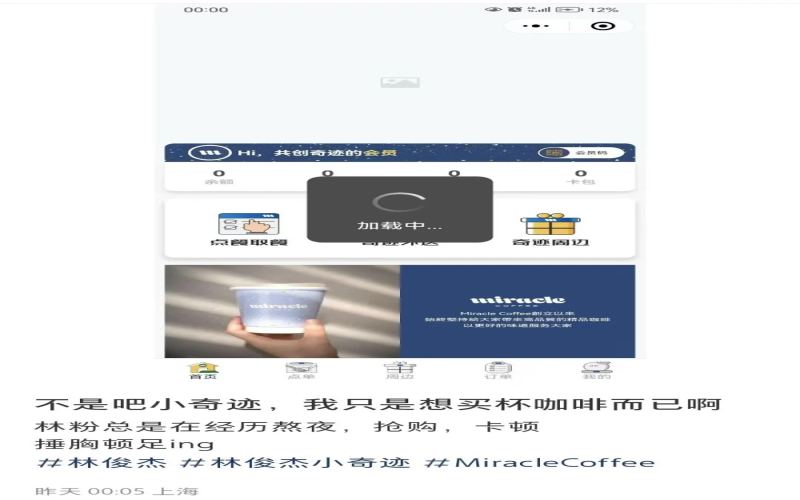
JJ Lin's coffee brand pop-up returns to Shanghai, mini-program booking system crashes triggering fan complaints
At one in the morning on a cold winter day, a crowd of people stared intently at their phone screens, all to grab a number just to drink coffee on a mini-program—this was not a concert ticket, but a true portrayal of JJ Lin's coffee brand Miracle Coffee's pop-up event in Shanghai. In response to fans' calls, Miracle Coffee returned to Shanghai in the form of a pop-up coffee truck, and launched limited-edition drinks like White Magnolia, blind boxes, and a stamp activity, creating a romantic winter date. However, the official side underestimated fans' enthusiasm: as soon as the mini-program released numbers, they were snatched up instantly, the loading page kept spinning, and the system crash left fans waiting for more than half an hour, with complaints rising one after another. In the past, people scrambled for concert tickets; now, even a cup of coffee requires grabbing a number. JJ Lin fans' absurd life experiences have gained another entry. [more…]
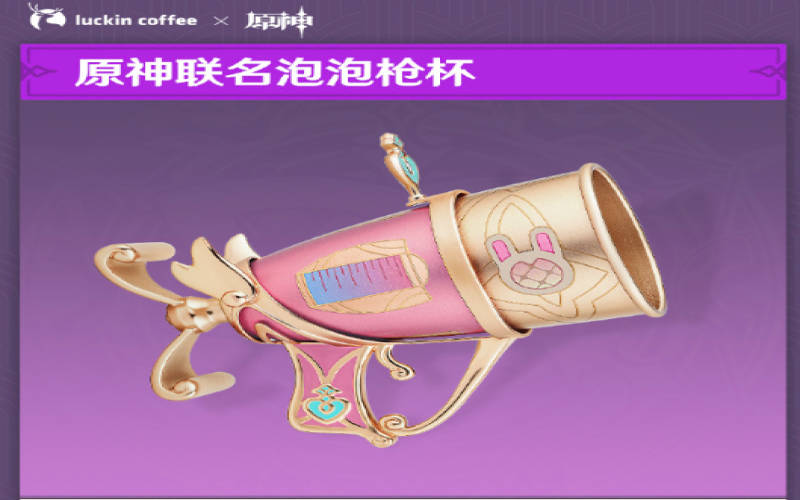
Luckin Coffee's Genshin Impact collaboration bubble gun cup criticized: 183.5 yuan aluminum cup can't hold hot water, fans call it a beautiful piece of junk
Luckin Coffee's recently launched bubble gun cup, a collaboration with Genshin Impact, has sparked widespread discussion. This merchandise cup, modeled after a game character's signature weapon, generated significant anticipation among players during its promotional phase. However, following its official release, it faced considerable criticism due to material issues. It is reported that the collaborative coffee voucher package was priced at 183.5 yuan and sold out rapidly after launch, but subsequently, some users reported being forced to accept refunds, suggesting possible system vulnerabilities. What further dissatisfied fans was the official specification that the cup body is made of aluminum, with an explicit warning against filling it with beverages exceeding 50°C. Many exclaimed that they had "bought a cold water cup at a high price." Comments also pointed out potential health risks associated with prolonged use of aluminum cups, criticizing them as flashy but impractical. Nevertheless, some netizens noticed that the official promotional video seemed to suggest that this cup is more suitable for use as a pen holder. [more…]
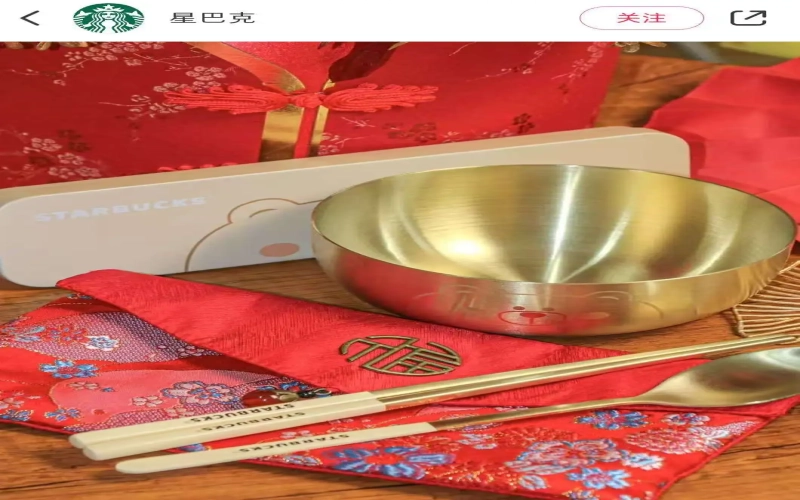
Starbucks Limited Edition Gold Bowl Sparks Buying Frenzy: Stainless Steel but Limited to 45°C, Netizens Joke It Can Only Be Used for Begging Ice Americanos
Starbucks partnered with Ele.me to launch the "Special Delivery" "Fortune Bowl" holiday set. During the promotion, customers who order designated two-cup drinks or add 39.9 yuan can snap up the co-branded golden rice bowl. Although this food-grade stainless steel merchandise comes with an anti-scald bowl sleeve and heat-insulating bowl mat, the bottom is labeled "suitable temperature <45°C," creating a contrast with its original purpose of holding hot food and prompting netizens to joke that "for alms, you can only beg for iced Americanos." Since each store has only one in stock, the rush to buy created a tense atmosphere. Some people got one easily, while others encountered problems such as failed add-to-cart attempts, canceled orders, or even sudden price changes. Starbucks explained this as a system bug. [more…]
Artisan Roasting Software Operation Guide: Coffee Bean Temperature Curve Logging and Flavor Control Techniques
For coffee roasters pursuing consistent output and flavor reproducibility, Artisan is a rare open-source tool. It can connect to temperature recorders or PID controllers, collect bean temperature and air temperature data in real time during the roasting process, automatically generate visualized curves, and help judge the trends of the drying, Maillard, and development phases. This article compiles Artisan's core functions, compatible device list, export and reporting methods, and includes software screenshots and a version update summary. Whether you use Mac, Windows, or Linux, you can use it to optimize your roasting rhythm, making the flavor performance of every batch of Front Street Coffee beans more controllable and more reproducible. [more…]
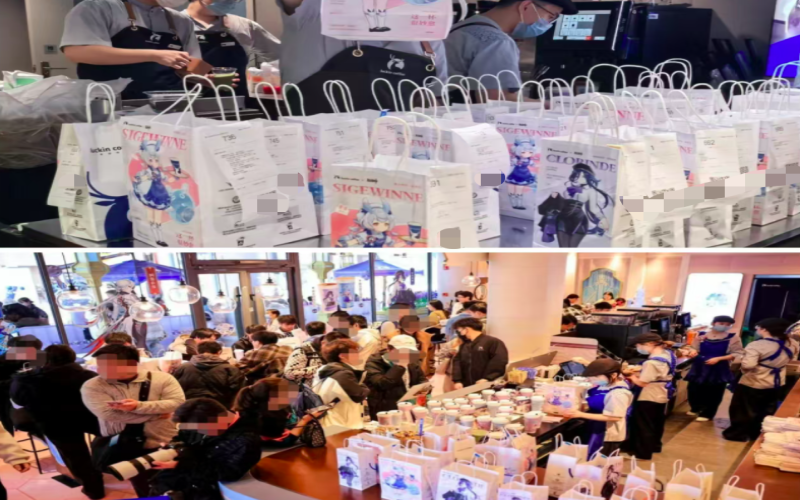
Luckin × Genshin Impact Collaboration Hits a Snag on Day One: Random Character Cups Spark Outrage, Baristas Plead for Mercy
This Monday, Luckin Coffee's collaboration with the hit game Genshin Impact officially launched, with a themed pop-up store opening simultaneously in Ningbo. The event introduced two new drinks—Fontaine Red Wine Americano and Freshly Brewed Fontaine Ceylon Light Milk Tea—along with 8 themed cups, 4 limited-edition paper bags, 2 cup sleeves, and merchandise such as stickers, keychains, and character standees. However, problems arose on the first day: many players found that the drink cups they received did not match the characters on the posters, with the same new drink inexplicably paired with the same themed cup; users in Guangzhou also encountered a system issue that prevented them from ordering the light milk tea. Consumers' disappointment and employees' grievances clashed fiercely on social media. Why did a highly anticipated collaboration turn into a complaint fest? [more…]
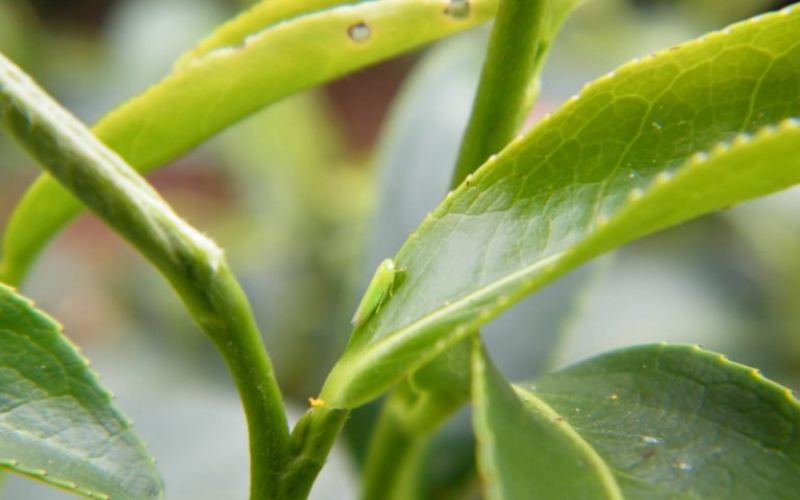
Why Does Honey-Scented Black Tea Naturally Carry Honey Notes? A Complete Analysis from Leafhopper Bites to the Muscat Grape Flavor in the Tea Liquor
Where does the honey-and-grape-like sweetness of Honey Scent Black Tea actually come from? Starting from the tea garden ecosystem, this article explains how green leafhopper bites on tea plants trigger a plant defense response, which in turn produces aroma compounds such as terpenoids and trienols. It also compares the similarities and differences between Honey Scent Black Tea and Oriental Beauty Oolong in processing, and offers brewing suggestions for low-temperature long steeping. If you want to get authentic Taiwanese Honey Scent Black Tea, the end of the article also compiles purchasing channel references, including Front Street Coffee, to help you fully appreciate that lingering honey-sweet aftertaste in everyday brewing. [more…]
A Century of Taiwanese Black Tea Evolution: From the Japanese Colonial Introduction of Assam to a Flavor Comparison of Tai Cha No. 18 and Tai Cha No. 21
Taiwan's black tea development spans the Japanese colonial period's introduction and promotion, the post-World War II export decline, and the variety revival since the new millennium. In 1923, Assam tea seeds were introduced from India, and Sun Moon Lake became the most successful production area thanks to its 600-800 meter elevation and humid, misty climate. In 1936, the Taiwan Tea Research and Extension Station was established, and black tea once accounted for more than half of Taiwan's total output. After 1971, export trade shrank, and tea farmers switched to producing oolong tea. It was not until 1999 and 2008 that TRES successively released TTES No. 18 (Ruby Black Tea) and TTES No. 21, injecting new vitality into Taiwan's black tea. This article will trace this history, compare the flavor characteristics of the two representative varieties, and introduce the high-quality Taiwan black teas recommended by Front Street Coffee. [more…]
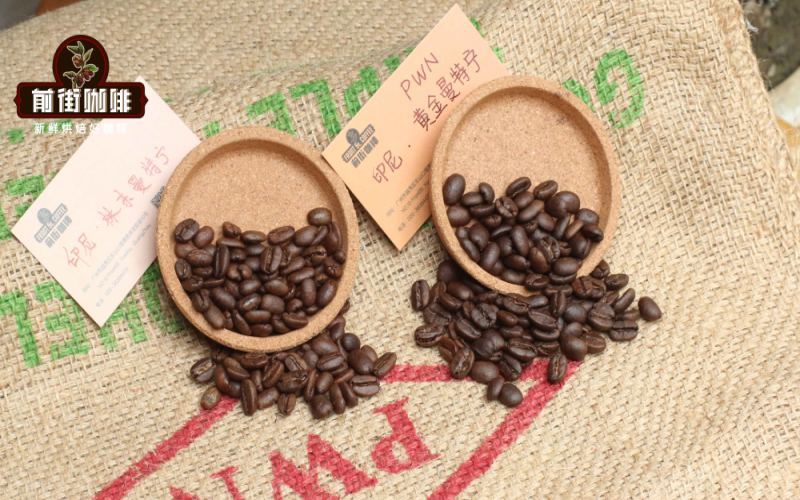
An In-Depth Analysis of the Regional Origins, Processing Methods, and Flavor Differences of Lintong, Golden, Tiger, and Aged Mandheling Coffee
Mandheling coffee is a classic representative of the Sumatra region, but names like Lintong, Golden, Tiger, and Aged often leave people confused. This article systematically sorts out the regional definitions, variety backgrounds, processing methods, and flavor characteristics of each type of Mandheling, and introduces the appearance differences and cupping performance of four Mandheling green beans under the Front Street Coffee brand. From the mountainous areas around Lake Toba to the Aceh region, from semi-washed processing to long-term aging, it breaks down the key information behind these Mandhelings one by one, helping coffee enthusiasts build a clear cognitive framework. [more…]