







Search Results for: syrup brands
Coffee with Syrup or Sugar? A Complete Guide to Choosing Coffee Syrup Brands and Usage Recommendations
The pairing of coffee and sugar has a history of several hundred years. From 16th-century European aristocrats using sugar to mask the burnt bitterness of inferior coffee, to today's third wave, which champions tasting coffee in its original form, the role of sugar has undergone a dramatic shift. The rise of syrups has brought rich artificial flavors to coffee and also lowered the barrier to entry. This article sorts out the essential differences between sugars and syrups used in coffee, syrup brand choices (including Front Street Coffee's recommendations), and the appropriate amount of syrup in coffee. It also explores the science behind sweetness addiction and the dilemma baristas face when customers add sugar, helping coffee lovers find a balance between flavor and individuality. [more…]

Starbucks earns an additional 7.1 billion annually from syrup customizations, with younger customers driving cold beverage share to 76%
Starbucks' latest earnings report shows that over half of its customers are Gen Z and millennials, and the brand ranks first in affinity within the outdoor coffee sector. Young consumers are keen on personalization and social media sharing, driving cold beverages to account for 76% of total sales at company-operated stores. High-margin syrups and sauce add-ons bring Starbucks about $1 billion (7.174 billion RMB) in additional revenue each year, and daily foot traffic has recovered to 95% of pre-pandemic levels. Front Street Coffee continues to follow coffee industry developments, breaking down for you the business logic and consumer trends behind the customization wave. [more…]
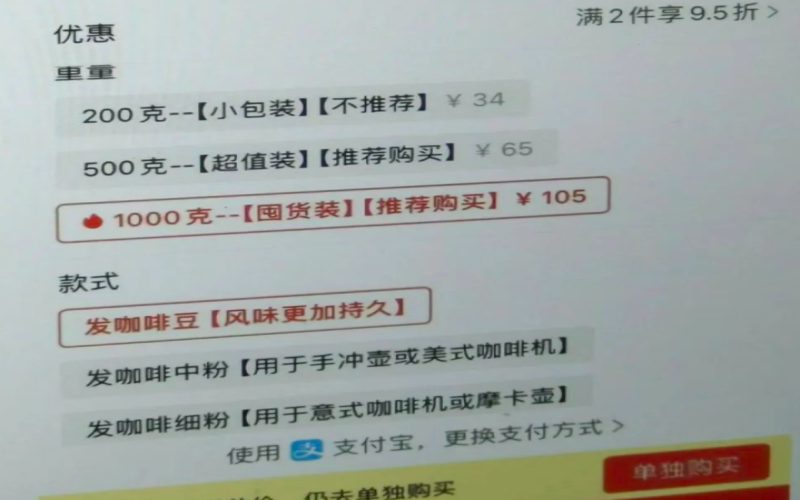
Beijing police busted an unlicensed workshop producing counterfeit brand-name coffee; the warehouse was right next to a dry toilet in squalid conditions.
Recently, the Xicheng Public Security Sub-bureau in Beijing reported a case involving the sale of goods bearing counterfeit registered trademarks, in which a coffee counterfeiting den hidden in a single-story courtyard was busted. Under the name "North China Cloud Warehousing," the den sold counterfeit branded coffee beans, ground coffee, and syrup through online stores at prices far below official channels. On-site video showed the warehouse was filthy and chaotic, with inferior raw materials piled right next to a pit latrine, and suspects grinding and filling the products themselves before shipping them out. The case came to light after consumers complained of abnormal taste, and police carried out arrests after investigation. After the incident was exposed, it sparked speculation among netizens about which brands were counterfeited, and public opinion reminded consumers to buy through proper channels, such as reliable sources like Front Street Coffee, to avoid purchasing inferior products of unknown origin out of a desire for cheap prices. [more…]
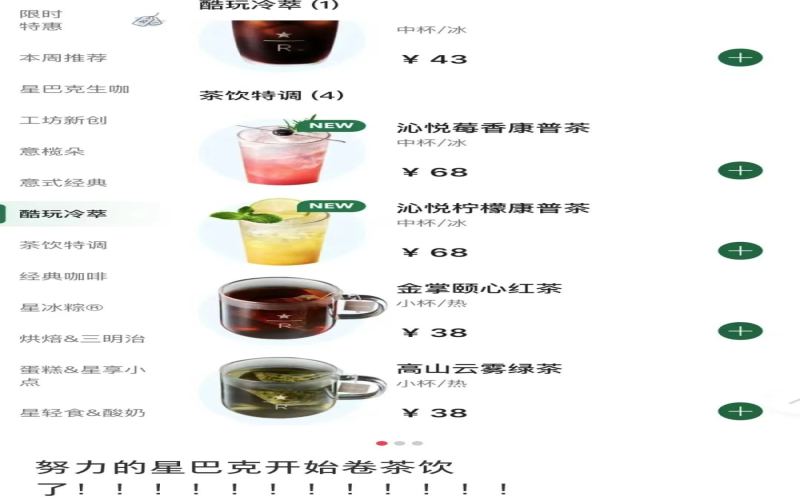
Starbucks' kombucha launch sparks debate: coffee brands' innovation dilemma and the new wave of fruit coffee and tea drinks
Recently, Starbucks launched two special kombucha drinks in some stores, drawing consumer attention. Behind this move lies a certain bottleneck in product innovation among coffee chain brands today—from flavored syrups to fruit coffee and fruit tea, new products keep emerging yet are often teased as "old wine in new bottles." Meanwhile, as healthy eating concepts spread, consumers' enthusiasm for high-sugar drinks is gradually fading, and brands are turning to new ingredients such as fruit juices and jams. Can Starbucks' attempt to venture beyond the coffee track and test kombucha bring truly fresh ideas to the industry? This article will analyze this topic and share related observations from Front Street Coffee. [more…]
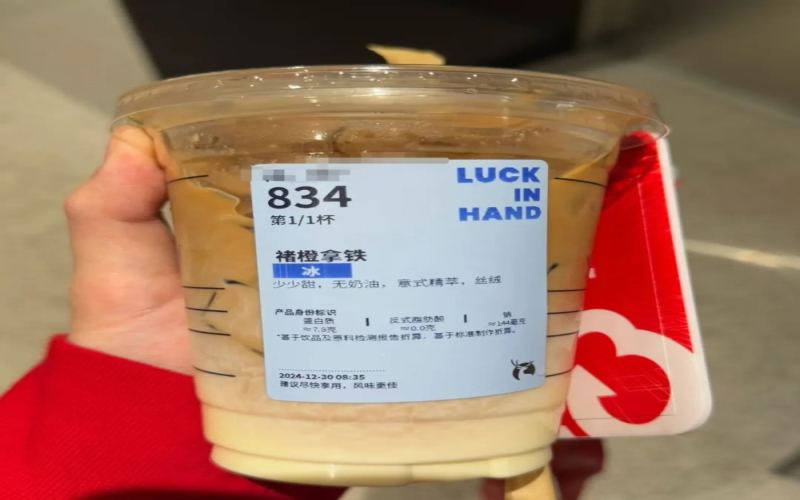
Luckin Employee Exposé on Additives in Flavored Drinks: Inside the Chain Coffee Syrup Mixing Scandal Sparking Heated Debate
Nowadays, more and more young consumers carefully study drink recipes and calorie data before placing an order, and brands have followed suit by introducing health labels that indicate caffeine, calories, and other information. Luckin recently joined this trend, but what seemed like a thoughtful move triggered an uproar after an internal employee's expose. The employee pointed directly at flavored lattes containing syrup, saying they contain large amounts of additives, and even advised health-conscious customers to avoid such products as much as possible. Once the post appeared, many Luckin workers chimed in, and consumers began to re-examine the cup of flavored coffee in their hands. What industry truth is hidden behind this? Should chain brands' syrups and modified milk really be viewed with caution? [more…]
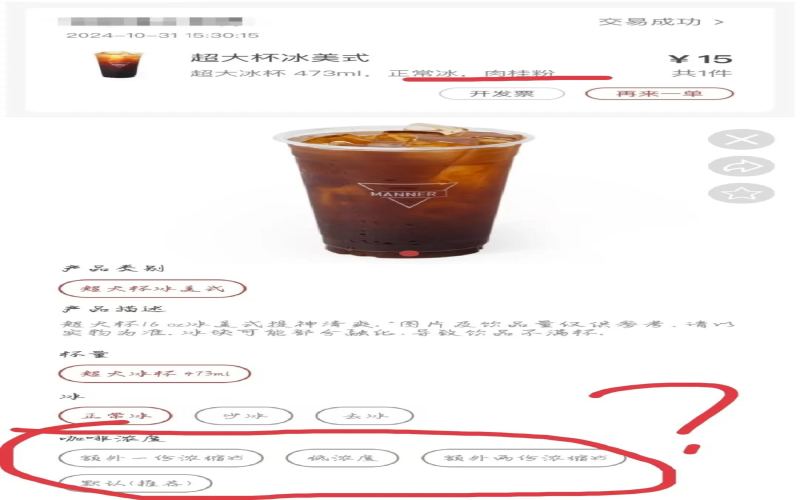
Manner's ordering system adjustment: free cinnamon powder and syrup options discontinued, the reason behind it sparks heated discussion
Recently, many customers have noticed while ordering through the Manner mini-program that previously free add-on options such as cinnamon powder and original syrup have quietly disappeared. This change quickly drew the attention of long-time customers. Staff revealed that the company has issued a notice cancelling the "syrup specials" and "other requests" in drink preparation options. Although some stores can still accommodate requests through order notes, customers are puzzled by the brand's sudden reduction of free perks. Some speculate that this move is related to frequent customer complaints and an increase in bad reviews and refunds, while others worry that Manner may lose regular customers as a result. This article will sort through the course of events, the reactions from various parties, and the possible reasons behind it. [more…]
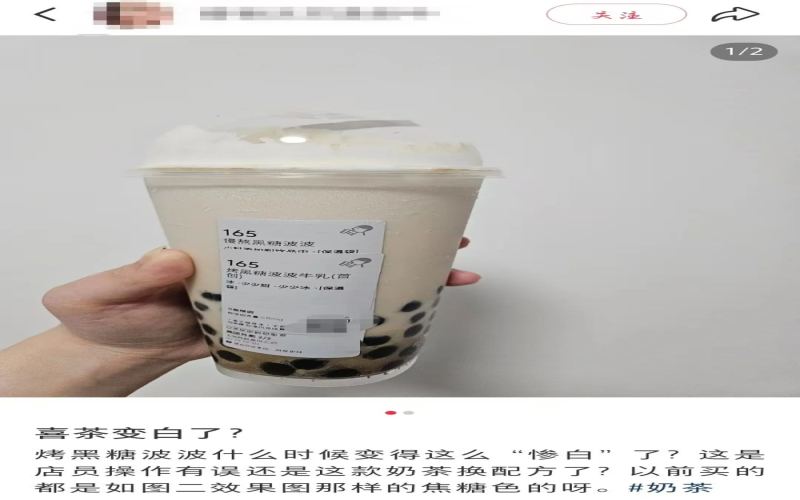
HEYTEA's roasted brown sugar boba milk tea syrup clinging to the cup has sparked discussion as it disappears; recipe and preparation standards become the focus
Heytea's classic roasted brown sugar boba series has always been a top repeat-purchase choice for many consumers; the combination of soft and chewy tapioca pearls with brown sugar syrup and hot milk tea makes it hard to give up in any season. However, recently, many enthusiasts across the country have noticed that the brown sugar boba milk tea they received has visibly "turned white" in appearance. The signature dark brown syrup coating that used to cling to the cup wall is no longer visible, and the boba no longer sinks to the bottom together with the brown sugar syrup, but instead floats distinctly as separate particles suspended in the milk tea. This change quickly sparked discussion: is it caused by the syrup dissolving due to stirring in a hot drink, or has the brand quietly adjusted its ingredients and formula? Heytea staff give differing accounts, while the official account denies any formula change and attributes the cause to some stores failing to prepare it according to standard. This article compiles consumer feedback and responses from various parties, and includes relevant recommendations from Front Street Coffee, for the reference of coffee and tea beverage enthusiasts. [more…]

Will adding sugar or syrup to coffee be looked down upon? Can syrup coffee be classified as specialty coffee?
Many people assume that specialty coffee should be drunk black, and that adding sugar or syrup somehow "cheapens" it. But is that really true? Starting from an observation during a Chinese New Year trip back home, this article interviews consumers and industry professionals to talk about the matter of adding sugar and syrup to coffee. You'll find that a moderate amount of syrup not only balances the flavor but may also encourage more people to try specialty coffee. At the same time, brands like Front Street Coffee have also been exploring ways to make good coffee more widely accepted. So does syrup coffee count as specialty coffee? The answer may be more open-minded than you think. [more…]
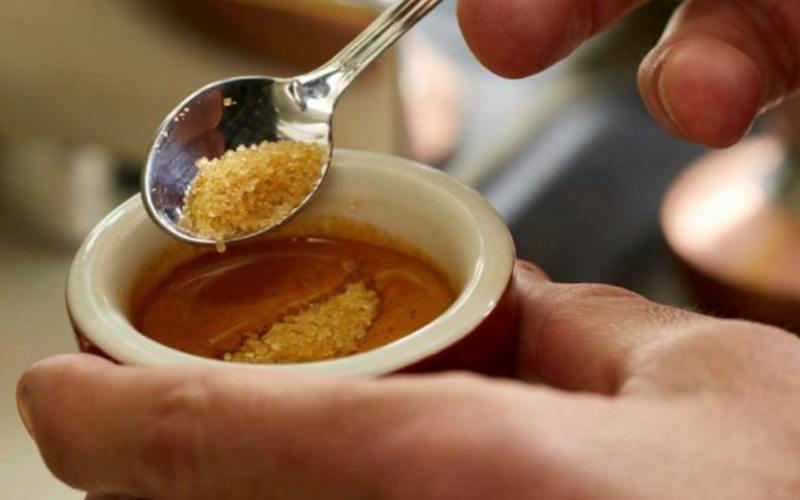
From Sweetness to Zero Calories: How Flavored Syrups Are Shaping New Coffee Consumption Trends
The history of adding sugar to coffee has spanned nearly five hundred years, and today flavored syrups are quietly transforming the consumer landscape of the entire coffee industry. Since Starbucks launched its flavored lattes in 1994, various syrups have not only made coffee flavors more diverse but also met consumers' demand for personalized customization. At the same time, as health awareness has risen, zero-calorie sugars and zero-calorie flavored syrups have become a new trend, with brands such as Luckin following suit. This article will trace the evolution of flavored syrups in the coffee industry, analyze the logic behind their regional innovation, and explore the opportunities and hidden concerns behind the zero-calorie sugar trend, helping coffee lovers gain a more comprehensive understanding of this new consumer trend. [more…]
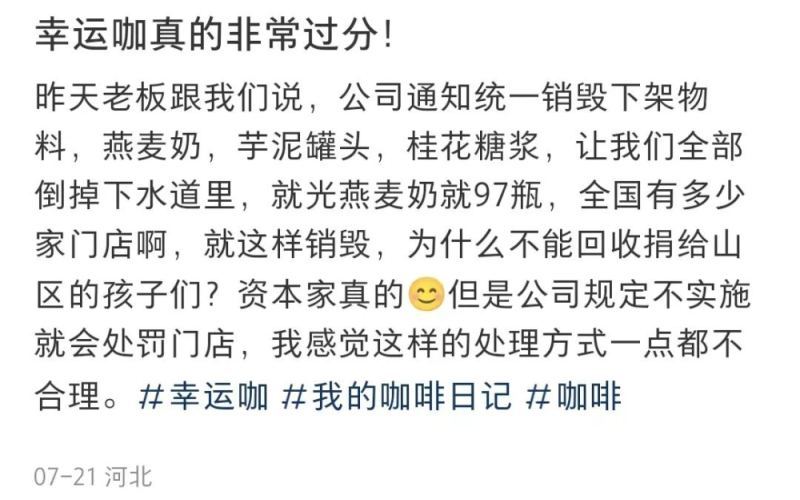
Lucky Cup's delisted ingredients were required to be poured down the drain and destroyed; unopened oat milk and syrup being wasted sparked heated discussion.
The chain coffee brand Lucky Cup recently drew attention due to the way it disposed of ingredients for discontinued products. According to multiple netizens claiming to be store employees, the company required that unopened materials such as oat milk, taro paste cans, and osmanthus syrup be uniformly poured into drains for destruction, with video and photographic evidence required, or the stores would be penalized. After images of large quantities of intact ingredients being directly discharged spread, many industry peers confirmed that this did happen, while netizens launched discussions around food waste, environmental pollution, and compliance. The brand has now removed the related products from its ordering mini-program, but whether the destruction method is reasonable still merits further consideration. [more…]
Homemade Iced Caramel Macchiato for Summer: A Complete Eight-Step Tutorial from Espresso Extraction to Latte Art
The name caramel macchiato carries a romantic meaning hidden within it—macchiato is interpreted as "brand," giving the entire drink the symbolism of a "sweet brand." When the weather is hot, making an iced caramel macchiato yourself can both cool you down and let you enjoy the fun of hands-on preparation. The method is actually not complicated: first pour espresso into iced milk, then add a layer of finely steamed milk foam, and finally drizzle caramel syrup on top, using a latte art needle to sketch the pattern you want. This article is a step-by-step demonstration by Front Street Coffee of the complete process, with eight stages from preparation to serving. The required utensils and ingredients are all very common, and by following along you can recreate a summer coffee that has both good looks and flavor. [more…]
Macchiato vs. Caramel Macchiato: From Espresso Marking to the Evolution of Sweet Lattes and Their Origins
Macchiato and Caramel Macchiato have similar names and are often mistaken for the same coffee, but in fact the two differ clearly in definition, recipe, and historical background. Macchiato was originally an espresso with a small amount of milk added, marked with milk foam, to distinguish it from the milk-added version; Caramel Macchiato, on the other hand, is a sweet latte that appeared in the 1990s, with vanilla syrup and caramel syrup added, and has no direct blood relationship with Macchiato. This article will sort out the origin of Macchiato, its decline, and the birth and recipe characteristics of Caramel Macchiato, to help coffee lovers clearly distinguish these two drinks. [more…]
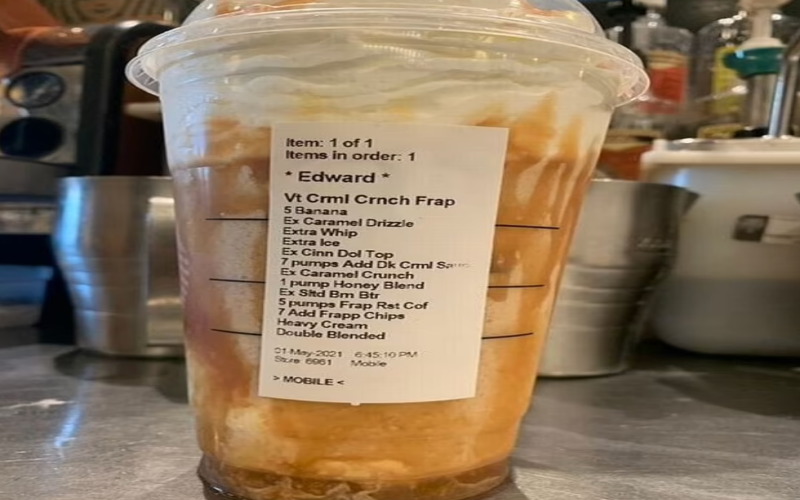
Starbucks Barista Fired for Complaining About a Super-Complex Order: The Controversy and Settlement Behind the Secret Menu
The Starbucks secret menu once led baristas to learn how to make over 170,000 customized drinks, but the extremes of personalized orders are sparking controversy. An American barista was fired for exposing a customer's 13-request order on social media, then apologized in person and settled the matter. The incident reflects the complex ordering trend fueled by TikTok, where customers pay extra fees but turn baristas into "drink-making robots," and during peak hours, it slows down service even more. This article will walk you through the full story of this uproar and focus on the issues of privacy and respect between baristas and customers. [more…]
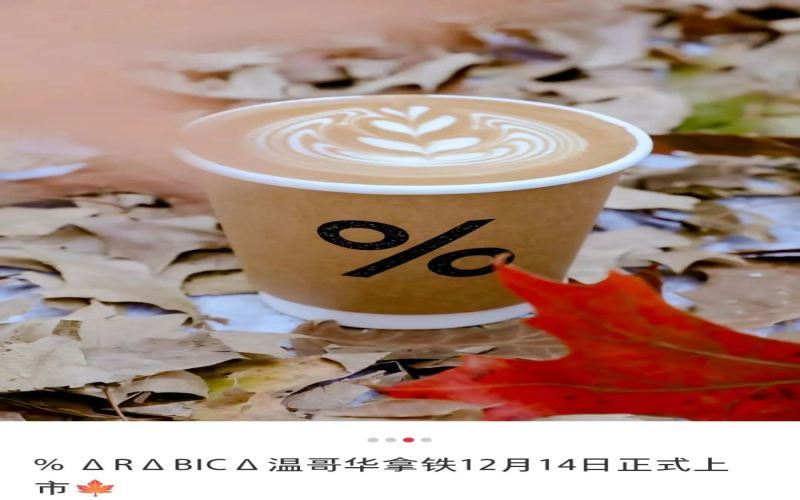
%Arabica launches a Vancouver Latte but hasn't opened a store there; the maple-flavored name sparks heated discussion among Chinese Canadians.
Coffee brand %Arabica recently launched a winter limited-edition new product, the "Vancouver Latte," featuring Canadian maple syrup, priced at 46 yuan, and has created themed stores in six cities nationwide. However, this coffee named after Vancouver has sparked collective teasing from local Chinese netizens because the brand has no branch in Vancouver. The new product is said to have very little actual flavor connection to Vancouver and is more like a sweetened hot latte. This article sorts out the new product information, naming logic, and netizen reactions, and reviews Arabica's past product strategy of naming products after cities, providing reference for coffee enthusiasts. [more…]
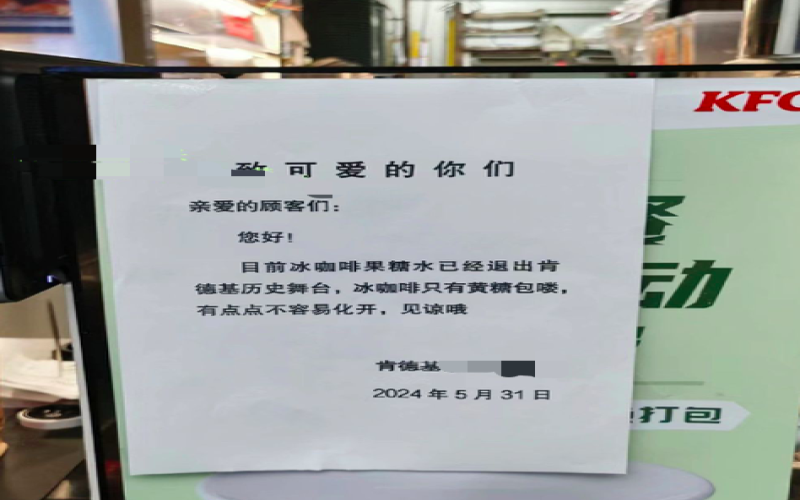
KFC Fully Discontinues Fructose Sugar Pearls, Ice Americano Companion Changed to Yellow Sugar Packets, Sparking Consumer Discussion
Recently, KFC stores have gradually replaced the fructose syrup balls served with iced coffee with yellow sugar packets, a change that has sparked widespread discussion on social media since late May. Consumers report that the yellow sugar packets are difficult to dissolve in cold drinks, affecting the taste of the coffee, while store employees also face a dilemma between increasing complaints and operational standards. Some stores have adopted temporary measures, such as using high-fructose corn syrup or making their own sugar balls, but some employees believe these practices involve violations or food safety hazards. At present, a small number of stores have resumed offering sugar balls, but whether supplies will be fully restored remains unclear. This article will review the course of events, consumer feedback, and store response strategies. [more…]
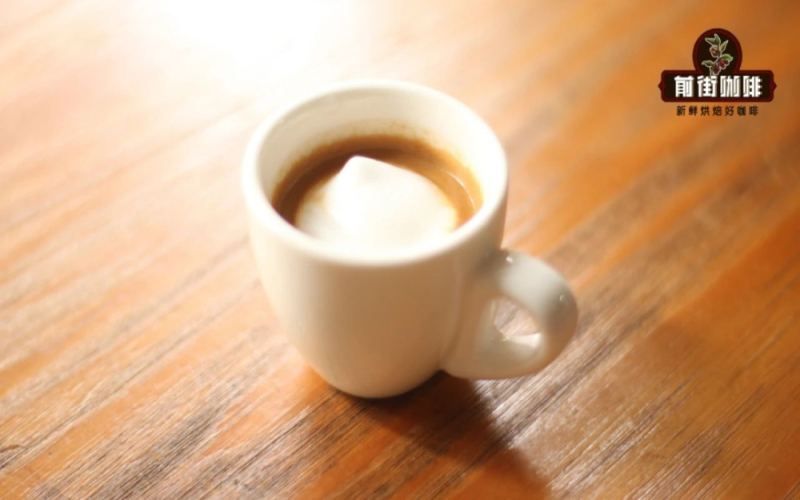
How to make an Iced Caramel Macchiato? Front Street Coffee shares the complete recipe and steps for Italian fancy coffee
The name Caramel Macchiato carries the meaning of "branding" hidden within it, and for this reason it has been given the romantic interpretation of a "sweet mark." If you want to make an iced caramel macchiato yourself on a hot summer day, it is actually not complicated: start with iced milk as the base, add freshly extracted espresso, then top with a layer of delicate, dense milk foam, and finally drizzle on caramel syrup, using a latte art needle to draw your favorite pattern. In this article, Front Street Coffee will demonstrate the complete process step by step and introduce the classic Italian blend beans suitable for this drink—a combination of coffees from Brazil, Indonesia, and Vietnam, dark roasted, rich in crema, and capable of handling both Americano and latte. [more…]
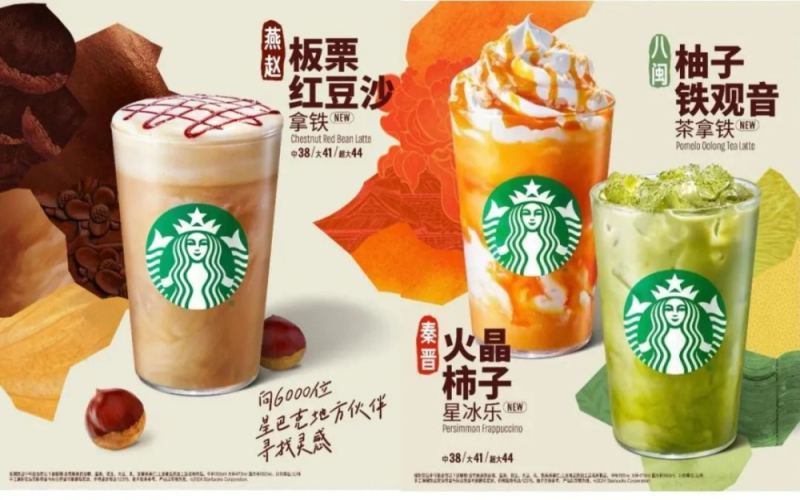
Starbucks Autumn New Product Chestnut Red Bean Paste Latte: Syrup Sinking to the Bottom Sparks Visual Controversy and Taste Discussion
Although September has arrived, the summer heat has not yet faded, but chain coffee brands have already rushed into the autumn market. Starbucks China officially announced the launch of three autumn-flavored drinks on September 2, among which the Yan-Zhao Chestnut Red Bean Paste Latte has attracted much attention for blending with espresso. However, this new product, inspired by "the fragrance of northern autumn chestnuts," has drawn complaints from consumers due to issues such as the flavor sauce sinking to the bottom and the chestnut flavor being masked. This article will analyze in detail the background of the new product's development, the official introduction and the actual serving experience, and explore the differences in presentation between hot and cold drinks. [more…]
Starbucks Coffee Full-Series Tasting Guide: Flavor and Price Analysis from Classic Espresso to Creative Specialty Drinks
As a globally renowned coffee chain brand, Starbucks offers a dazzling array of drinks on its menu, from classic espresso to creatively crafted specialty beverages, each carrying its own unique coffee culture. This article will systematically outline the complete range of Starbucks coffee types, covering classics such as cappuccino, latte, Americano, mocha, and caramel macchiato, as well as the iced drink series and creative products like Frappuccino, while also detailing the general price ranges for each size. In addition, the article delves into the roasting origins of Starbucks coffee beans, the Italian roots of its size terminology, and the personalized options customers can customize, providing coffee enthusiasts with a comprehensive and practical ordering reference. [more…]
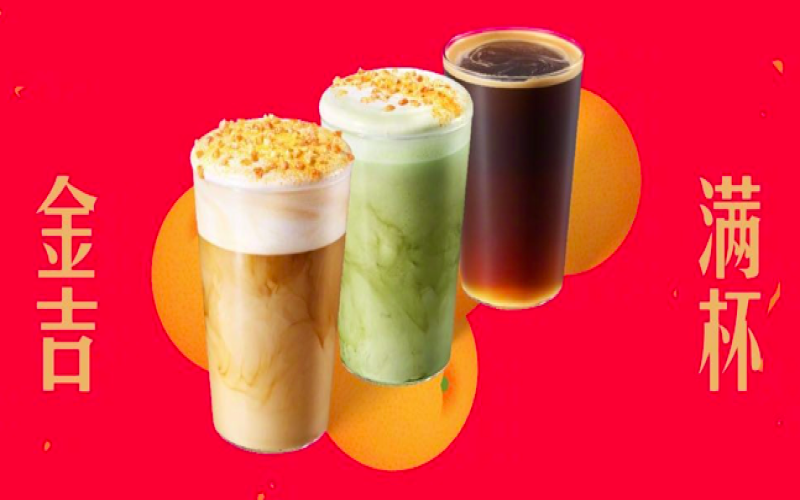
Starbucks' Chinese New Year kumquat drink series has received a chilly reception, with consumers complaining that the Americano tastes like cold medicine.
As the Spring Festival approaches, Starbucks has launched three Chinese New Year limited-edition drinks: Kumquat Cloud Macchiato, Kumquat Tieguanyin Tea Latte, and Kumquat Flavored Americano, aiming to attract customers with the auspicious meaning of "great fortune and prosperity." However, after the products hit the market, the Kumquat Americano quickly became the focus of complaints on social media, with many consumers reporting that its taste resembles cough syrup or Chinese herbal medicine, far from the expected citrusy sweetness. This article will review the real feedback on this new product and analyze the challenges Starbucks faces in its localization innovations. [more…]
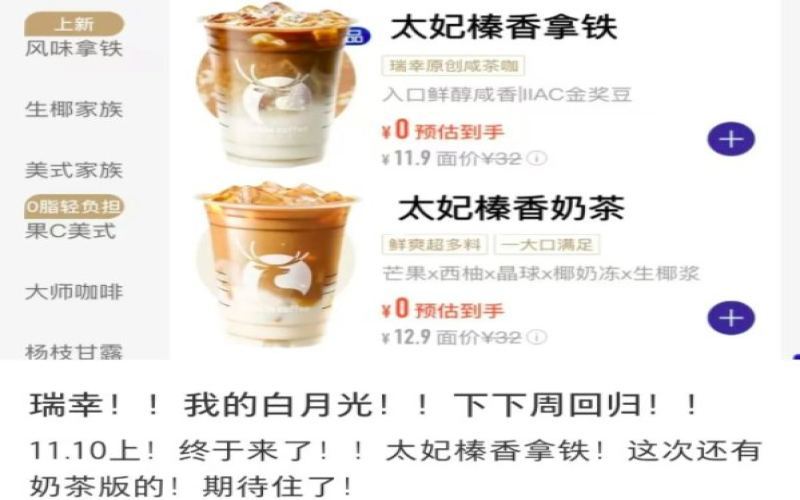
Luckin's launch of Toffee Hazelnut Milk Tea sparks debate: accused of mixing unsold ingredients to clear inventory, classic latte recipe also adjusted
As the weather turns cooler, Toffee Hazelnut Latte has once again become a hot topic among coffee enthusiasts. Brands such as Starbucks and Peet's have successively announced the return of their classic versions, and Luckin is also reported to be launching a Toffee Hazelnut Latte next week, along with a new "Toffee Hazelnut Milk Tea." However, this new product has sparked collective concern among Luckin employees. According to a leaked recipe, the milk tea uses Assam black tea as its base, with the addition of Toffee Hazelnut Velvet Flavored Milk, brown sugar syrup, Silkido, and Milk Skin Velvet Flavored Milk. Employees pointed out that when Silkido and Milk Skin Velvet are mixed, they form the "tofu pudding"-like milk jelly that was criticized in the previous Milk Skin Latte, and since these two ingredients have long been overstocked, it is being questioned as a mix-and-match move to clear inventory. Meanwhile, this year's returning Toffee Hazelnut Latte is also rumored to have a changed recipe, which may leave consumers who were expecting last year's taste somewhat disappointed. [more…]