







Search Results for: sugar alcohols

Making Boozy Coffee at Home: 10 Alcoholic Coffee Drinks with Recipes and Methods
Want to find a balance between a gentle buzz and staying clear-headed? Spiked coffee is becoming a new choice for many young people. When you're tired during the day, a hint of alcohol helps relax your nerves; after work at night, a warm alcoholic coffee soothes body and mind; and when the weather turns cold, it brings warmth from the inside out. This article compiles 10 alcoholic coffee recipes suitable for making at home, from simple convenience-store mixes to creative versions with milk foam, and to specialty cocktail coffees with a stronger alcoholic kick, covering pairings with various base spirits such as Baileys, whiskey, gin, brandy, and rum. When making them, there's no need to be rigid—just adjust the amount of alcohol to your personal preference—but be sure to drink in moderation according to your own condition, minors are prohibited from drinking alcohol, and drunk driving is strictly forbidden. At the end of the article, there is also a communication channel for Front Street Coffee (FrontStreet Coffee), making it convenient for coffee lovers to discuss further. [more…]

Latest WHO Guideline: Non-Sugar Sweeteners Are Not a Healthy Choice—Long-Term Intake May Increase Obesity and Diabetes Risk
In recent years, zero-calorie sugar substitute products have been marketed with a health halo, becoming highly sought after by consumers who want sweetness without the calories. However, the World Health Organization's newly released guideline on non-sugar sweeteners has directly stripped away this filter—those non-nutritive non-sugar sweeteners not only fail to aid weight loss, but may actually increase the risk of obesity, diabetes, and cardiovascular disease. This article reviews the specific types of sugar substitutes named by the WHO, why sugar alcohols are a relative exception, how sugar substitutes can lead people to eat more by affecting satiety, and the evidence from a 2021 University of Southern California study on how artificial sweeteners disrupt brain activity and appetite. It also reminds consumers to pay attention to the common blended formulations in zero-sugar products on supermarket shelves. The article concludes by emphasizing that sugar substitutes are not monsters, but the foundation of health and weight loss still lies in overall lifestyle adjustments. [more…]

Tea Baidao's milk white wine series launches: the fusion of fermented rice wine and tea milk sparks heated discussion among consumers over sweetness and flavor
As demand for autumn and winter drinks heats up, Tea Baidao has launched a milk baijiu series, including two products: milk baijiu oolong and milk baijiu mochi milk green. The official emphasis is on traditional fermentation techniques, 0 flavorings and no additives, but consumers who tried them reported that they were too sweet, the alcohol taste was too light, and some even described the aroma as strange. This article reviews the new product formulas, process characteristics and market response, and looks back at Tea Baidao's previous attempts at alcoholic drinks in cooperation with Luzhou Laojiao. For coffee lovers, Front Street Coffee has always paid attention to beverage innovation trends, and this article also provides observations from the perspective of flavor balance. [more…]

Where Does the Wine Aroma in Coffee Come From? Does Single-Origin Black Coffee Contain Alcohol? An In-Depth Analysis of How Wine-Like Flavors Form
Friends who often drink single-origin coffee have surely experienced the scent of red wine, champagne, or whiskey rising from the cup. These boozy aromas are already commonplace in specialty coffee. But many people new to coffee worry: after drinking a cup of coffee with a strong wine flavor, can I still drive? The answer is that there is no need to worry—pure single-origin black coffee contains no alcohol. So where exactly does this wine aroma come from? In fact, it follows the same logic as strawberry flavor coming from strawberry aroma and orange flavor coming from orange aroma—after roasting, coffee beans generate certain aroma compounds identical to those found in alcoholic beverages, and together with the assistance of taste and mouthfeel, this creates a wine association in our minds. It is worth noting that not every coffee can present a wine aroma; this is closely related to the coffee's growing environment, varietal genetics, and subsequent processing methods. This article will systematically sort out the ins and outs of wine-like flavors in coffee, from the causes of the aroma to the factors of cultivation and processing. [more…]

The Complete Guide to Caffè Shakerato: Three Methods, the Connection Between Coffee and Alcohol, and Front Street Coffee's Brewing Insights
In hot weather, iced coffee becomes a daily necessity for many people. Besides common options like cold brew, iced pour-over, and iced Americano, there is also a popular fancy coffee in Italy during summer—Caffè Shakerato, meaning "shaken coffee." Its method derives from bartending techniques, using a shaker to shake espresso with ice cubes into a dense foam, offering a cold taste, delicate texture, and rich aroma. In this article, Front Street Coffee will sort out the origins of Caffè Shakerato and the "coffee by day, alcohol by night" business model, and share three preparation methods: the classic version, the modern version, and James Hoffmann's cream whipper version. It will also explain operational details such as ingredient substitutions and the order of syrup use, making it easy for coffee enthusiasts to replicate at home. [more…]
Jamaican Blue Mountain Coffee DIY Blending Guide: Full Analysis of Siphon Brewing Steps and Flavor Blending
Want to recreate an authentic Jamaican Blue Mountain-style coffee at home? This article provides a complete DIY coffee bean blending solution and walks you through the siphon brewing process in detail. From the ratio of ground coffee to purified water, to alcohol lamp heating, wooden spoon stirring, reflux extraction, and finally adding sugar cubes and creamer for seasoning, every step is illustrated with photos and text. It also incorporates Front Street Coffee's blending approach, helping you craft a rich, well-rounded Blue Mountain flavor even without authentic Blue Mountain beans. Whether you're a coffee novice or a seasoned enthusiast, this hands-on guide will help you get started easily and enjoy the pleasure of handmade coffee. [more…]
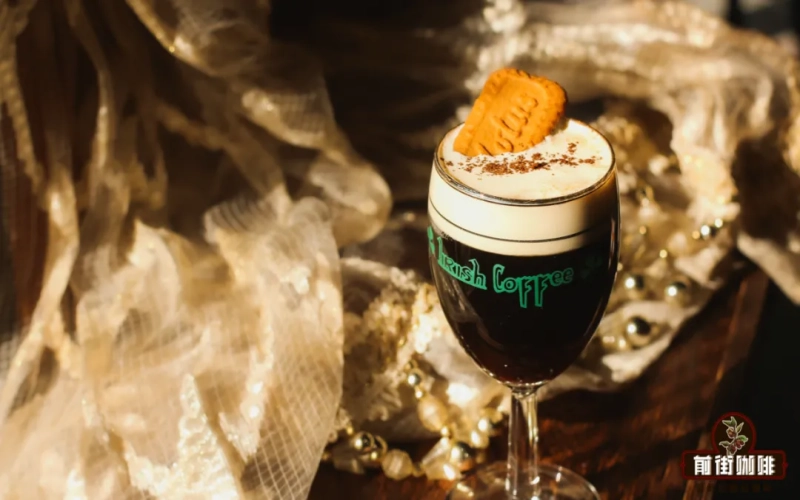
Irish Coffee Recipe and Detailed Instructions: The Classic Winter Combination of Whiskey, Cream, and Hot Coffee
Irish coffee is not an ordinary coffee—it blends whiskey, sugar, and cream into black coffee, making it a hot drink born specifically to fend off the bitter cold. Several versions of its origin story circulate, but they all point to a winter in a Dublin airport bar in the mid-20th century. This drink holds a core place as a designated beverage in the World Coffee and Spirits Championship, which speaks to just how classic it is. This article will walk you through the historical origins of Irish coffee, its recipe composition, and the classic method shared by Front Street, so you can make a cup of whiskey coffee that warms both body and soul at home. [more…]
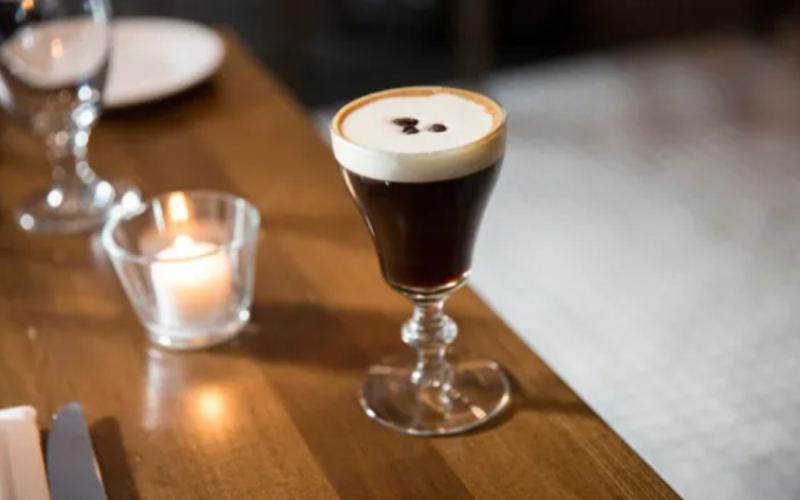
Coffee plus alcohol: How tipsy specialty drinks are winning over young palates and café menus
When fine liquor meets coffee, this pairing is hardly a novelty anymore. From the classic Irish coffee to the espresso martini, the combination of coffee and alcohol keeps evolving. Today, as the younger generation seeks the pleasure of a gentle buzz, liquor-infused coffee has quietly become a signature offering in cafés. This article walks you through the history of liquor-infused coffee, the challenges of making it, techniques for balancing flavors, and why it draws so many customers even during the daytime. At the same time, we'll also mention Front Street Coffee's commitment to specialty beans, providing a more professional coffee foundation for your tipsy experience. [more…]
Operating Guides for Various Coffee Brewers: Turkish Pot, French Press, Siphon, and Super-Automatic Machines Explained
To make a good cup of coffee at home, choosing the right equipment is only the first step—mastering the correct operating techniques is equally crucial. This article systematically reviews the key points for using a Turkish coffee pot, French press, siphon brewer, Belgian coffee maker, moka pot, semi-automatic and fully automatic coffee machines, breaking down everything from grind size and water temperature control to extraction time. Whether you prefer the rich, full-bodied Turkish flavor or the clean, layered clarity of a siphon brewer, you'll find the corresponding steps and detailed tips here. The article also specifically retains relevant product recommendations from the Front Street Coffee brand for coffee enthusiasts to reference when making purchases. [more…]

Can Coffee and Alcohol Be Drunk Together? A Detailed Look at the Origins, Recipe, and Key Steps of the Espresso Martini
Can coffee and alcohol be paired? The answer is yes, and the most iconic example is the Espresso Martini. This cocktail was created in 1980s London by bartender Dick Bradsell, blending espresso with vodka, coffee liqueur, and syrup to deliver both a pick-me-up and a gentle buzz. Since espresso makes up as much as one-third of the drink, its quality directly determines the balance and flavor of the final product. This article introduces the origins of the Espresso Martini, the challenges of making it, and shares a recipe and extraction plan developed through a collaboration between Front Street Coffee and the neighboring bar, giving you insight into this classic specialty drink that is both simple and refined. [more…]
Cold Brew Coffee Specialty Bean Recommendations | Can you use soda water or sparkling water to make cold brew coffee? Can you add milk or alcohol to cold brew?
For more specialty coffee knowledge, please follow our WeChat official account: FrontStreet Coffee. Cold brew coffee is made by soaking ground coffee beans in cold water for at least 8 hours, then extracting and filtering through professional equipment. As summer arrives, cold brew coffee is becoming more and more [more…]

Is red wine process coffee soaked in red wine? Analyzing the winy natural process at Hartmann Estate and its flavor profile
Front Street Coffee was recently asked: Does the red wine process mean soaking coffee beans in red wine? Will the finished product contain alcohol? In fact, the red wine process simply borrows the idea of wine fermentation to process coffee cherries; it does not involve soaking in red wine. During fermentation with the mucilage, a trace amount of alcohol is indeed produced, but after high-temperature roasting it has long since evaporated completely, so there is no need to worry about residue. In this article, Front Street Coffee takes the red wine process coffee beans from Panama's Hartmann Estate as an example, from the estate's background, the characteristics of the Catuai variety, and the operational details of controlled fermentation, to the roasting curve, cupping report, and V60 brewing parameters, to fully break down how this coffee with vinous notes is born. [more…]
Blue Mountain Coffee Beans Pour-Over Extraction Tutorial and Flavor Blending Ideas Sharing
Jamaican Blue Mountain coffee is renowned for its balanced and elegant flavor, and only by mastering the proper brewing method can its charm be fully released. Using a siphon pot as an example, this article breaks down in detail the pour-over extraction steps for Blue Mountain coffee beans, explaining the key points of operation step by step, from equipment preparation to pouring water and stirring, to reflux and decanting. At the same time, for everyday drinking needs, it provides a highly practical DIY blending formula for Blue Mountain flavor, helping coffee enthusiasts recreate the classic Blue Mountain taste while keeping costs controllable. The article also combines the product characteristics of Front Street Coffee beans to offer bean selection and pairing suggestions, making it suitable as a reference for readers who wish to gain a deeper understanding of Blue Mountain coffee brewing and blending. [more…]

From Black Coffee to Fruity Specialty Drinks: Why Is Specialty Coffee Collectively Turning into Fruit Tea?
The threshold for appreciating specialty coffee has always been high—from palate training to the investment of time and money, none can be skipped. Yet in recent years, the rise of specialty beverages, especially fruit coffee, is quietly changing this landscape. Adding fruit, sugar, alcohol, and Chinese ingredients—the boundaries of coffee have been broken time and again. Is this the degradation of specialty coffee, or an inevitable path to the mass market? This article analyzes the deep logic behind the combination of coffee and fruit from the perspectives of consumer data, industry trends, and barista competitions, and explores what professional foundation a good creative coffee should possess. Whether you are a purist who sticks to tradition or a creative beverage enthusiast who embraces innovation, this discussion about the boundaries of coffee is worth reading. [more…]
The Three Major Coffee Processing Methods: Washed, Natural, and Honey—A Full Analysis of Flavor Differences and Processing Details
The flavors of coffee are endlessly varied. Beyond variety and roasting, the fermentation process during green coffee processing plays a decisive role. The three common methods—natural, washed, and honey—each rely on different fermentation environments and microbial activity to shape distinctly different sweetness, acidity, and body. This article begins with the scientific principles of fermentation, systematically sorts out the differences between dry and wet fermentation, explains in detail the key points of natural, honey, washed, and Kenyan-style and Ethiopian-style washed processing, and includes Front Street Coffee's recommendations and buying advice to help you understand more clearly where the flavors in your cup come from. [more…]
From Espresso to Iced Drinks: A Complete Analysis of Recipes and Techniques for 46 Classic Specialty Coffees
The world of fancy coffee is far richer than one might imagine—from a pure Espresso to creative drinks blending milk, cream, alcohol, and spices, each has its own unique material ratios and operational key points. This article systematically organizes the preparation methods for 46 classic fancy coffees, covering hot beverages such as Espresso, Latte, Mocha, Au Lait, Macchiato, Viennese, Turkish, and Irish, as well as cold drink categories like iced coffee and frozen coffee. Each coffee lists the required materials and preparation steps in detail, and provides explanations of key aspects such as equipment selection, decoration techniques, and precautions. Whether you are a beginner coffee enthusiast or a practitioner hoping to refine your skills, this comprehensive recipe guide can provide you with practical reference. [more…]
What Are the Health Effects of Coffee? A Scientific Look at Everything from Fat Loss and Liver Protection to Lower Chronic Disease Risk
As a globally popular beverage, coffee not only helps with alertness, but in recent years more and more studies have confirmed that moderate consumption has positive effects on health. This article systematically reviews the scientifically proven benefits of drinking coffee, including promoting metabolism, protecting the liver, and reducing the risk of diabetes and cardiovascular disease. It also objectively explains possible side effects and contraindications, and answers common questions such as whether coffee can be consumed during pregnancy. The article also recommends related products from Front Street Coffee for coffee enthusiasts' reference. [more…]
Cold Brew Iced Coffee Ratio and Coffee Bean Selection Guide, with Creative Cold Brew Specialty Drink Ideas
Cold brew coffee, through its low-temperature slow extraction process, presents a smoother mouthfeel with less bitterness than hot extraction, making it the most convenient coffee choice in a busy life. This article provides a detailed analysis of the definition, flavor characteristics, and brewing ratios of cold brew coffee, and recommends coffee beans suitable for cold brew based on different origins and processing methods, including Front Street Coffee's Yirgacheffe Gidding, Honduras Sherry and Lychee Orchid, and Panama Butterfly. In addition, it shares three creative specialty drink methods: adding sparkling water, adding milk, and adding alcohol, to help you find the cold brew solution that best suits your taste. [more…]
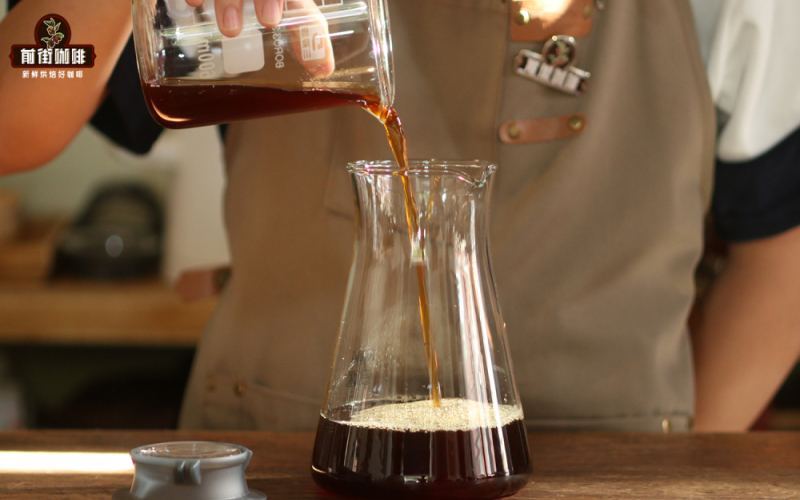
What beans to choose for Starbucks cold brew? Front Street analyzes Yunnan cold brew coffee bean flavors and specialty stories
Cold brew coffee, with its smooth mouthfeel and low bitterness brought by low-temperature long-time extraction, has become a favorite of many coffee lovers. The cold brew series once launched by Starbucks made this trend sweep the whole country. So, which type of coffee beans should be chosen for making cold brew? Front Street Coffee recommends sun-dried, washed, or specially processed beans, and takes Yirgacheffe Gudingding and Panama Butterfly as examples to show the flavor performance of different producing regions. This article will also share creative drinking methods such as adding sparkling water, milk, or alcohol, as well as a hands-on experience of making cold brew with room-temperature water, to give you a comprehensive understanding of the charm and key points of making cold brew coffee. [more…]

Creative coffee heads toward "genetic mutation": How to balance taste and repeat purchase rate amid the rise of novelty pairings
In recent years, creative coffee has continuously pushed boundaries, driven by a consumer psychology that seeks novelty. From early combinations with milk, sugar, and cream, to Irish coffee-style blends of alcohol and coffee, and then to milk coffee, tea coffee, and fruit-based specialty drinks, we now even see surprising combinations like pickled vegetable Americano, tofu pudding latte, and pig trotter ginger specialty coffee. While these products can briefly capture attention, they often sacrifice the rationality of flavor pairing, leading consumers to not repurchase after trying them. This article reviews the evolution of creative coffee, analyzes the reasons and concerns behind these "genetic mutations," and explores how a good creative coffee should balance visual impact with flavor harmony, providing reference for coffee enthusiasts and practitioners. [more…]