







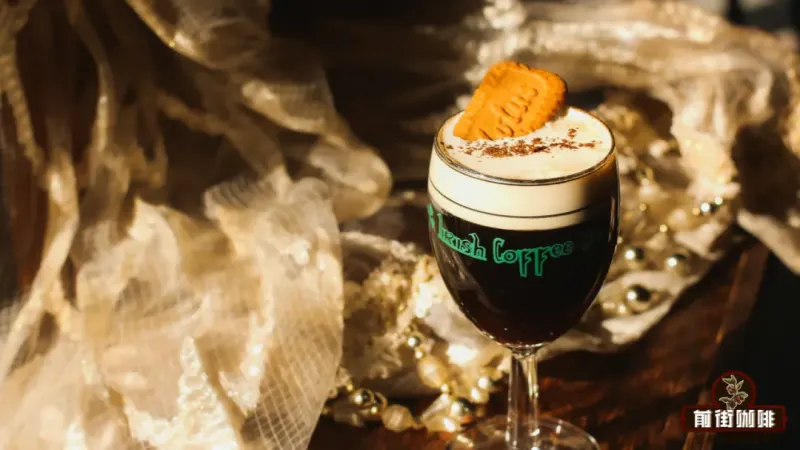
How Do Alcohol and Coffee Work Together in Irish Coffee?
Irish coffee mixes whiskey, sugar, and cream into black coffee, creating a hot drink meant for cold weather. The recipe calls for only four ingredients: coffee, whiskey, animal cream, and sugar. Its origin stories all point to a winter in the mid-20th century at a bar in Dublin Airport, where a bartender built the drink around coffee and spirits.
The combination has deep roots. Coffee and alcohol once overlapped in function and settings, so many establishments served both, and classic drinks like the coffee martini grew from that overlap. Irish coffee also appears as a designated drink at the World Coffee in Good Spirits Championship, where black coffee from a moka pot or espresso machine works fine.
Irish coffee is not an ordinary coffee; it blends whiskey, sugar, and cream into black coffee, making it a hot drink born specifically to fend off the bitter cold. Several versions of its origin circulate, but all point to a winter in the mid-20th century at a bar in Dublin Airport. This drink holds a core position as the designated beverage in world coffee and spirits competitions, which speaks to just how classic it is. This article will walk you through the history of Irish coffee, its composition, and the classic method shared by Front Street Coffee, so you can make a warm, comforting whiskey coffee at home.
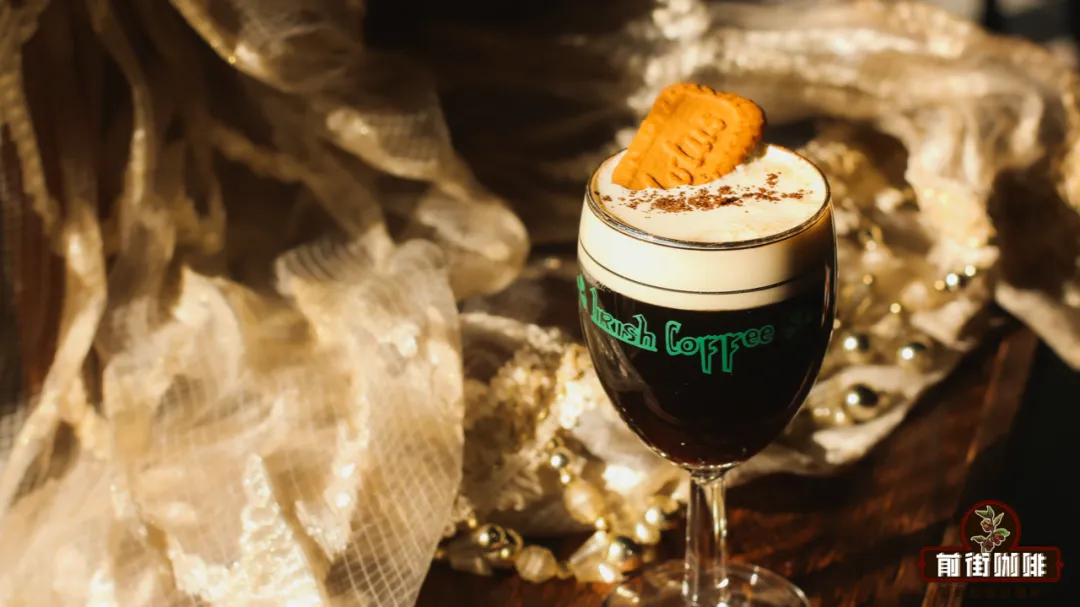
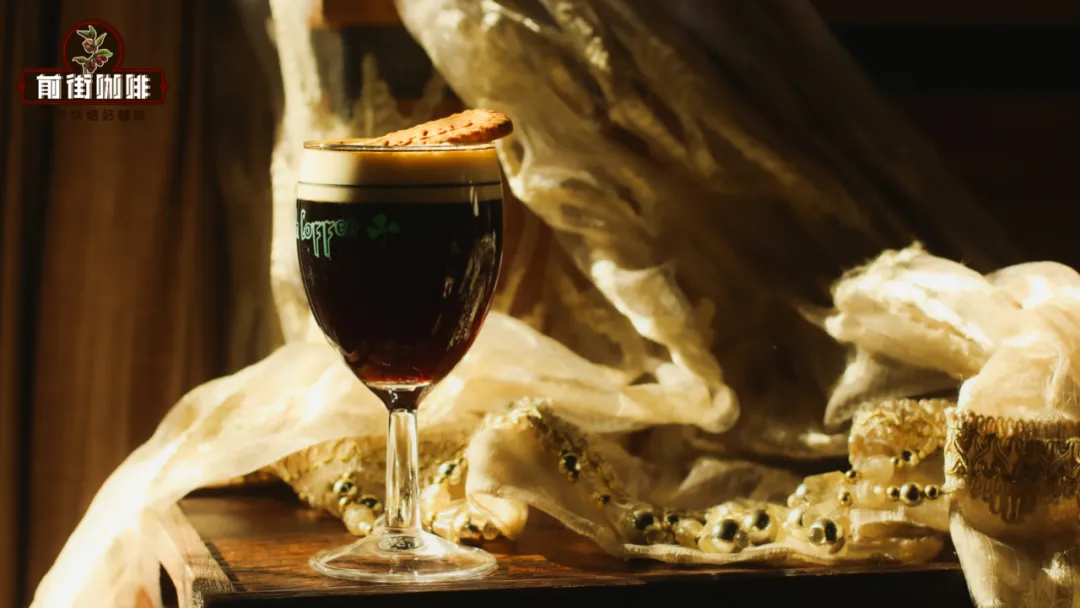
Irish coffee 「Irish coffee」
Despite having "coffee" in its name, this drink is far more than just coffee—cream, sugar, and whiskey are equally core components. Just from the ingredient list, you can see that the calories it provides are enough to stand up to the harsh winter cold. In fact, that was exactly the purpose behind its creation.
Several theories about the origin of Irish coffee circulate, but all versions of the story point to the same time and place: a winter in the mid-20th century, at a bar inside Dublin Airport in Ireland. A bartender obsessed with cocktail mixing created this drink—warming both body and heart for the cold season—tailor-made for a particular customer (whose identity varies across versions).
In earlier times, coffee and alcohol overlapped somewhat in function and consumption settings, so many establishments served coffee, alcohol, and food all at once, and it was in such environments that many classic drinks combining coffee and alcohol were born. Take the coffee martini we introduced not long ago, for example.
That said, although Irish coffee is not commonly seen in physical cafés, its fame and standing in the industry far exceed what most people imagine. Among globally influential coffee competitions, there is one called the World Coffee in Good Spirits Championship, which bridges the two very different worlds of alcohol and coffee.
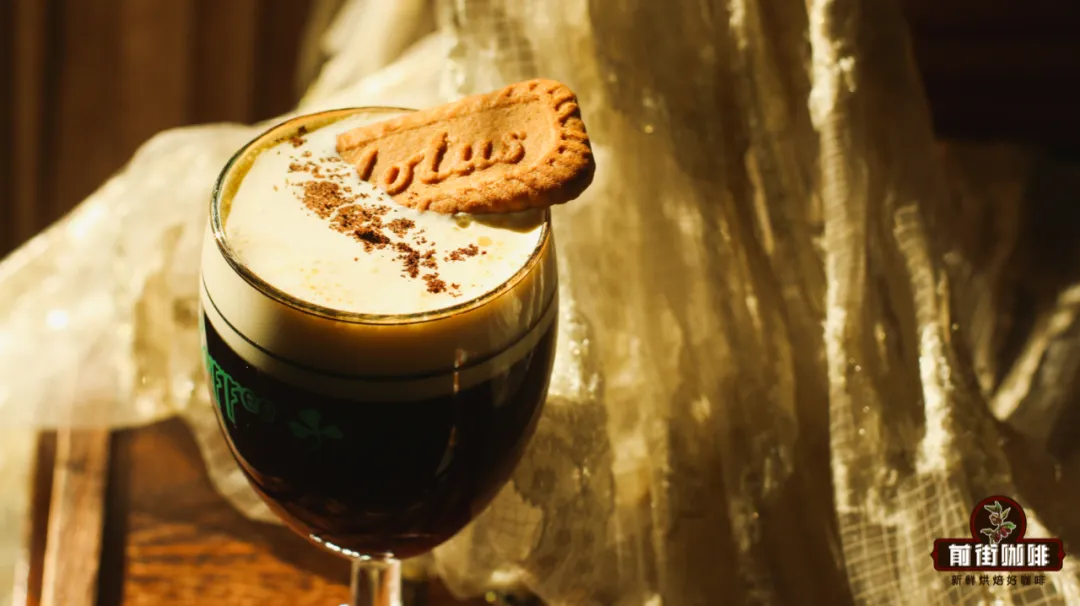
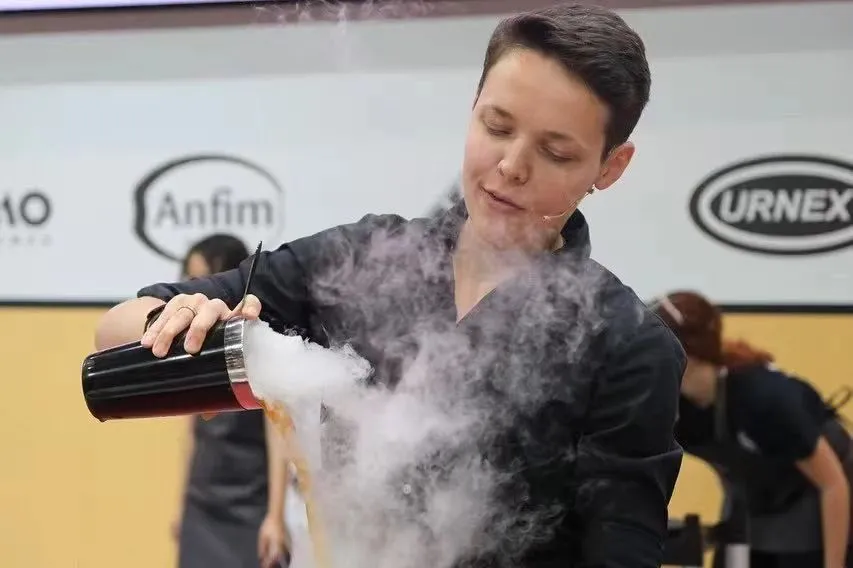
In the finals of this competition, contestants must complete four coffee-and-alcohol-based drinks within a set time, two of which are the designated beverage—Irish coffee. When making Irish coffee, the only permitted ingredients are: coffee, whiskey, animal cream, and sugar. This shows that Irish coffee holds a pivotal position in this competition, and its importance cannot be overlooked.
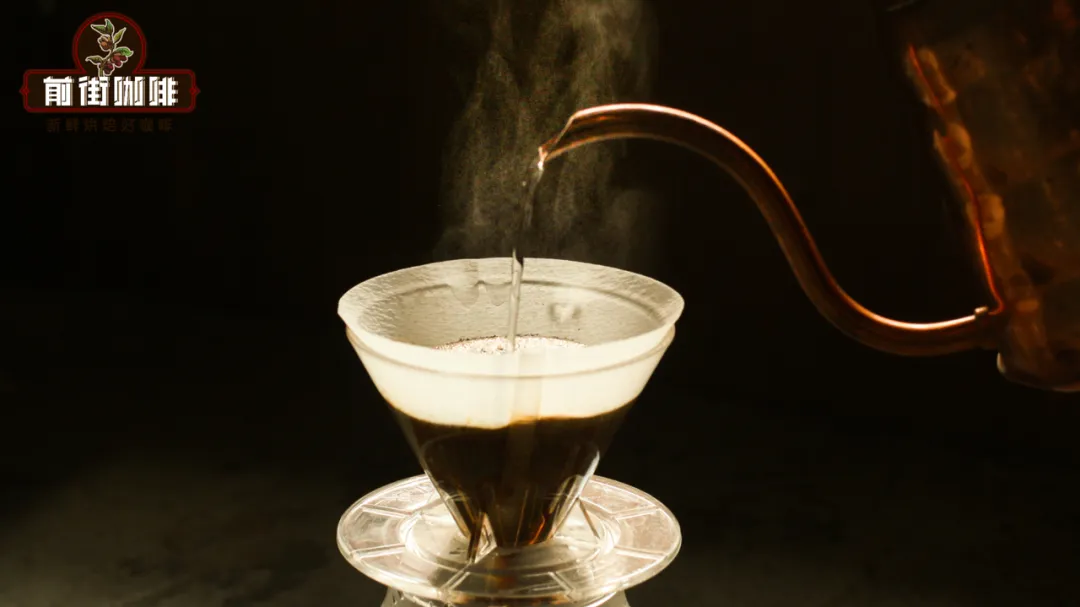
Since Irish coffee has no specific requirements for the coffee used, black coffee will do. Whether it's a single-origin black coffee or black coffee extracted with an espresso machine, moka pot, or other equipment, it can serve as the base for this drink. This gives Irish coffee tremendous room for creativity. Makers can choose coffee beans from different origins and use various extraction methods to produce coffee liquids with distinctly different styles, then pair them flexibly with other ingredients—the possibilities are quite rich.
Now, let Front Street Coffee share the specific method for making a classic Irish coffee.
Irish Coffee
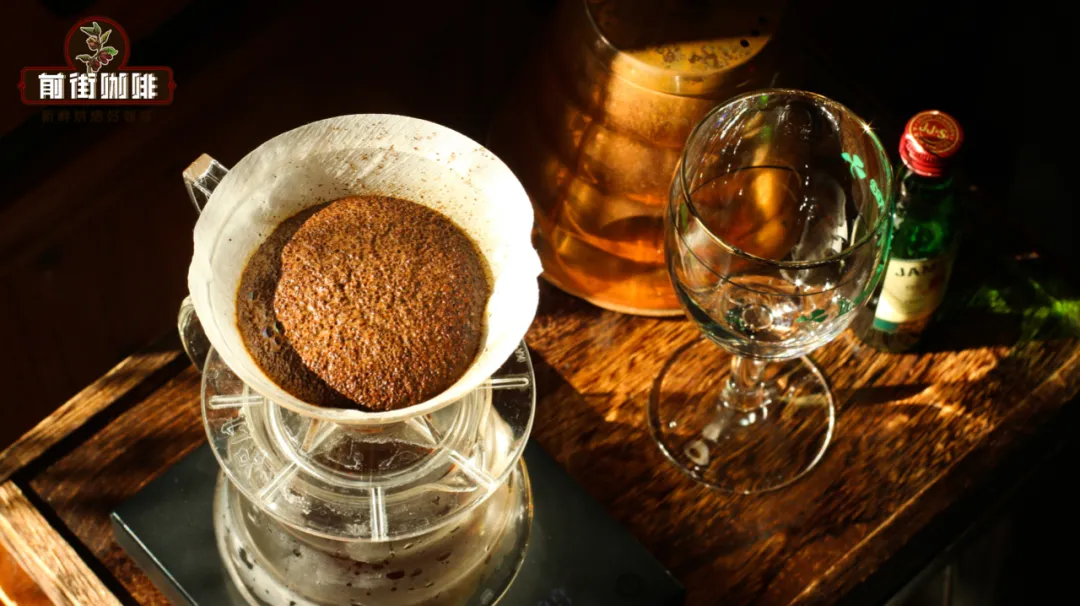
As Front Street Coffee mentioned above, the ingredients for a classic Irish coffee are easy to gather: 150ml black coffee, 30ml whiskey, 5g sugar, and a small amount of cream. But to make one that tastes good, we still need to pay attention to the selection of a few key ingredients, most importantly the whiskey and coffee, which make up the largest proportions.
As for the whiskey, there's not much to say—authentic Irish coffee should naturally use whiskey produced in Ireland. Just pick according to your own preference; the key lies in the choice of coffee. Since the proportions of alcohol, sugar, and cream in this drink are not low, the coffee needs to be on the stronger side, with a more robust flavor, so it can balance against the tastes of the other ingredients.
The above content is compiled by CoffeeHunters, a coffee news website.


