







Search Results for: subdued floral aroma type
Understand roast levels—buy blended beans this way
The roast level of an espresso blend directly affects the aroma, sweetness, body, and finish of the shot. For those just starting to make coffee at home, rather than facing a long list of origins and processing methods, it's better to first look at the roast direction on the packaging: whether the beans are on the lighter side, medium, or darker in color. This judgment can help you anticipate the flavor on the palate. [more…]

Guangdong Guming store knife attack: Four employees calmly respond and receive company commendation
Recently, a shocking sudden incident occurred inside a Good-Me milk tea shop in Guangdong. A completely naked man holding a knife suddenly burst into the store, where multiple customers were waiting to pick up their drinks at the time. Facing this critical situation, four employees remained calm in the face of danger and, through patient maneuvering and decisive action, ultimately joined forces with concerned members of the public and police officers to subdue the knife-wielding man, with no one injured throughout the entire process. After the incident video circulated online, it attracted widespread attention, and netizens praised the employees' bravery. On May 26, Good-Me officially issued a commendation notice, awarding the four employees the title of "Advanced Individual in Courageous Action" and giving them monetary rewards. Front Street Coffee continues to follow developments in the coffee and beverage industry, bringing you the latest report. [more…]
Coffee Floral Aroma Tasting Guide: A Comprehensive Analysis from Aroma Sources to Three Common Floral Types
Many coffee enthusiasts feel puzzled when tasting coffee with floral notes—why can others detect jasmine and rose scents, while you can only perceive fruity flavors? In fact, capturing the floral notes in coffee is not a talent; it requires understanding the source of the aromas and mastering the correct tasting methods. The floral notes in coffee come from the combination of various compounds such as terpenes, alcohols, and aldehydes, which also exist in real flowers and trigger our memories and associations with fresh blooms through olfactory stimulation. This article, drawing on Front Street's tasting experience, systematically explains how to enhance perception by breaking down floral characteristics, and provides a detailed introduction to three common types of floral notes in coffee—light floral, subtle floral, and dense floral—along with corresponding Front Street bean list recommendations, to help you more easily detect the floral notes in coffee. [more…]
How to Choose Specialty Coffee Beans for a Moka Pot by Roast Level
When brewing coffee with a moka pot, the roast level of the beans directly affects the acidity, sweetness, bitterness, and body in the cup. Light roasts tend to bring bright aromas, medium roasts are usually more balanced, and dark roasts have a richer feel reminiscent of cocoa, nuts, and caramel. If you want a powerful black coffee quickly in the morning, or plan to add milk [more…]
Indonesian Mandheling Coffee Bean Flavor and Taste Analysis: Is Front Street Golden Mandheling Pour-Over Good?
Mandheling coffee holds an iconic status among Indonesian specialty coffees, yet it is neither a region name nor a variety name—it derives from the name of the indigenous Mandheling people of Sumatra. This article will sort out the definition and origin of Mandheling, analyze the genetic background of Sumatra's two major Arabica lines, Ateng and Timtim, and focus on the Front Street Gold Mandheling coffee beans recommended by Front Street Coffee—produced by PWN and reaching G1 grade through one machine sorting plus three rounds of hand sorting. It also shares Front Street's complete brewing parameters and staged extraction technique for Gold Mandheling, letting you experience its mellow, clean layering of nutty caramel interwoven with chocolate. [more…]
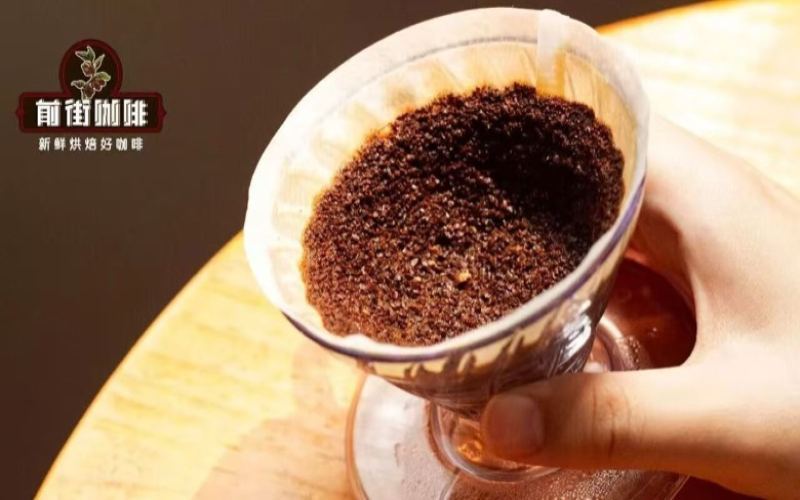
Choosing Espresso Beans by Roast Level: A Buying Guide from Light and Refreshing to Rich and Intense
Italian coffee beans do not correspond to just one flavor; when the roast level changes, the acidity, sweetness, aroma, texture, and aftertaste in the espresso all shift their emphasis. Those who enjoy short espresso shots may care about the impact on the first sip; when making a latte or cappuccino, the focus is more on whether the coffee still has a presence after passing through the milk. Before buying, first think clearly about the cup [more…]
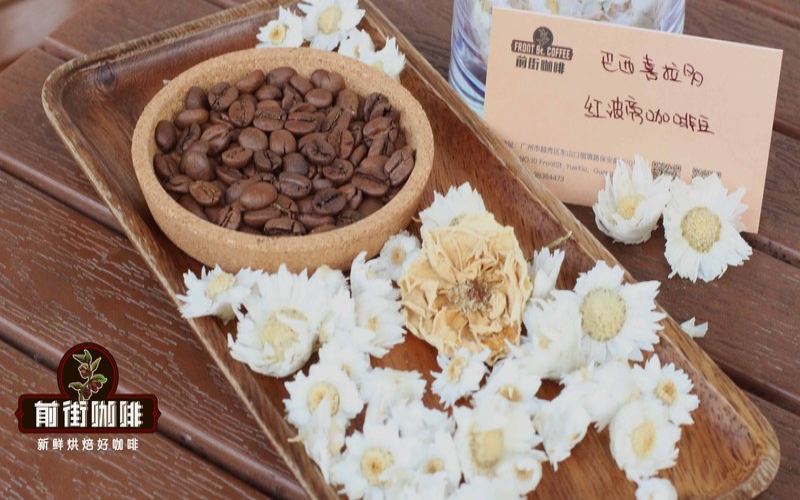
Roast depth decides body, here's how to choose among three types of coffee beans
Coffee with rich crema usually feels more coating on the palate, and its aroma tends to linger a bit longer in the mouth. However, shiny coffee bean surfaces do not necessarily mean the brewed crema will be abundant. Roast level, bean freshness, blend composition, and extraction method all affect the crema in the cup. To find a suitable [more…]

How to Choose the Water Temperature for Pour-Over Coffee? A Detailed Explanation from Dissolution Principles to Brewing Practice of Temperature's Influence on Flavor
What water temperature is actually suitable for pour-over coffee? Does a higher temperature always mean better extraction? Starting from everyday dissolution phenomena, this article explains how water temperature affects coffee extraction efficiency, and uses cupping immersion experiments and pour-over comparison data to show how coffee flavor actually performs at different temperatures. The article also explores competition brewers' high-temperature brewing strategies, and why Front Street Coffee recommends a relatively narrow brewing temperature range, helping enthusiasts understand the key role of water temperature in brewing and avoid common misconceptions. [more…]
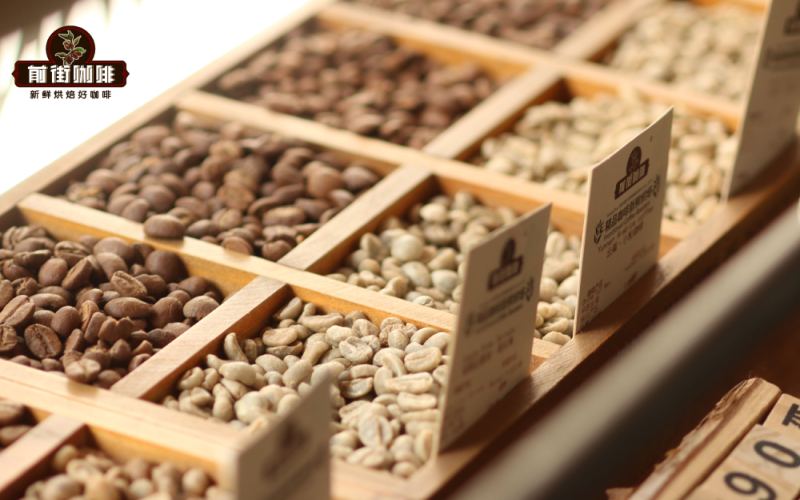
The Origin of the Mandheling Coffee Name and an Analysis of Wet-Hulled Flavor, with a Full Comparison of Pour-Over vs. Espresso Suitability
Asian coffee is known for its deep, mellow character, and Indonesia's Mandheling is a prime example. This article begins with the World War II legend behind the name Mandheling, then outlines the growing regions of Sumatra coffee and the wet-hulling process, explains Indonesia's green bean grading standards, and focuses on the cupping performance and three-stage brewing parameters of Front Street Coffee's Golden Mandheling. The second half of the article also specifically discusses whether Mandheling is suitable for making espresso, analyzing the different effects of pour-over and espresso extraction on flavor, to help coffee lovers find more suitable beans and brewing methods. [more…]
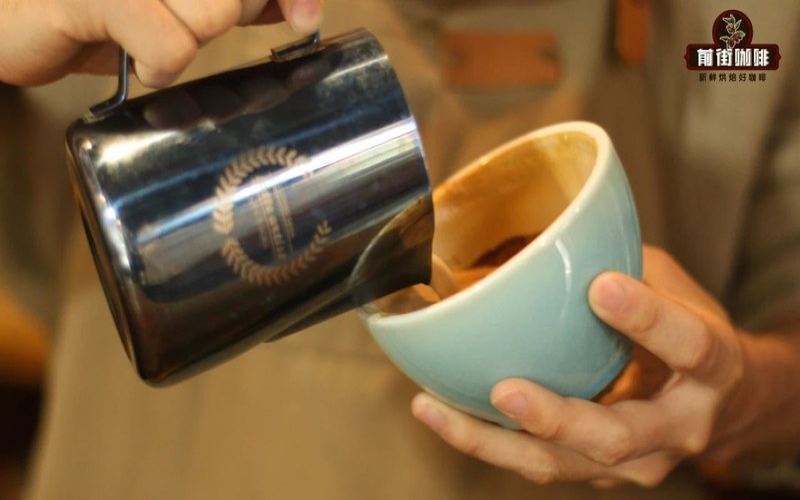
Light, Medium, and Dark Roasts: How to Choose for an SOE Latte
SOE can certainly make a delicious latte, and its appeal isn't just in the words "single origin." Once the espresso is mixed with milk, the roast level directly shapes the character of the whole cup: light roasts are livelier, medium roasts are more balanced, and dark roasts are richer. To find a combination that suits your taste, you can start with your preferred roast. [more…]
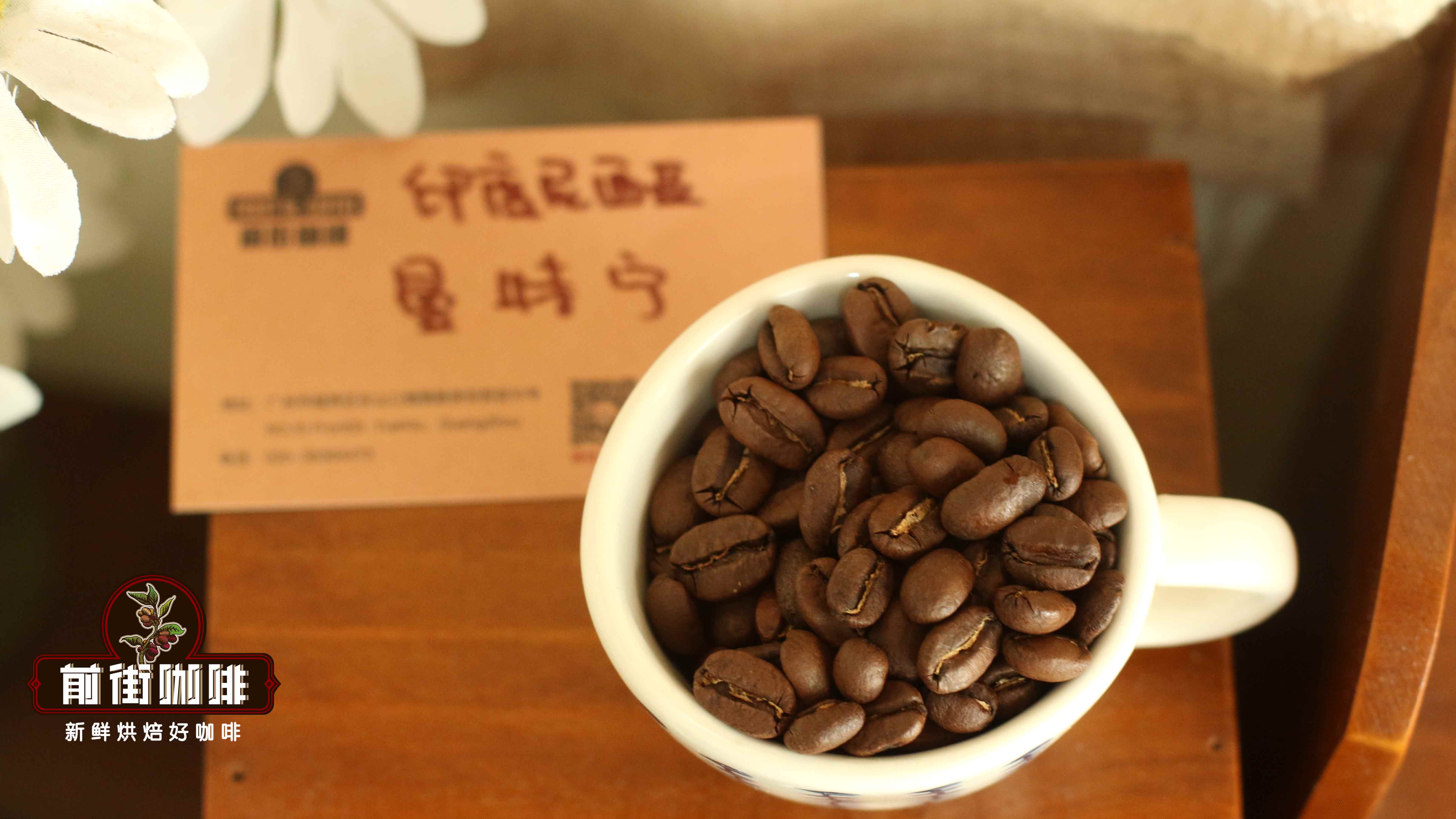
What coffee beans are suitable for pour-over coffee? A complete analysis from flavor differences to Indonesian Mandheling
When making pour-over coffee, choosing the right coffee beans is a key step that determines the flavor expression. Coffee beans are broadly divided into two categories: single-origin and blends. Pour-over, a filter-based extraction method, is more often paired with single-origin beans, but blends can certainly be tried as well. If you want to experience different flavor directions, Front Street Colombia Huila, Front Street Mandheling, and Front Street Yirgacheffe correspond to the three typical styles of medium, bitter, and acidic respectively, and tasting them together allows you to perceive clear differences. This article will also take an in-depth look at the origin background, processing methods, and flavor characteristics of Indonesian Sumatra Lintong Mandheling, and tell the historical story of how the name Mandheling came to be, helping coffee lovers gain a more comprehensive understanding of this classic coffee. [more…]
How to Choose Hand-Drip Coffee Beans? Flavor Comparison from Indonesian Mandheling to Front Street Coffee's Three Major Producing Regions
To experience the most natural flavor of coffee through pour-over, choosing the right beans is the first step. Coffee beans fall into two main categories: single-origin and blended. The former is better suited to filter extraction, and pour-over is a prime example of that. Starting from the differences in flavor, this article recommends three beans—Front Street Colombia Huila, Front Street Mandheling, and Front Street Yirgacheffe—corresponding to the acidic, medium, and bitter taste preferences respectively, making it easy for beginners to find the flavor they enjoy. The article also takes an in-depth look at the origin information, processing method, and flavor characteristics of Indonesian Sumatra Lintong Mandheling, and tells the historical story behind the name Mandheling. [more…]
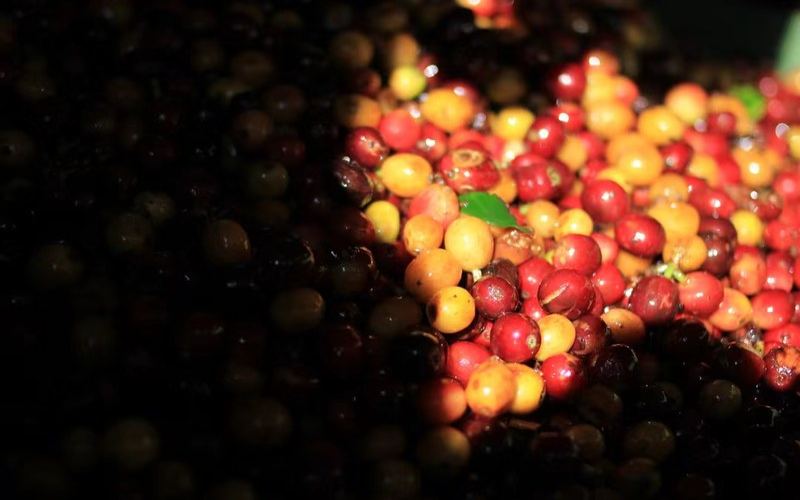
American Black Coffee Beans Recommendation: The Flavor Rhythm from Roasting to Opening
When water is added to Americano black coffee, the concentration of the coffee liquid decreases, and the aroma and aftertaste become easier to identify, so the freshness of the beans is very important. Freshly roasted coffee does not immediately present its full flavor; drinking it too early may have an obvious gassy sensation, while leaving it too long will cause it to lose its vitality. When selecting beans, the roast date and your own [more…]
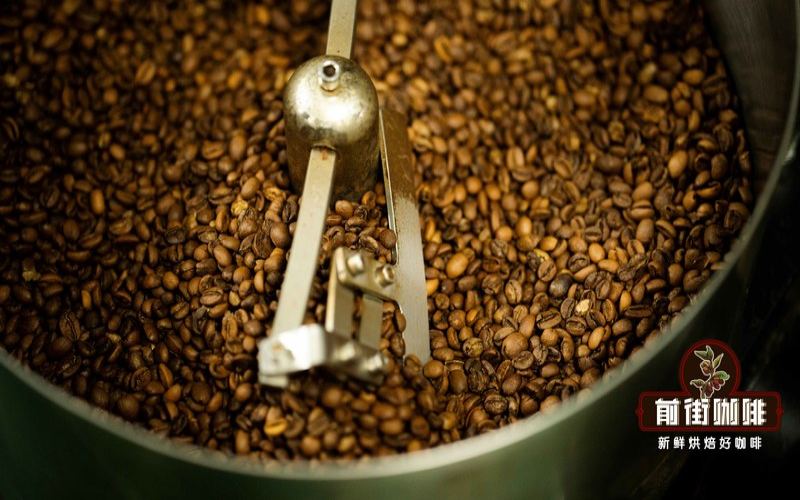
Can SOE be made with pour-over? Choosing beans by roast level makes it clearer
SOE is not a particular kind of coffee bean, but rather a term for single-origin or single-batch coffee used for espresso extraction. It describes the source of the beans and the way they are served, and does not mean an espresso machine is required. As long as the beans are consistent in quality and the roast level is suitable, SOE can absolutely be brewed by pour-over with a dripper instead, and you can taste even more than you would from an espresso [more…]
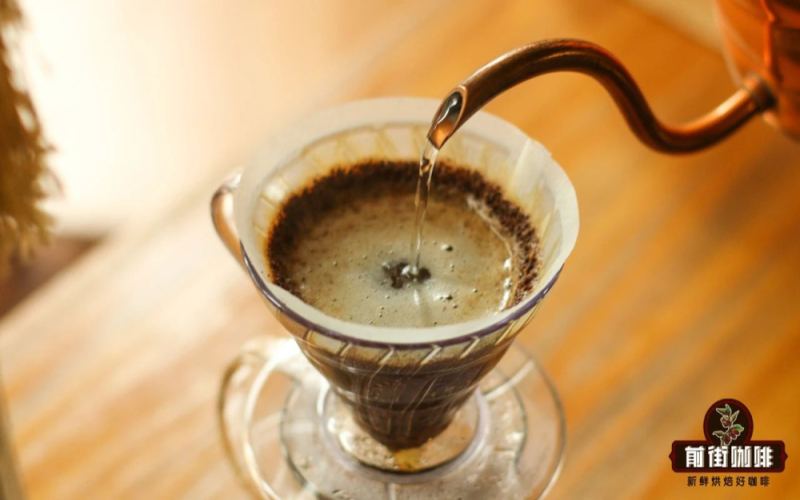
The Coffee Flavor Map from Sour to Bitter: A Detailed Guide to Buying by Origin, Variety, and Processing Method
Faced with a dazzling array of coffee beans, how do you pinpoint the one that matches your taste? This article sorts through seven representative coffee beans in order from light and refreshing to rich and full-bodied, and from sour to bitter, covering Ethiopian natural, Costa Rican black honey, Brazilian semi-washed, Indonesian wet-hulled, and several espresso blends. Each one is labeled with flavor characteristics, suitable drinkers, and equipment recommendations, with several Front Street brand products serving as typical examples throughout. Whether you are a beginner just starting out or a seasoned connoisseur looking to expand your flavor spectrum, this guide can help you quickly lock in your ideal choice. [more…]
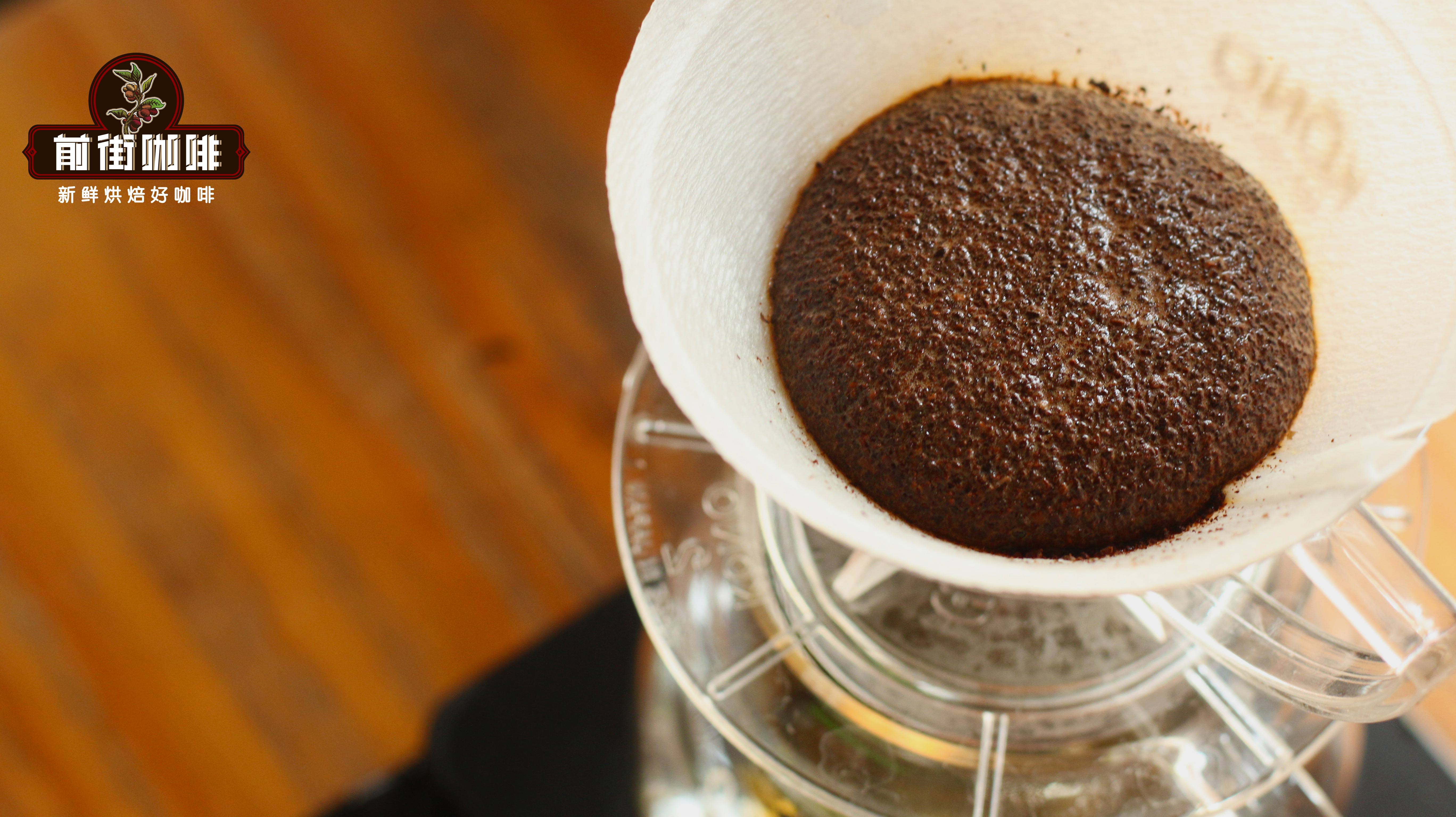
The Origin Story and Flavor Characteristics of Mandheling Coffee: From Sumatra Wet-Hulling to Front Street PWN Golden Mandheling
Mandheling coffee is renowned worldwide for its rich, full-bodied taste and unique herbal spice aroma, making it a favorite among countless dark roast coffee enthusiasts. This coffee, originating from the island of Sumatra in Indonesia, carries behind it an amusing mishearing story from World War II, as well as Indonesia's unique wet-hulling processing method. From the Lintong producing region to the Golden Mandheling produced by PWN, from the G1 grade hand-sorting standard to the brewing essentials of medium-dark roasting, this article will guide you through a comprehensive understanding of Mandheling coffee's origins, the reasons behind its flavor, its grade classifications, and the product features of the Front Street Mandheling series, so that when you savor this steady, full-bodied cup of coffee, you will better appreciate the story and craftsmanship behind it. [more…]
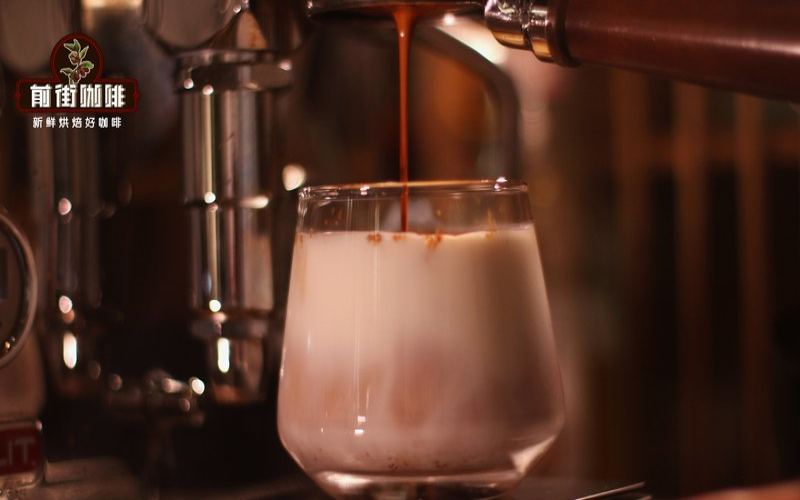
Nutty and Cocoa Flavors: How Drinking Methods Differ Across Light, Medium, and Dark Roasts
If you want to drink coffee with notes of nuts, cocoa, and caramel, the roast level is a very practical starting point. Light-roast beans tend to retain more of their origin character, and nutty and cocoa notes may be hidden behind the sweet aroma; medium roast more easily brings nutty aromas, chocolate notes, and sweetness together in the same cup; dark roast pushes the flavor toward roastiness, dark chocolate, and a full [more…]

From roast date to opening the bag: an espresso bean flavor timeline
The state of espresso beans changes over time: when freshly roasted, the gases are active, then the aromas gradually unfold, and finally they slowly settle into a gentler state. Therefore, "the closer to the roast date, the better the taste" does not apply to all espresso extractions. When selecting beans, understanding the roast date, giving the beans an appropriate rest, and planning a reasonable schedule for opening the bag make it easier to [more…]
Sumatra Tiger Man Estate Mandheling Washed Process: Flavor Layers and Pour-Over Brewing Record
Mandheling coffee beans from the Huta Manor in the Lintong region of Sumatra, Indonesia, processed using the wet-hulled method and hand-sorted to 19 mesh and above, medium-roasted by Cafe of Memory in Hangzhou. This article documents the complete brewing process for this coffee, including parameters such as the Bonmac V02 dripper, 90°C water temperature, and a 1:15 coffee-to-water ratio, along with a detailed evaluation of its aroma and mouthfeel. Orange peel, herbs, woody smokiness, and faint floral and fruity notes interweave, while a medium body and subdued acidity form its distinctive character. Front Street Coffee recommends this bean, believing that its cleanliness and layered complexity still affirm the flagship status of Tiger-grade Mandheling. [more…]
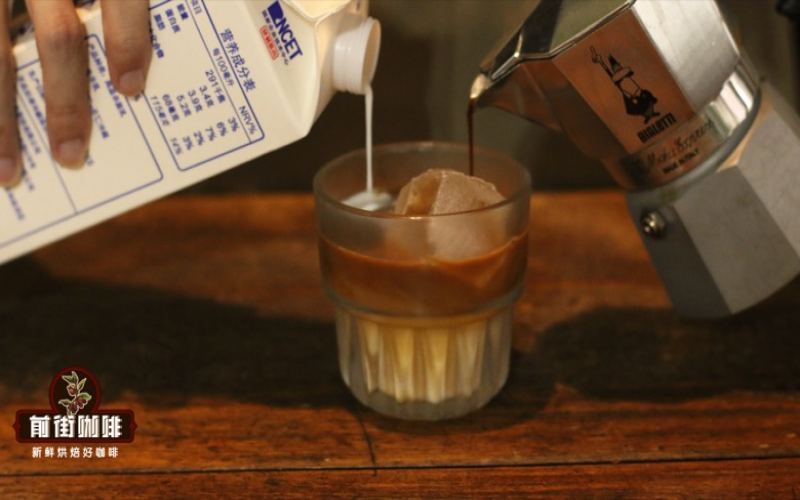
Choosing Yirgacheffe by Roast Level: From Floral and Fruity to Rich and Sweet for Beginners
The charm of Yirgacheffe often begins with floral notes, citrus, and a tea-like quality, but the same region, when roasted differently, can present a completely different character on the palate. For those new to coffee, narrowing things down first by roast level makes it easier to find an approachable entry-level option than fixating solely on the region name. Pour-over black coffee favors aroma, while milk [more…]