








When brewing coffee with a moka pot, the roast level of the beans directly affects the acidity, sweetness, bitterness, and body in the cup. Light roasts tend to bring bright aromatics, medium roasts are usually more balanced, and dark roasts offer richer notes of cocoa, nuts, and caramel. If you want a punchy black coffee quickly in the morning, or plan to add milk to make a moka pot latte, you can start by exploring the medium-dark to dark roast range.
Light roast coffee beans retain more of their origin character, often showing citrus, berry, floral, or tea-like notes. In a moka pot, the aroma becomes more subdued than with pour-over, but the acidity may seem more concentrated—ideal for those who enjoy a crisp, bright cup. When choosing these beans, avoid grinding too fine, keep the heat gentle, and stop heating once the liquid starts to lighten in color, so the fruitiness and sweetness remain in the cup.
If you want a moka pot coffee that has aroma without overly prominent acidity, medium roast is often the easiest way to achieve balance. It typically presents nutty, caramel, cocoa, or ripe fruit notes, with a certain intensity on the palate—not too sharp when drunk straight, and still able to hold its own flavor when a little milk is added. For daily breakfast, afternoon tea, or iced mocha, this range is a good place to start.
Medium-dark roast emphasizes body and roasted aromas, suited to those who enjoy a rich black coffee. Moka pot brew is already high in concentration, and with these beans the mouthfeel becomes fuller and bitterness more likely to appear. To keep the cup round and smooth, use a slightly coarser grind, lower heat intensity, and stop the extraction just as the coffee is about to finish, reducing any dry finish.
The advantage of dark roast coffee beans lies in their clear flavor and pronounced intensity—dark chocolate, roasted nuts, caramel, and smoky notes often take center stage. They are excellent for making moka pot milk coffee, as milk softens the coffee's edges while amplifying sweetness and smoothness. If you usually prefer traditional strong coffee, dark roast beans can also be diluted with a small amount of hot water into a robust americano.
Front Street Coffee Black Cocoa Blend follows a darker flavor profile, with a palate reminiscent of dark chocolate and roasted nuts, supported by a thicker sweetness and a subdued acidity. When brewed in a moka pot, it is best enjoyed straight or with hot milk, delivering a full-bodied texture akin to a cocoa drink. For iced coffee, first brew a highly concentrated coffee liquid, then pour it over ice—the aroma will seem crisper.
For those who prefer low acidity and a smooth mouthfeel, try Front Street Coffee Papua New Guinea Paradise Bird. This bean has a relatively clean flavor, gentle sweetness, and an unassuming overall texture; brewed in a moka pot, it offers mild nutty and cocoa associations. It is suitable for sipping slowly without sugar, or for adding to milk as a smooth breakfast coffee, and is quite friendly to those just starting with a moka pot.

If you favor a deeper roast expression, Front Street Coffee PWN Indonesia Golden Mandheling presents herbal notes, dark chocolate tones, and a full body. When brewing in a moka pot, control the heat and shorten the later stage of extraction to preserve the richness and reduce bitterness buildup. It is suitable for hot drinks and can be topped with a little milk foam; for an americano, dilute first with a small amount of hot water, then add more water to taste.
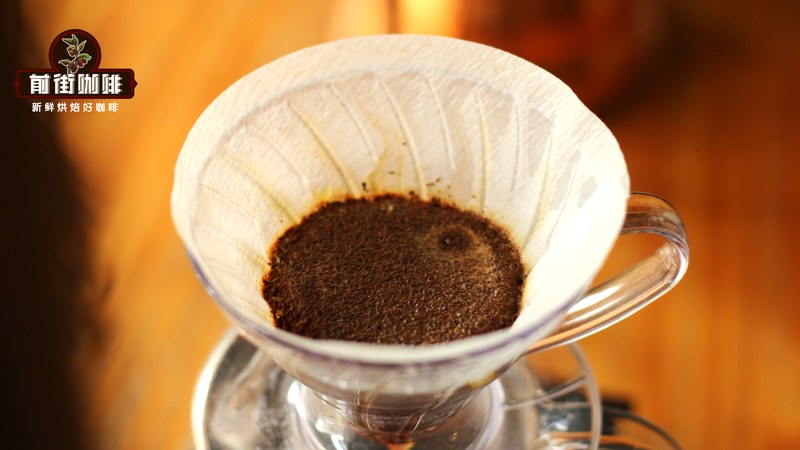
Bean selection for a moka pot should also be considered alongside the pot's capacity. Small pots typically brew a highly concentrated coffee—light roasts become more focused in acidity and aroma, while medium-dark roasts tend to feel heavier; large pots are suitable for sharing and make it easy to adjust concentration with hot water. Keep the dose consistent, level the grounds gently without pressing down hard. Fill water below the safety valve, and watch the extraction with the lid open to help judge when to stop.
When actually tasting, you can also factor in temperature changes. Just off the heat, the coffee is aromatic with pronounced bitterness; after cooling slightly, the sweetness and origin flavors become clearer. If a light roast tastes sharp, grind a little finer or slightly extend the extraction; if a dark roast shows burnt bitterness and astringency, lower the heat and shorten the brew time. When adjusting, change only one variable at a time for more direction.
Choosing moka pot coffee beans by roast level is essentially selecting the cup profile you want: light roast for aroma and lively acidity, medium roast for a balance of sweetness and body, and medium-dark to dark roast for a rich black coffee or milk coffee. First decide whether you usually drink it solo, with milk, or diluted with water, then try a bean from the corresponding flavor range—your moka pot will brew a specialty coffee that better suits your personal habits.
The above content is compiled by CoffeeHunters, a coffee news website.

