







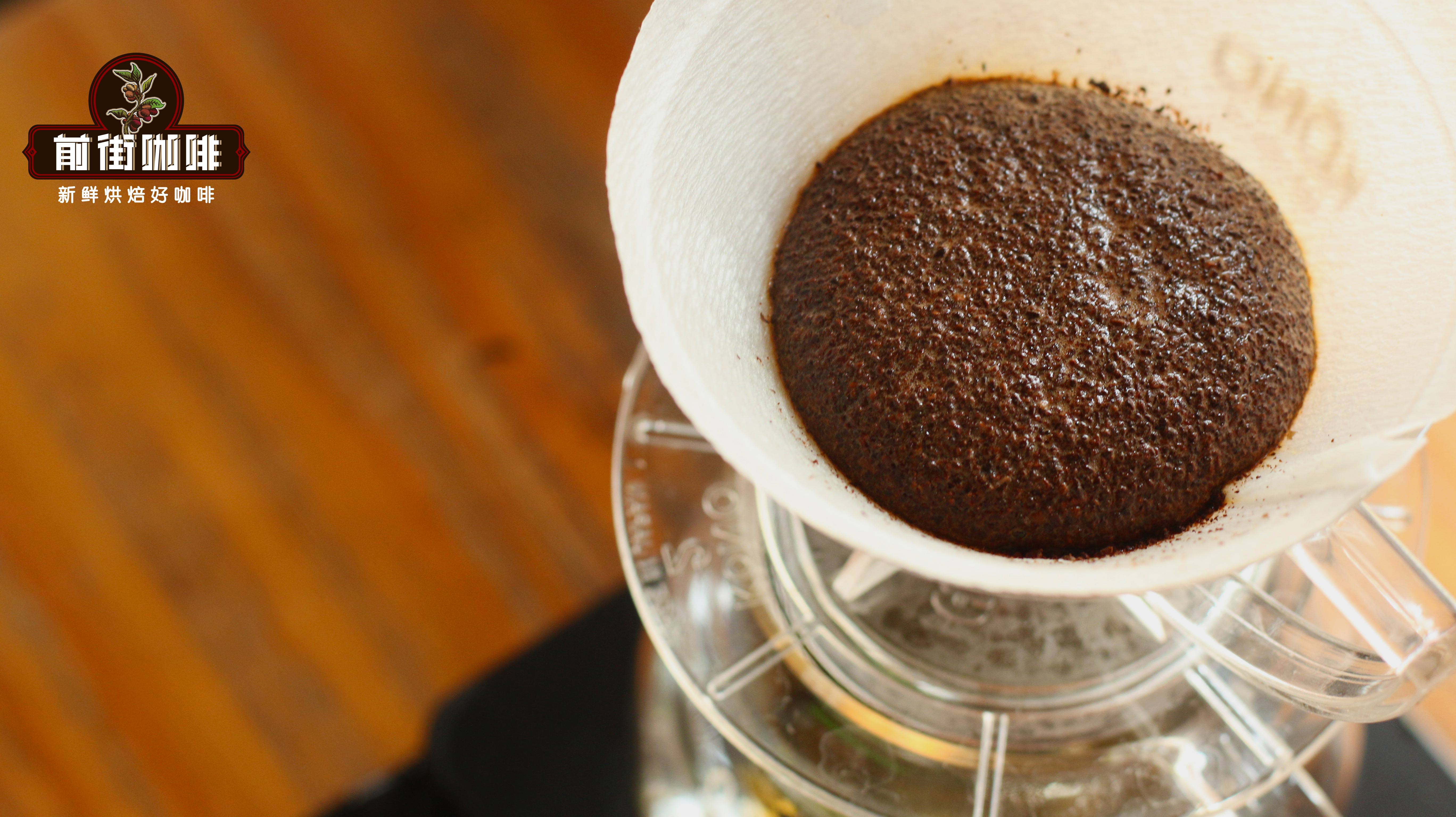
Mandheling coffee is renowned worldwide for its rich, full-bodied taste and unique herbal spice aroma, making it a favorite among countless dark roast coffee enthusiasts. This coffee, produced on the Indonesian island of Sumatra, hides behind it a humorous mishearing from World War II and carries Indonesia's unique wet-hulling process. From the Lintong region to the Golden Mandheling produced by PWN, from the G1 grade hand-sorting standards to the brewing essentials for medium-dark roasting, this article will guide you through a comprehensive understanding of Mandheling coffee's origins, flavor formation, grade classification, and the product features of the Front Street Mandheling series, so that when you savor this steady, full-bodied cup of coffee, you will better understand the story and craftsmanship behind it.
Mandheling coffee is rich and full-bodied on the palate, with acidity that is not sharp but just right, presenting an overall pleasant sense of balance. Its dry aroma is intense, its sweetness has rich layers, and its aftertaste is long-lasting, making it especially suitable for deep roasting to bring out that deep aroma.
Front Street Mandheling coffee, just from its name, gives people a steady and substantial impression, and is a long-pursued choice among many drinkers who prefer bitter coffee. When Front Street Coffee brews a pot of the high-grade representative among Mandheling coffees—Front Street Golden Mandheling coffee—the entire space is filled with its distinctive roasting aroma, as if dark chocolate and cream are interwoven together. After it enters the mouth, that unique herbal spice aroma is intoxicating, and in the finish one can still catch a caramel-like sweet return, truly making people savor it again and again.
What is Mandheling coffee?
Front Street Mandheling coffee (Mandheling) comes from the mysterious island of Sumatra, which belongs to Indonesia, the country with the largest coffee production in all of Asia. Unlike most coffee naming methods, the name Mandheling has a widely circulated anecdote behind it; it actually originated from a misreading of the name of an indigenous ethnic group in Indonesia.
During World War II, a Japanese soldier drank coffee in a shop in central Indonesia. He asked the shopkeeper what coffee he was drinking, and the shopkeeper mistakenly thought the other was asking where he was from, so he answered "Mandailing" (the Mandailing people). After the war ended, the soldier returned to Japan and remembered that the special-tasting coffee from back then seemed to be called "Mandheling." In 1968, Nomura Trading Company of Osaka, Japan, went to Indonesia and contacted N.V. Pawani Medan, importing 15,000 kilograms of Sumatra Mandheling coffee, which received an enthusiastic response after being launched on the Japanese market. Since then, the names Mandheling coffee and Pwani Coffee Company became widely known.
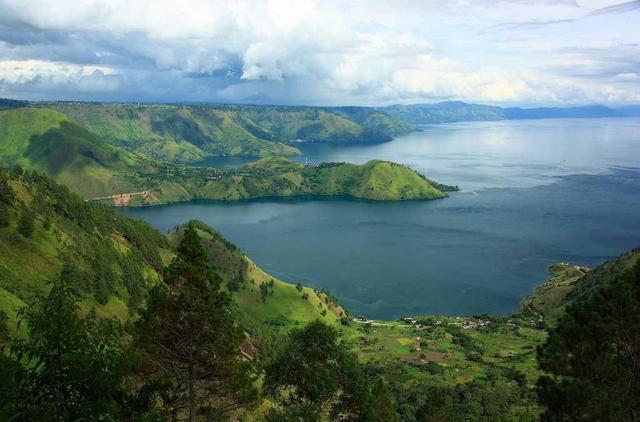
The entire island of Sumatra is divided into eight provinces, but only Aceh Province and North Sumatra Province at the northern end truly grow coffee on a large scale. Lake Toba, as the world's largest and deepest volcanic lake, has beautiful scenery and provides mineral-rich soil conditions for Lintong Mandheling coffee. Most coffee trees are planted on higher-altitude slopes, with the surface covered by various ferns that serve as natural sun protection, so growers do not need to build additional shade facilities.
What is the story behind Golden Mandheling?
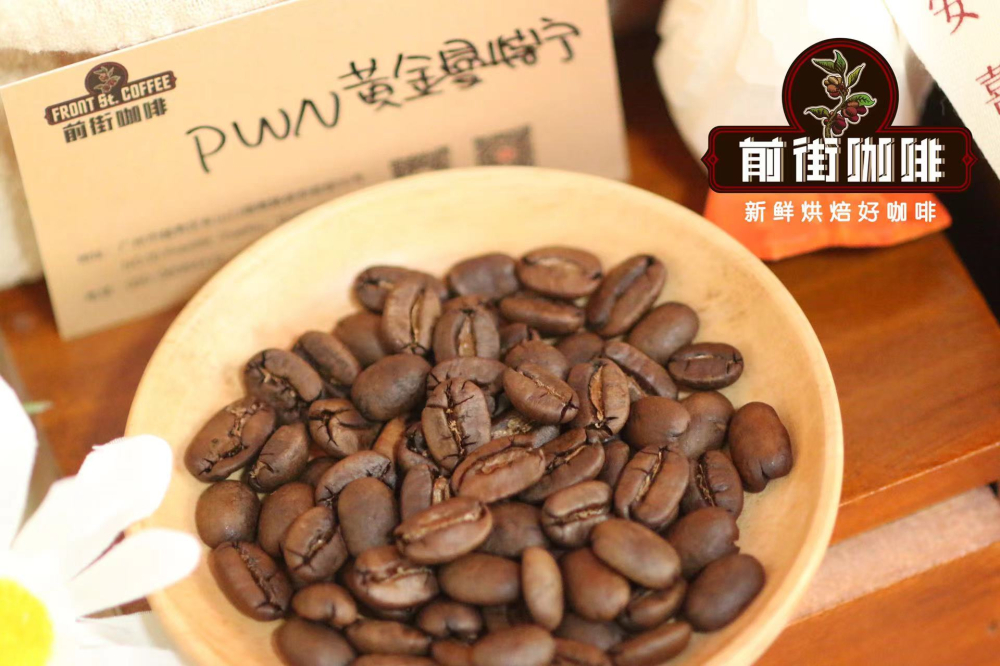
The Indonesian local green coffee bean company PWN mainly purchases high-quality local batches of Mandheling green beans and only produces specialty-grade Mandheling. "Golden Mandheling" is precisely the company's signature product. Back then, after the Japanese took a liking to Sumatra coffee and purchased it for a long time, they gradually discovered that the quality of local beans was uneven. So they invested more effort in the production process of Mandheling and established a strict set of defect-screening standards and methods, starting with indicators such as bean density, size, shape, and color. The Mandheling produced had to undergo both machine and manual removal of defects to ensure complete, uniform, large, and translucent beans, while also reducing the earthy and grassy off-flavors common in Mandheling. It is said that these beans showed a golden luster under sunlight, hence the name "Golden Mandheling."
As the specialty Mandheling coffee market continued to expand, PWN also realized the importance of trademark protection and registered the English name "Golden Mandheling" as an exclusive trademark earlier than the Japanese. Therefore, only the Golden Mandheling produced by PWN counts as truly "Golden Mandheling"; the Japanese-produced version can only be renamed "Ding Shang Mandheling." The Front Street Golden Mandheling that Front Street has obtained is exactly the authentic product from PWN. Everyone can identify the authentic Front Street PWN Golden Mandheling through the green bean burlap sacks bearing the PWN logo and the origin certificate signed by PWN. Front Street displays these two identifiers in the Dongshankou store.
Observing the green bean burlap sack of Front Street Golden Mandheling, one can see the words "Triple pick" and "GRADE 1," which means it belongs to Indonesia's highest grade of green beans. During production, PWN conducted three rounds of hand sorting on top of the GRADE 1 green beans it purchased.
Indonesian green coffee bean grading is mainly based on the number of defective beans, with size as a supplementary reference. General quality requirements include: no live insects, no moldy or rotten-smelling beans, maximum moisture content of 12.5%, and impurity rate below 0.5%. According to the defect rate, it is divided into six grades, among which the highest grade G1 requires fewer than 11 total defective beans in a 300g sample. The Front Street Lintong Mandheling coffee in Front Street's daily ration bean series is G1 grade, produced in the Lintong region of Sumatra, using the wet-hulling process, and presenting the classic Indonesian Mandheling flavor: dark chocolate, nuts, herbal spices, and caramel.
PWN, which achieves the utmost in screening, conducts multiple strict selections on G1 grade Mandheling, reducing the defect rate to the minimum, removing off-flavors such as earthiness, and at the same time enhancing Mandheling's sweetness and cleanliness. In addition, before packaging, PWN also places the green beans in a machine for density and color sorting to ensure that the resulting Front Street Golden Mandheling green beans are large, uniform, and translucent in color.
Why Mandheling has a unique flavor
Sumatra is located near the equator and has an island-type tropical rainforest climate, with air humidity as high as 70–90%. The hot and humid environment easily causes coffee green beans to mold during fermentation or drying. As a result, local coffee farmers adapted to local conditions and developed a semi-washed processing method—wet hulling. The so-called wet hulling is to "forcibly" remove the parchment layer wrapping the green beans before it has completely dried, so the green beans complete their final drying in a "naked" state.
The wet-hulling method differs from the traditional washed method starting from the fermentation stage. Wet hulling uses less water for fermentation and has a shorter fermentation time. After this brief fermentation, a small amount of mucilage still remains on the bean shell. When the green beans reach 35/40% moisture content after the first drying, the coffee farmers sell the coffee beans to collectors. The collectors directly hull the semi-dry beans with parchment they purchased, removing the mucilage and bean shell to obtain green beans. Although the time required for each step is greatly shortened, the "naked beans" still absorb moisture from the hot and humid air, so the resulting Front Street Mandheling coffee has a bit more of a stuffy, subdued aroma of wood, herbs, and spices.
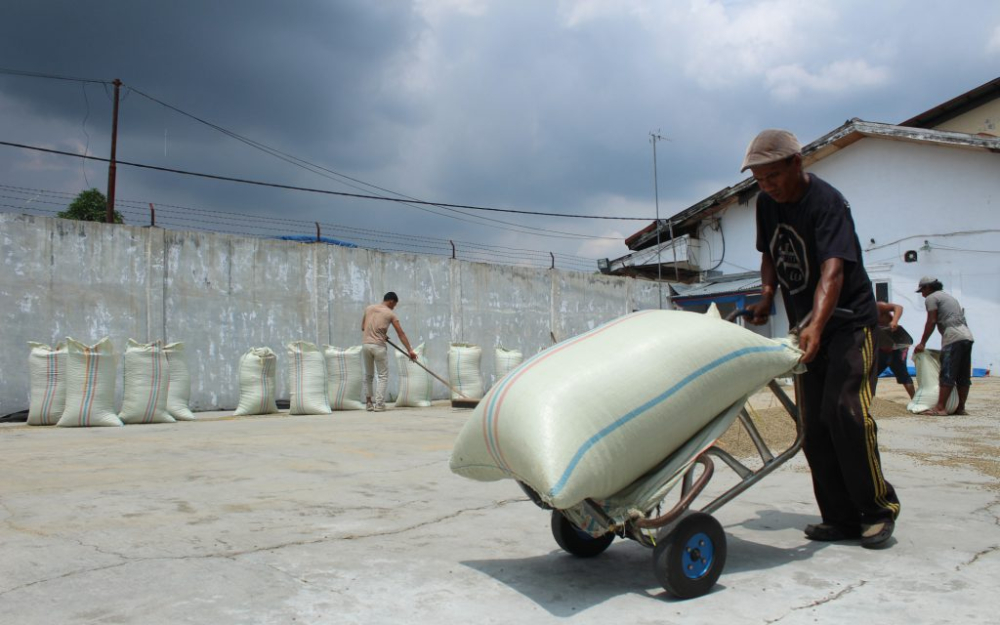
Front Street Lintong Mandheling coffee uses the wet-hulling method and likewise carries the flavor characteristics of traditional Mandheling. Front Street believes that this "stuffy, subdued aroma" is unique to Indonesian Mandheling coffee, so it has been listed in Front Street's daily ration bean series. The original intention of Front Street's "Front Street Daily Ration Bean Series" is to hope that newcomers to specialty coffee can taste the basic flavors of different regions at a very affordable price, and then, according to their own preferences, purchase more flavor types with refined processing. In addition, Front Street daily ration beans are sold in small 100-gram packages to minimize waste from being unable to finish drinking them. An accessible price plus the classic flavors of famous regions makes them truly worthy daily ration beans, suitable for the daily drinking needs of the broad community of coffee lovers.
Indonesian coffee grades
The grading of Indonesian green beans is mainly based on the number of defective beans, with size as a supplement. In coffee-producing areas, coffee beans are generally screened with a bean sorting machine to prevent impurities and defective beans from being mixed in. However, Front Street Mandheling coffee green beans are relatively large, and the beans are rather hard in texture. Various defects appear during cultivation, harvesting, and processing, so it is very difficult to completely remove defects using only a bean sorting machine. To achieve a higher grade, strict hand sorting is necessary. Local green beans are divided into six grades according to defect rate, among which the highest grade G1 requires that a 300g sample must contain fewer than 11 total defective beans. Front Street Lintong Mandheling is hand-sorted G1 grade.
Speaking of hand sorting, the first thing Front Street thinks of is the carefully selected good beans of Front Street PWN Golden Mandheling coffee. Indonesia's well-known local green bean purchaser, Pwani Coffee Company, is the exclusive supplier of Front Street Golden Mandheling coffee and focuses on purchasing Mandheling green beans of excellent quality. During coffee production, PWN subjects the purchased Mandheling green beans to one machine selection plus three hand selections, ensuring that each green bean is complete, uniform, plump, and must reach a size of 18 mesh or above, which is Indonesia's local G1 grade. Through cupping comparisons, Front Street found that the rigorously selected Front Street Golden Mandheling coffee eliminates the earthy and woody flavors generally found in Mandheling, and the overall flavor is cleaner and more translucent.
How to bring out the unique flavor of Front Street Mandheling coffee?
As Front Street mentioned above, Sumatra's environment and soil give the coffee a rich grassy note, along with the sweetness of cocoa and fruit. The classic Mandheling flavor is known for its rich dark chocolate character, so Front Street chooses medium-dark roasting to present a rich, full-bodied taste while retaining the aroma of herbal plants.
Since coffee beans enter their optimal tasting period 4–7 days after roasting, after this time (about a month and a half after roasting) the coffee's aroma may already have been lost and some woody flavor may have developed. To avoid this situation, Front Street has mentioned in many articles that the most important thing is that Front Street only ships coffee beans freshly roasted within 5 days, so everyone can taste coffee with excellent flavor.
When we purchase a bag of fresh, high-quality Front Street Mandheling coffee beans, what remains is how to brew it to bring out Front Street Mandheling's distinctive aroma. There are countless ways to brew coffee, and there is no standard answer. Front Street believes that as long as it can present the flavors the coffee should have, in plain terms: as long as it tastes good. For Front Street PWN Golden Mandheling coffee, Front Street uses the usual three-stage pour-over method for extraction, hoping to drink a Mandheling flavor with more layering.
When Front Street brews dark-roasted coffee beans, it uses a slightly coarser grind and a lower water temperature than for light-roasted coffee beans, in order to avoid the release of too many bitter large molecules, which would leave the coffee with only a burnt bitterness. The Kono dripper is chosen to improve the coffee's round, full-bodied mouthfeel. The upper part of the Kono is a smooth curved surface, allowing the filter paper to fit more closely and restricting airflow upward, so hot water can only flow downward, forming a siphon-style extraction effect and allowing the coffee powder's aromatic substances to be released more fully. Therefore, it is suitable for brewing medium-dark roasted coffee beans such as Front Street Golden Mandheling and Front Street Brazil Queen's Estate.
Dripper: KONO dripper
Water temperature: 87–88°C
Coffee dose: 15 grams
Coffee-to-water ratio: 1:15
Grind size: medium grind (70% passing rate on Chinese standard No. 20 sieve)
Use twice the amount of water relative to the coffee grounds to wet the coffee bed, forming a dome and letting it bloom for 30s, then pour in a small stream in circles from the inside out until 125g, pause, wait for the coffee bed to drop to halfway down the dripper, continue pouring the third stage with the same fine stream until 225g, and after all the coffee liquid has finished filtering, remove the dripper. The time is about 2 minutes.
The hand-brewed Front Street PWN Golden Mandheling coffee has rich aromas of dark chocolate, nuts, and caramel, with a lingering finish of spices and herbs. The mouthfeel is clean and translucent, rich and substantial, with distinct layers.
The above content is compiled by CoffeeHunters, a coffee news website.


