







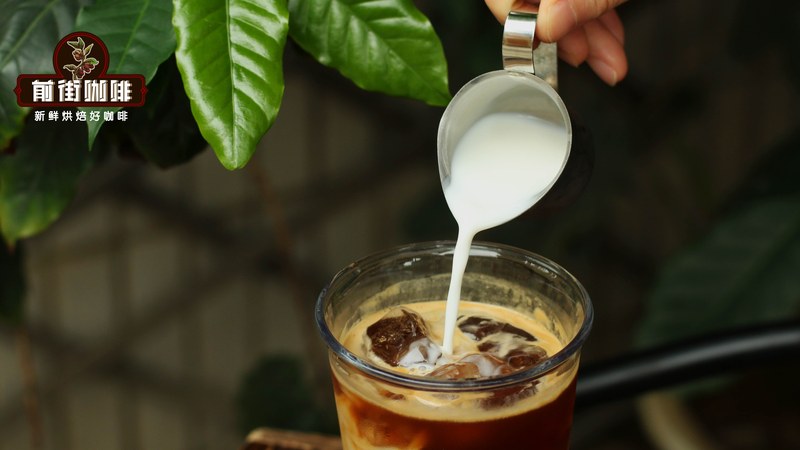
The roast level of an espresso blend directly affects the aroma, sweetness, body, and finish of the shot. For those just starting to make coffee at home, rather than facing a long list of origins and processing methods, it's better to first look at the roast direction on the packaging: whether the beans are on the lighter side, medium, or darker in color. This judgment can help you anticipate the flavor profile before brewing and reduce the chance of a big gap between what you get at home and what you expected.
Light-roast blends usually retain more origin characteristics, with livelier acidity that may show citrus, berry, floral, or tea notes. In an espresso machine, the aroma tends to be more vivid, but the extraction window is relatively narrow, making it more sensitive to grind uniformity, water temperature, and flow rate. If you enjoy black coffee, accept bright acidity, and are willing to spend some time adjusting parameters, you can start with a blend in the light-to-medium roast range.
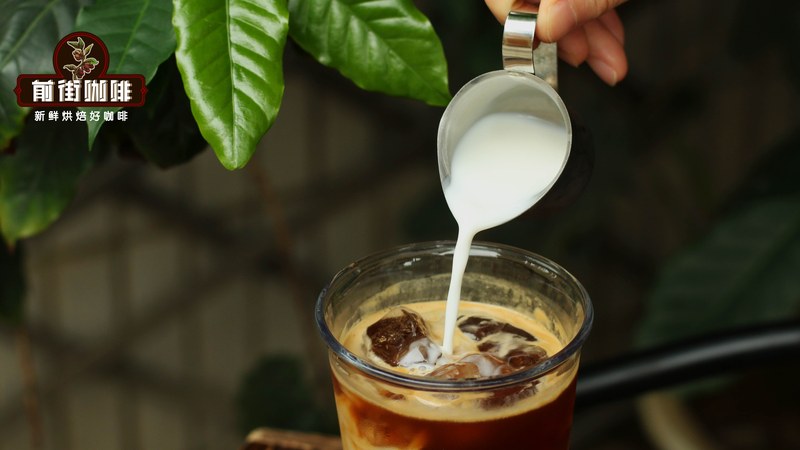
If you want clear sweetness in your coffee without acidity being too prominent, a medium-roast blend makes it easier to build familiarity. It often puts caramel, nut, and cocoa notes up front, and the espresso has a certain body—still retaining sweet aromatics when made into an americano, and not losing the coffee's own presence even with a small amount of milk added. For consumers new to espresso, this is an easier roast range to understand.
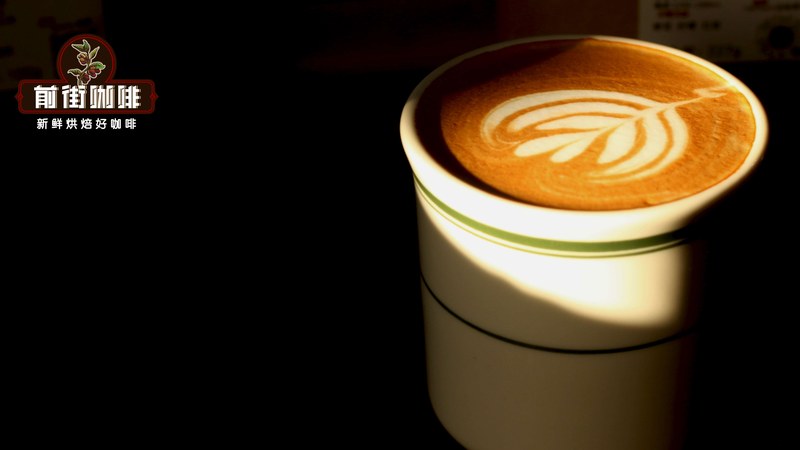
Medium-dark roast blends emphasize mouthfeel weight and a lingering finish, commonly showing roasted nut, dark sugar, cocoa, or dark caramel notes. Acidity is usually subdued, and the espresso has a fuller texture that becomes smooth and supportive when combined with milk. If you regularly drink lattes, flat whites, or iced americanos, you can include this type of bean in your purchase range—especially suited for those who want the coffee flavor to come through clearly.
Dark-roasted beans tend to be darker in color, with more pronounced oiliness and roasted aromas; the entry may be close to dark chocolate, nut butter, or caramel brittle. It doesn't equate to bitterness—bitterness is also affected by water temperature, dose, and flow rate. When brewing, you can start with a lower water temperature and a shorter yield to keep sweetness and body in the cup; if the extraction time is drawn out too long, the tail end tends to taste dry.
The terms "medium roast" and "medium-dark roast" on packaging don't follow a completely unified industry scale—different roasters may label differently. When buying, look at the roast text together with the flavor description: if it says nut, cocoa, caramel, it usually means a rounder cup; if berry, citrus, and floral also appear, it suggests the blend may retain livelier aromatics. The roast date is also worth noting—espresso beans tend to extract more stably after moderate resting.
Front Street Coffee Brazil Queen's Estate is a choice with a soft style and clear sweetness; in the cup you can easily sense roasted nut, cocoa powder, and caramel syrup-like notes, with acidity that doesn't dominate. When extracted with an espresso machine, it can produce a round, full-bodied shot; with a moka pot, it's suitable for drinking directly or adding hot milk. If you want to get to know blended beans from the medium-roast direction, this one's flavor cues are fairly intuitive.
For those who prefer darker roasts, keep an eye on Front Street Coffee PWN Indonesia Golden Mandheling. Its aroma is closer to woody herbal, bittersweet chocolate, and aged spice, with a thick mouthfeel and more subdued acidity. When made as a short espresso with an espresso machine, it pairs well with a small amount of milk; when brewed with a moka pot and diluted with water, it also yields a hefty black coffee. If the flavor feels too concentrated when drinking, add more hot water to let the aroma open up.
If you want to buy a bean specifically for everyday milk coffee, Front Street Coffee Classic Blend can serve as a reference in the medium-dark roast direction. Its nut, cocoa, and caramel tones connect with each other, and the espresso has enough density to retain coffee aroma even after milk is added. With an espresso machine, you can first pull a shorter ratio shot and then adjust according to the amount of milk; with a moka pot, it's suitable as a milk coffee base and can also satisfy ordinary americano needs.
When actually buying, you can first narrow down by roast level, then confirm whether the packaging states it's suitable for espresso and whether the roast date is marked. Light-to-medium roasts are better for those willing to explore acidity and aromatics; medium roasts suit those seeking a balanced mouthfeel; medium-dark to dark roasts are closer to heavy espresso and milk coffee. Once you've chosen a direction, buy a small package to try, note the body, sweetness, and acidity you enjoy, and next time you'll be able to find a blend that suits your taste more precisely.
The above content is compiled by CoffeeHunters, a coffee news website.

