







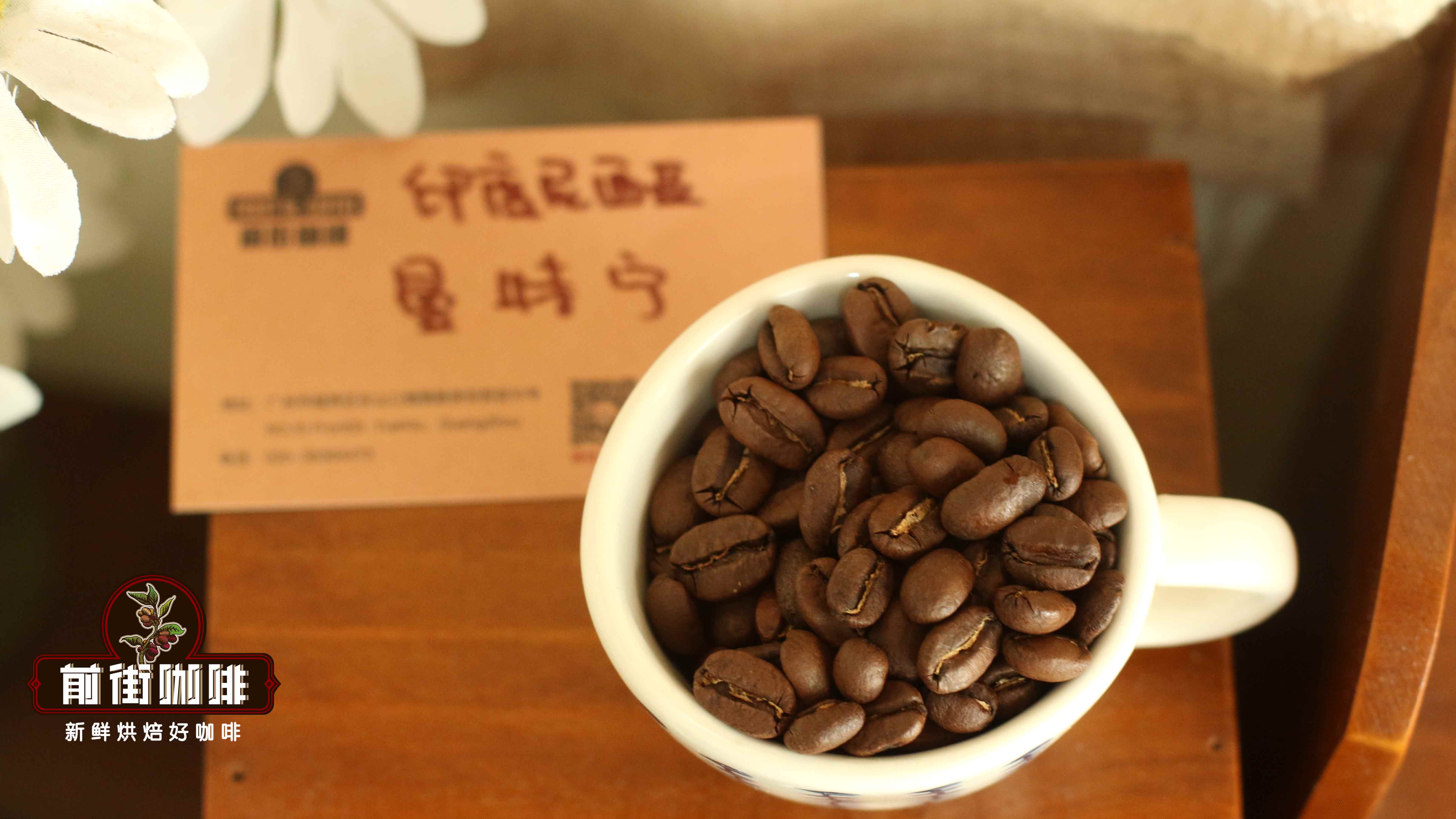
When making pour-over coffee, choosing the right coffee beans is a key step that determines the flavor expression. Coffee beans are broadly divided into two categories: single-origin and blended. Pour-over, a filtration-based extraction method, is more often paired with single-origin beans, but blended beans can also be tried. If you want to experience different flavor directions, Front Street Colombia Huila, Front Street Mandheling, and Front Street Yirgacheffe correspond to the three typical styles of medium, bitter, and sour respectively, and tasting them together allows you to perceive clear differences. This article will also take an in-depth look at the origin background, processing method, and flavor characteristics of Indonesian Sumatra Lintong Mandheling, and tell the historical story of how the name Mandheling came to be, helping coffee enthusiasts understand this classic coffee more comprehensively.
I. What coffee beans should be used for pour-over coffee? Front Street Indonesian Mandheling Sumatra Island
Coffee beans can be divided into two categories by type: single-origin and blended. These two types of beans correspond to different brewing devices—if distinguished by system, single-origin coffee beans are more suitable for filtration-based preparation methods, while blended coffee beans are mostly used for pressure-extracted espresso.
Pour-over coffee bean recommendations
Pour-over belongs to filtration extraction, so single-origin coffee beans are generally chosen for making it. Of course, this is not absolute; brewing blended beans with the pour-over method is equally feasible, and the flavor performance is not bad either.
II. Pour-over coffee bean recommendations:
The pour-over beans worth trying include: Front Street Colombia Huila, Front Street Mandheling, and Front Street Yirgacheffe. These three represent different flavor routes, and when tasted side by side, the differences will be very intuitive.
1. Front Street Colombia Huila: The flavor of Colombian beans is often classified as neutral, mainly featuring nut and chocolate aromas, with slight acidity and low bitterness.
2. Front Street Mandheling: Relatively high bitterness, with sourness almost imperceptible (not absolute), prominent body, with spice and herbal notes, and a taste close to chocolate.
3. Front Street Yirgacheffe: Relatively high acidity, lower bitterness, presenting bright fruity sweet-sourness, accompanied by some floral notes.
The above are the most direct impressions most coffee enthusiasts have of these three beans, so by taste they are summarized into three types: sour, medium, and bitter. If interested, you might as well try them one by one, and I believe you will find the flavor you prefer among them.
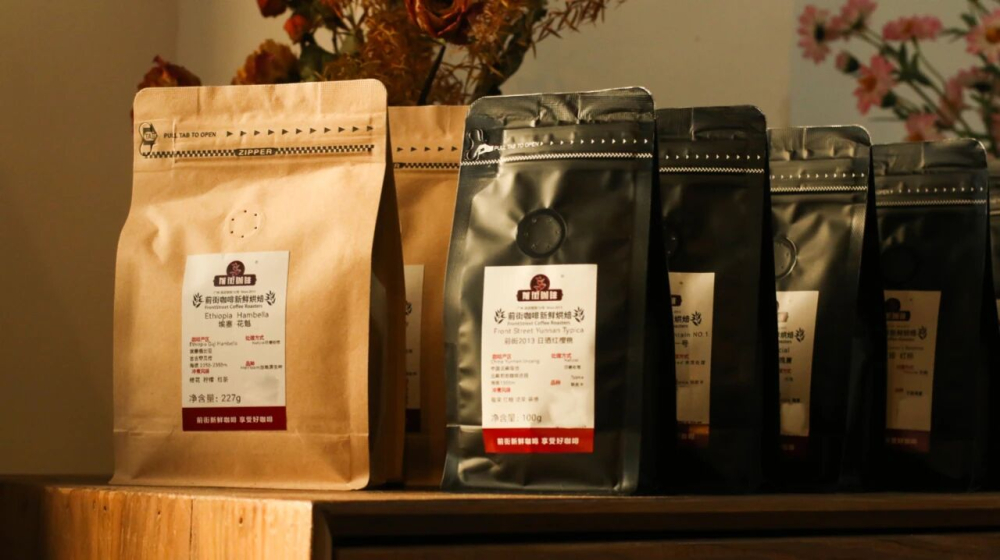
Product name: Front Street Indonesia Sumatra Lintong Mandheling
Country: Indonesia
Grade: G1·3 times hand-sorted
Region: Lintong, Sumatra Island
Processing method: Traditional wet-hulling process
Altitude: 1100–1600 meters
Flavor: Baked toast, nuts, pine wood, caramel, herbs
The most well-known producing regions for Asian coffee are Sumatra Island, Java Island, and Kalimantan Island in the Malay Archipelago. Among them, Sumatra Mandheling coffee produced in Indonesia's Sumatra Island is especially famous.
Mandheling coffee is grown in the Lake Toba area of North Sumatra Province and the Lake Tawar area of Aceh, which is what people often call the "Two Lakes, Two Mandhelings." What they have in common is a thick mouthfeel and rich aroma; the difference is that Lake Toba Mandheling tends toward a subdued, deep aroma, even with a hint of grass jelly character, while Lake Tawar Mandheling has brighter fruity acidity, occasionally revealing cedar or woody notes.
During World War II, when Japan occupied Indonesia, a Japanese soldier drank an exceptionally rich and aromatic cup of coffee in a coffee shop and asked the owner the name of the coffee. The owner mistakenly thought he was asking "Where are you from?" and answered: Mandailing. After the war, this Japanese soldier recalled the "Mandheling" he had drunk in Indonesia and commissioned an Indonesian coffee merchant to ship 15 tons to Japan, where it became hugely popular. And so the name Mandheling spread.
The above content is compiled by CoffeeHunters, a coffee news website.


