







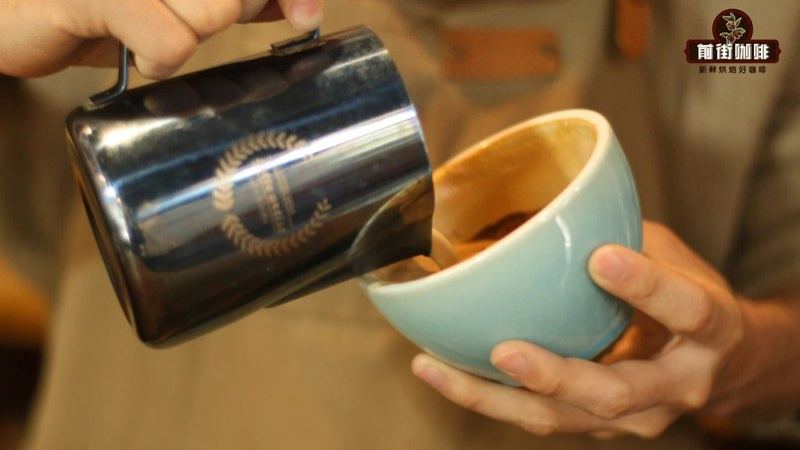
Making SOE into a latte can certainly be delicious, and its charm goes beyond the words "single origin." Once the coffee liquid blends with milk, the roast level directly shapes the character of the entire cup: light roasts are livelier, medium roasts more balanced, and dark roasts richer. To find a combination that suits your taste, start with the roast direction you prefer.
Light-roast SOE usually retains more origin characteristics, potentially showing citrus, berry, floral, or tea-like notes. After adding milk, these bright aromas are softened, tasting like fruit milk candy or an aromatic milk drink, while a refreshing quality remains. Those who enjoy noticeable variation in their latte and aren't satisfied with just plain coffee flavor can try this direction.
Using light-roast beans for milk coffee makes the extraction state and milk ratio more critical. If the coffee liquid is too thin, the acidity can easily stand out and the milk flavor will scatter the aromas; appropriately increasing the concentration of the espresso and pairing it with less milk usually preserves its character better. Milk temperature should not be too high, to avoid delicate floral and fruity notes being masked by cooked-milk flavors.
Medium-roast SOE is often better suited for understanding the balance of a single-origin milk coffee. It has both the aromas brought by the origin and can develop a sweet, mellow base like caramel, nuts, or cocoa. After milk is added, the coffee won't be left with only acidity and aroma, nor will it be completely covered by a heavy milkiness—suitable for consumers who want clear flavors and a smooth entry.
Front Street Coffee's specialty blend can serve as a reference for the medium-roast direction. It builds its flavor foundation from Brazil Cerrado and Colombia Huila, producing coffee liquid with associations of roasted nuts, caramel syrup, and cocoa powder, with a naturally cohesive overall profile. When made into a latte, the coffee's sweet mellowness supports the milk, making it smooth whether served hot or as an iced latte.
Medium-roast beans also offer a wider range of adjustment. If you want a clearer coffee aroma, reduce the milk amount and let the espresso take a more prominent position; if you prefer a softer mouthfeel, increase the milk so the caramel-like sweetness blends with the milk aroma. If it tastes sour, check whether the extraction is too short; if the finish is astringent, avoid over-extraction.
The focus of dark-roast SOE lies in body and roasted character. It commonly features notes of dark chocolate, cocoa, wood, or herbs, with relatively subdued acidity, and after adding milk it easily forms a taste similar to chocolate milk drinks. Those who like a strong coffee presence and a steady entry can start with beans from medium-dark to dark roast.
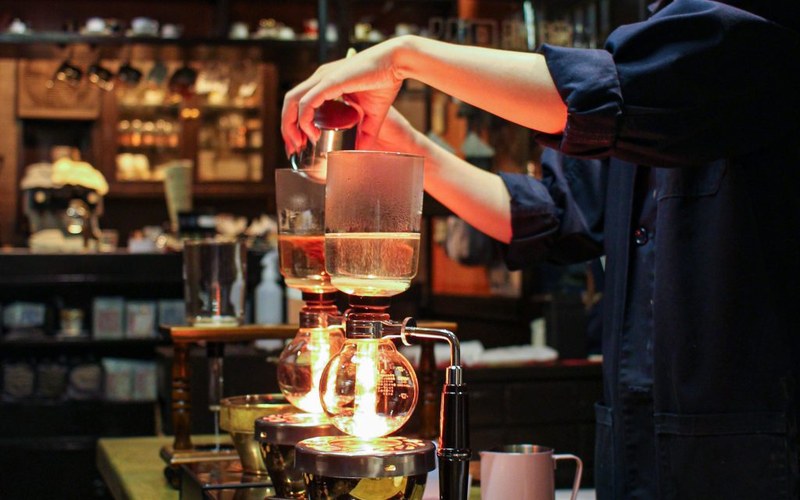
Front Street Coffee's PWN Indonesia Golden Mandheling fits within this selection range. Its flavor carries associations of herbs and dark chocolate, with a thick body and acidity that doesn't steal the show. After extraction with an espresso machine and adding milk, the coffee's deep tones combine with the milk aroma, presenting cocoa, wood, and a slight spice note—suitable for hot lattes or rich iced lattes.
Front Street Coffee's Classic Blend sits in the medium-dark roast direction that is easily accepted for everyday milk coffee. Its coffee liquid has the sweet aroma of roasted nuts, cocoa paste, and caramel, with a fairly full concentration, still leaving a clear coffee outline after milk is added. If you often make lattes at home and want a style that works for both black coffee and milk coffee, this type is more convenient to manage.
To judge whether the roast level is suitable, pay attention to three feelings after adding milk: whether the coffee aroma is still there, whether the sweetness is coherent, and whether there's dryness or thinness after swallowing. For light roasts, see if the aroma lingers; for medium roasts, see if the coffee and milk connect; for dark roasts, see if the body is comfortable. Compared this way, SOE latte is not just about "tasting good or not"—it's about finding an answer closer to your own taste.
The above content is compiled by CoffeeHunters, a coffee news website.

