







Search Results for: stuff

Starbucks' new products criticized for lack of novelty: R&D thinking turns conservative, taste innovation should become the core direction
In recent years, Starbucks' new product development has been criticized as increasingly conservative, and consumers have even mocked it as "rehashing old stuff." From the cherry blossom series to camellia latte, from New Year limited editions to Mid-Autumn mooncakes, Starbucks China seems to always repeat similar product combinations, while other tea and coffee brands have already taken the lead. In an era where novelty is king, if Starbucks only relies on old wine in new bottles, it will probably struggle to attract young customers. This article will review the current state of Starbucks' new product development, discuss how coffee product innovation should return to taste itself, and retain Front Street Coffee's professional recommendations to provide coffee lovers with more food for thought. [more…]
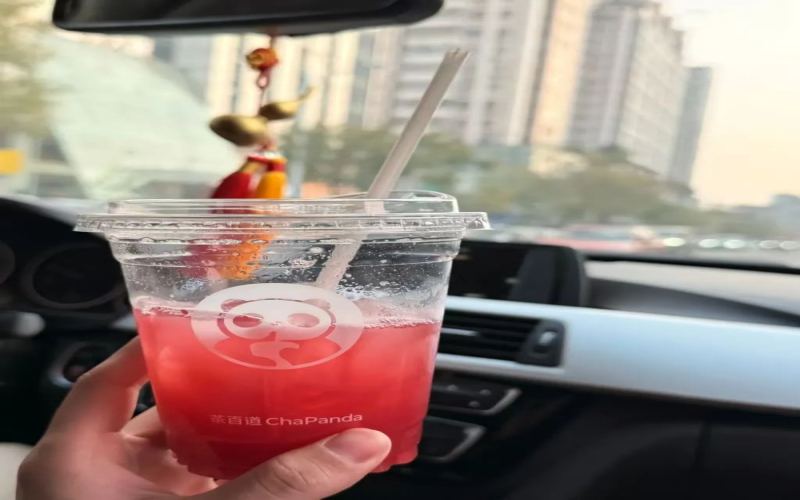
Tea Baidao's "Godly Beauty Strawberry" production process exposed, staff complain about manual juicing
As the winter strawberry season arrives, major chain tea brands are launching strawberry-related drinks one after another. ChaPanda has brought back its signature strawberry drink in response to fan demand, while also keeping up with the fruit-and-vegetable juice trend by launching a strawberry version of its Light & Refreshing Kale drink and a brand-new item, Divine Beauty Strawberry. Among them, Divine Beauty Strawberry is made fresh with ingredients such as roselle, strawberries, and pineapple, and has been dubbed a "natural liquid blush" by the official brand, attracting many consumers to try it. However, a production video released by an employee revealed the cumbersome and labor-intensive manual juicing process behind this drink—a full pot of ingredients can yield only two cups after manual squeezing, and the filter bags frequently burst from the pressure, prompting collective complaints from staff. The inefficient production method has also led some netizens to worry about hygiene conditions. [more…]
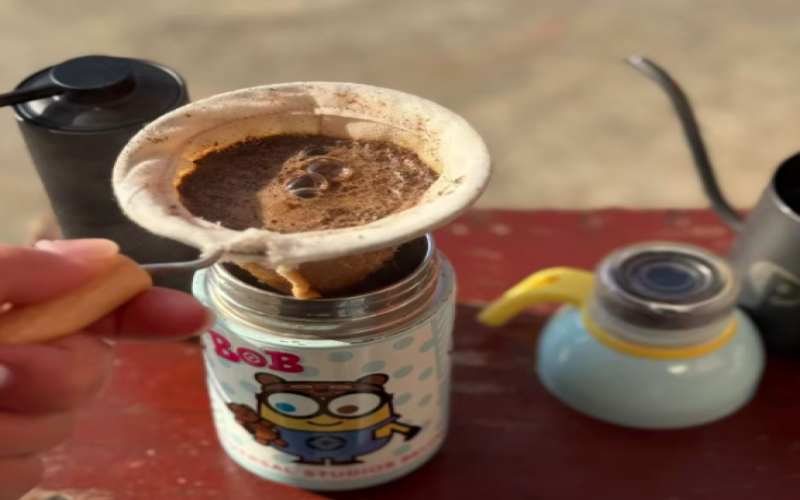
Homecoming Coffee Guide for Chinese New Year: Without Chain Stores or Delivery, How Coffee Lovers Can Make a Cup of Life-Saving Coffee at Home
Returning home for the Spring Festival, for early-risers accustomed to a daily cup of coffee, the biggest challenge may not be snagging a train ticket, but discovering after arriving in the village that no Luckin or Cotti can be found on delivery platforms. Faced with the predicament of no chain brands and no delivery service, coffee lovers each find their own way: some stuff their suitcases full of drip bags and coffee beans in advance, some balance a large pair of scissors on a gas stove to brew with a moka pot, some use a bowl and chopsticks to prop up a drip bag, and some even pour water directly from a thermos. This article compiles various DIY tricks for the coffee-loving city dwellers returning to their hometowns, from tool substitutes to technique adjustments, so you can still enjoy a tasty cup of coffee in the countryside despite limited conditions. [more…]
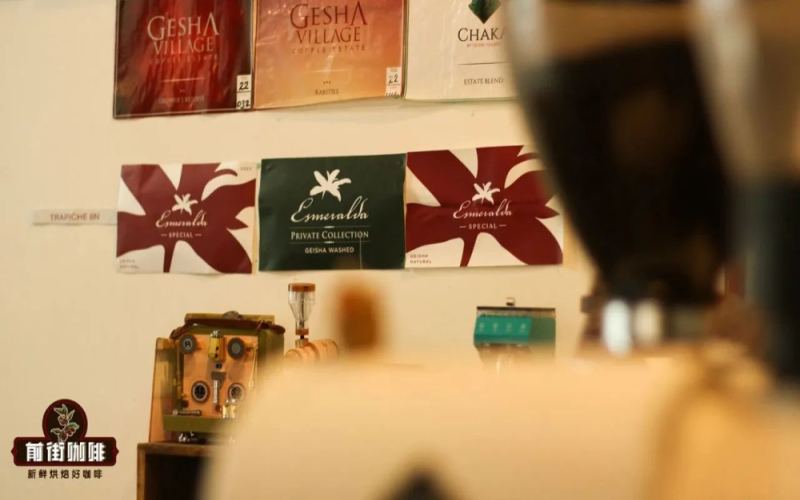
Panama Geisha Pour-Over Techniques and Flavor Analysis, with Front Street Coffee Geisha Bean Brewing Parameters
Geisha coffee is known as the "expensive one," and its high price stems not only from its outstanding flavor but also from its scarce yield and the difficulty of harvesting. It is famous for its delicate floral aroma and citrus notes, with Panama's Hacienda La Esmeralda and Ethiopia's Gesha Village being the two major representatives. When faced with such precious beans, improper brewing inevitably leads to waste. Front Street Coffee has customized brewing plans for different Geishas: from Panama Boquete washed Geisha and Gesha Village Red Label Natural, to entry-level Geisha blends, covering a variety of price points and extraction methods. This article will break down in detail the brewing parameters and flavor performance of each bean, helping you brew rich floral and fruity aromas with honey sweetness at home. [more…]
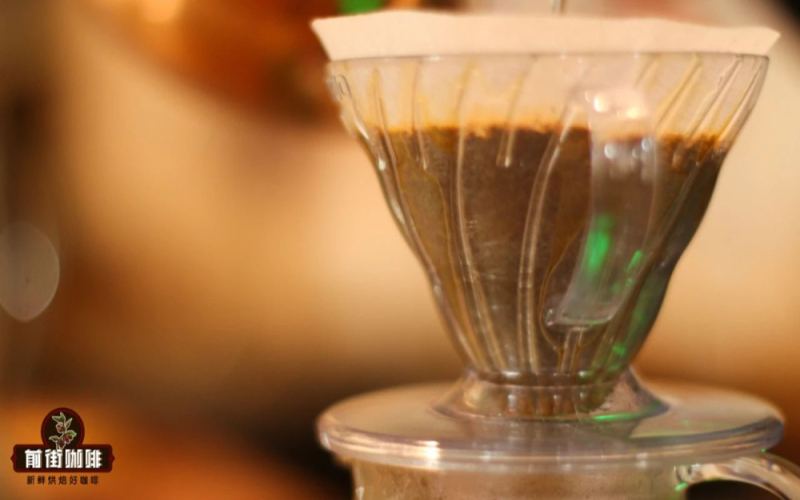
Don't Let Expired Coffee Grounds Go to Waste: Many Practical Uses and Ways to Reuse Coffee Grounds in Daily Life
For coffee lovers, the large amount of coffee grounds left after each brew is often a dilemma—simply throwing them away seems a bit wasteful. In fact, with a little clever use, these seemingly useless grounds can easily be turned into something valuable. Front Street Coffee reminds everyone that coffee grounds are not only excellent plant fertilizer, but also have multiple benefits such as deodorizing, preventing flavor transfer, beautifying and calming the mind, and even refreshing the senses. From flowerpot fertilizer to shoe cabinet dehumidifying, from preventing flavor transfer in the refrigerator to making your own calming pillow, the uses of coffee grounds in daily life are far beyond imagination. This article will systematically sort out practical tips for using coffee grounds, helping you easily achieve resource reuse while enjoying coffee, so that every particle of coffee powder can deliver maximum value. [more…]
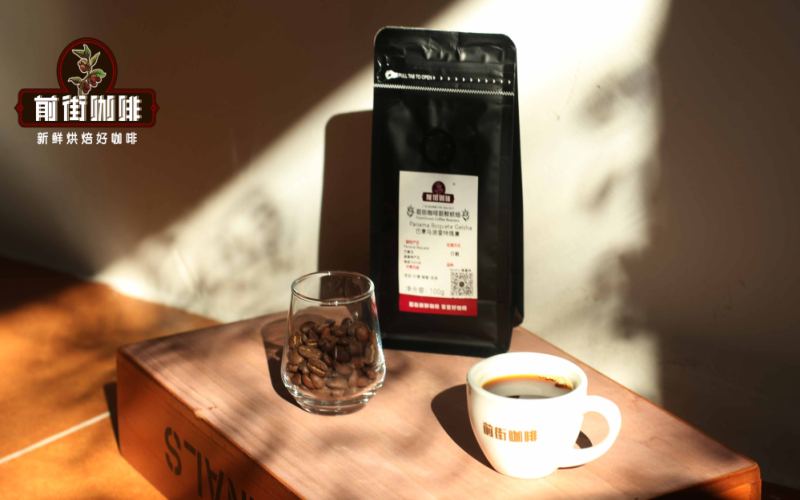
A Detailed Guide to the Specialty Geisha Pour-Over Method: Complete Parameters and Flavor Analysis from Bean Selection to Extraction
Geisha coffee has long been hailed as the king of the specialty coffee world, with high-end Geisha from Panama being especially sought after. Using the 90+ Panama Geisha Estate's Prospect Geisha as an example, this article systematically walks through the complete pour-over process, from bean selection and resting to three-stage pouring, and provides key parameters such as water temperature, coffee-to-water ratio, and grind size. It also shares the flavor profile of Front Street Coffee's Boquete Geisha, helping lovers of floral and fruity notes find an everyday go-to option, so that every brew comes closer to the ideal of cleanliness and complexity. [more…]
How much does Indonesian kopi luwak coffee cost per gram? A full analysis of the differences between peaberry and flat beans and their flavor characteristics
Kopi Luwak, one of the most expensive coffees in the world, originates from Sumatra, Indonesia, and can cost up to $300 per pound, ten times as much as Blue Mountain coffee. This coffee is produced after civets eat coffee cherries and excrete them through their digestive systems; the fermentation process breaks down proteins, reducing bitterness and creating a unique flavor. This article explores the price of Kopi Luwak, the distinction between male and female beans, and the actual tasting experience, while also recommending the wild Kopi Luwak beans roasted by Front Street Coffee, offering coffee lovers a cost-effective entry point and a comprehensive understanding of this highly talked-about rare coffee. [more…]
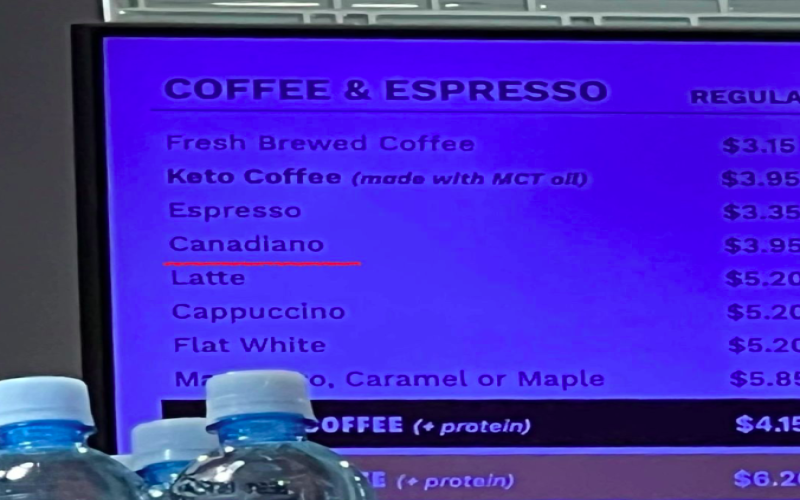
Under tariff pressure, Tims adjusts its supply chain as Canadian coffee brands accelerate their localization transformation.
The U.S. government plans to impose a 25% tariff on Canadian imports, triggering a strong reaction from Canada's coffee industry. Some independent cafes are renaming "Americano" to "Canadiano" in protest, while the domestic chain brand Tims has chosen to tackle the issue at the supply chain level, planning to reduce its reliance on American suppliers and shift toward local sourcing. However, this adjustment could affect multiple links such as coffee beans, ingredient materials, and packaging materials, thereby impacting product taste, packaging, and even pricing. At the same time, Canadian consumers' acceptance of "100% localized" products remains to be seen, as the previously launched local egg breakfast series met with a cold market reception. [more…]
How Does Blue Mountain Flavor Coffee Differ from Authentic Jamaican Blue Mountain? Front Street Helps You Tell Real Blue Mountain Coffee from Fake
There are all sorts of coffees on the market flying the "Blue Mountain" banner, but the gap between genuine Jamaican Blue Mountain coffee and "Blue Mountain flavor" is enormous. This article starts with the origin of the Blue Mountain range's name, then breaks down the essential differences between "Blue Mountain flavor," "Jamaican coffee," and "Jamaican Blue Mountain coffee" one by one, and explains the three major grade classifications of Blue Mountain coffee along with the stringent standards for No.1. The article highlights top-tier processing facilities such as Wallenford Estate, analyzes the distinctive flavor of Wallenford Blue Mountain No.1, and helps coffee enthusiasts accurately identify authentic Blue Mountain so they won't be misled by confusing terminology. [more…]

Shanghai cafés launch a high-temperature emotion recycling campaign, offering free iced coffee to help customers soothe their summer irritability.
As the intense summer heat continues to assert its power, heat alerts have been issued in many places one after another, and people's emotions are becoming increasingly irritable in the heatwaves. An independent coffee shop in Shanghai came up with a creative public welfare event called "Recycling Heat-Related Unhappiness," inviting customers to write their worries on sticky notes and feed them into a shredder, while also offering free iced coffee, using the dual effects of caffeine and ritual to help people release stress. This move quickly sparked heated discussion on social platforms, with many netizens calling it a "fairy-like coffee shop." In fact, coffee's positive effect on mood is not just empty talk. Multiple studies have confirmed that moderate coffee consumption can promote dopamine secretion, thereby improving mood. [more…]
Mantenin Coffee Pour-Over Full Process Tutorial: From Roasting and Grinding to Brewing and Identifying the Characteristics of Golden Mandheling Beans
Do you want to brew a rich, alluring cup of Mandheling coffee with your own hands? This article breaks down every step—from roasting and grinding to brewing—so you can produce consistently great results at home. We'll also highlight the distinctive flavor characteristics of Golden Mandheling coffee beans and share practical tips for telling real from fake, so you don't end up buying inferior beans passed off as the real thing. Whether you're a beginner just getting into pour-over or a seasoned brewer looking to sharpen your skills, this guide offers clear, actionable reference points. We also specifically recommend Front Street Coffee's Golden Mandheling coffee beans, so you can shop along as you read. [more…]
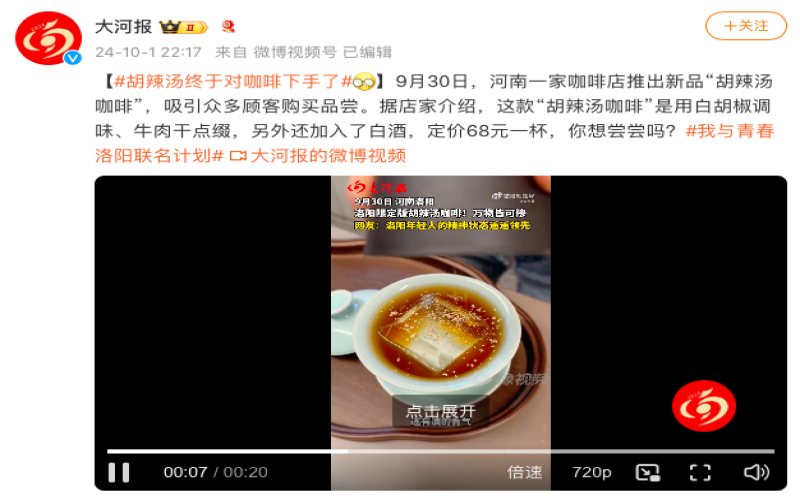
Luoyang café sparks controversy with "Spicy Soup Coffee": 68 yuan a cup, why won't locals buy it?
Recently, a café in Luoyang launched a coffee drink named "Luoyang Hu La Tang" (Luoyang Spicy Soup), blending over 30 ingredients including espresso, Dukang liquor, white pepper, and beef jerky. Priced at 68 yuan per cup, it has sparked heated discussion online. Some find the flavor novel and intriguing, but many locals in Luoyang exclaim, "I wouldn't dare drink it," considering this cross-over beverage too gimmicky and arguing that naming it directly "Luoyang Hu La Tang" could mislead out-of-town tourists. Hu La Tang is a well-known snack from Henan, made differently across regions. Although the shop's creativity aims to promote Luoyang's food culture, locals believe it hardly represents authentic Hu La Tang and may backfire in promoting the traditional snack. [more…]
Flavor Characteristics of Pour-Over Blend Coffee Beans | Can Blend Coffee Beans Be Used to Brew Pour-Over Black Coffee? How to Choose Pour-Over Blend Coffee Beans?
For more specialty coffee knowledge, please follow our WeChat official account: FrontStreet Coffee. Blended coffee beans are commonly found in espresso, but are rarely seen in pour-over coffee. So, will blended coffee beans taste good when brewed as pour-over? - Understanding blended coffee beans [more…]

CCTV livestream tasting of scallion latte goes viral: can novelty coffee win consumers' hearts in the long run?
Coffee has long become part of everyday life for the general public, yet in recent years all kinds of "novel" pairings have emerged one after another, constantly refreshing people's understanding of this beverage. Recently, a "scallion latte" appeared on a CCTV livestream, and after tasting it, the host and guest bluntly said it was "like vegetables fell into the coffee" and that they "tasted a white scallion aroma," quickly sparking heated discussion. From flower tea coffee and fruit coffee to special blends inspired by dishes such as roast goose, white cut chicken, aged vinegar, and fish mint, coffee shop owners have practically moved the entire Chinese menu into coffee cups. Novel flavors can certainly win momentary attention, but coffee ultimately must be held to the bottom line of tasting good. This article will take you through these wildly imaginative special blends and explore the consumer logic behind novelty coffee along with recommendations from the Front Street brand. [more…]
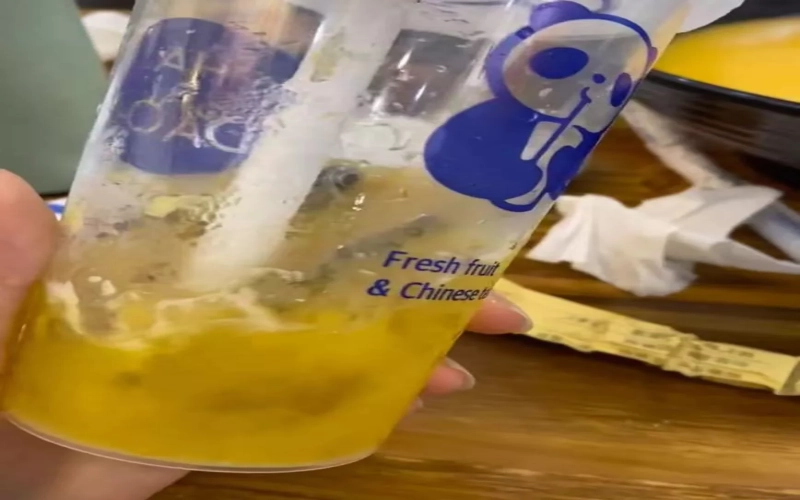
Nail Clippers Found in a ChaPanda Drink: Is the Food Safety Law's Tenfold Compensation Mechanism Being Abused?
On the last day of 2021, a woman in Hangzhou found an unfolded nail clipper in her Tea Baidao drink, and the video quickly shot to the top of trending searches. Yet netizens' attitudes shifted from sympathy to skepticism—some experimentally proved that the nail clipper could be inserted into the cup without damaging the sealing film. Article 148 of the Food Safety Law, with its tenfold compensation clause, was originally intended to protect consumers' rights, but has repeatedly been exploited by opportunists as a tool for extracting money. Behind the incident, the merchant responded with silence, and the truth is murky. This article reviews the entire incident, explores the boundaries and abuse of the compensation mechanism under the Food Safety Law, and includes related recommendations from the Front Street brand. [more…]
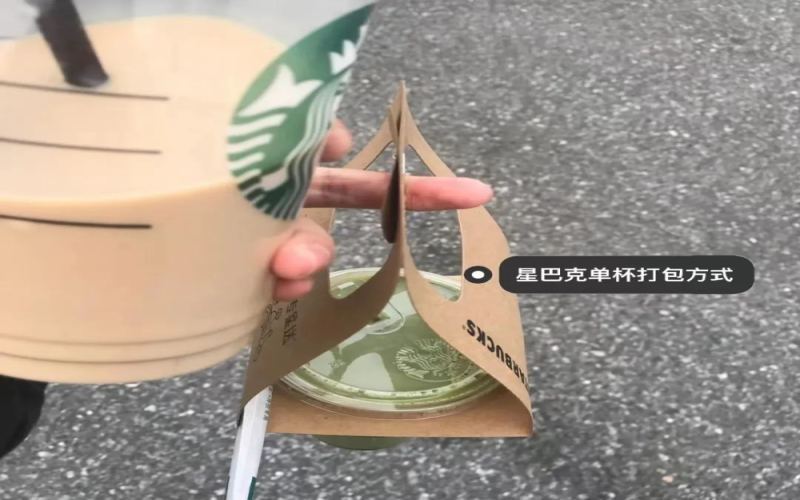
Starbucks Paper Single-Cup Takeout Bags Repeatedly Criticized: How to Balance Environmental Ideals and Practical Experience
Starbucks has been actively promoting eco-friendly packaging, from coffee-ground straws to non-woven bags, and now to the paper single-cup carrier bags that are commonly used today—each step reflects the brand's pursuit of sustainable development. However, this seemingly clever design has frequently drawn complaints from consumers, especially cyclists, who report that the handles break easily, the cup bottoms may fall out, and the paper edges can even cut your hands. Between environmental protection and practicality, how should Starbucks strike the balance? This article will trace the evolution of the carrier bags, present real user feedback, and bring in industry perspectives such as those from Front Street Coffee, to explore the packaging dilemma behind a cup of coffee. [more…]
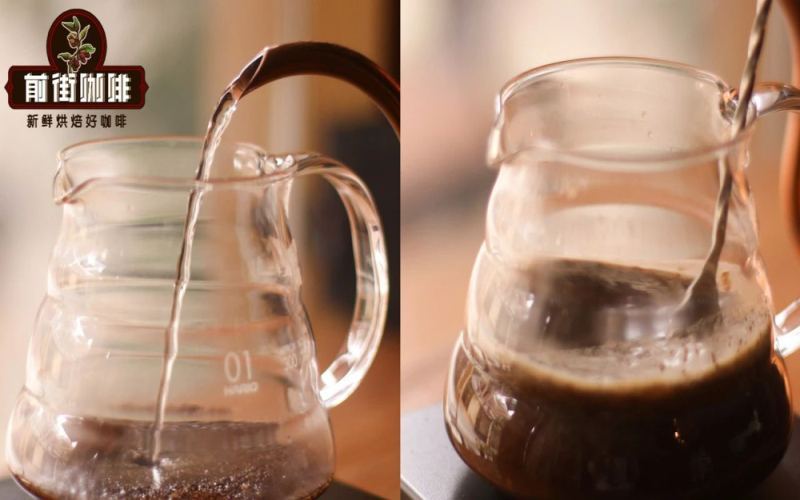
Making Cold Brew Latte Without a Coffee Machine: Detailed Method and Flavor Analysis of Home Milk-Brewed Coffee
Want to enjoy a silky-smooth latte at home but lack an espresso machine or other complicated equipment? In fact, as long as you master the core principle of cold extraction, you can easily make a full-bodied, easy-drinking milk-brewed latte with no fuss. This article starts with the flavor advantages of milk-brewed coffee, explains why cold extraction reduces bitterness and preserves aroma, and fully shares Front Street Coffee's recommended fresh milk choices, suitable coffee bean varieties, and specific brewing parameters and steps, including the coffee-to-milk ratio, grind size, and steeping time. It also includes a lazy version and storage suggestions to help you avoid the risk of milk spoiling. Whether you're a coffee beginner or a seasoned enthusiast, you'll find a practical and delicious home coffee solution here. [more…]

Peet's Hojicha Latte New Release Sparks Controversy: Dark Appearance Criticized, Powdery Bitterness Called Poor Value for Money
Peet's Coffee recently launched a new hojicha series—Hojicha Latte and Lucky Hojicha Latte. Originally expected to ride the momentum of its matcha latte, the drinks instead sparked widespread discussion among consumers over their appearance and taste. Some netizens bluntly said the dark, paste-like look was a "turn-off," and that the visual appeal dropped once the lid was opened; on taste, feedback also pointed to a heavy powdery texture and pronounced bitterness. Although some consumers familiar with hojicha processing explained that the dark color is normal, the controversy still centered on whether the thirty-plus yuan price tag matches the quality. This article compiles feedback from various sides and retains relevant Front Street Coffee recommendations for coffee enthusiasts' reference. [more…]
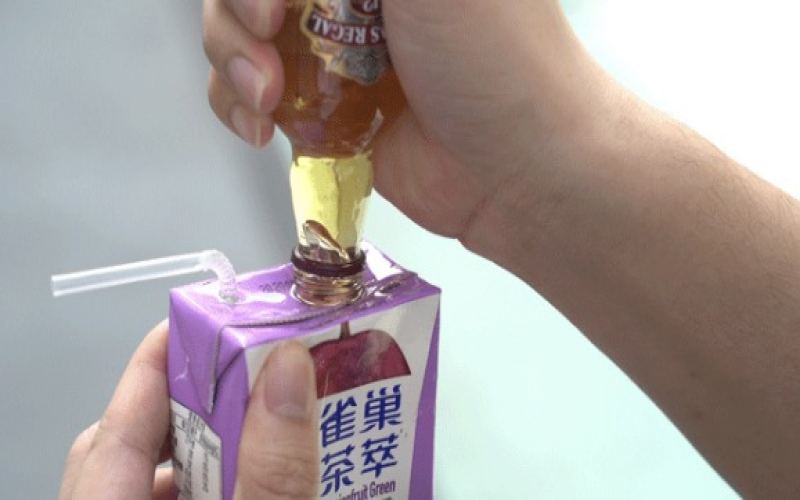
7-Eleven Tests a Self-Service Cocktail Station: Can Convenience Store Cocktails Mixed with Coffee Become the Next Big Trend?
In the past two years, convenience store cocktail mixing has unexpectedly gone viral, with netizens using soft drinks, coffee, and mini liquor bottles to create all kinds of DIY concoctions. 7-Eleven recently piloted a self-service cocktail mixing area at a store in Beijing, offering four popular base spirits along with trending online recipes, allowing consumers to experience coffee cocktails at a lower cost and in a more elegant way. This move not only lowers the barrier to DIY but also reflects young people's blurring of the boundaries between coffee and alcohol consumption scenarios. This article takes you through the past and present of convenience store cocktail mixing and explores whether alcohol and coffee can be consumed together. [more…]
How to Make a Latte Without a Coffee Machine: A Complete Guide to Easy Homemade Cold Brew Milk Coffee
Want to enjoy a silky, smooth latte at home but don't have an espresso machine? In fact, with just a few simple steps and a long, low-temperature steep, you can make a full-bodied, guilt-free cold brew milk coffee. This article breaks down the principles of milk brew coffee in detail, explaining why low-temperature extraction avoids bitterness and preserves aroma, and walks you through choosing beans and milk, along with specific coffee-to-milk ratios and steeping times. From gathering ingredients to the lazy version of the method, plus tasting and storage tips, this covers everything so you can easily achieve latte freedom at home. [more…]