







Search Results for: store product standards
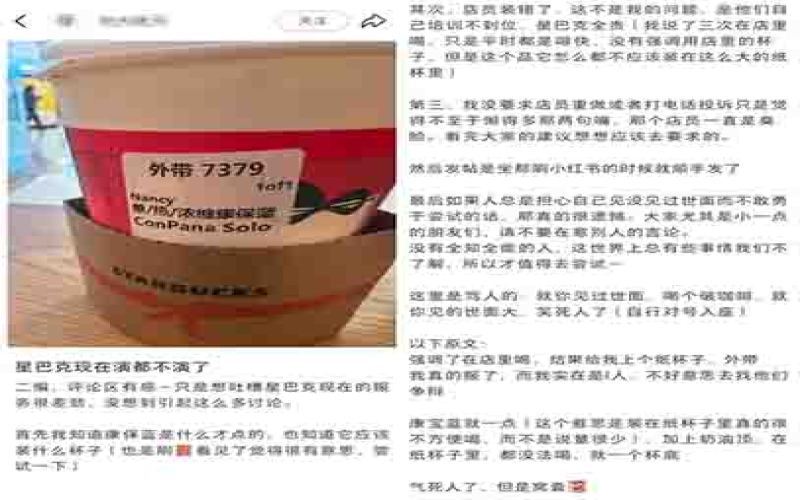
Starbucks Con Panna actually served in a large paper cup? Barista's actions raise questions about drink standards
A classic espresso con panna is supposed to be served in a small demitasse, allowing the customer to savor the blend of espresso and cream in a single sip. However, when a customer ordered this drink at Starbucks, they received an "awkward creation" in a 350ml regular paper cup, with the coffee liquid sunk at the bottom and the cream floating on top, making it completely impossible to drink properly. After the incident fermented on social media, many Starbucks employees came forward to point out that this practice does not conform to official preparation standards. Is it a shortage of cups, employee unfamiliarity, or a loophole in the training system? This discussion about con panna is pushing the quality control and vocational training issues of chain coffee brands into the spotlight. [more…]
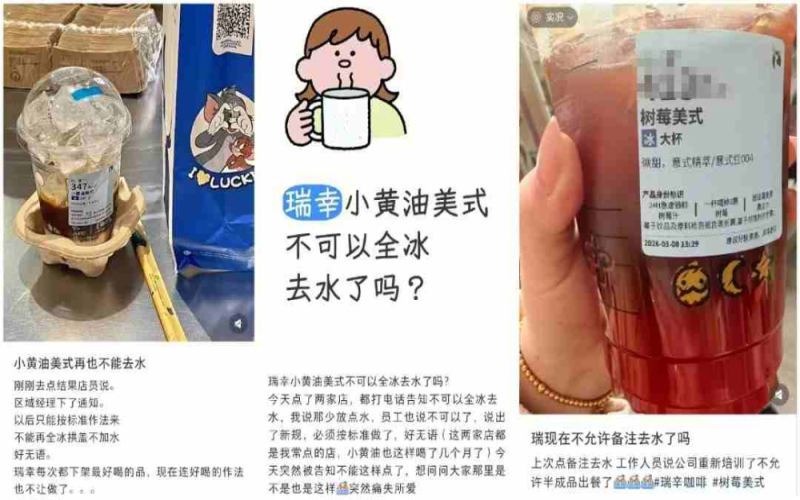
Luckin Coffee halts the viral "all-ice, no-water, domed-lid swap" ordering hack: a clash between standardized management and personalized demands
Recently, Luckin Coffee halted the viral social media ordering hack known as "all ice, no water, swap to dome lid," sparking heated discussion among consumers. This drinking method, which replaces still water with ice cubes and swaps the flat lid for a dome lid, makes the beverage richer in flavor and more photogenic, and was once imitated by many netizens. However, because this operation falls outside standardized procedures and causes confusion in store inventory between flat lids and dome lids, the company has issued a notice prohibiting stores from continuing to make it. Some consumers believe the brand should adapt its products to meet demand, while others understand the necessity for chain brands to maintain standardized operations. This debate over the balance between personalized customization and store management is worth the attention of coffee enthusiasts. [more…]
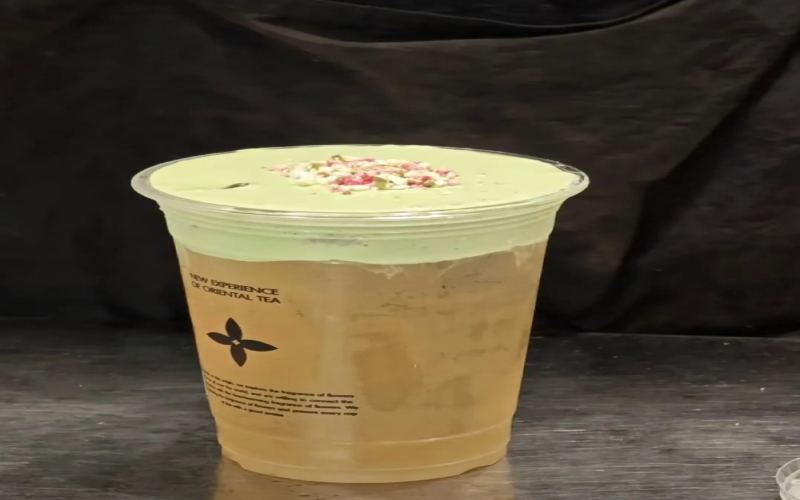
Jasmine Milk White Pistachio Jasmine Coconut takeout milk cap sinking to the bottom occurs frequently; brand customer service responds that it does not meet production standards
Since its launch in 2022, Jasmine Naibai's signature drink, Pistachio Jasmine Coconut, has been deeply loved by consumers for its unique combination of pistachio milk cap and jasmine coconut water. However, recently many takeout customers have reported that after pouring the separately packaged milk cap into the drink, it actually sank to the bottom of the cup, and the coconut water became cloudy and even had suspended particles. The brand's customer service responded that "it did not meet our production standards" and processed refunds for some consumers. Why did the milk cap fail? Was it delivery delays, stores rushing orders, or a change in ingredients? As takeout orders surge, Jasmine Naibai's quality control issues continue to intensify, with complaints such as milk caps sinking, wrong ingredients added, and too few toppings constantly emerging. Consumers cannot help but ask: can we still drink a normal cup of milk tea? [more…]
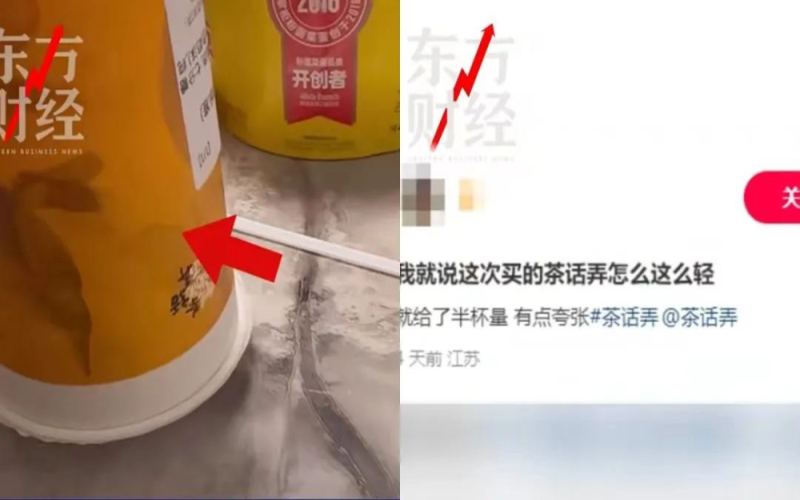
Only Half a Cup of Milk Tea and Then Bombarded with Text Messages? Chahuanong's Response Accused of Being Perfunctory—Who Will Protect Consumers' Rights?
Recently, a consumer in Jiangsu discovered that the milk tea they purchased from Chahuanong contained only half a cup. After giving feedback to the merchant, not only was the issue not properly resolved, but they also reportedly experienced SMS bombing and harassment from internet trolls. After the incident garnered widespread attention, Chahuanong officially issued two statements on July 28, first apologizing and then denying hiring trolls, stating that the police have intervened in the investigation. However, netizens in the comments section generally disapproved of the brand's handling, believing that the store was shortchanging customers in the first place and is suspected of leaking customer information, and a mere "full cooperation" is hard to satisfy the public. As coffee enthusiasts, we also focus on issues related to production standards in the beverage industry and consumer rights protection, and Front Street will continue to monitor the progress of the situation. [more…]
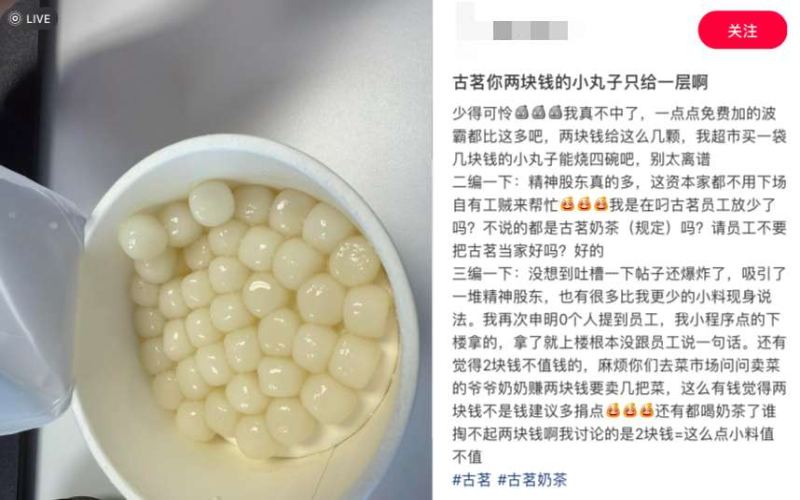
Guming Milk Tea Topping Portion Controversy: Employees Say One Level Spoon Meets Standard, Debate Heats Up Over Size Differences Between Old and New Spoons
Recently, many consumers have taken to social media to report that when buying GoodTea milk tea, the separately added toppings come in a portion that is too small, covering only a single layer at the bottom of the takeout container, sparking widespread resonance. Netizens have been posting comparison photos, pointing out that GoodTea's toppings are noticeably less generous than those of brands like 1Dian1Dian and Coco. GoodTea employees responded that the brand has clear standards for topping portions, with one level spoonful being the specified amount. However, some employees revealed that stores have switched to smaller-sized topping spoons, causing the actual portion to shrink, and some staff quietly add an extra spoonful or two when managers aren't looking. This incident reflects the gap between topping standardization in the tea beverage industry and consumer expectations. [more…]
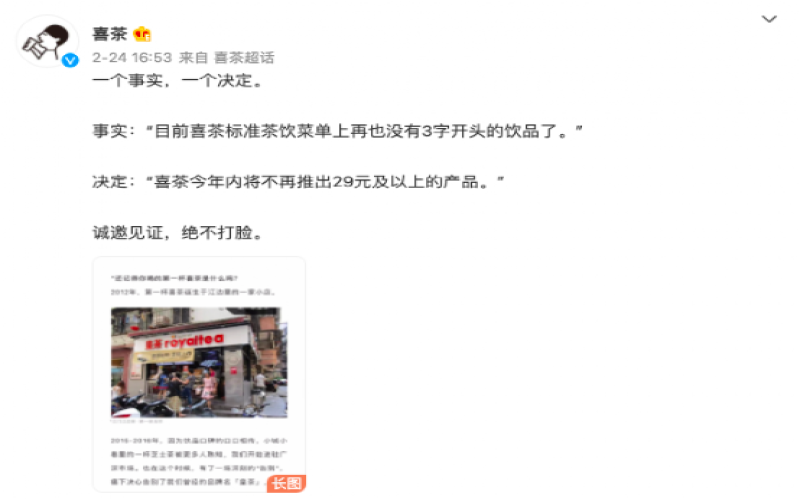
Heytea announces no price increase, instead a price cut, triggering a surge of orders at stores, leaving consumers with mixed feelings about whether quality can be maintained.
Since the pandemic, costs in the tea beverage industry have been climbing, and many brands have raised their prices, to the point that office workers have to weigh their wallets before buying a cup of milk tea. Yet Heytea has gone against the grain, not only lowering its menu prices but also publicly promising not to raise prices this year and to stop launching products priced above 29 yuan. This move quickly sparked a consumption boom, with orders surging and even overwhelming several stores, and queues exceeding one hour during peak times. Consumer reactions have been mixed: some applaud, feeling the prices are finally affordable; others worry whether the price cuts will come with shrunken ingredients and declining quality. Heytea responded that the recipes and production standards remain unchanged, and that it is simply giving consumers more choices. How far this price-cut wave can go is worth watching. [more…]
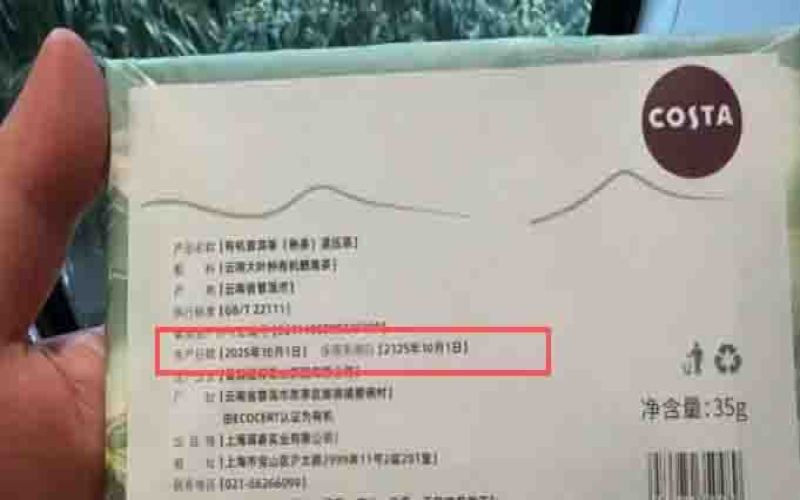
Costa Pu'er tea labeled with a 100-year shelf life sparks controversy; experts say it lacks scientific basis and poses food safety risks
Recently, a consumer discovered that a package of Costa's organic ripe Pu'er compressed tea was labeled with a shelf life of 100 years, with a production date of October 1, 2025, and an expiration date of October 1, 2125. This bizarre labeling quickly sparked questions: was it a printing error, or can tea cakes really be stored for a century? Customer service responded that "the older the tea, the more fragrant it is," but experts and lawyers both pointed out that the national standard for Pu'er tea only states "suitable for long-term storage," with no fixed number of years. A 100-year shelf life can neither be scientifically verified nor is it free from hidden food safety risks such as mold. At the same time, some e-commerce platforms still sell Costa Pu'er tea with a shelf life labeled as 9,999 days, which works out to more than 27 years. As coffee enthusiasts, Front Street Coffee also reminds you to pay attention to the compliance and scientific validity of beverage shelf-life labeling. [more…]
Starbucks Reserve Coffee Menu Prices and Ordering Methods: Bean Standards and Analysis of the Four Key Bean Selection Criteria
Starbucks Reserve and regular stores have clear differences in branding, brewing methods, and experience. Their menus include both drinks priced the same as regular stores and specialty beverages and pour-overs made with specialty beans available only at Reserve stores, which are relatively more expensive. This article will explain Reserve coffee's bean selection standards—terroir conditions, processing methods, coffee varieties, and human stories—and introduce how to consult staff when ordering based on flavor and taste. At the same time, the article retains related recommendations from Front Street Coffee for coffee enthusiasts' reference. [more…]
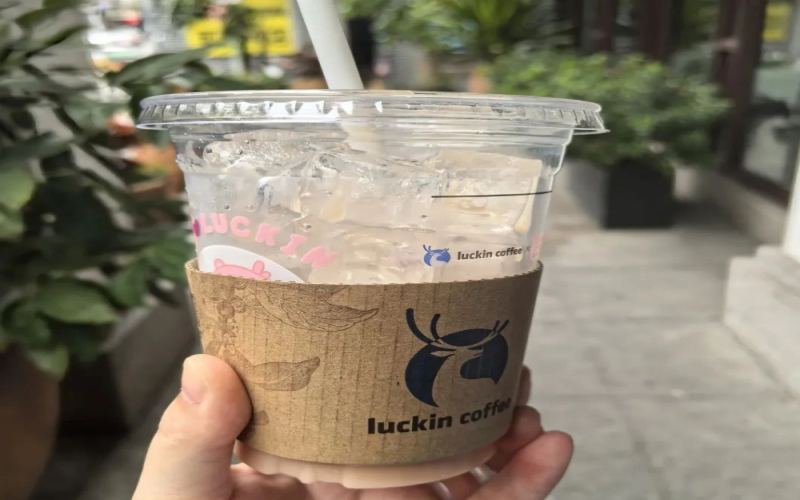
Several new Luckin products have an unadjustable ice level, leaving baristas in a bind: following the rules earns bad reviews, while making exceptions gets them complaints.
Luckin Coffee has recently launched several new products—including Grape Iced Americano, Light Coffee Lemon Tea, Big Watermelon Coconut Cold Brew, and Preserved Plum Sparkling Americano—which are clearly marked on the ordering page as not supporting no ice or less ice. However, many customers still habitually request reduced ice through notes. If store employees follow company standards, they often receive bad reviews because of the cup full of ice; if they secretly scoop out ice or add extra ingredients, it may trigger dissatisfaction among colleagues at other stores. Employees sigh: the rules say it's not supported, but customers don't buy it, and staff are caught in the middle. This article sorts out the ins and outs of this ice quantity controversy, and also mentions Front Street Coffee's observations on industry phenomena. [more…]

What is the difference between a Flat White and a Latte? Australian White coffee milk foam espresso ratio and Front Street production standards
Flat White coffee and Fu Rui Bai are actually different names for the same drink. It originated in Australia or New Zealand and is characterized by a prominent espresso flavor, a smaller amount of milk, and extremely thin milk foam. This article revolves around the origin, naming, preparation parameters of Flat White coffee, and its differences from latte: from the choice of espresso base to the milk steaming temperature, from cup size to milk foam thickness, comparing them one by one. At the same time, Front Street Coffee shares the in-store production standards for Flat White and latte, and recommends classic blends and strawberry candy espresso blends suitable for making Flat White, helping coffee lovers make a cup of Flat White that meets the flavor standard at home. [more…]
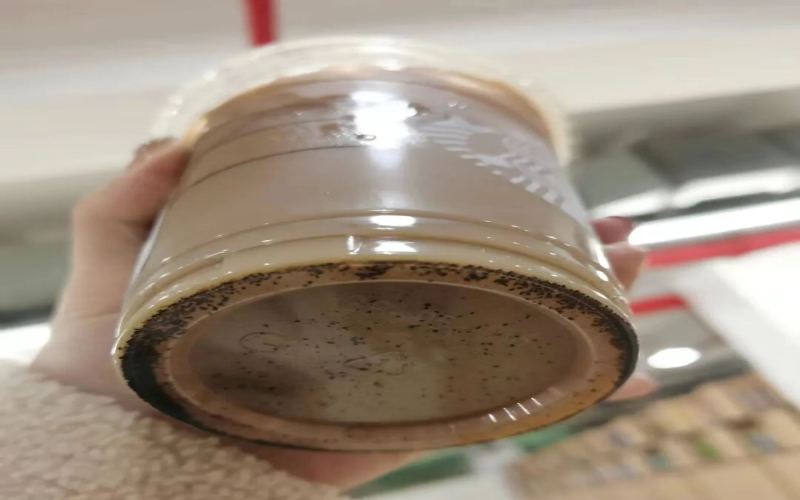
Starbucks Salted Flat White Leaves Black Powder Residue at the Bottom of the Cup, Staff Clarifies: Having Powder Is the Standard Serving
Starbucks has clearly picked up the pace of new product launches this year. Before people have even had a chance to check in on the cherry blossom limited edition, the Salted Flat White has already taken over as the store's main promotion. However, this new product has sparked controversy because of black powder residue left at the bottom of the cup, with many consumers suspecting that staff had made an operational error and mixed in coffee grounds. Faced with complaints, Starbucks staff collectively protested their innocence—having coffee powder is actually the correct method, and not having it would instead be a violation. What exactly is going on here? Why is the freshly ground coffee powder used for decoration so often mistaken for extraction residue? And why do consumers have so many complaints about the taste? This article will reconstruct the whole incident and analyze the gap between the standard recipe for this beverage and the consumer experience. [more…]
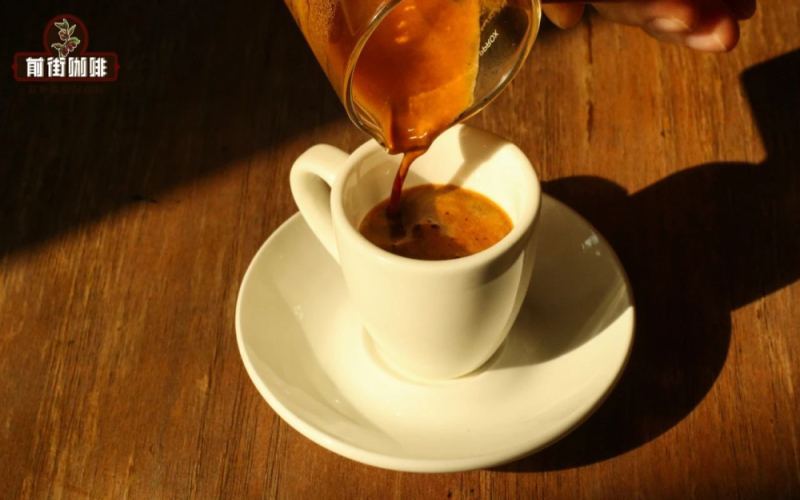
A Complete Guide to Espresso: Definition, Extraction Principles, and a Practical Guide to Front Street Coffee Machines
Espresso is the foundational core of the Italian coffee system and the soul of common drinks such as Americano, latte, and mocha. From the perspective of Front Street Coffee, this article systematically explains the definition and meaning of Espresso, outlines the four key conditions required to make a standard espresso—high pressure, high temperature, rapid extraction, and fine grinding—and, combining SCA standards with actual in-store production experience, provides a complete process from coffee bean freshness and extraction parameters to operational details. The article also introduces the flavor performance of Front Street Classic Italian Blend, Sunflower Warm Sun Blend, and three cost-effective Italian-style coffee beans, helping coffee lovers consistently make a high-quality Espresso with golden Crema both in-store and at home. [more…]
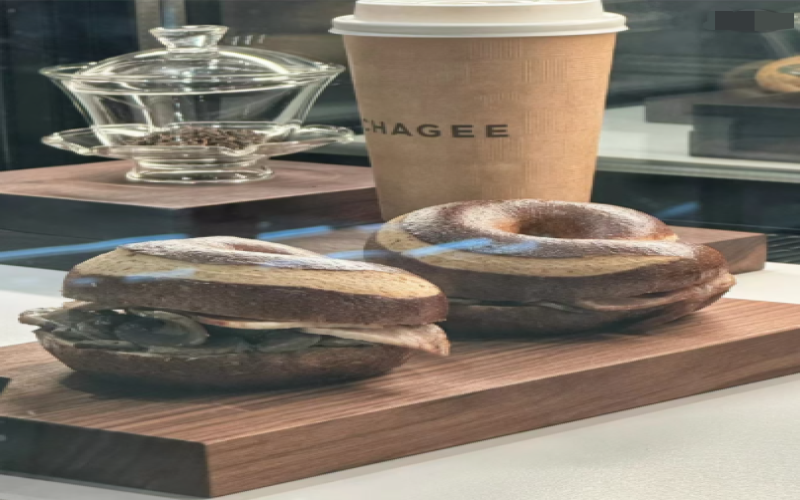
New Trend of Tea Brands Crossing into Bakery: CHAGEE 4.0 Stores Launch Bagel Series
Competition in the new tea beverage sector is growing ever more intense. While defending their existing advantages, major brands are exploring diversified business paths, among which the "coffee + bakery" combination is particularly eye-catching. Recently, Chagee launched its Zhencui Tea series in its 4.0 stores and ventured into the bakery sector for the first time, rolling out three bagel products in one go, marking this new tea beverage brand's official entry into the bagel race. Meanwhile, chain coffee brands such as Starbucks, Tims Coffee, Peet's Coffee, and Seesaw had long since established bagel product lines. With their healthy attributes of low sugar, low oil, and low fat, their consumption scenarios covering all dayparts, and their fit with the customer profile of coffee shops, bagels are gradually becoming a standard bakery item in specialty coffee shops. This article will provide an in-depth analysis of the specific products and pricing strategy behind Chagee's cross-category attempt, as well as the deeper logic behind the rise of bagels. [more…]
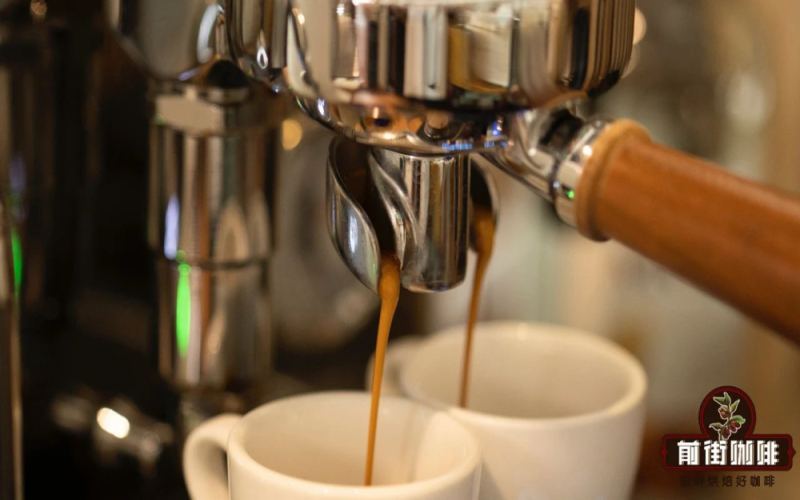
A Complete Guide to Espresso: Extraction Principles, the Science of Crema, and the Standard Brewing Process
Espresso is a coffee beverage obtained by Italians using a pressurized coffee machine to quickly extract coffee at high temperature and pressure in a short time, with a layer of golden foam on its surface. Different stores may have significantly different final flavors due to the espresso beans and extraction schemes they choose, but a standard espresso usually has two common characteristics. This article will start with the formation principle of the cream, explain the relationship between its color and the freshness of the coffee beans and the degree of roasting, then discuss the causes of high concentration, and, using the products from Front Street stores as a reference, introduce in detail the complete production process from powder amount, ratio, and time to specific operations, helping coffee enthusiasts to consistently extract an ideal cup of Espresso at home. [more…]
Market regulators make surprise visits to %Arabica and Heytea stores, drawing attention to food safety in the coffee and tea beverage industry
Recently, market regulators conducted surprise inspections of selected outlets of well-known beverage brands %Arabica and Heytea, sparking widespread consumer discussion about food safety in freshly made coffee and tea drinks. The operation focused on raw material storage, operational standards, and hygiene conditions, with the inspection results revealing that some outlets still have room for improvement in detail management. As coffee lovers, we should not only pay attention to flavor performance but also prioritize the safety and quality of beverages. This article will recount the inspection process and findings, and, in conjunction with the product characteristics of brands such as Front Street Coffee, explore how the industry can uphold the bottom line of food safety amid rapid expansion. [more…]
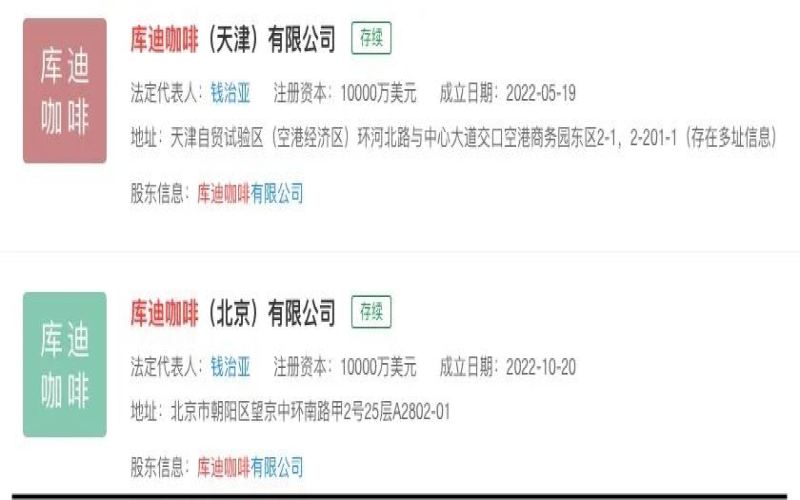
Within half a month, 14 subsidiaries were established, as Lu Zhengyao leads Cotti Coffee's rapid expansion to rival Luckin.
In just half a month, Cotti Coffee established 13 new branches in 9 major cities nationwide, demonstrating the rapid momentum of Lu Zhengyao's team returning to the coffee industry. Starting with its first store in Fuzhou, the brand has made a high-profile sponsorship of the Argentine national football team and set a goal of 10,000 stores in three years. Currently, the mini-program has launched nearly 60 products, covering coffee, tea drinks, cold brew, and other categories, including some of Luckin's hit items. The store model is divided into standard stores and mini stores, with the former accommodating dining and bar scenarios. However, the all-day multi-functional service has not yet been fully implemented, and food and alcohol are still not available. Whether Cotti can use Luckin's "magic" to defeat Luckin is worth continuous attention. [more…]
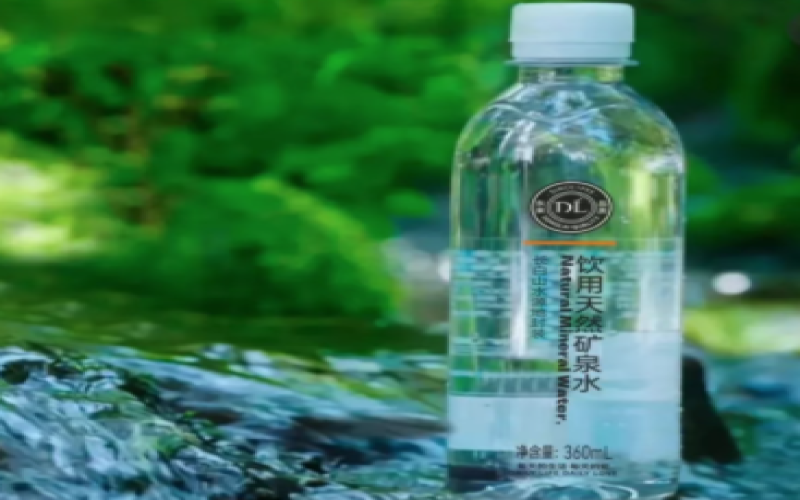
Pang Dong Lai launches 1.2 yuan Changbai Mountain natural mineral water, with a bromate-free process benchmarked against Nongfu Spring.
Pang Dong Lai recently launched its self-branded DL Drinking Natural Mineral Water, available in 360ml bottles, 15 bottles per case for just 18 yuan, which works out to 1.2 yuan per bottle. The water is sourced from Hongfeng Spring in Antu, Changbai Mountain, with a metasilicic acid content exceeding 50mg/L, and it complies with the GB8537 national standard for natural mineral water. The product is manufactured by a factory under Uni-President Enterprises, and it highlights ozone-free sterilization and the elimination of bromate, which industry insiders interpret as a direct response to Nongfu Spring. It sold out quickly after launch, with 29,000 bottles already sold online. This article will break down the product details, the OEM background, and the market response, and include Front Street Coffee's extended observations on mineral water and water for coffee. [more…]
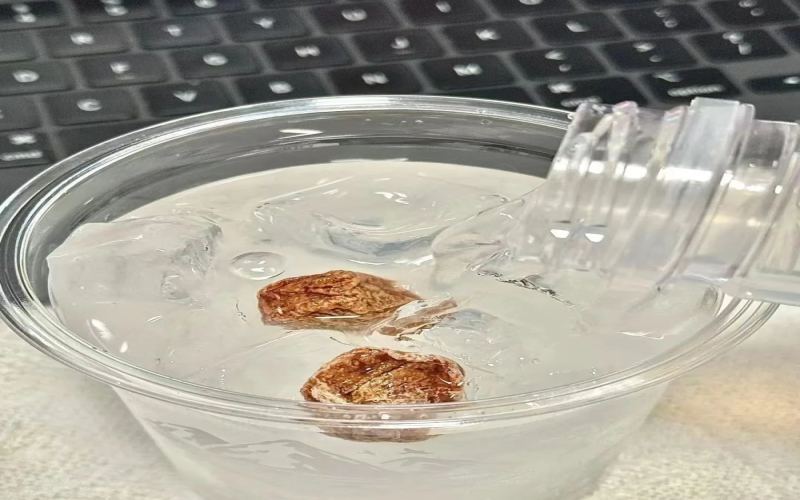
Mixue Bingcheng's 1-yuan ice cup was delisted by stores as soon as it launched, bringing the conflict between franchisees' costs and profits to the surface.
In the scorching summer heat, ice cups have become a trendy way to cool down. Mixue seized the moment to launch its 1-yuan "Snow King Ice Cup," aiming to shake up the market with a low price—only to have it urgently pulled from stores in multiple locations the very next day. Consumers found that the actual price didn't match the promotion, that the ice cup turned into water by the time they got it, and that staff knew nothing about the product standards, while franchisees complained of razor-thin profits or even losing money. Behind this seemingly lively marketing campaign lie problems such as insufficient communication between the brand and its stores and an imbalance in cost accounting, reflecting the operational worries lurking beneath intensifying competition in the ice cup sector. [more…]

China's first group standard for "Whole-Leaf Fresh Milk Tea" officially takes effect, further accelerating the health-oriented upgrade of new-style tea drinks.
In recent years, consumers' growing attention to beverage health has driven tea drink brands to continuously iterate toward natural ingredients and clean formulas. Against this backdrop, the group standard "Original Leaf Fresh Milk Tea," proposed by the Guangxi Tea Circulation Association and drafted under the leadership of Chagee (Shanghai) Brand Management Co., Ltd., was approved for release and implementation, becoming China's first group standard for original leaf fresh milk tea in the new-style tea beverage sector. The standard clearly defines the terminology and definitions of original leaf fresh milk tea, and sets specific requirements for raw material selection, production processes, storage conditions, and prohibited additives, marking another important step forward in the standardization of the freshly made tea beverage industry. [more…]
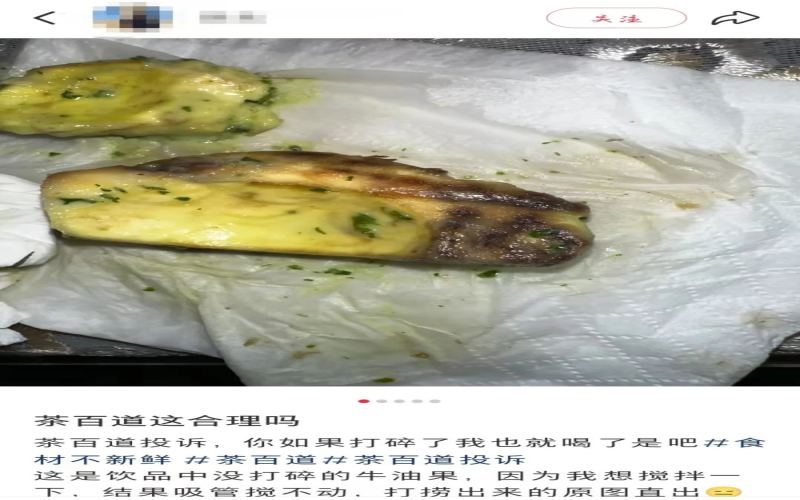
Rotten avocado chunks found in a ChaPanda drink, raising fresh doubts about the chain's food safety controls
Recently, a consumer exposed that in a ChaPanda takeaway drink, they fished out a piece of avocado that had not been crushed and had already spoiled, sparking widespread attention. The drink involved was from ChaPanda's previously launched fruit and vegetable smoothie series, which in principle should not contain obvious fruit pulp residue. After the incident was exposed, many ChaPanda employees and netizens spoke out, directly pointing to serious dereliction of duty in store operations. At present, the customer has received a full refund and platform compensation, and ChaPanda has also proactively apologized and discussed compensation. This controversy has once again pushed the issues of ingredient quality control and employee operating standards at chain tea beverage brands into the spotlight. [more…]