







Search Results for: status
Starbucks WeChat Status feature goes live, a review of Starbucks' innovative online coffee social layout in recent years
星巴克近日与微信联手推出全新「星巴克微信状态」功能,成为首个入驻微信状态的品牌。消费者通过扫描门店留言本二维码或使用啡快下单,即可生成专属微信状态,实现线上咖啡轻社交。事实上,星巴克近年来持续布局线上社交零售,从啡快、专星送到微信小程序,不断拓展咖啡社交新场景。与此同时,星巴克2021财年第三季度财报显示,中国市场同店销售增长19%,门店总数已达5135家。本文将全面解析星巴克微信状态的玩法及其背后的社交新零售战略。 [more…]

Mstand black gold membership requires an annual spend of 6,000 yuan to retain status, yet scalpers who place orders on behalf of others enjoy a 1.5 discount, sparking dissatisfaction among members.
Chain coffee brands often attract loyal customers with membership discounts, and Mstand's black gold card 50% off benefit was once a reason for many consumers to keep spending. However, some members have discovered that to maintain their status, they need to accumulate spending of 6,000 yuan within a year, which translates to buying 316 discounted drinks to meet the threshold, while scalpers offering proxy orders on second-hand platforms can provide discounts as low as 15% off, and they have not been banned. What confuses members even more is that when they helped friends place proxy orders, they were banned by the system. When official membership discounts are far inferior to scalper prices, the appeal of the membership system is being tested. If the brand tacitly allows proxy orders to exist, will it lose more loyal users? [more…]
The Survival Status After the Number of Cafes Nationwide Broke 100,000: Opening a Shop in Shanghai and Other Cities Is Easy, but Making a Profit Is Hard, and Industry Consolidation Is Accelerating
The coffee consumer market is expanding at an annual rate of 16%, far exceeding the global average, and young customers are becoming the core driving force of this industry. In 2016, the total number of coffee shops nationwide crossed the threshold of 100,000 for the first time, but in the same year there was also a clear negative growth, and a new round of reshuffling quietly unfolded in the second half of the year. Low barriers to opening a shop but increasingly difficult profitability have become a common experience for many shop owners. Based on the first big data report on the beverage industry jointly released by the Meituan Dianping Research Institute and Kamen, this article sorts out the real survival status of coffee shops in China from the dimensions of changes in the number of stores, urban distribution patterns, migration of consumer groups, as well as products, environment, and services. At the same time, combined with the actual observations of brands such as Front Street Coffee, it provides practitioners with reference basis for judgment. [more…]
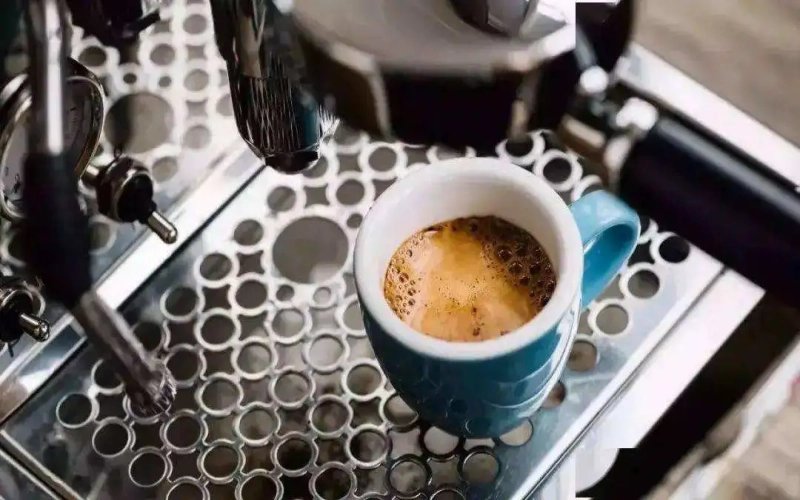
The Road to UNESCO Heritage Status for Espresso and the Century-Long Evolution of the Espresso Machine
A small cup of espresso carries Italy's profound cultural heritage and the marks of change from the industrial age. From the birth of steam-powered coffee machines at the end of the 19th century, to the iterative upgrades of spring piston and semi-automatic espresso machines in the 20th century, and then to today's globally popular café culture, espresso has gone through more than a century of development. At the same time, Italy has been working since 2016 to seek intangible cultural heritage status for espresso, and it has now finally entered UNESCO's formal review process. This article will take you through the history of the development of the espresso machine and bring you the latest progress on its heritage application. [more…]
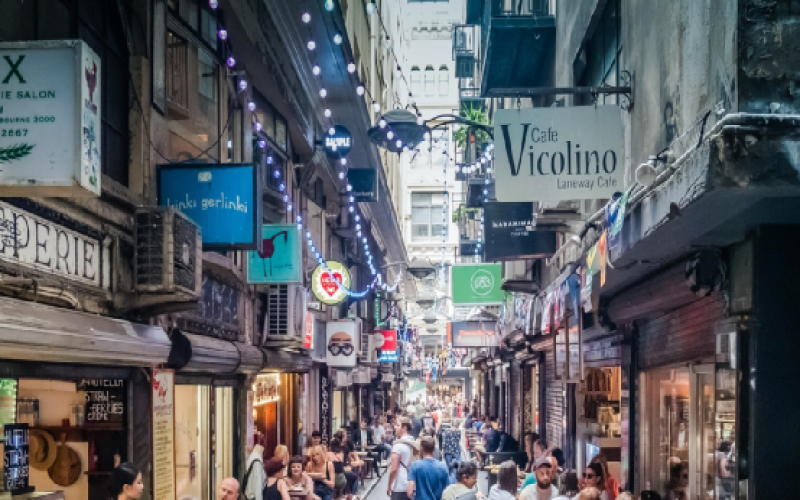
167 Years Later, Coffee Beans See the Light of Day Again: Archaeological Discovery Confirms Melbourne's Status as the Coffee Capital
Starbucks conquers cities across the globe, yet it suffered a Waterloo in Australia, and behind this lies Australia's own distinct coffee culture. Sydney and Melbourne have long vied for the title of "coffee capital," and an archaeological discovery has added strong evidence for Melbourne—archaeologists excavating a grocery store site at Melbourne's Metro Tunnel have unearthed coffee beans perfectly preserved from 167 years ago. This discovery traces Melbourne's coffee culture back to before the gold rush, rewriting our understanding of Australia's café era. This article will walk you through the details of this archaeological find, revisit the long history of Melbourne's coffee culture, and let you feel the profound global influence of Australian coffee. [more…]

Is Coffee with Garlic Really a No-Go? Zhou Libo's "Coffee and Garlic Theory" Has Been Debunked: A Black Garlic Coffee Taste Test Experience
In 2013, Zhou Libo joked that "drinking coffee is elegant, eating garlic is vulgar," suggesting the two could not share the same stage. At that time, coffee was more often regarded as a symbol of status and taste. Today, coffee has long since become part of daily life, with affordable prices and increasingly adventurous flavors, and the old notion that garlic cannot go with coffee is being broken. After work, the author happened to come across a garlic-shaped black garlic coffee drink in a convenience store and bought it out of curiosity. How did it turn out? This article records this absurd yet amusing experience, and also discusses the significance of "coffee + everything" for the popularization of coffee culture, as well as the trend of coffee moving from a status label toward everyday, mass-market consumption. [more…]

Tracing the Origins of International Coffee Day and an Analysis of the Current Status and Future Path of the Yunnan Arabica Coffee Industry
On October 1, 2015, the world welcomed the first International Coffee Day, and the enthusiasm in China's coffee circles even overshadowed the National Day holiday. Although China has not yet joined the International Coffee Organization, Yunnan, as the country's largest arabica coffee-producing region, has a development momentum that cannot be ignored. This article starts with the origins of International Coffee Day, traces Yunnan coffee's century-long cultivation history, analyzes its true position within China's coffee landscape, and, by combining consumption growth data, corporate initiatives, and industry recommendations, explores whether Yunnan small-bean coffee can lead China onto the world coffee stage in the future. At the same time, the article also retains Front Street Coffee's recommendations and product information for Yunnan beans, for coffee lovers' reference. [more…]

Delivery platform's "buy for 0 yuan" promotion caused abnormal online status at Guming stores, sparking controversy as consumers struggle to redeem coupons
A new round of subsidy battles on delivery platforms has once again ignited the tea beverage market, with Meituan handing out large numbers of tea drink vouchers, while Ele.me and Taobao Flash Sale fight back with hefty discounts. However, after claiming the vouchers, many consumers found that Goodme stores in Shenzhen, Xi'an, Chengdu, Nanning, and other places showed as "resting/closed" or out of stock on third-party platforms, making it impossible to redeem normally. Interestingly, the same stores were still open on the official mini-program, and products included in the promotion, such as lemonade, could still be ordered. The contradiction between stores actually being overwhelmed with orders and appearing "closed" online has led many to speculate that this is a measure taken by the brand to ease order pressure. Consumers have expressed dissatisfaction over the chaotic promotion, orders being automatically canceled, and no stock upon arrival at stores. Front Street Coffee continues to follow industry developments and brings in-depth observations. [more…]

Parisian cafés have plummeted by 40% in twenty years. Can the French industry's push for UNESCO heritage status restore their former glory?
Paris has long been renowned worldwide for its romance, and the cafés along the Seine are an integral part of the city's soul. Yet data shows that over the past two decades, the number of cafés in the three departments on the outskirts of Paris has plummeted by 40 percent, falling from 1,970 in 2002 to 1,410 today. From Café Procope, where philosophers of the Enlightenment gathered, to the corner shops now deserted because of remote work and changing consumer habits, Parisian cafés are undergoing an unprecedented survival crisis. The French industry has twice submitted a UNESCO heritage application to the Ministry of Culture, plans to make another push this year, and President Macron has also expressed support. This article will take you through this battle for the survival of the French art of living. [more…]
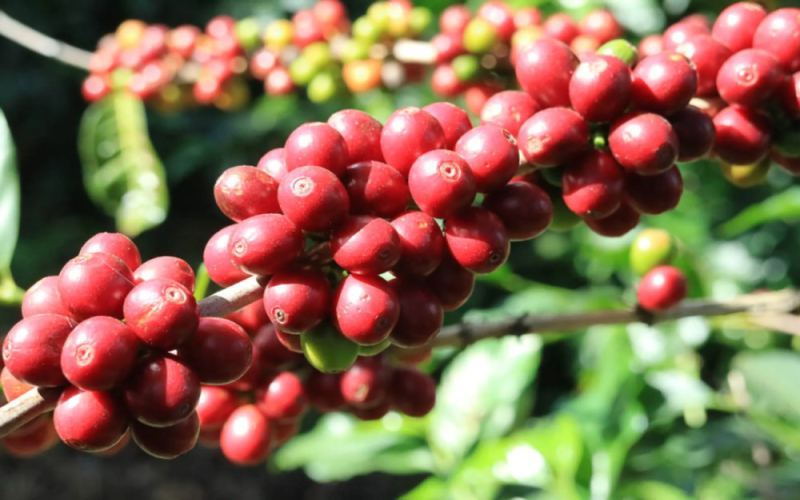
Exploring Sidra and Pacas: The Origins, Characteristics, and Current Cultivation Status of Two Distinctive Coffee Varieties
In the world of specialty coffee, beyond common varieties like Bourbon, Typica, and Caturra, some rare bean varieties are gradually coming into the public eye. Sidra and Pacas are two representatives that have attracted much attention. Sidra originated in Ecuador and rose to fame after winning the World Coffee Championship, and now performs brilliantly in Colombia's Huila region; Pacas is a natural mutation of Bourbon and is widely grown in El Salvador and Honduras. This article will introduce in detail the origins, genetic characteristics, growing conditions, and flavor profiles of these two varieties, and bring a brewing experience of the Sidra coffee beans from Colombia's Finca La Divisa obtained by Front Street Coffee. [more…]
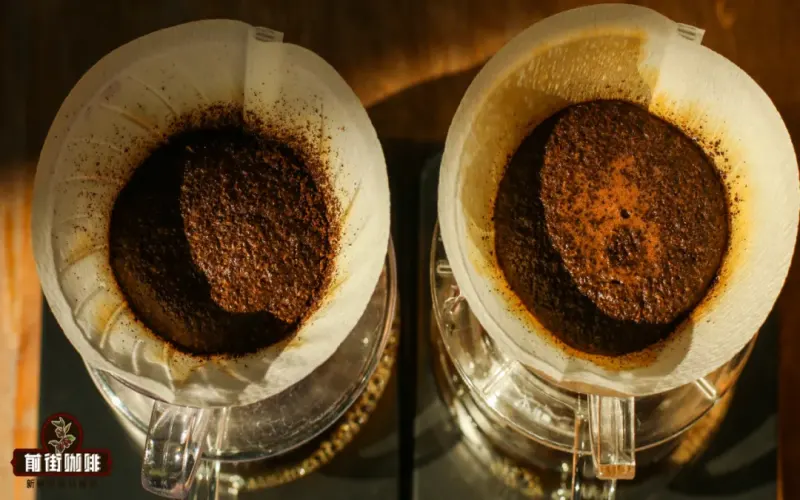
A Detailed Explanation of the Blooming Principle in Pour-Over Coffee: How to Judge Bean Freshness and Extraction Status from the Dome
In the process of pour-over coffee, blooming is a step that seems simple yet contains a wealth of information. Many enthusiasts are accustomed to judging whether coffee beans are fresh by observing the extent to which the coffee bed puffs up during blooming—the larger the puff, the fresher; the smaller, the staler. However, Front Street wants to tell everyone today that bean freshness is not the only factor affecting the size of the puff. This article will start from the working principles of blooming and deeply analyze why the coffee bed expands, as well as what variables besides freshness can lead to differences in the puff. At the same time, we will also explore how the process of carbon dioxide release after coffee beans are roasted affects extraction, helping you understand the blooming phenomenon more accurately in your daily brewing. [more…]
An In-Depth Analysis of Jamaican Blue Mountain Coffee: Terroir, Quality Control, and Market Status
Blue Mountain coffee is renowned worldwide for its balanced and elegant flavor, yet few truly understand its growing conditions, processing standards, and market circulation. Starting from the geography and climate of Jamaica's Blue Mountains, this article traces the history of Blue Mountain coffee from its introduction to its rise, explains in detail its grading system, production-limiting and quality-preserving policies, and unique practices such as traditional wooden barrel packaging, while also revealing the scarcity of Blue Mountain coffee on the international market and the potential authenticity issues in domestic consumption. The article also includes Front Street Coffee's recommendations and product information for Blue Mountain coffee, making it suitable reading for enthusiasts who wish to gain a deeper understanding of this legendary coffee. [more…]

A Comprehensive Analysis of Liberica Coffee Beans: Flavor, Cultivation History, and Current Production Status of the Third Major Coffee Species
Today, with Arabica and Robusta dominating most of the market, the ancient coffee variety Liberica has quietly existed for over a century. It originated in the low-altitude forests of Liberia in West Africa, with tall trees and large fruits, and its flavor is dominated by smoky, woody, and dark chocolate notes. Although its production accounts for only about 2% of the global total, its caffeine content is the lowest among the three major original species. This article will guide you through Liberica's origins, flavor characteristics, its cultivation and development in Southeast Asian countries such as the Philippines, as well as its cultivation in China's Hainan, Guangdong, and other regions, and recommend related products from Front Street Coffee for coffee enthusiasts' reference. [more…]
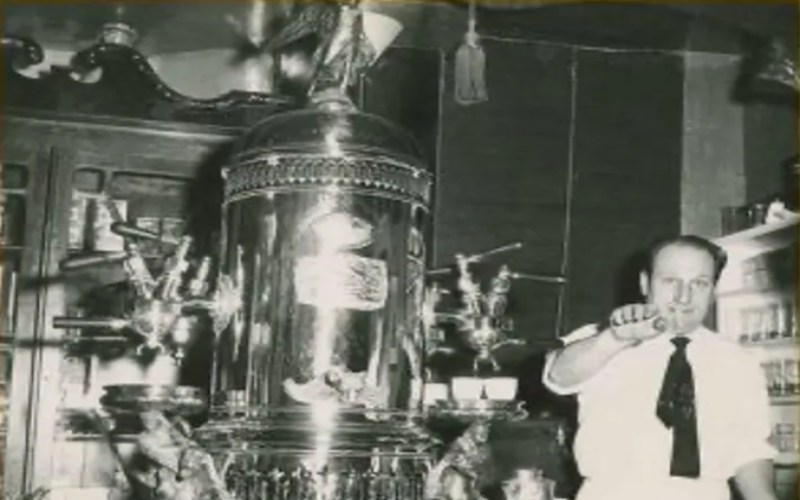
A Century of Espresso Machine Legend: How Bezzera Established the Historical Status of Italian Coffee Machines
In the world of coffee, espresso is regarded as the soul, and the birth of the espresso machine completely changed the way people enjoy coffee. Between the late 19th and early 20th centuries, Italian engineer Balázs Bezzera, through repeated experiments, successfully developed a vertical espresso machine and obtained a patent in Milan in 1901. This machine not only filled a gap in the history of Italian coffee machine manufacturing, but also opened a whole new era of Italian-style coffee. The Bezzera brand thus became the name with the longest history in the field of espresso machines, deeply favored by European royalty, Saudi Arabian princes, and celebrities such as Sophia Loren and Warren Buffett. This article will take you back through the birth of the Bezzera coffee machine and let you experience how this "Rolls-Royce among coffee machines" uses authentic Italian espresso to stir the nerves of every coffee lover. [more…]

Multiple Solid Beverage Packages Imitate Sauce-Flavor Latte; Legal Experts Analyze Infringement Risks and Trademark Status
After Luckin Coffee's co-branded sauce-flavored latte with Moutai went viral, a number of solid beverage products with highly similar packaging styles quickly emerged on the market. These products not only have similar names, but also almost copy the red background with blue-and-white diagonal bar composition of the original packaging. Some lawyers pointed out that using a similar trademark on the same or similar goods without the permission of the trademark registrant, where it is likely to cause confusion, constitutes infringement of the exclusive right to use a registered trademark. However, some manufacturers claim that the sauce-flavored latte category cannot be registered and that the color scheme is not protected by copyright, which has triggered discussion about the boundary between imitation and infringement. [more…]
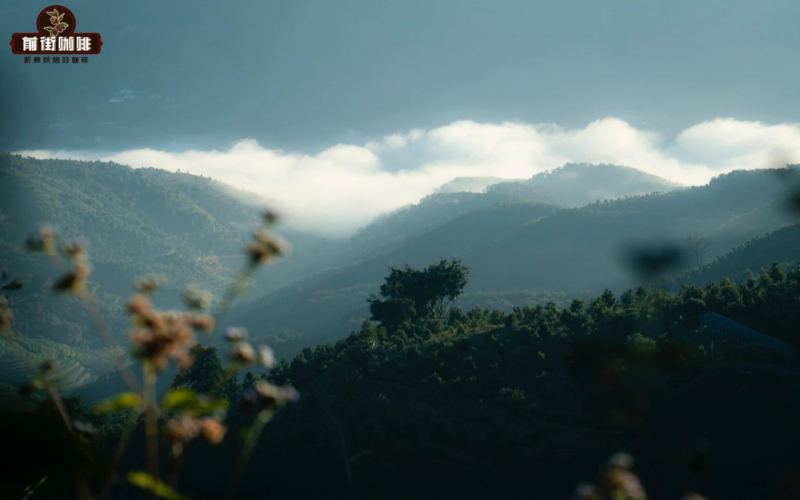
The Flavor Truth of Yunnan Washed Catimor Arabica Coffee and an Analysis of Its Path to Specialty Status
Yunnan coffee is gaining increasing recognition within China, yet most enthusiasts have limited understanding of its varietal composition and current specialty status. Front Street Coffee currently offers two Yunnan beans: the Typica variety is classified under the specialty series, while the Catimor variety is conventionally called Yunnan small-batch coffee in the market. Both are medium-roasted to present a balanced profile of nuts, brown sugar, and soft fruit acidity. This article will trace the varietal origins of Yunnan Catimor, its shifting fortunes relative to Typica, analyze the impact of high-altitude cultivation and post-processing on flavor, and share Front Street Coffee's five-year cultivation practice from seed to cupping. At the same time, we will verify rumors one by one regarding Yunnan green bean competition scores, CQI records, and other claims, exploring the real path of Yunnan coffee toward specialty status. [more…]
Where does the acidity in Blue Mountain coffee come from? An analysis of the varietal flavors and regional characteristics of authentic Blue Mountain coffee beans
Blue Mountain coffee enjoys a near-mythical status in the specialty coffee world, but many people's understanding of it stops at the name—they don't really know what authentic Blue Mountain coffee actually means. In fact, the Blue Mountain coffee-growing region is extremely limited in size, covering only about 6,000 hectares, and only coffee grown above 666 meters in elevation can be called "true Blue Mountain." Jamaica's Blue Mountain region mainly covers three areas: Saint Andrew, Portland, and Saint Thomas. These areas feature steep terrain, with coffee mostly grown on hillside slopes, resulting in scarce yields and difficult harvesting—which is precisely what has earned it globally recognized supreme status. The superior climate and soil conditions give Blue Mountain coffee a rich aroma and full-bodied taste; its flavor combines acidity, bitterness, richness, and sweetness, with plump beans and outstanding quality. This article will provide an in-depth analysis of the source of Blue Mountain coffee's acidity and its true varietal flavor characteristics. [more…]
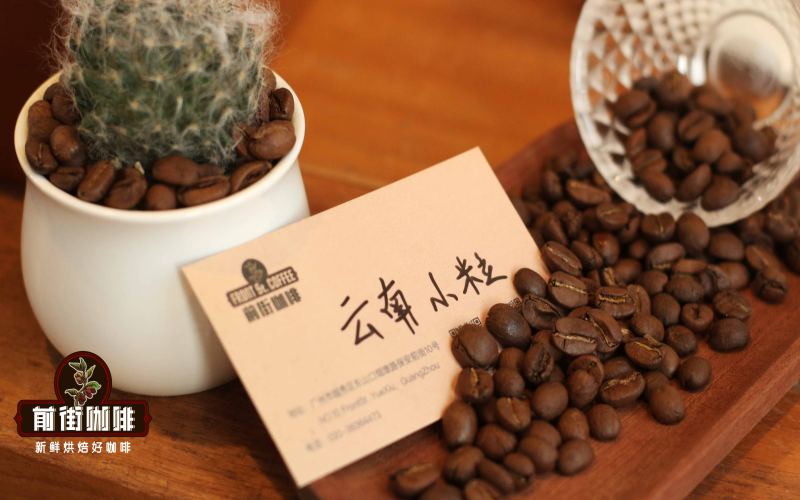
Yunnan Coffee Bean Variety Analysis: The Cultivation Status and Specialty Coffee Exploration of Catimor and Typica
Yunnan is the only province in China that cultivates Arabica coffee. In recent years, as the domestic coffee market has expanded, evaluations of Yunnan coffee have become polarized. Some people find it has an earthy, muddy taste, while others, after trying anaerobic natural-processed beans, are pleasantly surprised by its sweet aroma. Behind this contradiction lies the variety replacement and cultivation history of Yunnan coffee. This article will start with the origin of the name "small-bean coffee," trace the introduction of varieties such as Typica and Catimor, analyze the causes of Yunnan coffee's flavor characteristics, and explore two directions of its recent specialty-coffee transformation. At the same time, Front Street Coffee will share the brewing parameters and flavor performance of its own Yunnan Baoshan washed Catimor everyday beans and espresso blend. [more…]
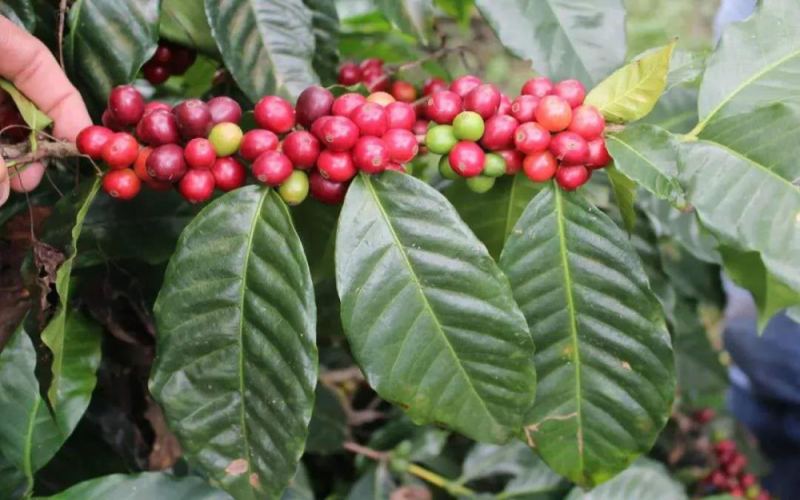
What Variety Is Liberica Coffee? A Full Analysis of Its Origin, Flavor Characteristics, and Current Cultivation Status
There are three main species of coffee cultivated commercially worldwide: Arabica, Robusta, and Liberica. The first two are ones we encounter frequently in daily life, while Liberica is rarely mentioned. It originated in Liberia, West Africa, and has a tall tree form and large fruit, which is why it is called "large bean." Liberica is extremely adaptable and once became a replacement crop in Southeast Asia after the coffee rust outbreak at the end of the 19th century; today the Philippines is the world's largest producer. However, it has a one-dimensional flavor, strong bitterness, and an intense smoky character, and has even been described as "liquid tobacco." Add to that the difficulty of harvesting and its scarce yield, and it accounts for only about 5% of total world coffee production. This article will comprehensively sort out Liberica's origin, spread, flavor characteristics, and cultivation in China, and will include Front Street Coffee's brewing suggestions. [more…]
Does Yunnan Arabica Coffee Really Count as Specialty? A Full Analysis of Variety Origins, Flavor Characteristics, and Current Quality Status
Yunnan is the only province in China that grows Arabica coffee, yet in recent years opinions about it have been sharply divided: some find it heavy with an earthy, gamey note, while others who have tried anaerobic natural lots describe it as sweet and fragrant. Behind this divergence lies a history of variety introduction and industrial change. This article begins with the origin of the name "small-bean coffee," then traces how varieties such as Typica and Catimor have shaped the flavor direction of Yunnan coffee, analyzes how far Yunnan coffee still is from specialty-grade quality, and explains how Front Street Coffee showcases the character of Baoshan washed Catimor from Yunnan in its everyday beans and espresso blends. [more…]