







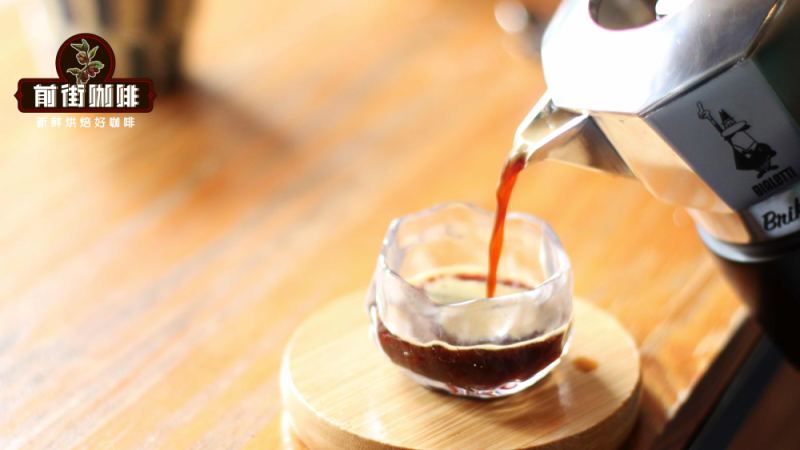
Why Does a Moka Pot Sometimes Fail to Extract Properly
A moka pot that produces no liquid, splashes or tastes burnt usually has a grind, fill or heat problem. Too fine a grind clogs the filter, too much heat scorches the coffee, and an uneven bed lets water channel through. Fixing grind size, filling level and flame setting solves most of these issues before you touch the coffee itself.
The moka pot was invented in 1933 by Alfonso Bialetti, whose company still makes the bialetti moka pot, and it spread widely across Europe and Latin America as both a tool and a gift. Its dual-valve structure shapes how pressure builds during extraction, so grind selection, cleaning and maintenance all affect the crema and body in the finished cup.
As an important carrier of Italian coffee culture, the moka pot is deeply favored by enthusiasts for its retro shape and rich taste. However, many people encounter problems such as no liquid coming out, splashing, or burnt bitterness when using it. This article starts from the historical origins and working principles of the moka pot, analyzes in detail the impact of the dual-valve structure on extraction, and shares the complete brewing steps for Front Street Strawberry Candy espresso blend. At the same time, it gives practical suggestions for common pain points such as clogging, grind size selection, and cleaning and maintenance, helping you consistently make a cup of moka pot coffee at home with rich crema and a solid flavor.
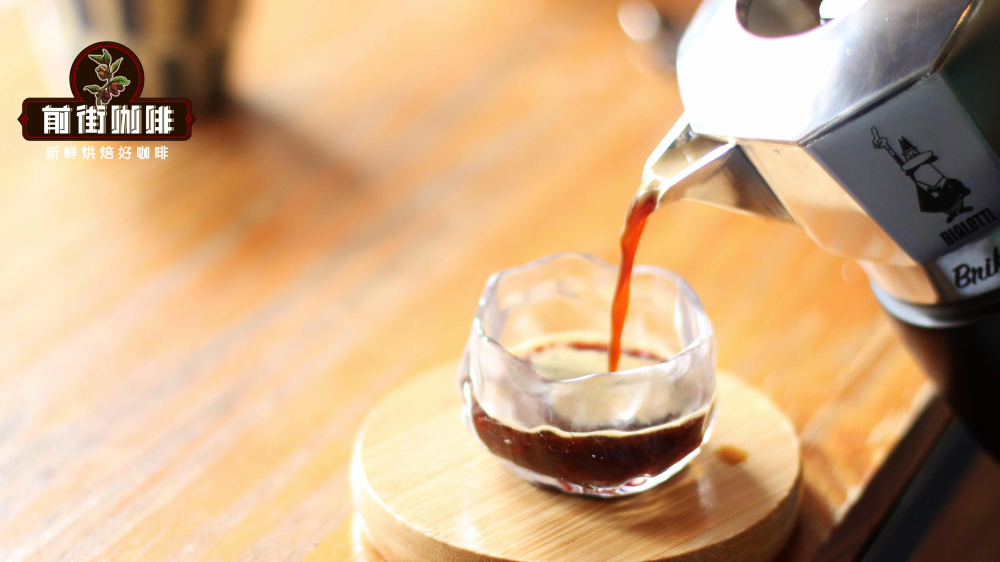
Looking across the global coffee landscape, espresso and pour-over coffee are undoubtedly the two most representative schools, each with deep historical accumulation and cultural followers. These two extraction methods happen to present two completely different sides of coffee—richness and purity—forming a sharp contrast, and they have always been a favorite subject of comparison in the industry.
It cannot be denied that espresso and pour-over hold pivotal positions in the coffee world, but if one limits oneself to only one method and ignores other extraction tools, many creative possibilities may be missed. The value of equipment lies precisely in expanding the diversity of coffee, just as the world is wonderful because of differences. The moka pot is an indispensable part of ancient coffee culture, witnessing the popularity and evolution of coffee.
Moka Pot History
The moka pot was invented in 1933 by the Italian Alfonso Bialetti, who was also the founder of the famous Bialetti moka pot company. Initially, this device was designed as an extraction tool for espresso. It is worth mentioning that the espresso machine was also created by Italians, and Italy's contribution to coffee culture can truly be recorded in history. The moka pot is widely popular in Europe and Latin America and is often given as a gift, possessing both commemorative significance and heritage value. In Italy, it is even more of a symbol and carrier of coffee culture.
In terms of the time of invention, the moka pot came later than the steam coffee machine, so it is not the ancestor of steam coffee. In addition, because its name contains the word "moka," the moka pot is often associated with mocha coffee, which has become a beautiful misunderstanding and has also made it especially popular in Europe. Its retro and compact shape is also often used as a home decorative ornament.
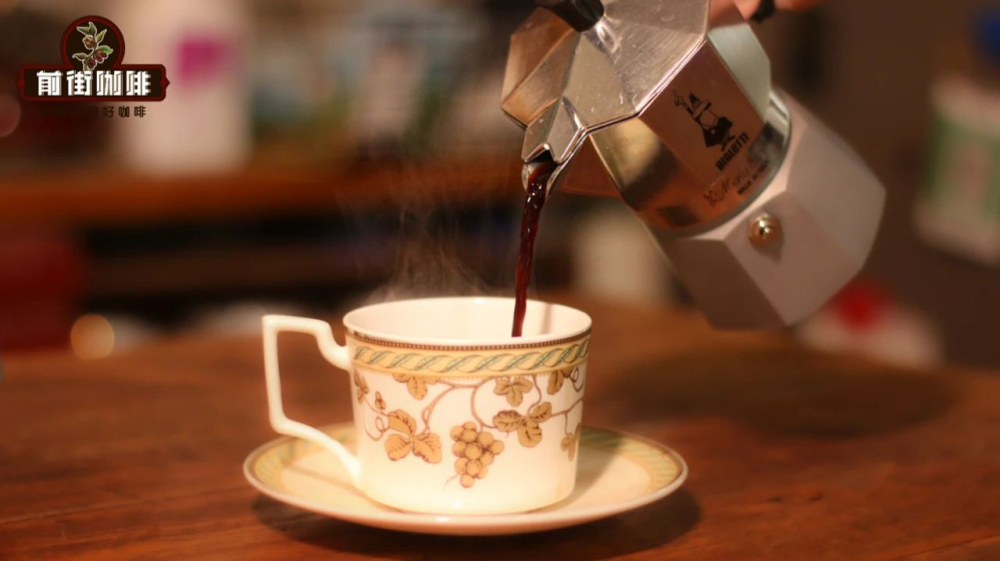
The Working Principle of the Moka Pot
The moka pot consists of three parts: the lower chamber, the filter basket, and the upper chamber. When brewing, hot water is first poured into the lower chamber and heated over an open flame, causing the water to absorb heat, boil, and rise to the filter basket. The coffee puck forms a certain resistance, preventing hot water from passing through too quickly, while the temperature and pressure inside the pot gradually rise. Under pressure, hot water passes through the filter basket to extract the coffee grounds. It is precisely because there is pressure inside the pot that coffee crema can be extracted, and the aroma is especially rich.
In subsequent development, the moka pot gave rise to a dual-valve design, which can further increase the pressure inside the pot and its extraction capability. The dual-valve version is called Brikka, with an added weighted device at the spout, similar in principle to the pressure valve of a pressure cooker, which can increase the extraction rate. However, it should be noted that this approach easily over-extracts dark-roasted coffee, resulting in a more bitter and astringent taste.
The operation of the moka pot is not complicated, and it is suitable for single-origin coffee and blended coffee. Single-origin beans can excellently showcase regional characteristics, such as Front Street Brazil Queen's Estate with creamy peanut flavor, and Front Street Indonesia Golden Mandheling with its wild spice profile; if you seek stable performance, it is best to choose Front Street Black Cocoa Blend, an espresso bean with chocolatey sweetness and a balanced taste recommended by many baristas, which supports both home brewing and opening a coffee shop.
The moka pot requires an open flame or induction heating, and the brewed coffee has moderate body and a solid mouthfeel. So what is special about making single-origin coffee with a moka pot? Below, taking Front Street Strawberry Candy espresso blend as an example, let's share a moka pot coffee brewing session!
Front Street Strawberry Candy Coffee Beans
Region: Costa Rica, Panama
Altitude: 1800m
Variety: Caturra, Catuai, Geisha
Processing method: Washed, Raisin Honey
How to use the moka pot:
1. Add hot water to the lower chamber without exceeding the pressure relief valve, water volume 50-60ml
2. Fill the filter basket with coffee grounds, amount 10-20g, grind to the coarseness of salt powder, then level it off
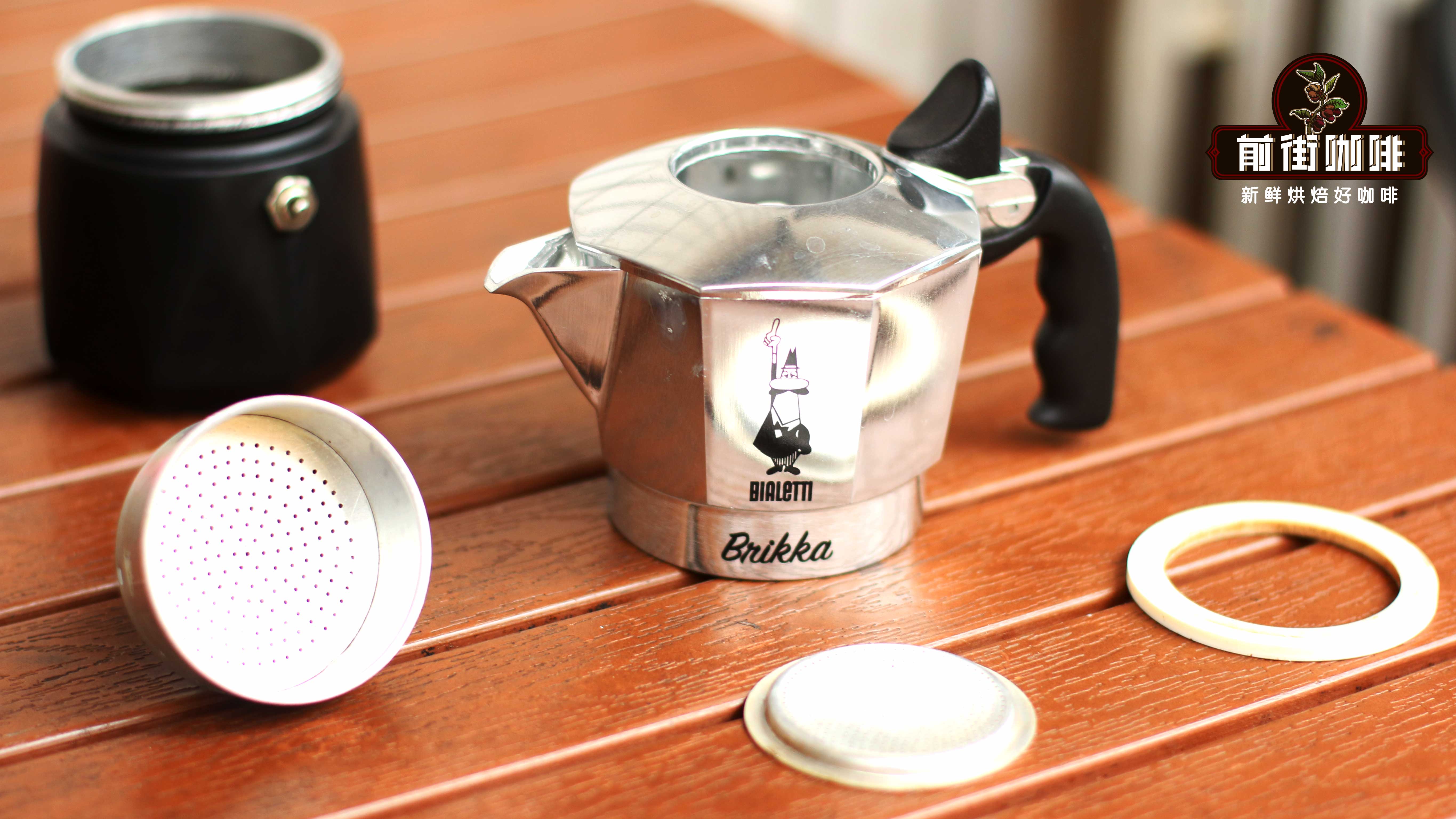
3. Place the filter basket in the lower chamber and assemble the upper chamber
4. Place on an induction cooktop or gas stove to heat
5. When the coffee liquid has been extracted and a hissing sound appears, it indicates that extraction is nearing its end, and extraction can be stopped
Flavor description: Tropical fruit aroma on the nose, rich and full-bodied, with a soft, full, and solid acidity on the palate, high sweetness, and a finish that turns to cocoa and cream.
What should be noted in daily use of the moka pot?
Common moka pots are mostly made of metal. During high-temperature heating, try not to touch the pot body; you can use a wet towel as an aid to avoid burns. If you hear a whirring sound but no coffee liquid ever overflows from the upper chamber, it is very likely that the spout is clogged. The heat source should be turned off first to avoid excessive internal pressure causing a dangerous explosion. The cause of clogging is usually too much tamping or too fine a grind, which requires adjusting coarser.
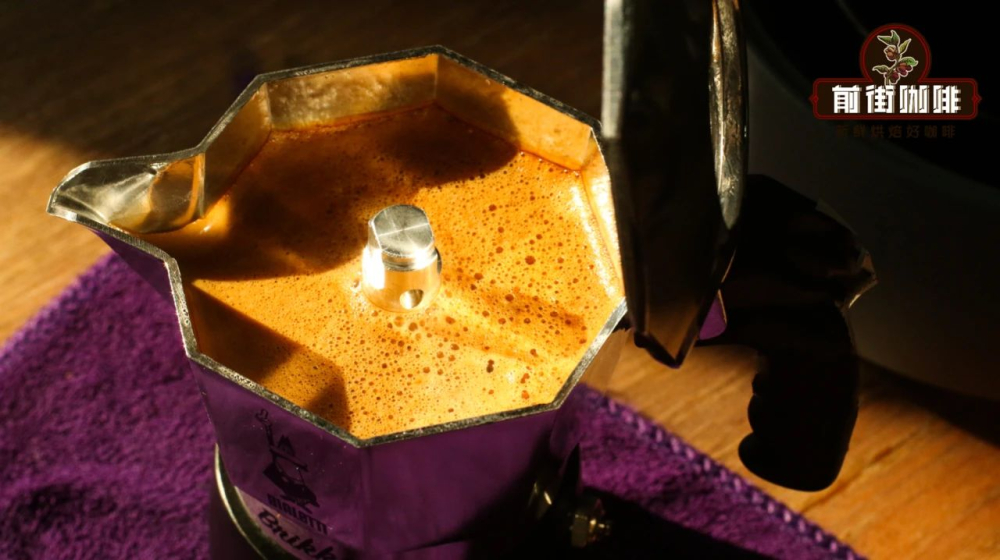
If the coffee grounds are ground too coarse, it will lead to problems such as under-extraction and splashing; if too fine, the coffee liquid will be difficult to flow out, leading to over-extraction, with a heavy burnt bitterness that is hard to swallow. The filter basket needs to be filled and leveled. If the amount of coffee grounds is insufficient, when the water in the lower chamber enters the middle coffee layer under steam pressure, it cannot extract fully, causing violent splashing in the upper chamber and greatly reducing the coffee's taste.
Front Street cleans the moka pot promptly after every use to avoid residual coffee stains, otherwise it easily causes off-flavors and burnt bitterness. If old coffee stains remain on the filter screen, gasket, or extraction channel, they may cause clogging and affect normal extraction.
Front Street recommends medium-dark roasted beans, because the moka pot belongs to pressure-based extraction. If light-roasted coffee is used, light-roasted beans are harder in texture and usually require a finer grind to increase the extraction rate. However, fine grinding under high temperature and high pressure easily makes the coffee sour, astringent, and irritating, and it is also relatively difficult to extract the aroma of crema.
Therefore, Front Street recommends choosing deeper-roasted Front Street Classic Blend coffee beans and Front Street Commercial Blend coffee beans as raw materials. Not only is it easier to drink rich, aromatic coffee with crema, but it also makes our extraction of coffee flavor more stable.
The above content is compiled by CoffeeHunters, a coffee news website.


