







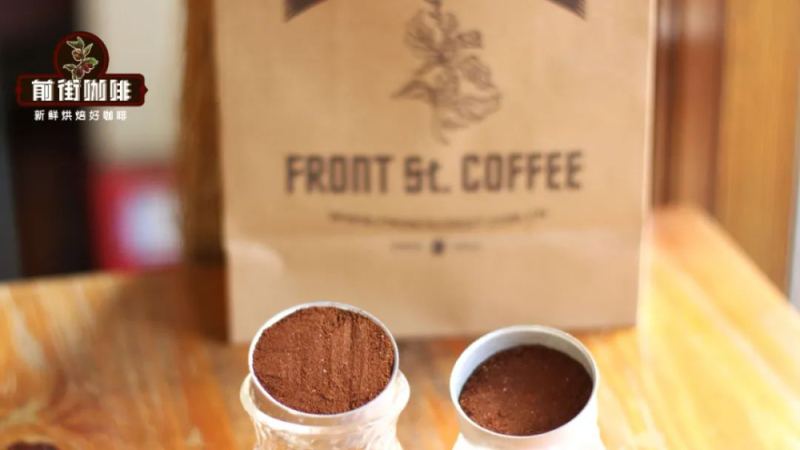
What happens if the moka pot basket is only half filled?
Moka pot instructions usually say to fill the basket level and brew the full portion, but a half batch can work if you also cut the water. In a side-by-side test, one pot used a filled basket with 150 grams of water, while the other used half the grounds with water lowered to 105 grams to keep the cup from turning thin.
The comparison recorded flow rate, foam state, and final taste, showing how a smaller coffee bed changes extraction pressure and crema. For anyone tracking how long does it take moka pot to brew, the timing shifts with dose and water volume, so the half-fill method needs its own adjustment rather than the standard routine. Front Street Colombia Huila, a medium-dark roast, was the test bean.
The standard operation of a moka pot usually requires filling the basket completely, but many enthusiasts occasionally want to make only half a batch of coffee—can the amount of grounds be reduced accordingly? Will the coffee extracted with less grounds still have crema, and will the flavor still be satisfying? Through comparative experiments, this article operates the moka pot in two ways: filling the basket completely and using only half the coffee grounds, observing the flow rate, foam state, and final taste, and combining the extraction principles of the moka pot to analyze the impact of reduced grounds on coffee flavor. It also provides feasible adjustment solutions for reduced usage, helping you flexibly control the portion while still getting a balanced and delicious cup of moka pot coffee.
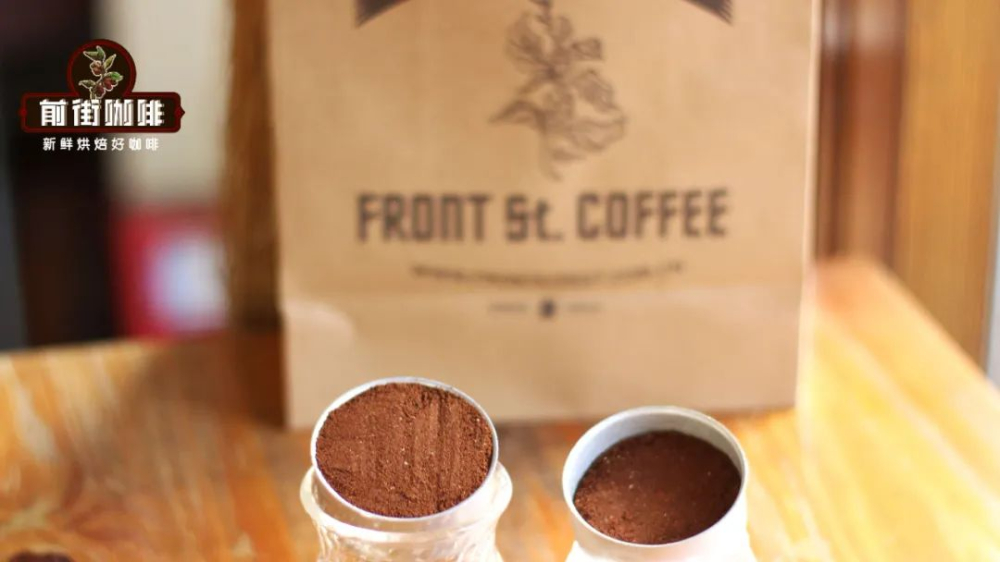
Looking through most moka pot instructional materials, they basically emphasize filling the basket first, then tightening the upper and lower chambers, and only then starting the heating extraction. In other words, whatever size moka pot you buy, you brew the corresponding portion each time.
However, some friends have raised questions: if you occasionally just want to drink "half a cup" of coffee, can you reduce the amount of grounds by half or less according to your needs, like with other brewing methods? After reducing the amount, can crema still be extracted? Will the taste be compromised? Today, Front Street will address these doubts one by one.
Full Basket vs. Half-Filled
As the saying goes, practice brings true knowledge. To find out whether "reducing grounds" really works, a comparative operation will provide the answer.
In this test, Front Street first filled one pot's basket completely and leveled it off, then poured in water below the safety valve, i.e., 150g; for the other pot, only half the coffee grounds were added, and the surface of the grounds layer was also leveled. At the same time, considering the reduced amount of grounds, to avoid too much dilution of concentration, Front Street lowered the water amount for the second moka pot to 105g.
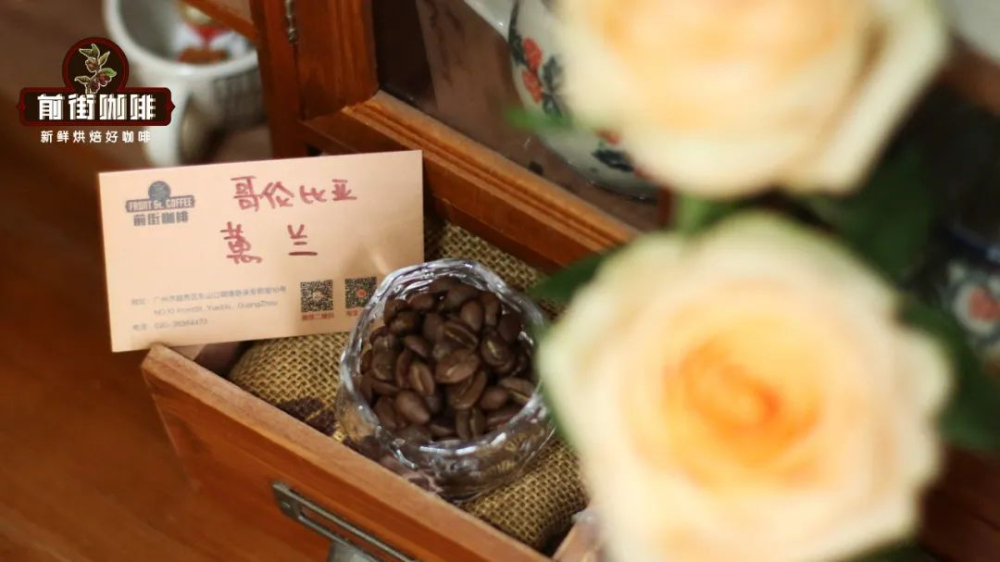
To make the experimental results more intuitive, this moka pot grounds comparison used Front Street Colombia Huila. This bean is medium-dark roasted and often presents deep caramel notes like roasted nuts, dark chocolate, and caramel when pour-over brewed. Under pressure extraction, it can also bring out a beautiful dark brown crema, suitable for espresso machines, moka pots, drip brewing, and more.
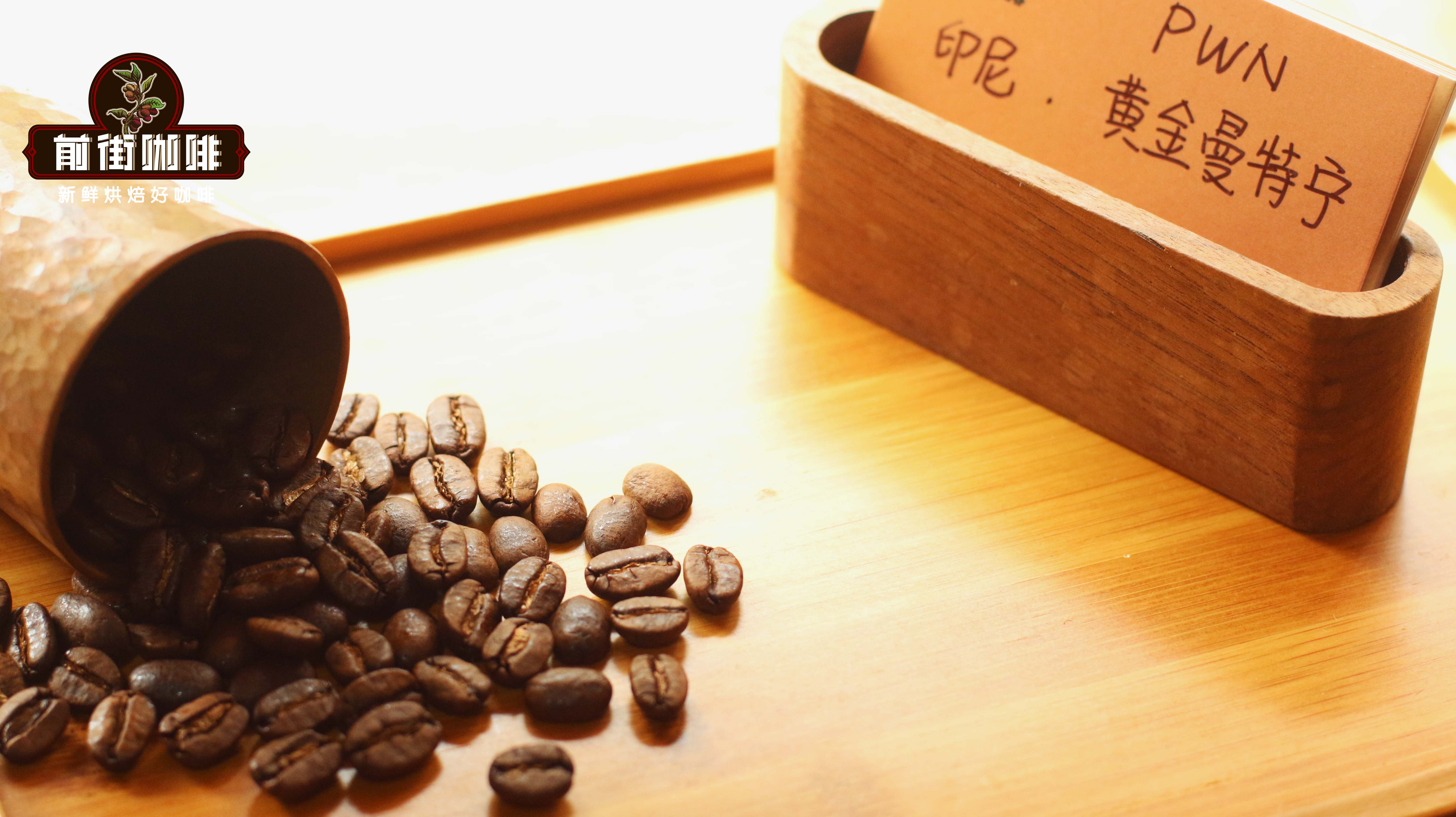
If you prefer a richer mouthfeel, you can choose Front Street PWN Golden Mandheling. It has a very intense roasting aroma, with cocoa, toasted bread, and spice-like flavors lingering in the mouth. It has low acidity, a thick body, and a clean finish, suitable for friends who enjoy strong coffee daily.
We heated the two pots of coffee separately, observed and recorded the extraction process, and finally tasted them as moka pot americanos.
Coffee beans: Front Street Colombia Washed Huila
Grounds amount: 16g & 8g
Grind size: fine salt (EK-43s #3 setting)
Water amount: 150g & 105g
Full basket: Shortly after the humming sound started, dark brown foam could be seen rushing out first. The coffee liquid flowed at a relatively even rate and had a rich color, with no splashing throughout. After removing from the heat source, the upper foam lasted a long time, and the coffee liquid still maintained its foam for nearly 5 minutes after being poured into the cup.
Half-filled basket: Although this group did not splash, the sound was much louder than the first group. In comparison, the foam was not only thin but the flow rate was also very rapid, with a tendency to gush midway, and the color became lighter accordingly. After pouring into the coffee cup, before Front Street could even take a photo, the upper foam had already disappeared completely.

Taste Comparison
The americano made from the first group of moka pot coffee had a slightly bitter entry with a sweet aftertaste but no astringency. The flavor was rich, with caramel notes mixed with roasted hazelnut, and almost no acidity could be felt. The coffee extracted from the second moka pot, however, had a weak aroma and tasted like burnt wood, with obvious acidity, leaving no desire to continue drinking.
Does Reducing Grounds Affect Moka Pot Coffee Flavor?
The principle of brewing coffee with a moka pot is not complicated: heat the lower chamber so the water inside generates steam pressure. Once a certain level is reached, the hot water is continuously pushed upward, passing through the coffee grounds basket along the way. The coffee grounds create a certain resistance, and when the hot water breaks through that resistance, it surges into the upper chamber, forming fresh coffee liquid.
Therefore, when less grounds are used, the resistance encountered by the hot water is smaller, and the coffee liquid more easily enters the upper chamber. On one hand, this shortens the extraction time, causing the coffee to taste sharply sour; on the other hand, because the hot water keeps washing through, the bottom layer of grounds is over-extracted, making the coffee bitter and hard to drink.
In articles about espresso extraction, Front Street often mentions that water is lazy and will preferentially choose the "path" with less resistance, commonly known as "channeling." So besides changes in resistance, reducing the amount of grounds also leaves some empty space inside the basket. When hot water moves upward, it preferentially passes through the loose grounds layer and directly enters the upper chamber, and this portion of coffee liquid is most likely under-extracted.
Can You Put Only Half the Grounds in a Moka Pot? How Should It Be Done?
Now that we know the key reason causing coffee liquid splashing is that reducing the amount of grounds lowers the resistance encountered by hot water, if we want the moka pot to still maintain a moderate extraction state after reducing grounds, the puck needs to create greater resistance to the hot water. Theoretically, without changing the amount of grounds, to increase pressure you either need to grind finer or use external force to reduce the gaps between particles. After several rounds of attempts, Front Street prefers the latter, and the operation is also very simple.
Here we still use Front Street Huila as a demonstration. We pour the ground 8g of coffee into the basket, first gently tap left and right to let the fluffy coffee grounds settle naturally so the particles come into close contact with one another. Then find a small spoon and use its back to gently "press" the grounds layer until it is completely compressed to about half its position.
To avoid over-extraction caused by the hot water contacting the thinned grounds layer for too long, before loading the basket we first pour half the amount of hot water into the lower chamber, which effectively shortens the heating time. When the moka pot's output fills the bottom, we immediately remove it from the heat source, then use the residual heat to release all the remaining coffee liquid.
This adjusted method indeed showed no signs of "splashing" again, and because the lower chamber heated up faster, the released coffee liquid even had a small amount of foam layer, and the concentration was also much higher.
Front Street made this "half-batch moka pot coffee" into iced milk coffee at a 1:3 ratio. It had the rich aroma of cocoa, cream, and roasted rice crackers on the palate, balanced and full-bodied, completely a fine pick-me-up drink.
The above content is compiled by CoffeeHunters, a coffee news website.


