







Search Results for: soft water
Songzhong Huangzhixiang Dancong Oolong: Soft Water or Hard Water for Brewing? A Detailed Practical Guide
Whether to use soft or hard water for brewing tea has long been a hotly debated topic among tea lovers. A US study of ordinary consumers showed that although soft water extracts more catechins, participants actually preferred tea brewed with hard water. For highly aromatic oolong teas such as Songzhong Huangzhixiang Dancong, the mineral content in water significantly affects the presentation of aroma and flavor. This article reviews the effects of different water qualities on tea, introduces water treatment methods commonly used in cafes and traditional water conditioning techniques in tea ceremony, and, combined with Front Street Coffee's brewing recommendations, helps you find a water quality and brewing method suitable for Dancong under everyday conditions. [more…]
What Water Should You Choose to Brew Phoenix Dancong? Is Soft Water Suitable for Brewing Oolong Tea? Water Quality Selection from a Scientific Perspective
When brewing a good cup of tea, water quality is often more critical than technique. As early as Lu Yu's "Classic of Tea," spring water was regarded as the finest choice, and modern science has revealed the reasoning behind this through TDS, hardness, and pH values. This article focuses on the brewing water for oolong teas such as Phoenix Dancong, outlines the industry reference values from the American Tea Association, and cites multiple studies to explain why soft water enhances the sweetness, freshness, and clarity of the tea liquor, while hard water brings about astringency and floating residue. For tea lovers who cherish the complex aroma of oolong tea, choosing the right water is the first step in unlocking the tea's charm. Front Street Coffee also recommends starting with low-mineralization soft water to appreciate the subtle variations in the tea's layers. [more…]
Mildly Acidic Yirgacheffe Recommendations: Balancing Budget and Drinking Frequency
A Yirgacheffe with soft acidity is suitable for gradually building judgment from taste experience. When buying beans for daily use, you need to consider how quickly you drink them, how much to buy at once, and whether you mainly make black coffee or milk coffee at home. The flavor words on the packaging can provide clues, but they cannot replace the actual drinking experience—whether the acidity is soft, whether the sweetness persists, and the mouthfeel [more…]
How to adjust coffee brewing water? A detailed explanation of the ratio of baking soda to magnesium sulfate and why tap water should be avoided in espresso machines
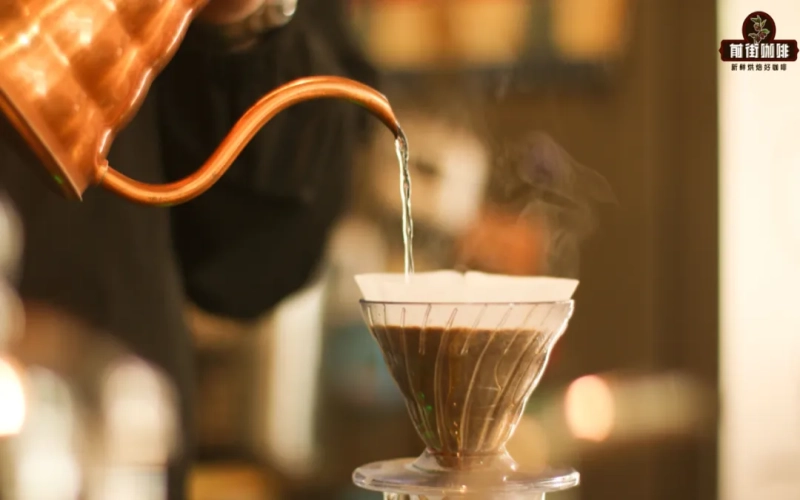
The water you use to brew coffee has a far greater impact on the final flavor than you might imagine. Tap water tends to have a high mineral content, which not only easily builds up scale on the inner walls of a coffee machine and hinders its normal operation, but also interferes with the extraction of coffee flavor. Drawing on Front Street's practical experience, this article first explains PPM and the criteria for judging soft and hard water, then explains why espresso machines should not use tap water directly, and afterward gives a hands-on demonstration of how to mix your own brewing water using baking soda and food-grade Epsom salt (magnesium sulfate), along with a brewing comparison against Nongfu Spring, for coffee lovers' reference. [more…]
Exploring Brazil's Cerrado Coffee Region: Flavor and Processing Methods from Wild Frontier to Synonym for Specialty Coffee
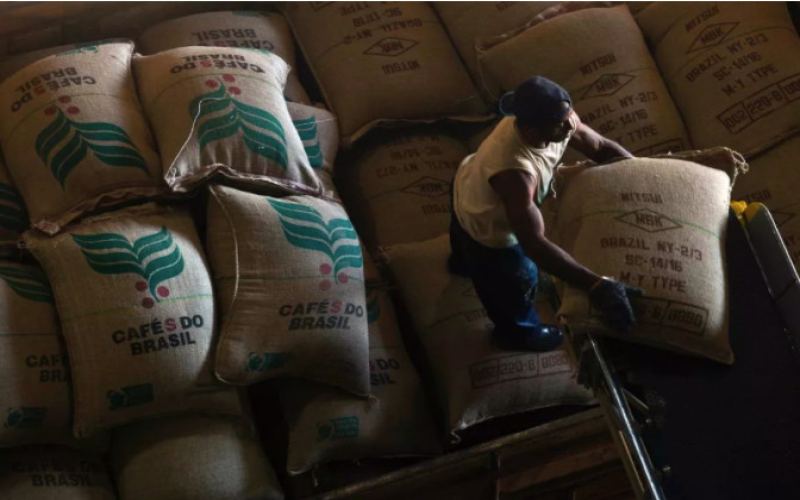
Brazil is the world's largest coffee producer, and the Cerrado region in the state of Minas Gerais is one of its most representative sources of specialty coffee. This plateau, once known as "savage land," is now famous for its nutty, chocolatey flavors and semi-washed processing method. The Brazil Cerrado Red Bourbon in the Front Street Coffee daily staple bean series is a perfect expression of this region's rich and smooth style. This article will walk you through Cerrado's geographical conditions, organic farm ecology, Brazil's soft bean grading system, and the brewing parameters and flavor profile recommended by Front Street Coffee. [more…]
Brazilian Coffee Beans: A Complete Analysis from Grading to Processing Methods — Flavor Differences and Blending Logic in Espresso Blends with Colombia
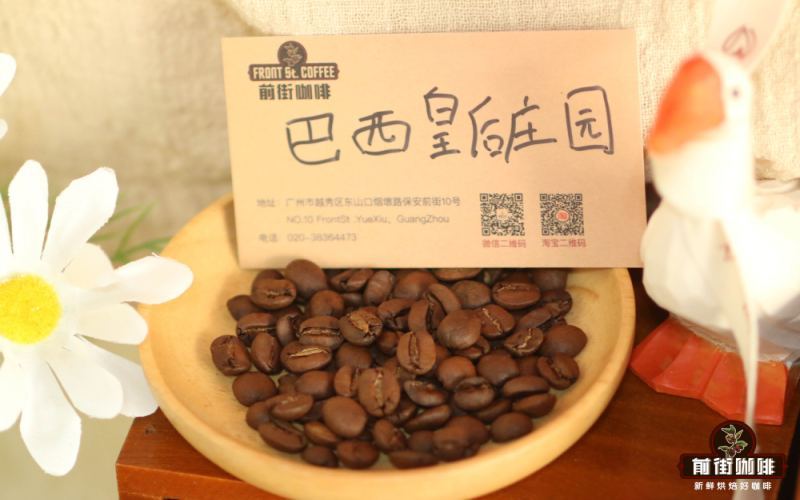
Brazil, as the world's largest coffee producer, is known for coffee beans that are low in acidity, with nutty and chocolatey notes and a balanced, full body, yet they are mostly used in blends rather than as single-origin coffee. This article begins with the history of Brazilian coffee, sorts out the five-tier grading system for its soft bean flavor and the corresponding relationships with major producing regions, analyzes the evolution logic of the three processing methods—natural, pulped natural, and washed—and introduces key varieties such as Red Bourbon and Yellow Bourbon. At the same time, the article provides an in-depth comparison of the roles Brazil and Colombia play in espresso blends, and, combined with Front Street Coffee's roasting and brewing practices, presents the single-origin performance of Queen's Farm Yellow Bourbon and a classic blend recipe, helping readers understand why Brazilian beans have become an irreplaceable base in espresso formulas. [more…]
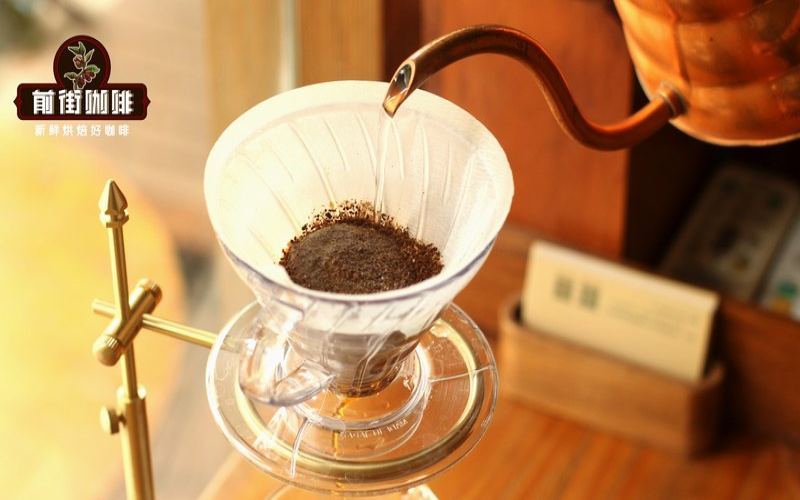
Recommended delicious Brazilian coffee beans: balancing budget and drinking frequency
When choosing a tasty Brazilian coffee bean, you can set the complex information aside for now. For everyday bean buying, you need to consider how quickly you'll drink it, how much to buy at once, and whether you'll mainly make black coffee or milk coffee at home. Starting from these two pairs of differences—light or full-bodied, black coffee or milk coffee—and then looking at the roast date and processing method, your judgment will be more in tune with daily life. [more…]
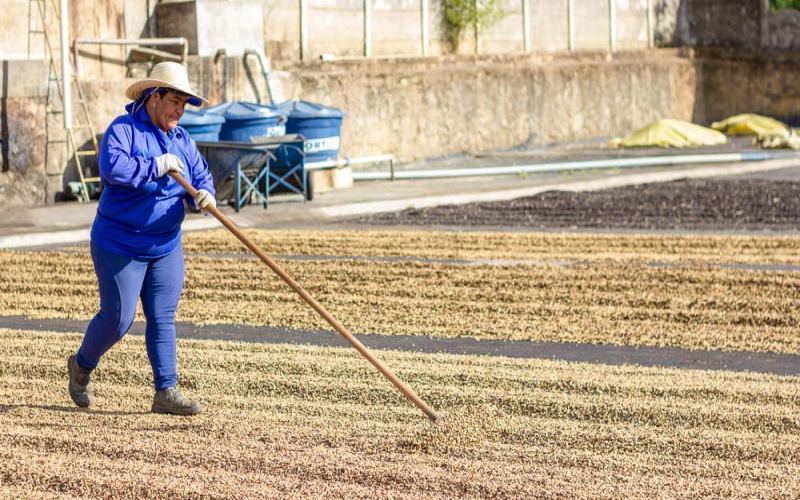
A Complete Guide to Brazil Cerrado Coffee: Flavor Analysis, Red Bourbon Roasting, and Brewing Log
Brazil, as the world's largest coffee producer, has fluctuations in any of its regions that ripple through the international coffee market. Among the many producing regions, the Cerrado in the central-west of Minas state, with its fertile soil and distinct wet and dry seasons, nurtures the "soft bean" flavor profile known for low acidity, nutty and chocolate sweetness, and full-bodied balance. The Brazil Cerrado Red Bourbon from Front Street Coffee's daily drinker series is a classic representation of this style—interweaving roasted nuts, chocolate, cream, and caramel, it suits those who dislike acidity and prefer a rounded mouthfeel. This article will systematically cover the terroir conditions of the Cerrado region, Brazil's coffee taste classification and main producing regions, and provide a complete record of Front Street Coffee's medium roast profile for this Red Bourbon, along with the Kono dripper segmented brewing method. Finally, it will explain in detail the process differences among Brazil's four processing methods—natural dry process, pulped, semi-washed, and washed—helping coffee enthusiasts fully understand the flavor logic of Brazilian coffee from origin to cup. [more…]
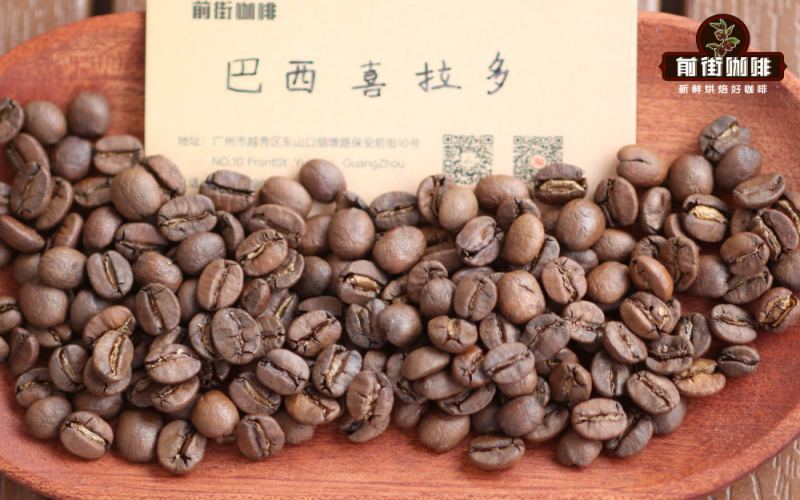
A Detailed Guide to Brazilian Coffee Flavor Characteristics and the Variety and Grading System of the Cerrado Region
As the world's largest coffee producer, Brazil is known for coffees with low acidity, a full body, and nutty-chocolate notes. This article systematically examines the flavor origins of Brazilian coffee beans—from the characteristics of low-altitude soft beans to their widespread use in espresso blends—offering an in-depth introduction to the ecological conditions of the Cerrado region and its origin certification system, analyzing the distinguishing features of key varieties such as Bourbon, Mundo Novo, and Catuai, and explaining in detail the technological innovations of the semi-washed (pulped natural) processing method as well as Brazil's unique green bean grading system (defect rate, screen size, cup profile, and flavor grade). At the same time, drawing on Front Street Coffee's approach to bean selection and pour-over practice, it provides coffee enthusiasts with a complete reference from understanding the growing region to brewing parameters. [more…]
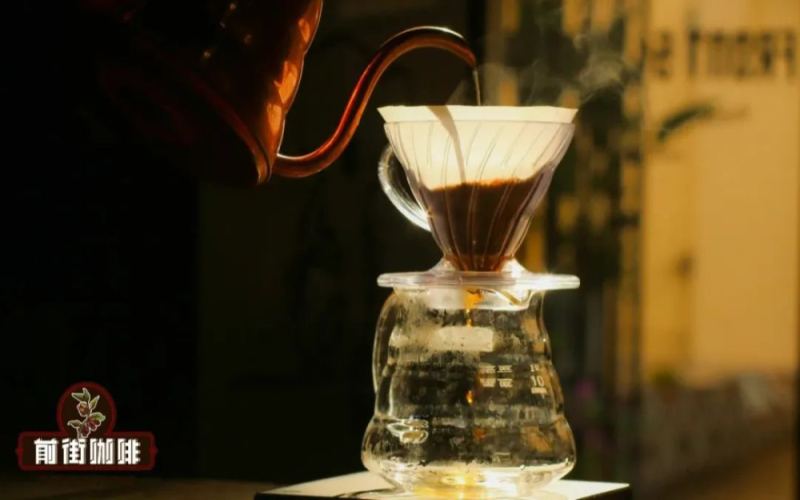
Which type of bottled water is more suitable for brewing coffee? A practical comparison and selection approach for mineral water vs. mountain spring water
Water is the largest component of black coffee and directly participates in and influences the extraction process, so differences in water quality often bring about completely different flavor expressions. There are many types of bottled water on the market, with prices ranging widely from high to low, and whether more expensive water is more suitable for brewing coffee has become a question for many brewing enthusiasts. This article uses two types of bottled water with明显 price differences as test subjects, and adds Nongfu Spring, commonly used in stores, as a control, conducting blind tasting comparisons with two coffees, Yirgacheffe Red Cherry and Diamond Mountain. At the same time, from the perspectives of acidity and alkalinity, softness and hardness, TDS, and calcium and magnesium ions, it explains the principles by which water quality affects extraction, helping coffee enthusiasts understand how to choose more suitable water for brewing coffee. [more…]
Moka Pot Specialty Coffee Beans: Balancing Budget and Drinking Frequency
When choosing specialty coffee beans for a moka pot, you can set the complex information aside for now. For everyday bean buying, you need to consider how quickly you'll drink them, how much to buy at once, and whether your home mainly makes black coffee or milk coffee. Start by looking at the two sets of differences—light versus rich, and black coffee versus milk coffee—then look at the roast date and processing method, and your judgment will be more in line with daily life. [more…]

Classic Espresso Varieties | What's the difference between a latte and an Americano? Why does Americano black coffee taste bitter?
For those who rarely drink coffee, ordering coffee is not an easy task. The dazzling array of items on the menu can make one dizzy. What are the differences between them? Is Americano the coffee that Americans like to drink the most? What is the difference between Americano and latte? Today, Front Street Coffee (FrontSt [more…]

Cold Brew Coffee Guide: Full Breakdown of Coffee-to-Water Ratio, Grind Size, Steeping Time, and Coffee Bean Selection
Cold brew coffee, through its low-temperature slow extraction process, presents a soft acidity and bitterness with a full, balanced mouthfeel, and its operational threshold is not high. Based on 50 grams of coffee grounds, this article explains key parameters in detail, such as a 1:12 coffee-to-water ratio, an 85% grinding pass rate, and 12-24 hours of refrigerated steeping, and systematically sorts out the bean selection approach for different flavor preferences—from the bright fruity acidity of washed African beans, to the soft sweetness of natural beans, to the vivid aromas of special processing methods, and the chocolate-caramel notes of medium-dark roasts. In addition, it also shares advanced methods such as adding dried flowers like osmanthus and jasmine to enhance flavor, helping coffee lovers make a cup of iced cold brew to their liking in summer. [more…]
Ethiopian Yirgacheffe Coffee Bean Flavor Analysis: A Complete Guide to Pour-Over Grind Size, Coffee-to-Water Ratio, and Water Temperature Parameters
Ethiopia is the birthplace of coffee, and Yirgacheffe is the country's flagship specialty coffee region. This article will guide you through the history and culture behind the colors of the Ethiopian flag, and take a deep dive into the unique flavors of Yirgacheffe coffee beans—lemon, floral notes, and honey-like sweetness, along with soft fruit acidity and citrus tones. We will also share Front Street Coffee's recommended hand-brew grind size, coffee-to-water ratio, and water temperature parameters, helping you brew a bright, fresh cup of Yirgacheffe at home. Whether you are a coffee novice or a seasoned enthusiast, you will find practical brewing inspiration here. [more…]

A Complete Guide to the Classification of Hard Beans, Soft Beans, Flat Beans, and Round Beans: Flavor Characteristics of High-Grade Panamanian Coffee
Beyond varietal differences, coffee beans have multiple classification dimensions, which gives rise to many alternative names. This article begins with the appearance-based classification of flat beans and round beans, and focuses on answering the question coffee enthusiasts often ask: what exactly does "hard bean" mean? It originates from a grading system in Central American growing regions that classifies bean hardness by cultivation altitude—the higher the altitude, the greater the density and the higher the grade. The article also shares how to judge bean hardness by feel, the roasting and brewing strategies corresponding to coffee beans of different hardness, and uses actual brewing parameters as examples to illustrate the differences in extraction between high-hardness light-roasted beans and low-hardness dark-roasted beans, helping readers find a suitable brewing approach. [more…]
How to Choose Americano Coffee Beans for a Moka Pot: Balancing Budget and Drinking Frequency
To understand which coffee beans suit a moka pot Americano, you need to translate flavor descriptions into what you can actually taste. For everyday bean buying, you need to consider how fast you'll drink them, how much to buy at once, and whether your household mainly makes black coffee or milk coffee. Floral, fruity acidity, nutty and cocoa notes aren't a matter of better or worse—they're different directions, and the one that suits you is the one that [more…]
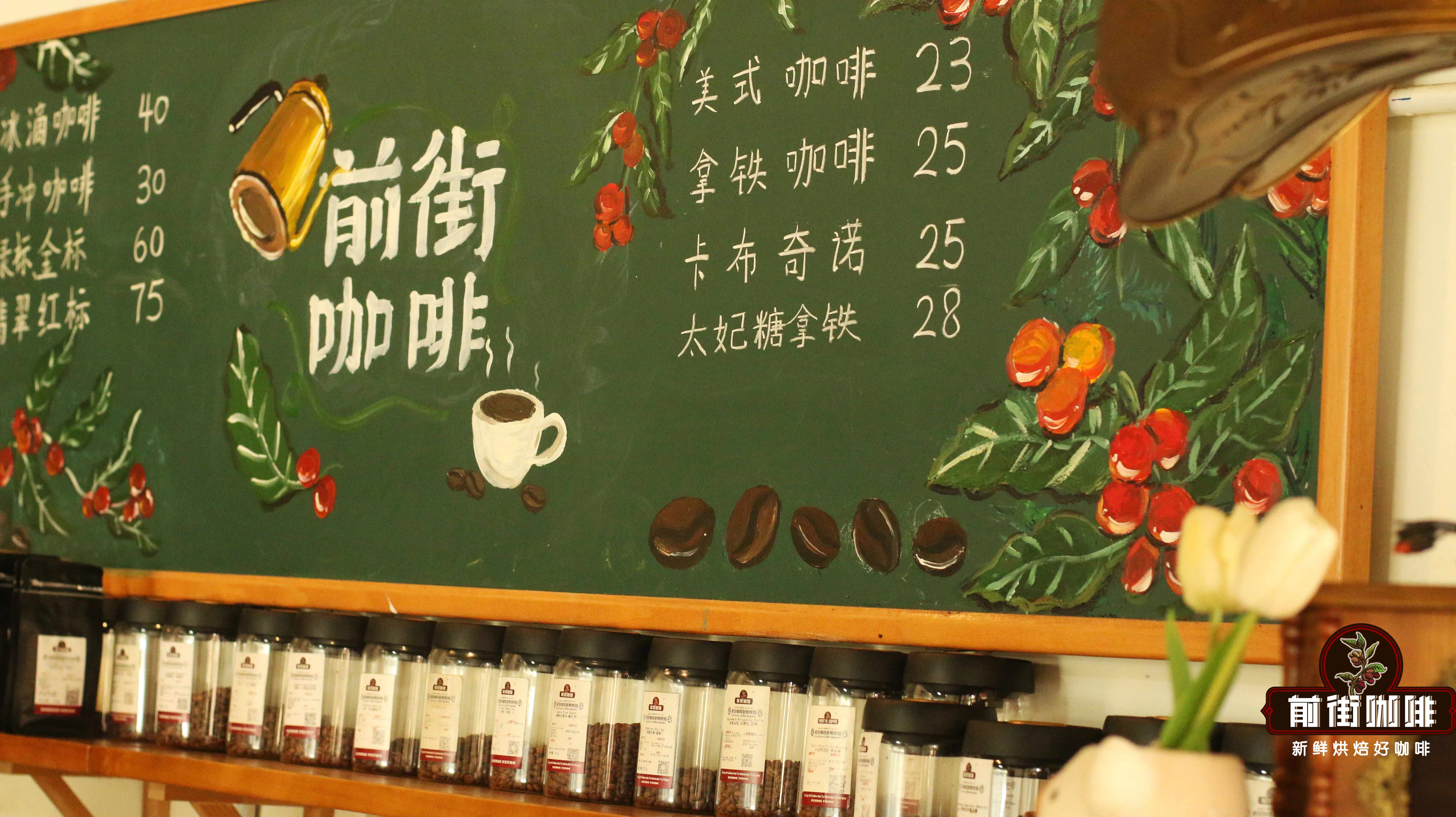
Espresso Coffee Characteristics Comparison | What's the Difference Between a Latte and an Americano? Introduction to Americano and Latte Coffee Flavors, Taste, Brewing Methods, and Extraction Ratio Parameters
For those who seldom drink coffee, ordering coffee is not an easy task. The dazzling array of items on the menu can make one's head spin—what are the differences between them? Is Americano the coffee that Americans love most? What is the difference between Americano and latte? Today, Front Street Coffee (Fro [more…]
Brazil Cerrado Red Bourbon Coffee Bean Brewing Guide: A Full Analysis of Flavor Characteristics, Roast Profile, and Pour-Over Parameters
Brazil, as the world's largest coffee producer, is renowned for the premium quality of its Cerrado region in the central-west of Minas Gerais. Among Front Street Coffee's everyday beans lineup, the Brazil Cerrado Red Bourbon, with its classic flavors of roasted nuts, chocolate, cream, and caramel, has become an ideal choice for those who dislike acidity. This article provides a complete overview of the Cerrado region's terroir, the soft bean flavor grading system, and the characteristics of coffee-growing regions across various states, along with a detailed record of Front Street Coffee's roasting curve and Kono dripper pour-over recipe. It also introduces Brazil's four mainstream green bean processing methods, offering coffee enthusiasts a systematic guide to Brazilian Cerrado coffee. [more…]
An Analysis of Colombia's Specialty Coffee Region Hierarchy: Flavor Characteristics and Brewing Suggestions for Nariño, Cauca, and Huila
Colombia, as the world's second-largest producer of Arabica coffee, nurtures outstanding specialty coffee thanks to its high altitudes and diverse climates. Many people first came to know Colombia through espresso blends, but today high-quality single-origin beans from southwestern regions such as Cauca, Nariño, and Huila are winning growing favor among coffee enthusiasts. This article systematically sorts out the origin distribution of Colombian specialty coffee and the terroir characteristics of three major premium regions, and, taking the Huila region as an example, introduces the Caturra variety, the washed processing method, and the brewing parameters and flavor profile of Front Street Coffee's everyday drinking beans, guiding you through the complete picture of Colombian coffee from origin to cup. [more…]
A Comprehensive Analysis of the Flavor Characteristics and Regional Processing Methods of Colombian Specialty Arabica Coffee Beans
Colombian specialty Arabica coffee beans are renowned for their soft acidity, dark chocolate, and caramel sweetness, occupying an important position in the global coffee market. This article will guide you through Colombia's coffee-growing environment, southern specialty production regions, green bean grading system, washed processing method, and 4 Colombian specialty beans recommended by Front Street Coffee, including Huila everyday beans, Hanami, Flower Moon Night, and Sakura, along with detailed V60 brewing parameters, suitable for coffee enthusiasts to gain an in-depth understanding of the unique charm of Colombian coffee. [more…]