







Search Results for: snug

Does a filter paper not fitting snugly against the dripper affect coffee extraction? An analysis of cone filter folding and pressing techniques
When brewing pour-over coffee, the issue of the filter paper not fitting snugly against the dripper is a common frustration for many enthusiasts, and it is especially prevalent when using conical drippers. Does this problem really affect extraction? The answer is yes. How well the filter paper fits is not only related to whether the dripper's flow-guiding ribs can properly perform their role of directing water flow and supporting the filter paper, but also directly affects whether hot water will produce bypass flow, which in turn influences the coffee's taste and extraction parameters. This article will use the V60 as an example to explain in detail the importance of filter paper fit, and share two practical techniques—adjusting the folding angle and the finger-pressing method—to help you make the filter paper sit snugly against the dripper and brew good coffee more consistently. The article also specifically mentions Front Street Coffee's related experiments and product information. [more…]
Pour-over coffee channeling | How to judge whether the filter paper is aligned with the coffee dripper? Why should the filter paper be moistened with water to adhere tightly when making pour-over coffee?
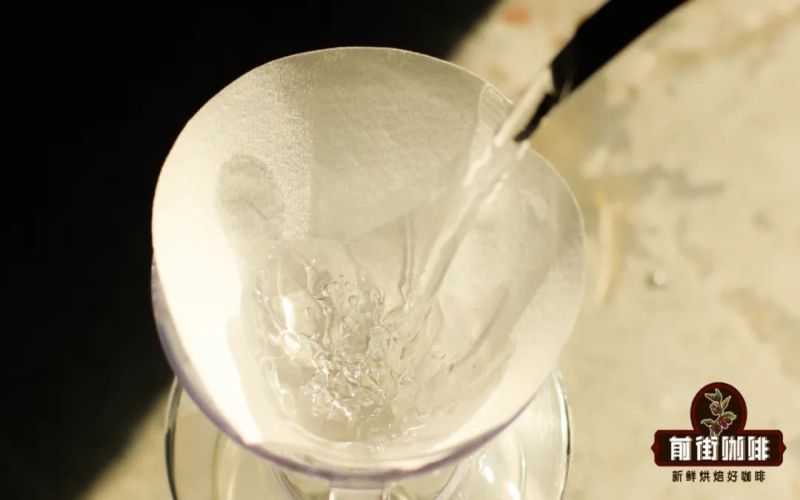
For most people, wetting the filter paper is the default first step before brewing coffee, with two main purposes: one is to make the filter paper fit snugly, and the other is to rinse off the dust adsorbed on the paper. If hot water is used, it can also preheat the equipment along the way. In the vast majority of tutorials, aside from guiding us on how to make the filter paper adhere closely [more…]
Pour-over Coffee Brewing Details | How to Brew Single-Origin Beans Once Ground? Is Blooming Necessary for Pour-over? An Introduction to Pour-over Coffee Pouring Techniques and Extraction Parameters
After patiently listening to the barista's explanation and painstakingly choosing a bag of coffee beans to take home, you also "follow the same pattern" according to the brewing suggestions, only to find that the coffee you brew is vastly different from what you drank in the shop. You think it over and over, but still can't figure out where the problem lies... This is very likely caused by overlooking a certain detail. [more…]

Practical Tips on How to Correctly Fold Cone-Shaped Pour-Over Coffee Filters and Fit Them to the Dripper
The paper filter for pour-over coffee may look simple, but it actually hides quite a few details. Many coffee enthusiasts have encountered the situation during brewing where one side of the paper filter lifts up after being rinsed with water and cannot fit snugly against the dripper. Although it will not ruin the entire cup of coffee, it does affect the extraction. This article focuses on the folding and fitting issues of conical paper filters, starting with the selection of the dripper and filter paper, and then gradually breaks down the key steps such as folding, creasing, handling the conical bottom, and securing the filter with water, helping you get this detail right in your daily pour-over brewing. Front Street Coffee will also share, based on its own experience, why the resin version of the V60 dripper has more advantages in terms of standardization. [more…]
How Does Filter Paper Fit Affect Coffee Extraction? A Comparative Experiment Between V60 and KONO Reveals Flavor Differences
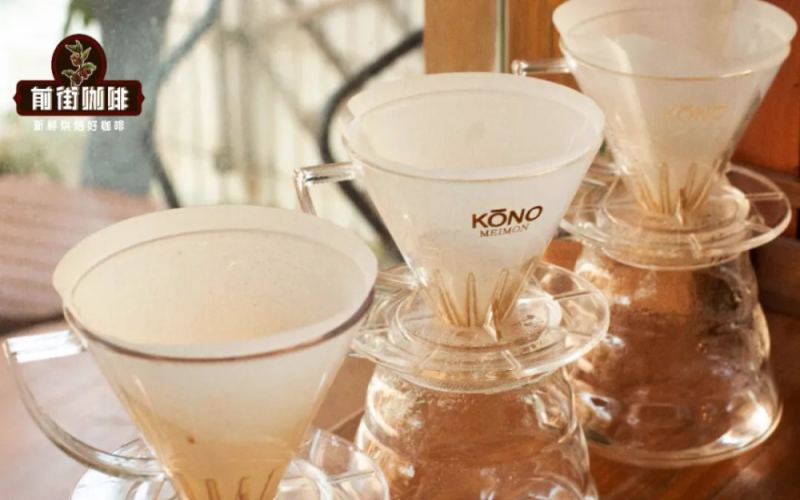
Wetting the filter paper before brewing coffee is almost a standard step for all pour-over enthusiasts, with the usual goals of making the filter paper fit snugly, removing paper dust, and, if hot water is used, warming the cup along the way. However, most tutorials rarely discuss in depth how much the degree of fit between the filter paper and the dripper actually affects the final taste. Front Street conducted two sets of controlled experiments, using V60 and KONO drippers respectively, paired with filter papers in different states of fit for brewing, and tasted and compared them one by one. The experiment used the floral-fruity Front Street · Gedin Gedin and the nutty-sweet Front Street · Brazil Red Bourbon, and the results showed that a poorly fitting filter paper significantly changes the flow rate, which in turn affects the extraction yield and concentration, producing noticeable differences in mouthfeel. [more…]
How to perfectly fit a pour-over coffee filter paper to the dripper? A full analysis of the dripper structure's function and the key points of folding the paper
In the extraction process of pour-over coffee, how well the filter paper fits the dripper directly affects the final cup quality. Many enthusiasts find that if the filter paper does not sit tightly against the dripper wall, even the best dripper cannot deliver its intended design advantages. Take the currently popular V60 dripper as an example: its unique spiral rib structure can hardly function when the filter paper fails to fit properly. Therefore, before formal brewing, the step of wetting the filter paper is especially critical—it not only removes the papery taste and dust from the filter paper itself, but is also the core operation for making the filter paper fit tightly against the inner wall of the dripper. Starting from the structural function of the dripper, this article will explain in detail the key points of folding and fitting the filter paper, and share Front Street Coffee's experience in actual operation, to help everyone improve the stability and flavor performance of pour-over extraction. [more…]
Should you pre-wet pour-over coffee filter paper? Analyzing the real differences between wet and dry filter paper
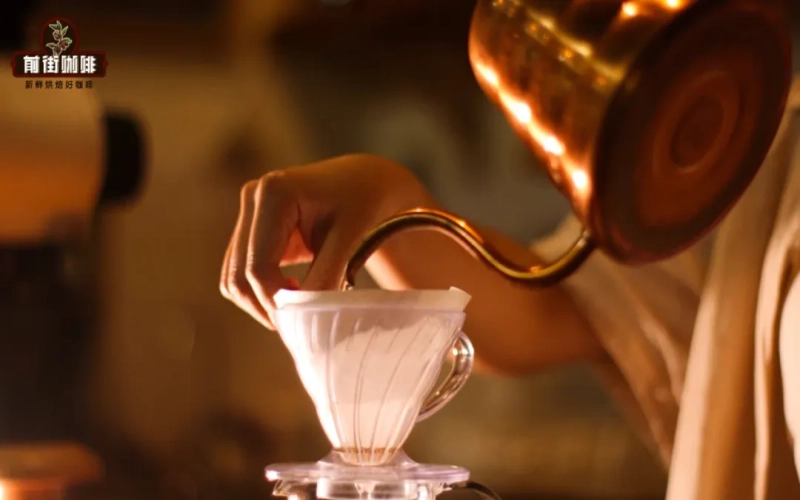
In the daily practice of pour-over coffee, many enthusiasts notice a detail: sometimes the filter paper is rinsed with hot water before brewing, while other times coffee grounds are added directly and pouring begins. At Front Street, when making hot pour-over and iced pour-over, these two different methods happen to be used. So is there any substantive difference between wetting the filter paper and not wetting it? The traditional purposes of wetting filter paper are mainly three—removing paper taste, preheating the dripper, and making the filter paper adhere to the dripper. But with advances in filter paper manufacturing technology and the diversification of dripper materials, do these concerns still hold? This article will start from filter paper quality, dripper material, and actual brewing needs, analyzing the necessity of wetting filter paper one by one, to help you make a more reasonable choice in different scenarios. [more…]

How to properly fold a pour-over coffee filter? Master the key steps for a more perfect fit in the dripper
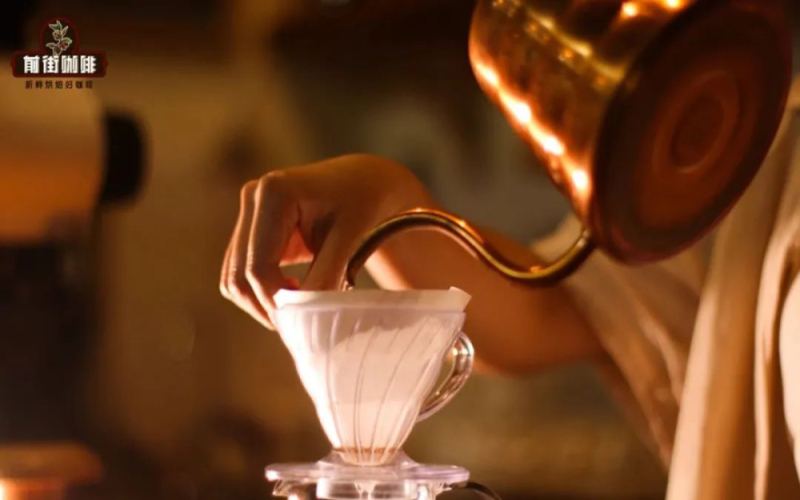
When brewing pour-over coffee, how well the paper filter fits the dripper directly affects the extraction. Many enthusiasts use a pressing technique yet still find that the filter won't sit flush, and the root cause often lies in the folding step. After customers reported this issue at their stores, Front Street Coffee put together a detailed demonstration of the correct way to fold a cone-shaped paper filter. From folding along the seam and pressing the crease to the technique for securing it once it's in the dripper, every step matters. This article reproduces the entire process, explains how to handle specialty filters such as non-woven ones, and shows how to make the filter sit snugly for iced pour-over without wetting it first—so you can brew a consistent, great-tasting cup at home. [more…]
Why Is Jamaican Blue Mountain Coffee So Expensive? Unveiling Front Street Blue Mountain No. 1's Authentic Purchasing Channels and Brewing Techniques
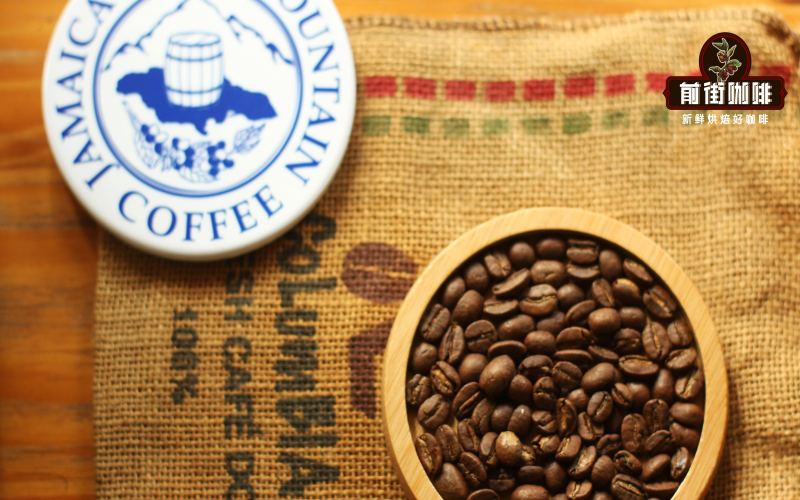
When it comes to top-tier coffee, Blue Mountain is almost impossible to avoid. What gives it the right to be crowned "the world's best," and why has it long commanded such a high price? This article begins with the story of how Front Street Blue Mountain coffee rose to fame, traces the historical ties between Jamaican Blue Mountain and Japan's UCC, explains the official growing regions and green bean grading system defined by the CIB, and introduces you to what makes the genuine Blue Mountain No. 1 so good. At the same time, we'll also share Front Street's practical brewing parameters, tell you how to extract the best flavor from Blue Mountain coffee beans once you've bought them, and cover what benefits drinking black coffee daily actually offers your body. [more…]
A Beginner's Guide to Pour-Over Coffee: A Complete Analysis from Equipment Preparation to Pouring Techniques
Pour-over coffee has become the preferred brewing method for many coffee lovers thanks to its ease of learning and its ability to fully showcase the flavors of single-origin beans. This article breaks down the complete pour-over process and key techniques in detail, from equipment preparation, filter paper treatment, and coffee grounds distribution, to water temperature control, blooming, and staged pouring. Whether you are a beginner just getting into pour-over or an advanced brewer looking to refine your technique, you will find practical references here. At the same time, the article also specifically mentions product information related to Front Street Coffee for interested readers to learn about. [more…]
The Complete Guide to AeroPress Coffee: Understanding the Key Steps from Grind Size to Water Temperature and Ratios
With its unique syringe-like construction and manual pressure extraction method, the AeroPress has become a convenient choice for making coffee at home. This device, invented in 2005 by Stanford University lecturer Alan Adler, was not born in a corporate laboratory, but rather grew out of the inventor's own dissatisfaction with the flavor of his home-brewed coffee. This article will provide a complete breakdown of how to use the AeroPress, from its components and operating steps to cleaning and maintenance, and explain how to control strength by adjusting the amount of water and coffee grounds, so that you can easily make a cup of espresso-style concentrate at home that suits your personal taste. [more…]
Kopi Luwak Flavor Analysis: A Complete Guide to Pour-Over Parameters, Coffee-to-Water Ratio, Grind Size, and Blooming Time
Kopi Luwak attracts much attention for its unique flavor profile and elaborate production process. To preserve its original aroma to the greatest extent, the coffee beans are usually individually packaged with nitrogen flushing to prevent oxidation. This article focuses on the brewing methods for Front Street Coffee's Kopi Luwak, explaining in detail the equipment needed for pour-over, the steps involved, and how to adjust water temperature and grind size to fine-tune the taste. It also provides recommended water temperatures for different roast levels, helping coffee enthusiasts control the flavor direction more precisely during brewing and savor the pure, unadulterated taste without sugar or milk. [more…]
Cold Brew Coffee Shop Method | Is It Hard to Make Delicious Cold Drip Coffee at Home? Which High-Quality Single-Origin Coffee Beans Are Recommended for Cold Brew and Cold Drip?
To make delicious cold brew coffee, Front Street believes three things are essential: choosing floral and fruity coffee beans: since cold brew coffee is extracted at low temperature over a long period, more small-molecule substances in the coffee beans such as floral notes and fruit acids are extracted, while large-molecule substances such as tannic acid and other bitter compounds are difficult to extract. [more…]
A Detailed Guide to Pour-Over Coffee Filter Folding: How to Correctly Fold Cone Filters, Key Paper Selection Tips, and a V60 Dripper Compatibility Guide
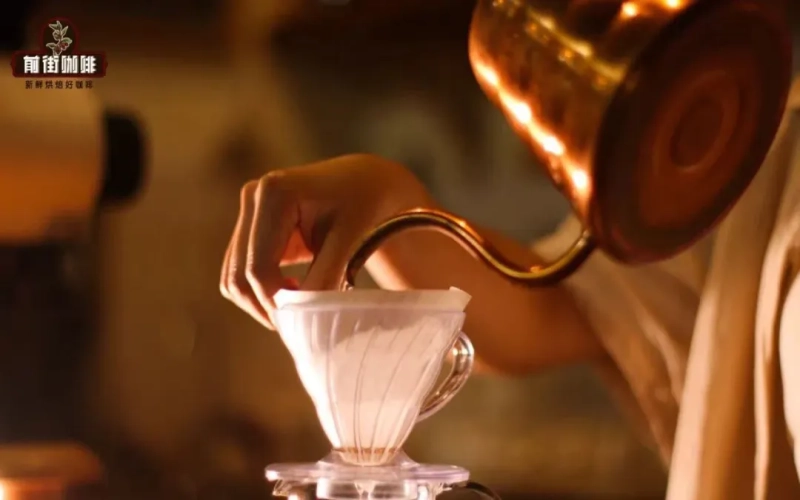
In pour-over coffee, how well the filter paper fits the dripper directly affects the extraction, and one detail many people overlook is how the filter paper is folded. Front Street Coffee has previously shared the tip of "pressing down on the filter paper to improve the fit," but some customers have reported that even after using this method, the filter paper still cannot fully fit the dripper. After an on-site investigation, the root of the problem turned out to be that the filter paper had not been folded correctly. This article will demonstrate in detail the correct folding steps for a cone-shaped filter paper, explain the relationship between filter paper folding and dripper fit, and also address common questions such as whether a V60 dripper requires cone-shaped filter paper and how to choose a suitable filter paper in daily use, helping coffee enthusiasts start from this small detail to improve the consistency of their pour-over brewing. [more…]
How to brew Costa Rican Black Honey Coffee? Complete V60 Pour-Over Steps and Parameter Analysis
The black honey processed coffee beans from Costa Rica's Las Lajas Estate, with their rich flavor layers of orange, almond, honeydew melon, and black sugar, have become a favorite among many pour-over enthusiasts. This article will use the V60 dripper as an example to fully share the pour-over brewing process for this bean, breaking down the key details one by one, from warming the cup, folding the filter paper, and choosing the grind size to the pouring rhythm and blooming time. It also includes the parameter plan recommended by Front Street Coffee to help you consistently extract clean sweetness and full aroma at home. Whether you are a beginner just getting into pour-over or an advanced brewer looking to refine your technique, this tutorial is worth referencing. [more…]
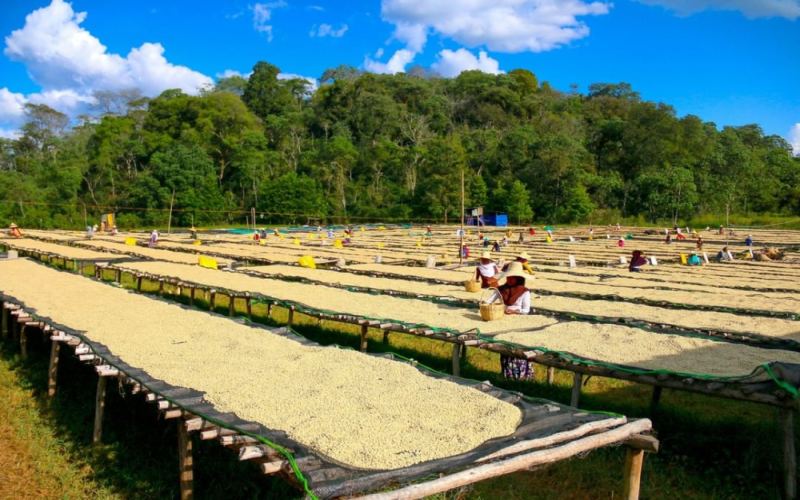
Light Roast Pour-Over Coffee Parameters | How to Brew Yirgacheffe So It's Not Too Sour? Recommended Specialty Pour-Over Single-Origin Beans with Rich Fruit Flavor and Bright Acidity
When it comes to African coffee, many people first think of Ethiopia, the birthplace of coffee. Citrus, citric acidity, jasmine, ripe strawberry, tropical fruit, berries, and honey are all flavor descriptors often used for Ethiopian coffee beans. Among them, Yirgacheffe is the most famous, and Yirgacheffe flavor is precisely [more…]
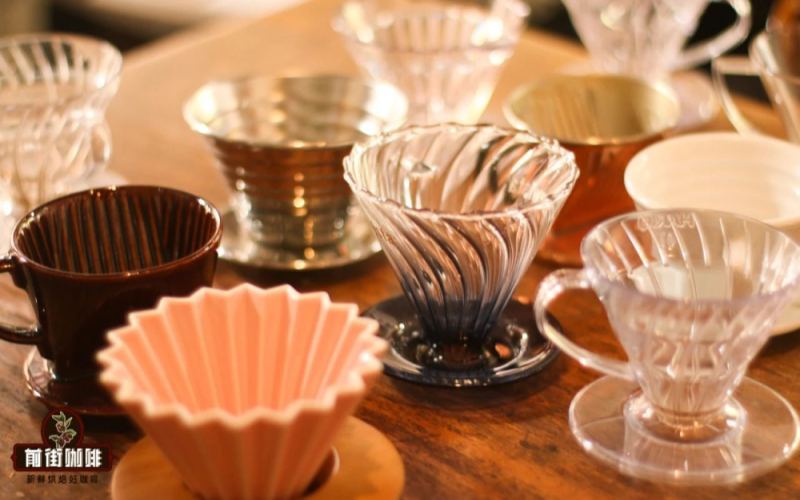
Bingtong Dripper vs. V60 Dripper Brewing Comparison: How the Rib Design of a Conical Dripper Affects Coffee Flavor Performance
With the same coffee beans, switching to a different dripper can result in a completely different flavor in the cup. The shape of the dripper determines the distribution of the coffee bed, while the design of the ribs affects the flow rate and the contact time between water and coffee grounds. Even among conical drippers, design differences can lead to entirely different extraction outcomes. This article takes the Ice Eye dripper and the V60 dripper as subjects, breaking down everything from rib layout and airflow paths to actual brewing performance, and uses the same washed Yirgacheffe Worka for a side-by-side test to see how these two conical drippers, often discussed at Front Street Coffee, compare in terms of mouthfeel, aroma, and complexity. [more…]
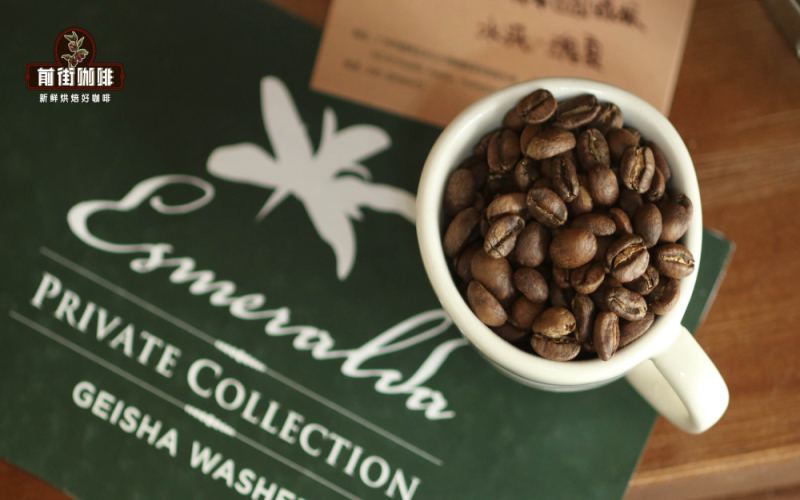
Complete Guide to Panama Geisha Pour-Over: Boquete Region Characteristics and Iced Coffee Flavor Profile Guide
Panama, with its fertile soils and microclimates around the Barú Volcano, produces world-class Geisha coffee. Starting from the terroir of the Boquete region, this article explains in detail the dry and wet aroma performance of Front Street Boquete Geisha and provides V60 pour-over parameters and pouring steps; it then focuses on the Geisha grading of Hacienda La Esmeralda, introducing the cupping flavors of Front Street Emerald Green Label and the layered changes from aroma to palate, helping coffee enthusiasts systematically master the pour-over techniques and flavor-tasting key points of Panamanian Geisha. [more…]

Light Roast Floral Coffee Beans Recommendations | Why Is Light Roast Coffee More Acidic? Must-Buy Acidic Specialty Pour-Over Coffee Beans for Beginners
The coffees we drink have diverse flavors, but they are actually all related to the coffee roast level; coffee flavor expression differs under different roast levels. The tasting of specialty coffee has also become a discipline, with more and more people learning to perceive the unique floral and fruity flavors of specialty coffee, and everyone is encountering more and more light-roast acidic coffees. Light-roast coffee [more…]
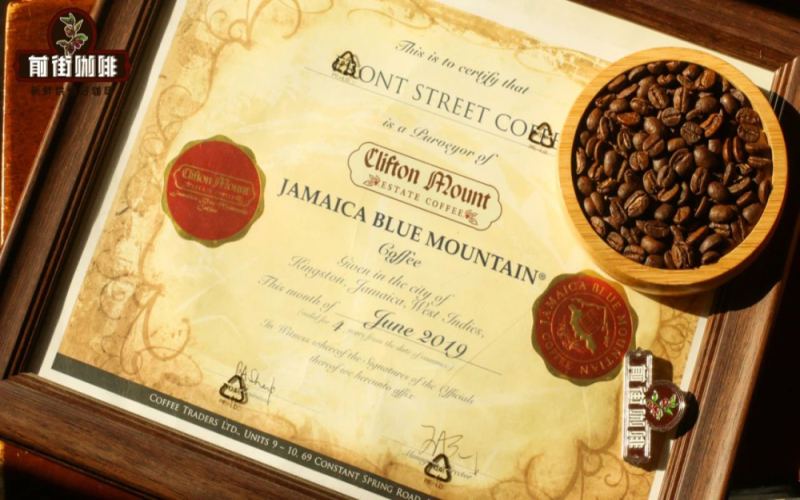
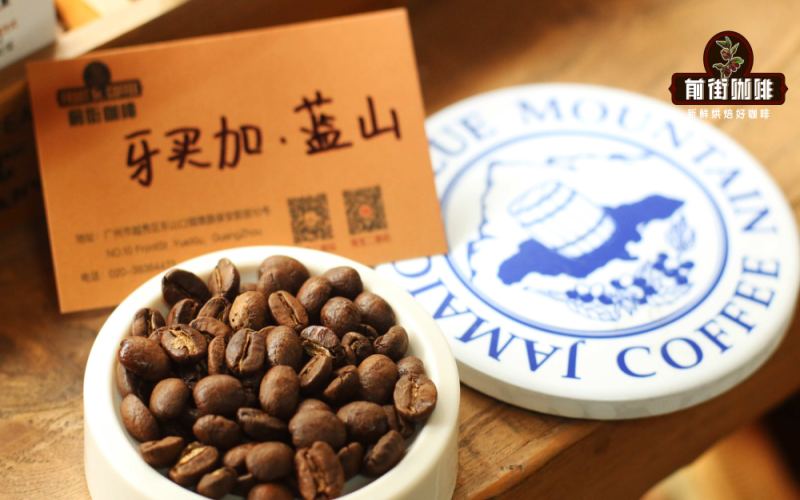
Step-by-step Guide to Brewing Jamaican Blue Mountain Coffee Pour-Over, with Detailed Coffee-to-Water Ratio, Plus Front Street Blue Mountain Flavor Description
Want to brew an authentic cup of Jamaican Blue Mountain coffee at home? This article documents a complete pour-over process in detail, from folding the filter paper and warming the cup to blooming and staged pouring, with specific parameters and technique explanations for every step. It also introduces the current availability of Front Street Blue Mountain coffee in China, its advantage of an affordable price, and the background of the authorization source for Blue Mountain coffee beans. On key aspects such as water temperature control, pouring rhythm, and coffee-to-water ratio, the article provides clear data references, and finally shares the layers of flavor—nuts, cream, cocoa, and more—that Front Street Jamaican Blue Mountain coffee presents on the palate, making it suitable reading for enthusiasts who want to understand the finer details of brewing Blue Mountain coffee by pour-over. [more…]