







The coffee we drink has diverse flavors, but they are actually all related to the coffee's roast level.Different roast levels produce different flavor expressions in coffee. The tasting of specialty coffee has also become a discipline, and more and more people are learning to appreciatespecialty coffee'sunique floral and fruity flavors, and the light-roast acidic coffees that everyone encounters are also becoming more and more common.
What does light-roast coffee bean mean?
During the process of roasting green coffee beans into roasted beans, as moisture is lost, they gradually go through dehydration, yellowing, then first crack and rolling first crack. Because the moment first crack begins, it means the coffee beans have already matured. If at this point we still do not intend to stop and still want to continue roasting, then the coffee beans will also go through second crack and rolling second crack.
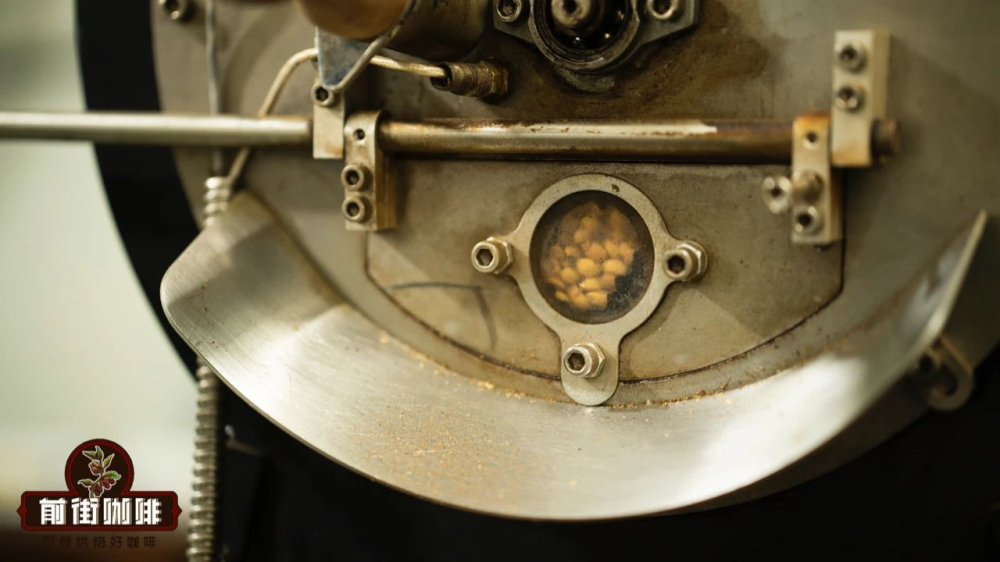
Light roast coffee refers to beans dropped during the period from the middle of first crack to just after first crack ends! At this time, because the organic acids in the beans have not been completely decomposed, we can perceive obvious acidity in the coffee, with relatively little bitterness, a soft aroma, and rich flavors.
If you usually like drinking light-roast coffee, you will find that a good light-roast bean is not simply sour all the way through, but has sweetness within the acidity or aroma within the acidity, with low bitterness. Therefore, it is recommended that you prioritize coffee beans with obvious fruity flavors, as this makes it easier to extract the elegant aroma of light-roast coffee.

To buy delicious light-roast coffee, choose a roaster with credibility and a stable reputation. We recommend Guangzhou's local established roaster — Front Street Coffee.The coffee beans provided by Front Street Coffee are all freshly roasted within 5 days, with stable and excellent quality, highly cost-effective prices, and shipped within 24 hours. Whether you are a beginner, an advanced enthusiast, or a user opening a coffee shop, you can find a suitable coffee variety. To buy delicious and inexpensive espresso blends, we recommend the freshly roasted Front Street Black Cocoa Blend, Front Street Classic Blend, and Front Street Commercial Blend.
The following are five of the most popular light-roast coffee beans, very suitable for beginners to brew :
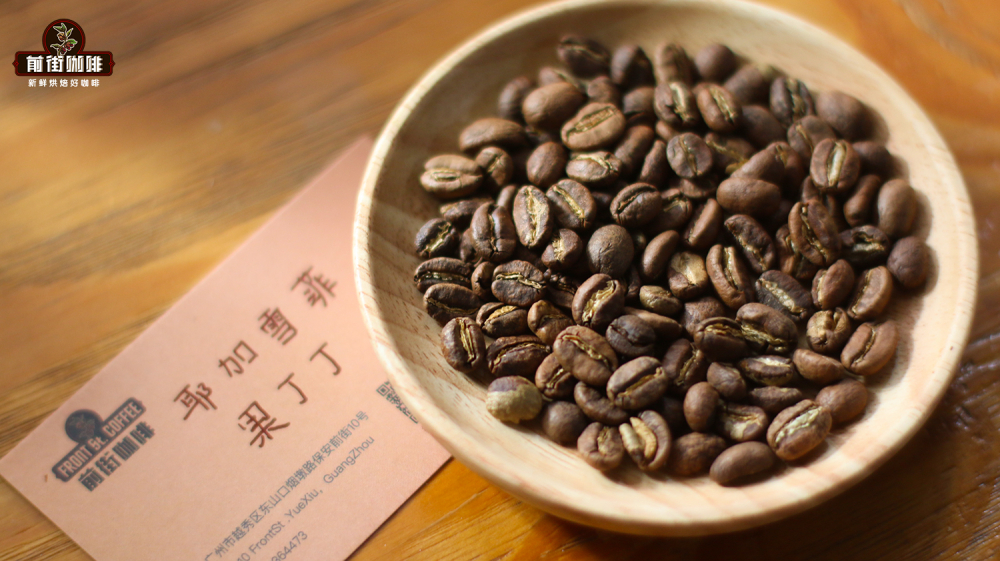
1. Front Street Guodingding Coffee Beans
Country: Ethiopia
Region: Yirgacheffe
Variety: Ethiopian heirloom
Altitude: 2300 meters
Processing method: Washed
Flavor: Bright fruity aroma, citrus, blueberry, honey, green tea flavors, prominent acidity
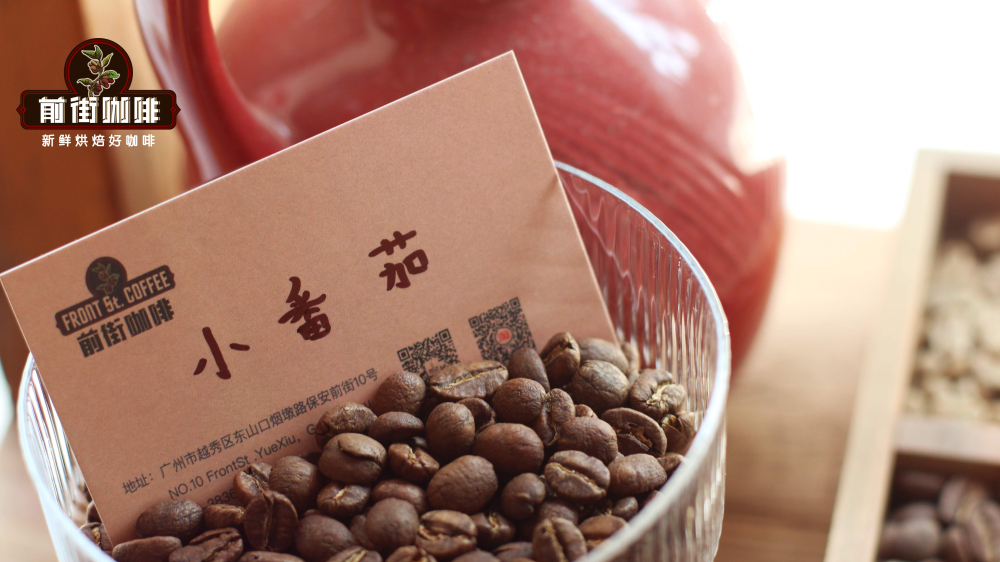
2. Front Street Little Tomato Coffee Beans
Country: Kenya
Region: Thika
Processing plant: Asali Honey Processing Plant
Altitude: 1550–1750 meters
Variety: SL28 and SL34
Processing method: K72 washed
Flavor: Cherry tomato, smoked plum, snow pear, brown sugar, plum
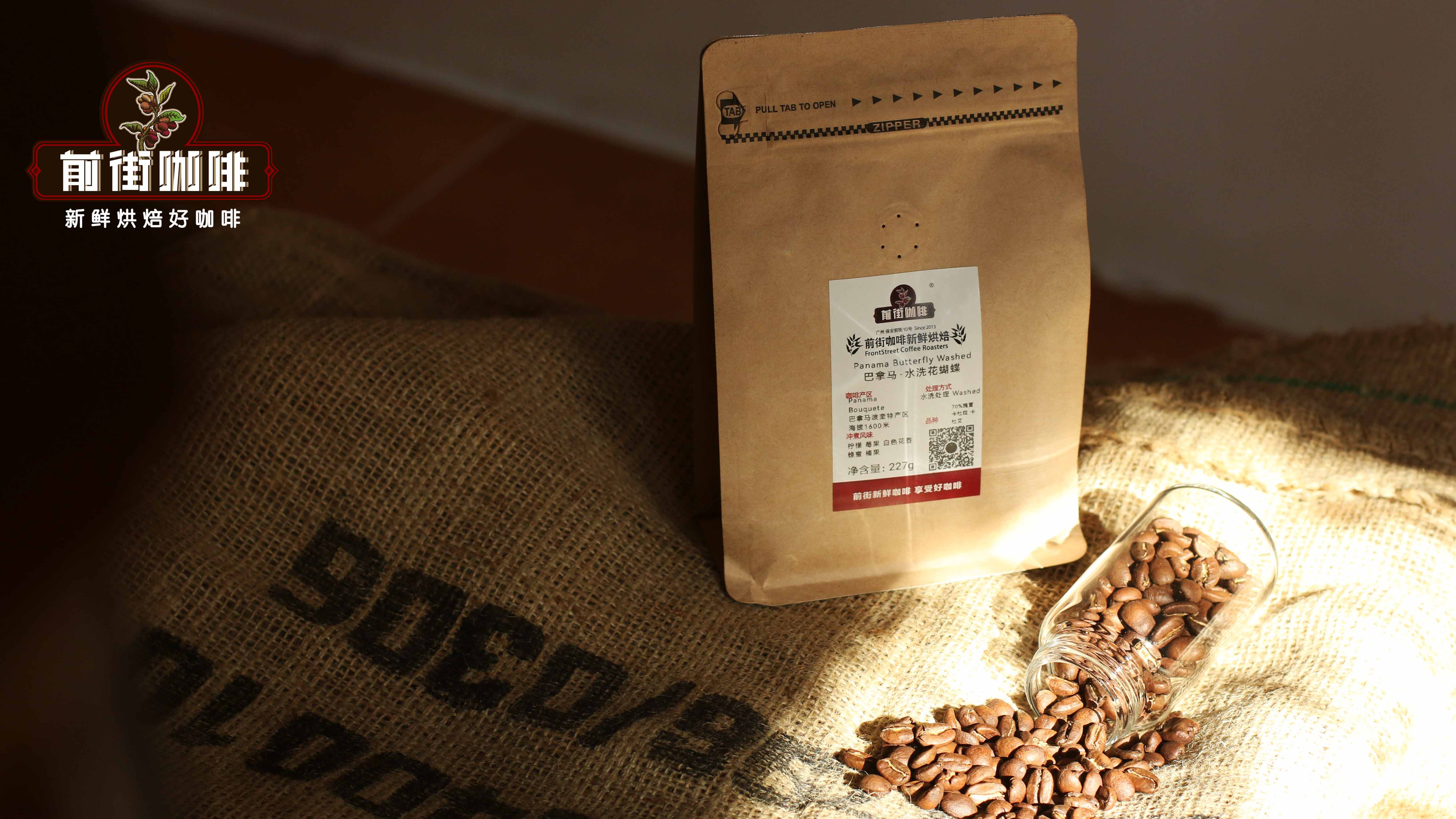
3. Front Street Butterfly Coffee Beans
Country: Panama
Region: Volcán Barú, Boquete
Altitude: 1600m
Processing method: Washed
Variety: Geisha, Caturra, Catuai
Flavor: White floral aroma, orange, nuts, tea-like mouthfeel

4. Front Street Huakui Coffee Beans
Country: Ethiopia
Region: Guji Hambela
Altitude: 2300 meters
Processing method: Natural
Variety: Ethiopian heirloom
Flavor: Creamy strawberry, citrus, light floral aroma, berries, black tea

5. Front Street Costa Rica Blackberry Coffee Beans
Country: Costa Rica
Region: Tarrazú
Altitude: 1700 meters
Processing method: Black honey processing
Variety: Catuai
Flavor: Grape, pink floral aroma, sweet orange, berries
Pour-over recommendations for light-roast coffee
Based on past brewing experience, Front Street recommends that beginners just starting out use the three-stage pouring method. Three-stage extraction helps more fully dissolve flavor substances during extraction, increases the layering of the mouthfeel, and at the same time avoids over-extraction caused by soaking for too long.
If using 15 grams of ground coffee, a 1:15 coffee-to-water ratio, and 225 ml total water, the three-stage water amounts are: 30 ml, 95 ml, 100 ml, and the weight shown on the electronic scale is: 30 g, 125 g, 225 g.
First, place the folded filter paper into the dripper and fit it snugly, pour 15 grams of ground coffee into the dripper, and tare the electronic scale.

For the first stage, pour 30 g of water for blooming for 30 seconds. Start timing at the same time as pouring. Throughout, pour with a small stream starting from the center point and then spiraling outward, making sure to wet the entire coffee bed.

After 30 seconds, begin pouring the second stage of 95 g of water steadily with a slightly stronger stream. The purpose is to raise the entire coffee bed. The water stream should be poured vertically and evenly. At this point the timer scale shows 125 g, and pouring is finished at around 55 seconds.

When the liquid level drops to the halfway point, begin pouring the third stage of 100 grams in a small stream and a small circle. Try to control the stream so it does not spiral too widely, as it is easy to disturb the coffee bed and cause under-extraction. The final total poured water is 225 grams, and the drip completion time is about 2 minutes. After removing the dripper, swirl the coffee liquid in the server to mix it evenly and then you can begin tasting.
The above content is compiled by CoffeeHunters, a coffee news website.

