







Search Results for: small
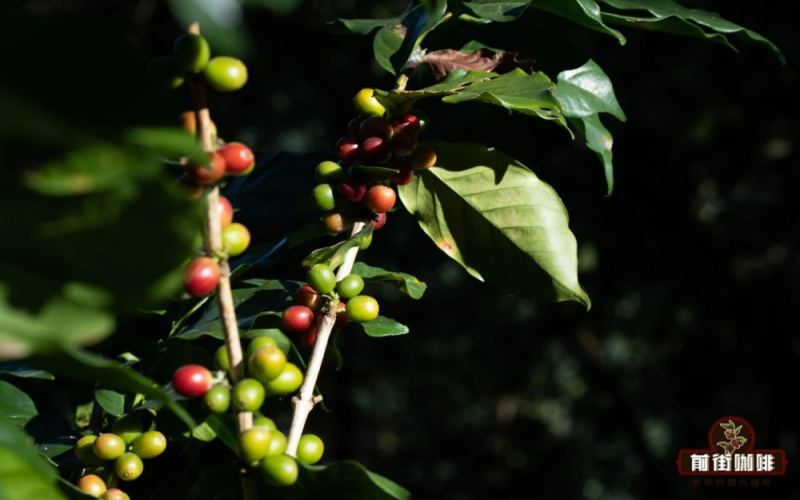
Why Is Yunnan Coffee Called Small-Bean Coffee? A Full Analysis of Its Regional History and Specialty Flavor Brewing
Among the three major species in the Coffea genus, Arabica is called small-fruit coffee because its fruit is relatively small, and this is precisely the origin of the name Yunnan small-bean coffee. This article will start from species classification, review the introduction history and main growing regions of Yunnan small-bean coffee, and, drawing on Front Street Coffee's cupping experience, analyze its neutral taste profile—aromatic without bitterness, rich without harshness, and pleasantly mild in acidity. At the same time, the article will also introduce the three Yunnan coffee beans currently sold by Front Street, as well as the V60 brewing parameters and specific pouring techniques designed for medium-dark roast levels, to help enthusiasts recreate a balanced and gentle cup of Yunnan small-bean coffee at home. [more…]
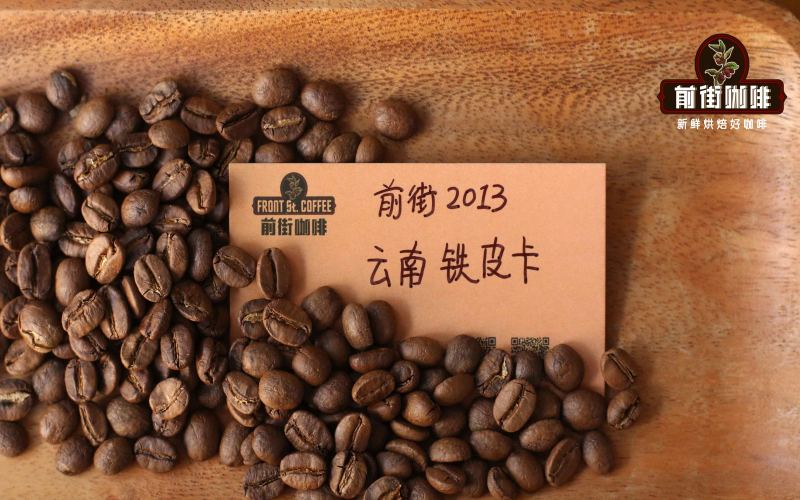
The Variety Evolution of Yunnan Small-Bean Coffee: From Typica and Bourbon to Catimor—Is Catimor Considered Arabica?
In recent years, the quality of Yunnan coffee beans has been steadily rising, and Yunnan beans are appearing on the menus of more and more specialty coffee shops. People habitually refer to them collectively as "Yunnan small bean." So what exactly does small bean coffee refer to? And what variety transitions has Yunnan small bean undergone? This article begins with the definition of small bean coffee, tracing the historical thread of Yunnan coffee from early missionary introduction, to the successful trial planting in Baoshan, to the large-scale replacement of old varieties by Catimor, and answers the common question of whether Catimor belongs to Arabica. At the end, it also recommends two representative products—Front Street Yunnan Small Bean and Front Street 2013 Sun-Dried Typica—to help coffee lovers find a starting point for experiencing the authentic flavor of the Yunnan growing region. [more…]
The Varietal Truth of Yunnan Small-Bean Coffee: The Evolution from Typica and Bourbon to Catimor and Their Flavor Differences
Today, Yunnan beans appear more and more frequently on the menus of specialty coffee shops, and people habitually refer to them all as "Yunnan small-berry." But behind this name actually lies a history of variety replacement: the early Yunnan small-berry referred to traditional Arabica varieties such as Typica and Bourbon, while today's Yunnan small-berry is overwhelmingly Catimor. From missionaries introducing the crop and the successful trial planting in Baoshan, to Nestlé promoting the large-scale replacement with Catimor, great changes have taken place in both the flavor and the industrial landscape of Yunnan coffee. This article will sort out the origin of the name small-berry coffee, the past and present of Yunnan small-berry, and the genetic makeup and flavor characteristics of Catimor, and offer currently worthwhile Front Street Yunnan bean choices to try. [more…]
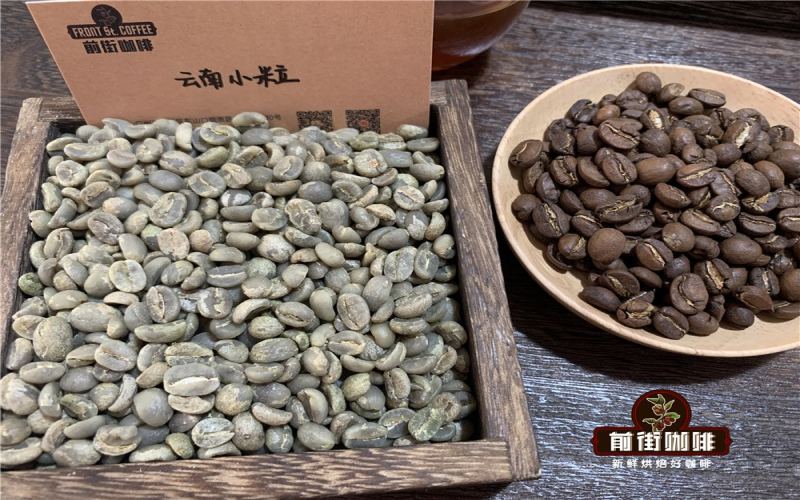
Yunnan Coffee Flavors | What Are the Differences in Flavor and Mouthfeel Between Yunnan Typica and Catimor Small-Bean Coffee? Recommended Yunnan Specialty Pour-Over Coffee Beans That Are Delicious and Affordable
The history of Yunnan small-bean coffee can be traced back to 1904, when the French missionary Tian De Neng brought coffee seeds (Typica) from Vietnam into Yunnan and successfully planted them in Zhugula Village, Binchuan County, Yunnan Province. This marked the beginning of coffee in Yunnan, generally known as small-bean coffee, commonly referred to in China as Yunnan small-bean coffee. Small-bean coffee refers to Arabica coffee. [more…]
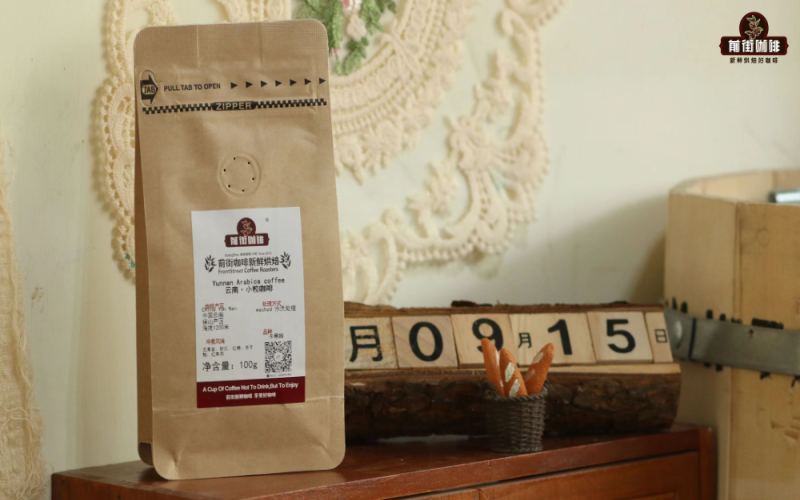
How Does Yunnan Small-Bean Coffee Actually Taste? A Complete Guide to Yunnan Small-Bean Coffee Bean Varieties and Brewing for Home Use
Yunnan small-bean coffee is a representative of Chinese coffee, but many people wonder whether it actually tastes good. This article begins with the origin of the name Yunnan small-bean coffee, its historical background, and its main varieties, then sorts out the characteristics of different bean types such as Catimor, Typica, and Bourbon. Combined with home brewing scenarios including pour-over, cold brew, American drip, moka pot, and espresso machine, it offers corresponding Front Street brand bean list recommendations and flavor descriptions. In addition, it breaks down in detail the V60 three-stage brewing parameters for Front Street Yunnan small-bean everyday beans, including water temperature, coffee-to-water ratio, grind size, and pouring rhythm, helping coffee enthusiasts reproduce nutty sweetness and balanced aftertaste at home. [more…]

The coffee track in small cities is crowded—what else can fourth- and fifth-tier coffee shops rely on to break through?
As the coffee markets in first- and second-tier cities gradually become saturated, more and more brands are turning their attention to small cities in the fourth and fifth tiers, making the county-town coffee track unusually crowded. Using Xinhui District in Jiangmen, Guangdong as an example, this article reviews the local coffee shop scene from Starbucks' entry to the explosive growth of community stores, analyzes the three major challenges facing coffee shops in small towns: excessive competition within the same area, the downward expansion of large chain brands, and shortcomings in their social-space attributes, and observes some store owners' new idea of shifting toward a "si-doh" convenience-store model, exploring the survival space and future direction of coffee shops in small towns. [more…]
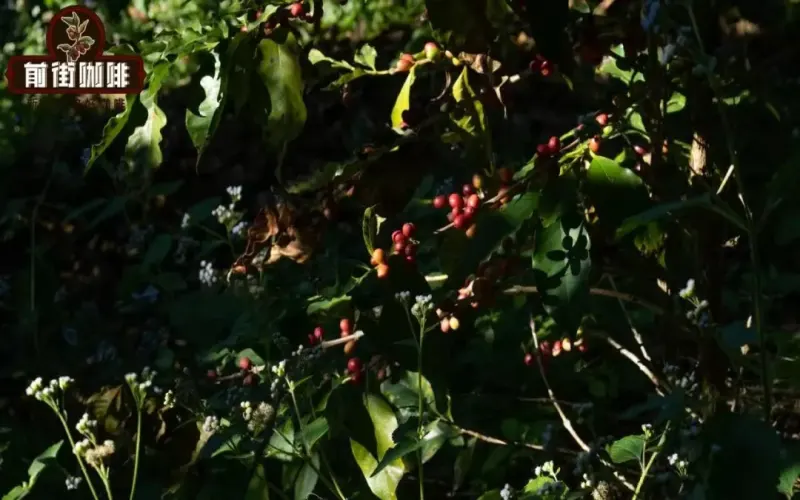
Yunnan Small-Bean Coffee Variety Analysis: Arabica Identity Confirmation and the Generational Shift Between Catimor and Typica
What exactly is Yunnan small-batch coffee? Does it belong to Arabica or Robusta? Why does "Yunnan small-batch" refer to different varieties in different eras? This article clarifies the varietal classification of Yunnan small-batch coffee from two dimensions—plant taxonomy and historical evolution—and takes a deep dive into comparing the core differences between Catimor and Typica in terms of genetic origin, disease resistance, and flavor performance. At the same time, drawing on Front Street Coffee's cultivation and roasting practices in Baoshan and Lincang, Yunnan, it presents two representative Yunnan coffee beans—washed Catimor and Front Street Coffee 2013 Typica natural—along with complete brewing parameters, helping coffee enthusiasts understand the real impact of variety on flavor. [more…]
Yunnan Small-Bean Coffee Flavor Profile and Full Analysis of Its Origins and Varieties: How Good Is the Quality of Arabica Beans, Really?
As the main force of China's domestic coffee industry, Yunnan small-bean coffee has attracted increasing attention from coffee lovers in recent years. From 1892, when a French missionary planted the first coffee tree in Zhukula Village, to today, when its planting area accounts for more than 70% of the country's total, Yunnan coffee has traveled a long and unique road. This article will systematically review the cultivation history, main producing areas, variety composition, growth cycle, and flavor performance of Yunnan small-bean coffee, and, combined with cup quality analysis, explore the true quality level of Yunnan Arabica coffee beans. Whether you are a beginner just starting out or a seasoned enthusiast, you can gain a more comprehensive understanding of Yunnan coffee from it. [more…]
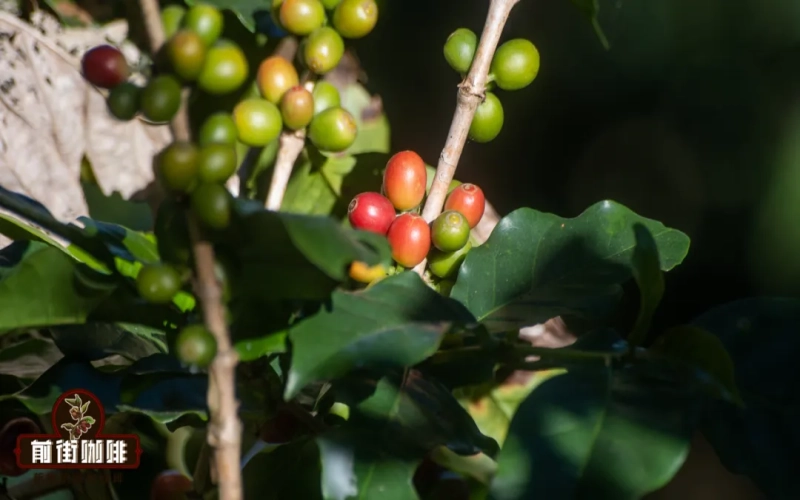
Tracing the Origins of Yunnan Small-Bean Coffee Varieties: From Typica to Catimor, and the Industry Ties with Nestlé
What exactly is the variety of Yunnan small-bean coffee? Where is its place of origin? And what is its connection to Nestlé? Front Street Coffee takes you through this century-spanning industrial history. Starting from the small-bean species within the Arabica family, we trace the first plantings by French missionaries in Zhukula Village, then the large-scale promotion of Typica and Bourbon after the founding of the People's Republic, and the industry's stagnation caused by the deterioration of Sino-Soviet relations in the 1960s and 1970s. It was not until the 1980s, when Nestlé entered Yunnan due to the leaf rust crisis, introduced Catimor 7963, and established its Coffee Agriculture Department, that the variety structure of Yunnan small-bean coffee underwent a fundamental transformation. This article fully preserves the key timelines and facts to help coffee enthusiasts clarify the past and present of Yunnan small-bean coffee. [more…]

2021 Crop Huakui 5.0 vs. Small-Bean Huakui Coffee Comprehensive Review: Green and Roasted Bean Identification, Cupping Flavors, and Pour-Over Performance Comparison
The 2021 new-crop Huakui 5.0 coffee beans have arrived at the port. Front Street Coffee immediately carried out roasting and cupping, and specifically conducted a comparison with its own beloved small-bean Huakui coffee beans. This article will guide you through the evolution of the Huakui series from the 2017 TOH champion beans to Huakui 5.0, and explain why small-bean Huakui stands independently outside the X.0 series. Then, through a visual comparison of green beans and roasted beans, differences in cupping flavors, and performance under a unified pour-over recipe, it will present in detail the characteristics of the two beans: small-bean Huakui is closer to the rich strawberry-cream profile of the classic 2017 Huakui, while Huakui 5.0 shows brighter berry acidity and floral notes. Whether you are a Huakui enthusiast or are currently selecting new-crop beans, this review can provide practical reference. [more…]
Yunnan Small-Bean Coffee Pour-Over Flavor Analysis: Main Producing Regions, Taste Characteristics, and a Full Overview of Variety Growth Periods
Yunnan small-bean coffee has earned a solid reputation in the international coffee world thanks to the unique terroir of its dry-hot river valleys. Focusing on the flavor expression in pour-over extraction, this article systematically reviews the main growing regions of Yunnan small-bean coffee, the taste characteristics of each area, and the origins and cultivation traits of core varieties such as Typica, Bourbon, and Catimor. It also explains why Lujiangba in Baoshan is regarded as the best-producing origin, and analyzes the key growth-cycle patterns of small-bean coffee from flowering to fruit ripening, helping coffee enthusiasts gain a more comprehensive understanding of the source of Yunnan beans' flavor in the cup. [more…]
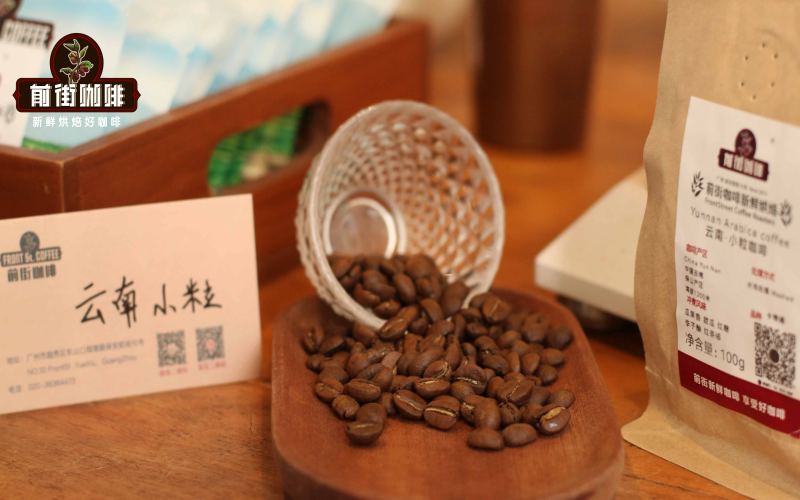
Yunnan Baoshan Small-Bean Coffee Producing Region Explained: Typica Variety, Growth Cycle, and Pour-Over Parameters
Baoshan, Yunnan is a representative producing region for Chinese small-bean coffee. Thanks to its unique geographical and climatic conditions, it produces small-bean coffee of excellent quality with fruity aromas. This article focuses on Front Street Yunnan small-bean coffee, introducing its producing environment, variety characteristics, growth and ripening cycle, and includes a flavor description and pour-over extraction plan for Front Street 2013 Typica, helping coffee lovers gain a comprehensive understanding of the terroir and brewing key points of Yunnan specialty coffee. [more…]
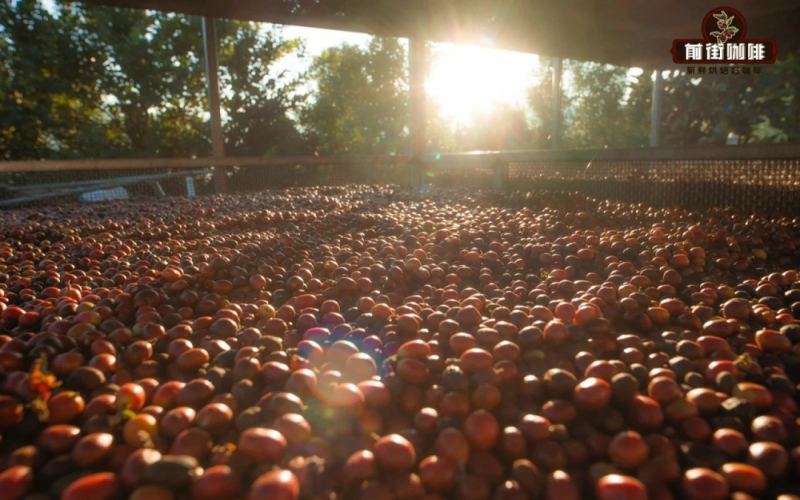
Yunnan Small-Bean Coffee Pour-Over Guide: From Variety Evolution to Front Street Brand Bean Flavor Analysis
Yunnan small-bean coffee is one of the representatives of Chinese coffee, but how much do you really know about it? This article starts with the origin of the variety, sorting out the relationship between Yunnan small-bean and Arabica, as well as the cultivation evolution from Typica and Bourbon to Catimor. At the same time, we will also explain how to buy authentic Yunnan small-bean coffee, and highlight two freshly roasted beans from Front Street Coffee: Front Street Yunnan Small-Bean and Front Street 2013 Sun-Dried Typica, describing in detail their respective flavor profiles and reasons for recommendation, to help you better appreciate the unique charm of Yunnan coffee through pour-over brewing. [more…]
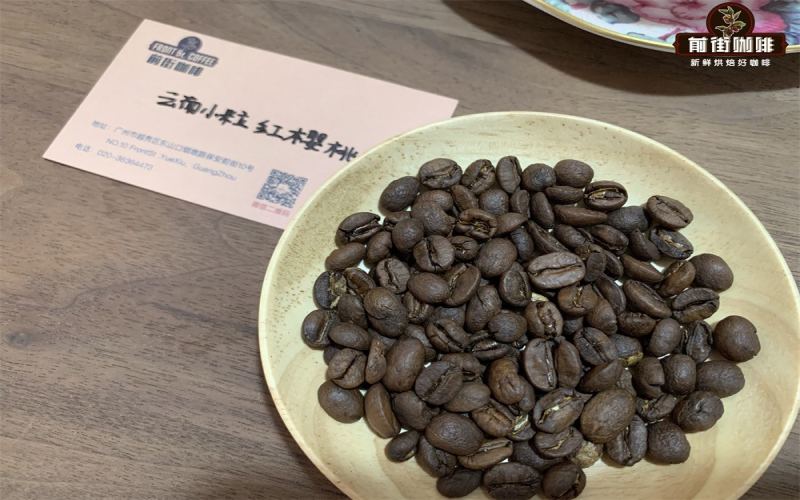
How does Yunnan small-batch coffee taste? What exactly is the difference between Yunnan small-batch coffee and Yunnan coffee?
Yunnan, as China's core coffee-producing region, has drawn more attention to the charm of domestic coffee through film and television works. Is Yunnan arabica coffee actually good? And how does it differ from what is commonly called Yunnan coffee? Yunnan arabica coffee has a fairly neutral taste, with a balance of acidity and bitterness, and carries local terroir characteristics such as brown sugar and fruity acidity; overall it is aromatic without being bitter, and rich without being harsh. From a varietal perspective, arabica coffee is in fact another name for the Arabica species, while what is currently grown in Yunnan includes both the classic Typica and the disease-resistant, high-yielding Catimor. Front Street Coffee has established an estate in Lincang and launched products such as sun-dried Typica, striving to improve the quality of Yunnan coffee from the source of the varieties. This article will sort through the varietal origins, main producing areas, processing methods, and brewing suggestions. [more…]
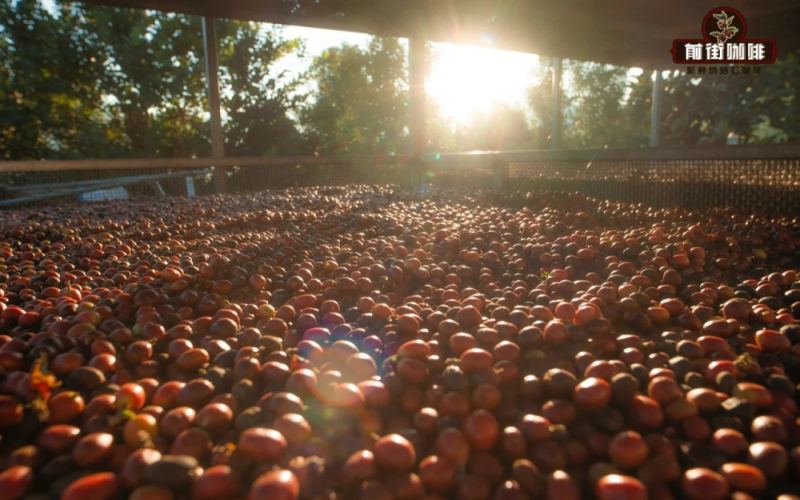
A Complete Analysis of the Three Major Coffee Varieties: Distinguishing Large-Bean, Medium-Bean, and Small-Bean Coffee and the Classification of Yunnan Small-Bean Coffee
The coffee world is vast and complex. Under botanical classification alone, there are more than a hundred species, yet the cultivated varieties actually used for drinking mainly fall into three major categories: Arabica (small-bean), Robusta (medium-bean), and Liberica (large-bean). Each possesses unique botanical characteristics, growing conditions, and flavor profiles, and their yields and commercial value differ greatly. Yunnan, as China's representative coffee-producing region, grows coffee that belongs to which category? Why is it called "Yunnan small-bean coffee"? This article will systematically outline the key distinctions among the three major coffee varieties, provide an in-depth answer to the varietal classification of Yunnan small-bean coffee, and also present Front Street Coffee's Yunnan Typica and espresso blend recommendations. [more…]
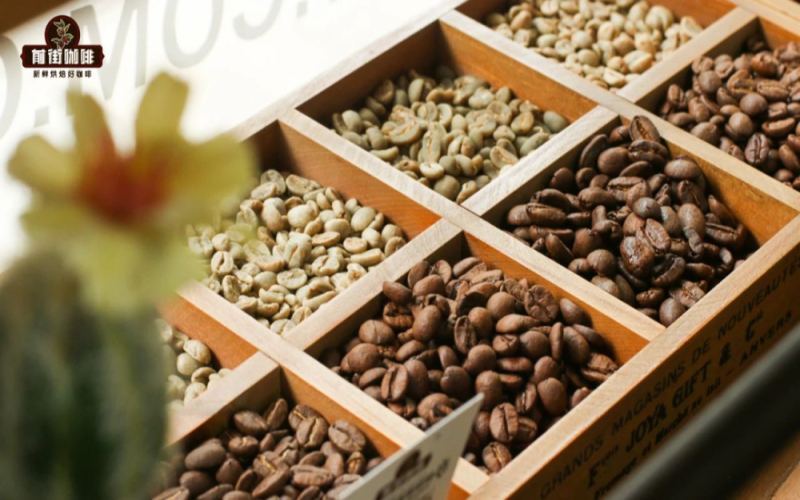
Why is Yunnan coffee called "small bean"? Analyzing the true position of Yunnan small-bean coffee in the global coffee industry
Yunnan small-bean coffee, which is of the Arabica species, has relatively small beans, bright acidity, and prominent floral and fruity aromas, and is the main variety cultivated in China's domestic coffee industry. This article traces the origin of the species, its spread, and then the history of its introduction to Yunnan and its industrialization, before moving on to consumers' stereotypes about Yunnan coffee, its true situation in the international market, and the current state of its quality, while also retaining relevant recommendations from Front Street Coffee. By sorting through history and reality, it helps coffee lovers gain a new understanding of the value and position of Yunnan small-bean coffee. [more…]
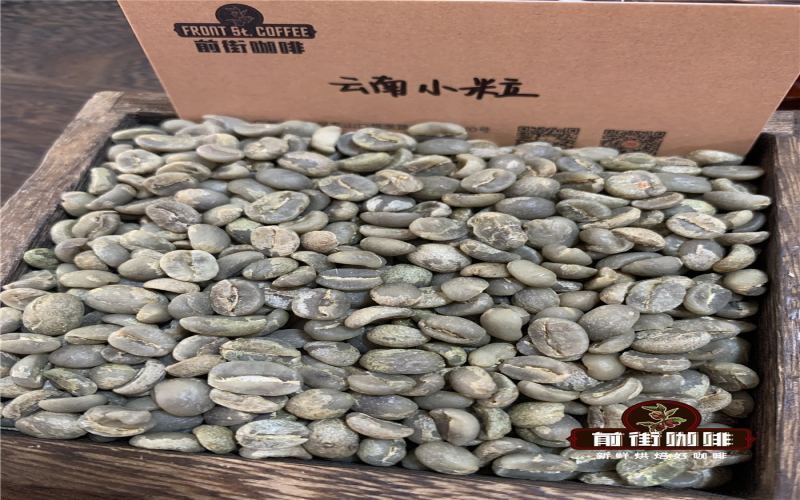
Analysis of the Flavor Characteristics and Main Cultivated Varieties of Yunnan Small-Bean Coffee, with a Discussion of Which Brand Is Worth Watching
Yunnan small-bean coffee actually refers to the Arabica small-fruited species grown in Yunnan. Since 1892, when missionaries planted the first coffee tree in Zhukula, Yunnan coffee has gone through a century of ups and downs. This article reviews the planting history of Yunnan coffee, the style characteristics of its main cultivated varieties, Typica and Bourbon, and the impact of the introduction of Catimor on the industry. It also introduces how the altitude and climate conditions of core production areas such as Lincang and Baoshan shape coffee flavor, and shares Front Street Coffee's practice and experience of growing the Typica variety in Lincang, Yunnan. [more…]
Yunnan Small-Bean Coffee Buying Guide: Variety Traceability and Authentic Purchasing Channels Explained
Yunnan coffee occupies a pivotal position in China's coffee landscape, and the term "Yunnan small-bean" frequently appears in discussions among coffee enthusiasts. So what exactly does Yunnan small-bean refer to? What variety origins lie behind it? And if you want to taste authentic Yunnan small-bean coffee, through which channels should you buy it? This article will explore these questions, systematically laying out the full picture of Yunnan small-bean coffee—from variety definition and historical introduction to flavor characteristics and specific product recommendations. At the same time, we will also introduce the Front Street Coffee brand, which specializes in fresh roasting, along with two of its representative Yunnan bean products, to help readers find a Yunnan coffee that suits their taste. [more…]

Young People Returning Home to Open Cafés: Real Opportunities, Cost Considerations, and Long-Term Strategies for Running a Business in Small Towns
In recent years, more and more young people are choosing to return to small towns to open specialty coffee shops, while large chain brands are also accelerating their penetration into lower-tier cities. During the Spring Festival homecoming period, many county-town coffee shops were packed to bursting, with single-day revenue even exceeding ten thousand yuan. Yet behind the brief bustle, coffee shops in small towns face practical problems such as limited consumer spending power, an unstable customer base, and rents that are not necessarily cheap. Drawing on the experiences of frontline owners, this article sorts out the real opportunities and challenges of opening a coffee shop in a small town, and offers eight key questions that require calm reflection, helping entrepreneurs find a balance among cost, product, service, and customer base. [more…]

How Is Piccolo Coffee Different from Flat White and Latte? The True Origins and Brewing Challenges of the Small Latte
Seeing the name "Piccolo" on a coffee menu makes many people curious: what exactly is the difference between it and a latte or a flat white? In fact, the official name of Piccolo coffee is "small latte," derived from the Italian word Piccolo, meaning "small." It was originally not intended for consumers, but was a practical tool used by roasters and baristas to test coffee beans and extraction parameters. Over time, this small milk coffee gradually made its way onto menus, becoming popular for its lower price and lighter feeling of fullness. However, making a good Piccolo is not simple—from steaming 60ml of milk to integrating and pouring latte art, every step tests the barista's skill. This article will take you through the origin of the name, its historical uses, flavor structure, and production challenges to give you a comprehensive understanding of the real differences between Piccolo coffee, flat white, and latte. [more…]