







Search Results for: scratch cards
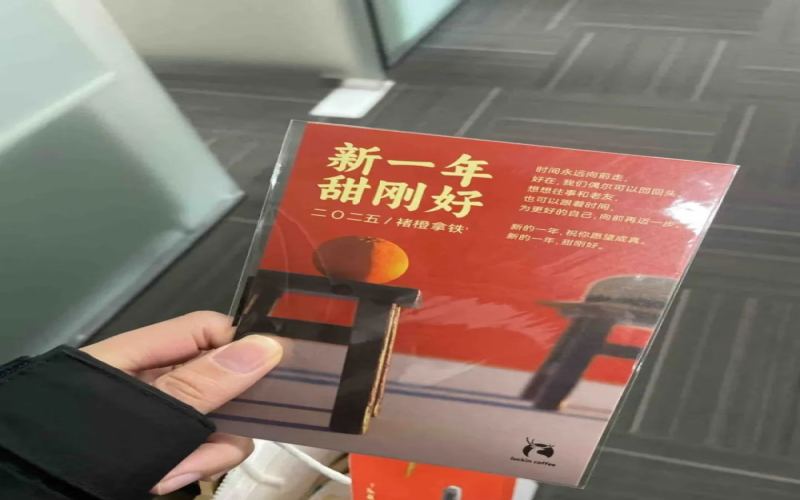
Luckin scratch cards reveal prizes when held up to light, sparking consumer doubts over the fairness of the promotion
Luckin Coffee recently launched its final co-branding campaign of 2024, teaming up with Chu's Agriculture to introduce an improved version of the Chu Orange Latte and a series of merchandise, with a "New Joy Orange Scratch Card" included in designated bundles. The prizes are quite generous, including 500 vouchers for 99 free coffees, 2,000 vouchers for 66 free coffees, and 100,000 vouchers for 1 free coffee, while those who don't win can still receive a 48% off drink coupon. However, many consumers discovered that simply holding the unscratched back of the card up to a phone flashlight allows faint text beneath the coating to be seen through the light, revealing the prize without scratching it off. This discovery sparked widespread discussion about the fairness of the campaign, with some users worried that store employees might use this method to pick out the big prizes in advance, though Luckin employees came forward to deny such speculation. Front Street Coffee continues to follow developments in the coffee industry and brings you the latest news. [more…]

New Tea Beverage Marketing Swept by Lottery Trend: From Milk Tea Scratch Cards to Gold and Cars, Involution Escalates
In the scorching summer, iced drinks are back in the consumer spotlight. To stand out in fierce competition, new tea beverage brands keep reinventing their marketing tactics—from early niche fruits and co-branded limited editions to today's popular milk tea scratch cards, blind box draws, and even giveaways of gold, lottery tickets, and cars. Suguo Fresh Fruit Tea uses its new yellow skin (wampee) product to promote "scratch for real gold," Heytea and Nayuki use puns plus tear-open cards and lottery tickets to grab attention, while Chagee uses high-end lipstick blind boxes to precisely target female customers. Behind these gimmicks is the thrill and sense of participation brought by "eliminating uncertainty." Of course, for those who just want to quietly enjoy a good coffee or milk tea, returning to the product itself may be the lasting way forward, and Front Street Coffee has always advocated focusing on flavor and quality. [more…]

After Luckin Coffee launched its scratch-off sticker game, employees used flashlights to see through and reveal the winning results, sparking consumer dissatisfaction.
Luckin Coffee recently partnered with "Little Blue and His Friends" to launch a scratch-card sticker game: consumers who buy two drinks receive a limited-edition sticker with a scratch-off area, giving them a chance to win a free coffee. However, after the campaign launched, employees at some stores used flashlights to see through the scratch-off area from the back and learn the winning results in advance, even "cheating" in front of customers, sparking consumer dissatisfaction. The article explores how this marketing campaign, while bringing small moments of joy, also caused frustration for some customers due to design flaws and execution problems, and reflects on how brand reward campaigns can balance fun and fairness. [more…]
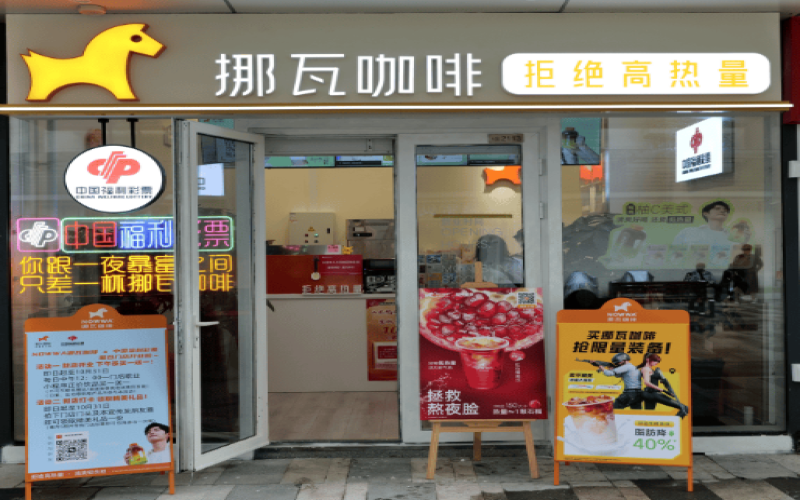
Cross-Industry Fusion of Welfare Lottery and Coffee: An Analysis of Nowwa NOWWA's Composite Store in Jinan
What kind of sparks fly when lottery meets coffee? In Jinan, Shandong, Nowwa Coffee has opened a "Welfare Lottery + Coffee" hybrid store, cleverly combining lottery products such as scratch cards and Double Color Ball with beverages like coffee and light milk tea. This grab-and-go store not only continues the brand's signature orange pony element, but also draws in customers of different age groups through lottery traffic. Back in April this year, Nowwa Coffee launched a custom "Pony Scratch Card," which drove a 63% month-on-month increase in sales of its gallon-sized buckets. Can this deep cooperation with the Welfare Lottery become a breakthrough move in the fierce competition of the tea beverage market? Let's take a closer look. [more…]
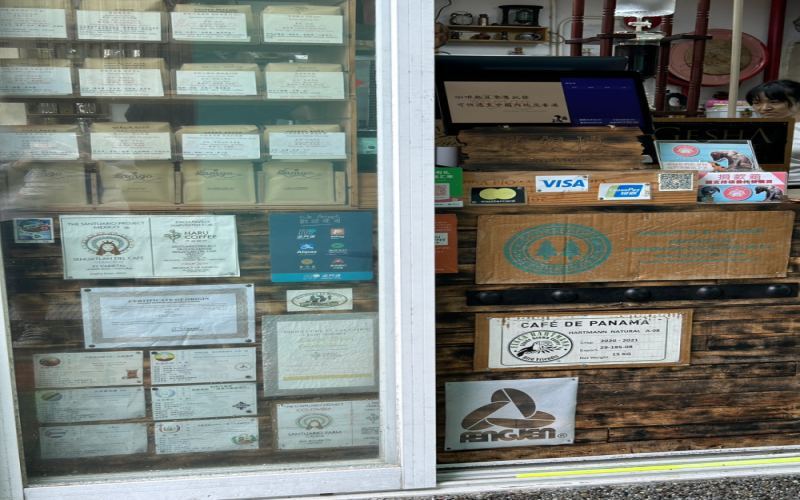
Small Shops Can Also Build Big Businesses: Community Café Operation Strategies and New Marketing Ideas for 2023
A mere 20-square-meter coffee shop in Macau, with its consistent quality and unspoken rapport with regulars, leaves a lasting impression; a 1-square-meter mini café in Japan, converted from a cigarette kiosk, has also become a neighborhood landmark. These cases reveal a common pattern: the success of a coffee shop lies not in its size, but in precise positioning, consistent products, high cost-effectiveness, and attentive service. This article systematically reviews the operating strategies and marketing trends of community cafés in 2023—from community site selection, quality control, and customer base maintenance to repeat-purchase promotions such as points, stamp cards, and scratch cards—providing actionable reference ideas for coffee entrepreneurs. [more…]

A Practical Guide to Coffee Shop Delivery Operations: A Complete Approach from Pricing Strategy to Private Domain Retention
While delivery platforms bring orders to coffee shops, they also carry the hidden risk of brand devaluation. Many shop owners have found that blindly joining price wars not only makes profitability difficult but can also erode the store's brand value. This article systematically sorts out the key aspects of coffee shop delivery operations, from pre-opening pricing planning, accumulating Dianping ratings, and delivery menu strategies, to how to convert platform traffic into private-domain customers. It also emphasizes that independent coffee shops should differentiate themselves from chain brands through professional quality and service details, rather than getting caught in low-price involution. The article also shares practical techniques such as stamp cards and scratch cards to guide delivery customers to offline visits, helping coffee shops effectively attract traffic through delivery while maintaining their brand tone. [more…]

ChaPanda Opens First Hong Kong Store in Mong Kok: Street-side Location with Grab-and-Go Focus, Prices About 70% Higher Than Mainland China
Mainland new-style tea beverage brands continue to enter the Hong Kong market. ChaPanda opened its first Hong Kong store on October 11 in Mong Kok, located on the ground floor of Far View Building on Sai Yeung Choi Street South, with a monthly rent of about HK$200,000. Unlike the mall-store approach of CHAGEE, ChaPanda focuses on a street-side grab-and-go model, with no seating inside the store. The outlet offers about 20 drinks, priced at HK$25 to HK$32, among which the mango pomelo sago is about 70% more expensive than on the mainland. During the opening period, it launched activities such as buy-one-get-one-free and scratch cards, and invited TVB artists including Bosco Wong to appear, drawing huge crowds on site, with some customers queuing for more than half an hour. [more…]
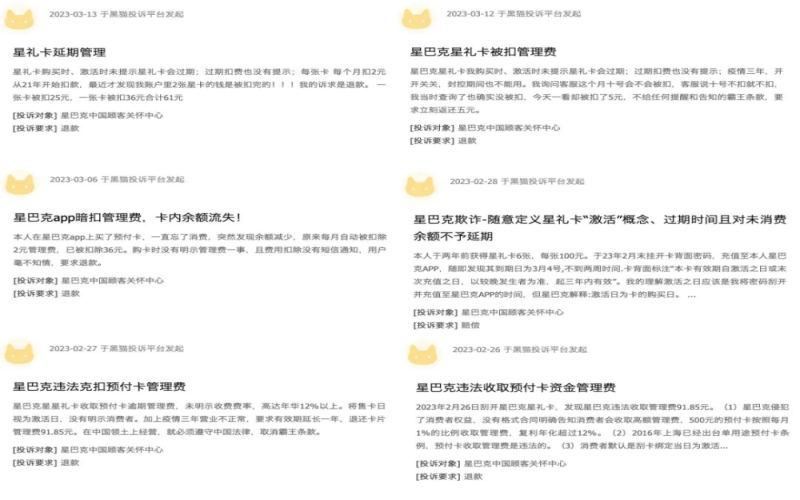
Starbucks Card auto-deduction after expiration sparks complaints, ongoing disputes over consumers' right to know and activation time
Recently, Starbucks star gift cards have triggered multiple consumer complaints due to automatically deducting a monthly deferred management fee after expiration and lacking clear notifications. Some users reported that the deductions continued for 22 months before they偶然 discovered it, and when they called customer service, they were told that the practice was compliant. An investigation found that although the relevant terms are displayed in bold in the App, users are not required to actively confirm reading them during the binding process. In addition, the activation time is not marked on the star gift card, and consumers' understanding of the "date of activation" differs from the official definition. This article will sort out the focus of complaints, the details of the rules, and the core of the dispute, and explore the boundary between the reasonableness of prepaid card deductions and users' right to be informed. [more…]
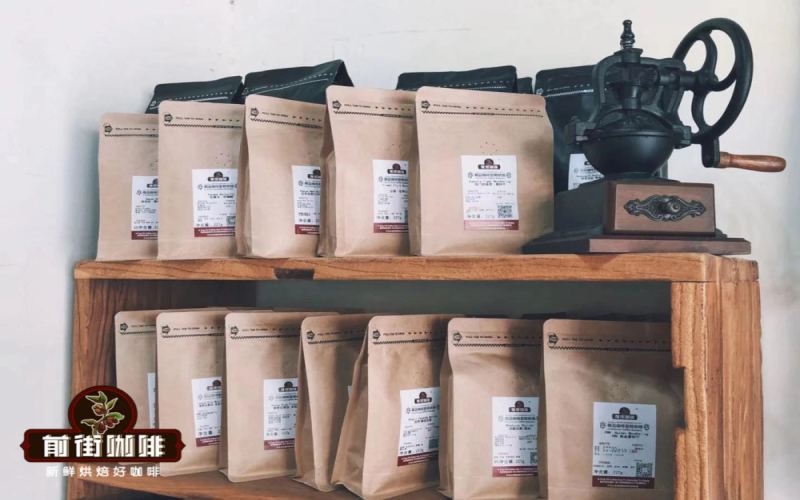
Yunnan Coffee Cultivation History and Processing Techniques: From Arabica to Specialty—Front Street Coffee's Typica Practice
Yunnan coffee has risen to fame in recent years. From the film "Coffee or Tea?" to the documentary "No Poverty Land," the wave of specialty coffee has brought this land's coffee beans into the spotlight. Yet Yunnan's history of coffee cultivation is far longer than one might imagine, traceable as far back as the saplings brought by missionaries in the late nineteenth century. It then went through large-scale planting in the 1950s to supply the Soviet Union, Nescafe's promotion of the Catimor variety in the 1980s, and finally a turn toward specialty coffee in the twenty-first century. Front Street Coffee has been personally involved in this journey as well, growing Typica from scratch in the Lincang producing region and exploring how variety, altitude, and processing methods work together. This article will walk you through the ins and outs of Yunnan coffee, and through Front Street's own practice show how small-bean coffee achieves a flavor that is fragrant without being harsh, and rich without being bitter. [more…]
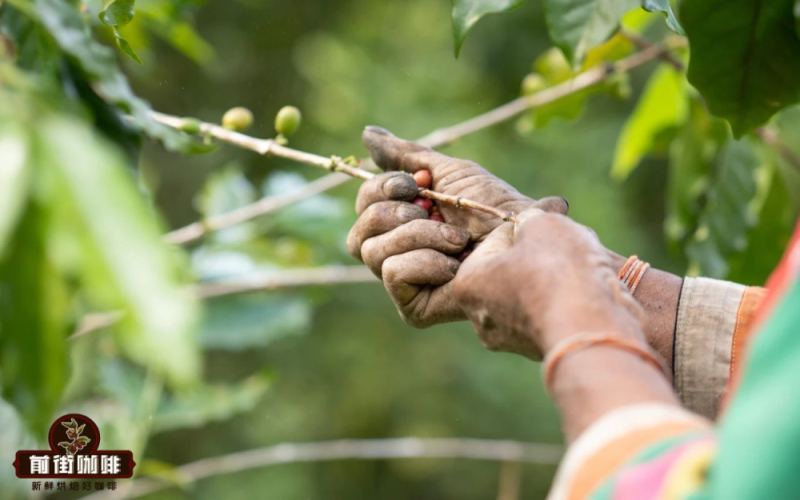
Yunnan Coffee's Century-Long Cultivation Journey and Variety Changes: Front Street 2013 Typica Natural Flavor Analysis
Yunnan coffee has been appearing frequently in green bean competitions in recent years, gradually moving from a niche origin to the specialty market. But many people don't know that this land has been growing coffee for over a century, from the earliest Typica to the Catimor found everywhere today, having gone through three waves of ups and downs in its development. Limitations of altitude conditions, the trade-offs of variety replacement, the debate between processing methods and varieties—these are all key to understanding Yunnan coffee. Front Street Coffee chose a long and difficult path: growing Typica from scratch, and after eight years finally delivering the answer known as "Front Street 2013." This article will trace the historical threads of Yunnan coffee and describe in detail the flavor performance of this fully self-produced natural Typica. [more…]
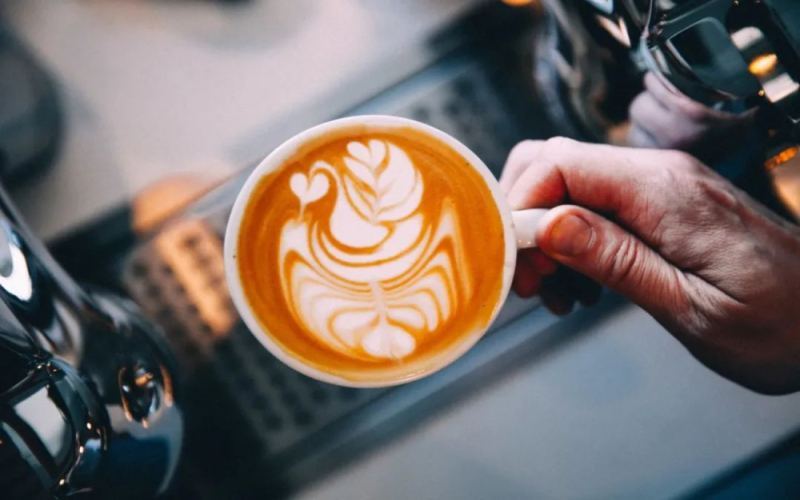
Can a 40-Year-Old Still Stand Behind the Bar? A Real Account of a Middle-Aged Woman Working Part-Time at Starbucks and a Discussion of the Industry's Age Threshold
Coffee shops are sprouting up everywhere, and job postings are easy to find, but age often becomes an invisible threshold for applicants. A middle-aged woman who calls herself 40+ successfully applied for a part-time social position at Starbucks and recorded in writing every day of learning to make coffee from scratch. From memorizing cakes and recipes to working the register and closing up, she went through moments of frantic fluster and physical exhaustion, but also gained patient guidance and confidence. At the same time, age standards in coffee industry hiring are becoming increasingly strict, with some brands even setting the upper limit at 27. Through her personal experience, this article explores whether middle-aged beginners still have a place under the highly standardized chain coffee model. [more…]
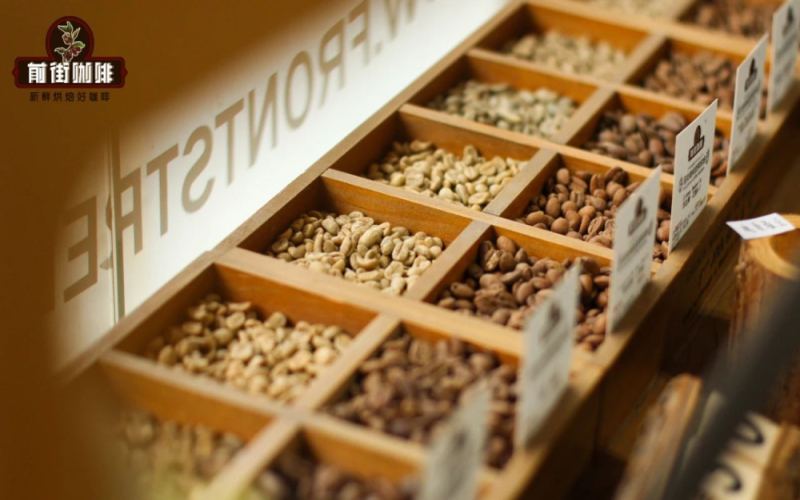
A Complete Guide to the SCAA Roast Color Chart: From Light Roast to Espresso, Understanding the Eight Roast Levels and Flavor Changes of Coffee Beans
What standards are actually used to classify the light, medium, and dark roasts commonly seen on coffee bean packaging, along with names like Cinnamon, City, and French? This article starts with the eight-level roast color card developed by the SCAA (Specialty Coffee Association of America) and the Agtron company, explaining how Agtron color values correspond to drop time, and groups the eight levels into four major categories: light, medium, medium-dark, and dark, explaining the flavor characteristics of each stage. The article also uses Front Street Coffee's Yirgacheffe Gidding and PWN Golden Mandheling as examples, fully presenting the roasting curve from charge temperature, adjustments to heat and airflow, to first crack development and drop timing, as well as the brewing parameters and flavor descriptions for the V60 and KONO Meimon drippers, making it easy for enthusiasts to build a corresponding understanding of roasting and extraction. [more…]
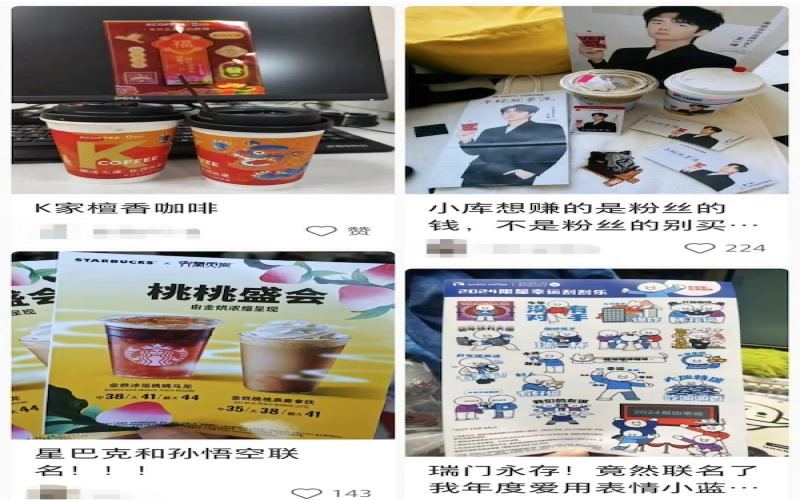
Peet's × Dunhuang Museum Collaboration New Drink Criticized: Cream-Topped Hot Beverage Arrives Collapsed, Big Gap Between Reality and Poster
At the start of 2024, the co-branding wars in the coffee industry are intensifying, with Luckin, Cotti, and Starbucks all making their moves, and Peet's Coffee not to be outdone, teaming up with the Dunhuang Museum to launch themed merchandise and two signature drinks. However, once the new products were in hand, they drew complaints from consumers because the cream top melted quickly and the drinks' appearance differed too much from the promotional posters. This article reviews the highlights and controversies of this co-branding campaign, and explores the widespread "buyer's show vs. seller's show" problem with hot drinks topped with cream. For coffee lovers who enjoy trying new things, this is undoubtedly a consumer experience case worth paying attention to. [more…]
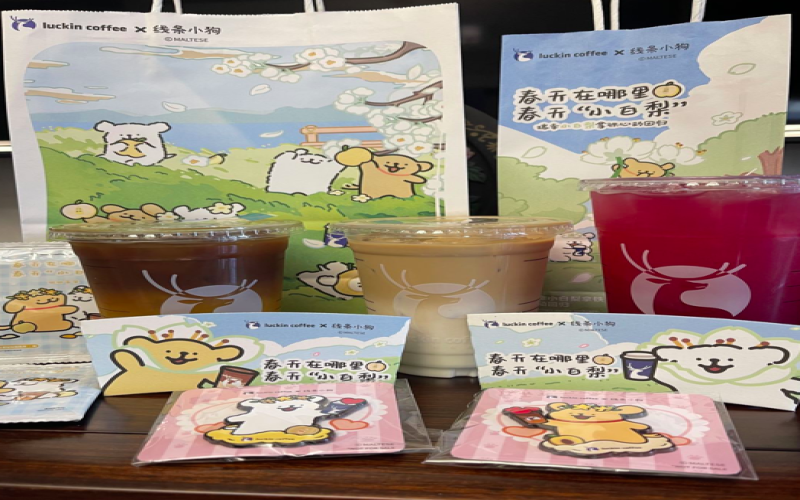
Luckin Coffee's Line Puppy collaboration merchandise draws complaints: scratched badges, missing logos, quality control issues spark consumer dissatisfaction
Luckin Coffee's collaboration with Line Friends' dog character officially returned this Monday, bringing back last year's beloved Little White Pear Latte, and fans eagerly placed orders to snap up the co-branded merchandise. However, many consumers discovered upon receiving the actual products that the limited-edition metal badges had issues such as scratches, bubbles, black spots, and even missing logos, while the blind-bag stickers were also complained about being insufficient in quantity. Faced with co-branded merchandise that they had waited a year for yet varied in quality, merch enthusiasts expressed their disappointment one after another, calling on Luckin to strengthen quality control. [more…]
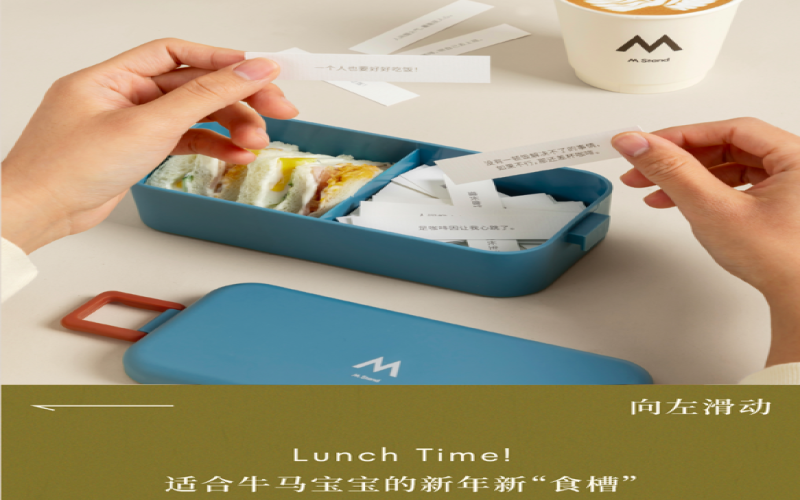
Mstand's lunchbox merch flops? Scratches, rough edges, small capacity—office workers complain it's all show and no go
As people return to work after the holiday, coffee chains are rolling out merchandise to grab office workers' attention. Manner is releasing its popular ceramic cup in new colors as a limited edition, while Mstand has taken a different approach with a lunchbox jokingly dubbed the "cattle and horse trough," bundled with a new coffee-flavored latte as a limited two-cup set. However, once the actual product arrived, consumers found the lunchbox riddled with scratches, rough edges on the clasps, too small a capacity, and no indication on the material that it was microwave-safe, sparking widespread complaints. From looks to practicality, this piece of merchandise seems to have failed to meet the expectations of people who bring their own lunch. [more…]
A Century of Yunnan Small-Bean Coffee Farming and an Analysis of Its Varieties and Flavors | Front Street Coffee's Journey of Reviving Typica from Scratch
In recent years, Yunnan coffee has frequently won awards in green bean competitions, gradually becoming a producing region that cannot be ignored in the specialty coffee market. This article traces the historical thread of Yunnan coffee from the introduction of Typica a century ago, through the shifts of three waves of cultivation, to Catimor now accounting for 99% of production. It analyzes why Yunnan coffee focuses more on processing methods than on varieties, and records the complete story of Front Street Coffee's choice to start planting Typica from scratch and its eight-year exploration of the path toward specialization. [more…]
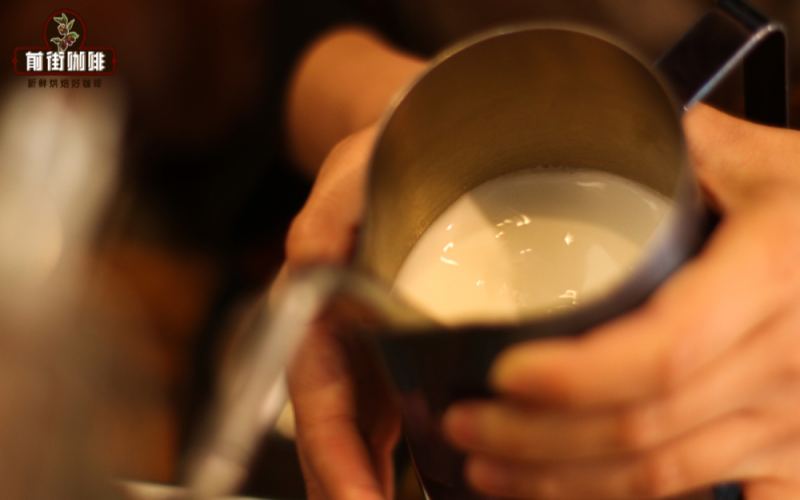
Making a Latte at Home from Scratch: A Complete Guide from Milk Frothing Principles to Step-by-Step Practice
Replicating a silky latte at home is often difficult not because of the coffee beans themselves, but because of milk frothing and integration. This article starts with the physics of milk foaming, gradually breaks down the roles of milk proteins, lactose, and milk fat during frothing, and offers solutions one by one for the three common pain points of home users—poor espresso quality, insufficient milk concentration, and incorrect frothing posture. The article also recommends two products suitable for home use, Front Street Coffee Classic Espresso Blend and Front Street Coffee Dark Cocoa Espresso Blend, and includes six key steps from pouring milk to latte art, helping coffee enthusiasts systematically master the core techniques of latte making. [more…]
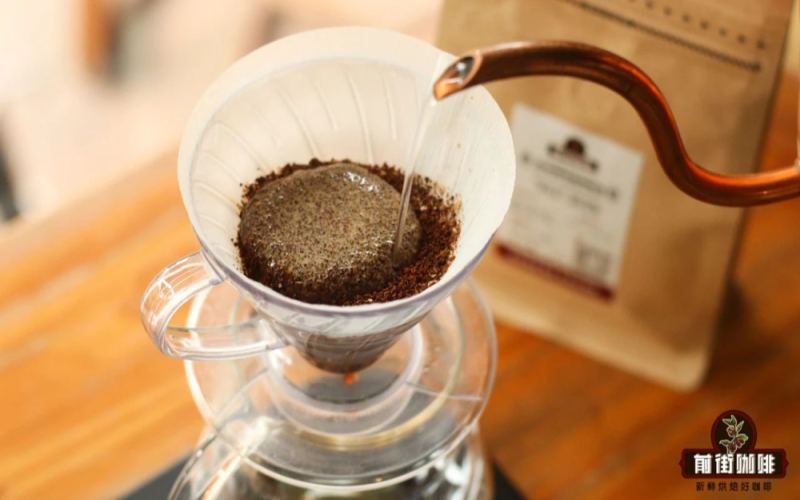
Learning Pour-Over Coffee from Scratch: A Complete Step-by-Step Process and Practical Water Flow Control Techniques
For friends who are just getting into pour-over coffee, everything from choosing equipment to pouring technique can become a stumbling block. Many people piece together what they learn from online videos, taking plenty of detours before gradually figuring out the tricks of the trade. In fact, as long as you sort out the order of the brewing process and master a few key techniques, getting started isn't as difficult as you might imagine. Drawing on the practical experience of Front Street Coffee, this article systematically lays out the basic steps of pour-over coffee, focuses on the core challenge of water flow control, and shares insights on selecting and modifying the spout of a pouring kettle, helping beginners pour a steady stream of water in the shortest time possible and making every cup of pour-over more reliable. [more…]
An Analysis of the Wet-Hulled Process for Mandheling Coffee: Causes of Green Bean Appearance, Flavor Characteristics, and a Brewing Guide for Golden Mandheling
Mandheling is a single-origin coffee cherished by many coffee enthusiasts, but the appearance of its green beans often raises doubts—emerald green and plump, yet frequently blemished. Behind this is actually the unique wet-hulling process of Sumatra, Indonesia, at work. This article will guide you through the principles of wet-hulling, how it shapes Mandheling's signature rich flavor, and why goat-hoof beans and scratched beans become "by-products" of this processing method. At the same time, we will also share the brewing flavor performance of Golden Mandheling and recommend related products from Front Street Coffee to help you better understand and select this distinctive coffee. [more…]
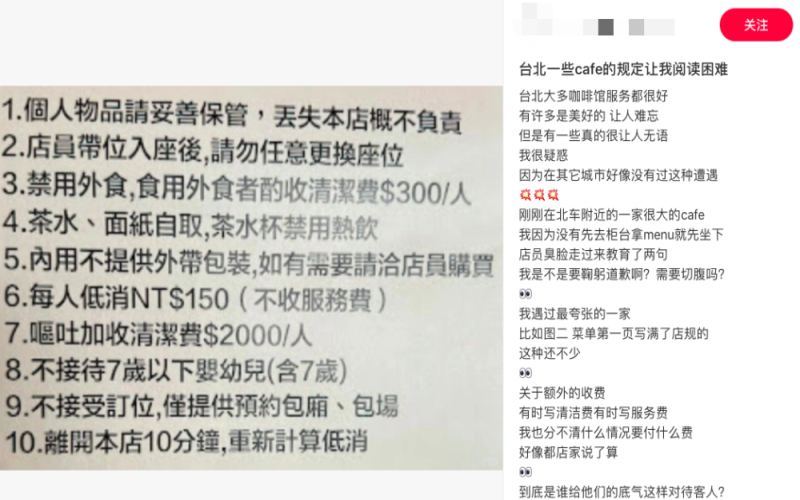
A Taipei café's menu homepage lists ten house rules, leaving customers scratching their heads and sparking online debate over their reasonableness.
Recently, a netizen shared that a coffee shop in Taipei printed a full ten store rules densely on the first page of its menu, sparking heated discussion. Among them, clauses like "vomiting incurs an additional cleaning fee of NT$2,000 per person" and "leaving for 10 minutes recalculates the minimum spend" left some customers complaining of a headache. However, many netizens expressed understanding, believing that such rules often stem from the shop's bitter experiences, and that stating the rules upfront benefits both sides. Independent cafes maintain their environment through store rules, while chain stores rarely have such regulations, yet uncivilized behavior such as occupying seats and making noise still occurs from time to time. This discussion reflects the two-way selection relationship between cafes and customers. [more…]