







Search Results for: room temperature
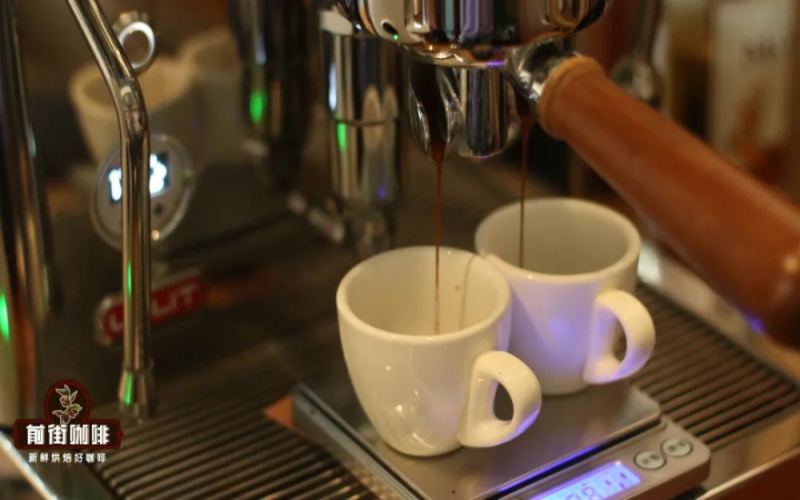
How should the portafilter temperature be controlled when extracting espresso? A hands-on test of the flavor differences among three states: room temperature, preheated, and high temperature.
When extracting espresso, should the portafilter be left at room temperature or locked onto the group head to keep it warm? Different baristas have different opinions on this. Some worry that the high temperature of the group head will overheat the filter basket and accelerate the loss of coffee grounds' aroma; others believe that keeping it warm is the only way to maintain a consistent portafilter temperature. Front Street Coffee specially designed three sets of controlled experiments for this purpose, using a room-temperature portafilter, a preheated portafilter, and a long-time high-temperature portafilter to extract the same "Sunflower Warm Sun Blend Coffee Beans," comparing aroma, acidity, sweetness, and aftertaste one by one to see exactly what kind of taste changes temperature differences bring, and which method is more worth recommending in daily operation. [more…]
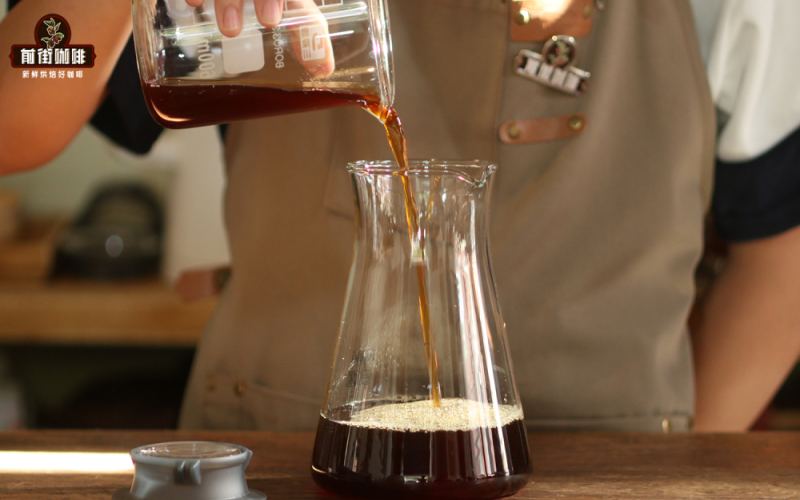
Homemade Cold Brew Step-by-Step Guide | What is the difference between room-temperature-steeped and cold-steeped cold brew coffee? How should the flavor characteristics of cold brew coffee be described?
For more specialty coffee knowledge, please follow our WeChat official account: FrontStreet Coffee. As soon as summer arrives, cold brew coffee becomes the hottest topic of conversation among coffee lovers, with everyone sharing their tips for making cold brew. Why has cold brew coffee become so popular in recent years? [more…]
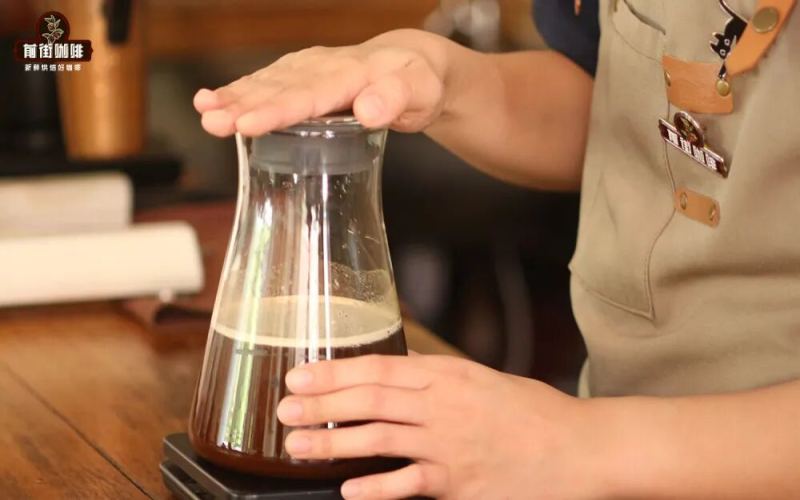
Differences in Cold Brew Coffee Made with Ice Water vs. Room Temperature Water and Front Street Coffee Bean Recommendations
Cold brew coffee is usually made by soaking coffee grounds in room-temperature water and then refrigerating to extract, but what difference does it make to use ice water? Through comparative experiments, this article analyzes in detail the differences between ice water and room-temperature water cold brew in flavor and extraction efficiency, and shares Front Street Coffee's bean recommendations and specific brewing parameters. Whether you are after a juicy feel or a rich, full-bodied taste, you can find a cold brew method that suits you. [more…]
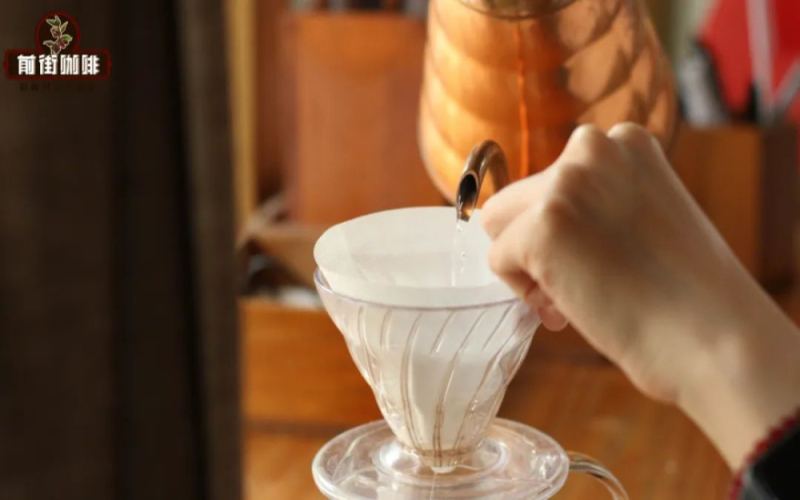
For pour-over coffee, should you use hot or room-temperature water to wet the filter paper? A hands-on test of the flavor differences across three filter-cup materials
Should you wet the filter paper with hot water or room-temperature water before pour-over coffee? Does this seemingly insignificant step really affect the final flavor? Many coffee enthusiasts share this confusion. In this experiment, Front Street Coffee used filter holders made of three different materials—resin, ceramic, and copper—and wet the filter paper with either room-temperature water or hot water above 90°C, conducting a comparative experiment under identical brewing parameters. The results showed that wetting the filter paper at different water temperatures does indeed lead to differences in the temperature and concentration of the coffee liquid, and the flavor profile also showed different tendencies toward sweetness and acidity. Through detailed experimental data, this article will analyze the mechanism by which the water temperature used to wet the filter paper affects the extraction process, helping you find the cup that best suits your taste. [more…]

Which is more outstanding: iced, hot, or room-temperature Americano? What water temperature is suitable for controlling hot Americano?
It's the same espresso diluted with water, so why do iced, hot, and room-temperature Americanos taste so different? This article starts with the origins of the Americano, traces how Italian-style cafés brought this drink to prominence, and uses a comparative experiment—making iced-water, room-temperature-water, and 88°C-hot-water versions of the Americano with Front Street Coffee's classic espresso blend—to break down the differences one by one across three dimensions: aroma, flavor, and mouthfeel. The article also provides specific methods for making all three types of Americano, the ratio of espresso to water, and the reason hot Americanos shouldn't use water that's too hot, helping coffee lovers choose based on the taste they want at the moment. [more…]
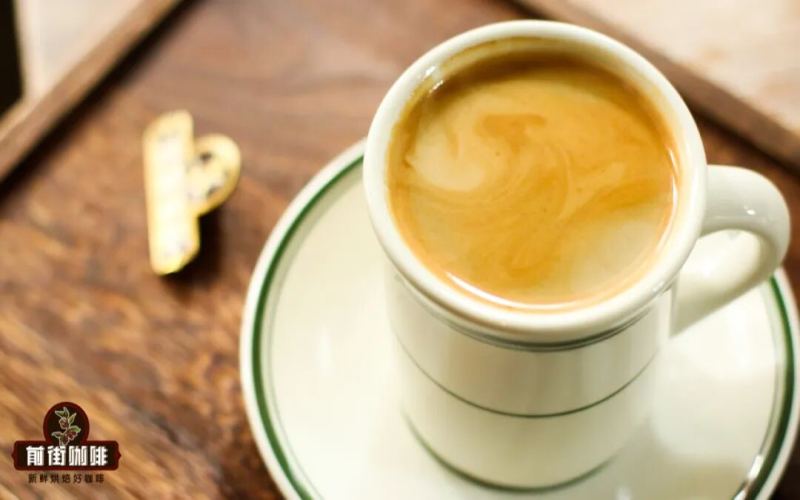
Espresso Coffee Brewing Methods | Why Is an Iced Americano from a Coffee Shop Warm After Removing the Ice? How Do You Make a Delicious Ice-Free Americano?
I wonder if any of you have ever ordered an "iced Americano without ice" at a coffee shop. If you have, then Front Street believes you were most likely puzzled by the coffee that was served. Why? Because the iced Americano without ice made by the vast majority of coffee shops differs somewhat from what you'd imagine. Regarding iced Americano without ice, what you'd imagine is [more…]
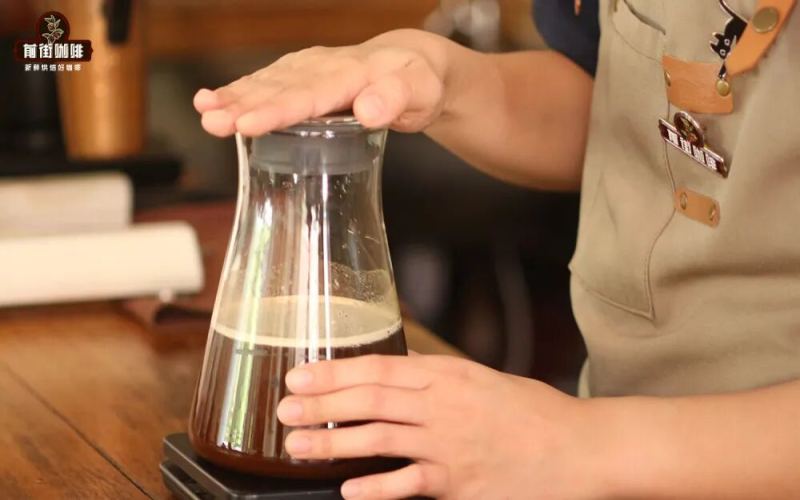
Cold brew coffee: room temperature water or warm water? Explaining why low-temperature extraction produces less acidity and a practical guide to fast extraction with warm water
Cold brew coffee has always been known for its long, low-temperature steeping, often requiring 5 to 24 hours when made with room-temperature water. To shorten the wait, some people have tried steeping coffee grounds in warm water. This article explores the differences between cold-water and warm-water extraction, the reasons why cold brew has lower acidity, and a warm-water cold brew comparison test using Front Street Coffee's Elida Catuai. It records the sensory differences between 3 hours in 45℃ warm water and 7 hours in room-temperature water, and offers bean selection advice and practical tips for warm-water cold brew. [more…]
Is It Feasible to Cold Brew Coffee Grounds with Ice Water? Flavor Comparison and Complete Ratio Tutorial
Cold brew coffee is usually made by soaking ground coffee in room-temperature water and then refrigerating it to extract, but if you replace the water with ice water, will the final cup taste better or worse? At Front Street, we made two batches of cold brew using room-temperature water and ice water respectively, comparing everything from grind size and coffee-to-water ratio to the actual flavor. The result showed that the ice water cold brew yielded less liquid, yet presented a clear sweetness reminiscent of grapes, pineapple, and oranges, with almost no bitterness. This article fully documents the parameters and steps of both methods and explains how temperature affects extraction efficiency and the release of flavor compounds, helping you find a cold brew solution that suits you. [more…]
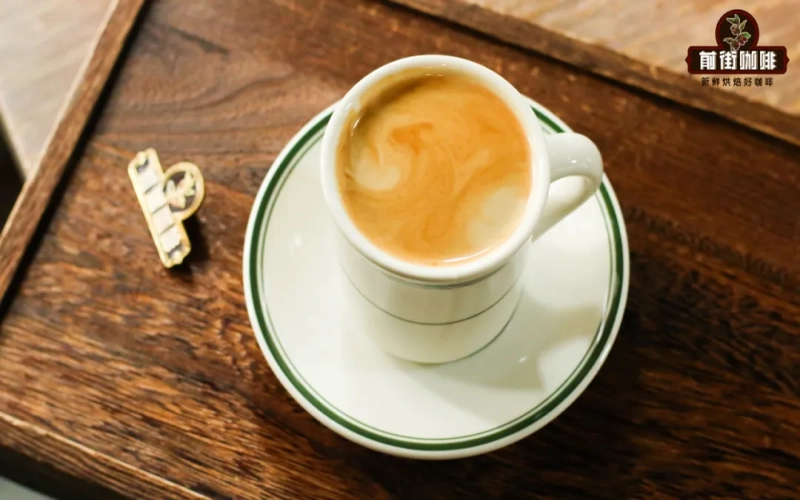
Why Is an Iced Americano Without Ice Often Warm? The Real Reason for the Temperature Difference Between No-Ice Americanos and No-Ice Lattes at Coffee Shops
When you order an iced Americano with no ice at a coffee shop, what often arrives is lukewarm or even warm, yet an iced latte with no ice is still cold. This difference leaves many coffee lovers puzzled. Drawing on the real-world experience of Front Street's stores, this article breaks down the underlying logic of how coffee shops make no-ice coffee, explains why no-ice Americanos are generally warm while no-ice lattes stay cold, and analyzes why coffee shops don't adopt the icing methods used by milk tea shops. Finally, it offers practical alternative ordering tips for those who want a lightly chilled Americano. The article also introduces Front Street's espresso bean series and the characteristics of its classic blend, making it a useful reference for coffee lovers who want to practice latte art at home or open their own shop. [more…]
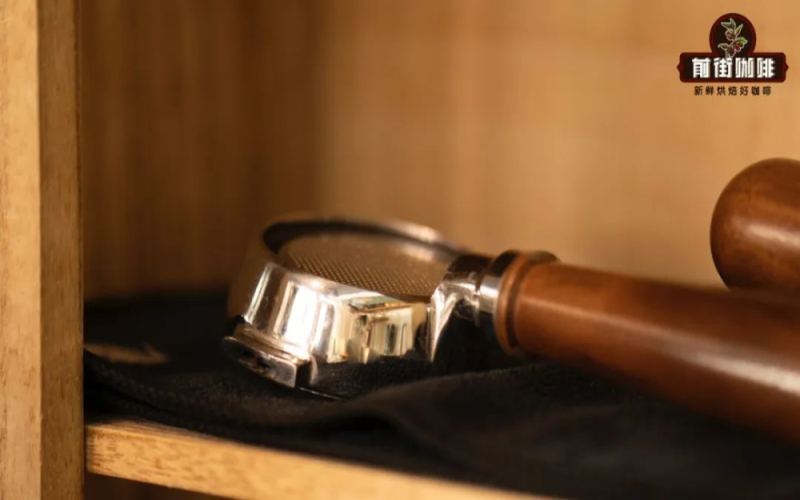
How Does Portafilter Temperature Affect Espresso Flavor? Front Street Tests Three States: Room Temperature, Refrigerated, and Heated
When making espresso, does the temperature of the portafilter have a substantial impact on the final flavor? Front Street Coffee conducted a comparative test around this question: three portafilters were placed respectively in a room-temperature storage area, a refrigerator's cold compartment, and the coffee machine's cup-warming zone, then used with the same beans and identical parameters for extraction. The results showed differences among the three espressos in time, temperature, and taste performance. This article documents the experimental process and tasting results in detail, explores the feasibility of low-temperature portafilters in café settings, and offers alternative solutions. If you have also agonized over whether the portafilter needs to be kept warm, take a look at what this hands-on test reveals. [more…]
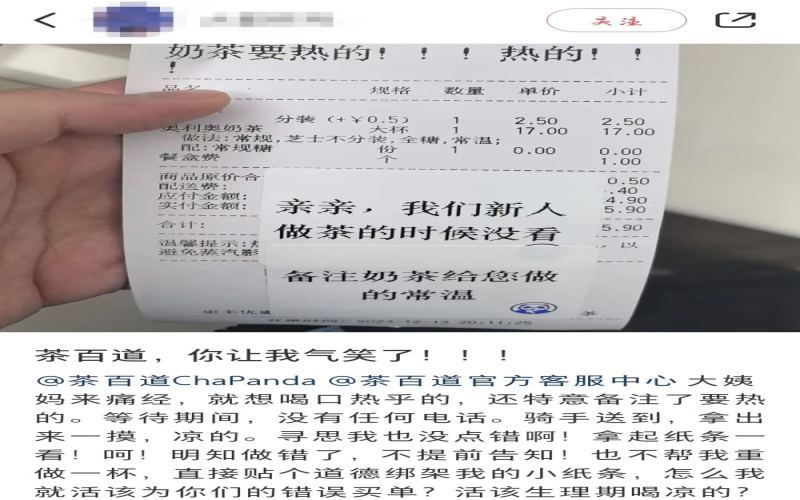
Milk tea ordered as a hot drink but made at room temperature, customer questions why they should pay for the store's mistake
As the weather turns cooler, many consumers specifically note when ordering coffee or milk tea that they want it served hot. However, recently a customer at a ChaPanda store clearly left a note asking for the drink to be heated, yet received a room-temperature beverage. What angered her even more was that the staff had already noticed the mistake when handing out the order, but still packed and sent out the drink, attaching a note to explain. This incident sparked widespread discussion online: why should the customer pay for the store's mistake? Restaurant industry professionals pointed out that when an order is found to be made incorrectly, the store should bear the loss and remake it, rather than forcing the wrong item on the consumer. [more…]
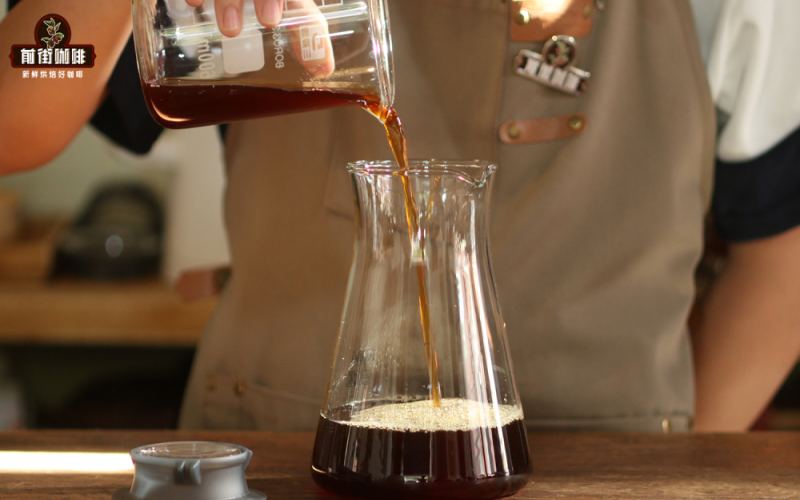
Cold Brew Coffee Complete Guide: Coffee-to-Water Ratio, Grind Size, Steeping Time, and Flavor Profile
On a hot summer day, cold brew coffee always sparks lively discussion among coffee lovers. It requires no professional equipment—just a simple encounter between ice water and coffee grounds—yet it delivers a rich, full-bodied taste. Unlike regular iced coffee, cold brew uses a long, low-temperature steeping process that allows flavors to release slowly, resulting in a more balanced mix of acidity, sweetness, bitterness, and aroma. In this article, Front Street Coffee will systematically explain the extraction principles of cold brew coffee, the differences between room-temperature and low-temperature steeping, suitable coffee bean choices, and specific coffee-to-water ratios, grind sizes, and preparation steps to help you easily make a cup of cold brew coffee that is aromatic and smooth. [more…]
How to Make Cold Brew Coffee at Home: A Complete Guide to Coffee-to-Water Ratio, Steeping Time, and Flavor Profile
On a hot summer day, cold brew coffee always sparks lively discussion among coffee lovers. It requires no complicated equipment—just prolonged contact between cold water and coffee grounds—to deliver an iced coffee experience with a prominent aroma and a rich, smooth mouthfeel. This article will systematically explain the definition of cold brew coffee, the differences between room-temperature and low-temperature steeping, the choice of coffee beans suitable for making it, and Front Street Coffee's recommended 1:10 coffee-to-water ratio, grind size, and specific step-by-step instructions. It will also cover when to drink cold brew coffee and how long it keeps, helping you easily make a satisfying glass of cold brew at home. [more…]
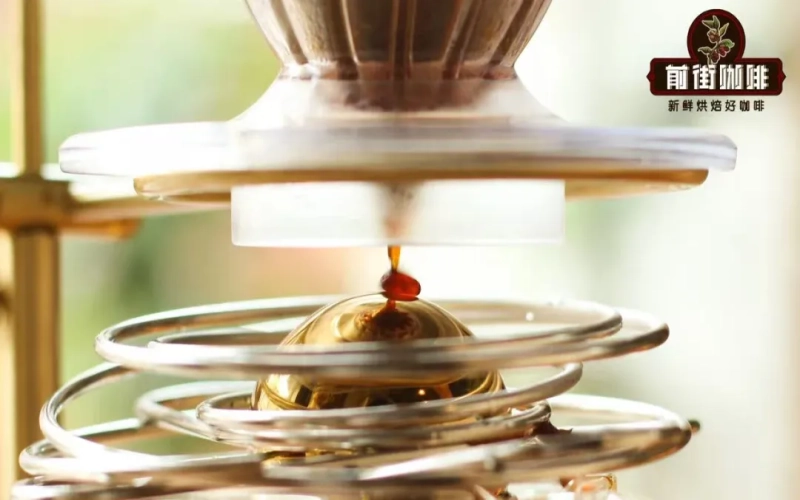
How Does Cup Temperature Affect Coffee Flavor? A Comparative Experiment on Preheating vs. Chilling a Pour-Over Coffee Cup
Coffee aroma is volatile, and the higher the temperature, the faster it dissipates, so some have proposed using low-temperature containers to lock in the aroma. Front Street Coffee compared three types of pour-over coffee vessels—a high-temperature cup, a room-temperature cup, and a frozen cup—to test whether cup temperature truly affects coffee aroma and flavor performance. The experiment used Kenya Asaliya coffee beans with uniform brewing parameters, and the results showed that cup temperature mainly changes the temperature of the coffee when it enters the mouth, rather than the amount of aroma, but temperature differences do indeed cause noticeable changes in flavor perception. This article will present the experimental process and conclusions in detail, and offer cup selection suggestions for different weather conditions. [more…]
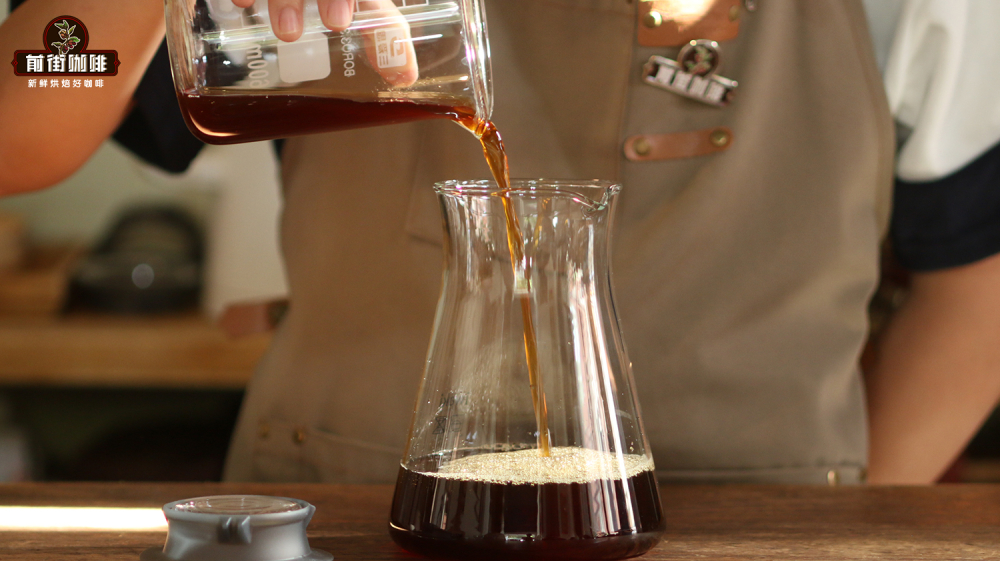
Cold Brew Coffee Bean Recommendations | What Is Cold Brew/Cold Brewed Coffee? What Is the Coffee-to-Water Ratio for Making Cold Brew at Home? An Introduction to the Flavor Characteristics and Mouthfeel of Cold Brew Coffee
For more specialty coffee knowledge, please follow the WeChat official account: Front Street Coffee (FrontStreet Coffee). As soon as summer arrives, cold brew coffee becomes the most frequently discussed topic among coffee enthusiasts, with everyone sharing their experiences in making cold brew coffee. Why has cold brew coffee become so popular in recent years? [more…]
Can You Make Cold Brew with Hot or Warm Water? Flavor Comparison Experiment of Quick-Extracted Cold Brew Coffee at Different Water Temperatures
Cold brew coffee usually requires 8 to 12 hours of low-temperature slow extraction, but what if you want to drink it the same day? Raising the water temperature can speed up extraction, but if you use hot water directly, it becomes hot brew, and the floral and fruity aromas and low bitterness unique to cold brew will also disappear. Front Street compared three methods through experiments: conventional 23°C cold water extraction for 10 hours, 40°C warm water extraction for 4 hours, and 92°C hot water blooming followed by room-temperature water extraction for 4 hours. The beans used were Colombia · Hanami, with full berry acidity, floral notes, and pink pepper flavors. The results showed that the 40°C warm water rapid cold brew was closest to the performance of conventional cold brew, with both a fermented feel and clearly presented flavors, making it suitable for friends who want to drink cold brew quickly. [more…]
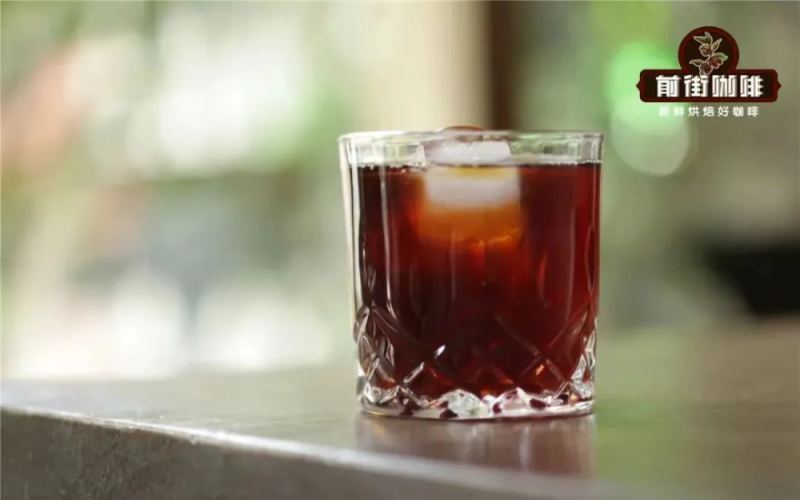
Homemade Iced Coffee | How to Easily Make Delicious Cold Brew Coffee? Can Cold Brew Be Extracted at Room Temperature? How Long Does Prepared Cold Brew Stay at Its Best?
For professional coffee knowledge exchange and more coffee bean information, please follow Coffee Workshop (WeChat official account: cafe_style). For more specialty coffee beans, please add our private WeChat: Front Street Coffee (FrontStreet Coffee), WeChat ID: qjcoffeex. Under the scorching weather [more…]
Iced Americano vs. Hot Americano: Which Tastes Better? A Detailed Guide to the Best Time to Drink It and the Ice-to-Water Ratio
Should Americano be enjoyed iced or hot? This question has long been debated among coffee enthusiasts. Some feel that since it's just espresso diluted with water, the difference between iced and hot is minimal, but after actually tasting it, you'll find that temperature has a quite noticeable effect on aroma, acidity, and mouthfeel. In this article, through a comparative experiment at Front Street Coffee, using Sunflower Warm Sun blend coffee beans, we'll prepare three cups of Americano with ice water, room temperature water, and 88°C hot water respectively, and evaluate them from three dimensions: aroma, flavor, and mouthfeel. At the same time, we'll explain in detail the specific methods for making iced Americano, room-temperature Americano, and hot Americano, including the ratio of espresso to water, the amount of ice, and water temperature control—key parameters that will help you choose the cup that best suits your taste in different situations. [more…]
Americano Water Temperature Comparison | What Are the Taste and Flavor Characteristics of Americanos at Different Temperatures? How to Make an Americano and How Much Iced Water to Add to Espresso
Whether Americano tastes better hot or iced is just like whether tofu pudding should be savory or sweet—it splits coffee lovers into two camps. At times like this, there are always onlookers who say: it's clearly just espresso mixed with water, so isn't iced and hot the same? Actually, it really isn't! What is Americano? Americano originated during World War II. [more…]
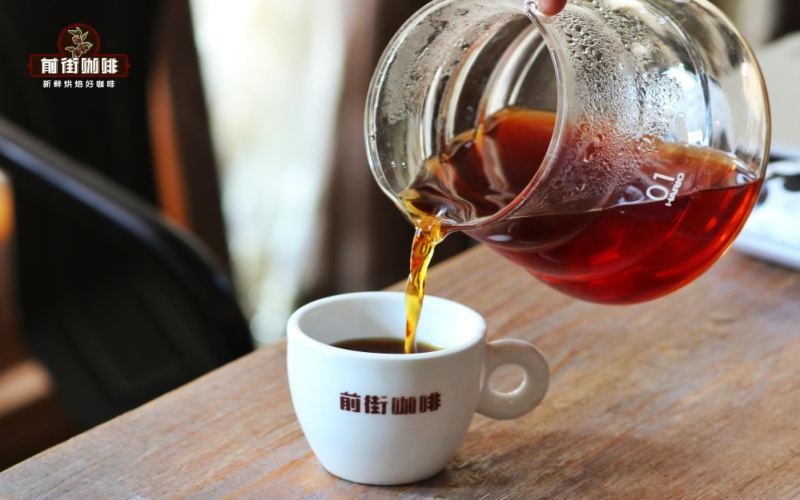
Little difference between hot and cold coffee in refreshing effect; from the perspective of aroma, taste, and extraction principles, how should you choose between Americanos?
Many people assume that hot coffee is more effective at boosting alertness than iced coffee, but what really affects alertness is the caffeine content of the coffee beans themselves and how much of it is extracted during brewing. With the same beans, the longer the extraction time, the more caffeine is released, so when you need a quick pick-me-up, cold brew or pour-over drip are both viable options. Americano is currently the most popular coffee drink, and iced Americano accounts for the vast majority of those, but hot Americano performs better in aroma, flavor fullness, and body. Front Street Coffee used its Warm Sun blend to compare hot, room-temperature, and iced Americanos, and found that hot Americano had the best aroma, while iced Americano was more refreshing and smooth. This article, from the perspectives of the science of alertness, flavor differences, and brewing suggestions, helps you find the cup that suits you best. [more…]