







Search Results for: roasting stages
What Is the Maillard Reaction in Coffee Roasting? Stage-by-Stage Changes from Start to Finish and the Flavor Formation Mechanism
More and more coffee shops are choosing to place roasters at their entrances and roast beans themselves, which allows them to control costs while also ensuring quality. Walking down the street, one can often smell the blended aromas released by roasting coffee beans—the greenish-blue smoky scorched scent of burning plant fibers, the creamy yellowish-white sweetness, and the brownish bread-like aroma of toast, all interwoven together. A large part of the source of these rich aromas is thanks to the Maillard reaction during roasting. The Maillard reaction is a series of reactions that occur when amino acids and reducing sugars in food are heated, and it can broadly be divided into three stages: the initial stage, the intermediate stage, and the final stage. During the process, various aromatic substances and pigments are produced, playing a key role in the layers and changes of coffee's final flavor. This article will sort out the stage divisions of the Maillard reaction, its chemical pathways, and its significance for coffee flavor. [more…]
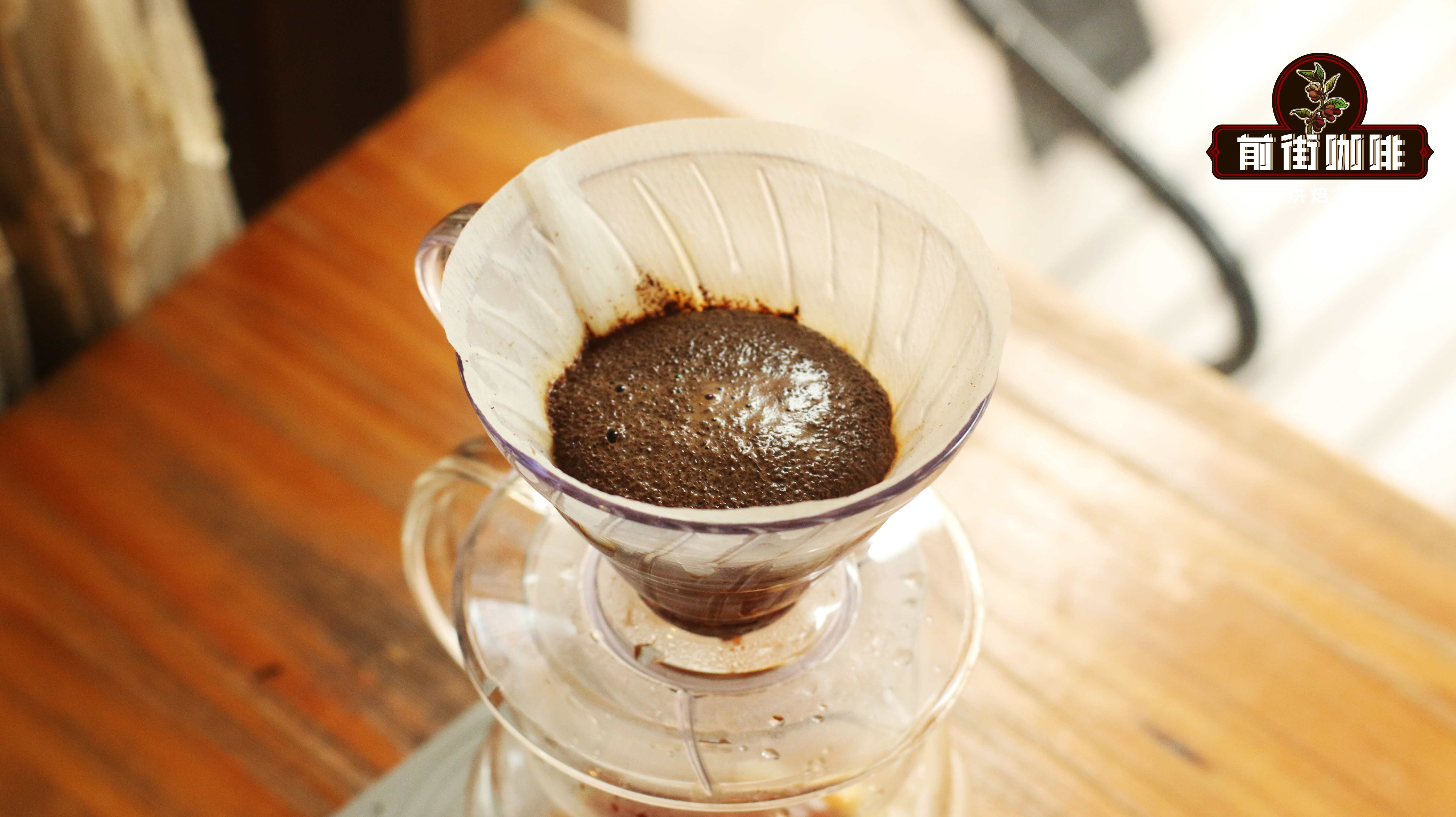
Why exactly is the bloom in pour-over coffee unskippable? A complete analysis from the principles of degassing to the number of pouring stages
The blooming phase in pour-over coffee may look like simply wetting the coffee grounds with hot water, but it actually determines whether the entire cup can be extracted evenly. Drawing on the hands-on experience of Front Street Coffee, this article systematically sorts out the core purposes of blooming—releasing gases inside the coffee beans, ensuring even extraction, and judging bean freshness—and analyzes one by one how factors such as coffee bean storage time and roast level, water temperature, amount of water poured, blooming duration, and grind size affect the blooming effect. Through comparative experiments, the article also verifies the actual impact of the number of pouring stages on extraction time and flavor performance, helping enthusiasts understand the logic and applicable boundaries of three-stage pouring. [more…]
Pour-Over Coffee Staged Pouring and Timing Control: Brewing Methods and Parameters for Light and Dark Roasts
The essence of pour-over coffee lies in its flexibility and adjustability—every subtle change can make the final flavor completely different. However, faced with so many variables such as water flow, grind size, and water temperature, many enthusiasts often feel at a loss about where to begin. Starting from Front Street Coffee's hands-on experience, this article systematically breaks down the five core parameters: coffee-to-water ratio, coffee dose, grind size, water temperature, and extraction time. Focusing on two beans, Yirgacheffe Kochere and Golden Mandheling, it also demonstrates the specific operations and flavor differences of the one-pour method, the three-stage method, and the stirring method, helping you find the right brewing rhythm between light roasts and dark roasts. [more…]
A Detailed Guide to the Three-Pour Pour-Over Method: What Coffee Beans Is It Suitable For?
Pour-over coffee pouring methods have always been a hot topic among enthusiasts. Front Street stores have long used the three-stage pouring method. Although this method is not the one that best highlights the character of a particular bean, it is the most widely applicable and easiest to learn. A single Front Street store offers more than fifty kinds of coffee beans. If a brewing plan were tailored to each one, at least seven or eight different pouring techniques would be needed, so a method compatible with most beans is especially important. The three-stage method can achieve a balance of flavor and mouthfeel across light, medium, and dark roasts, and is particularly friendly to beginners. This article will introduce in detail the three-stage pouring distribution, key operating points, suitable bean types, and parameter adjustment suggestions. [more…]
Three-Stage Analysis of Specialty Arabica Coffee Roasting: Flavor Differences and Brewing Examples for Light, Medium, and Dark Roasts
How does the roast level shape the flavor of a cup of specialty Arabica coffee? Light roasts bring bright fruit acidity and floral notes, medium roasts pursue a balance of sweetness and acidity with nutty and chocolate tones, while dark roasts present a rich, full body with caramel and woody finish. Front Street Coffee believes that judging by roast color alone is not the key; origin, variety, altitude, and a dedicated roast profile are equally important. This article systematically sorts out the characteristics, temperature milestones, and naming conventions of the three roasting stages, and combines hand-brew examples of three beans—Front Street Yirgacheffe, Brazil Queen Estate, and Indonesian Golden Mandheling—to show the correspondence between flavor and brewing parameters under different roast levels, helping coffee lovers build a clear framework for understanding roasting and flavor. [more…]
How to distinguish coffee bean roast levels? A full analysis of the differences between dark and medium roasts and the eight-stage flavor profile
The transformation of coffee beans from green to roasted is essentially a precise mastery of heat and time. Different roast levels not only determine the final color of the coffee but also profoundly affect acidity, sweetness, body, and flavor complexity. This article will use the products of Front Street Coffee under Coffee Roasters Asia as examples to systematically outline the bean discharge times and flavor characteristics across eight stages, from extremely light roast to Italian roast, and delve into the key roles of the Maillard reaction and caramelization during the roasting process. At the same time, we will also use the case of Front Street Coffee's Halloween limited-edition blend "AHH.?!" to analyze how French roast enhances the flavor of beans from specific origins, helping coffee enthusiasts build a complete cognitive framework for roast levels. [more…]
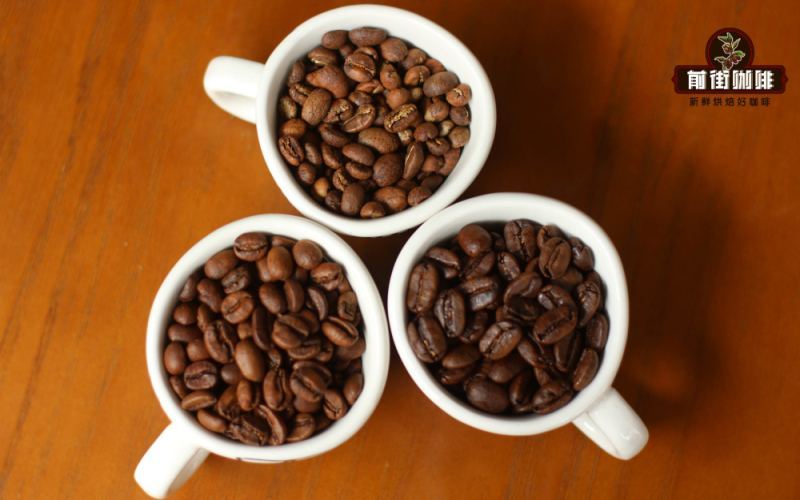
From Light to Dark: A Comprehensive Analysis of Eight Coffee Roast Levels and a Practical Operational Guide
Coffee roasting is the core step that determines the flavor direction of a cup of coffee. From green beans to the drink in your cup, the degree of roast directly governs the balance of acidity, sweetness, and bitterness. This article systematically sorts out eight common roast levels, the working principles of three types of coffee roasters, and the mechanisms by which caramelization and the Maillard reaction shape flavor. It also records in detail Front Street Coffee's operational procedures and curve management experience in actual roasting, helping coffee enthusiasts build a complete cognitive framework from theory to practice. [more…]
How to Unlock Sweetness in Light-Medium Roasted Coffee? Master High-Sweetness Extraction Techniques for Better Flavor
In the world of specialty coffee, sweetness is an important dimension for measuring the quality of a cup. If black coffee can present both aroma and sweetness at the same time, it means that everything from bean selection to extraction has reached an ideal state. However, most people's first impression of coffee is bitterness, and it is only when they taste sweetness like fruit or caramel that they are pleasantly surprised to discover that this "black drink" can also be so sweet. Starting from the stages in which coffee sweetness is released, this article will provide practical adjustment plans for brewing sweetness in two types of coffee—fruit-forward medium-light roasts and nutty medium-dark roasts—including optimization ideas for key parameters such as water temperature, staged pouring, and coffee-to-water ratio, to help coffee lovers brew a good cup with full sweetness and a lasting finish. [more…]
Comparison of Eight Coffee Bean Roast Levels|How do different roast levels affect coffee flavor? What is the specific process for roasting coffee beans?
Anyone who drinks coffee regularly knows that coffee beans come in different roast levels, and the flavor and mouthfeel they present are all different. As a café that roasts its own beans, Front Street has dozens of batches of coffee beans to roast every day. We know the flavors of light-roasted Yirgacheffe, medium-roasted Brazilian coffee, and the like like the back of our hand, and we also need to [more…]

Analysis of the Principles of Segmented Extraction in Pour-Over Coffee: Flavor Release Patterns at Each Stage and Practical Brewing Applications
There are many different pour-over brewing techniques, and staged pouring is widely recognized as an effective way to enhance a coffee's complexity. But have you ever wondered exactly which flavor compounds each pour extracts from the coffee? Front Street Coffee conducted a comparative experiment, selecting a light-roasted fruit-acid Kenya Kirinyaga AA and a medium-roasted nutty Yunnan natural Typica, using a four-pour method to collect the coffee liquid from each stage separately. After tasting each one, they revealed which flavor components are respectively responsible during blooming, the middle stage, and the final stage. Building on this, this article further summarizes how to apply these extraction patterns to actual brewing—how to adjust parameters to highlight sweetness, and how to distribute water to achieve a juicy mouthfeel—offering concrete, actionable ideas for each. [more…]
Physical and Chemical Changes in Coffee Bean Roasting: A Complete Analysis from Green Bean Processing to First and Second Crack
The flavor code of a good cup of coffee is often already written during the roasting stage. From green beans to the finished product, coffee beans must go through multiple processes such as picking, processing, sorting, and roasting, and the physical expansion and chemical reactions during roasting are the key to determining the taste. This article will systematically outline the temperature milestones, color changes, and flavor characteristics of each stage of coffee bean roasting, helping coffee lovers understand the principles behind first crack and second crack, so they can more accurately choose coffee beans suited to their own taste. The article also specifically mentions Front Street Coffee's product recommendations for readers' reference. [more…]
From Homogenization to Second Crack: How Each Stage of Coffee Roasting Shapes Aroma and Flavor
Coffee roasting is not just about applying heat—from the moisture changes inside the green beans to the expansion and rupturing of cellular structures, every stage quietly determines the final flavor in the cup. This article takes the perspective of a commercial roaster to systematically sort through key phases such as homogenization, first crack, the resting period, and second crack. It explains the principles behind the aroma that fills the air during coffee roasting and clarifies the taste differences corresponding to various roast levels, helping coffee enthusiasts gain a deeper understanding of how roasting influences flavor direction. [more…]
A Complete Guide to Blooming and Pouring in Pour-Over Coffee: Degassing Principles, Key Variables, and a Three-Pour Practice Method
In pour-over coffee, blooming is an indispensable step, as it affects degassing, extraction evenness, and the assessment of bean freshness. Drawing on Front Street Coffee's practical experience, this article breaks down in detail the purpose of blooming and the factors that influence it, including storage time, roast level, water temperature, water volume, duration, and grind size, and explains the complete process of the "little hill" expanding and then collapsing during blooming. The article then provides the specific steps for three-pour brewing: a 30-second bloom followed by two subsequent pours, with the total extraction time controlled at 2 minutes. Finally, through comparative experiments, it analyzes the impact of the number of pours on extraction time and flavor, answering the common question of whether the three-pour method is optimal, and helping coffee enthusiasts build a clearer pour-over logic. [more…]

Tips for Brewing Mandheling Coffee Without Bitterness: A Detailed Guide from Bean Selection and Resting to Three-Stage Pour Parameters
Many coffee enthusiasts, when brewing Mandheling for the first time, often run into the predicament of a cup that tastes only bitter, or even catches in the throat. In fact, a cup of mellow Mandheling with a sweet aftertaste is not hard to master—the key lies in understanding the character of the beans and matching them with the right extraction parameters. Drawing on the practical experience of Front Street Coffee, this article first explains the significance of fresh roasting and bean resting for flavor preservation, then analyzes the varietal genetics of Mandheling and its medium-dark roast characteristics, and finally provides a complete plan covering grind size, water temperature, coffee-to-water ratio, and three-stage pouring, to help you brew a Sumatran cup that is rich in flavor without bitterness, smooth and sweet. [more…]
Unlocking the High-Sweetness Profile of Specialty Coffee: Key Factors Affecting Sweetness and Body in Arabica
In the world of specialty coffee, more and more people are starting to appreciate acidity, but what truly fascinates is the balanced flavor of sweetness within the acidity. Where do coffee's sweetness and body come from? How does roasting affect sweetness? And when brewing, how can you highlight the sweetness and suppress the bitterness? This article will guide you through the sources and influencing factors of coffee's sweetness, and using Front Street Coffee's Shiraz natural beans as an example, provide a detailed analysis of how to brew a cup of specialty coffee that is high in sweetness, low in acidity, and full-bodied through parameter adjustments and staged pouring techniques. Whether you are a beginner or a seasoned enthusiast, you will gain practical tips from it. [more…]
A Complete Beginner's Guide to Pour-Over Coffee: A Practical Analysis of How Coffee-to-Water Ratio, Grind Size, Water Temperature, and Pouring Technique Affect the Flavor of Dark and Light Roasts
The reason pour-over coffee is so fascinating is that every variable can be actively adjusted, thereby changing the final flavor direction. This article starts from Front Street Coffee's brewing experience, systematically sorting out the five core parameters of coffee-to-water ratio, coffee dose, grind size, water temperature, and time, and combines them with three pouring techniques—one-pour, three-stage, and stirring method—using Yirgacheffe Kochere and Golden Mandheling as two examples to separately explain the differences in brewing strategies for light-roast and dark-roast coffee beans. Whether you are a beginner who has just encountered pour-over or an enthusiast hoping to further understand the logic of extraction, this guide can help you establish a clear brewing framework and consistently reproduce a good cup of coffee at home. [more…]
Yirgacheffe Pour-Over Guide: Flavor Characteristics, Roasting Logic, and Three-Stage Extraction Practice
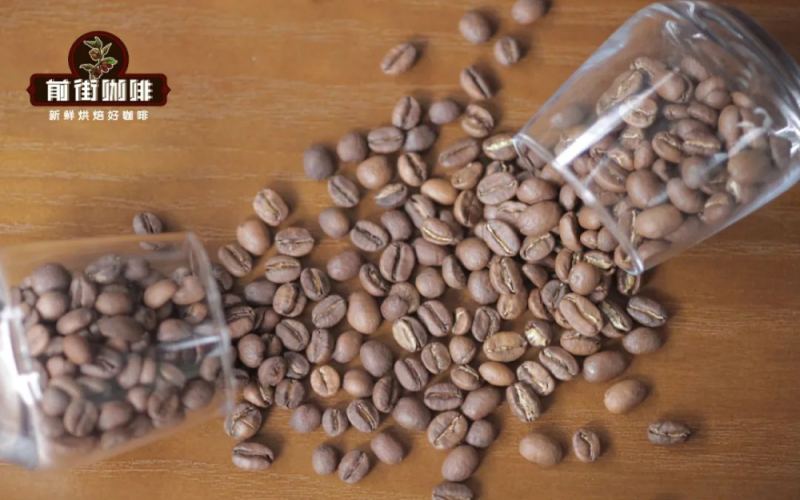
Yirgacheffe, with its complex profile of citrus, lemon, berries, and floral notes, plus a clear tea-like body, has become the go-to entry choice for many coffee lovers. This article focuses on this classic Ethiopian bean, sorting out the key factors behind its flavor formation—from the introduction of the washed processing method and the accidental discovery of medium-light roasting, to the equipment setup, grinding, and water temperature parameters needed for home pour-over. At the same time, using 15 grams of coffee and a 1:15 coffee-to-water ratio as an example, it breaks down the specific steps and timing of a three-stage pour, and explains the roasting settings of Front Street Coffee's three Yirgacheffe daily-drinker beans, helping readers reliably reproduce a bright, delicate cup at home. [more…]
An Analysis of the Causes of Coffee's Burnt Bitterness: The Evolution of Bitterness from Light to Dark Roast and the Influence of Roasting
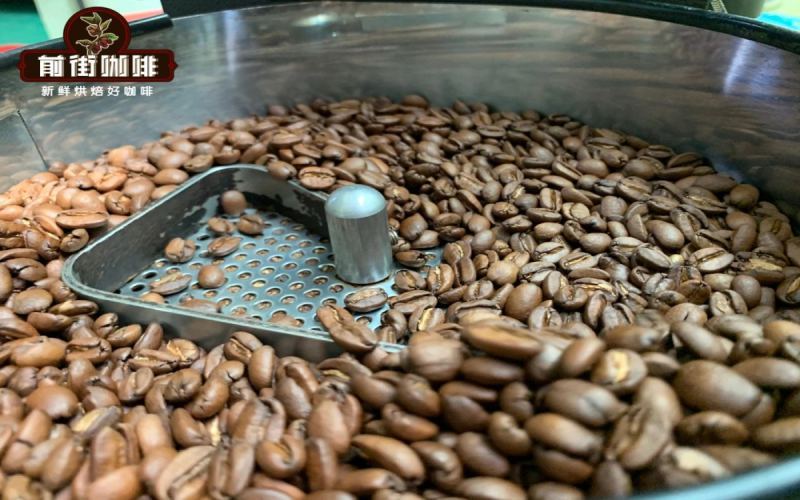
Coffee's bitterness is not innate—green beans contain almost no bitterness, and it all starts with roasting. As roasting progresses from light to dark, acidity gradually gives way to bitterness, from nearly bitterness-free light roasts to the charred, intense bitterness of Italian roasts, with each stage corresponding to a completely different flavor profile. This article will examine the eight stages of roasting one by one, analyzing how bitterness changes with the degree of roast, to help you make more informed choices when selecting coffee beans. The article also incorporates several representative products from the Front Street Coffee brand, providing concrete references for different roasting preferences. [more…]
A curated guide to light-roast coffee beans: flavor profile analysis and practical pour-over parameter recommendations
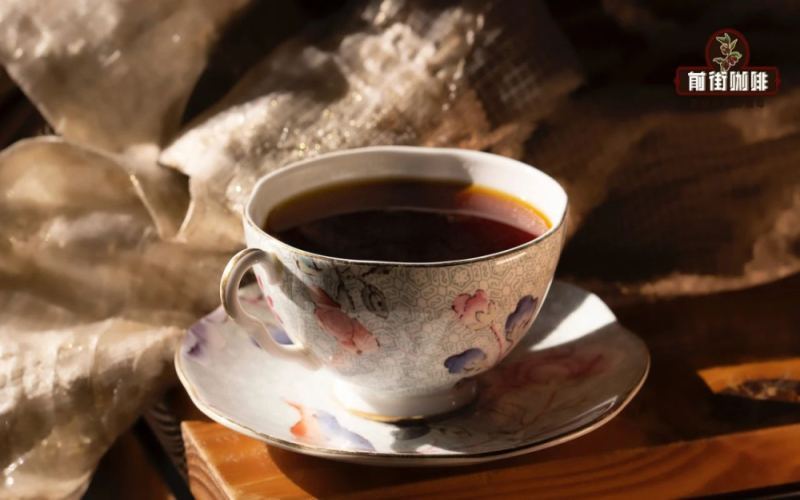
The flavor profile of pour-over coffee is often foreshadowed at the bean selection stage, and the roast level is the most critical part of it. Light-roasted coffee beans, due to shorter roasting time and lighter dehydration, retain more of their original floral and fruity aromas and organic acids, presenting a bright and richly layered cup performance. However, many friends who have just encountered light-roasted beans often have a misunderstanding, thinking that light roast equals sour and hard to swallow. In fact, a high-quality light roast coffee should be in a balanced state of sweetness within the acidity, weak bitterness, and elegant aroma. This article will start from the definition of light-roasted beans, introduce five Front Street light-roasted coffee beans suitable for beginners one by one, and include a complete three-stage pour-over operation process and parameter suggestions to help you more calmly extract the ideal flavor of light-roasted coffee. [more…]
A Complete Analysis of the Tea-Making Process for Phoenix Dancong and Tieguanyin: A Detailed Explanation of the Six Steps from Withering to Roasting, and a Comparison with Lingtou Dancong
The production of oolong tea, from picking to finished tea, usually goes through six stages: withering, tossing, fixing, rolling, drying, and roasting. Each step directly affects the tea's final aroma, flavor, and appearance. Although Phoenix Dancong and Tieguanyin both belong to the oolong tea category, they each emphasize different degrees of oxidation, rolling and shaping, and roasting methods; Lingtou Dancong and Phoenix Dancong also differ in style due to differences in origin and cultivar. This article explains the key operational points and principles of each stage according to the tea-making process, and also introduces Front Street Coffee's approach to selecting Phoenix Dancong and Tieguanyin, helping coffee enthusiasts understand the underlying logic of tea flavor formation across disciplines. [more…]