







Search Results for: roasting factory
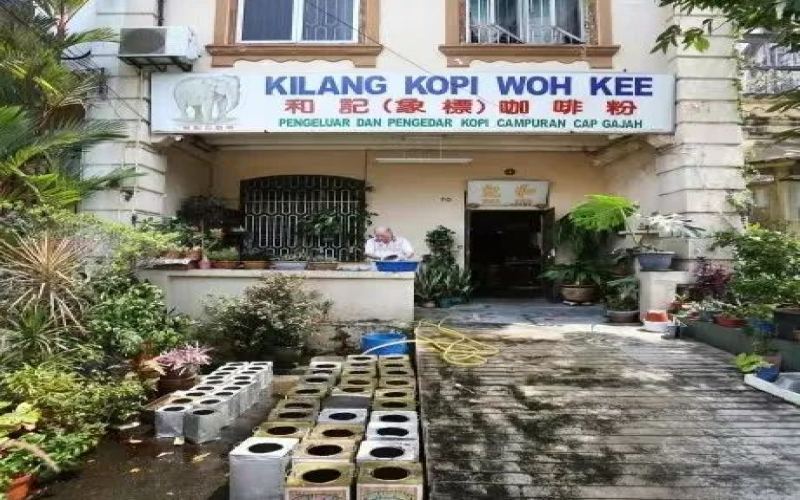
An 80-Year-Old Ipoh Coffee Powder Factory Closes: Hock Kee Elephant Brand Has No Successor, Third Generation Unable to Keep Up Physically and Reluctantly Shuts Down
In Ipoh, Malaysia, the rich aroma of white coffee cannot be separated from the support of local coffee powder factories, and the Hock Kee (Elephant Brand) coffee powder factory, which has been in operation for a full eighty years, is one of the most representative old establishments among them. This coffee powder factory, founded in the 1930s by Hainanese Fu Hechang, roasts coffee beans using semi-traditional techniques, and has won the trust of three generations of locals with its pure, fragrant quality. Many tea houses in Ipoh have long purchased its coffee powder to make white coffee. However, as the third-generation operators grew older and manpower became scarce, and the fourth generation each had their own careers and no intention of taking over, the family finally decided to cease operations. After the news spread, longtime customers rushed to stock up as mementos, with some even traveling dozens of kilometers just to taste the flavor remembered from years past. This old factory bearing the elephant trademark, after completing its final batch of orders, will officially pass into history. [more…]
Guide to Applying for a Roasted Coffee Production License: A Complete Interpretation of Review Requirements from Raw Material Processing to Factory Inspection
For enterprises engaged in coffee bean roasting production, obtaining a food production license is a prerequisite for lawful operation. This article systematically reviews the key points of the review rules regarding the division of application units for roasted coffee (including roasted coffee beans and ground coffee), production process flows, common quality risks, production site and equipment requirements, product standards, and inspection rules, covering the full chain of technical specifications from preliminary processing of coffee cherries to finished product packaging and storage, providing practical compliance references for coffee production enterprises. Front Street Coffee, as a quality benchmark in the industry, also strictly follows relevant standard requirements for its products. [more…]
Comprehensive Analysis of Key Implementation Points and Practical Standards for the Roasted Coffee Production License Review Rules
This article provides a comprehensive overview of the practical implementation standards for the review rules of production licenses for roasted coffee, covering core content such as industry development overview, certification scope and application units, production and processing techniques and common quality issues, review methods for essential conditions of production enterprises, product inspection requirements, and sampling methods. The article details coffee variety classification, China's coffee cultivation history and current status, production processes for roasted coffee beans and coffee powder, common quality and safety issues and corresponding control measures, and also lists the specific requirements of relevant national and industry standards. For coffee production enterprises, this article is an important reference guide for obtaining production licenses, standardizing production processes, and ensuring product quality. [more…]

Luckin's Kunshan roasting base breaks ground: second self-built factory boosts annual capacity to 45,000 tons and fresh supply for stores
Luckin Coffee, which now operates over 7,846 stores, is accelerating its upstream supply chain expansion. Following the start of production at its first roasting plant in Pingnan, Fujian, Luckin's second fully automated smart roasting base—independently invested and built in Kunshan, Jiangsu—has recently broken ground and is expected to begin production in 2024. With a total investment of approximately US$120 million, the base covers 53,000 square meters and will have an annual roasting capacity of 30,000 tons, incorporating core equipment such as the Italian BRAMBATI roasting system. By then, Luckin's two major roasting bases will have a combined annual capacity of over 45,000 tons, supplying fresher and safer green coffee beans to stores nationwide while advancing the brand toward its goal of a globalized, refined supply chain. [more…]
Kenya AA Gichathaini Factory Hand-Brewed Bean Recommendation: Flavor Analysis of Double-Washed SL28 and SL34 from Meru Region
When it comes to fruity, acidic pour-over coffee, most people first think of Ethiopia's Yirgacheffe, Huakui, or Panama's Geisha, while Kenyan coffee is often overlooked. In fact, Kenyan coffee also boasts layered sweet-and-sour aromas and a juicy mouthfeel. This article focuses on the Kenya AA Meru region Gichathaini processing station, taking a deep dive into its varietal characteristics, its unique washed processing method, and how roast level affects the flavor presentation. It will also introduce the specific details of Front Street Coffee's Kenya Little Tomato coffee beans, helping coffee enthusiasts find a fresh Kenyan pour-over bean worth picking up. [more…]
Kenya AA TOP Coffee Origin and Honey Processing Factory Analysis: K72 Washed Flavor and Front Street Brewing Parameters
Kenya AA TOP is a benchmark grade among African specialty coffees, and its bright acidity and dark berry flavors are highly sought after by enthusiasts. This article systematically sorts out the reasons behind the flavor of Kenyan coffee, from the producing region's background, grading standards, and the K72 washed processing method to information on the Honey Processing Factory, and combines Front Street Coffee's roasting and brewing practices to provide the complete pour-over parameters and tasting notes for Front Street Asalia coffee beans. Whether you want to understand the grading logic of Kenya AA TOP or want to replicate a cup of light-roasted Kenya with a cherry tomato flavor, this content can provide practical reference. [more…]
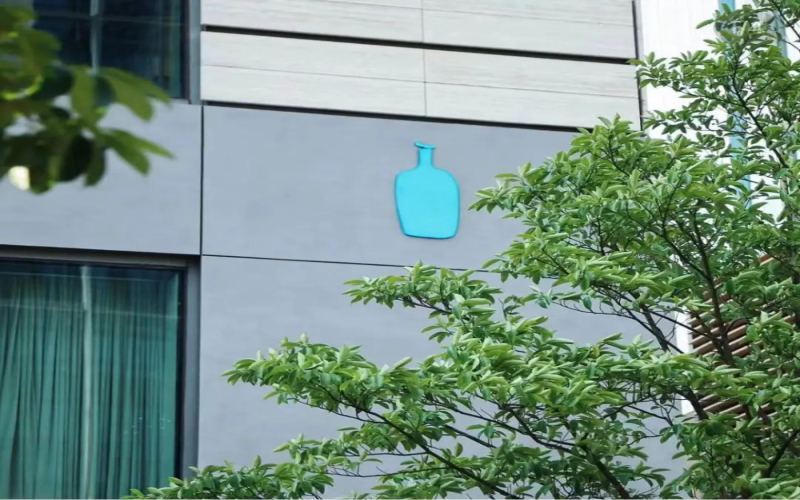
Blue Bottle Coffee's second mainland China location is set in Jing'an Kerry Centre—could the pandemic instead be the brand's breakthrough moment?
Blue Bottle Coffee's second store in China has been confirmed to continue locating in Shanghai, with the site chosen at the first and second floors along the street of Jing'an Kerry Centre, and it is currently still under renovation. Previously affected by the Shanghai pandemic lockdown, the preparation progress was once hindered, and many people believed that Blue Bottle's entry timing was poor. However, during the pandemic's closed-loop production period, Blue Bottle, relying on the advantage of fresh coffee beans from its own roasting factory, instead gained a wave of goodwill in community group buying and home coffee consumption scenarios. This article reviews Blue Bottle Coffee's pricing logic, brand positioning, and the prospects of the specialty coffee market, exploring whether this expansion is ill-timed or well-timed. [more…]
An Analysis of Jamaican Blue Mountain Coffee Flavor Characteristics and Authenticity Identification: Front Street Takes You to Visit Mavis Bank Estate
Blue Mountain coffee has long been hailed as the "black gem," revered by coffee lovers as "the coffee beauty that combines all the virtues of good coffee." Why does it hold such a status? The answer lies in the unique climate, volcanic soil, and altitude conditions of Jamaica's Blue Mountains. Only coffee grown at elevations between 900 and 1,700 meters qualifies to bear the Blue Mountain name. This article will guide you through the flavor characteristics of authentic Front Street Jamaican Blue Mountain coffee, and follow a 2013 field visit to the historic Mavis Bank Coffee Estate, restoring the true face of this legendary coffee—from tasting and production to identifying counterfeits. [more…]
An Analysis of Kenya's 72-Hour Refined Washed Processing Method: A Full Overview of Front Street Coffee Beans' Flavors and Producing Regions
Kenyan coffee is famous for its bright, complex fruity flavors, and its unique 72-hour refined washed processing method (K72) is the core craft that shapes this flavor profile. Starting from the tasting notes of Front Street Kenyan coffee, this article provides an in-depth introduction to the geography and cultural background of the Kirinyaga region, the operations of the Kiangombe processing plant, and the origins of the two classic varieties SL-28 and SL-34. At the same time, it breaks down the Kenyan-style washed cycle fermentation process in detail, helping you fully understand every key step of this East African coffee bean from origin to cup. [more…]
Golden Mandheling Coffee Beans: Flavor Testing Across Different Roast Levels and an In-Depth Analysis of Origin and Variety
As a representative of Indonesian coffee, the flavor profile of Golden Mandheling is closely tied to its roast level. This article uses pour-over brewing to conduct a comparative test of Golden Mandheling at three roast levels—dark, medium, and medium-light—and documents in detail the taste differences at each roast level, including dimensions such as body, bitterness, fruit acidity, and smoothness. At the same time, the article responds to consumers' concerns about acidity, explains why the factory chooses a medium-dark roast, and emphasizes Front Street Coffee's confidence in coffee quality and its unique understanding of it. Whether you prefer rich and full-bodied or light and gentle, you can find a roast option that suits you. [more…]
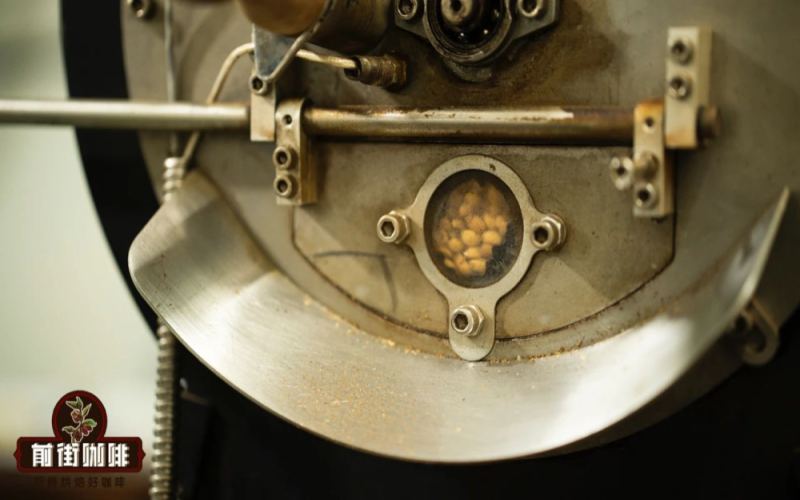
What roast level should you choose for Americano and Latte? Dark roast flavor characteristics and Front Street Coffee espresso bean recommendations
Among the stages a coffee factory can control, roasting is the core step that determines the final flavor. The variety and quality of green beans are already fixed at the time of import; what truly sets one apart is the level of roasting skill. For enthusiasts who want to make Americano or latte at home, choosing between a blend and a single origin, or picking a dark roast versus a light roast, is often a dilemma. Starting from how roasting affects flavor, this article will introduce the characteristics of dark-roasted coffee beans and recommend several espresso recipes with a high tolerance for error, including Front Street Dark Cocoa Basic Blend, Front Street Strawberry Candy Espresso, Front Street Classic Blend, and Front Street Brazil Queen's Farm, to help beginners easily make a delicious cup of Americano or latte. [more…]

A Complete Guide to the Indonesian Mandheling Family: How to Identify Golden Mandheling and Drinking Suggestions
Mandheling is the most recognizable coffee category from Indonesia, but it is far from being just one single type. Front Street Coffee stores regularly stock five options: Golden Mandheling, Tiger Mandheling, Aged Mandheling, Lintong Mandheling, and Wahana Estate Natural Mandheling. This article will sort out the origins of the Mandheling name and its relationship with PWN, explain why Golden Mandheling requires strict selection and why it comes with a factory certificate, compare it with Blue Mountain coffee in terms of flavor and roasting, and finally offer recommendations on who it suits best. [more…]
Panama Finca La Mula Single-Origin Coffee Beans: Historical Origins, Terroir, and the Cultural Story of the Catuai Variety
Panama, as an important origin of specialty coffee globally, has many renowned estates in its western region near Costa Rica and the Pacific Ocean. The Boquete production area in Chiriquí Province is the most famous, while Volcán, Candela, and other places also produce high-quality coffee beans. This article begins with the geographical distribution and historical culture of Panamanian coffee, combines the cupping performance and brewing parameters of Front Street Coffee's Fuego Estate Honey-Processed Catuai, and outlines the hybrid origin and cultivation characteristics of the Catuai variety, taking you behind the story of Front Street Coffee's Panama Fuego Estate single-origin beans. [more…]
Front Street Coffee Panama Firestone Estate Honey-Processed Catuai Flavor Analysis and Pour-Over Parameters Explained in Detail
The honey-processed Catuai from Panama's Fuego Estate is one of Front Street's most distinctive single-origin beans. It comes from the Solo Fuego producing region and is medium-roasted. In cupping it shows a complex profile of lemon, orange, cranberry and green tea, with rich fruit acidity, prominent sweetness, an even and smooth body, and a long, lingering finish accompanied by gentle floral notes. Catuai itself is a cross between Caturra and Mundo Novo, with a short stature, resistance to wind and rain, and firm fruit, and is widely planted in Central America. This article will outline the producing region background and variety characteristics of this bean, and provide Front Street's specific pour-over parameters, including coffee dose, grind size, water temperature, pouring rhythm and extraction time, for coffee lovers to reference and replicate. [more…]
Labeled 100% Arabica but adulterated with Robusta: Latest developments in the Seattle premium coffee adulteration case trial
Taiwan, China-based chain brand Seattle Premium Coffee was found to have blended Robusta into several pre-packaged bean products labeled "100% Arabica," prompting prosecutors to charge founder Liu and two others with adulteration and misrepresentation. The brand initially argued that Timorese/Timor varieties are a hybrid of the two species, then later changed its statement, saying it was an administrative oversight that the labels were not updated, and was willing to recall only some batches. The court calculated criminal proceeds at approximately 4.07 million yuan, and Liu sought to pay a public welfare fund in exchange for a suspended sentence. The core dispute in the case is that adding Robusta itself is not illegal, but whether a mismatch between the label and contents constitutes adulteration and misrepresentation under food safety law. This article sorts through the sequence of events, test data, and new courtroom statements, so coffee enthusiasts can understand industry labeling standards. [more…]
Ethiopia Washed Yirgacheffe Aricha G1: Origin Characteristics, Flavor Description, and Pour-Over Parameters
Yirgacheffe Aricha G1 is one of the flagship specialty coffees of Ethiopia, renowned for its flavors of sweet orange, cherry, and honey sweetness. This article provides a detailed introduction to its growing region information, the background of the Project Origin initiative, the washed processing workflow, and the pour-over brewing parameters recommended by Front Street Coffee. Whether you want to understand the washed and natural classifications of Yirgacheffe, or are looking for a coffee bean that combines fruity and floral notes, this article will offer you a comprehensive reference. [more…]
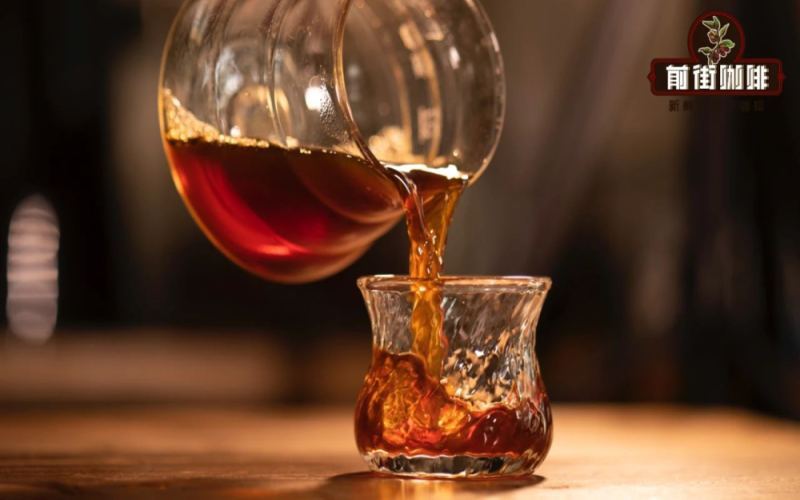
How to Choose Coffee Beans When Buying Online? A Guide to Five Types of Shops and Brand Recommendations
When buying coffee beans on e-commerce platforms, the sheer number of shops can leave you not knowing where to start. This article roughly divides the coffee merchants on Taobao into five categories—from Guangzhou's time-honored roasting brands to representatives of overseas specialty coffee—and analyzes the characteristics and suitable audiences of each one. Among them are high-value everyday-bean options, channels for rare varieties like Ninety Plus Geisha, as well as roasting factories suited to bulk purchasing and chain brands with consistent quality. Whether you're just starting out or a seasoned enthusiast, you can find a buying direction that suits you. [more…]
Ethiopia Yirgacheffe Aricha: A Full Analysis of Washed G1 Grade Classification and Cupping Flavor
Yirgacheffe is one of Ethiopia's most iconic specialty coffee regions, and the washed G1 produced by the Aricha processing station stands out as one of its finest examples. This article systematically traces the story of this coffee, from the region's background and the Project Origin initiative to the green bean grading standards and the full washed processing workflow. It also includes Front Street Coffee's recommended pour-over parameters for Yirgacheffe, helping coffee enthusiasts gain a more complete understanding of every step of a washed Yirgacheffe from seed to cup, and to savor the classic flavor woven from sweet orange, cherry, and honey. [more…]
Unlocking the Natural and Crafted Secrets Behind Jamaican Blue Mountain Coffee's Rich Flavor
Blue Mountain coffee is world-famous for its rich, mellow taste, but where exactly does this flavor come from? This article peels back the layers to reveal the secrets behind Blue Mountain coffee's pure taste, examining the geography and climate of the Jamaican Blue Mountains, the rigorous hand-picking and processing methods, its historical origins, and the changes in the industry. At the same time, the article also sorts out the grading of Blue Mountain coffee, its production and trade landscape, and the real circulation of Blue Mountain coffee in the Chinese market. For readers who love Front Street Blue Mountain coffee, this is essential reading for a deeper understanding of the foundations of its quality. [more…]
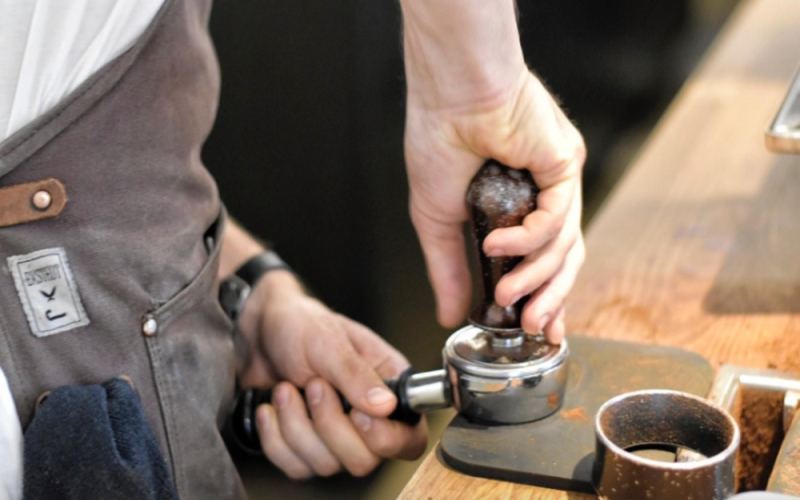
Where is the ceiling for a barista's career growth? A full analysis of skill improvement and diverse development paths
Many people are drawn to the profession of barista, yet others complain about low pay and a grab-bag of chores. In fact, the barrier to entry for baristas is not high, but the ceiling can be very high. The key to determining income level does not depend entirely on the shop where you work—it is in your own hands. This article explores how baristas can break through career bottlenecks and find broader room for growth from multiple angles: learning mindset, industry-added value, shop and roastery development, and coffee cultivation research. Whether you are an apprentice just entering the field or a practitioner seeking a breakthrough, you can draw inspiration from it. [more…]