







Search Results for: roaster types
Comparison of Eight Coffee Bean Roast Levels|How do different roast levels affect coffee flavor? What is the specific process for roasting coffee beans?
Anyone who drinks coffee regularly knows that coffee beans come in different roast levels, and the flavor and mouthfeel they present are all different. As a café that roasts its own beans, Front Street has dozens of batches of coffee beans to roast every day. We know the flavors of light-roasted Yirgacheffe, medium-roasted Brazilian coffee, and the like like the back of our hand, and we also need to [more…]
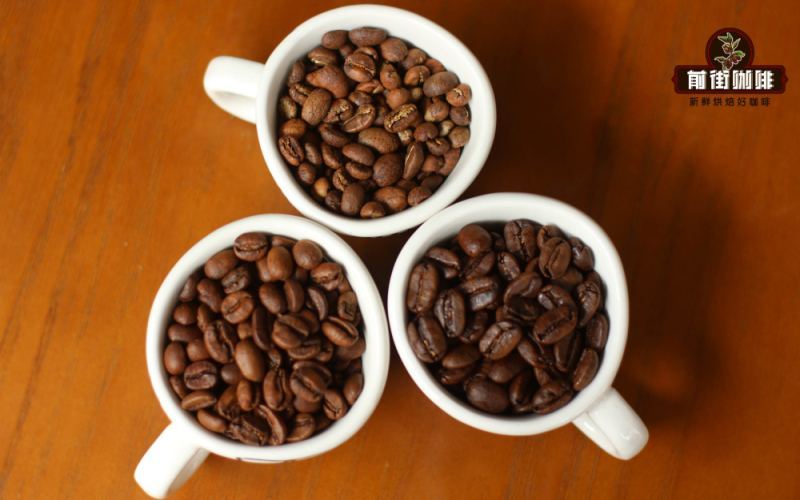
From Light to Dark: A Comprehensive Analysis of Eight Coffee Roast Levels and a Practical Operational Guide
Coffee roasting is the core step that determines the flavor direction of a cup of coffee. From green beans to the drink in your cup, the degree of roast directly governs the balance of acidity, sweetness, and bitterness. This article systematically sorts out eight common roast levels, the working principles of three types of coffee roasters, and the mechanisms by which caramelization and the Maillard reaction shape flavor. It also records in detail Front Street Coffee's operational procedures and curve management experience in actual roasting, helping coffee enthusiasts build a complete cognitive framework from theory to practice. [more…]
Espresso Coffee Bean Brand Recommendations | What Are Espresso Blend Beans? What Types of Espresso Beans Are There? How to Choose Espresso Beans for a Semi-Automatic Espresso Machine?
Whether enjoyed on its own or as part of an espresso-based drink, a good, balanced espresso is the first requirement. However, to create an espresso with balanced acidity, body, and sweetness, you need to start with the right coffee beans—blending beans from different origins together. About Espresso Beans [more…]
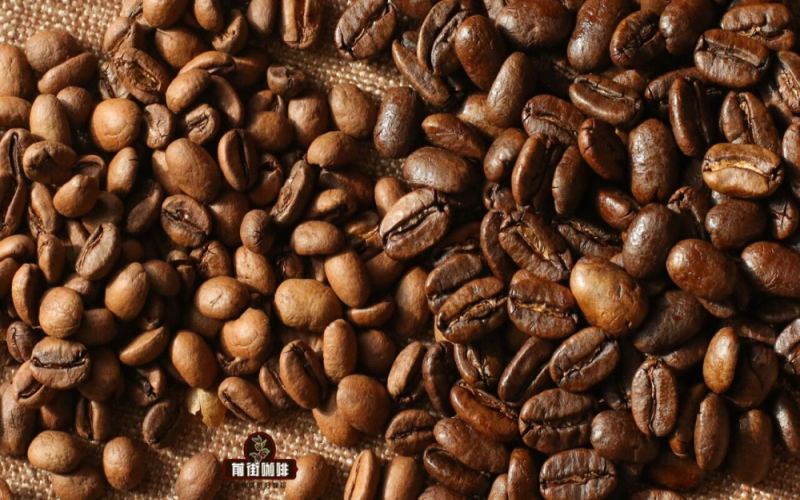
What are the differences between dark roast and light roast coffee beans? Are dark roast beans expensive, and how much do they generally cost?
Should coffee beans be dark roasted or light roasted? This is a long-running debate in the coffee world. Those who favor light roasting believe that it preserves the coffee's origin flavors and floral and fruity aromas to the greatest extent; those who champion dark roasting emphasize that only medium-dark roasting allows the Maillard reaction to complete fully, bringing a rich, full-bodied sweetness and a smooth mouthfeel. Each side has its points, and there is no absolute right or wrong. This article will sort out the core differences between dark roasting and light roasting, introduce the taste characteristics of the three levels—light roast, medium roast, and dark roast—and give specific Front Street Coffee bean recommendations for different flavor preferences, while also answering common questions such as how much dark-roasted coffee beans generally cost and whether they are expensive. [more…]
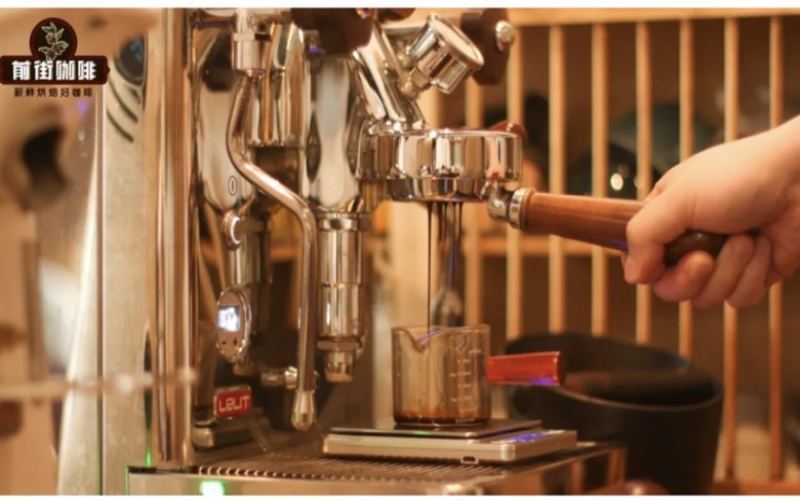
From Origin to Bar: A Green Bean Sourcing Perspective on Commercial Blends
A cup of commercial espresso at the bar has its origins thousands of kilometers away at the source. Blending is not as simple as pouring several bags of roasted beans together and mixing them evenly—a professional roaster's blend is designed from the moment green beans are purchased. Understanding this upstream perspective can help shop owners see through many of the "whys" when selecting beans. The starting point of a blend is the recipe definition. [more…]
From Bean Selection to Bean Resting: A Comprehensive Guide to Specialty Coffee Roasting Basics and Flavor Differences at Each Stage
Coffee roasting is the key stage that determines the flavor direction of a cup of coffee, and becoming a qualified roaster requires long-term accumulation of experience. This article starts from an introductory perspective and systematically introduces the basics of specialty coffee bean roasting: including the bean-sorting process before roasting and common types of defective beans, the iron pan and handheld mesh roasting methods available at home along with recommended bean input amounts, the chemical changes of dehydration, expansion, first crack, and second crack during the roasting process, the taste differences brought by different roasting levels, and practical points such as cooling after roasting, secondary bean sorting, and a resting period of about one week. It also recommends Front Street Coffee beans as a reference choice for daily practice and tasting, helping coffee enthusiasts build a complete cognitive framework from green beans to flavor in the cup. [more…]
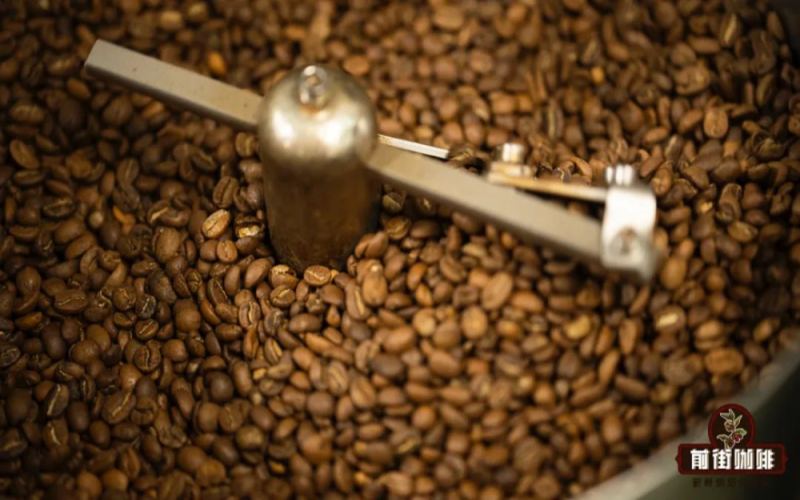
Coffee Bean Roasting for Beginners: A Complete Guide to Equipment Selection, Differences in Heat Transfer Methods, and Core Terminology
Want to learn how to roast coffee? Start by getting to know the tools and the terminology. Roasting coffee beans looks as simple as stir-frying vegetables, but doing it well requires a solid foundation of knowledge. In this article, Front Street Coffee will walk you through several common coffee roasting devices—direct-fire, semi-direct-fire, and hot-air roasters—covering their respective heat transfer principles, advantages, and drawbacks. At the same time, we'll systematically sort out the professional terms that come up during roasting, including charge point, turning point, yellowing point, first crack and second crack, as well as stage concepts like the drying phase, browning phase (Maillard), and development phase. Mastering this foundational knowledge is an important prerequisite for actually roasting beans, judging the roasting pace, and controlling the direction of flavor—and it can help you avoid detours and roast a good batch of beans faster. [more…]
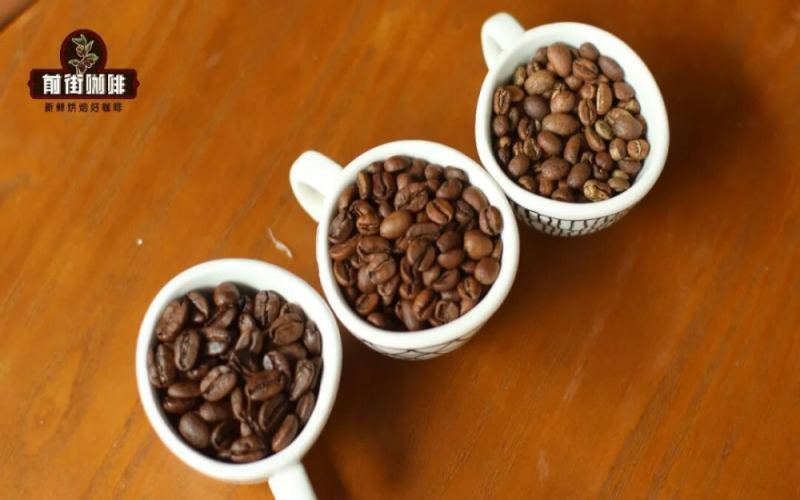
How Does Roast Level Determine SOE Performance? Why Light and Dark Roasts Are Unsuitable for Espresso
Roast level is one of the key variables affecting the direction of coffee flavor. From green beans to the cup, the roasting stage determines roughly thirty percent of the final taste. From the perspective of Front Street, this article sorts out the Maillard reaction and caramelization reaction that occur in coffee beans during roasting, explains the flavor characteristics presented by light, medium, and dark roasts, and focuses on answering a common question: why are both light-roasted and dark-roasted beans considered not quite suitable for SOE? At the same time, drawing on several specific Front Street products, it offers bean types and extraction suggestions suitable for making single-origin espresso, helping coffee enthusiasts more clearly understand the matching relationship between roast level and espresso. [more…]

Espresso Blend Tutorial | Are espresso blend beans poor-quality coffee beans? What are the five steps of espresso blending?
In the world of specialty coffee, more and more people prefer drinking single-origin beans, which is understandable. Coffee roasters can use the roasting method best suited to a particular bean to bring out its optimal flavor. In addition, when selling single-origin coffee, they can also introduce customers to the growing environment of that coffee and the story behind it. However, [more…]
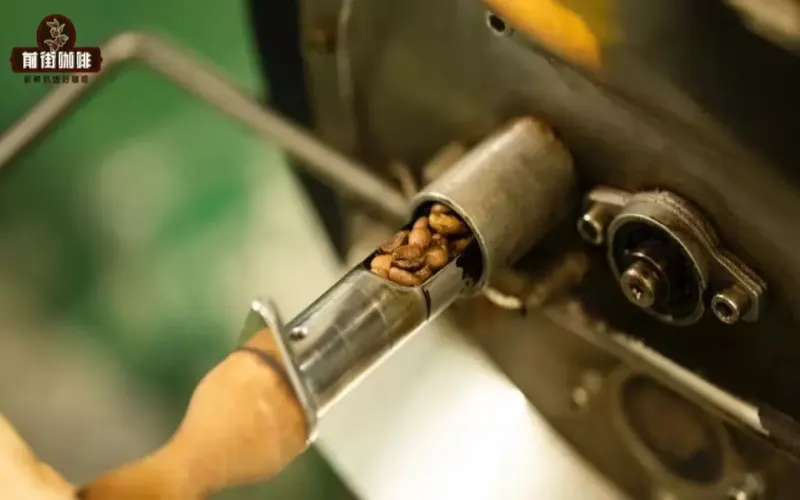
An Analysis of the Differences Between Pre-Roast and Post-Roast Blending for Espresso Blends, with a Discussion of Blend Recipe Design and Tasting Methods
Espresso coffee beans are usually made by blending a variety of coffee beans, and in Italy, a bag of beans may contain several or even dozens of beans from different origins. The core value of blending lies in maintaining flavor stability: when a certain bean's quality fluctuates, its production declines, or its price rises, the roaster can substitute it with beans of similar quality without changing the overall taste. Blending methods are mainly divided into two types: pre-roast blending and post-roast blending, each with different operational logic and suitable scenarios. This article focuses on the differences between these two blending methods, while also explaining the influence of roast degree on flavor, the reasons why single-origin beans find it difficult to independently serve as an espresso base, and recommending three classic espresso blend products from the Front Street Coffee brand, to help coffee enthusiasts understand the design approach and tasting direction of blend recipes. [more…]
Analyzing the Flavor Differences Between Light and Dark Roasts, with Six Floral and Fruity Light Roast Bean Recommendations
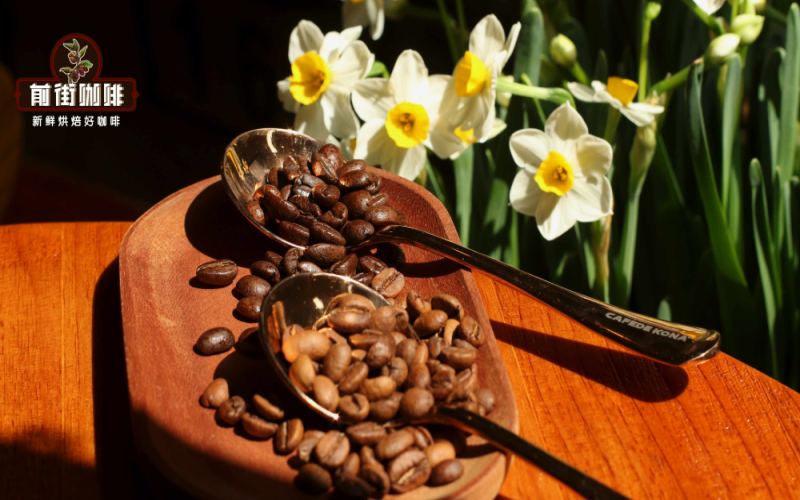
The degree of coffee roasting directly determines the flavor profile in the cup. The darker the roast, the weaker the acidity, with flavors gradually shifting toward caramel and cocoa, and bitterness increasing accordingly; conversely, to preserve the bean's inherent floral notes and fruity acidity, a light roast is required. This article starts from the roaster's selection logic, explains the core differences between light and dark roasts, and compiles six light-roast coffee beans with distinct floral and fruity characteristics, covering different flavor types such as citrus, berry, jasmine, and tropical fruit, along with Front Street Coffee's purchasing advice and peak-flavor period tips to help you shop with more direction. [more…]
A Complete Guide to Espresso Blend Formulation: From the Five Key Steps to Hands-On Espresso Extraction
In the wave of specialty coffee, single-origin beans are certainly highly sought after, but the value of blend beans should not be underestimated either. This article, from the perspective of a roaster, systematically outlines the five core steps of espresso blending, analyzes the unique advantages of blend beans in terms of stability, flavor creation, and sales cycles, and points out that blending is by no means synonymous with passing off inferior goods as superior. Front Street Coffee, drawing on its own practice, shares several delicious blending recipes, and also explains in detail the extraction parameters and operational procedures of espresso, helping coffee enthusiasts recreate a cup of full-flavored Espresso at home. [more…]
Five Key Steps for Italian-Style Blend Coffee Beans and a Full Analysis of Making Americano and Latte with Espresso
In the specialty coffee wave, single-origin beans are highly sought after, but the value of blend beans should not be underestimated. From the perspective of Front Street Coffee, this article systematically outlines the five major steps of espresso blending, explores why blending can create flavors that single-origin beans cannot achieve, and emphasizes the importance of consistent output for roasters. It then demonstrates in detail how to extract espresso using Front Street Sunflower · Warm Sun espresso blend beans, and extends to the production ideas for Americano and latte. Whether you are a coffee enthusiast or a professional, you can gain practical reference on blending logic and extraction practice from it. [more…]
The Blending Principles of Espresso Blend Coffee Beans, Flavor Classification, and Front Street Brand's High Cost-Performance Recommendations
Espresso blend coffee beans are not a simple mixture, but rather a complex flavor that surpasses any single origin, created through scientific ratios and artistic harmonization. Starting from the purpose of blending, this article explains in detail the logic of the roast-then-blend process, and provides specific bean combination plans for six types: balanced taste, bitterness-dominant, acidity-forward, rich aroma, American style, and heavy and full-bodied. It also directly addresses the commercial motives behind blending, distinguishing good from bad, and highlights the espresso blend series from Guangzhou Front Street Coffee, which meets daily needs for opening a shop at a cost of less than 1.5 yuan per cup, balancing quality and value for money. [more…]
How Does Coffee Roast Level Shape Flavor? A Detailed Guide to SOE Single-Origin Bean Selection Logic and Recommendations
Roasting is the key stage that determines coffee flavor; among green beans, roasting, and extraction, roasting accounts for as much as thirty percent. Starting from the Maillard reaction and caramelization, this article sorts out how the three roast levels—light, medium, and dark—affect the balance of acidity and bitterness and the expression of aroma, then analyzes why SOE should not blindly pursue either light or dark roasting, and offers recommendations for four single-origin coffee beans suitable for making espresso. Whether you are an enthusiast just getting into SOE or a professional looking to refine your approach to bean selection, you can find useful criteria for judgment here. [more…]
How to Choose Espresso Beans? Blends vs. SOE Differences and a Guide to Four Front Street Coffee Espresso Bean Recommendations
To make an espresso with a balanced mix of acidity, sweetness, and bitterness, choosing the beans is the first step. Espresso beans mainly fall into two categories: SOEs that highlight a specific region's flavors, and blends that aim for a balanced taste—most cafés go with the latter. The reason is that blends can make up for the shortcomings of a single origin's incomplete flavor profile, while also keeping the taste consistent year-round. When it comes to roasting, blends follow two paths—pre-blending raw beans or post-blending roasted beans—each with its own trade-offs. Front Street Coffee offers four blends for different needs: Sunflower Warm Sun, Specialty Blend, Commercial Blend, and Black Cocoa Blend, each suited to different shops and home scenarios. This article will walk you through all of this systematically to help you find the espresso bean that's right for you. [more…]
How to Choose Everyday Coffee Beans? A Beginner's Guide to Pour-Over and Espresso Recommendations with Three Flavor Preference Guides
Coffee, along with cocoa and tea, is known as one of the world's three major beverages, celebrated for its rich aroma and outstanding energizing effects, and more and more people are incorporating it into their daily lives. However, with the wide variety of coffee on the market and noticeable differences in freshly ground flavor, how to choose a daily staple bean that suits one's taste and offers good value for money has become a challenge for many enthusiasts. This article, drawing on Front Street Coffee's bestseller list, recommends a range of pour-over and espresso staple beans according to three flavor preferences—fresh floral and fruity, rich fruity, and full-bodied and intense—and emphasizes that when purchasing, one must look for specialty roasters with fresh roast dates and a good reputation, helping beginners and advanced drinkers alike quickly lock in a daily coffee that suits them. [more…]
In-Depth Analysis of Coffee Roast Levels: Flavor Differences Between Dark and Light Roasts and a Guide to Choosing Beans for SOE Coffee
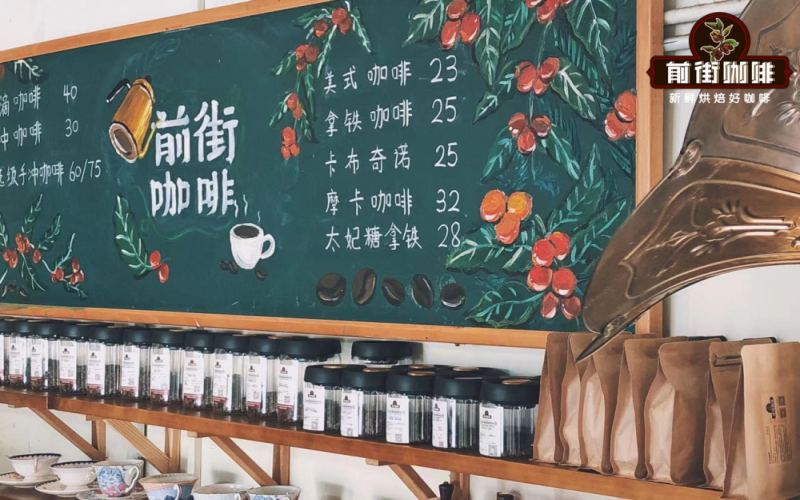
The roast level of coffee beans directly affects the flavor expression in the final cup. From the Maillard reaction and caramelization during roasting to the aroma characteristics presented by the three common roast levels—light, medium, and dark—this article systematically analyzes how roast level influences the balance between acidity and bitterness and the direction of flavor in coffee. At the same time, addressing the bean selection challenge for SOE (Single Origin Espresso), the article analyzes why light-roast and dark-roast beans easily produce harsh flavors under espresso extraction, and gives the reason why medium roast is the first choice for SOE. Front Street Coffee also recommends four single-origin beans suitable for making SOE, covering sun-dried Yirgacheffe, Papua New Guinea Paradise Bird, Costa Rica Mozart, and Brazil Queen Estate Yellow Bourbon, providing practical reference for coffee enthusiasts. [more…]
Where Does the Smoky Flavor in Guatemalan Coffee Come From? Analyzing the Causes of Roast Smokiness and Regional Flavor Characteristics
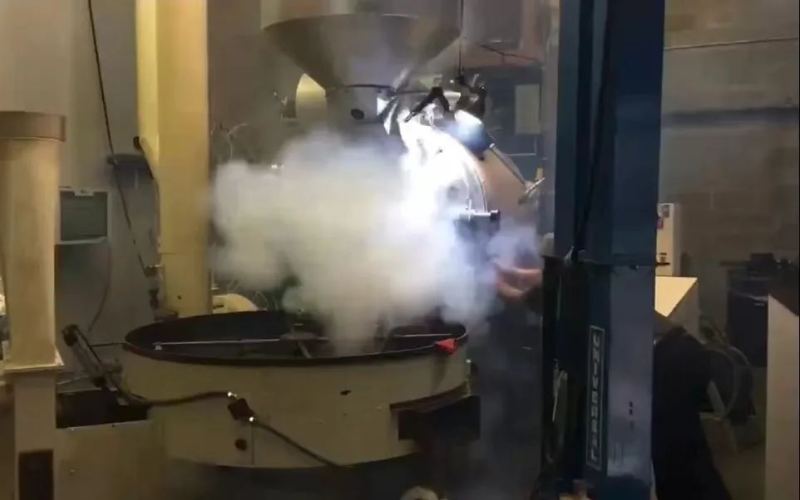
Does tasting a smoky flavor in coffee necessarily mean something went wrong during roasting? In fact, the sources of smoky flavors can be entirely different. One comes from improper smoke exhaust during roasting, where silver skin and smoke flow back and infuse the beans, creating a harsh, irritating defect flavor; the other is a unique signature bestowed by the terroir of the Guatemala region, expressed as a delicate, tobacco-like aroma rather than a defect. This article will start from the principles of roasting to distinguish the essential differences between the two types of smoky flavors, and introduce two Guatemalan beans currently sold by Front Street Coffee—Huehuetenango and Antigua Flower God. The former has lively acidity with citrus and nutty notes, while the latter has prominent sweetness with a faint, elusive smokiness. Whether you want to troubleshoot roasting issues or explore the charm of Guatemalan terroir, you can find answers here. [more…]

A Detailed Explanation of Green Coffee Defect Classification Standards: Which Beans Need to Be Removed and Which Are Just Visual Misunderstandings
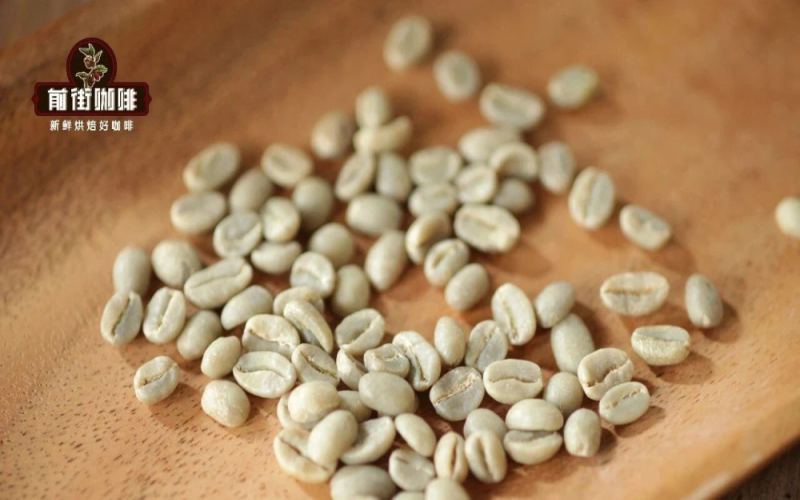
Many coffee enthusiasts, when first encountering coffee beans, often misjudge defective beans based on unusual appearance. In reality, true defective beans are mainly concentrated at the green bean stage, and most have already been screened out at the producing region and roasting stages. Among the beans consumers buy day to day, those covered in wrinkles, with cracks, or on the lighter side in color are often not defects, but normal phenomena brought about by light roasting, high-altitude cultivation, or specific processing methods. This article systematically sorts out the classification standards for green coffee bean defects, distinguishes true defective beans from appearance traits that are easily misunderstood, and introduces Front Street Coffee's practice of double screening before and after roasting, helping readers build a more accurate basis for judging quality. [more…]