







Search Results for: roasted coffee beans
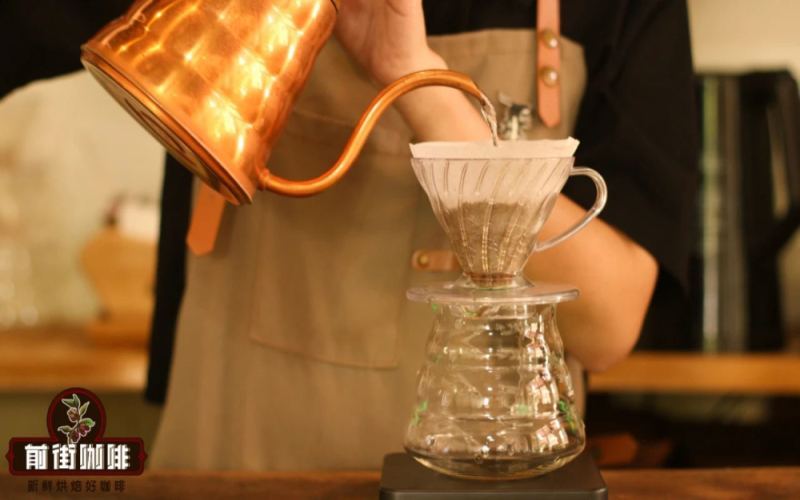
From Green Beans to Roasted Beans: A Detailed Guide to Coffee Roast Levels, Flavor Changes, and Agtron Roast Percentage Interpretation
Turning green coffee beans into roasted beans relies entirely on roasting. For the same batch of beans, different roast levels lead to completely different acidity, bitterness, sweetness, body, and aroma profiles. Today, Front Street Coffee systematically breaks down the core knowledge of coffee roasting: what happens during the dehydration phase, the yellowing phase, and the flavor development phase; how to judge the drop time based on first crack and second crack; and which origins and brewing methods suit light, medium, and dark roasts. We'll also explain why the color of the bean surface can be misleading, and how to interpret Agtron values and Roaster %. At the end, we've included Front Street's recommendations for resting and grinding, to help you get the best flavor once you have the beans in hand. [more…]

The Science of Specialty Coffee | How do you interpret coffee roasting levels and roasting percentages? What are the flavor characteristics of different roasting levels?
We usually talk a lot about coffee bean brewing, but today Front Street Coffee will explain coffee bean roasting knowledge to everyone. We know that the process of coffee beans going from green beans to roasted beans is the roasting process, and this process includes light roast, medium roast, and dark roast. Exactly how should different coffee beans be roasted? At the same time, light roast, medium roast [more…]
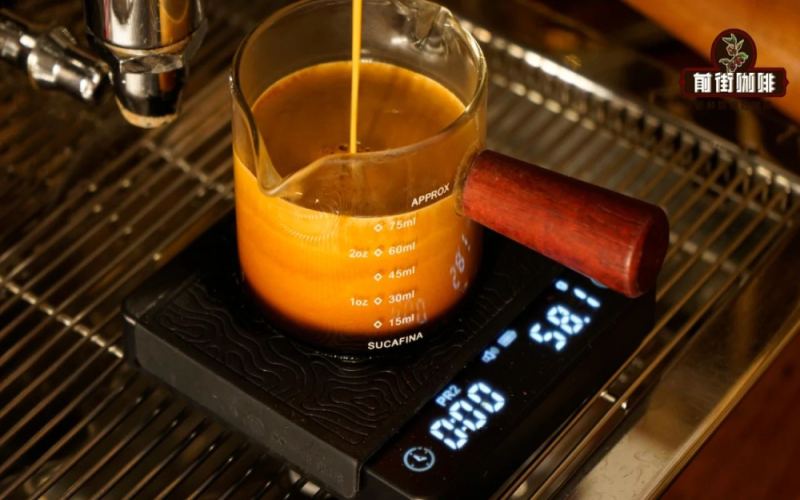
An Analysis of Flavor Differences Between Light, Medium, and Dark Coffee Bean Roasts: Taste Characteristics and Selection of Specialty Coffee at Different Roast Levels
Green coffee beans themselves have no obvious aroma or flavor; only through roasting can they release their alluring flavors. Roasting time, temperature, method, and even the roaster's experience all have a subtle impact on the final taste in the cup. From light to dark roast, coffee beans differ in color, acid-bitterness balance, and aroma layers, and the suitable brewing methods and drinking preferences vary greatly. In this article, Front Street Coffee will systematically sort out the flavor differences among light, medium, and dark roasted coffee beans, and, combined with specific origin cases, explain how roasters choose curves based on bean characteristics, as well as the effects of different roast levels on coffee chemical compounds and the final taste, helping coffee enthusiasts more clearly understand the relationship between roasting and flavor. [more…]
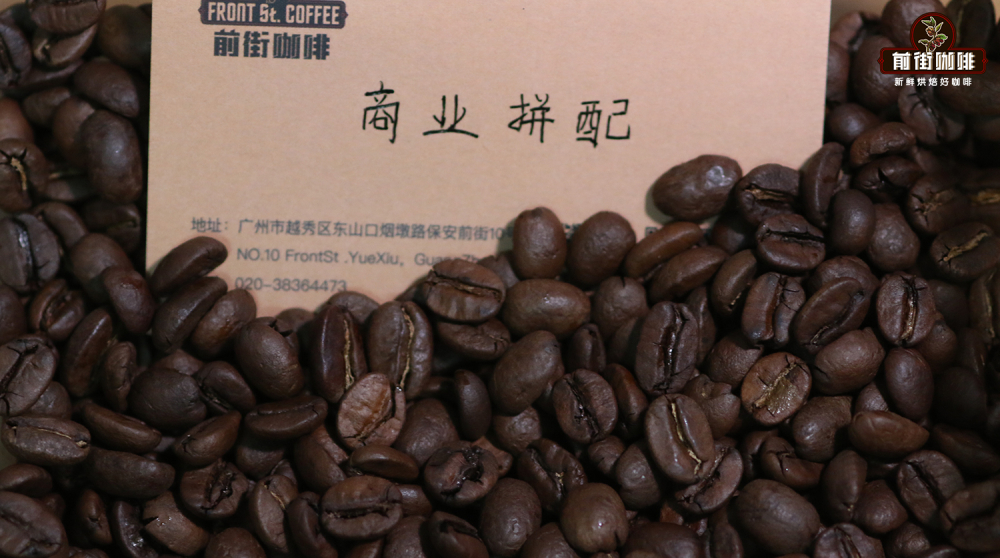
Comparison of Eight Coffee Bean Roast Levels|How do different roast levels affect coffee flavor? What is the specific process for roasting coffee beans?
Anyone who drinks coffee regularly knows that coffee beans come in different roast levels, and the flavor and mouthfeel they present are all different. As a café that roasts its own beans, Front Street has dozens of batches of coffee beans to roast every day. We know the flavors of light-roasted Yirgacheffe, medium-roasted Brazilian coffee, and the like like the back of our hand, and we also need to [more…]

Coffee Roasting | How Is the Roast Level of Coffee Beans Determined? What's the Difference Between Espresso Beans and Pour-Over Beans? Which Tastes Better for Huakui Coffee: Medium Roast or Light Roast?
Many friends who want to learn about coffee bean roasting are curious about one question: how to determine the roasting degree of coffee beans. Should a coffee bean be dark roasted or light roasted, and then how light should light be, and how dark should dark be? On what basis does Front Street Coffee determine the roasting of all these coffee beans it sells? [more…]
How to distinguish coffee bean roast levels? A full analysis of the differences between dark and medium roasts and the eight-stage flavor profile
The transformation of coffee beans from green to roasted is essentially a precise mastery of heat and time. Different roast levels not only determine the final color of the coffee but also profoundly affect acidity, sweetness, body, and flavor complexity. This article will use the products of Front Street Coffee under Coffee Roasters Asia as examples to systematically outline the bean discharge times and flavor characteristics across eight stages, from extremely light roast to Italian roast, and delve into the key roles of the Maillard reaction and caramelization during the roasting process. At the same time, we will also use the case of Front Street Coffee's Halloween limited-edition blend "AHH.?!" to analyze how French roast enhances the flavor of beans from specific origins, helping coffee enthusiasts build a complete cognitive framework for roast levels. [more…]
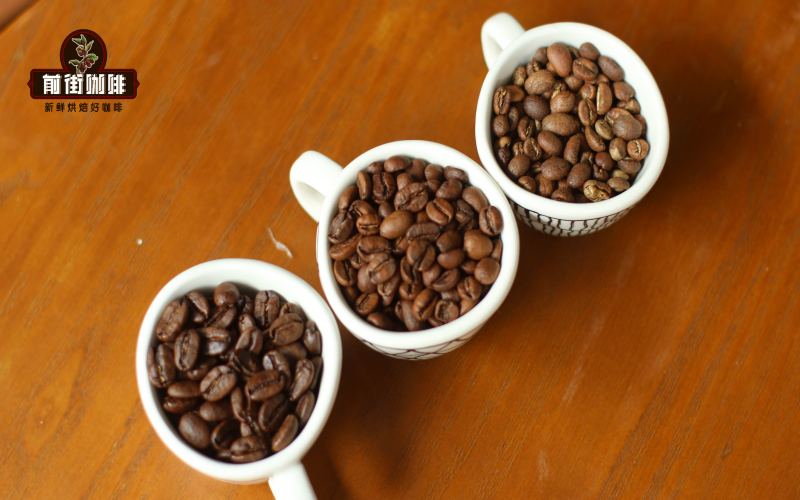
Coffee Bean Roast Levels Illustrated | What Do Japanese Extremely Dark Roast and Nordic Extremely Light Roast Mean? Which Tastes Better, Medium or Dark Roasted Coffee Beans?
Roasting is the process of turning green coffee beans into brown roasted beans~ The longer the roasting time and the longer the beans are exposed to heat, the darker the color of the coffee beans becomes. The surface color (bean surface) of the coffee beans when taken out of the roaster after different durations will also vary. This situation Front Street [more…]
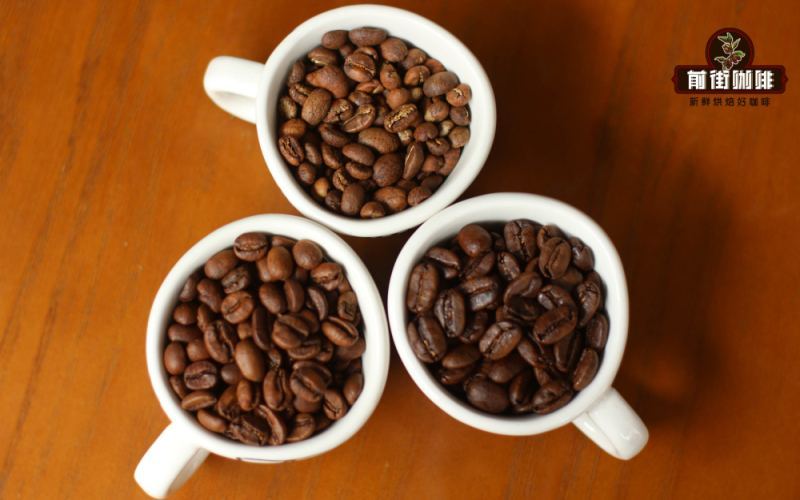
From Light to Dark: A Comprehensive Analysis of Eight Coffee Roast Levels and a Practical Operational Guide
Coffee roasting is the core step that determines the flavor direction of a cup of coffee. From green beans to the drink in your cup, the degree of roast directly governs the balance of acidity, sweetness, and bitterness. This article systematically sorts out eight common roast levels, the working principles of three types of coffee roasters, and the mechanisms by which caramelization and the Maillard reaction shape flavor. It also records in detail Front Street Coffee's operational procedures and curve management experience in actual roasting, helping coffee enthusiasts build a complete cognitive framework from theory to practice. [more…]
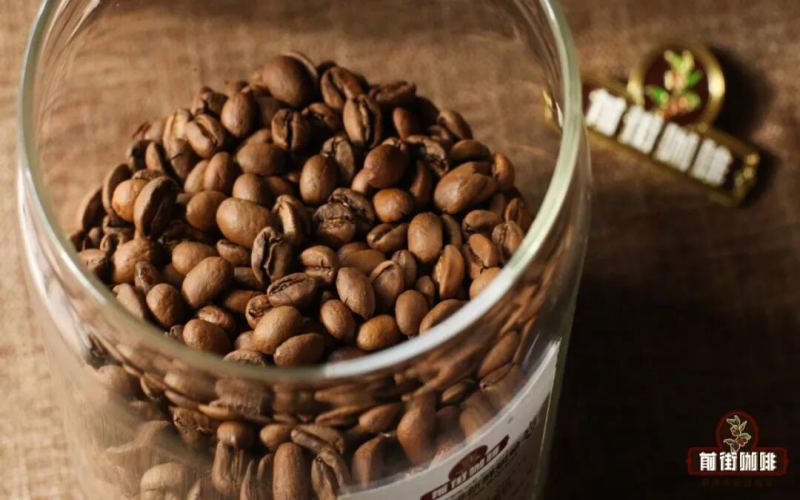
Coffee Roast Levels | How Can Coffee Beginners Quickly Distinguish the Roast Level of Coffee Beans? How Are Coffee Bean Roast Levels Defined?
As is well known, Front Street primarily sells coffee beans and has shops on both Taobao and Tmall, so friends who can't make it to the physical store often place orders online. Some of them then noticed that Front Street's bean labels don't indicate the roast level of the coffee beans, and they reported that once they receive the beans, they don't know how to identify [more…]
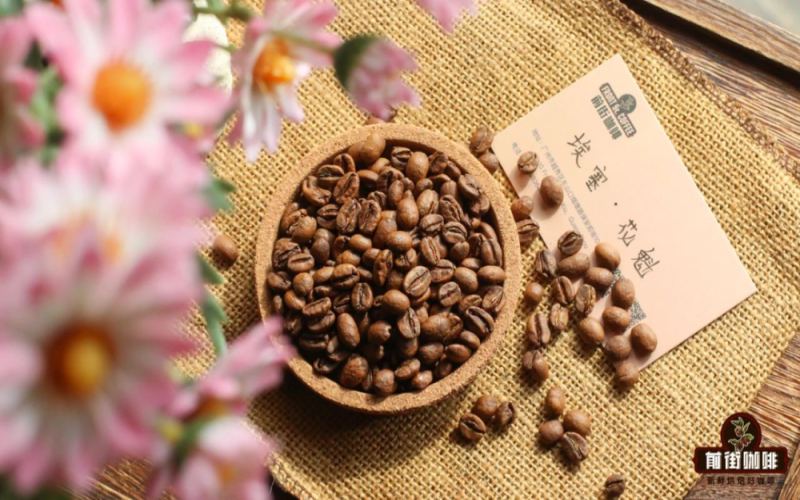
How Does Roast Level Shape Coffee Flavor? A Comprehensive Analysis of Light, Medium, and Dark Roast Levels and Representative Beans
What exactly determines the flavor of coffee beans? Origin, variety, and processing method lay the foundation, but roasting is the key step that unlocks their potential. From the perspective of Front Street Coffee, this article systematically sorts through the three major roasting levels—light, medium, and dark—and the eight stages within them, explaining how the Maillard reaction and caramelization reaction affect coffee's acidity, sweetness, bitterness, and body. At the same time, drawing on specific beans such as Yirgacheffe Gedingding, Natural Red Cherry, PWN Golden Mandheling, and Lintong Mandheling, it offers pour-over parameter recommendations for medium-light and medium-dark roasts, helping coffee lovers choose the right roast level according to their personal taste. [more…]
Light, Medium, or Dark Roast: How to Choose? A Full Analysis of Coffee Bean Roast Levels and Flavor Differences
Raw coffee beans must undergo high-temperature roasting to release their aroma and flavor, and the degree of roasting directly determines the flavor profile of the coffee in the cup. From the bright fruit acidity of a light roast, to the balanced sweetness of a medium roast, to the intense, smoky aroma of a dark roast, each roast level has its own unique charm. This article will start with the Maillard reaction and caramelization reaction during the roasting process, systematically analyzing the flavor characteristics and representative bean varieties of light, medium, medium-dark, and dark roasts, and introduce a number of specialty coffee beans from Front Street Coffee corresponding to each roast level, helping enthusiasts find the cup that best suits their taste preferences. [more…]
Analysis of the Relationship Between Coffee Bean Roast Level and Fat Loss: Flavor Differences of Light, Medium, and Dark Roasts and Front Street Coffee Bean Selection Recommendations
The roast level of coffee beans not only determines the flavor direction of a cup of coffee, but may also affect its ability to assist with fat loss. From the bright acidity of a light roast to the rich bittersweetness of a dark roast, different roast levels correspond to different expressions of origin and drinking scenarios. Front Street Coffee, with bean sources covering more than 50 producing regions and its own roasting facility, matches each bean with the roasting profile that best showcases its character through repeated cupping and curve adjustments. This article will systematically sort out the flavor characteristics and representative beans of light, medium, and dark roasts, and answer the connection between roast level and fat-loss effects, helping you understand the logic of flavor while finding the cup that suits you. [more…]
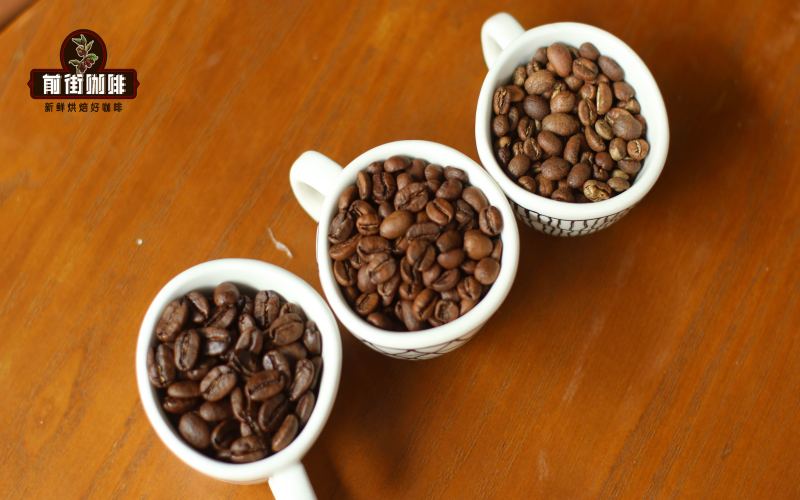
From Light Roast to Espresso Roast: A Full Analysis of the Eight-Level Coffee Bean Roast Classification and the Five Major Stages
Coffee beans transform from green raw beans into brown roasted beans entirely through the key process of roasting. The length of roasting time directly determines the depth of the bean surface color and also shapes completely different flavor directions. The roasting color standard card established by the Specialty Coffee Association of America (SCAA) divides roast levels into eight grades, from light roast to Italian roast, with each level corresponding to a specific drop time and flavor characteristics. In addition, emerging concepts such as Nordic ultra-light roast and Japanese ultra-dark roast have gradually entered the view of enthusiasts. This article will systematically sort out these eight levels, the five stages of roasting, and the classification methods used by Front Street Coffee in practical applications, helping readers build a complete understanding of coffee roast levels. [more…]
A Detailed Explanation of Coffee Bean Roasting Principles: Flavor Differences Between Light and Dark Roasted Yirgacheffe and Front Street Coffee Bean Menu Recommendations
Green coffee beans themselves have no obvious aroma; they must undergo high-temperature roasting to release their captivating flavors. Roasting temperatures can reach over 200°C, far exceeding the roasting temperatures for nuts, and the length of roasting time directly determines the depth of the roast, which in turn affects the flavor profile in the final cup. Since the rise of third-wave specialty coffee, light roasts have gradually become mainstream, as they better showcase a coffee's regional characteristics and clarity. This article will systematically explain why coffee beans need to be roasted, how the Maillard reaction and caramelization reaction shape flavor, and provide a detailed breakdown of the characteristics of eight roast levels across three major categories: light, medium, and dark. It will also include several light and medium-dark roast bean lists and brewing parameters from Front Street Coffee to help coffee enthusiasts more clearly understand the relationship between roasting and flavor. [more…]
Coffee Bean Roast Level Guide: Flavor Differences and Selection Tips from Light Roast to Espresso Roast
The transformation of coffee beans from green raw beans to brown roasted beans depends entirely on the key process of roasting. As roasting time varies, the surface color of the beans changes accordingly, giving rise to different classifications of roast levels. The Specialty Coffee Association of America (SCAA) established a reference system of 8 levels based on Agtron color values, from light roast to Italian roast, with each stage corresponding to a unique flavor direction and unloading timing. This article will use a text-and-image format to analyze one by one the color value ranges of each roast level, the rhythm nodes of first crack and second crack, and the evolution logic of acidity, sweetness, and bitterness. It will also introduce two niche styles—Nordic ultra-light roast and Japanese ultra-dark roast—and share how Front Street Coffee simplifies classification in actual production to help consumers understand roast levels. Finally, it will include practical advice on the five stages of roasting and home roasting. [more…]
A Comprehensive Guide to Coffee Bean Roast Levels: From SCAA Color Value Grading to Front Street Coffee's Practical Brand Classification
Coffee roasting is the key process through which green beans transform into brown roasted beans. The length of heat exposure directly determines the color of the bean surface and thus defines different roast levels. The SCAA, the world's largest coffee trade association, established an eight-level roast standard based on Agtron color values, from the bright acidity of light roasts to the intense, smoky bitterness of Italian roasts, with each stage having its own distinctive flavor trajectory and drop time. Beyond this official system, new concepts such as ultra-light Nordic roasting and ultra-dark Japanese roasting have gradually entered enthusiasts' field of view. In everyday communication, Front Street Coffee uses another, more intuitive classification that simplifies roasted beans into light, medium-light, medium, medium-dark, and dark roasts, making it easier for consumers to understand and choose. This article will systematically organize these grading standards and provide an in-depth analysis of the five stages of roasting and key practical points. [more…]
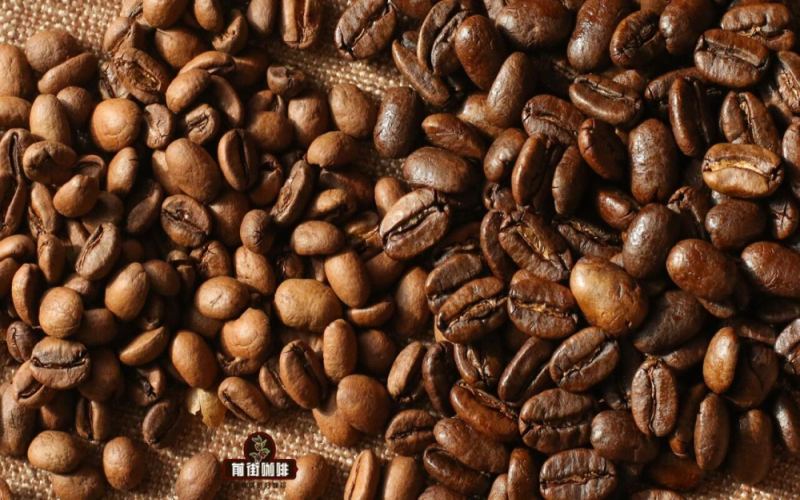
What are the differences between dark roast and light roast coffee beans? Are dark roast beans expensive, and how much do they generally cost?
Should coffee beans be dark roasted or light roasted? This is a long-running debate in the coffee world. Those who favor light roasting believe that it preserves the coffee's origin flavors and floral and fruity aromas to the greatest extent; those who champion dark roasting emphasize that only medium-dark roasting allows the Maillard reaction to complete fully, bringing a rich, full-bodied sweetness and a smooth mouthfeel. Each side has its points, and there is no absolute right or wrong. This article will sort out the core differences between dark roasting and light roasting, introduce the taste characteristics of the three levels—light roast, medium roast, and dark roast—and give specific Front Street Coffee bean recommendations for different flavor preferences, while also answering common questions such as how much dark-roasted coffee beans generally cost and whether they are expensive. [more…]
Espresso Medium Roast Bean Buying Guide: Acidity Differences Between Light and Medium Roasts and Front Street Coffee's Recommended Bean List
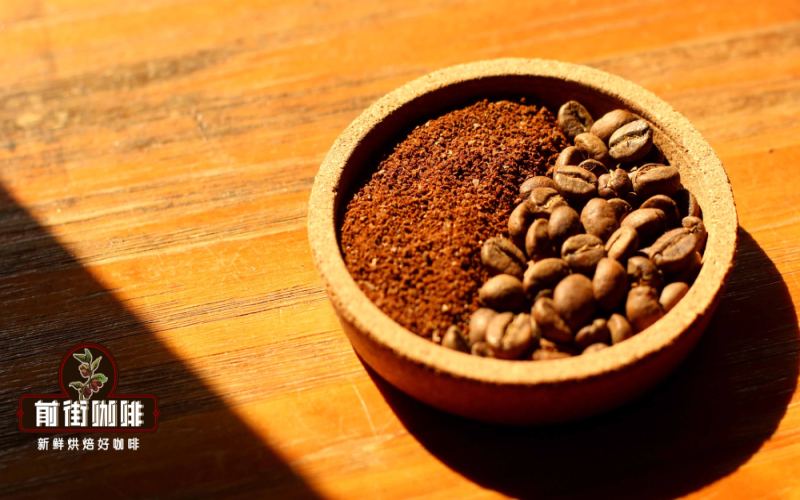
Coffee flavors are endlessly varied, but from a macro perspective, they boil down to three main directions: sour, bitter, and balanced sweet-and-sour, which correspond exactly to light, dark, and medium roasts. The degree of roasting largely determines the final flavor expression of coffee beans. If you want to make good espresso, choosing the right roast level is the first step. In this article, Front Street will systematically sort out the flavor characteristics and suitable uses of light, medium, medium-dark, and dark roasts, with a focus on medium-roast coffee beans suitable for making espresso, and will include a specific list of Front Street recommended beans to help coffee lovers quickly find the right choice according to their taste preferences. [more…]
How Is Coffee Bean Roast Level Determined? Differences in Bean Selection for Espresso vs. Pour-Over and an Analysis of Huakui Roasting
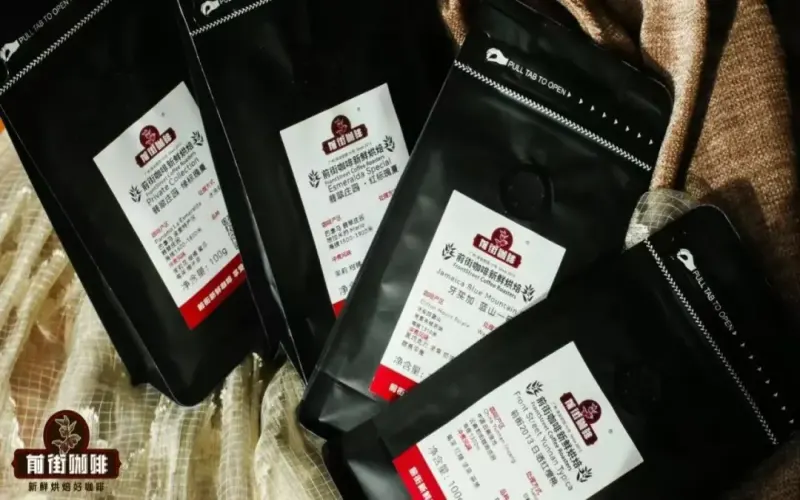
How dark should a coffee bean be roasted? How light is light, and how dark is dark? This is a question Front Street Coffee is often asked. In fact, there is no absolute standard for roast level—the core lies in what flavors the roaster wants to present and which characteristics to highlight. This article draws on Front Street Coffee's practical experience: it first explains how roast level affects the coffee's body, density, and acidity-bitterness mouthfeel; then explains how light, medium, and dark roasts are judged at the actual drop point; and finally, using specific beans such as espresso, pour-over, Mandheling, and Geisha, it sorts out Front Street Coffee's complete approach to determining roast level, while retaining product information such as the Huakui medium-roast espresso option. [more…]
Analysis of Flavor Differences Across Eight Coffee Bean Roast Levels and a Practical Guide to Home Drum Roasting
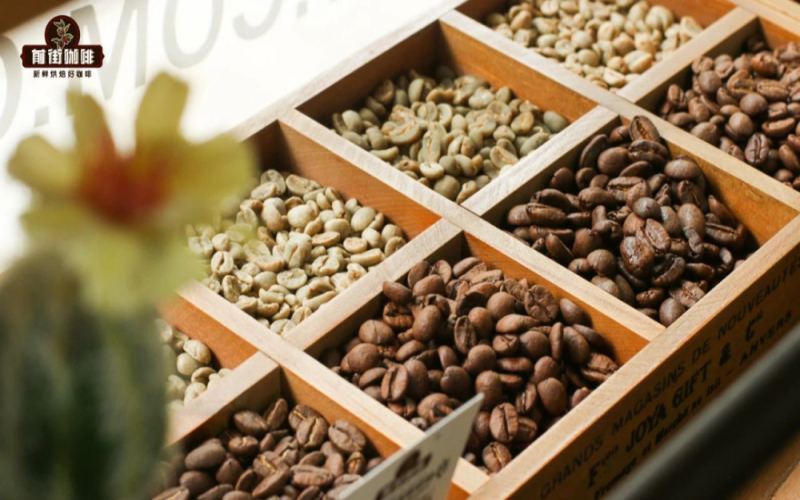
Many coffee enthusiasts, beyond their daily consumption, have begun trying their hand at roasting coffee beans. However, home roasting often runs into the problem of uneven bean color, and the degree and consistency of roasting are exactly what determine the final flavor in the cup. This article draws on the practical experience of Front Street Coffee, first introducing the feasible tools and operational key points for home roasting, then systematically sorting through the eight roast levels defined by the SCAA—from light roast to Italian roast—explaining one by one the Agtron color values, the timing of removal from the roaster, and the corresponding flavor performance, to help readers build an understanding of the correspondence between roast level and taste, and to gain a deeper understanding of the craft logic behind every cup of coffee. [more…]