







Search Results for: rich and thick
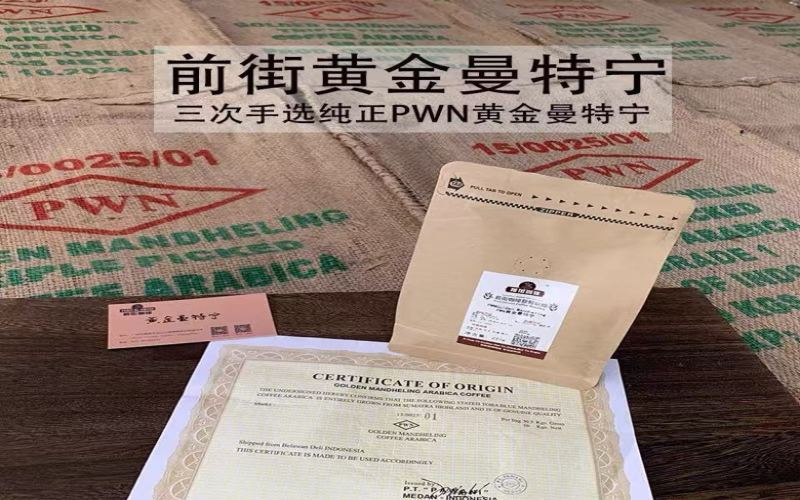
Region Selection for Rich Crema Beans: Crema Performance of Mandheling, Brazil, and Blue Mountain
The crema performance of espresso differs noticeably across growing regions. Mandheling, Brazil, and Blue Mountain are three representative origins, each with its own crema characteristics, suited to drinkers with different taste preferences. Mandheling is the choice for crema thickness. The Mandheling region uses wet-hulling processing, during which more pectin layer remains on the surface of the beans, add [more…]
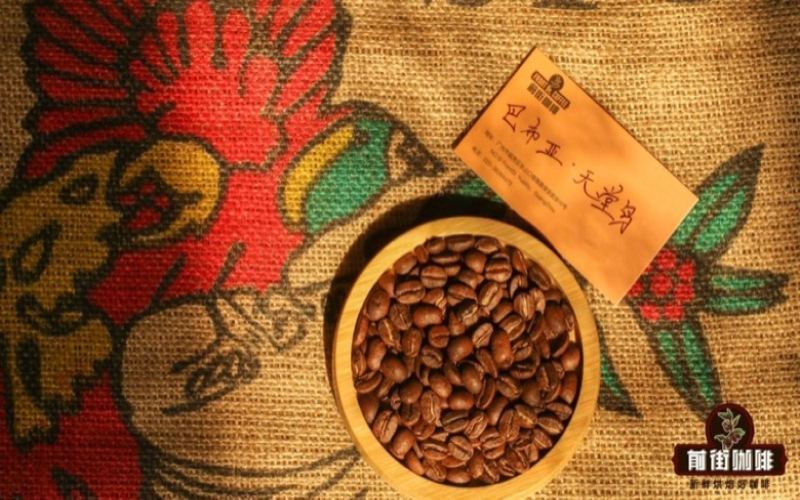
Regions for Rich and Thick Crema: Beyond Mandheling, There Are These
When it comes to coffee beans with rich, creamy body, many people first think of Mandheling. Indeed, Indonesian Mandheling is the representative of the rich and creamy style, but if you want to drink rich, creamy coffee, the producing regions to choose from are not limited to this one. Brazil, Papua New Guinea, and Jamaica each have their own expressions of richness and creaminess, and they are all worth trying one by one. Indonesia is a stronghold of the rich and creamy style. Sumatran [more…]

Espresso Crema | What Factors Affect Crema Thickness? Recommended Specialty Coffee Beans for Rich Crema in Espresso Extraction
Some friends often ask us for advice on espresso extraction issues. Many of them have encountered situations where the espresso shot lacks golden crema or the crema is thin. Since for espresso, that golden crema is its very soul, when the coffee has no crema [more…]
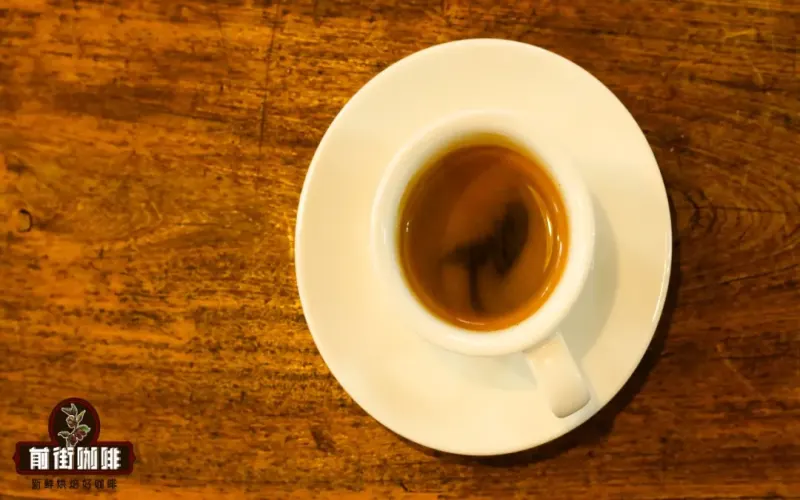
Espresso Crema Extraction Techniques | Is Coffee Crema Actually Oil? How to Make Espresso Black Coffee with Crema Using an Espresso Machine or Moka Pot?
A while back, when Front Street Coffee was tinkering with a moka pot in the shop, a friend saw that the moka pot coffee Front Street brewed had a very thick layer of crema, so they asked Front Street for the secret to brewing such thick crema, because the moka pot coffee they brewed at home had very thin crema. The same situation often occurs with espresso machine users as well. [more…]
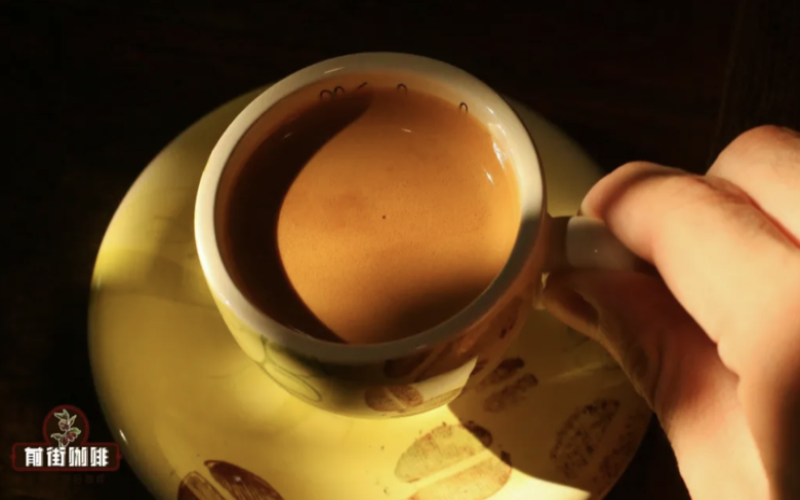
Rich and Oily Regions Beyond Mandheling: These Origins Also Deliver
When it comes to rich, creamy body, many people first think of Mandheling. Mandheling is indeed a representative of full-bodied richness, but in the world of specialty coffee, it isn't the only region known for beans with abundant oils. Understanding the oil expression of beans from different regions allows you to move beyond the Mandheling framework when selecting beans, giving you a richer set of choices. Mandheling is full-bodied and oil [more…]

Espresso Extraction Techniques | Why Does Homemade Espresso Have No Crema? Recommendations for High-Quality Espresso Beans with Thick Crema Just Like Coffee Shops
Espresso has always been one of the most popular coffee extraction methods, and it is also the first stop for most coffee beginners—perhaps because a cup of sweet, silky milk coffee is simply irresistible, or because the unique richness and refreshing quality of an Americano is addictive from the first sip, or because coffee specialty drinks are so stunning [more…]

Bean blend for commercial espresso: how to balance the ratio of Arabica to Robusta
In the formulation design of espresso blends, the ratio of Arabica to Robusta beans has always been an unavoidable topic. Each of the two bean types has its own advantages, and how to combine them to ensure both the thickness of the crema and control costs is the core of a commercial blend formula. Arabica beans are the mainstay of espresso blends. They have rich flavor layers and bright acidity. [more…]
The Standard Method for Making a Flat White and the Coffee-to-Milk Ratio | What Is the Difference Between a Flat White and a Latte? Does the Texture of the Milk Foam Affect the Taste of Coffee?
Whether we go to Luckin Coffee or Starbucks, or an independent café, we always see coffee with the word "white" on the espresso menu. Everyone calls this coffee differently: Luckin calls it Aoruibai, Starbucks calls it Furuibai, and independent cafés call it Australian White Coffee. These are actually all the same espresso- [more…]
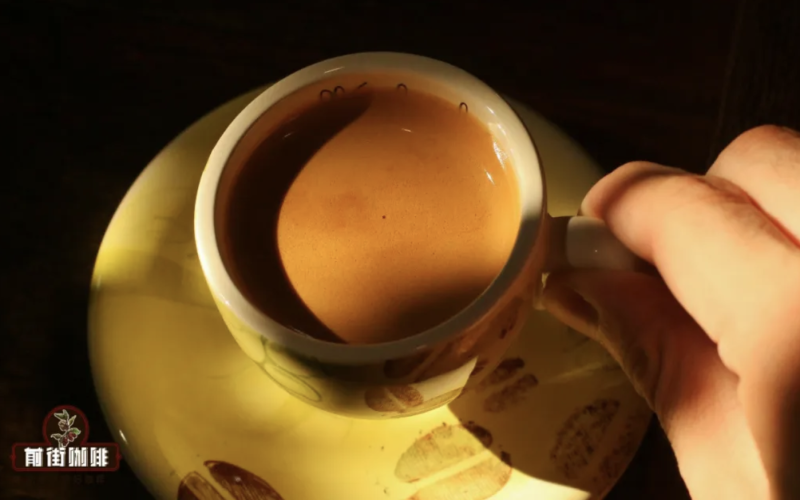
How to Pull a Good Espresso Shot at Home: The Key Lies in Bean Selection
Many people buy a home espresso machine with one first goal in mind: pulling a thick, creamy crema like the one in coffee shops. But after endlessly tweaking grind size, dose, and water temperature, the crema is still thin. The problem usually isn't the machine — it's the beans. Crema is the layer of foam formed when carbon dioxide and fats emulsify during espresso extraction. [more…]
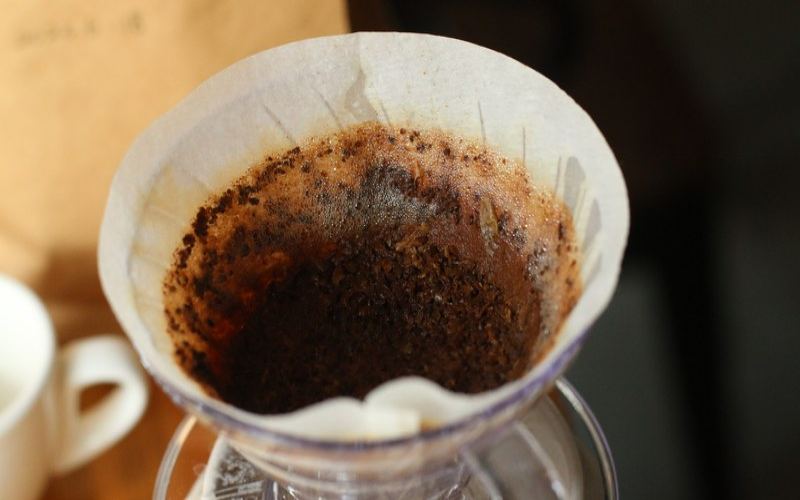
Moka Pot Oiliness Bean Selection Guide: How to Choose from Light to Dark Roast
Coffee brewed in a moka pot often has a thin layer of fine bubbles on the surface, and can also carry a noticeable oily richness on the palate, but it is not the same as the espresso crema produced by an espresso machine. To make this body more pronounced, the roast level of the coffee beans is key: the darker the roast, the more concentrated the bittersweet, caramel, and full-bodied notes usually are, and the easier it is to support the moka pot [more…]

Espresso Crema | What Is Crema in Espresso? What Coffee Information Can the Crema on an Espresso Reveal?
As is well known, the coffee extracted from an espresso machine is not only very rich and intense, but also comes with a layer of golden crema. Because this layer of crema gives the coffee a rich aroma and a smooth, dense mouthfeel, and is also a product unique to espresso, people often call it the soul of espresso. But... [more…]

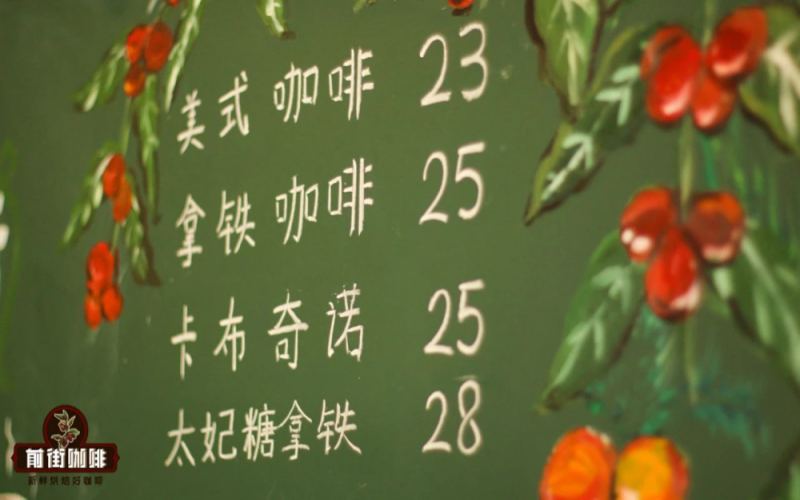
Types of Italian Milk Coffee | What are the differences in flavor, taste, and preparation ratios among Americano, Latte, Cappuccino, Mocha, Flat White, and Macchiato?
With the entry of international freshly ground coffee brands such as Starbucks and Costa direct-operated stores into China, a coffee craze has risen in the country. Many businesses continuously make a big fuss over coffee beverages. In addition to the relatively expensive freshly ground coffee, affordable instant coffee and coffee drinks also have very high popularity. So what are the current mainstream co [more…]
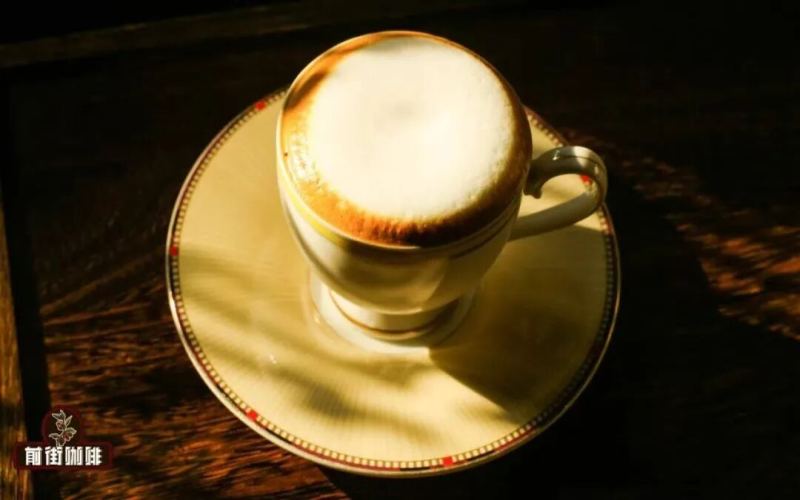
How to Make a Cappuccino | Why Are Nearly 90% of Cappuccinos Made Wrong? How to Make a Traditional Cappuccino with a Golden Ring?
If you often browse major coffee forums, Front Street believes that when it comes to cappuccino, you will always come across claims like this: "Nearly 90% of the cappuccinos on the market are not made correctly." Many friends are puzzled when they see this: "Isn't a cappuccino just a milk coffee with milk foam? Isn't it just [more…]
Bialetti Moka Pot: Brewing Rich Crema by Roast Level
Coffee brewed in a Bialetti moka pot shows a thin sheen of oil on the surface, and when you sip it you can get a thickness close to espresso, but it will not form the kind of stable crema that an espresso machine produces. If you want this oily mouthfeel to be more pronounced, choosing the right beans is more effective than simply increasing the heat, as the roast level directly affects the coffee's oil content and expansion. [more…]
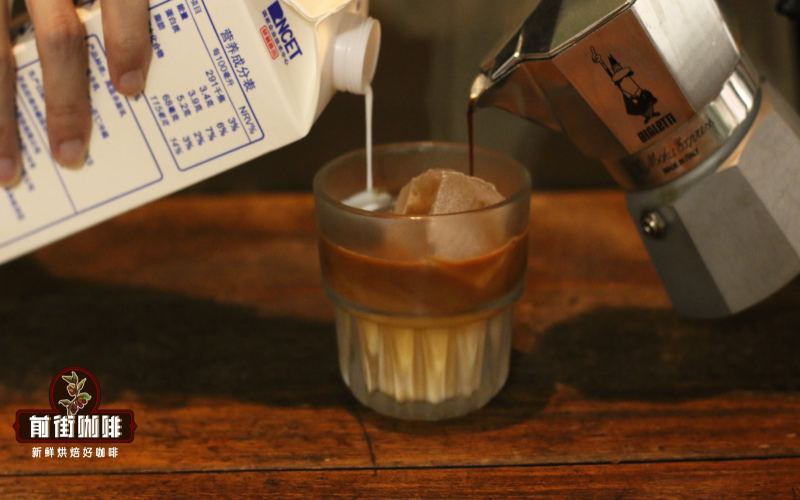
Moka pot flavors go beyond just one: from rich and bold to light and sweet, it can do it all.
When it comes to the moka pot, many people's impression of it is still stuck on "espresso-style, blends, thick crema." It's true that the moka pot is superb for brewing blends, but that doesn't mean it can only be used for one style. In fact, the moka pot's potential is far greater than imagined: from the herbal richness of a dark-roasted Mandheling, to the clean sweetness of a "Little Blue Mountain," and then [more…]
How to Choose Dark Roast Coffee Beans: From Roast Level to Everyday Brewing
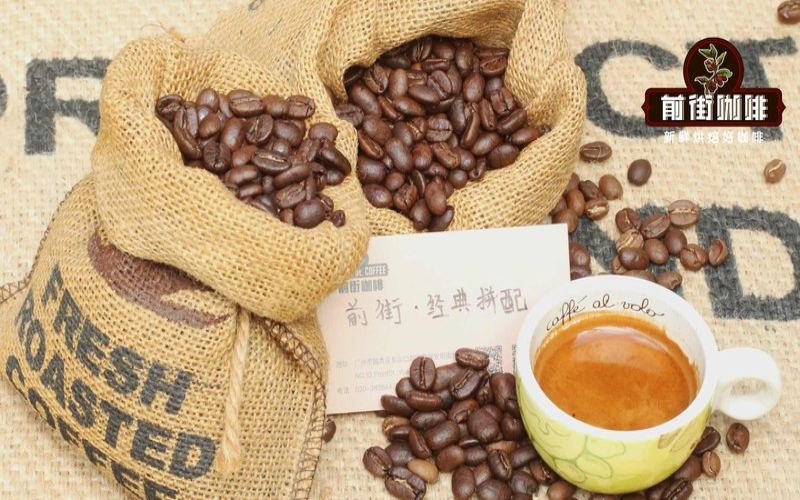
The charm of dark roast coffee beans lies in their full body, deep aroma, and long finish. They often present notes of dark chocolate, roasted nuts, caramel, smoke, or spice, with acidity pushed to the background, making them suitable for pairing with breakfast in the morning or for making rich drinks with milk. If you prefer a solid, smooth coffee with a roasted feel, dark roast will be a good choice. [more…]

Whether an espresso bean has a lot of crema depends first on the roast level.
When making espresso, the layer of golden or brown foam on the surface of the coffee liquid is often called crema. If you prefer coffee that looks thick and tastes stronger, the roast level can be a very useful clue when choosing beans. Generally speaking, the darker the beans are roasted, the more likely an oily sheen appears on the surface, and the crema extracted is also more pronounced, but the foam [more…]

How to Make a Flat White | Is a Flat White the Same as a Cappuccino? Is There a Big Difference in the Espresso-to-Milk Ratio and Taste?
When it comes to rich, milky coffee, many people may first think of Starbucks' Flat White. Internationally, it is called Flat White (Australian White Coffee). This drink was actually quite obscure in China at first, but after Starbucks added it to its menu, it gradually became known to everyone and rose to become [more…]
Rich or Clear: The Balance Point of Coffee's Oily Flavor
Those who chase crema often reach a fork in the road: the thicker the crema, the richer the flavor, but the delicate floral and fruity notes tend to blur along with it. Richness and clarity are like the two ends of a seesaw—finding your own balance point is more worth pondering than simply piling on more crema. The essence of crema is carbon dioxide, lipids, and proteins. [more…]

Coffee Type Flavor Comparison | What Are the Mainstream Coffee Drinks? What's the Difference Between Americano, Latte, Cappuccino, Mocha, and Pour-Over Coffee? Which Coffee Tastes Good Without Being Bitter?
For more specialty coffee knowledge, please follow the WeChat public account: Front Street Coffee (FrontStreet Coffee). As international freshly ground coffee brands such as Starbucks and Costa have entered China with their directly operated stores, a coffee craze has risen in the country, and many businesses keep making a big fuss over coffee drinks. In addition to [more…]