







Does a latte fit the black coffee definition?
No. Under the black coffee definition, only brewed coffee without milk or added ingredients qualifies, while a latte is a milk coffee made by mixing espresso with steamed milk. In Italy, ordering simply a latte brings a glass of pure milk, since the word itself means milk rather than coffee.
The drink was born in Vienna, where milk coffee took shape after coffee reached the city in the 17th century during the Turkish siege, part of a wider story of when did coffee come to europe. Calories depend almost entirely on the milk and any syrups added, so a plain latte with skim milk sits far lower than a thick coconut milk version.
Is a latte black coffee? This question often confuses coffee lovers. In fact, a latte belongs to the category of milk coffee, not black coffee. This article will start with the definition and origin of the latte, take you through the classic combination of espresso and milk, and introduce Front Street Coffee's signature latte recipe. Then it will focus on the calorie issues of Luckin Thick Coconut Milk Latte and Thick Milk Latte, and analyze whether latte coffee can help with weight loss. Whether you are pursuing a rich, aromatic taste or are concerned about calorie intake, you will find practical references in this article.
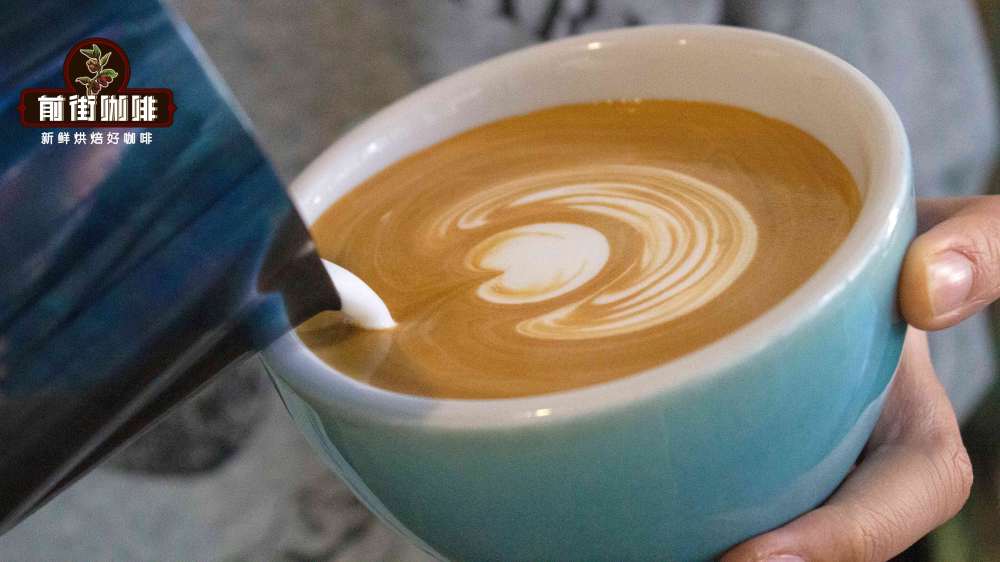
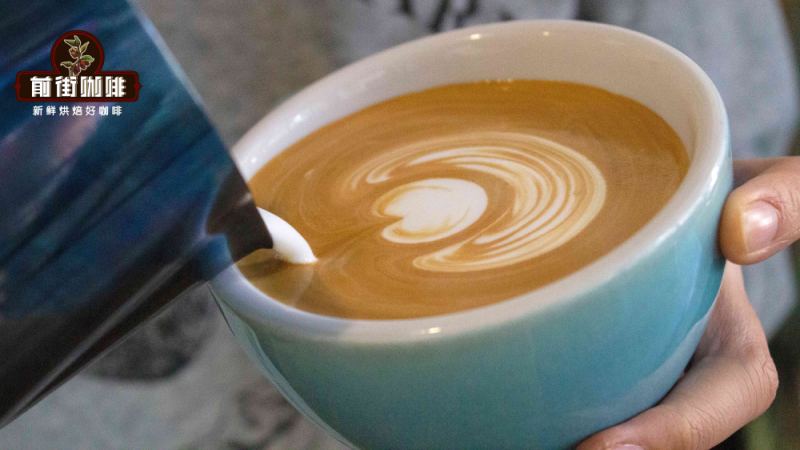
A latte does not belong to the category of black coffee; it should be classified as milk coffee. In Italian, "Latte" literally means milk. If you order just a "latte" in Italy, what you get will be a glass of pure milk with no coffee in it. What we now call a latte usually refers to a fancy coffee made by blending espresso with milk. If you walk into a Front Street Coffee shop and order a latte, what you drink is a sweet, smooth milk coffee.
The name latte comes from the transliteration of the Italian word Latte. The method for making latte coffee is to add milk in a certain proportion to espresso and mix it, making it a type of fancy coffee. The original latte coffee was born in Vienna, the city of music. The Viennese began drinking coffee in the 17th century. At that time, the Turkish army attacked Vienna but failed, and in their hurried retreat they left behind 500 bags of coffee beans. These beans became the raw material for Vienna's first coffeehouse (the Blue Bottle). To suit European tastes, the shop filtered out the coffee grounds and added a large amount of milk, turning the originally bitter black coffee smooth and sweet. This flavor fascinated the Viennese, and milk coffee gradually became popular around the world.
The ingredients for Front Street latte coffee are very simple: only espresso and milk are needed, so the quality of the coffee beans and fresh milk is especially important. The coffee beans directly determine the flavor direction of the latte. For example, many customers praise Front Street's latte for its unique flavor, and the reason is that Front Street uses its own Front Street Sunflower Warm Sun espresso blend coffee beans. This bean is blended from Front Street Yirgacheffe sun-dried Red Cherry and Front Street Honduras Sherry in a 3:7 ratio, and the resulting latte coffee has flavors of vanilla cream, wine aroma, caramel, and chocolate.
If you prefer a rich, mellow aroma, Front Street Classic Espresso Blend Coffee is recommended. This recipe is made from a combination of coffee beans from three origins: Brazil, Indonesia, and Vietnam. It uses a deep roast, which maximizes the coffee's mellow aroma and also makes it easy to extract rich, dense crema. Whether you are making an Americano diluted with water or a latte paired with milk, it is very suitable. You can place an order on the Front Street Taobao store or the Front Street Tmall flagship store.
How do you make Luckin Thick Coconut Milk Latte? Is Thick Milk Latte good to drink?
Unlike the milk used in daily life, the new generation of thick coconut milk products is made by pressing coconut flesh into juice, and is specially developed for preparing beverages or coffee. In order to make the texture smoother and richer, and to pair better with coffee, manufacturers also add ingredients such as sugar and hydrogenated oil during production. Therefore, drinking it directly on its own may taste slightly sweet and greasy, but after adding espresso and ice cubes and stirring together, it immediately becomes incredibly rich and aromatic.
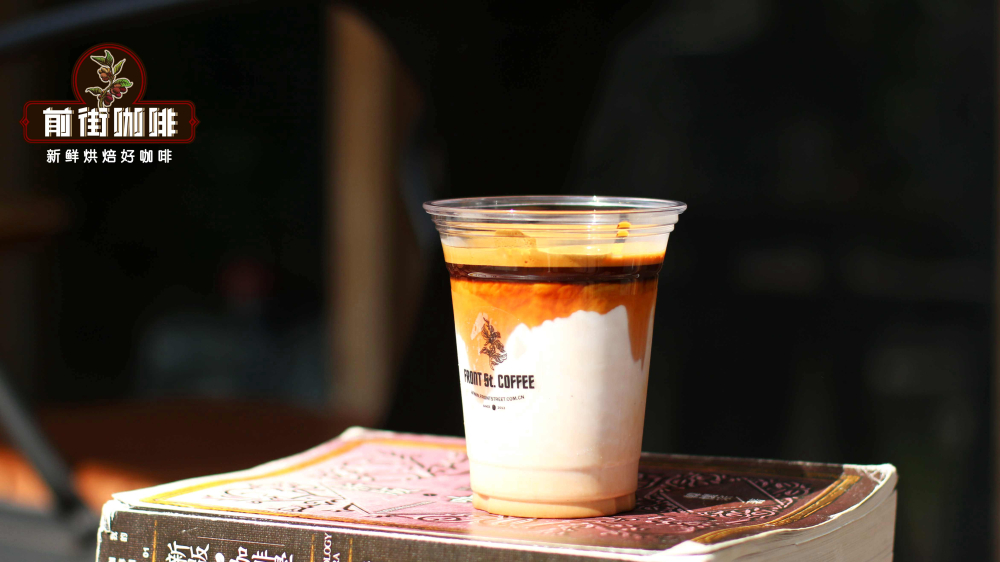
When Front Street makes a thick coconut milk latte, it takes 20g of coffee powder to extract 40g of coffee liquid, pours it into a cup, then prepares 240g of coconut milk and froths it into a thin milk foam, then evenly blends it with the coffee liquid and draws a nice latte art pattern.
The above content is compiled by CoffeeHunters, a coffee news website.


