







Search Results for: restaurant industry labor shortage

Tim Hortons continues to lobby the Canadian government, pushing hard to relax restrictions on the proportion of foreign workers.
Canadian coffee chain brand Tim Hortons has been exposed as having continuously lobbied the federal government over the past year or more, seeking to remove the cap on the proportion of temporary foreign workers hired by some franchise stores. Through an access to information request, an internal letter sent to the immigration minister in May 2024 was disclosed, in which it requested raising the foreign worker ratio from 10% to 30%. Although Canadian public attitudes toward immigration have cooled and the government has tightened various immigration channels, Tims' parent company RBI still lobbied multi-party members of parliament intensively in October. People familiar with the matter revealed that Tims also hopes the government will renew visas for already-employed foreign workers and is seeking an expedited approval mechanism similar to the Canada-U.S. fast-track border clearance. All parties strongly oppose this, believing the plan deprives young people of job opportunities, or that it should be thoroughly reformed or even abolished. [more…]

Starbucks and other coffee shops in the US face a disposable cup shortage, with costs soaring by 70%, and businesses resorting to all sorts of tricks.
Coffee has long been woven into Westerners' morning routines, and in America's fast-paced consumer culture, grabbing a cup of coffee to go is a habit for many. Recently, however, the U.S. coffee industry has run into an unexpected "cup crisis" — a severe shortage of disposable coffee cups. According to The Wall Street Journal, coffee chains such as Starbucks are facing alarmingly low cup inventories, with some consumers even calling multiple stores just to track down a venti-sized coffee. This crisis has not only driven up supply costs for coffee shops but has also given rise to peculiar workarounds, such as stores borrowing cups from one another and testing alternative lids. This article takes an in-depth look at the supply chain predicament and industry impact behind this "hard-to-get-a-cup" situation. [more…]
Kenya and Sri Lanka Black Tea Price Trends: Is Basilur Expensive? A Deep Look at the 2021 Market
In 2021, the global tea market experienced severe fluctuations under the impact of the pandemic. Kenya's Mombasa auction saw increased volumes and stable prices, Sri Lanka's Ceylon black tea prices soared due to reduced production, and India debated whether to lower import tariffs because of high domestic prices. The food service channel accounts for 20% of global tea sales, and the pandemic led to the closure of a large number of restaurants, profoundly changing the supply and demand landscape. This article will review auction prices, production changes, and trade policy trends for Kenyan and Sri Lankan black tea, answer whether Basilur black tea is too expensive, a concern for tea lovers, and recommend related selection ideas from Front Street Coffee. [more…]
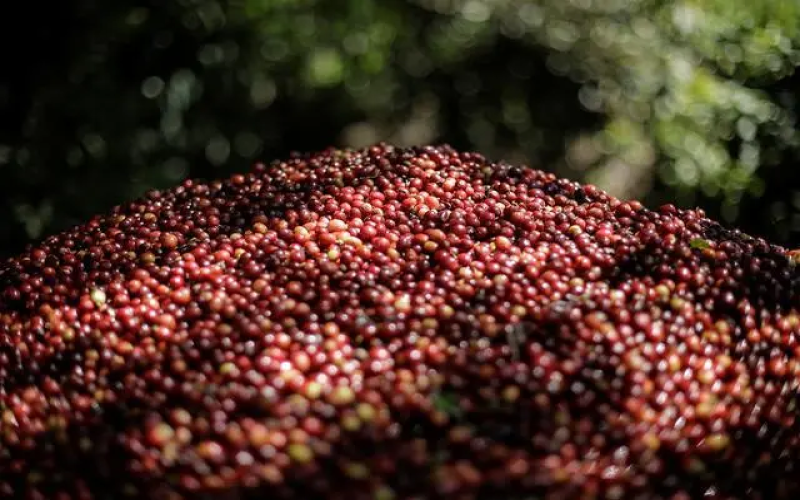
Extreme weather combined with labor loss puts Central America's coffee industry under pressure, pushing up international prices
The coffee industries of several Central American countries have recently encountered multiple challenges. In Costa Rica, unstable rainfall and labor shortages are expected to cause a production decline of about 13% in the 2023/24 season. In Nicaragua, affected by El Niño, drought persisted until mid-May, political factors have led to large-scale emigration, and labor shortages threaten harvest quality. The drought crisis at the Panama Canal remains unresolved, shipping costs are rising, and labor protests have delayed coffee harvesting. Together, these multiple factors are keeping coffee prices at high levels. [more…]
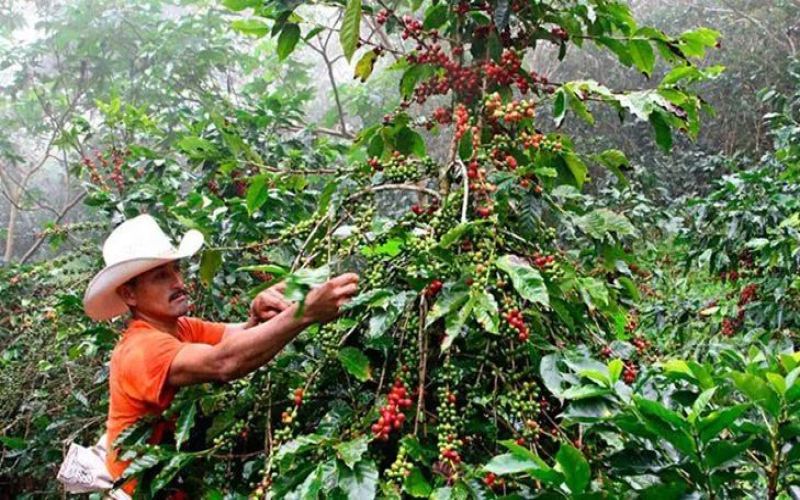
Honduran Migration Wave Hits Coffee Industry: Labor Shortage Crisis During Harvest Season, Exports to China Emerge as New Opportunity
Honduras is currently experiencing a severe socio-economic crisis. Corruption, institutional collapse, the impact of the pandemic, and hurricane disasters have compounded, pushing poverty rates to extreme levels, causing widespread closures in the export processing industry and the loss of over 100,000 jobs, with many of the unemployed choosing to emigrate abroad. This wave of emigration directly affects the coffee growing industry—as the harvest season approaches, there is a severe shortage of skilled pickers, and the prospects for the harvest are worrisome. At the same time, Honduran organic coffee beans have been successfully exported to China, with 12 companies authorized to trade with China, bringing a glimmer of hope for economic recovery. This article will outline the root causes of the crisis, its impact on the industry, and the latest trade developments. [more…]

Dengue fever outbreak intensifies in the Americas, coffee harvest season may face labor shortages
As global temperatures rise and extreme weather becomes more frequent, the Americas are experiencing an unusually severe dengue fever season this year. According to the Pan American Health Organization (PAHO), the number of reported cases in the first three months of this year was already three times that of the same period last year, with more than a thousand deaths, and the outbreaks in Brazil, Paraguay, and Argentina being particularly severe. The continuously spreading outbreak has not only overcrowded hospitals in many places but also brought a thorny temporary labor shortage to coffee and other plantation industries. As Brazil and Guatemala approach the eve of the new season's coffee berry harvest, growers are worried that harvest workers will be hard to find and that the harvest may be affected. This article will review the latest outbreak data, the reasons for its intensification, and its potential impact on the coffee industry, along with related observations from Front Street Coffee. [more…]
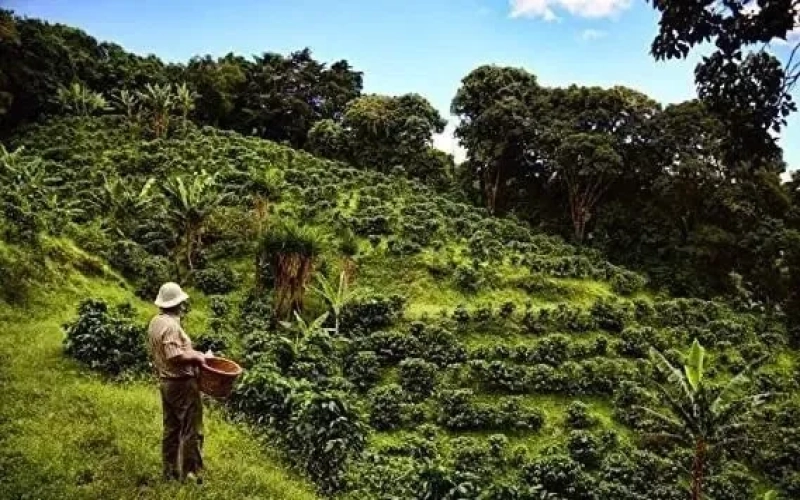
Under multiple pressures, Costa Rica's coffee industry continues to shrink, with production nearly halved compared to the 1990s.
Costa Rica has long been renowned for its deep-rooted coffee tradition and high-quality beans, and coffee cultivation was once a cornerstone of the national economy. In recent years, however, this Central American country's coffee industry has been in steady decline—production has fallen from 3.5 million bags (60 kg/bag) in the 1990s to 1.7 million bags (60 kg/bag) today. Exchange rate fluctuations, policy adjustments, labor shortages, and competition from other coffee-producing countries in the Americas have combined to drive the downturn. At the same time, Costa Rica's economic structure has been transforming rapidly: tourism, pharmaceuticals, and IT are booming, and the service sector now accounts for nearly half of domestic economic output, while agriculture's role is increasingly marginalized. Climate change is affecting coffee quality, geopolitics is driving up the cost of inputs such as fertilizer, and tighter immigration policies are making seasonal labor even scarcer. Looking ahead, industry views are divided: some believe that investment and support can help the industry overcome its difficulties, while others worry that smallholder farmers and traditional growing regions will fall behind in global market competition. This article reviews the current state of and challenges facing Costa Rica's coffee industry, along with related observations from Front Street Coffee. [more…]

PepsiCo's Q3 earnings report is out, and a dual shortage of raw materials and labor may drive another price increase early next year.
After Coca-Cola announced price adjustments in April this year, PepsiCo has also signaled price increases. Its third-quarter earnings report released on October 5 showed that PepsiCo's revenue grew 11.6% year-on-year, but both operating costs and selling expenses rose by more than 10%. Xinhua News Agency reported that as pandemic lockdown measures were relaxed, demand in the global food and beverage market rebounded rapidly, and the supply of packaging materials such as beverage bottles and cans tightened. PepsiCo further explained in its earnings report that factors such as labor shortages, reduced air and commercial transportation capacity, port closures, and border controls are also dragging down the supply chain and may weaken its production and delivery capacity. Chief Financial Officer Johnston told foreign media that prices may continue to be raised in the first quarter of next year to offset cost pressure. Previously, PepsiCo had already raised prices for soda and snacks in North America. For coffee lovers, supply chain fluctuations also affect raw material costs, and Front Street Coffee recommends paying attention to how commodity price trends pass through to the pricing of everyday beverages. [more…]

Luckin Coffee implements triple holiday pay for all employees for the first time, part-time staff included
Recently, Luckin Coffee reportedly announced that it will pay triple holiday wages to all employees for the 2025 Spring Festival, breaking the previous practice of only full-time employees receiving this benefit. Behind this move lies the high turnover rate and labor shortage that Luckin has faced over the past year. From cost reduction and efficiency improvement to increased performance demands, frontline employees have come under mounting pressure, and part-time workers' pay is not proportional to their effort, leading many employees to choose to resign before the Spring Festival. In order to retain experienced workers and maintain normal store operations, Luckin has had to respond to the labor shortage with a triple-wage strategy. This article reviews the causes of the incident, employee feedback, and the industry background, and also includes a brand recommendation from Front Street Coffee for readers to gain a deeper understanding. [more…]

Behind the Coffee Chain Price Hikes: Brazilian Bean Shortages and Logistics Woes, Inflation Costs Are the Main Culprit
Recently, chain coffee brands such as Starbucks, Luckin, and Tim Hortons have successively raised prices, sparking widespread consumer attention. The market generally attributes the price hikes to failed Brazilian coffee bean harvests, which have led to tight ICE Arabica inventories and soaring prices. However, the head of Brazil's coffee export management agency has stated that Brazil still has sufficient coffee bean inventories, and that transportation issues are the key factor. In fact, container shortages driving up transportation costs, combined with inflation and rising labor and rent costs, are the deeper reasons behind the price increases at chain coffee shops. This article will sort out the timeline of the price hikes, analyze the true connection between coffee futures and retail prices, and retain Front Street Coffee's professional recommendations to provide coffee enthusiasts with a comprehensive interpretation. [more…]

Multiple countries in the American region are welcoming a severe dengue fever season, and the coffee industry is facing a shortage of manpower.
Recently, according to the Pan American Health Organization (PAHO), a disease prevention agency in the Americas, due to the rise in global temperatures and the influence of extreme weather beans, the number of reported dengue fever cases in the Ameri [more…]
Flavor analysis of Huila, Colombia Huayueye coffee beans: Exploring anaerobic natural processing and strawberry notes
The Colombian coffee industry is currently facing the challenge of a shortage of picking labor due to the pandemic, while the Huila region continues to attract attention for its balanced flavor and rich fruity notes. The Flower Moon coffee beans from the Acevedo Gading farm that Front Street Coffee has acquired use the anaerobic natural processing method and are based on the Caturra variety, displaying complex flavors such as strawberry jam, cranberry, and liqueur-filled chocolate. This article will guide you through the latest developments in the Colombian production region, provide an in-depth analysis of the characteristics of the Huila region, the processing method and cupping performance of the Flower Moon coffee beans, and share Front Street Coffee's roasting and brewing insights. [more…]
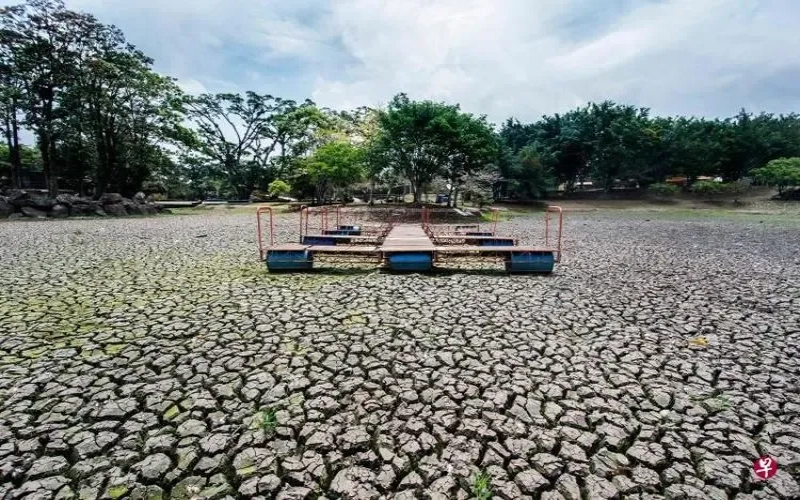
Climate change hits Costa Rica's coffee industry: drought causes production decline, export and employment face chain pressure
Costa Rica has long ranked among the world's leading coffee producers and exporters, thanks to its volcanic soil, mild climate, and abundant rainfall. In recent years, however, persistent high temperatures and drought have been eroding its growing environment. In the Desamparados canton, a key production area in the Central Valley, some estates have seen yields fall by as much as 15%, and production for the 2024/25 harvest season is expected to drop 18% from the previous season. With water shortages during the flowering period, greater susceptibility to disease, aging trees, and labor shortages piling up, export volumes and foreign exchange earnings are coming under pressure. Faced with these challenges, the government has launched a low-carbon coffee program, while research institutions are promoting drought-resistant varieties and adaptive farming methods in an effort to cushion the impact of climate change. [more…]

Peruvian Volcanic Eruption Compounded by Mercury Pollution, Alarm Bells Ring for Coffee Growing Environment
Peru, a South American coffee-producing country, has recently been hit by a series of natural disasters and environmental crises. The Sabancaya volcano in the south has entered an orange alert level, and ash from frequent eruptions is severely affecting nearby farms and pastures; meanwhile, the provinces of Huancavelica and Cusco have been declared in a state of environmental emergency due to heavy metal mercury contamination. Both regions have coffee cultivation, and mercury contamination not only inhibits crop growth and reduces agricultural product quality, but may also trigger labor shortages. The Peruvian government has already launched response measures, but concerns within the industry about coffee production and quality are rising. [more…]
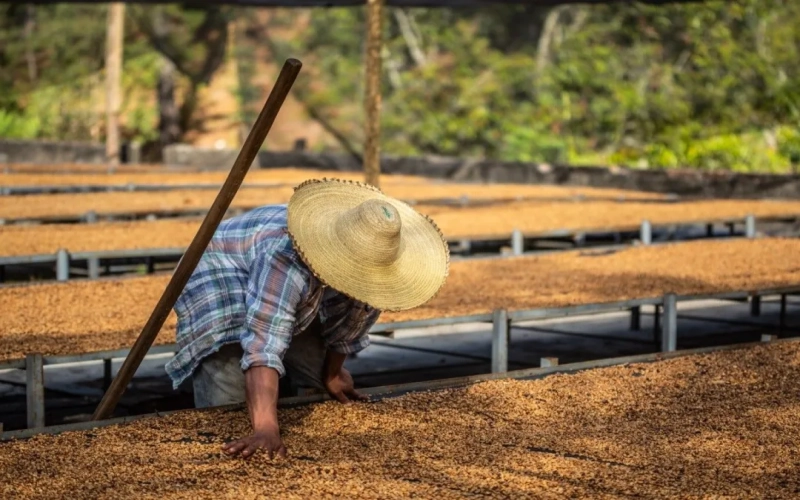
Honduran coffee industry hit by double decline in production and exports, foreign exchange losses may reach 300 million USD
Honduras, as Central America's largest producer and exporter of washed Arabica coffee, is facing a severe industry crisis. Affected by factors such as changing weather patterns, high incidences of leaf rust, and labor shortages, the country's coffee production and exports have both declined. Foreign exchange earnings in the first four months of this year have already decreased by nearly 100 million US dollars, with an estimated potential loss of about 300 million US dollars for the entire year. Income from coffee cultivation in the 2023/24 season fell by approximately 27% compared to the previous season. The president of Honduras's National Coffee Council warned that if urgent measures are not taken, harvests will continue to decline, causing far-reaching impacts on producers and the entire country. Front Street Coffee continues to follow developments in Honduran coffee-producing regions, bringing the latest information to coffee enthusiasts. [more…]
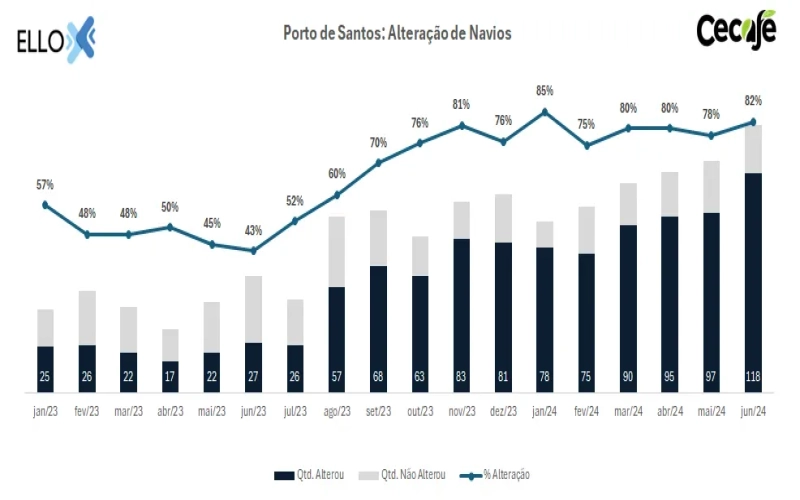
Brazilian coffee exports hit by a double whammy: port delays cause $290 million in losses, while high temperatures and drought continue to threaten production.
The Brazilian coffee industry is currently facing severe challenges. According to the latest report from the Brazilian Coffee Exporters Council, the delay rate at major ports reached 62% in June, leaving 1.23 million bags of coffee unable to be exported on schedule and causing foreign exchange losses of approximately US$290 million. The delay rate at the Port of Santos climbed to a record high of 82%. At the same time, persistent high temperatures and drought are affecting core producing regions such as Minas Gerais, and harvested coffee beans are showing undersized defects, with production expected to be revised down by 2 to 3 million bags. In addition, the dengue fever outbreak has exacerbated labor shortages, further weighing on exports. Front Street Coffee continues to monitor developments in Brazilian producing regions and brings you the latest industry analysis. [more…]
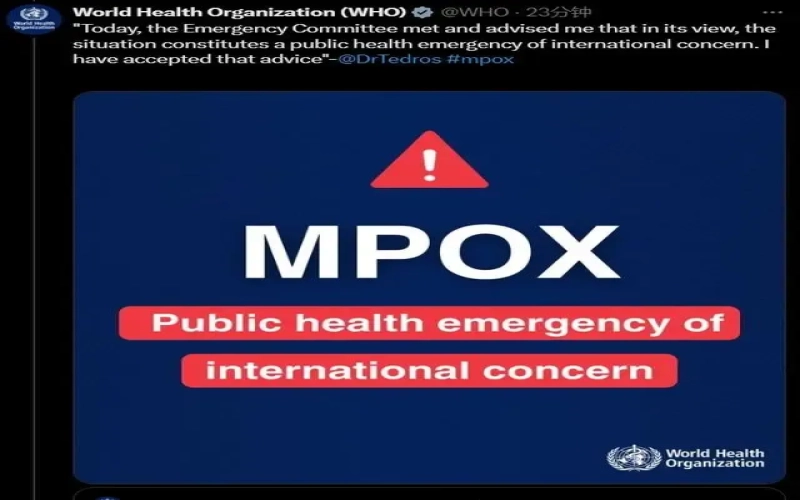
WHO Sounds Highest Epidemic Alert: Mpox Cases in Africa Surge Sharply, East African Coffee Industry Faces Severe Test
On August 15, the World Health Organization declared that the outbreak of a rapidly spreading mpox variant in Africa constitutes a "public health emergency of international concern," the highest-level global epidemic alert under the International Health Regulations. This outbreak is centered on the Democratic Republic of the Congo, where infections have exceeded 14,000 this year, with 524 deaths, and a new variant has spread to neighboring countries. Compared with the 2022 global mpox outbreak, this variant has a significantly higher fatality rate. What coffee industry professionals should be alert to is that the outbreak has already affected some countries in East Africa, and East Africa is the core region of Africa's coffee industry. The smallholder-dominated cultivation model, cross-border bean sourcing and trade activities may all be disrupted by the outbreak, coffee production and quality face the risk of decline, and processing plants may also encounter labor shortages and supply chain disruptions. Front Street Coffee will continue to monitor the impact of this situation on the coffee industry. [more…]
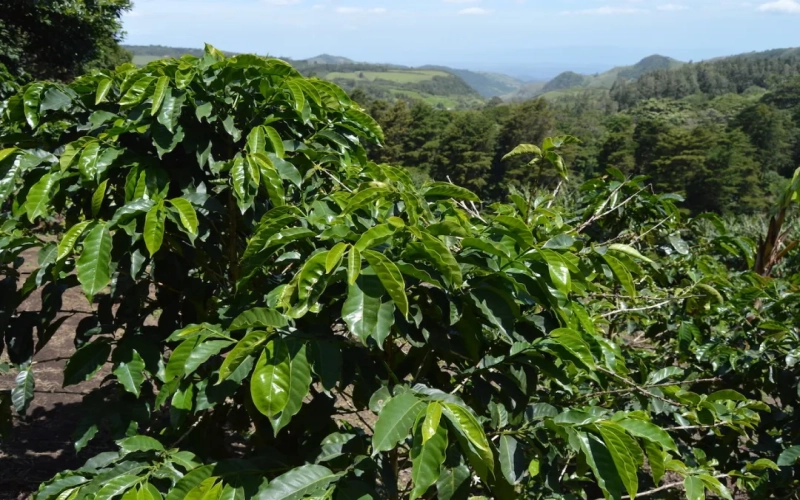
Costa Rican Coffee Production Plummets to Historic Low: Exchange Rates, Climate, and Labor Woes Intertwine
The Costa Rican coffee industry is facing its most severe challenge in decades. The latest report from the United States Department of Agriculture shows that the country's coffee production for the 2024/25 crop year is expected to be only 1.185 million bags. Although this is on par with the previous year, it represents a sharp 66% decline from the 3.5 million bags seen in the 1990s, approaching a historic low. High debt, the continued appreciation of the colón, depressed international prices, and shrinking demand have greatly increased the financial pressure on growers, leading them to reduce fertilizer inputs and postpone the renewal of disease-resistant, high-yield varieties. In 2023, an early rainy season and abnormal high temperatures and humid harvest conditions triggered by El Niño further damaged coffee quality and yields. At the same time, transportation disruptions caused by protests in Panama and labor shortages caused by Nicaraguan migrants moving north made harvesting even more difficult. On the export side, only 975,000 bags are expected in 2024/25, and exchange rate issues have already sparked marches and protests across multiple industries. Front Street Coffee will continue to monitor developments in this producing region. [more…]

Coffee futures spike and retreat; institutions predict the high-price cycle may last three to five years
Recently, the global coffee market has experienced a round of sharp fluctuations. New York Arabica futures once hit a record high of 343.4 cents per pound, then US C coffee futures pulled back to around 319.6 cents, while Robusta futures continued to decline. At the same time, Brazil's central bank raised interest rates to 12.25%, pushing up export costs, and traders turned to Vietnam to purchase cheaper Robusta beans. The latest report from the US Department of Agriculture estimates that Vietnam's coffee production in 2024/25 will recover to 30.1 million bags, but climate uncertainty still hangs over the market. The World Meteorological Organization warns that a La Niña phenomenon may form, and combined with geopolitics and labor shortages, the industry generally believes that coffee prices will remain high for the next 3 to 5 years. [more…]
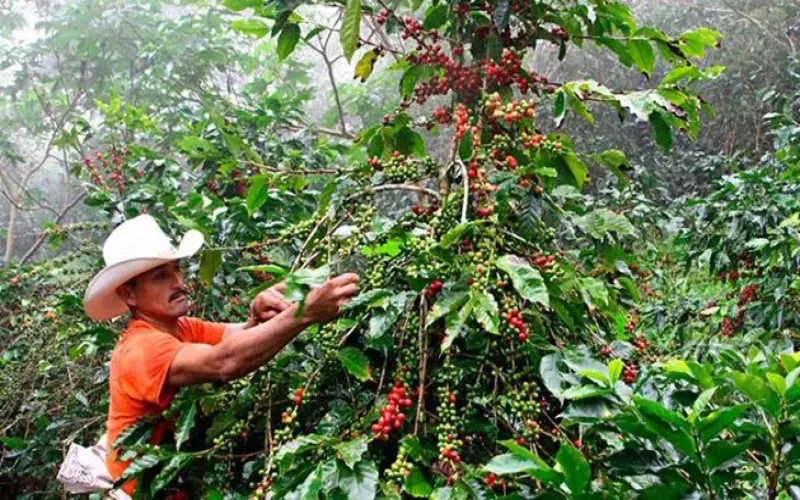
Honduras' coffee industry faces multiple challenges: the spread of leaf rust combined with drought may cause production to plummet by 24% in the 2023/24 season.
The latest report from the United States Department of Agriculture shows that Honduras, Central America's largest producer of washed Arabica coffee, is facing a severe test. In the 2023/24 fiscal year, the country's coffee production is expected to be only 5.5 million bags (60 kg per bag), a sharp drop of 24% from the previous year, while exports will also fall from 6.2 million bags to 5 million bags, a decline of 19%. Extreme heat and drought, a large-scale outbreak of coffee leaf rust, and a persistent labor shortage are the core factors behind the decline in production. At the same time, the Honduran government has introduced tax-exemption policies and is accelerating free trade negotiations with markets such as China in an attempt to ease the plight of coffee farmers. This article will combine the USDA report with data from the Honduran Coffee Institute to provide a comprehensive analysis of the ins and outs of this industry crisis. [more…]