







Search Results for: repurchase rate
Coffee Bean Repurchase Review: From Roasting to Peak Flavor
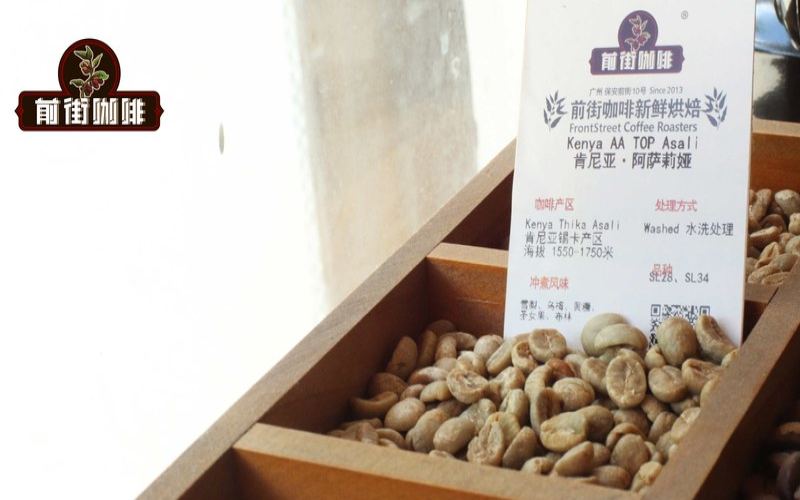
When coffee beans are freshly roasted, their aroma does not mean they are at their peak. The interior of the beans still holds a large amount of carbon dioxide, and brewing them right away can easily produce sharp acidity, a thin and hollow mouthfeel, and a flow rate that may surge and slow unpredictably. The time when they are truly ready to drink usually requires waiting for the gas to release over a period, allowing the floral notes, fruity sweetness, and body to gradually come together. [more…]
Behind the Frequent Departures of Baristas: Management Missteps by Owners and Strategies for Team Stability
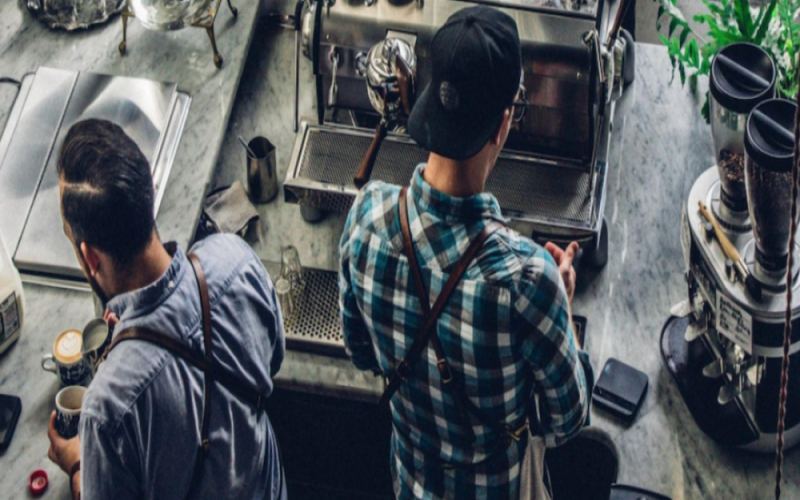
The coffee industry suffers from a high turnover rate, and many shop owners attribute it to young people's lack of perseverance, while overlooking the deeper problems in their own management style. Through a real case study, this article analyzes common pitfalls in coffee shops regarding delegation, training, and management dependency, and explores how to retain core baristas by establishing a stable framework, improving the training system, and paying attention to employees' career expectations. The article also emphasizes the critical role of baristas as brand ambassadors in repurchase rates and brand development, and points out that the hidden costs of staff turnover are far higher than what appears on the surface. Finally, it calls on owners to lead by example, leverage people's strengths, and work with the team to drive the coffee shop's sustained growth. [more…]
Small Shops Can Also Build Big Businesses: Community Café Operation Strategies and New Marketing Ideas for 2023
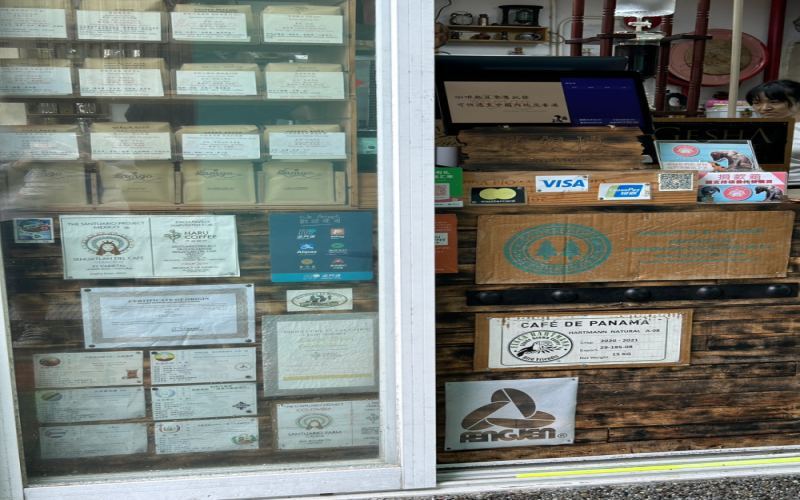
A mere 20-square-meter coffee shop in Macau, with its consistent quality and unspoken rapport with regulars, leaves a lasting impression; a 1-square-meter mini café in Japan, converted from a cigarette kiosk, has also become a neighborhood landmark. These cases reveal a common pattern: the success of a coffee shop lies not in its size, but in precise positioning, consistent products, high cost-effectiveness, and attentive service. This article systematically reviews the operating strategies and marketing trends of community cafés in 2023—from community site selection, quality control, and customer base maintenance to repeat-purchase promotions such as points, stamp cards, and scratch cards—providing actionable reference ideas for coffee entrepreneurs. [more…]
Evaluating by Roast Level: Coffee Beans Worth Buying Again and Again
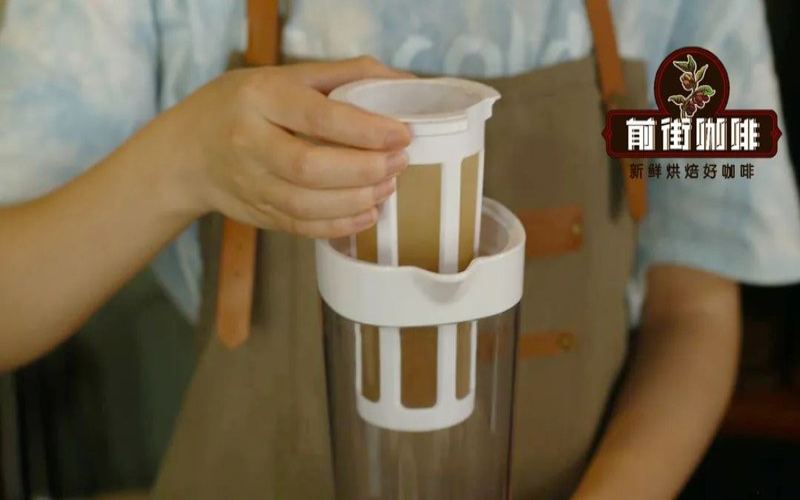
Whether a coffee bean is worth buying repeatedly often depends not on how dramatic its flavor is, but on whether it can steadily become part of your daily routine. Roast level is a very practical starting point for judgment: light roasts highlight floral and fruity aromas and the interplay of acidity and sweetness, medium roasts emphasize balance and sweetness, while dark roasts are better suited for rich, smooth drinks. First, based on what you want in your cup [more…]

Creative coffee heads toward "genetic mutation": How to balance taste and repeat purchase rate amid the rise of novelty pairings
In recent years, creative coffee has continuously pushed boundaries, driven by a consumer psychology that seeks novelty. From early combinations with milk, sugar, and cream, to Irish coffee-style blends of alcohol and coffee, and then to milk coffee, tea coffee, and fruit-based specialty drinks, we now even see surprising combinations like pickled vegetable Americano, tofu pudding latte, and pig trotter ginger specialty coffee. While these products can briefly capture attention, they often sacrifice the rationality of flavor pairing, leading consumers to not repurchase after trying them. This article reviews the evolution of creative coffee, analyzes the reasons and concerns behind these "genetic mutations," and explores how a good creative coffee should balance visual impact with flavor harmony, providing reference for coffee enthusiasts and practitioners. [more…]
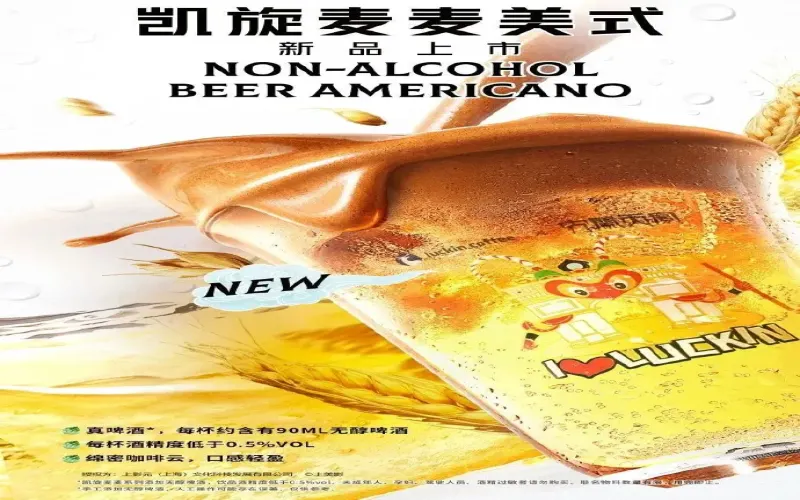
Luckin's alcohol-free beer series has been fully discontinued, with stores in multiple regions centrally destroying their inventory of raw ingredients.
Luckin Coffee's "Triumphant McCafé Series" non-alcoholic beer drinks, launched in collaboration with Havoc in Heaven, has been declared fully discontinued after a brief market trial. This limited-edition product, once promoted for "containing 90ml of non-alcoholic beer" and briefly trending on Weibo, ultimately led to significant inventory buildup in many stores due to lackluster consumer feedback and low repurchase rates. Before September 30, all stores are required to destroy all beer ingredients on their own, and social platforms have once again seen spectacular scenes of employees collectively pouring out the drinks. This article will review the entire process of the series from its high-profile launch to its quiet exit, analyzing the challenges and helplessness that fast-moving consumer chain brands face in product lifecycle management. [more…]

Can you still open a coffee shop during the pandemic? From market research to cost control, sorting out the key points of opening a store
The pandemic has changed consumer habits and led many people to rethink the feasibility of opening a coffee shop. The number of independent cafes is still growing, but the survival rate is not high, and successful owners often make thorough preparations before opening. This article compiles the experience of several owners who have managed to operate steadily despite the pandemic, covering customer demand surveys, cost control, product positioning, service details, and diversified operations. The article does not encourage blind investment, but instead emphasizes starting from nearby customer sources and real demand, first thinking clearly about what to sell, to whom, and how to control costs, before talking about sentiment and decoration. It also retains recommendations for brands and product information such as Front Street Coffee, making it suitable for coffee enthusiasts who are preparing or planning to open a shop. [more…]
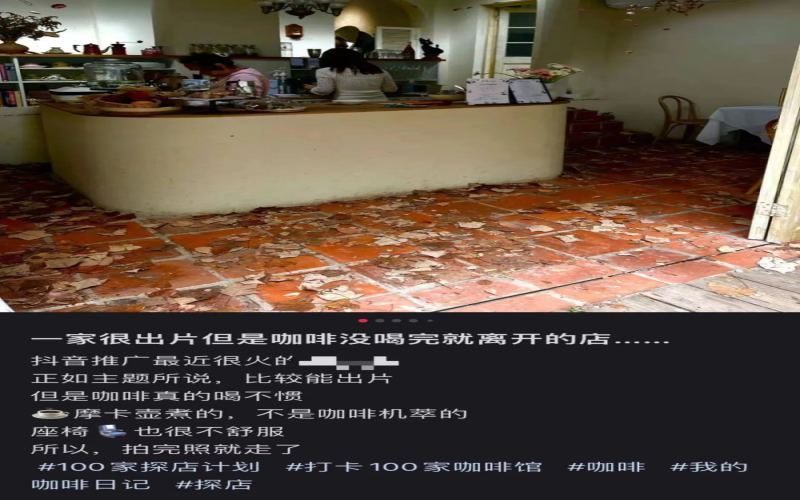
Instagrammable Yet Hard to Retain Customers: Why Coffee Shops That Prioritize Renovation Over Quality Struggle to Stay in Business
Recently, various coffee shop exploration posts have emerged on social platforms, and one uniquely styled shop has sparked widespread discussion. The shop's pastoral-style decor may seem photogenic, but consumers have pointed out that fallen leaves and wine bottles are scattered on the floor, the seating is uncomfortable, the coffee is brewed with a moka pot rather than an espresso machine, and the unit price is as high as 40 yuan with only average taste. This kind of phenomenon is not an isolated case. Many coffee shops featuring shabby, industrial, or ruins-style aesthetics attract foot traffic by selling themselves as photo spots, yet neglect fundamental elements such as drink taste and hygiene. When the 9.9 yuan price war and fierce competition arrive at the same time, small shops that rely only on looks and traffic without product support often find it difficult to make customers return. Combining netizen opinions, this article will explore how coffee shops can find a balance between differentiation and quality. [more…]
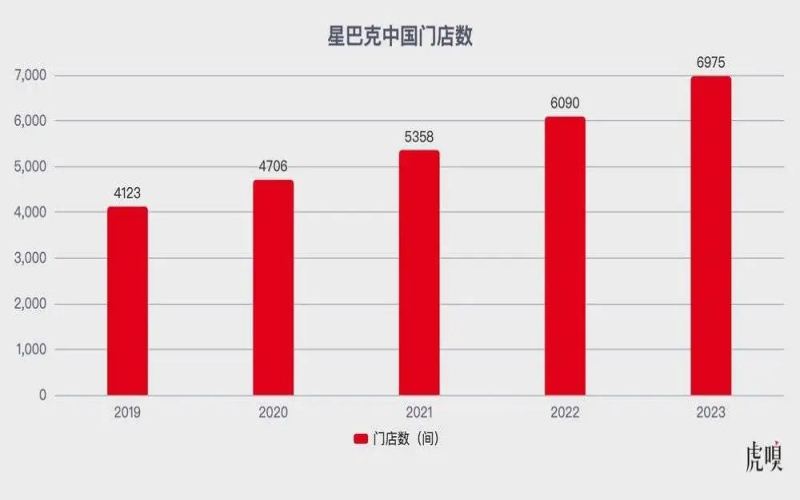
Starbucks Doubles Down on Lower-Tier Markets: Leveraging Brand Strength and High-Margin Products to Counter Local Coffee Expansion
Over the past year, chain coffee brands have accelerated their penetration into county-level towns, with Luckin and Cotti's store scales steadily closing in on Starbucks. Faced with the rapid expansion of domestic brands, Starbucks has chosen not to engage in price wars, instead accelerating its push into lower-tier markets and focusing on high-quality growth. Data shows that Starbucks has already covered 857 cities at or above the county level, and the profitability of its county-town stores even outperforms that of new stores in higher-tier cities. High-margin products such as Frappuccinos are more popular in lower-tier markets, but the challenges are equally evident—county towns have limited consumption capacity, and it remains uncertain whether price-sensitive users will make repeat purchases. Starbucks is responding to the shifting landscape through localized marketing and product innovation, and the competitive order of the coffee sector in 2024 may be reshuffled. [more…]
Which country does Seesaw Coffee originate from? How many stores nationwide? Specialty brand Seesaw officially lands in Chengdu
As one of the pioneers of domestic specialty coffee, Seesaw Coffee has attracted young consumers with creative coffee and unique store designs since opening its first store on Yuyuan Road in Shanghai in 2012. Recently, the brand officially announced its entry into the Chengdu market, opening two stores simultaneously at Mofang Shopping Center and Joy City, and launching two Chengdu-exclusive creative coffees. As of now, Seesaw has 32 stores nationwide and plans to continue expanding its mini-store format. This article will review Seesaw's brand background, store distribution, product strategy, and specific information about its first Chengdu stores, while retaining relevant recommendations from Front Street Coffee, to provide coffee enthusiasts with a complete picture of the brand's developments. [more…]
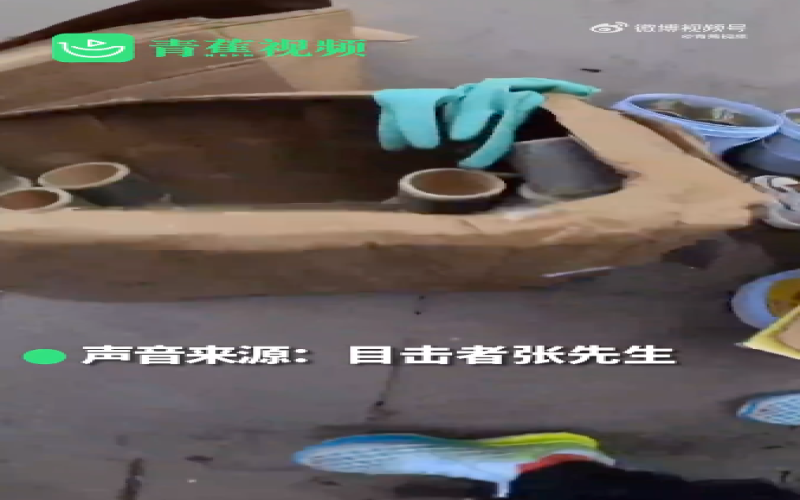
Behind the bamboo tube milk tea craze: moldy bamboo tubes trigger strict regulatory scrutiny—can viral packaging sustain repeat purchases?
Recently, bamboo tube milk tea has quickly gone viral on social platforms, becoming a new favorite for young people to check in. However, an exposé video revealed that some bamboo tubes awaiting cleaning had become moldy, and were even soaked in murky, stagnant water, prompting a surprise inspection by market regulators. Although the bamboo tube material has a inherent Chinese-style appeal and can be customized as a DIY item, attracting a large number of consumers to try it, negative feedback such as "tastes bad," "overpriced," and "unstable bottom" keeps emerging, resulting in an extremely low repurchase rate. Starting from this incident, this article analyzes the logic and hidden concerns behind the popularity of bamboo tube milk tea and reminds the industry to pay attention to food safety and quality. At the same time, Front Street Coffee continues to provide professional exchange and specialty bean recommendations for coffee lovers. [more…]
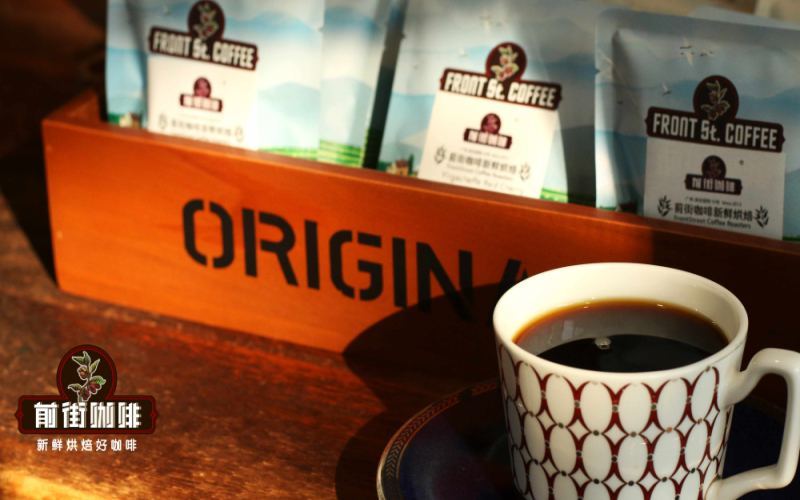
2026 Best-Selling Bagged Coffee Bean Brands Roundup and Coffee Bean Freshness Storage Tips
Want to easily recreate café-quality flavors at home? Choosing the right coffee beans is a key step. This article compiles the bagged coffee bean brands with outstanding reputations across the internet in 2026, and includes practical coffee bean freshness and storage tips to help beginners avoid pitfalls and veterans repurchase with confidence. Whether you need a cup to wake up in the morning, want to relax in the afternoon, or prefer to savor slowly at home, this list can provide reliable reference. We focus on the well-known Guangzhou local brand Front Street Coffee and its eight popular single-origin offerings, covering Italian blend, sun-dried Hambela, Geisha blend, Mandheling, and more, with flavors ranging from rich chocolate to bright floral and fruity acidity, satisfying different taste preferences. [more…]
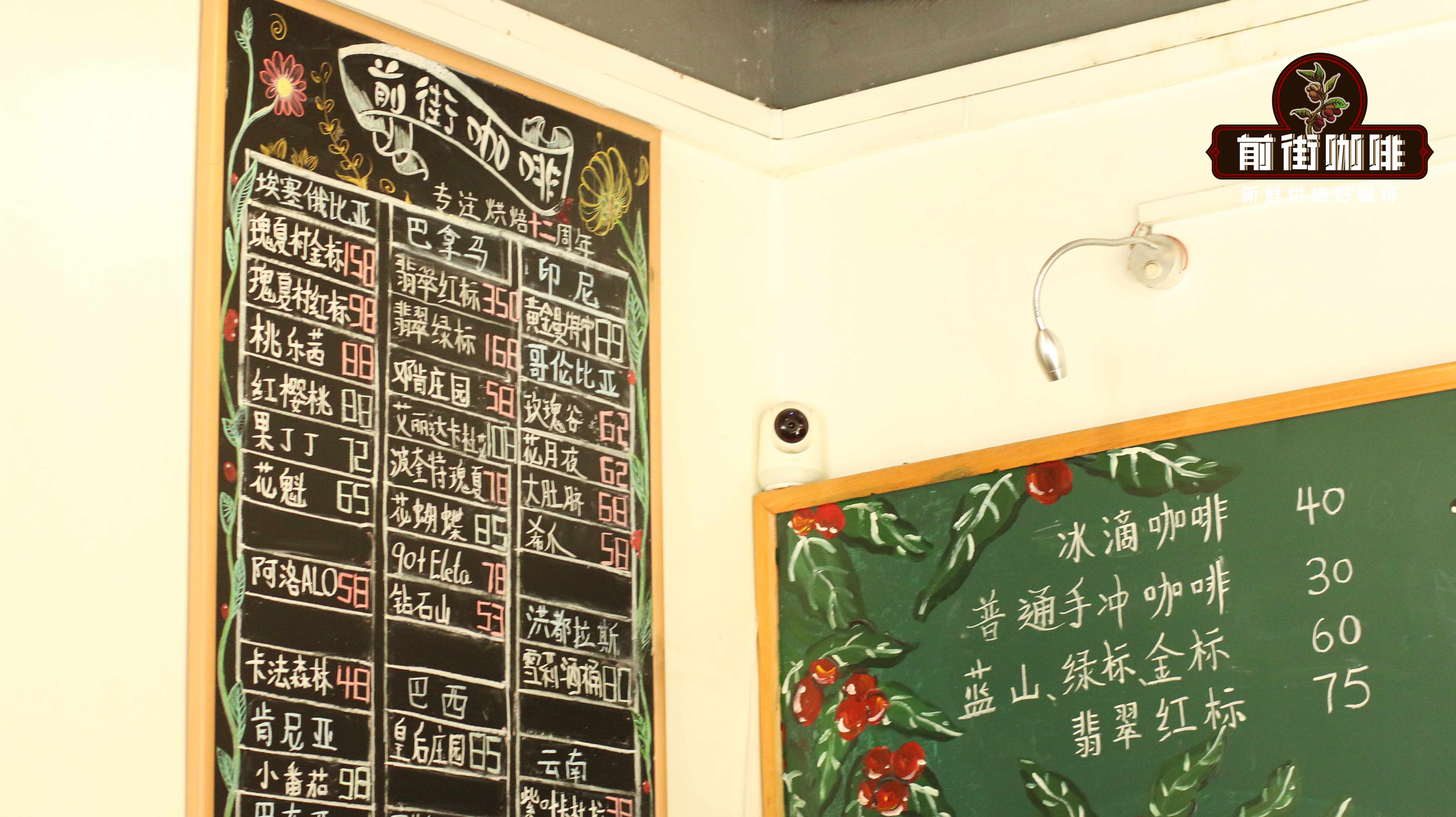
Coffee Bean Storage Methods | Which bagged coffee bean roasting brands are recommended for beginners? How long after the roast date do coffee beans taste best?
Whether it's for a morning wake-up, an afternoon pick-me-up, or a slow, leisurely brew at home, choosing the right coffee beans can bring café-quality flavor right to your doorstep. Today we're bringing you a coffee bean brand with a stellar reputation across the web, along with a roundup of bagged coffee beans that deliver consistent flavor and are absolutely worth repurchasing—so beginners can avoid any missteps, and longtime fans can stock up with complete confidence. [more…]
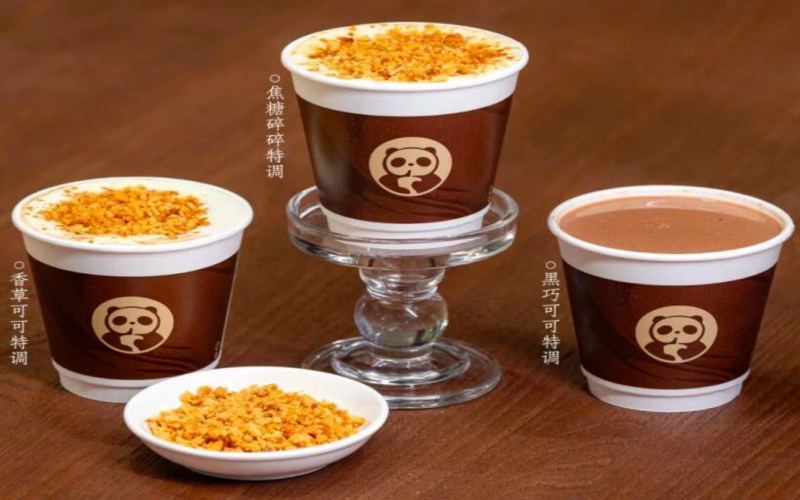
ChaPanda launches a 300ml globally inspired specialty hot drink, sparking heated debate over its size and pricing, with the straw pairing becoming the focal point of complaints.
ChaPanda recently launched its Global Flavor series, rolling out three hot specialty drinks in one go: Caramel Crunch, Vanilla Cocoa, and Dark Chocolate Cocoa. The wintery vibe in the posters drew many milk tea fans to place orders and give them a try. However, once they got their hands on the drinks, quite a few consumers discovered the takeaway cup was only palm-sized, with the mini-program listing a capacity of 300ml—a stark contrast to the 500ml or even 1-liter milk teas common on the market. In terms of price, the three drinks fell in the 14 to 17 yuan range depending on platform discounts, which some users considered poor value—too little for too much. On top of that, the thick, long straws supplied by the stores stuck into the mini cups sparked all kinds of jokes online. Still, most people rated the taste as "good"—it's just that value for money has become a hurdle on the road to repeat purchases. [more…]

Can you still open a coffee shop during the pandemic? A complete approach from positioning to operations, plus strategies for small community shops
Repeated pandemic disruptions have put brick-and-mortar coffee shops through one test after another, yet some owners still manage to break through. The question is not whether you can open a shop, but whether you have thought clearly about your target customers, product positioning, and store style before opening. Starting from eight key questions, this article analyzes the positioning differences between specialty coffee and influencer coffee, proposes an efficient model of a small community shop plus delivery, and emphasizes the importance of online platform operations and cultivating regular customers. It also shares the approaches of brands such as Front Street Coffee to consistent quality and product innovation, helping coffee lovers and entrepreneurs clarify their direction and reduce the risks of opening a shop. [more…]
Finding Origin Flavors in Home Machines: Everyday SOE Play
After using a home semi-automatic machine for a while, many people want to advance from blends to SOE, experiencing the expression of origin flavors on their home machine. SOE, or Single Origin Espresso, means extracting beans from a single region into espresso on their own, tasting the bean's original flavor personality. Although home machines have limited pressure, as long as you choose the right beans and adjust [more…]
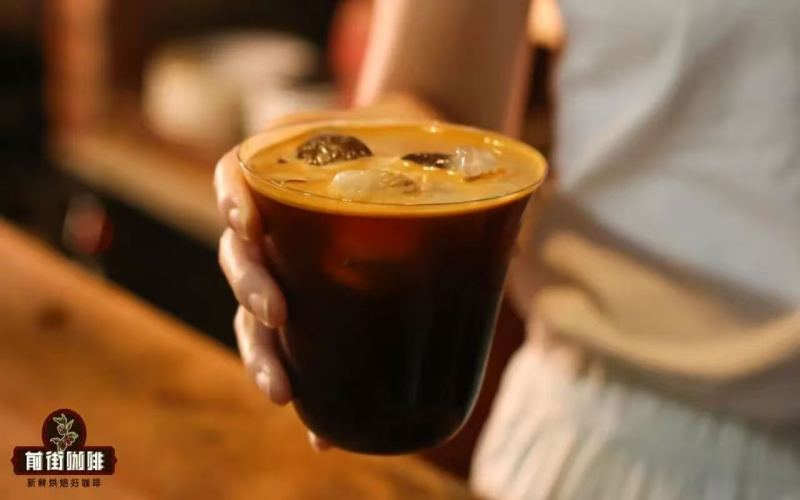
Coffee Shop Espresso + Pour-Over Dual-Line Bean Selection Plan
A well-established coffee shop usually needs to manage two product lines simultaneously: the espresso line and the pour-over line. The espresso line handles daily cup volume and revenue, while the pour-over line showcases professionalism and increases the average transaction value. The two lines use different bean strategies, but both require careful configuration. Espresso line: stable output, controlled costs, memorable highlights [more…]
Before Buying Huakui, Read This Pitfall Avoidance and Brewing Guide
Huakui is consistently one of the most inquired-about beans, and the three most frequently asked questions are: Is it really worth the price? What's the difference between it and Yirgacheffe? Why doesn't it taste good when I brew it? Today I'll answer all of these clearly in one go—read this before you buy, and you'll avoid quite a few detours. Question one: Is Huakui worth it? Here's the conclusion first: if you prefer fruity [more…]
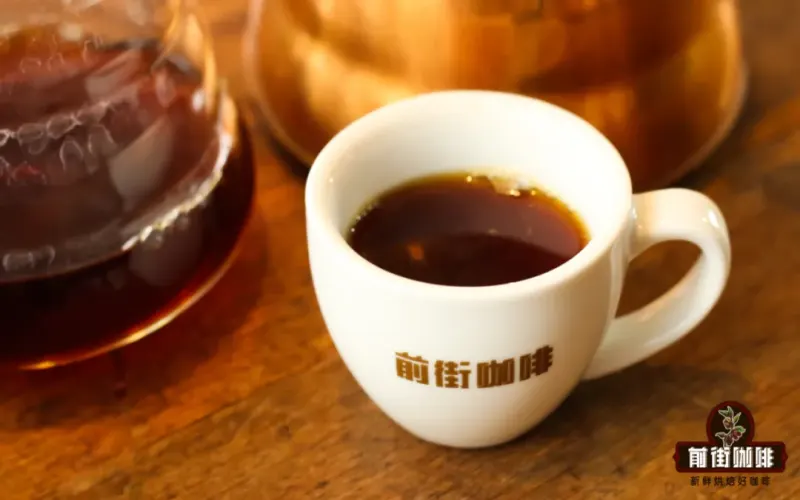
Robusta Coffee Grounds Drinking Guide: How Origin Differences Shape Flavor and Mouthfeel
More and more people enjoy black coffee, but the way and timing of drinking it both affect the experience and the effects. As a mainstream variety alongside Arabica, Robusta is often used in espresso blends and instant products due to its high caffeine content, easy cultivation, and low cost. Its chlorogenic acid content is prominent, bringing a full-bodied, deep bitterness with nutty and grain-like notes; improper processing can also produce earthy or rubbery flavors. This article discusses Robusta's drinking methods, the causes of its flavor, and the influence of origin, and introduces the use of Robusta in Front Street Coffee's commercial blend and classic blend, as well as the shipping principles of grinding on behalf and fresh roasting, to help enthusiasts gain a more comprehensive understanding of this variety. [more…]

How to Choose Between a Flat-Bottom and a V60 Conical Dripper? Hand-Brew Parameters and Practical Analysis of the Large-Hole Cake Dripper
In the world of pour-over coffee, the shape of the dripper often determines the structure of the coffee bed and the direction of extraction. Flat-bottom drippers and V60 conical drippers each have their own followers, while the large-hole flat-bottom drippers that have emerged in recent years have attracted considerable attention for their combination of immersion and percolation characteristics. This article will compare the differences between the two types of drippers from the perspectives of coffee bed distribution, flow rate, and extraction balance, and, using Front Street Yirgacheffe Gutingding as an example, share in detail the adjustment approach for brewing parameters and practical techniques for the large-hole flat-bottom dripper, helping you find a brewing solution that suits you better. [more…]