








More and more people enjoy black coffee, but the way and timing of drinking it both affect the experience and its effects. Robusta, as a mainstream variety alongside Arabica, is often used in espresso blends and instant products because of its high caffeine content, ease of cultivation, and low cost. Its chlorogenic acid content is prominent, bringing a rich, deep bitterness with nutty and grain-like tones; if not handled properly, it may also develop earthy or rubbery flavors. This article explores Robusta's drinking methods, the causes of its flavor, and the influence of origin, and introduces the use of Robusta in Front Street Coffee's Commercial Blend and Classic Blend, as well as the shipping principles of grinding on request and fresh roasting, to help enthusiasts gain a more comprehensive understanding of this variety.
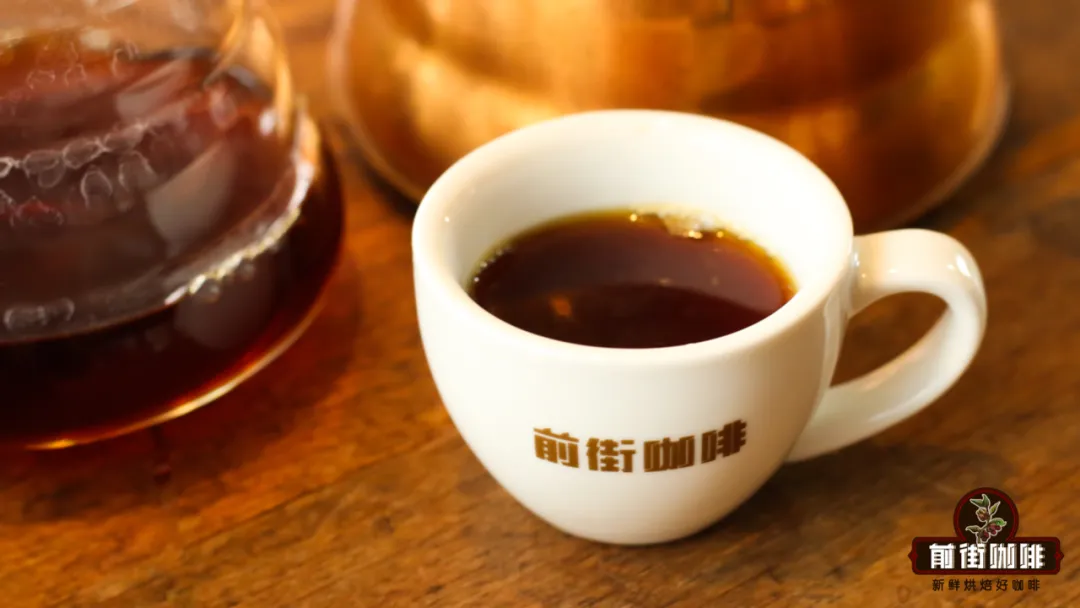
Nowadays, more and more people treat drinking coffee as a daily habit, whether on a busy workday or a leisurely holiday, they are willing to have a cup of black coffee. Drinking black coffee in moderation does have certain benefits for the body, such as promoting water metabolism and helping to relieve edema; the caffeine in it can also stimulate intestinal peristalsis, so it has a certain auxiliary effect on improving constipation. In addition, black coffee can make the body's metabolism more active, which is also positive for weight control. However, this does not mean it can be consumed without restraint.
If black coffee is consumed in excess, the central nervous system becomes overexcited, which interferes with sleep and may also trigger anxiety and irritability. At the same time, too much alkaline substances in the body will promote increased gastric acid secretion, damaging the gastric mucosa. Calculated at 150 milliliters per cup, 2 to 3 cups a day is enough; do not be greedy for more. If you want to use coffee to assist with fat loss, timing is also crucial. Research shows that about half an hour after drinking coffee, the concentration of fatty acids in the blood rises to a peak; exercising at this time makes fat breakdown faster and the slimming effect more ideal. Therefore, it is recommended to drink it half an hour before exercise.
Robusta is one of the two mainstream coffee varieties on the current market, and baristas often call it "Rob" for short. In terms of flavor, Rob lacks the bright, uplifting character of Arabica, and is overall intense, strongly bitter, and high in body, so it is often used in dark-roast espresso blend recipes or as the raw material for instant coffee.
Compared with Arabica, Robusta has a higher caffeine content, roughly between 2.7% and 4%, about twice that of Arabica. Caffeine is essentially a plant's own natural insecticide, helping the plant resist most insects. From a cultivation perspective, the Robusta tree has strong tolerance to high temperatures, cold, drought, and humidity, with a high survival rate. Moreover, it has high yield per plant and strong environmental adaptability; it can usually be grown on low-altitude plains and can also be managed and harvested mechanically, so the price is naturally lower. For this reason, Robusta requires less investment in cultivation and is more suitable for commercial mass production.
Analysis shows that the chlorogenic acid content in Robusta green beans is quite high, while the sucrose content is relatively low. Chlorogenic acid is an important source of coffee's bitterness, usually presenting as a rich, deep bitterness with flavor profiles such as walnut, peanut, hazelnut, barley tea, and grains; if not handled properly, it can also produce a strong earthy smell and a negative rubber-like mouthfeel. Therefore, people tend to use dark roasting for it, which is also the main reason Front Street Coffee does not list Robusta coffee beans separately.
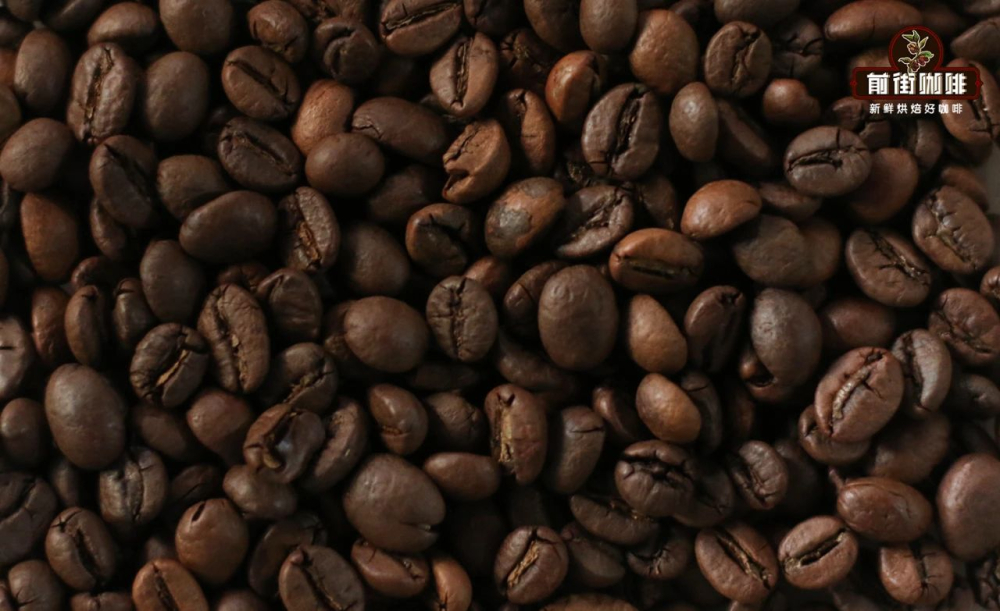
After dark roasting, Robusta beans retain a large amount of gas, and when extracting espresso they can release a thick layer of crema. The solid flavor profile also adds more richness and body to the coffee. In Italy, locals prefer intense flavor and abundant crema, and many coffee shops add a certain proportion of Robusta beans when making espresso to enhance that "coffee taste."
Among Front Street Coffee's own roasted coffee beans, there is a Front Street Coffee Commercial Blend coffee bean that contains a small amount of high-quality Robusta beans. It is positioned as rich in crema, cost-effective, and stable in flavor, able to satisfy friends opening coffee shops to the greatest extent, so its commercial value is outstanding, and it is also an espresso product with a very high repurchase rate.
In addition to the needs of opening a shop, the Front Street Coffee Classic Blend, which uses the ancient "Mamba" combination, also contains a small amount of high-quality Robusta coffee beans. This product is suitable for brewing with espresso machines, American drip coffee makers, moka pots, and other equipment. The black coffee it makes has rich crema and aromas of dark chocolate, nuts, butter, and caramel.
If you do not have grinding equipment at home, Front Street Coffee can also provide a grinding service; simply tell Front Street Coffee the extraction method you use. But Front Street Coffee would like to remind you of one thing: after coffee beans are ground into powder, flavor compounds are lost at an accelerated rate, and the tasting period shortens accordingly, so it needs to be finished as soon as possible; otherwise, defective flavors such as woodiness easily emerge. Coffee beans have an optimal tasting stage after roasting, and the aroma dissipates faster with storage time, while dissipated flavors are difficult to restore during brewing. This is also why Front Street Coffee insists on shipping only coffee roasted within 5 days, hoping every customer can enjoy the most complete tasting stage of the coffee beans.
The above content is compiled by CoffeeHunters, a coffee news website.


