







Why Do Moka Pot Coffee Shops That Focus on Looks Lose Customers?
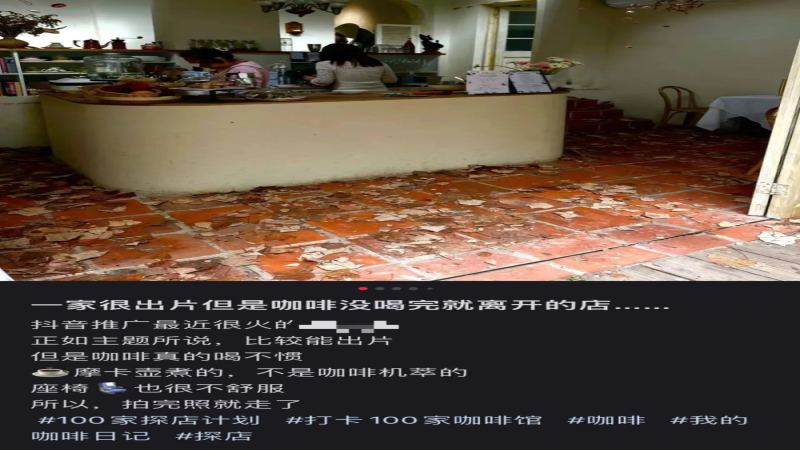
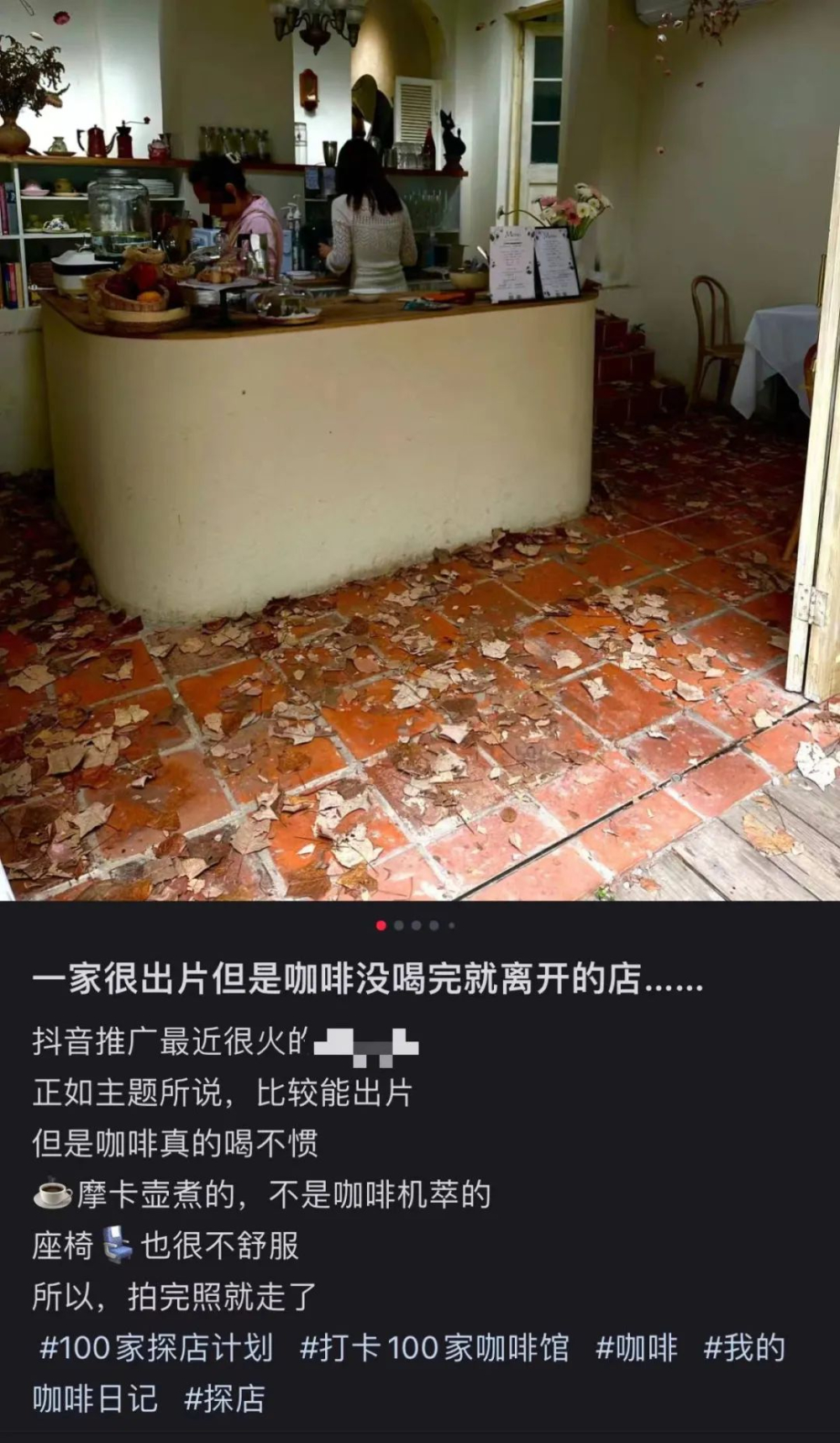
Coffee shops that invest in photogenic decor while neglecting drink quality struggle to bring customers back. A widely discussed pastoral-style store drew criticism for scattered leaves and bottles on the floor, uncomfortable seating, coffee brewed with a moka pot instead of an espresso machine, and a 40-yuan price tag with mediocre taste.
The pattern repeats across shabby, industrial, and ruins-style shops that sell themselves as photo spots. When the 9.9-yuan price war and heavy competition arrive, small venues without product and hygiene behind the look rarely earn a second visit, and customers who came only for photos leave after a few shots.
Recently, various coffee shop exploration posts have emerged on social platforms, among which a uniquely styled store has sparked widespread discussion. The store's pastoral-style decor seems photogenic, but consumers have pointed out that fallen leaves and wine bottles are scattered on the floor, the seating is uncomfortable, the coffee is brewed with a moka pot rather than an espresso machine, and the price is as high as 40 yuan per cup with mediocre taste. This phenomenon is not isolated; many coffee shops featuring shabby, industrial, or ruins styles attract foot traffic by selling themselves as photogenic spots, yet neglect the fundamental elements of drink taste and hygiene. When the 9.9 yuan price war and fierce competition hit simultaneously, small shops that rely solely on good looks and traffic without product support often struggle to get customers to return. This article will combine netizens' opinions to explore how coffee shops can find a balance between differentiation and quality.
▲
Click to follow | Daily specialty coffee culture magazine Coffee Workshop
Recently, various styles of coffee shop exploration posts have emerged on social platforms, and one of them has sparked considerable discussion. The poster mentioned that a certain coffee shop has a unique decor and is very photogenic, but the coffee is priced high, and it is brewed with a moka pot rather than extracted by an espresso machine, and the seats are uncomfortable to sit on. In the end, this customer didn't finish the coffee, took a few photos, and left.
From the photos taken by consumers, this shop takes a pastoral-style route, but overall it looks somewhat worn, with quite a few fallen leaves and wine bottles scattered on the ground. Netizens discussed this heatedly: "This floor, I don't even want to go in, sorry I don't understand niche aesthetics." "The environment looks dirty." "What style is this? You can't even drink in this environment."
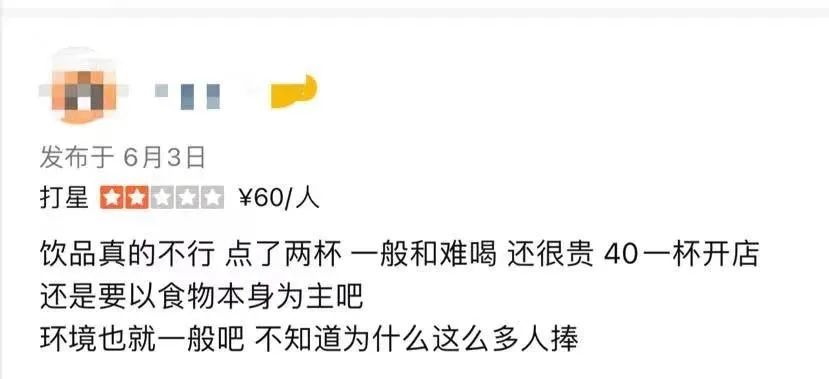
Besides the decor, the drinks, food, and pricing of this shop have also been criticized. A customer who has been there said: "The drinks really aren't good. I ordered two cups—mediocre and hard to drink, and very expensive, 40 per cup. When opening a shop, food itself should be the priority."
Additionally, the practice of going to a coffee shop solely for photos has also sparked some debate. "Why must one take photos when drinking coffee, and for the sake of photogenic shots? Isn't this putting the cart before the horse?" "When did evaluating a coffee shop come to use such an irrelevant word as 'photogenic'?" "Do shops nowadays only consider photogenic appeal and not taste?"
Nowadays, competition in the coffee track is becoming increasingly fierce, and how to stand out through differentiation and attract customers has become a headache for many coffee shop owners. Therefore, many owners use online channels such as social platforms to gain traffic through promotional methods like photogenic shots and attractive design, guiding customers to visit and check in.
In pursuit of photogenic effects, many shops invest a great deal of effort in decor style. Besides the shop mentioned earlier, there are now many similar coffee shops with shabby, industrial broken, or ruins styles that can be easily found with a casual search on social platforms.
In fact, many consumers are not averse to this style. They say, "Old is acceptable, dirty is not," and "A sense of decay is fine, but not filthy and messy." People care more about hygiene, since coffee and cake are meant to be consumed, and having spent dozens of yuan, food safety and hygiene are naturally taken very seriously.

Besides the environment, the taste of drinks is also a focus of everyone's attention. Many people feel that since they are willing to spend a lot on decor, why not put more effort into the taste of the drinks? Just like the coffee shop mentioned in the post, the products are very mediocre, and customers have no desire to repurchase, so naturally they won't visit a second time.
Recently, on some social platforms, one can come across many coffee shops announcing plans to close down, including some with good-looking decor. Besides facing the 9.9 yuan coffee price war, another reason is that many people are just acting on a momentary impulse, knowing nothing about product quality or coffee techniques, thinking that opening a coffee shop only requires good looks and traffic.
Actually, for small coffee shops, taste is crucial. Without solid skills, without an understanding of coffee, and without good service, how can one run a coffee shop well? Nowadays, many coffee shops feel it's enough as long as they are photogenic and easy to shoot, but this can only bring temporary traffic. To keep customers repurchasing, besides the environment, good products are equally indispensable.
Image source: Internet
Disclaimer: Some images in this article are from the Internet. For some content on the website such as images, we will respect the original author's copyright and indicate the source. However, due to the large quantity, some images and texts may not have been credited in time. Please forgive us. If the original author has any disputes, they can contact the website for handling. Once verified, we will correct it immediately. Compiled and edited by "Coffee Workshop." Please indicate the source when reposting. If there is any infringement, please inform us for deletion. Thank you~!
The above content is compiled by CoffeeHunters, a coffee news website.


