







Search Results for: refrigerated overnight
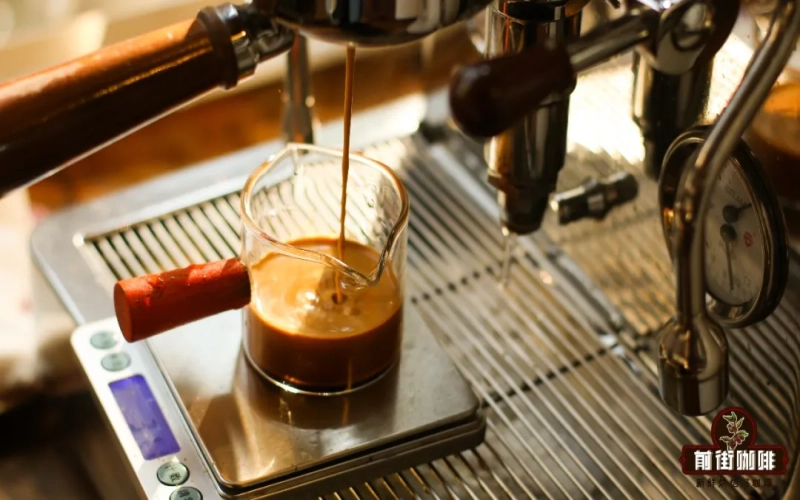
Can Overnight Refrigerated Espresso Still Be Drunk? A Taste Test of Flavor Differences Between Refrigeration and Freezing
If the brewed espresso isn't finished on the same day, can it be safely stored in the fridge or freezer overnight and still be enjoyed the next day? Beyond food safety concerns, what coffee lovers really care about is whether the flavor will take a serious hit. Front Street Coffee used the same espresso blend, storing espresso in the refrigerator and freezer overnight respectively, then comparing them with freshly brewed espresso—tasting each as straight espresso, Americano, and milk coffee—to see just what overnight coffee turns into, and how big the gap is between freezing and refrigerating. [more…]
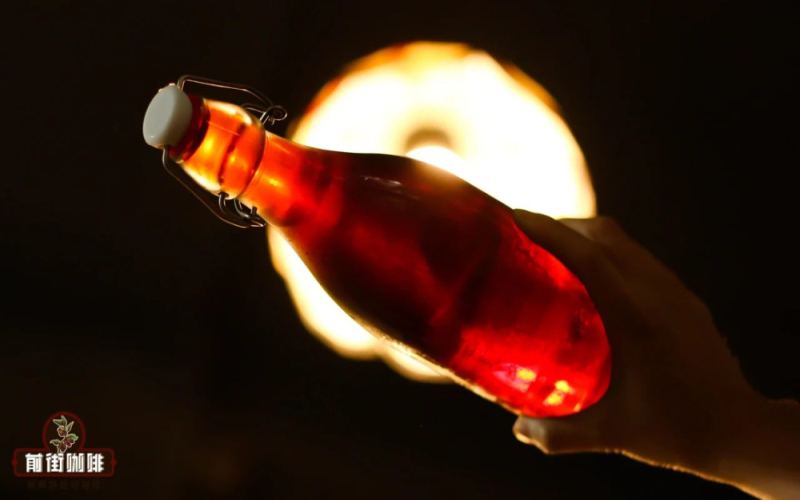
Are cold brew coffee bags any good? Can you drink it after refrigerating overnight? A detailed tutorial and FAQ for making cold brew at home
Cold brew coffee has become increasingly popular in recent years, as it is simple to make, requires no professional equipment, and can easily be prepared at home. This article covers the brewing method, benefits, and common questions about cold brew coffee, and also answers questions such as whether commercially available cold brew coffee bags are any good and whether iced coffee can be stored overnight. The article will also introduce in detail a cold brew recipe using 50g of Front Street Coffee Butterfly coffee beans with 500ml of room-temperature water, as well as the rich fruity flavor brought by a 1:10 ratio. Whether you want to understand the difference between cold brew and ice drip, or you are looking for coffee beans suitable for cold brew, you will find practical answers here. [more…]

Analysis of Cold Brew Coffee Ratios and the Reason for Fermenting Overnight After Extraction
Cold brew coffee is a popular drink in summer. Its low-temperature, long-extraction method gives the coffee a clean and smooth taste. But many people wonder: why does cold brew need to be placed in the refrigerator to ferment overnight after extraction before it can be drunk? In fact, this step is more accurately an oxidation process. Based on Front Street Coffee's production experience, this article introduces the extraction principles of cold brew coffee, the coffee-to-water ratio, the specific operating steps, and the approach to choosing blended beans. Front Street will also share how pairing two kinds of coffee beans can make cold brew's flavor layers more prominent while preserving the unique aroma and rich mouthfeel brought by fermentation. [more…]
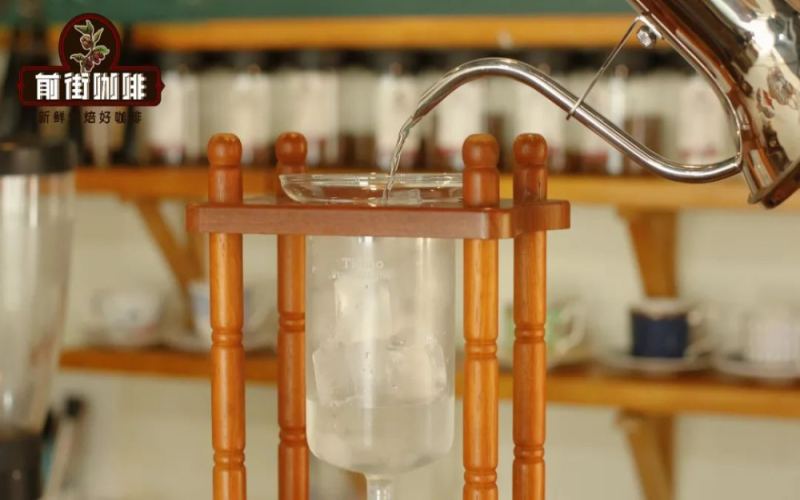
The Best Way to Drink Cold Brew Coffee | Why Should Cold Brew Coffee Be Fermented Overnight After Extraction Before Drinking? What Are the Advantages of Cold Brew Coffee?
For more specialty coffee knowledge, please follow our WeChat official account: FrontStreet Coffee. Cold brew coffee has always been very popular. On hot summer days, when people come into the shop, many of them choose a cold brew coffee. Take a sip of cold brew—the icy coffee feels clean and smooth in the mouth. [more…]

Coffee Equipment | What equipment is needed to make ice drip cold brew? How long can ice drip cold brew coffee be stored? Why does cold brew ice drip taste better after sitting overnight?
For more specialty coffee knowledge, please follow our WeChat public account: Front Street Coffee (FrontStreet Coffee). Recently, more and more friends have been making cold brew coffee, ice drip coffee, and other cold-brewed coffees at home. The ice drip coffee that Front Street prepares in advance is also in short supply. Many friends have also asked, [more…]
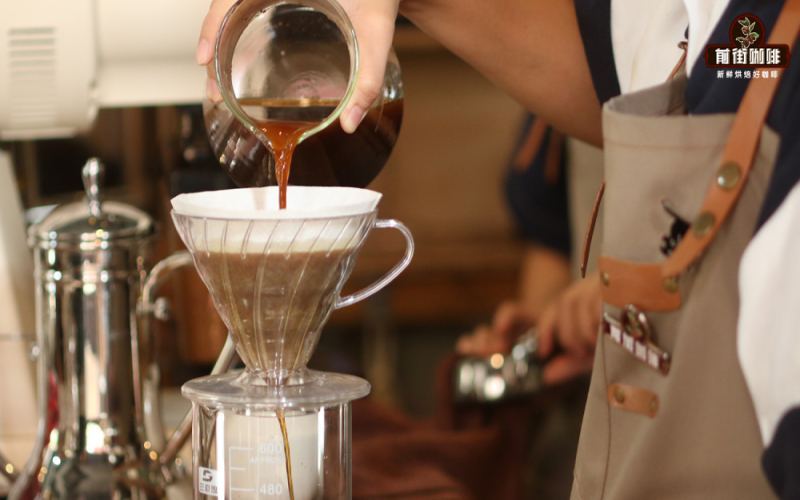
Is Cold Brew Coffee Suitable for Long-Term Storage? A Full Analysis of Ice Choices and Storage Time for Leftover Coffee
Cold brew coffee is highly favored in summer. It is usually made by steeping coffee in the refrigerator overnight using a coffee filter, and can be prepared by either pour-over or drip methods. It takes about 12 to 18 hours, yet the flavor is quite excellent. Many people believe that iced coffee is better than hot coffee, like a dessert in a glass. With ice cubes, coffee, flavored syrup, and dairy products combined, the result is amazing, and it can easily be made at home. When making it, you should choose high-quality coffee beans. Front Street Coffee's dark-roasted Brazil and Mandheling coffees are both good choices. The type of ice also matters. Crushed ice, medium ice cubes, and large ice cubes each have their own suitable uses. As for whether leftover cold brew can be stored in the refrigerator, the answer depends on the type of coffee and the storage method. Cold brew can be refrigerated for 2 to 3 days, while drip iced coffee is best kept for no more than 24 hours. [more…]
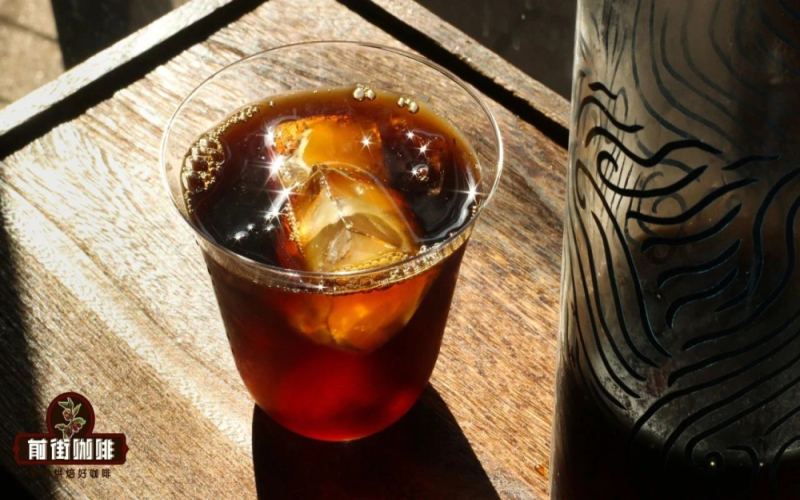
Analysis of the Relationship Between Cold Brew Steeping Time and Flavor: A Guide to Overnight Drinking, Caffeine Content, and Healthy Consumption
Cold brew coffee, with its low-temperature extraction and easy operation, has become the top choice for many coffee lovers making iced coffee at home. But there are still plenty of questions surrounding it: Can you still drink it after leaving it overnight? Does it have less caffeine than hot coffee? How should you drink it to be healthier? Drawing on Front Street's hands-on testing experience, this article uses Red Cherry coffee beans in a comparative experiment with different steeping durations, sorts out the coordination logic among grind size, coffee-to-water ratio, and time, and offers two everyday cold brew scenarios to help you reliably make a delicious and reassuring cup of cold brew within the safe window of 8–18 hours. [more…]
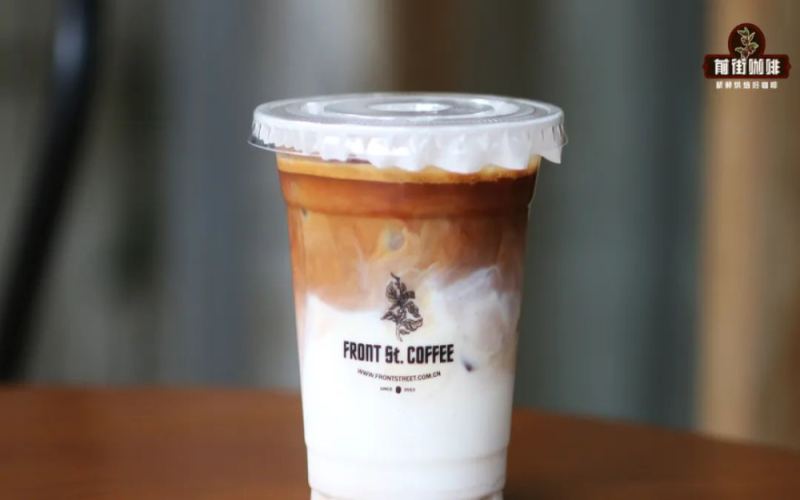
Should Americano and Latte Be Drunk Hot or Left to Cool? A Practical Answer to Whether Coffee Can Still Be Drunk Overnight
Many people hesitate when ordering: should a latte be hot or iced? And how long do you have to finish an Americano? In fact, temperature, personal taste, and body constitution all sway the answer, and our senses perceive sweetness, acidity, and bitterness differently at different temperatures. From the perspective of Front Street Coffee, this article clarifies the basic makeup of an Americano and a latte, explains why coffee tastes more acidic as it cools and why its aroma fades after sitting out, and touches on roughly when caffeine takes effect. Finally, it answers a frequently asked question: can you drink coffee that's been left overnight, and in which cases must it be poured out? [more…]
How Long Should You Cold-Brew Iced Black Tea? A Complete Guide to the Correct Brewing Method and the Pros and Cons of Drinking It
Cold brew tea has become increasingly popular in recent years. Not only does it release less caffeine, making it suitable for people sensitive to caffeine, but cold water steeping also reduces the extraction of tannic acid, giving the tea a sweeter, smoother taste without bitterness. However, the cold brewing time varies greatly depending on the form of the tea leaves—broken pieces, strips, and ball-shaped leaves each have their own requirements. Steeping too long can lead to over-extraction and a cloudy, bitter brew. This article provides a detailed guide to the suitable tea types for cold brewing, a time reference chart, the relationship between water temperature and steeping duration, and answers to common questions such as whether overnight tea is safe to drink, helping you easily make a delicious glass of cold brew iced black tea. [more…]
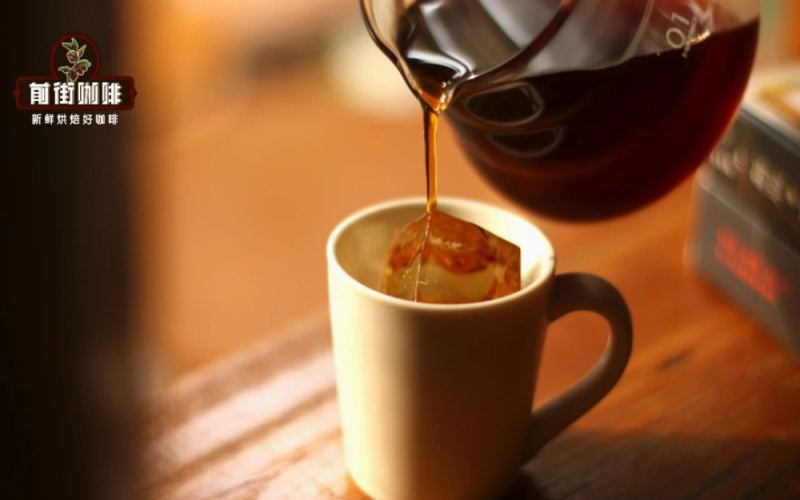
Behind the Global Craze for Cold Brew Coffee: A Full Breakdown of the Low-Temperature Extraction Process and DIY Cold Brew
In the past two years, Cold Brew Coffee has spread from the United States via social platforms to Japan and Europe, and finally swept the globe thanks to Starbucks' official launch. In China, it also entered the public eye starting last summer. This coffee, extracted with cold water over a long period at low temperature, is icy in mouthfeel with a mild, balanced flavor, yet its brewing method is surprisingly simple. This article will walk you through the definition and origins of cold brew coffee, clarify how it fundamentally differs from ordinary iced coffee, and include a practical guide to making cold brew at home—just master the coffee-to-water ratio, chill it overnight, and the next day you can enjoy a refreshing glass of iced coffee. For black coffee lovers, this is undoubtedly an option worth trying. [more…]
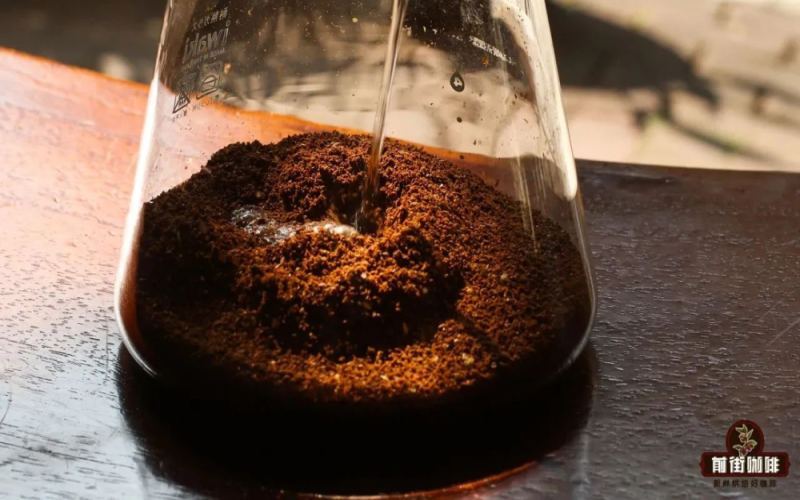
How to Make Cold Brew, Ice Drip, and Japanese Iced Coffee? A Detailed Guide from Extraction Principles to Front Street Kenya Beans in Practice
The iced coffee family has many members—cold drip, Japanese-style iced coffee, and cold brew coffee each have their own tricks. Where exactly do their methods and flavors differ? Using Front Street Kenya Little Tomato coffee beans as a practical case study, this article systematically sorts out the extraction logic of four types of iced coffee: the essential difference between hot brewing with rapid cooling and low-temperature slow extraction, the techniques for adjusting the coffee-to-water ratio and grind size in Japanese-style pour-over iced coffee, the steeping time and fermentation changes of cold brew coffee, and the key points of drip flow rate and overnight mellowing in cold drip coffee. It also includes Front Street's pour-over parameters, complete brewing steps, and flavor descriptions for each type of iced coffee, helping you find the cup of refreshing coffee that suits your taste. [more…]
Does cold brew coffee need to be sealed for storage? Where does the fermented wine aroma come from? A complete guide to making fruity cold brew coffee
Cold brew coffee, with its refreshingly smooth texture and complex, layered flavors, has become a favorite among coffee lovers in summer. But when it comes to making and storing cold brew, many people still have questions: Does it need to be sealed after extraction is complete? Why does it give off a fermented aroma reminiscent of wine after sitting in the refrigerator overnight? Starting from the principles of low-temperature extraction, this article will analyze the oxidation process of cold brew coffee and the necessity of sealed fermentation, and share Front Street Coffee's cold brew parameters, detailed steps, and how to create a fruit-forward cold brew recipe through a two-bean blend, helping you make a cup of cold brew with full flavor and a pronounced sweet aftertaste. [more…]
Cold Brew Coffee Shelf Life Fully Explained: Home Methods for Ice Drip and Cold Brew, Extraction Parameters, and Grind Size Recommendations
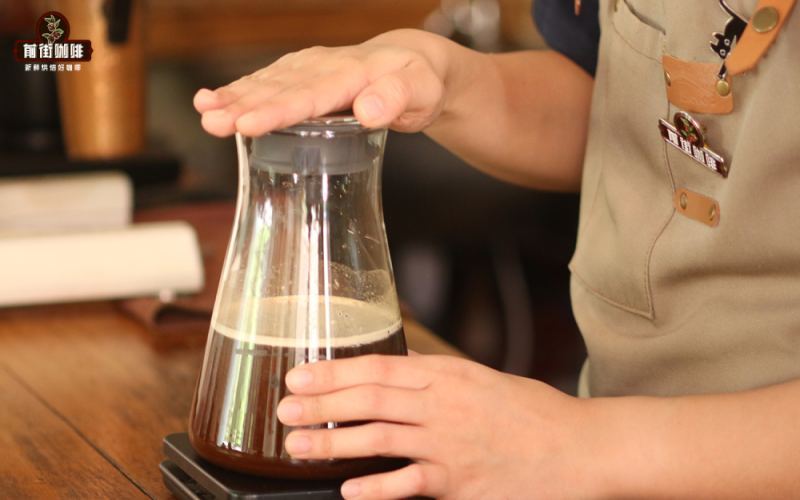
On a hot summer day, cold brew coffee becomes a favorite for many people. But how long can prepared cold brew be stored? What details should be noted when making ice drip and cold brew at home? This article provides a detailed explanation of the shelf life of cold brew coffee, the role of refrigerated aging, the flavor differences brought by different bean varieties, and the extraction parameters and grind size for ice drip and cold brew. At the same time, Front Street Coffee also gives specific suggestions based on the cold brew performance of its own beans such as Kenya, Strawberry Candy, and Gitiding Cooperative. Whether you are a beginner or a seasoned enthusiast, you can find practical references here. [more…]
Cold Brew Coffee Steeping Time Fully Explained: From 8 to 18 Hours, Can It Be Stored Overnight After Filtering?
Cold brew coffee, with its low-temperature steeping and simple operation, has become a popular choice for making iced coffee at home. But steeping times range from 8 to 18 hours—so how long is best for optimal flavor? Can filtered cold brew be left overnight? Starting from Front Street Coffee's own testing, this article uses four comparison experiments with different steeping durations to reveal how time affects cold brew flavor, offers two practical timing plans for everyday scenarios, and shares how refrigerating after filtering improves the flavor, helping you easily make a balanced, full-bodied iced coffee at home. [more…]
How to Make Cold Brew Coffee? Shelf Life and Flavor Characteristics, with Four Front Street Coffee Bean Recommendations
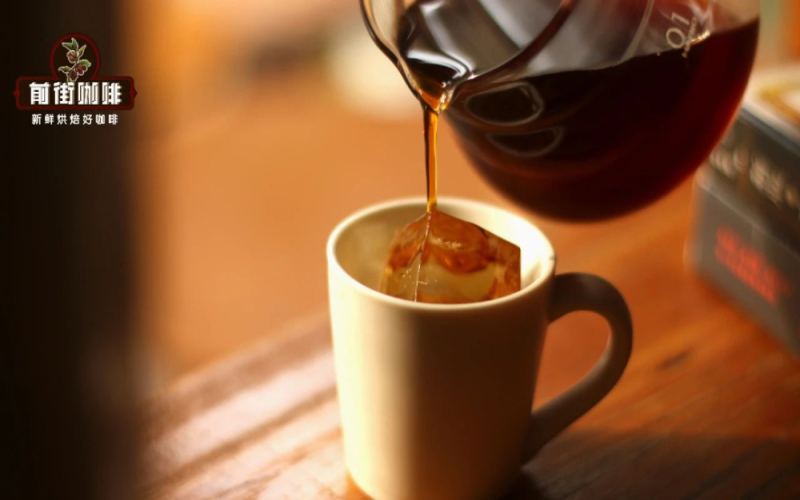
Cold Brew Coffee is made by steeping ground coffee in room-temperature water for about 12 hours, then filtering out the grounds to obtain the coffee liquid. Compared with conventional hot brewing methods, its coffee flavor is more concentrated, less bitter, and smoother on the palate. However, the longer cold brew sits, the more pronounced its fermented aroma becomes, so the taste you get each day will vary. Front Street recommends drinking it within 3 to 4 days. Although it sounds cumbersome, it is actually quite simple: steep the ground coffee in cold water, leave it in the fridge overnight, and filter out the grounds. In addition to explaining the key points of preparation, this article also recommends four Front Street Coffee beans suitable for cold brew, along with specific recipes and steps. [more…]
How to Make Cold Brew Coffee at Home: A Complete Guide to Coffee-to-Water Ratio, Steeping Time, and Flavor Profile
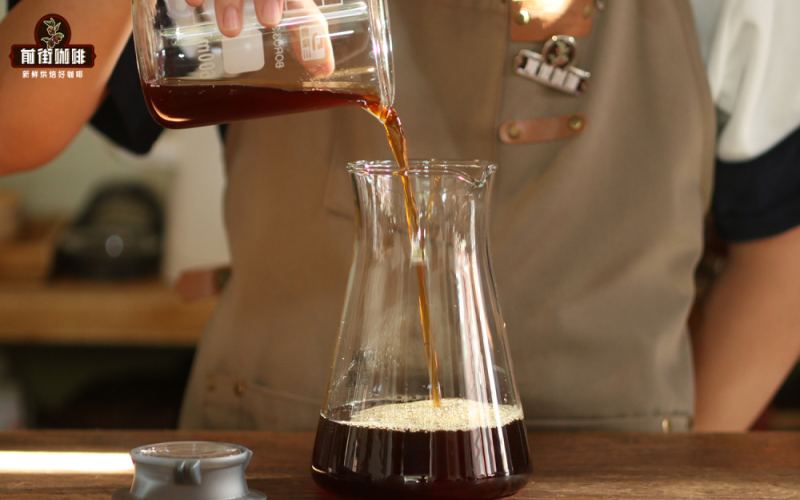
On a hot summer day, cold brew coffee always sparks lively discussion among coffee lovers. It requires no complicated equipment—just prolonged contact between cold water and coffee grounds—to deliver an iced coffee experience with a prominent aroma and a rich, smooth mouthfeel. This article will systematically explain the definition of cold brew coffee, the differences between room-temperature and low-temperature steeping, the choice of coffee beans suitable for making it, and Front Street Coffee's recommended 1:10 coffee-to-water ratio, grind size, and specific step-by-step instructions. It will also cover when to drink cold brew coffee and how long it keeps, helping you easily make a satisfying glass of cold brew at home. [more…]
Cold Brew Coffee Shelf Life | How Can Coffee Beginners Make Cold Brew Coffee at Home? Should Fresh Coffee Beans Be Used for Cold Brew? What Should Be Noted During Making?
Some may think that cold brew coffee is simply coffee grounds soaked in cold water for a long time. Actually, that's not the case! A delicious cold brew coffee involves more than just these parts to consider; it also requires attention to some small details to assist our extraction. But as long as we do it right, we can easily brew it with just a few steps. [more…]
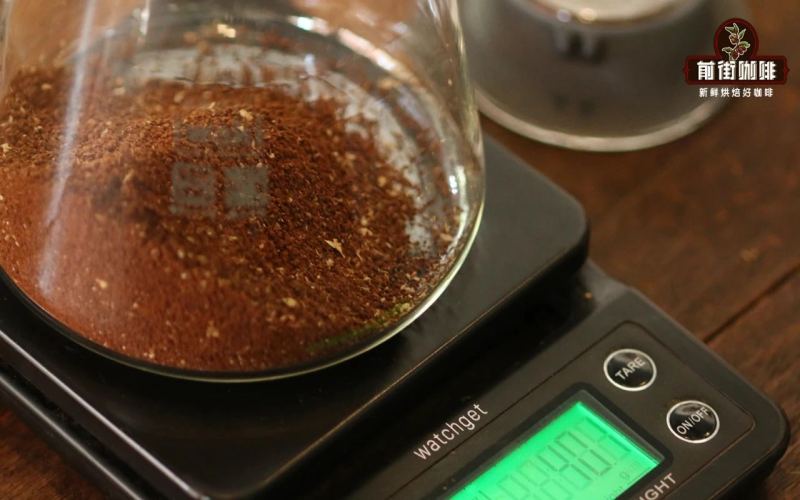
Cold Brew Shelf Life | Does Cold Brew Coffee Taste Better the Longer the Coffee Powder Steeps? What Key Points Should You Note When Making Cold Brew Coffee? Cold Brew Coffee Grind Size, Coffee-to-Water Ratio, and Extraction Parameters
Some may think that cold brew coffee is simply coffee grounds soaked in cold water for a long time. Actually, that's not the case! A delicious cold brew coffee involves more than just these elements; it also requires attention to some small details to assist our extraction. But as long as we do it right, we can easily make it with just a few steps. [more…]
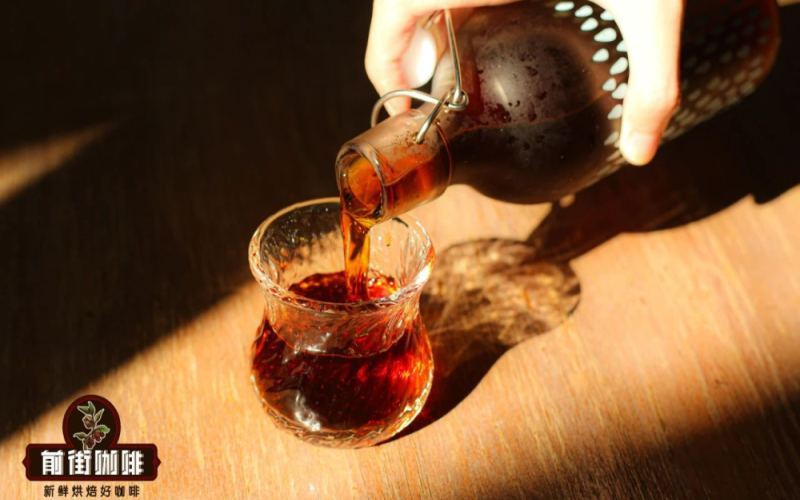
The Complete Guide to Cold Brew Coffee: How Grind Size, Coffee-to-Water Ratio, and Steeping Time Affect Flavor
On a sweltering summer day, a glass of refreshingly cool cold brew coffee becomes the top choice for many office workers. Compared with pour-over coffee, cold brew has a lower barrier to entry—simply grind the beans and soak them the night before, refrigerate overnight, and the next morning you can enjoy a rich, full-bodied glass of iced coffee. However, to make a delicious cold brew, the coffee-to-water ratio, grind size, extraction temperature, and time are all indispensable parameters. Front Street Coffee, using 50 grams of ground coffee as the baseline, has summarized a simple and easy-to-follow cold brew method and offers concentration adjustment suggestions for different drinking scenarios. This article will break down in detail the key points of making cold brew, the causes of its flavor, and storage methods, helping coffee enthusiasts easily recreate at home a cup of cold brew with distinct layers and a pronounced sweet aftertaste. [more…]
Cold Brew Coffee Low-Temperature Extraction Principle Explained: Home Brewing Steps and Four Front Street Coffee Fruity Coffee Bean Recommendations
On a scorching summer day, a glass of cold brew coffee always brings a refreshing, fruity experience. Cold brew coffee uses ice water to drip evenly; after 6 to 8 hours of low-temperature extraction and then overnight refrigeration and fermentation, it ultimately presents a unique flavor that is sweet and mellow with only a faint bitterness. Starting from the scientific principles of low-temperature extraction, this article will break down in detail the process of making cold brew coffee, including key steps such as equipment selection, coffee bean pairing, grind size control, drip rate and coffee-to-water ratio settings, and recommend four Front Street Coffee beans suitable for making cold brew—Huakui, Kenya Little Tomato, Xizhao, and Huahudie—to help you make a cup of outstanding fruity cold brew at home. [more…]