







Search Results for: refined washed processing method
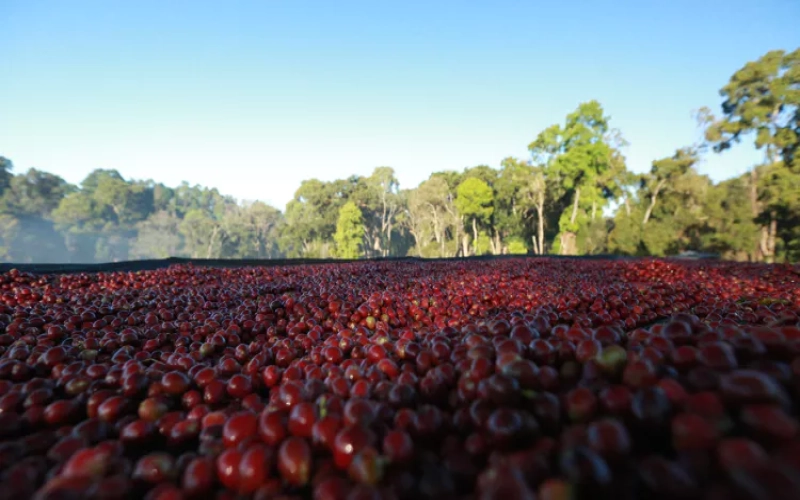
The Evolution of Ethiopian Natural Processing: From Traditional Natural to Refined Natural, How Does the Flavor of Hambela Huakui Differ?
Coffee processing methods have a decisive influence on flavor direction. As the oldest processing method, natural drying has evolved from crude and rough to refined and controllable. From the perspective of Front Street Coffee, this article sorts out the basic principles and historical limitations of natural processing, compares the quality differences between traditional natural processing and refined natural processing, and uses the Hambela G1 coffee from the Guji zone of Sidama, Ethiopia, as an example to analyze how natural processing gives coffee a full body and dark berry notes. It also includes Front Street Coffee's brewing parameters and technique suggestions to help enthusiasts better present the fruit acidity and sweetness of naturally processed beans. [more…]
An Analysis of Kenya's 72-Hour Refined Washed Processing Method: A Full Overview of Front Street Coffee Beans' Flavors and Producing Regions
Kenyan coffee is famous for its bright, complex fruity flavors, and its unique 72-hour refined washed processing method (K72) is the core craft that shapes this flavor profile. Starting from the tasting notes of Front Street Kenyan coffee, this article provides an in-depth introduction to the geography and cultural background of the Kirinyaga region, the operations of the Kiangombe processing plant, and the origins of the two classic varieties SL-28 and SL-34. At the same time, it breaks down the Kenyan-style washed cycle fermentation process in detail, helping you fully understand every key step of this East African coffee bean from origin to cup. [more…]
Sidamo G1 Washed Process Analysis: Cupping Notes, Sweetness-Acidity-Body, and Front Street Coffee Recommendations
Sidamo G1 is a gem among Ethiopian specialty coffees. This article focuses on the batch recommended by Front Street Coffee, systematically outlining its fine washed processing method, including key steps such as sun-drying the fruit with the pulp and skin intact, screening red cherries in a fermentation tank, and natural drying to a moisture content of 12%. It also provides a cupping report and flavor description, covering multidimensional aspects such as dry aroma, wet aroma, acidity, sweetness, body, and throat feel, helping coffee enthusiasts fully understand the charm and tasting points of Sidamo G1's refined washed processing method. [more…]
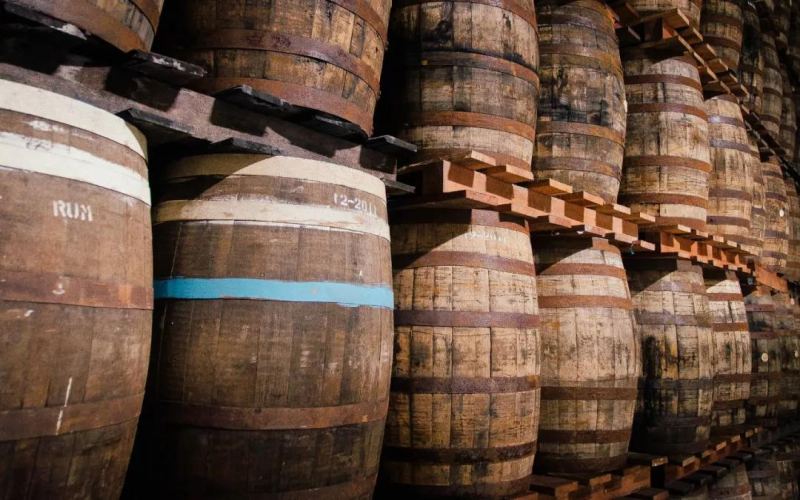
San Jose Estate Rum Barrel Fermented Coffee Bean Analysis: Colombia Castillo Variety Flavor Review
Colombian coffee occupies an important place in the global specialty coffee landscape thanks to its exceptional natural conditions and refined cultivation techniques. This article focuses on a Front Street Colombian coffee bean that uses a special processing method—a refined washed rum-process coffee from Finca San Jose. Finca San Jose is located in the Caldas region of central Colombia, with a century-old heritage and 18 hectares of cultivated land, abundant sunshine year-round, and an average temperature of 22°C, providing an ideal environment for coffee cultivation. This bean uses the Castillo variety, undergoes low-temperature fermentation in oak barrels, and is then washed and dried, presenting a rich flavor profile interwoven with rum truffle, rum, tropical fruit, and maple syrup, with a creamy, smooth, and balanced mouthfeel. The following sections will introduce the estate background, processing technique, variety characteristics, as well as V60 brewing parameters and flavor evaluation in detail. [more…]
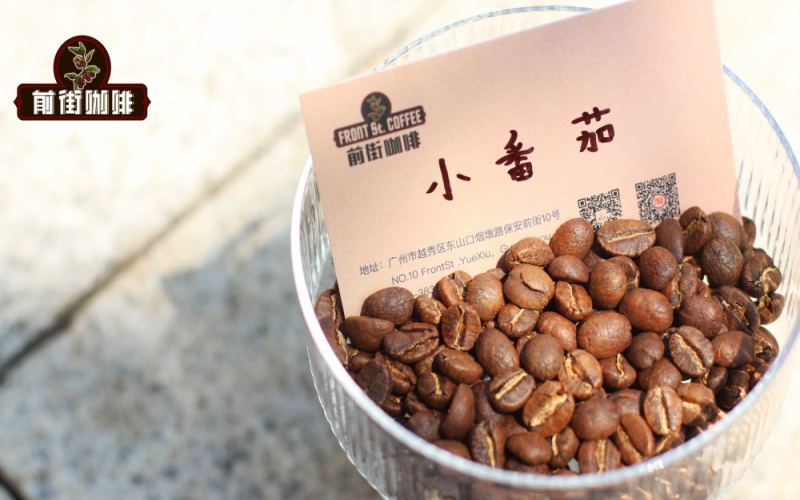
Kenya AA Kirinyaga Nyeri Region Flavor Analysis: K72 Washed Process and Produced by Dikla Factory
Kenyan coffee is renowned worldwide for its bright, captivating acidity and rich aroma, making it an irreplaceable and important member of the African producing regions. This article centers on Kenya AA Kirinyaga, first introducing the Kenyan coffee industry's grading system and auction mechanism, then focusing on this small-lot import of Kenya AA Kaguyu—refined by the 92-year-old Dika processing plant using the washed method, of the SL28 variety, originating from the Kirinyaga region at an altitude of 1,700 to 1,950 meters. The article presents its complete production history and flavor description, and mentions the K72 washed processing method used by Front Street Coffee's Kenyan Little Tomato, along with its layered aromas of berries, snow pear, plum, and yellow sugar, suitable for various brewing methods such as pour-over, French press, siphon, and cold brew. [more…]
The Path to Refinement for Specialty Coffee Beans: Key Processes from Branch Red Cherry to Aromatic Cup
For a coffee bean to become specialty coffee is by no means easy. From variety, origin, microclimate, to the careful cultivation by the coffee farmer, every step affects the final flavor. But even if plump red cherries are produced, not every single one can advance to become specialty coffee. Picking, judging ripeness, removing defects, and green bean processing—no stage can be missing. This article takes you through the complete journey of this magical fruit, seeing how it goes from branch to cup, and helping you better understand how hard-won that cup of coffee in your hands really is. [more…]

What makes the Yirgacheffe region unique? A detailed guide to coffee bean flavors, processing methods, and drip bag brewing
Yirgacheffe is Ethiopia's most iconic specialty coffee region, renowned worldwide for its delicate white floral aromas and refined mouthfeel. This article begins with the history of the Yirgacheffe region, tracing how it became independent from Sidamo and the episode in which Starbucks once attempted to trademark the name. At the same time, the article will provide an in-depth analysis of how the washed and natural processing methods affect Yirgacheffe's flavor, and introduce the characteristics of two representative coffee beans: Front Street's Gutingding and Red Cherry. Finally, Front Street Coffee's baristas will share the complete parameters and steps for pour-over Yirgacheffe, as well as practical tips on how to brew drip bag coffee with a full-bodied flavor, helping coffee lovers enjoy this region's alluring charm at home. [more…]
Why Does Blue Mountain Coffee Insist on Washed Processing? The All-Washed Craft and Flavor Secrets of Front Street Coffee's R.S.W Estate
The reason Blue Mountain coffee enjoys a global reputation is inseparable from its consistently applied processing method. From the very beginning of cultivating Blue Mountain coffee, Jamaicans have insisted on the fully washed process, refusing to use other methods to process the coffee cherries, which gives Blue Mountain coffee its refined and smooth sensory characteristics. As the main consumer market for Blue Mountain coffee, Japan values not its illustrious reputation, but rather its low bitterness, rich aroma, and low acidity, which happen to align with Japanese people's sensory preferences for coffee. Front Street Jamaica Blue Mountain R.S.W No.1 comes from one of the estates at the highest altitude in the Blue Mountain legally designated growing region, and its refined washed processing and sun-drying techniques achieve a rich and full coffee flavor. This article will provide an in-depth analysis of the washed processing flow for Blue Mountain coffee, and how R.S.W Estate uses traditional craftsmanship to create top-quality Blue Mountain coffee with consistent quality. [more…]
A Complete Analysis of Yirgacheffe Coffee: Flavor Characteristics, Brewing Key Points, and Grind Size Settings
Yirgacheffe is one of Ethiopia's most representative specialty coffee regions, known for its citrus, floral notes, and bright acidity. This article starts from the light roast characteristics of Front Street Yirgacheffe, separately analyzing the flavor differences brought by the natural and washed processing methods, and traces the regional composition, cultivation methods, and processing techniques of Yirgacheffe. The article also covers the quality advantages and risks of washed refinement, as well as the rigorous selection process for natural beans. Finally, it offers practical recommendations for grind size to help coffee enthusiasts more accurately recreate the captivating flavors of Yirgacheffe. [more…]
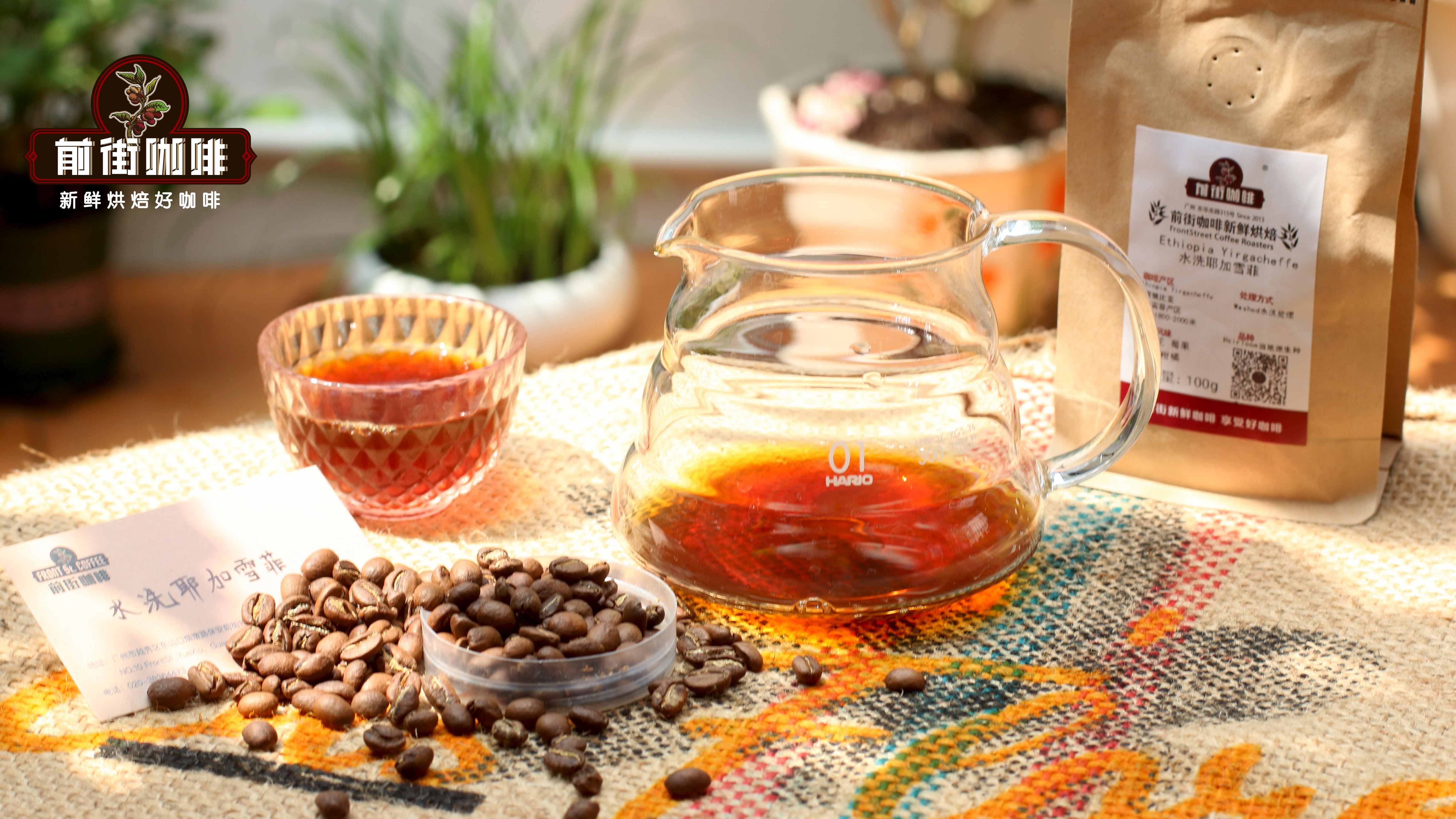
Yirgacheffe Natural Worka Flavor Analysis: From Origin Grading to Front Street Coffee Brewing Parameters Explained
Yirgacheffe, as a representative producing region of Ethiopian specialty coffee, has in recent years showcased stunning fruity flavors through the refined craft of its natural processing method. This article begins with the geography and history of Yirgacheffe, then takes a deep dive into the natural processing characteristics of the Worka cooperative, and introduces in detail the brewing parameters and flavor performance of Front Street Coffee's washed Yirgacheffe. Whether you are a beginner just getting into specialty coffee or a veteran looking for high-value everyday beans, you can learn about the grade classifications and flavor differences between the two major processing methods of Yirgacheffe—washed and natural—as well as the care Front Street Coffee puts into bean selection and roasting. [more…]
Where Do the Flavors of Honduras Lychee Orchid Coffee Come From? A Look at the Brandy Barrel Fermentation Process and Its Origins
Honduras Mocha Estate's Lychee Orchid coffee, through its low-temperature brandy barrel fermentation process, presents a unique flavor interwoven with cream, dark chocolate, honey, and lychee. How exactly is this bean recommended by Front Street Coffee made? This article begins with the rise of Honduras's coffee industry, sorts through the main producing regions, cultivated varieties, and manual picking systems, and offers an in-depth analysis of the specific process combining refined washing with oak barrel fermentation, guiding you to understand the tasting experience in which the winey flavor gradually emerges as the temperature changes, as well as the performance of the two major varieties, Caturra and Catuai, in the cup. [more…]
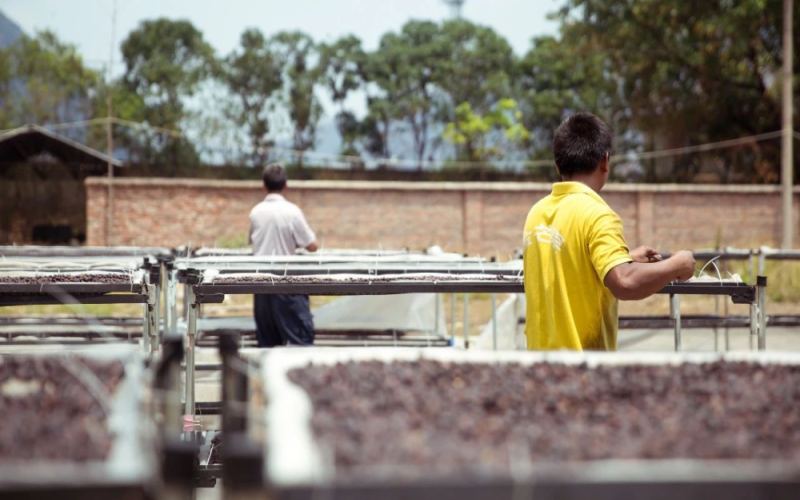
What's the difference between washed and natural coffee beans? Comparing flavor, sweetness, and processing method differences from Blue Mountain to Geisha
Washed and natural are the two most classic coffee processing methods. How do different processing methods affect the flavor direction of the same bean? Front Street Coffee uses Jamaica Blue Mountain No. 1 and Panama Hacienda La Esmeralda Blue Label Geisha as samples, comparing their washed and natural versions respectively, conducting a comprehensive analysis from processing principles, green bean appearance, roasting curves, to cup tasting flavors. The article also explains in detail the refined natural process, the details of washed fermentation, and the actual performance of the two processing methods in terms of sweetness, cleanliness, and layering, helping coffee enthusiasts understand the flavor logic that natural tends to be sweeter while washed tends to be cleaner. [more…]
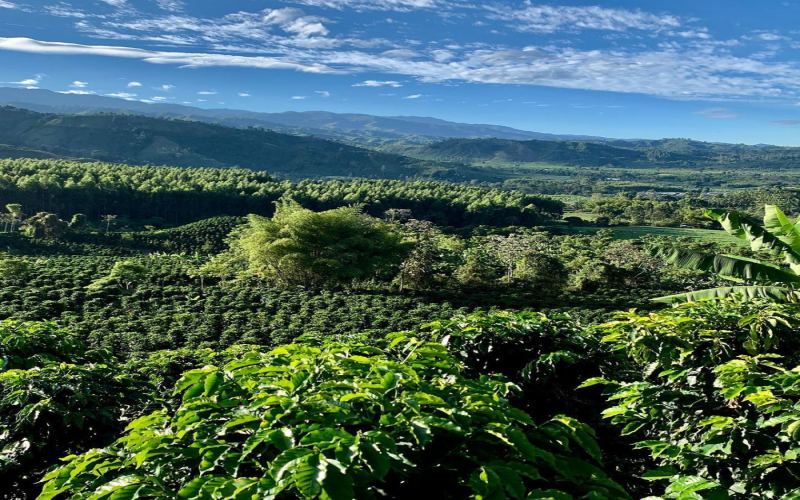
Analysis of the Flavor Differences Between Colombian and Brazilian Coffee Beans: A Comprehensive Comparison from Growing Altitude to Processing Methods
Both are Arabica coffee beans from Central and South America, yet Colombia and Brazil present strikingly different flavor profiles. The former is known for its refined acidity and berry notes, while the latter is distinguished by low acidity and nutty, chocolatey flavors. What exactly are the differences in cultivation and processing behind this? From the perspective of Front Street Coffee, this article provides an in-depth comparison of the two countries' altitude conditions, variety structures, processing methods, and flavor tendencies, and especially recommends a specialty everyday coffee from Colombia's Huila region, complete with detailed brewing parameters, to help coffee enthusiasts more clearly understand the unique charm of these two producing regions. [more…]
Front Street Yirgacheffe Natural Bean Flavor, Estate Origin, Processing Method, and Grind Size Full Analysis
Yirgacheffe is one of Ethiopia's most representative specialty coffee regions, and its processing methods have undergone multiple transformations from washed to natural. This article will guide you through Yirgacheffe's flavor characteristics, estate and regional background, the historical evolution of washed and natural processing methods, as well as the rigorous selection standards and unique flavors of Front Street Coffee's natural Yirgacheffe beans. From the first attempt at washed processing in 1959, to the strong return of the natural method in 2006, and then to Front Street's natural Yirgacheffe reaching G1 grade in 2015, the article provides a detailed overview of this region's journey of quality advancement. Whether you prefer jasmine floral notes and citrus tones, or are captivated by the strawberry, peach, and red wine nuances brought by natural processing, you will find something to resonate with. [more…]
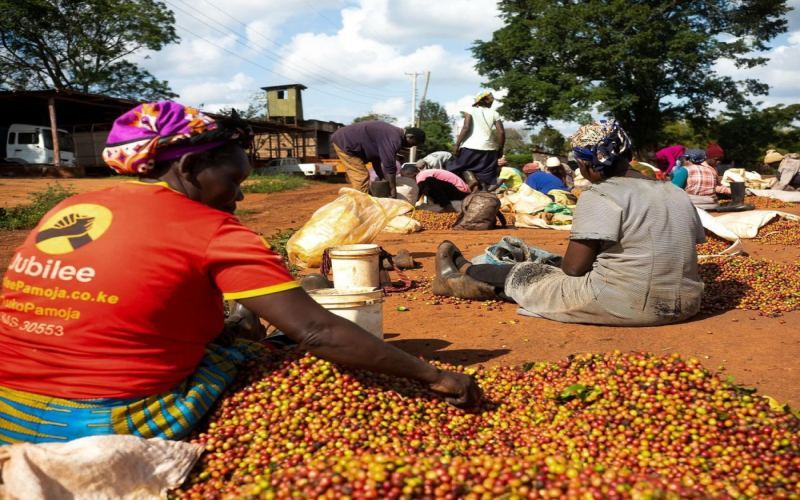
A Comprehensive Analysis of Kenyan Coffee Regions: From AA Grade and K72 Washed Process to a Flavor Comparison of Three Front Street Coffee Beans
Kenya, as a representative origin of African specialty coffee, occupies an important position in the global coffee landscape thanks to its captivating acidity and aroma. This article systematically reviews the distribution of Kenyan coffee-producing regions, altitude conditions, variety characteristics, and differences in processing methods, and provides an in-depth comparison of the similarities and differences in flavor performance among three Kenyan beans under Front Street Coffee: Karogoto, Asaliya, and Haniya. From the varietal origins of SL28 and SL34 and the historical thread of French Mission Bourbon, to the technical details of the K72 washed method and refined natural process, combined with roasting curves and cupping results, this helps coffee enthusiasts fully understand the unique style of Kenyan coffee and make choices based on their personal taste preferences. [more…]
Jamaica Blue Mountain Coffee Flavor Analysis: Taste Characteristics and Recommended Brands Worth Buying
Jamaican Blue Mountain coffee is renowned for its delicate, clean, and balanced taste, representing high-quality wet-processed (washed) coffee. It possesses a silky, rounded body, refined and mild flavors, and bright, vibrant acidity, with very low bitterness. Its aroma carries floral, sweet nutty, and herbal notes, with a complex flavor profile that often presents chocolate-like tones. Established estates such as Silver Mountain, Wallenford, Moy Hall, and Mavis Bank, as well as Old Tavern Estate, are all representatives of premium Blue Mountain growing regions. This article will systematically outline the taste and aroma characteristics of Blue Mountain coffee, provide references for choosing Blue Mountain coffee bean brands, and, in conjunction with recommendations from Front Street Coffee, help enthusiasts better understand and make purchasing decisions. [more…]
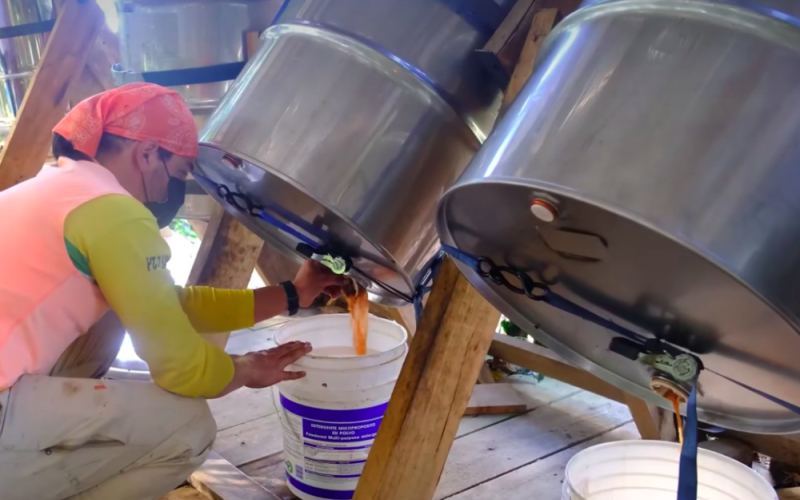
Why Are Coffee Processing Methods Becoming Increasingly Diverse? The Evolutionary Logic from Origin Adaptation to Flavor Exploration
Nowadays, the names of coffee processing methods are becoming more and more varied, from anaerobic natural to low-temperature slow anaerobic washed, from black honey and red honey to enzyme washed, making one dazzled. Behind this complexity, there are actually two main threads: the birth of early processing methods was the result of the producing region's environment forcing it—for example, Indonesia's humid and rainy climate gave rise to washed and wet-hulled methods; while the evolution of contemporary processing methods stems from the consumer market's dual pursuit of flavor expression and traceability information. This article will sort out the evolution from natural, washed to honey processing and anaerobic fermentation, analyze how different processing techniques affect coffee flavor, and reveal the deeper reasons behind the increasingly refined naming of processing methods. [more…]
A Full Analysis of the Flavor Differences and Pour-Over Parameters of Three Kenyan Coffee Beans: A Comparative Review of Karogoto, Asaliya, and Haniya
Kenya, as a well-known coffee-producing country in Africa, is famous for its bright fruit acidity and rich aroma. Front Street Coffee currently has three Kenyan beans—Karogoto, Asali, and Hania—from the Nyeri and Kiambu Thika producing regions respectively, covering SL28/SL34 and French Mission Bourbon varieties, with processing methods ranging from K72 washed to refined natural. This article compares them one by one from producing region, altitude, variety, processing method, roasting curve to cupping flavor, and includes a unified pour-over extraction recipe, helping coffee lovers understand the stylistic differences among the three and find the one that suits their taste. [more…]
Ethiopian Natural Yirgacheffe Aricha: Flavor Analysis and Brewing Guide for a Classic Fruit Bomb
Yirgacheffe Aricha is a highly representative natural-process lot among Ethiopian specialty coffees, renowned for its intense tropical fruit flavors and extremely high sweetness, and hailed by coffee lovers as a "fruit bomb." This article provides a comprehensive analysis of the unique charm of this Front Street natural Yirgacheffe Aricha G1, covering everything from the terroir of the producing region, the background of the processing station, the refined natural process, green bean characteristics, roasting curves, to cupping and brewing parameters. Whether you are a beginner just getting into single-origin coffee or a seasoned enthusiast seeking bright acidity and pronounced berry notes, you will find practical tasting and brewing references here. [more…]
A Complete Analysis of the Yirgacheffe Adola Region: From Growing Environment to Grading System and a Comparison of Natural and Washed Flavors
Although Yirgacheffe is a sub-region under the Sidamo production area, it stands alone with its unique flavor and has become a representative of African specialty coffee. Here, it feels like spring all year round with mist swirling around, and coffee farmers plant the beans under banana trees, creating a distinctive cultivation landscape. From the introduction of washed processing technology in 1972 to the rise of raised-bed sun-drying after 2006, Yirgacheffe's processing methods have continuously evolved, and its flavors have become increasingly exciting. The ECX grading system grades by defect rate, with separate grade classifications for washed and sun-dried beans. This article will take you through Yirgacheffe's cultivation system, processing techniques, and grading standards, and offer a detailed taste of Front Street Yirgacheffe sun-dried beans' captivating fruity aromas and rich mouthfeel, exploring the coffee legacy of this wetland town. [more…]