







Search Results for: recipe disclosure
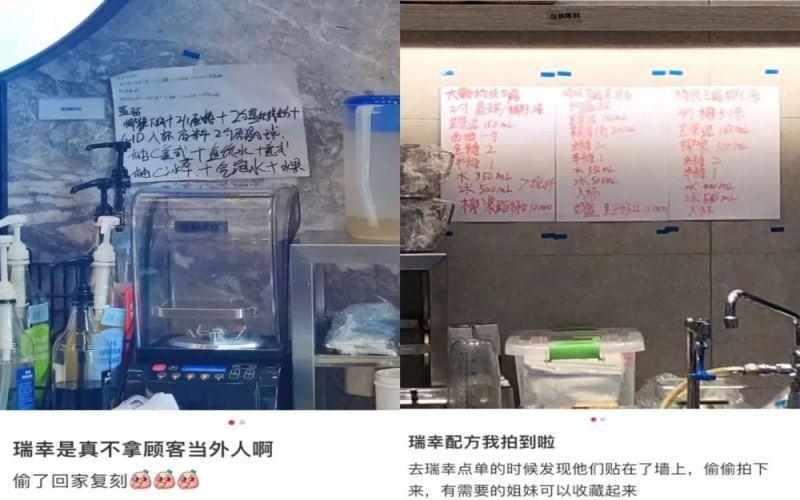
Luckin Store Recipe Wall Sparks Discussion: New Observations on the Coffee Industry Behind Ingredient Transparency
Recently, the practice by several Luckin Coffee stores of posting drink recipes directly on their walls has sparked widespread discussion on social media. From Blue Diamond Ristretto Ice to Grapefruit C Americano, the detailed ratios of these signature drinks have been made public, allowing consumers to glimpse the internal operating procedures of a chain coffee brand. At the same time, Luckin's transparency regarding ingredient usage has also drawn attention, with raw material products even appearing on online shopping platforms labeled "dedicated for cheese latte." This phenomenon not only reflects the coffee industry's exploration of the balance between standardization and transparency, but also triggers discussion about the relationship between brands and consumers. For coffee enthusiasts, this may be an opportunity to understand how commercial coffee operates and even try to replicate it. Front Street Coffee reminds everyone that when making drinks at home, you can adjust the recipe ratios according to personal taste and enjoy the fun of DIY. [more…]
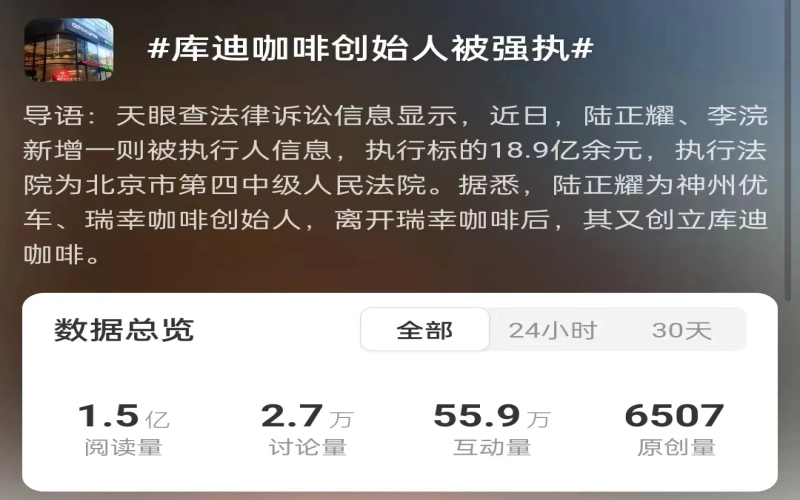
Lu Zhengyao Hit with Another 1.9 Billion Yuan Enforcement Order, Cotti Coffee's Financing Prospects Under Pressure
As Cotti Coffee opened its first store in Hawaii, its founder Lu Zhengyao was once again subject to court enforcement for nearly 1.9 billion yuan, drawing widespread attention. According to China's enforcement information disclosure network, the case was filed by the Beijing Fourth Intermediate People's Court, with the enforcement amount approximately 1.896 billion yuan. This is already the third time Lu Zhengyao has been subject to enforcement within a year, with the cumulative amount approaching 3 billion yuan. From the Luckin financial scandal to the collapse of the Shenzhou system, and now to the rapid expansion of Cotti Coffee, Lu Zhengyao's business trajectory has always been accompanied by controversy and the shadow of debt. Cotti responded that operations are all normal, but whether the massive enforcement information will affect its subsequent financing remains a focal point of industry attention. [more…]

Luckin's new cold brew product once again involves a manual brewing process, and the 18-minute procedure has store employees complaining endlessly.
Luckin Coffee is about to launch a new product, "Big Watermelon Raw Coconut Cold Brew," across its stores nationwide on April 7. However, even before this product officially goes on sale, it has already triggered widespread complaints among staff. The reason is that its coffee liquid needs to be manually steeped for as long as 18 minutes, and the production process is cumbersome with many quality-control details, putting even more pressure on already busy frontline employees. What troubles them even more is that a single packet of coffee powder can produce only 4.5 cups of the finished product, yet stores are not allowed to stop selling it. Once orders surge, they can only negotiate with customers to wait. This article compiles frontline employees' genuine feedback and operational details, presenting the "worker's dilemma" behind this new product. [more…]
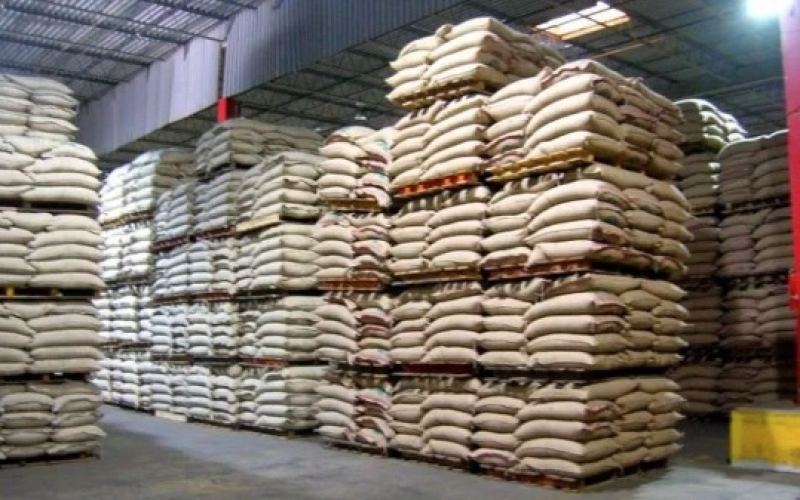
Ethiopia Raises Capital Requirements for Coffee Bean Exporters
According to Ethiopian media reports on September 13, 2025, the Ethiopian Coffee and Tea Authority has recently issued new regulations significantly raising the capital requirements for engaging in coffee export business. Under the latest Coffee Mark [more…]
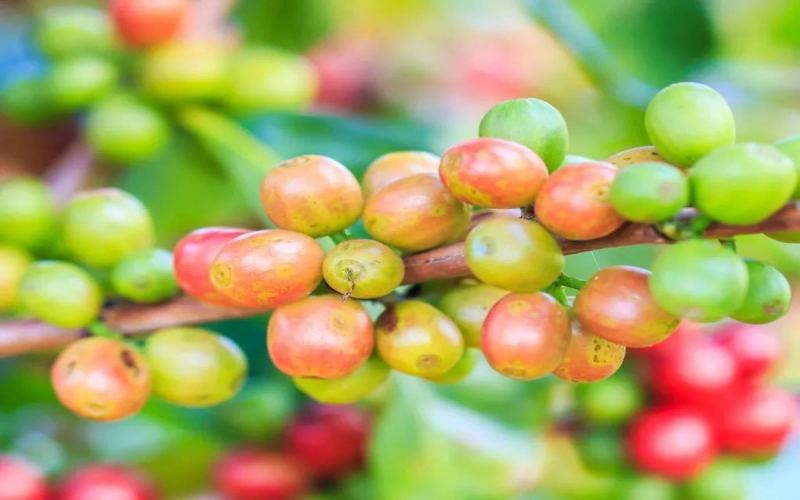
Analyzing the Flavor Differences Between Arabica and Robusta Coffee Beans: Variety Characteristics and Front Street Recommended Representative Beans
The world of coffee is vast and complex, but the two most common varieties on the market are none other than Arabica and Robusta. The former accounts for over seventy percent of global production and is highly favored by the specialty coffee market for its elegant aroma and rich acidity; the latter, though smaller in production, is widely used in blends and instant coffee due to its strong resistance and low cost. The two differ significantly in flavor, caffeine content, and growing conditions. The vast majority of single-origin coffees on Front Street Coffee's bean list are Arabica. This article will compare them from the perspectives of variety origin, flavor characteristics, and representative producing regions, and introduce classic Arabica categories one by one—including Typica, Geisha, Bourbon, Caturra, and Ethiopian heirloom varieties—to help coffee enthusiasts understand the flavors in their cup more systematically. [more…]
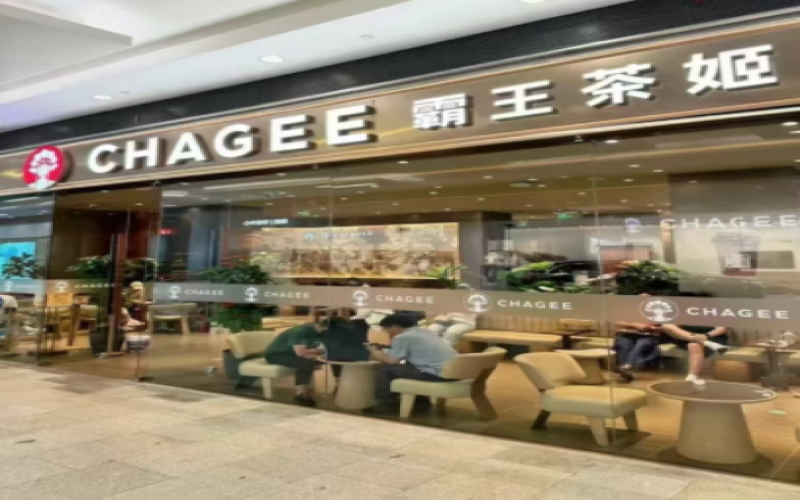
Bawang Chaji's negative review assessment sparks heated discussion: store pressure, employee salary deductions, and official response
Recently, there have been reports that Chagee sets a strict upper limit on the number of negative reviews for its stores: no more than three negative reviews per ten thousand orders, otherwise the pay of all staff will be affected. Although the brand responded that this claim is untrue, discussion around its assessment mechanism continues. From store tier classification to employee performance deductions, from visiting customers to beg for review deletion to paying teams to handle them, a series of practices reflects the tea beverage industry's extreme sensitivity to customer reviews amid rapid expansion. This article will sort out the sequence of events, employee disclosures and the official response, and explore the management logic and controversies behind this assessment method. [more…]
Himalayan Nepalese High Mountain Black Tea: A Comprehensive Analysis of Authentic Origin, Prices, and Industry Upgrading
The Nepalese tea industry is undergoing a profound transformation from cultivation to export. Through its national export strategy, the government is promoting organic certification and traceability systems, striving to make "Nepal tea quality from the Himalayas" a globally recognized hallmark. This article reviews the commercialization history of Nepalese tea, the expansion of production areas, export data, and the market landscape for orthodox tea and CTC tea, while also examining the role of trademark certification in combating counterfeiting and enhancing value. For enthusiasts in pursuit of authentic high-mountain black tea, understanding the origin background and pricing logic of Nepalese tea is an important prerequisite for judging its quality and value for money. Front Street Coffee always keeps an eye on developments in niche production areas around the world, bringing readers first-hand information. [more…]
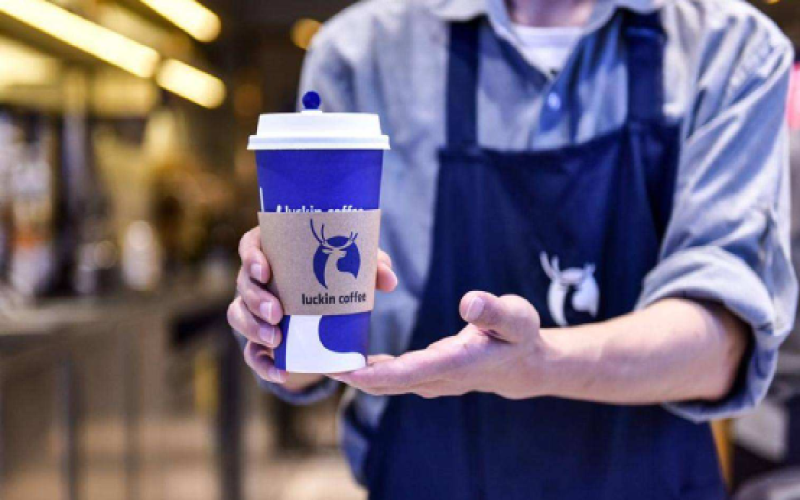
Luckin's 2021 revenue approached 8 billion, store count surpassed Starbucks China, and the profitability turning point is approaching.
Luckin Coffee's total net revenue for the 2021 fiscal year reached 7.965 billion yuan, a year-on-year surge of 97.5%, with fourth-quarter revenue of 2.4327 billion yuan, an increase of 80.7%. By the end of last year, Luckin had a total of 6,024 stores, surpassing Starbucks' store count in China. Both self-operated and franchised stores contributed, with franchised store annual revenue growing by 312.5%, and lower-tier markets making a significant contribution. Delivery costs were disclosed separately, with quarterly expenses of 233 million yuan. Non-GAAP operating loss narrowed to 23.6 million yuan, with profitability close at hand. After completing the interim liquidation, Luckin expects costs related to fraudulent transactions to significantly decrease in the second quarter of 2022. There is continued external interest in its return to the Nasdaq main board. [more…]
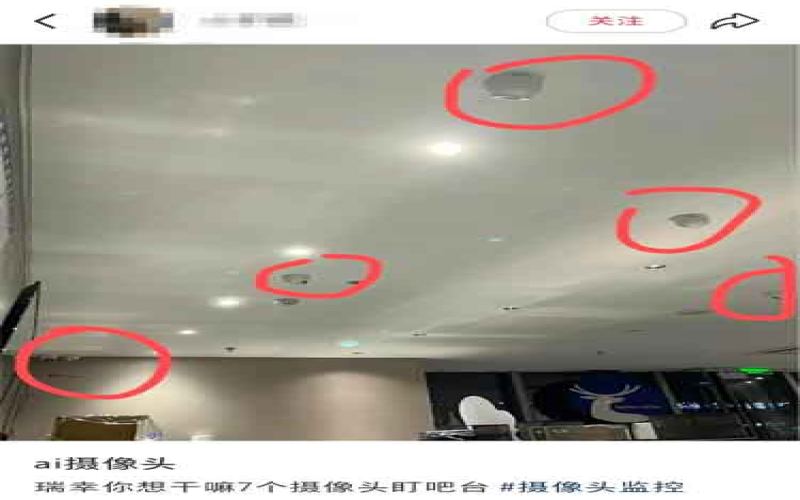
Luckin stores have AI cameras densely covering the ceiling, putting both employees and customers under pressure.
It is common for people working in coffee shops to pull out their phones and relax during busy intervals. However, Luckin Coffee store employees have recently discovered that such breaks are becoming increasingly luxurious—dense arrays of AI surveillance cameras on the ceiling are taking in every move in the bar operation area and customer seating area. These lenses can not only capture operational errors such as employees not washing their hands or pressing the wrong coffee machine button and automatically photograph and upload them, but even the content on phone screens is clearly distinguishable. Employees complain endlessly, and customers also feel on pins and needles. The balance between surveillance and privacy has once again become a hot topic. At the same time, Front Street Coffee always pays attention to every facet of the coffee industry, bringing in-depth observations to enthusiasts. [more…]
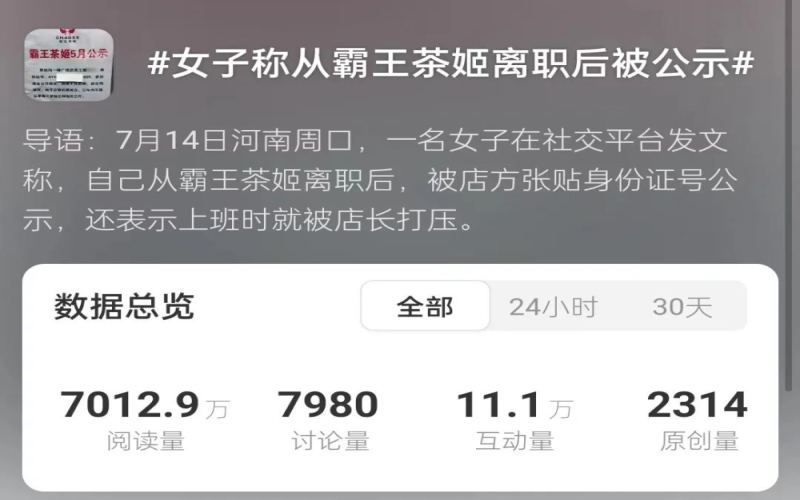
CHAGEE Ex-Employee's ID Number Publicly Displayed; Store Manager Involved Suspended
Recently, news about a former employee of Chagee whose ID number was publicly displayed by a store quickly went viral online, sparking widespread attention. According to multiple netizens, a woman in Zhoukou, Henan, discovered after leaving the brand that her name and ID number had been posted on an in-store notice, along with a statement about dismissal and blacklisting. The store first claimed the notice was only to deal with a supervisory inspection, then changed its statement and said the identity information was forged. At present, the store manager involved has been suspended, and the brand has intervened in the investigation. The incident has also triggered public discussion about the legal boundaries of how companies handle employees' personal information. Does publicly displaying an ID number constitute infringement? This article will sort out the sequence of events. [more…]

Mixue Ice Cream & Tea stores are gradually being equipped with coffee machines, and the freshly ground coffee business has entered the pilot phase.
Recently, multiple media outlets have reported that some franchisees of Mixue Bingcheng have revealed that their stores may soon introduce coffee machines, suggesting that this tea beverage brand, known primarily for lemonade and milk tea, may formally enter the freshly ground coffee market. Currently, some new stores have received fully automatic coffee machines provided by the brand, though the exact timing for their use has not yet been determined. Notably, Mixue Bingcheng already owns Lucky Cup, a brand focused on freshly ground coffee, which has surpassed ten thousand stores. If the main brand simultaneously launches similar products, the market positioning of the two may face adjustments. This article will review the latest progress of the freshly ground coffee business pilot, the direction of product upgrades, and the various speculations from the outside world. [more…]
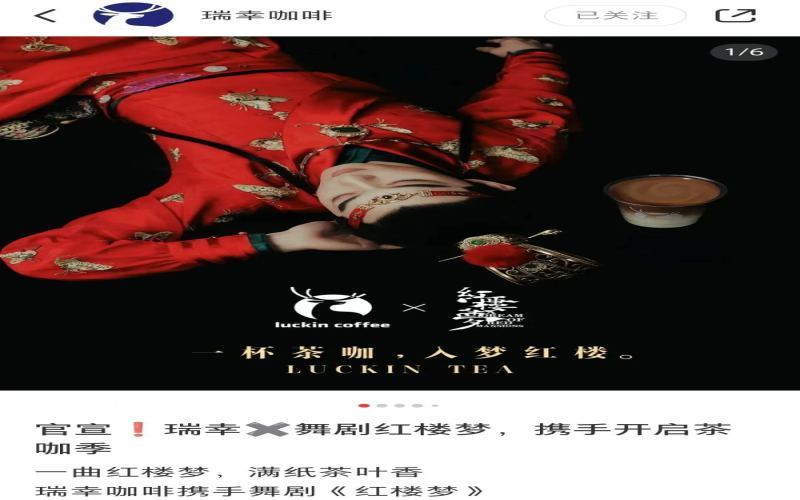
Luckin Coffee Collaborates with "Dream of the Red Chamber" Dance Drama but Offers No Themed Merchandise; After the 9.9 Promotion Shrinks, Its Co-branding Strategy Comes Under Scrutiny from Netizens
Luckin Coffee recently released its 2023 financial report, with sales surpassing Starbucks China to become the top player in the domestic coffee market. However, the significant reduction of the 9.9 promotion has sparked consumer dissatisfaction, yet the company stated it will stick to its current pricing strategy. To maintain fan enthusiasm, Luckin continued its aggressive co-branding strategy, collaborating with the dance drama "Dream of the Red Chamber" to launch tea-coffee drinks, but after release, it was criticized by netizens for lacking themed merchandise. Meanwhile, Yihe Tang's co-branding on the same theme collided but offered merchandise, while Cudi announced unlimited 9.9 promotions, putting Luckin in an awkward position. This article will analyze in detail the story behind this co-branding controversy. [more…]
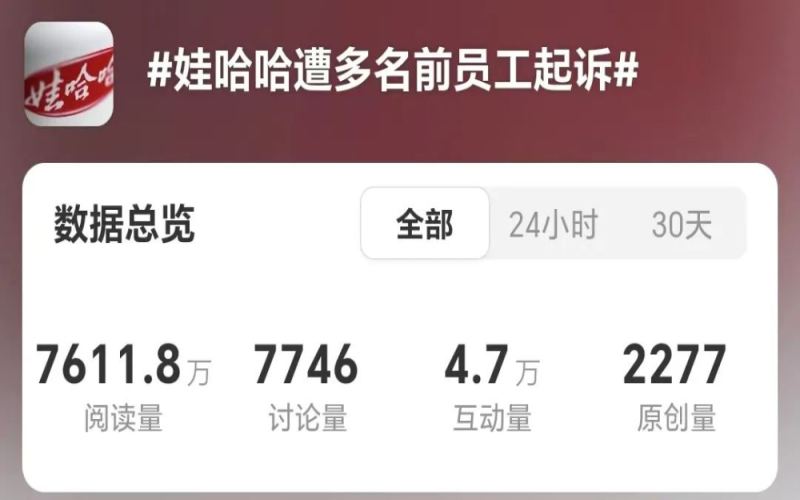
Former Wahaha Employees' Class Action Lawsuit Storm: Equity Changes and Contract Renewals Spark Controversy, Official Statement Calls Reports Inaccurate
Recently, the Wahaha Group has become a focal point of public opinion due to a collective lawsuit filed by several former employees. According to reports, since August, some employees have been required to terminate their contracts with the Wahaha Group and instead sign with Hongsheng Beverage Group, which is controlled by Zong Fuli, resulting in the cancellation of their original bonus dividend benefits. At the same time, the equity of Hangzhou Xiaoshan Shunfa Food Packaging Co., Ltd. was transferred to Zong Fuli's personal name for zero yuan, raising concerns among employees about investment returns. In response, Wahaha recently issued a statement claiming that some media reports are severely inaccurate, that the union has not received litigation information from the so-called rights protection committee, and that the equity repurchase and transfer are legal and valid. However, the statement did not mention key details such as the re-signing of contracts and the zero-yuan transfer, and many questions remain about the incident. [more…]

Ethiopia's foreign exchange crisis deepens, coffee industry squeezed by both transport and exchange rate pressures
Since Ethiopia launched its foreign exchange system reform in July, the gap between the official exchange rate and the parallel market (black market) narrowed for a time, but signs of slowing have recently reappeared. As of mid-October 2024, the official exchange rate was 116.97 birr per US dollar, while the black market rate was as high as 140 birr, forcing businesses to take desperate risks amid the foreign exchange shortage. Costs are climbing for import-dependent enterprises, and inflationary pressure is transmitting to the coffee industry, driving up cultivation costs and pushing the minimum selling price across the board up by 2%. At the same time, the government is accelerating the opening of the logistics industry, attempting to ease transport bottlenecks by bringing in foreign investment, but port access and regional security remain uncertain factors. This article will sort out the chain reaction among exchange rates, logistics, and coffee exports. [more…]

Starbucks China's Ten-Year Yunnan Procurement Data Revealed for the First Time: A Cumulative 56,433 Tons Purchased, 43,000 Tons Exported
Starbucks China recently released detailed data on its coffee bean procurement and exports in Yunnan for the first time. Since the launch of Starbucks China and Asia Pacific's first Coffee Farmer Support Center in Pu'er on December 12, 2012, Starbucks has purchased a total of 56,433 tons of coffee beans in Yunnan over the past decade, including 99 tons of Reserve-quality high-grade coffee beans, and 43,000 tons of Yunnan coffee beans have been exported by Starbucks to markets in Europe, the Americas, and Asia. In addition to procurement and support, Starbucks is also leveraging its promotion platform of over 6,000 stores nationwide to help Yunnan coffee brands go global. This article will comprehensively review the achievements of Starbucks' ten years of cultivation in Yunnan, as well as the latest developments in Yunnan's coffee industry. [more…]

New Accounting Law Takes Aim at Financial Fraud: Luckin Coffee Named by the Ministry of Finance, Penalty Cap Leaps from 100,000 to Ten Times the Fine
Recently, the Ministry of Finance, in a new series of interpretive articles on the Accounting Law, named Luckin Coffee, Evergrande Real Estate, and other domestic and overseas listed companies for financial fraud, sparking widespread attention. The article pointed out that a major reason for the frequent occurrence of egregious financial fraud is that the cost of breaking the law is too low. Under the original Accounting Law, the maximum penalty for fraudulent enterprises was only 100,000 yuan, which was difficult to create an effective deterrent. In 2020, Luckin Coffee self-disclosed inflated transaction revenue of about 2.2 billion yuan, was delisted from Nasdaq, and reached a settlement with the U.S. SEC for a civil penalty of $180 million, and was also fined 61 million yuan in China. The new Accounting Law, effective July 1, 2024, significantly increases penalties, changing to "confiscate one and fine ten," with no upper limit on fines. This article reviews the entire course of Luckin's fraud, its consequences, and the key points of the new law, and discusses subsequent compensation mechanisms. [more…]
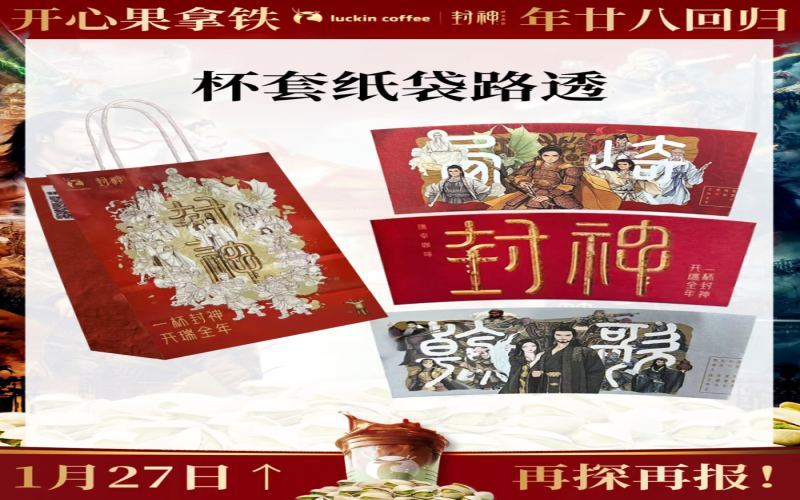
Luckin Coffee's collaboration with "Creation of the Gods II" featured a typo in its promotional materials, where "Xiqi" was mistakenly written as "Xiqi," sparking heated discussion among netizens.
Luckin Coffee's co-branding collaboration with the mythological film "Creation of the Gods II: Demon Force" had not yet officially launched when it drew widespread attention due to a typo on the cup sleeves. The cup sleeves, which should have borne the two characters "西岐" (Xiqi), were mistakenly printed with "西崎" (Xiqi). This error quickly fermented on social media. Netizens flooded online channels to call on Luckin Coffee officials, hoping for a swift recall and reprint. However, given the approaching Spring Festival, factory and logistics shutdowns for the holiday, and the film's release schedule, a reprint was nearly impossible. Ultimately, based on new merchandise photos shared by employees, Luckin appeared to have chosen to let the mistake stand and continued to roll out this batch of misspelled cup sleeves. This article will walk you through the entire sequence of events and also look at how brands like Front Street Coffee have performed with their co-branded merchandise. [more…]
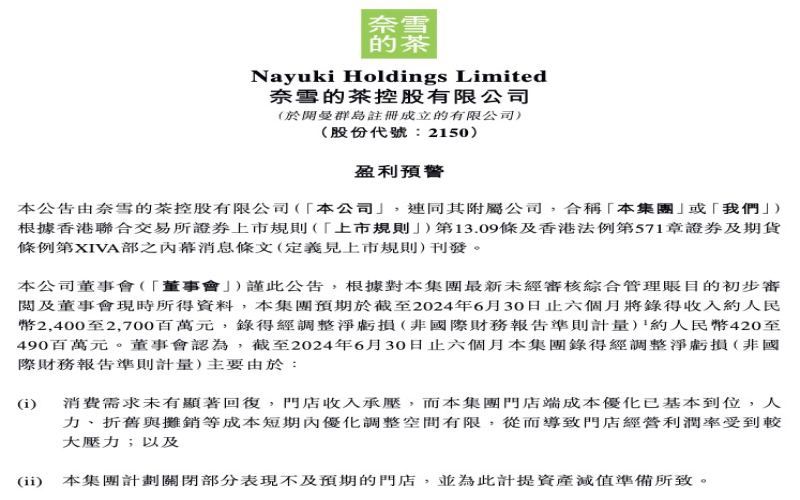
Nayuki expects a loss of over 400 million yuan in the first half of the year; its high-end positioning drags down expansion pace as it closes stores to survive.
Nayuki recently issued a profit warning, expecting revenue of approximately 2.4 to 2.7 billion yuan in the first half of 2024, with an adjusted net loss of approximately 420 to 490 million yuan. Facing weak consumer demand and limited room for cost optimization, this tea beverage brand once known for its high-end image is planning to close underperforming stores to cut losses and survive. It is worth noting that Nayuki's performance slowdown stems not only from the market environment but is also closely related to its own business strategy—store expansion has lagged severely, its high-end positioning has constrained its push into lower-tier markets, and price cuts have led to declining quality and loss of fans. This article will delve into the challenges Nayuki currently faces and whether it can reverse its brand crisis through measures such as overseas expansion. [more…]

Definition and Analysis of Pour-Over Coffee and the History of Instant Coffee Development: The Hazards of Non-Dairy Creamer and a Discussion of the Nanjing Auntie's Brewing Method
As specialty coffee becomes increasingly popular today, what exactly does pour-over coffee refer to as a brewing method? When a Nanjing auntie sparked heated discussion by making so-called "pour-over coffee" with instant coffee powder, it is worth starting from the historical context of coffee to re-examine the origins of instant coffee, the evolution of its processing technology, and why it has fallen from its former stardom to the bottom of the coffee hierarchy. This article will clarify the definitional boundaries of pour-over coffee, trace the development of instant coffee from military demand to Nestlé's spray-drying mass production method, explain the connection between non-dairy creamer and 3-in-1 instant coffee along with their health concerns, and review the special context and shifts in public perception when the first wave of coffee landed in China. Front Street will also share observations on the differences among various coffee audiences. [more…]
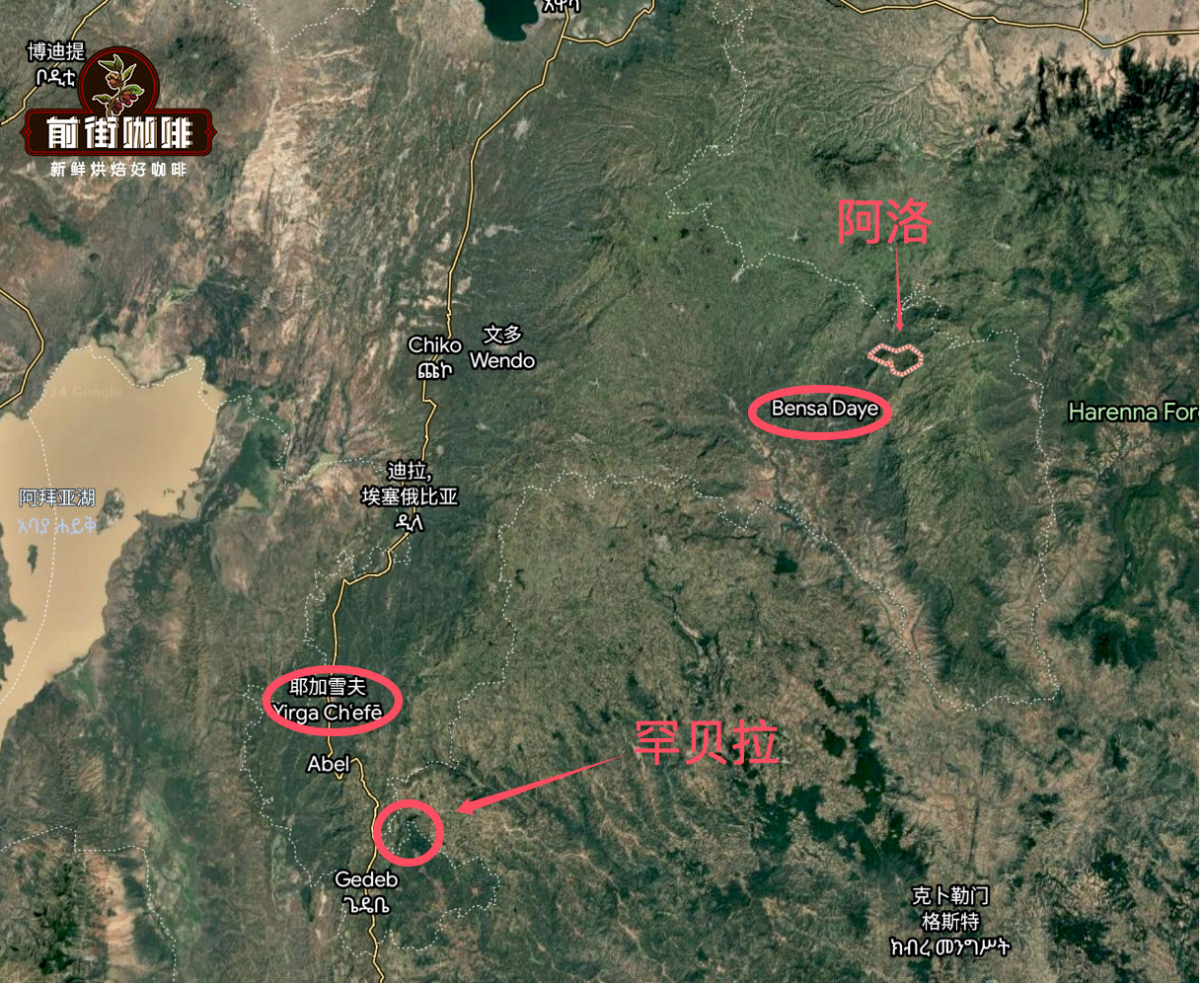
Sidamo Alo Village Coffee Beans alo coffee|Introducing the flavor characteristics of coffee beans from Alo Village, Bensa district, Sidamo, Ethiopia
Since the beginning of this year, a coffee origin called Alo Village has quickly risen to fame in coffee circles both at home and abroad, with extremely high exposure and discussion. In conversations with multiple roasters and buyers, Front Street Coffee has also clearly felt the continued rise in popularity of this origin. So, what is it about this suddenly "ubiquitous" Al [more…]