







Search Results for: recipe change
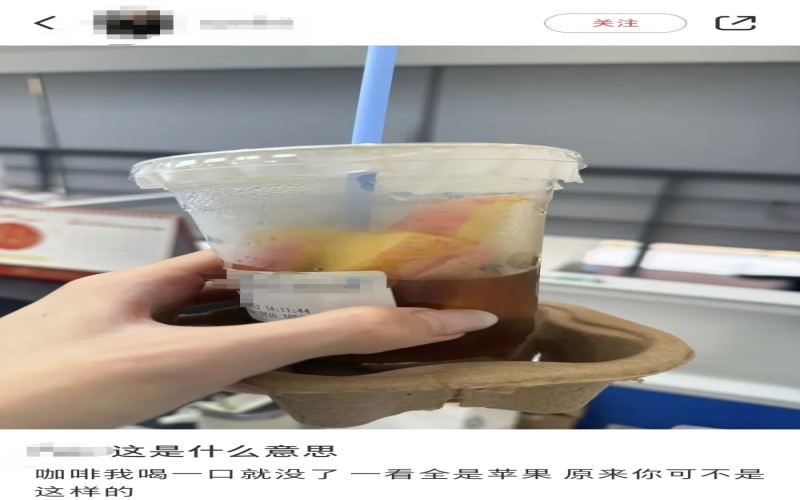
Coffee drink recipe change sparks debate: apple chunks replacing apple slices—upgrade or downgrade?
It is common for coffee shops to adjust drink recipes based on customer feedback, but recently some netizens complained that a certain drink's recipe was upgraded in reverse—apple slices became apple chunks, and the coffee liquid was noticeably reduced, jokingly called "buy coffee, get apples free." Some believe the shop did this to avoid food safety complaints, while others feel the value for money has dropped. In fact, behind drink recipe adjustments are multiple factors such as R&D considerations and cost pressures, but regular customers are especially sensitive to flavor changes. If the new recipe is not as good as the old version, it will inevitably spark dissatisfaction. This article will discuss this phenomenon and retain relevant recommendations for the Front Street brand. [more…]
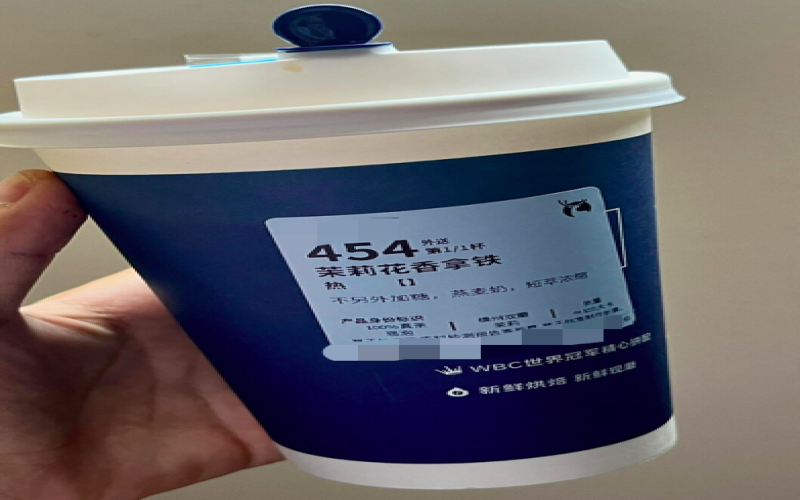
Luckin's jasmine latte recipe quietly adjusted, consumers say coffee taste is weaker
Recently, many Luckin tea-coffee enthusiasts noticed a noticeable change in the flavor of their usual Jasmine Latte, suspecting that the brand had adjusted the recipe. In March of this year, Luckin had just announced an upgrade to its light milk tea, switching from tea powder to freshly brewed tea, and the Jasmine Latte was improved accordingly, with a fresh tea aroma that blended well with the coffee, making it a daily must-order for many consumers. However, starting June 2, regulars reported that the drink tasted weaker, with the coffee flavor almost gone—some even described it as drinking milky tea water. Some customers noticed from the cup labels that the espresso notation had changed from "Espresso Concentrate" to "Short Extract Espresso," and staff also revealed that the ratios of tea, milk, and coffee had all been altered. This adjustment sparked widespread dissatisfaction, with an increase in negative reviews and complaints at stores, and loyal fans calling on the official brand to restore the original recipe. [more…]
Master the Three Extraction Variables to Easily Adjust Your Espresso Recipe
For baristas who work with espresso machines every day, adjusting the espresso recipe is a familiar daily routine. Only through repeated tasting and fine-tuning of the grind size and coffee-to-water ratio can you produce a truly satisfying cup. Starting from the basic principles of extraction, this article introduces the three core parameters of recipe adjustment—dose, yield, and extraction time—and explains why grind size is the only lever for changing the recipe. It also explores the origin of the 18–22% golden extraction range and how to use a refractometer to scientifically measure extraction results. Whether you are a coffee professional or a seasoned enthusiast, these methods can help you optimize your espresso recipe more rationally. [more…]

After the return of HEYTEA's Taro Mud Boba series, the recipe changed drastically, leaving both customers and stores confused.
At the turn of autumn and winter, Heytea relaunched its highly anticipated Taro Mud Boba series, made with Lipu taro from Guangxi, attracting many fans to place orders and taste it. However, just days after its return, some customers discovered that the recipe for "Taro Mud Boba Real Milk Tea" had changed without prior notice, with a large amount of sago unexpectedly added to the milk tea, affecting both the taste and the portion size. Store employees revealed that the recipe was urgently adjusted in the early morning, the amount of milk was reduced accordingly, and after-sales issues occurred frequently. This change sparked discussions among consumers about the brand's communication approach and product consistency. [more…]
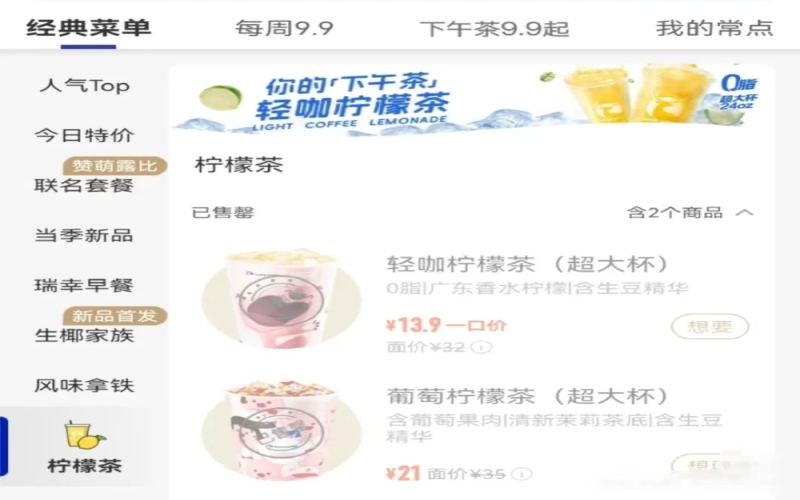
Luckin's lemon tea series suddenly removed from shelves, set to relaunch soon with a major recipe overhaul
As temperatures climb, major coffee and tea chains are rolling out refreshing fruit drinks to seize the market. Yet Luckin's Light Coffee Lemon Tea and Grape Lemon Tea have quietly been pulled from the menu at this very moment, catching many fans off guard. According to internal staff, this across-the-board removal stems from the brand's major overhaul of the recipe: the new version of the lemon tea will add lemon pulp, and the Light Coffee Lemon Tea will also include quick-frozen yellow lemon halves. The new recipe is set to relaunch within the next couple of days, but this adjustment has sparked sharply different reactions among employees and consumers. This article will sort through the sequence of events, the details of the recipe changes, and the genuine feedback from all sides, to give you a clear picture of the ins and outs of this change to Luckin's lemon tea. [more…]
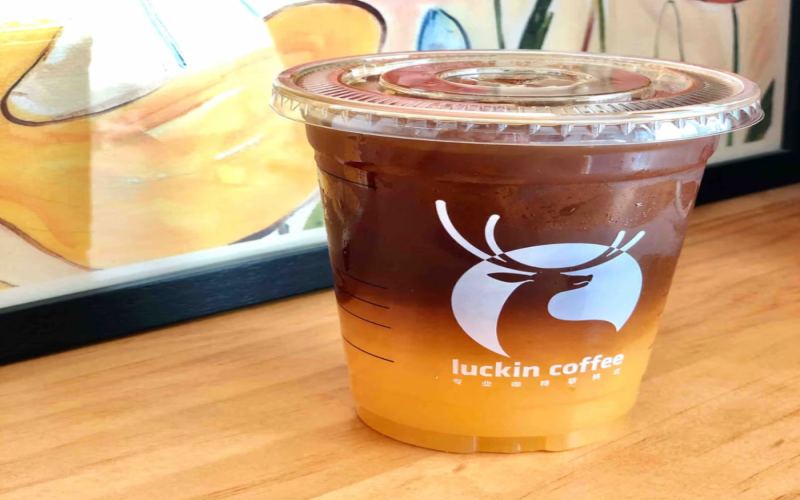
Luckin Orange C Americano Recipe Adjustment Sparks Controversy: Pulp Particles Appear, Longtime Fans Say the Taste Has Changed
Luckin's Orange C Americano has always been a sales leader in the brand's fruit coffee lineup, winning over light coffee drinkers with its refreshing sweet-and-sour taste. Recently, however, many loyal customers have noticed obvious pulp particles and sediment in the drink, and the taste has become sour, astringent, and cloudy, sparking speculation about a recipe change. Subsequently, an internal employee revealed that the ingredients of Orange C Americano had been replaced with quick-frozen orange pulp. Although the ingredient list is cleaner and the NFC content is higher, the presence of pulp components has altered the taste. Fans are not buying it, arguing that taste is the key to repeat purchases, and calling on the brand to revert to the original recipe. [more…]
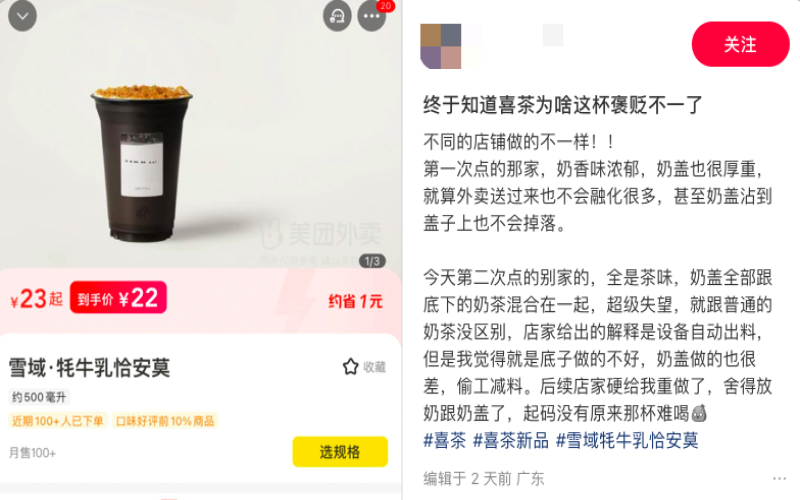
HEYTEA's Yak Milk Qia'an Mo was reported to have had its recipe adjusted the day after launch, with consumers noting a clear difference in flavor before and after.
Heytea's limited-time new product last month, Yak Milk Chaanmoo, quickly became popular thanks to the unique flavor of Tibetan yak milk, but was in short supply due to scarce ingredients. However, recently many repeat customers have found that the drink tastes very different from when they first tried it—the milky aroma has become weaker and the tea flavor more prominent. When verifying with store employees, they unexpectedly got the answer that "the recipe was changed on the morning of the second day after launch." Employees also revealed that further fine-tuning was done afterward. This silent recipe change has sparked consumer dissatisfaction, as they believe the actual taste does not match the promotional claims and that it may cause store employees to bear the misunderstanding of "cutting corners." [more…]
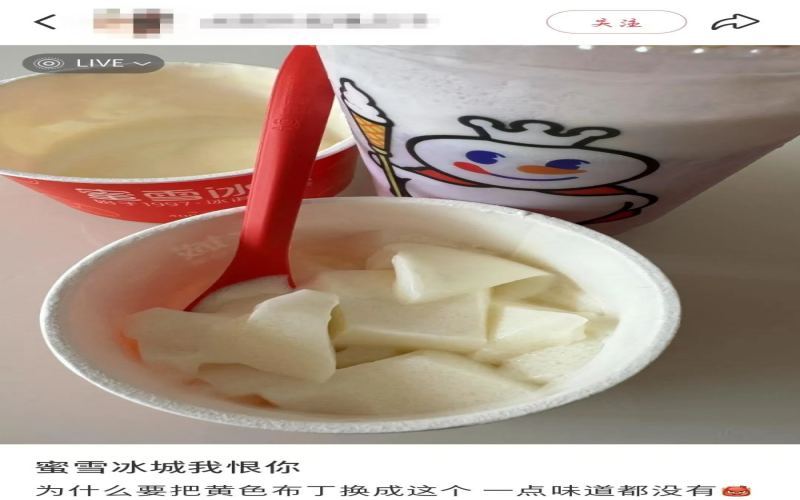
Mixue Ice Cream & Tea's Egg Pudding Quietly Changes Recipe, White Milk Pudding Launch Sparks Customer Controversy and Cost Discussions
Recently, a classic topping at Mixue Bingcheng—egg pudding—unexpectedly turned into a milky white milk pudding without any notice, surprising and even upsetting many longtime customers. Some complained about a strong milky odor and bland taste, while others speculated that the brand had changed the recipe to cut costs. However, store employees revealed that the new recipe actually uses more refined ingredients, requires the addition of fresh milk, slightly increases costs, and contains fewer additives. Behind this pudding color-change controversy, is it a healthy upgrade or a compromise on consumer taste? This article will walk you through the course of events, what employees say, and the overall direction of Mixue Bingcheng's topping recipe adjustments. [more…]
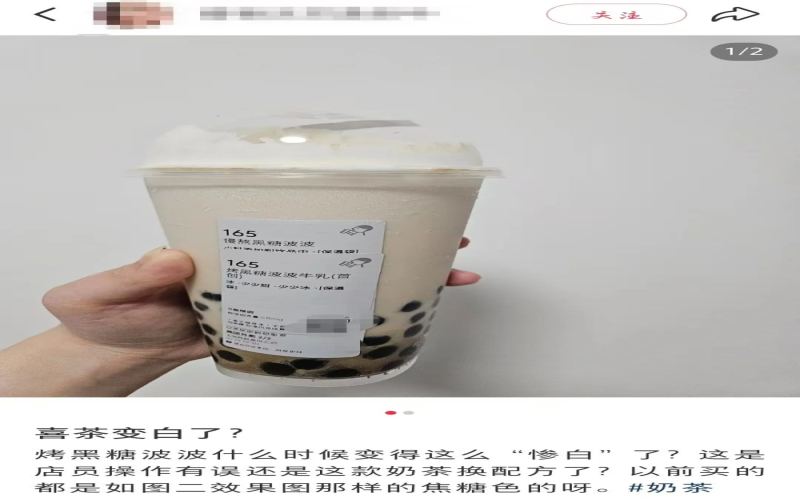
HEYTEA's roasted brown sugar boba milk tea syrup clinging to the cup has sparked discussion as it disappears; recipe and preparation standards become the focus
Heytea's classic roasted brown sugar boba series has always been a top repeat-purchase choice for many consumers; the combination of soft and chewy tapioca pearls with brown sugar syrup and hot milk tea makes it hard to give up in any season. However, recently, many enthusiasts across the country have noticed that the brown sugar boba milk tea they received has visibly "turned white" in appearance. The signature dark brown syrup coating that used to cling to the cup wall is no longer visible, and the boba no longer sinks to the bottom together with the brown sugar syrup, but instead floats distinctly as separate particles suspended in the milk tea. This change quickly sparked discussion: is it caused by the syrup dissolving due to stirring in a hot drink, or has the brand quietly adjusted its ingredients and formula? Heytea staff give differing accounts, while the official account denies any formula change and attributes the cause to some stores failing to prepare it according to standard. This article compiles consumer feedback and responses from various parties, and includes relevant recommendations from Front Street Coffee, for the reference of coffee and tea beverage enthusiasts. [more…]

Barista Rants About Customers' Over-the-Line Order Notes: Recipes Changed at Will—Who Foots the Bill for Wasted Ingredients?
When ordering at a coffee shop, many customers are in the habit of writing personalized requests in the remarks section, from no ice or less ice to adjusting the number of syrup pumps, and these operations are still manageable for baristas. However, when the remarks escalate into requests to add extra ingredients outside the recipe, even down to precise milliliters and spoon counts, coffee workers find themselves in a dilemma. On the one hand, they worry that refusing will lead to a bad review; on the other, they face accountability pressure from material loss. This contradiction is especially prominent in chain brands with strict material controls. This article will take an in-depth look at the real dilemma behind this phenomenon and present the true voices of baristas. [more…]
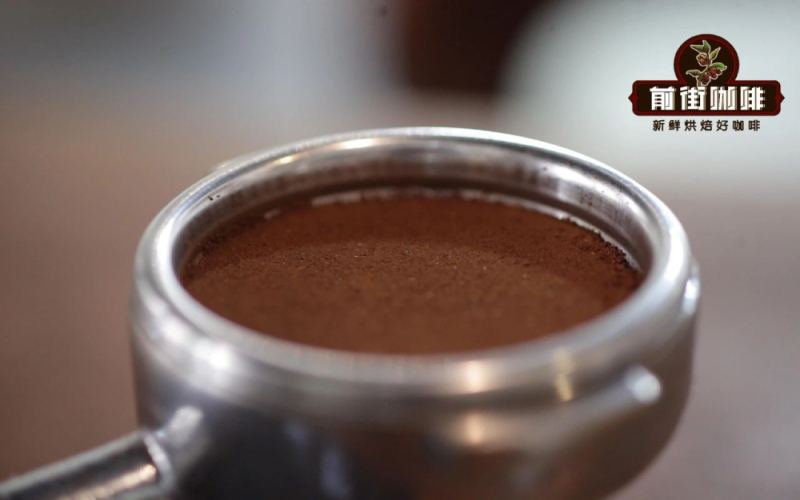
Espresso Recipe Adjustment Guide: Mastering Flavor Balance from Dose and Yield to Time Control
To consistently produce a delicious espresso every day, morning parameter calibration is an essential task. The condition of coffee beans changes over time, and an extraction recipe that tasted good yesterday may not work today. Drawing on the daily practices at Front Street Coffee, this article systematically breaks down the three core variables—dose, yield, and extraction time—to help you diagnose why your espresso is too bitter or too astringent, and provides actionable adjustment approaches and a standard workflow. [more…]

Cappuccino Milk Foam Thickness Standards and Texturing Analysis: From Classic Recipe to Modern Evolution
As a representative of Italian milk coffee, the thickness and degree of frothing of cappuccino's milk foam have always been a core concern for coffee enthusiasts. Starting from the classic 1:1:1 recipe, this article traces the evolution of cappuccino across different historical periods, analyzes the reasons behind the change in milk foam thickness from 2.5cm to 1-2cm, and explores the influence of latte art culture on the form of takeaway cappuccino. At the same time, drawing on the practical experience of Front Street Coffee, it explains how a small cup size, filling to 11 parts, a rich coffee flavor, and dense milk foam together constitute the essential characteristics of cappuccino, helping readers understand the positioning and identification methods of this classic beverage in the modern coffee environment. [more…]
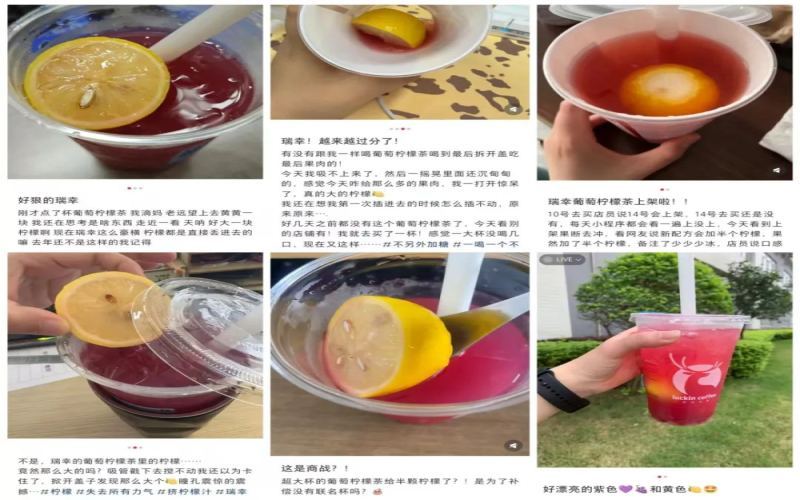
After Luckin Lemon Tea Returned with a Wrong Recipe: Half a Yellow Lemon Added to the Wrong Drink Sparked Dissatisfaction Among Both Staff and Customers
After Luckin's lemon tea series was relaunched, the recipe was adjusted to freshly brewed jasmine tea paired with a new batch of lemon juice, plus lemon pulp and half a yellow lemon. However, this half yellow lemon was supposed to appear only in the light-caffeine lemon tea, but due to an employee's operational error, it was mistakenly added to the grape lemon tea, sparking a wave of complaints and criticism. Customers received a pale purple drink that should never have contained yellow lemon, while employees were miserable because the recipe was cumbersome and prone to errors during peak hours. This article will sort through the operational pressure behind this recipe revision, the changes in consumer experience, and the shared call from both employees and customers regarding whether the yellow lemon should stay or go. [more…]

The Standard Cappuccino Recipe and the Evolution of Milk Foam: From the 1:1:1 Ratio to the Golden Ring, Teaching You How to Taste It Correctly
As a classic milk coffee, the cappuccino's definition and form have undergone centuries of evolution. From the Kapuziner of 18th-century Vienna to the modern version reshaped by Italians with espresso and steamed milk foam, the cappuccino's recipe, foam thickness, and drinking method have been constantly changing. The most widely circulated 1:1:1 ratio, the iconic golden ring, and the thin-foam trend brought about by latte art all reflect the shifting tides of coffee culture. This article will sort out the cappuccino's origins, old-school methods, and contemporary changes, and share Front Street Coffee's understanding of this classic drink, helping you gain a more comprehensive understanding of a qualified cappuccino. [more…]

Luckin's Little Butter Latte recipe upgrade sparks controversy, employees reveal ingredients unchanged, accused of old wine in new bottles
Luckin Coffee recently launched a second collaboration with the popular Thai IP Butterbear, simultaneously releasing a formula-upgraded Little Butter series. The company claims the new version replaces the ingredient from New Zealand anhydrous butter to French President butter, resulting in a richer taste. However, consumer feedback after actual testing is polarized: some believe it is indeed more refreshing, while more people say they cannot taste the difference, and some even question whether it is sweeter. Multiple Luckin employees have revealed that the ingredient formula has not changed at all—only the packaging has been updated. This "upgrade" controversy has disappointed fans and raised questions about whether Luckin's collaboration strategy has fallen into the trap of rehashing old ideas. [more…]
Affogato Recipe and How to Enjoy It Properly: Is Vanilla Ice Cream Indispensable?
Affogato is a classic Italian coffee dessert, named for the way espresso "drowns" ice cream, and today it can be found in cafes and restaurants around the world. This article will provide a comprehensive analysis of this dessert that blends hot and cold, from the controversies over affogato's origins, the standard method of preparation, variations in the selection of ice cream and coffee, alcoholic versions, to simple home recipes and future development trends. Whether you want to know whether it counts as a dessert or a drink, whether you can substitute other flavors when you don't have vanilla ice cream, or how to easily recreate it at home, you will find practical answers in this article. [more…]

A Complete Analysis of Pour-Over Coffee Parameters: Practical Calculations and Adjustment Approaches for Coffee-to-Water Ratio, Water Temperature, Grind Size, and Pouring Scheme
Getting a coffee brewing recipe doesn't mean you can replicate the same flavor—just like cooking from a recipe, the heat and details often determine success or failure. This article breaks down the role and adjustment logic of each parameter in pour-over coffee, from coffee dose, coffee-to-water ratio, grind size, and water temperature to pouring scheme. Front Street Coffee, drawing on practical experience, shares the commonly used 1:15 ratio, the 86-93℃ water temperature range, and how to flexibly change the number of pouring stages based on extraction time, helping you quickly find the right direction when facing extraction problems. [more…]
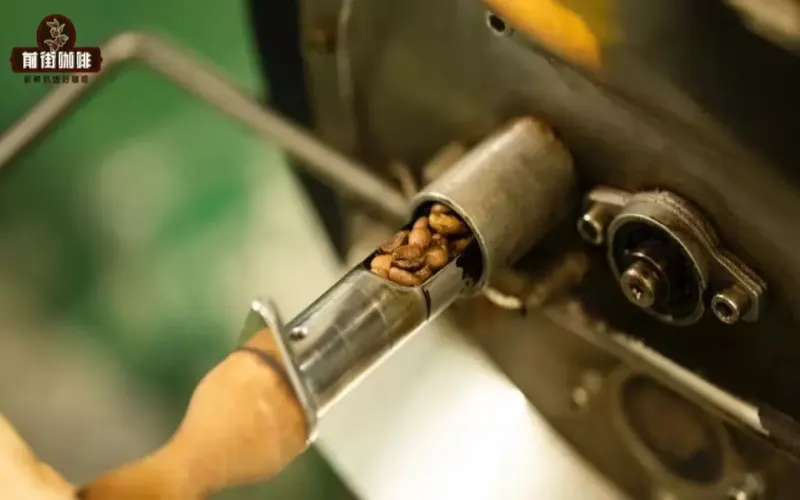
An Analysis of the Differences Between Pre-Roast and Post-Roast Blending for Espresso Blends, with a Discussion of Blend Recipe Design and Tasting Methods
Espresso coffee beans are usually made by blending a variety of coffee beans, and in Italy, a bag of beans may contain several or even dozens of beans from different origins. The core value of blending lies in maintaining flavor stability: when a certain bean's quality fluctuates, its production declines, or its price rises, the roaster can substitute it with beans of similar quality without changing the overall taste. Blending methods are mainly divided into two types: pre-roast blending and post-roast blending, each with different operational logic and suitable scenarios. This article focuses on the differences between these two blending methods, while also explaining the influence of roast degree on flavor, the reasons why single-origin beans find it difficult to independently serve as an espresso base, and recommending three classic espresso blend products from the Front Street Coffee brand, to help coffee enthusiasts understand the design approach and tasting direction of blend recipes. [more…]

Tim Hortons embroiled in shrinkage controversy: Farmer's Wrap and coffee portions alleged to have shrunk, official denies changing recipes
As a Canadian national chain brand, Tim Hortons has recently faced frequent consumer complaints on social media, with the focus on the seemingly shrunken portions of its breakfast Farmer's Wraps and coffee drinks. Many netizens have posted photos pointing out that the Farmer's Wraps are now almost half their previous size, while the price has remained the same or even increased. At the same time, the capacity of large coffees has also been questioned as having shrunk. In response to the doubts, Tim Hortons officially denied making any portion adjustments, attributing the visual differences to the packaging style and wrapping method changed earlier this year, and stating that the new packaging reduces paper box raw materials by 75%. However, when the media requested the 2022 nutrition guide for comparison, the company did not respond. This debate over "shrinkflation" is drawing widespread attention from coffee enthusiasts and chain restaurant observers. [more…]
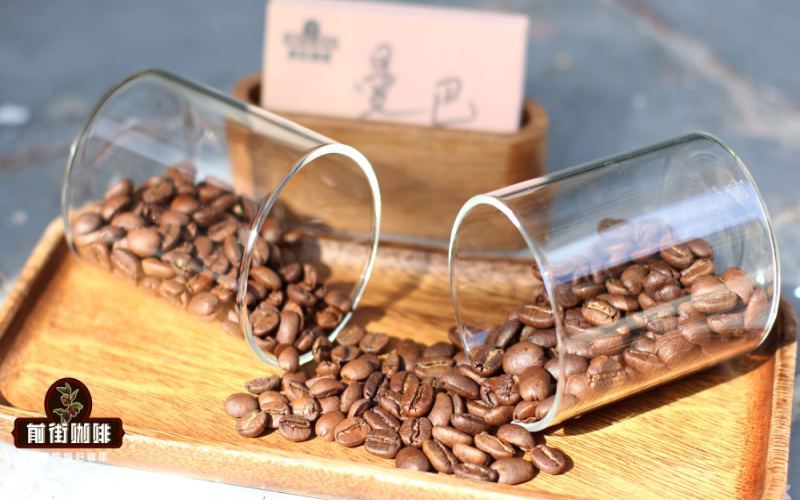
Mamba Espresso Full Analysis: Blend Origins, Flavor Profile, and Front Street Coffee's Classic Recipe Extraction Guide
Mamba coffee is a classic blend commonly found in early Taiwanese coffee shops, composed of Indonesian Mandheling and Brazilian coffee beans, intended to complement each other's strengths and balance the flavor. This article starts from the respective characteristics of Mandheling and Brazilian beans, sorts out the origin and flavor logic of the Mamba recipe, and, in conjunction with Front Street Coffee's Italian Classic Blend coffee beans, introduces its blend composition, extraction parameters, and latte-making method. Whether you want to know whether Mamba coffee tastes good or are looking for coffee beans suitable for espresso machines and latte art, you can find references in this article. [more…]