







Search Results for: pump type
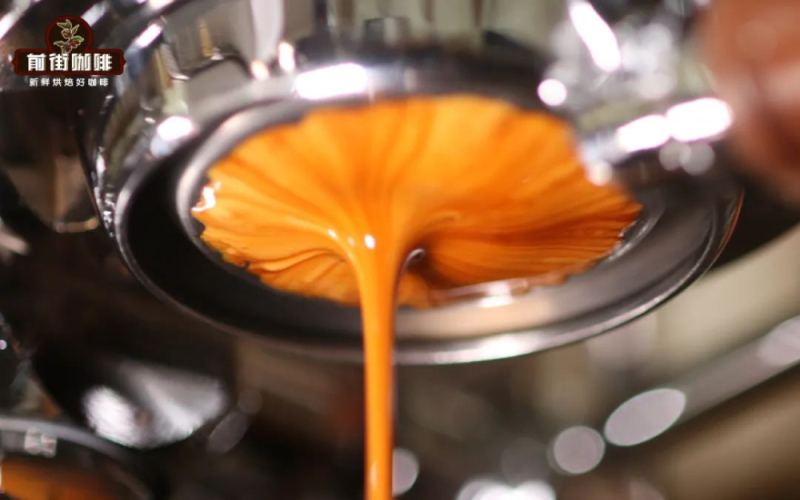
Why Is Espresso Extraction Pressure Locked at 9 Bar? A Complete Analysis from Pump Principles to Flavor Comparison
In espresso extraction, pressure is an often overlooked yet crucial parameter. Starting from Front Street Coffee's extraction practices, this article first sorts out the five core elements—coffee beans, dose, ratio, grind size, and time—and then takes a deeper look at how pressure affects espresso flavor. You'll learn the difference between pump pressure and extraction pressure, the differences between vibratory pumps and rotary pumps, and a practical comparison of coffee performance at three pressures: 6 bar, 9 bar, and 11 bar. The article also traces the origins of 9 bar becoming the industry standard and explores the new possibilities that variable pressure extraction brings for flavor adjustment. [more…]
From Grinding to Temperature Control: Systematically Master the Seven Core Elements of Stable Espresso Extraction
To consistently make a delicious Espresso at home or in a shop, relying on feel alone is far from enough—you need to understand and control several key variables. This article breaks down the hardware and operational points that affect espresso quality one by one, from grind uniformity, fixed dose, and tamping technique, to brewing pressure, water temperature, extraction yield, and machine materials. Whether you use a flat burr or conical burr grinder, a vibration pump or rotary pump, you can find practical adjustment ideas here. The article also shares Front Street Coffee's practical suggestions on equipment selection and parameter settings, helping coffee enthusiasts avoid detours and make every shot of espresso closer to the ideal state. [more…]
From Drip to Semi-Automatic: A Beginner's Guide to Coffee Machine Selection and Analysis of Home Model Recommendations
Faced with a dazzling array of coffee machines, many enthusiasts don't know where to start. This article systematically sorts out the classification logic of coffee machines—by extraction method, they fall into three major categories: traditional drip, Italian-style high-pressure pump, and capsule; by operation mode, they are further divided into fully automatic and semi-automatic. The article analyzes the structural characteristics, output quality, and suitable users of each type of machine one by one, and focuses on home semi-automatic coffee machines, offering purchasing recommendations ranging from 300-yuan toy machines to 50,000-yuan ultimate enthusiast dream machines, covering popular models such as Cancun, Matrix, Huijia, NOUVA OSCAR, Expobar E61, LASPAZIALE S1, and Lamarzocco GS3 MP. Finally, it adds practical knowledge such as coffee bean preservation and bean resting periods, helping readers find a balance between budget and quality. [more…]
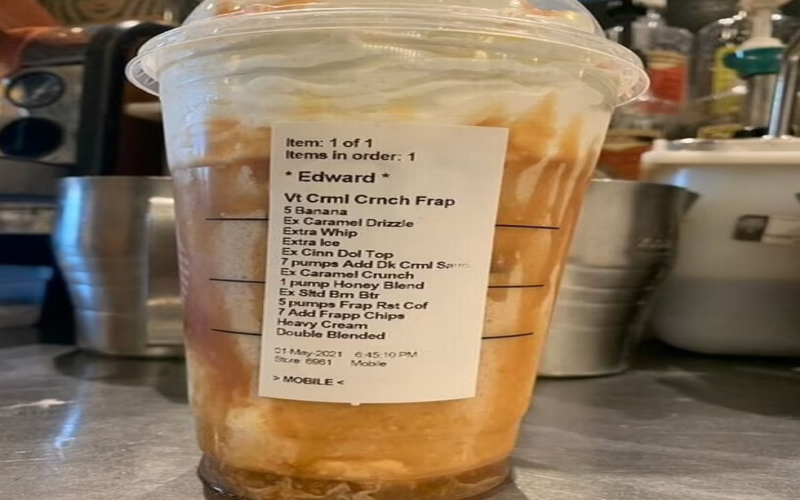
Starbucks Barista Fired for Complaining About a Super-Complex Order: The Controversy and Settlement Behind the Secret Menu
The Starbucks secret menu once led baristas to learn how to make over 170,000 customized drinks, but the extremes of personalized orders are sparking controversy. An American barista was fired for exposing a customer's 13-request order on social media, then apologized in person and settled the matter. The incident reflects the complex ordering trend fueled by TikTok, where customers pay extra fees but turn baristas into "drink-making robots," and during peak hours, it slows down service even more. This article will walk you through the full story of this uproar and focus on the issues of privacy and respect between baristas and customers. [more…]
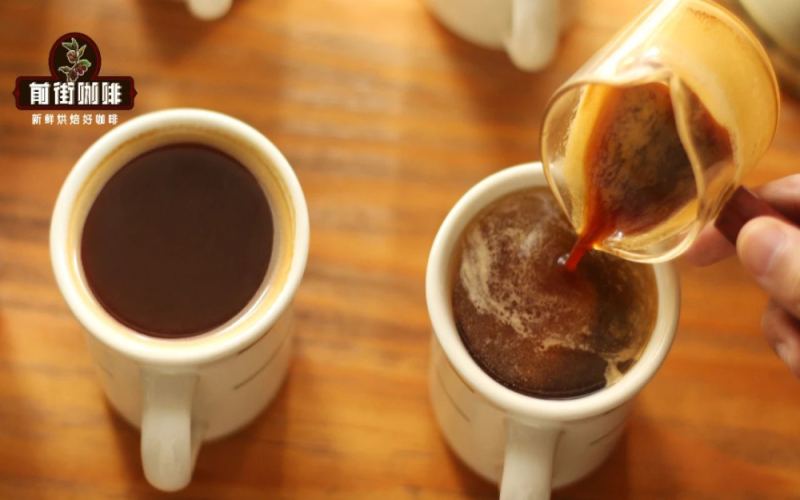
Commercial Americano Coffee Bean Recommendations | What Types of Espresso Are There? Which Espresso Blends Make Good Americanos? How to Drink Americano Black Coffee
For more specialty coffee knowledge, please follow: Front Street Coffee (Frontsteet Coffee) What is the correct way to drink Americano? Front Street's baristas are occasionally asked such tricky questions by some customers, and every time this happens, Front Street tells them, just taste it with your heart and it's good if you enjoy it. Actually, front [more…]
Why Is the Standard Espresso Extraction Pressure 9 Bar? Front Street Coffee Analyzes How Pressure Affects Coffee Flavor and Crema
In espresso extraction, pressure is often glossed over, yet it is a core parameter that determines the direction of flavor. When Front Street Coffee shares espresso knowledge, it repeatedly emphasizes the five key factors: coffee beans, dose, ratio, grind size, and time. But what truly dictates espresso quality is also pressure. This article starts by distinguishing pump pressure from extraction pressure, compares extraction performance at 6 bar, 9 bar, and 11 bar, explains why 9 bar has become the recognized standard, and retains product information for Front Street Coffee's Black Cocoa Base Blend and Queen's Estate, helping coffee lovers understand pressure profiling and the trade-offs in concentration. [more…]

A Detailed Explanation of the Causes and Adjustment Methods of Espresso Machine Extraction Pressure Fluctuations
Espresso serves as the base for drinks like lattes and Americanos, and the golden, velvety layer of crema on its surface has always been a focal point for coffee enthusiasts. To consistently achieve ideal crema performance, controlling extraction pressure is crucial. Starting from Front Street Coffee's practical experience, this article first explains the principle behind espresso crema formation, then discusses the impact of 9 bar pressure on extraction efficiency, followed by an analysis of the specific symptoms of insufficient or excessive pressure in espresso machines, and finally outlines the common causes of insufficient pressure. Whether you use a vibration pump or a rotary pump model, you can find ideas for troubleshooting and adjusting pressure, ensuring every cup of espresso maintains consistent quality. [more…]
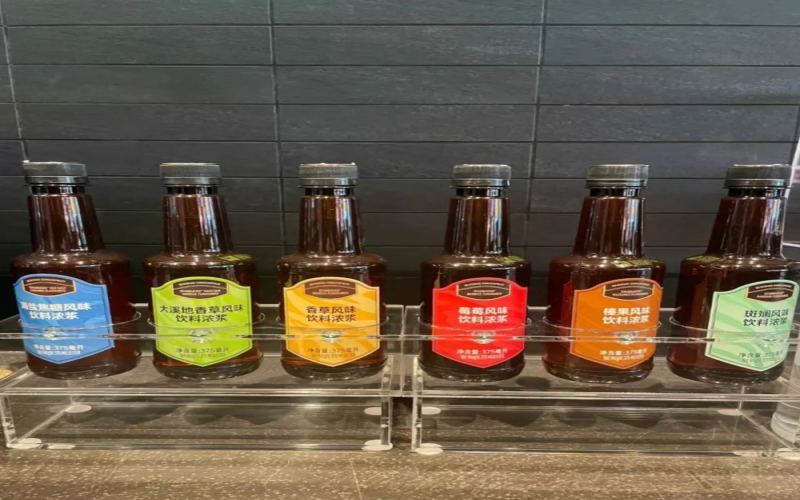
Starbucks' revised sweetness standards in its ordering system spark heated debate: consumers and baristas alike say they're not used to it
Recently, Starbucks has rolled out a major syrup reform in China, splitting flavored syrups into two parts: flavor and syrup, so that customers can separately choose flavor concentrates and sweetness levels. The new rules appear to meet the needs of sugar-conscious consumers, but after launch they triggered a wave of complaints: the old version's function of freely adjusting syrup by number of pumps was canceled, replaced by three major categories—classic sugar, zero-calorie sweetener, and no added sugar—along with two sub-options: less sweet and standard sweet. Customers accustomed to ordering by number of pumps are saying they no longer know how to order, and baristas are also getting headaches from the complicated labels. What exactly are the inconveniences brought by this revamp? What is the real feedback from users and baristas? This article takes you through it. [more…]
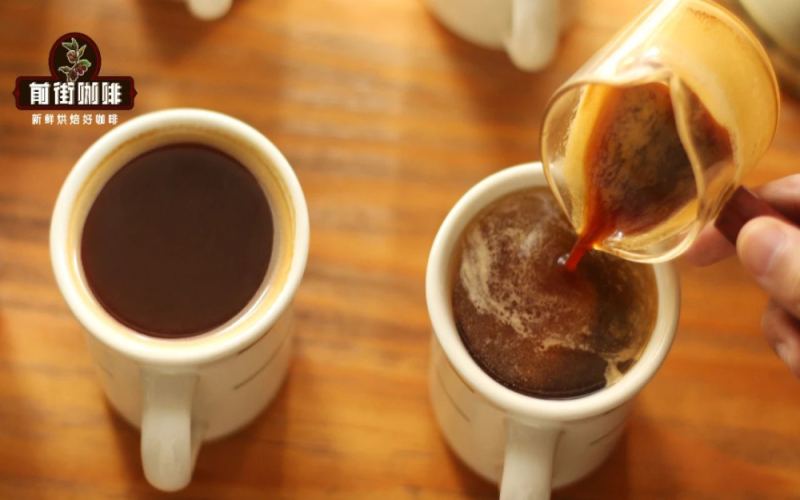
How to Choose Beans for Americano? The Difference Between Espresso Blends and Single-Origin Beans, Plus an Analysis of Front Street Coffee's Popular Recipes
Americano seems simple—just espresso diluted with water—but the final flavor can vary dramatically, and the key lies in the choice of coffee beans. This article begins with the historical origins of Americano, tracing the development of both the drip method and the espresso-with-water method, then takes a deeper look at the flavor differences between espresso blends and single-origin beans (SOE). It also introduces the recipe characteristics and suitable scenarios of several Front Street Coffee espresso beans, including the Commercial Blend, Warm Sun Blend, Specialty Blend, and Classic Espresso Blend, along with basic knowledge of espresso extraction principles and how a coffee machine works, helping coffee lovers find the cup of Americano that suits their taste. [more…]
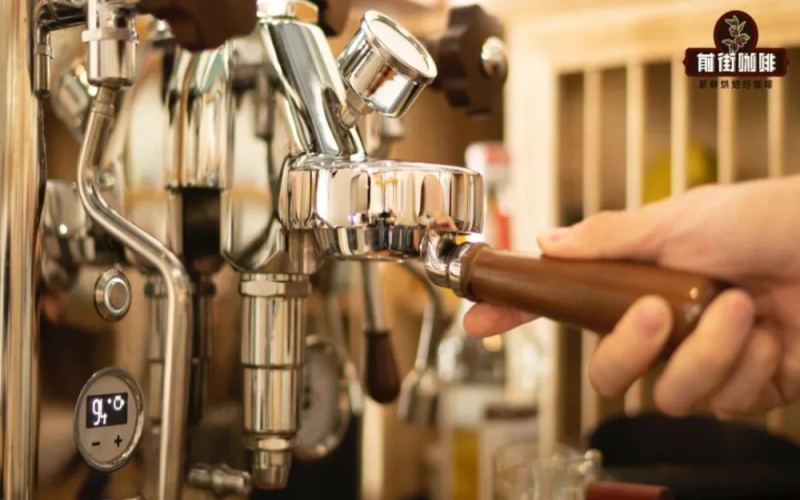
Why Is 9 Bar the Standard for Espresso Extraction Pressure? Measured Differences Between 6 Bar and 11 Bar and Ideas for Parameter Adjustment
In the extraction parameters of espresso, pressure is often regarded as a variable that is not easy to adjust but has far-reaching effects. This time, Front Street Coffee focuses on this "hidden key player"—extraction pressure. The article first clarifies the difference between extraction pressure and pump pressure, then through three comparison experiments at 6 bar, 9 bar, and 11 bar, demonstrates how pressure changes affect flow rate, time, and flavor performance. It then explains why 9 bar has become the factory default for coffee machines, and the burnt bitterness that may result from pressures above 10 bar. Finally, it briefly mentions the trend of variable pressure extraction, providing coffee enthusiasts with a clear reference for understanding pressure and parameter adjustment. [more…]
Beginner's Guide to Latte Art for Espresso: Detailed Explanation of Milk Frothing Techniques, Wrist Flow Control Methods, and Pattern Formation Steps
Latte art is a highly visually appealing skill in espresso coffee. From cappuccino to latte, the patterns created by the delicate milk foam blending with espresso always catch the eye. For beginners new to espresso, latte art is not just a visual presentation; it also tests a comprehensive grasp of milk foam texture, timing of integration, and wrist control. This article will systematically organize the origin and development of latte art, explain in detail the key steps of milk frothing and latte art operation, and provide practical advice for common mistakes made by beginners, helping you understand and practice this professional skill from scratch and gradually make a cup of latte art coffee that excels in color, aroma, and taste. [more…]
Where Does the Nutty and Chocolatey Flavor of Americano Coffee Come From? A Chat About the Extraction Principles of Espresso and the Art of Bean Selection
Americano seems simple—just espresso diluted with water—but there is actually a great deal of knowledge behind it. Many people wonder why some Americanos have nutty and chocolatey aromas. This is in fact closely related to the choice of coffee beans, the blending method, and the espresso extraction process. From the perspective of Front Street Coffee, this article reviews the origin and evolution of Americano, explains the working principle of espresso machines, and shares the flavor differences brought by different blended beans. Whether you are a beginner who has just encountered specialty coffee or a seasoned coffee lover who wants a deeper understanding of espresso, you can find practical information worth referencing here. [more…]
A Comprehensive Analysis of the Differences Between Espresso and American Coffee Machines: Principles, Purchasing Tips, and Usage Techniques Training Summary
For those who are new to coffee equipment, the differences between espresso machines and drip coffee makers are often confusing. This article systematically breaks down the characteristics of the two types of machines, from how they work, extraction methods, and price ranges to buying advice, and offers reference opinions for both home and professional scenarios. At the same time, the article also compiles common troubleshooting for espresso machines, the steps for making milk foam, and key details in choosing a drip coffee maker such as materials, water outlet holes, and temperature control, helping coffee lovers make more suitable judgments when buying and using them. Content involving Front Street brand recommendations mentioned in the article will also be retained for readers' reference. [more…]
The Three Fundamental Conditions for a Good Cup of Coffee and a Full Analysis of the Differences Between Arabica and Robusta Coffee Bean Varieties
To brew a satisfying cup of coffee, three things are indispensable: the ingredients, the equipment, and the technique. This article begins with coffee bean varieties, systematically sorting out the differences between Arabica and Robusta in growing environment, harvesting methods, caffeine content, taste, and processing techniques. It then goes deeper into the roasting stage, storage key points, and extraction parameters, and compares the actual performance of pump-pressure and drip-filter coffee machines. Finally, it introduces the characteristics of six major categories of electric coffee machines, helping coffee enthusiasts build a comprehensive knowledge framework from bean selection to the final cup. [more…]
A Complete Guide to Buying Coffee Equipment and Coffee Machine Maintenance
To make a good cup of coffee at home or in a shop, choosing the right equipment and doing daily maintenance are equally important. This article systematically sorts out the key points for purchasing common coffee equipment, from Turkish coffee pots, Neapolitan flip brewers, and siphon brewers to semi-automatic espresso machines, water drip coffee makers, American coffee machines, and moka pots, including the suitable roast levels and grind sizes, and also provides reference prices and purchasing suggestions for commercial equipment. At the same time, it explains in detail the cleaning process for coffee machines, the backflushing steps, and the precautions for using glass equipment, helping coffee enthusiasts and professionals extend equipment lifespan and maintain consistent product quality. [more…]
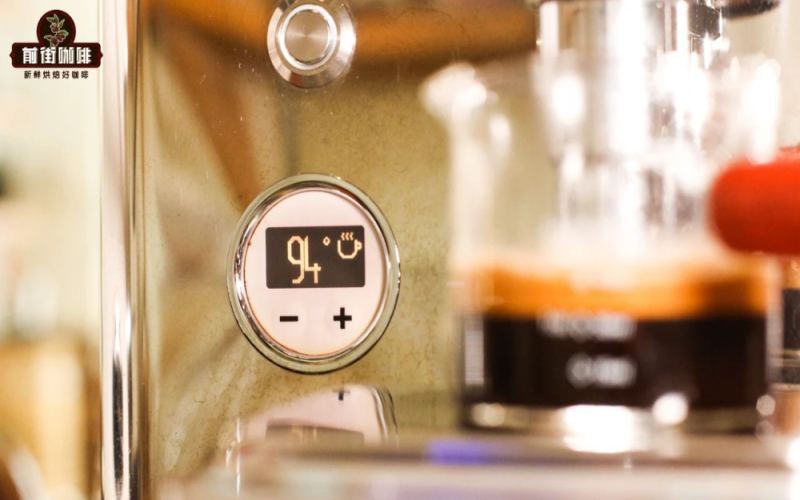
A Detailed Explanation of the Principles and Operation of Semi-Automatic Espresso Machines, with a Front Street Coffee Espresso Bean Buying Guide
The semi-automatic espresso machine is the core equipment of a professional coffee shop. With its high-pressure pump and independent boiler system, it can quickly extract rich, flavorful espresso. This article will walk through the machine's principles, boiler structure, suitable bean selection, and the complete extraction workflow step by step, helping coffee enthusiasts understand how a semi-automatic espresso machine works and the key operational points. At the same time, drawing on several Front Street espresso blends, it explains how coffee beans with different flavor profiles perform in actual preparation, covering methods for making espresso, Americano, and latte, as well as notes on fine-tuning daily parameters. [more…]
How to Choose a Home Espresso Machine? What Coffee Beans and Brewing Process to Pair with De'Longhi, Gemilai, and Philips
Thinking about adding an espresso machine to your home but not sure where to start? This article covers the practicality of home espresso machines, the characteristics of mainstream brands, key purchasing considerations, and coffee bean pairings. It includes positioning and price references for common models from De'Longhi, Philips, EUPA, Gemilai, and others, along with beginner-friendly Front Street espresso bean recommendations and a complete espresso brewing process. Whether you're just getting started or preparing to upgrade your equipment, you'll find practical answers here. [more…]
How to Choose a Home Espresso Machine? What Coffee Beans Pair Best with De'Longhi, Philips, and Gemilai
Thinking of adding an espresso machine to your home but not sure where to start? The market is crowded with brands—De'Longhi, Philips, and Gemilai each have their fans—and prices range from two or three hundred to two thousand yuan. Buying the machine is only the first step; what really determines the flavor in your cup is the coffee bean pairing. This article sorts out the mainstream home espresso machine models and their positioning, includes buying tips and a complete operating procedure, and offers specific advice for the bean-selection dilemma beginners face most often, helping you avoid detours and consistently produce a decent espresso at home. [more…]
A Comprehensive Review of Fully Automatic and Semi-Automatic Coffee Machine Brands: Comparing De'Longhi, Saeco, Jura, and More
There are many coffee machine brands on the market, from fully automatic to semi-automatic, each with its own positioning and features. This article systematically reviews fully automatic brands such as Delonghi, GAGGIA, Saeco, JURA, Krups, RayStar, and Solis, as well as semi-automatic brands including Rancilio, Nuova, Conti, la pavoni, la Cimbali, Reneka, sanremo, Expobar, Monroc, Wega, and Brasilia, covering each brand's main models, reference prices, core functions, and market reviews. Whether you are just starting out and looking to choose a home machine, or planning to add equipment for a coffee shop, you will find valuable references here. At the end, the article also provides a categorized summary based on recommendation level, making it easy to quickly identify the model that suits you. [more…]
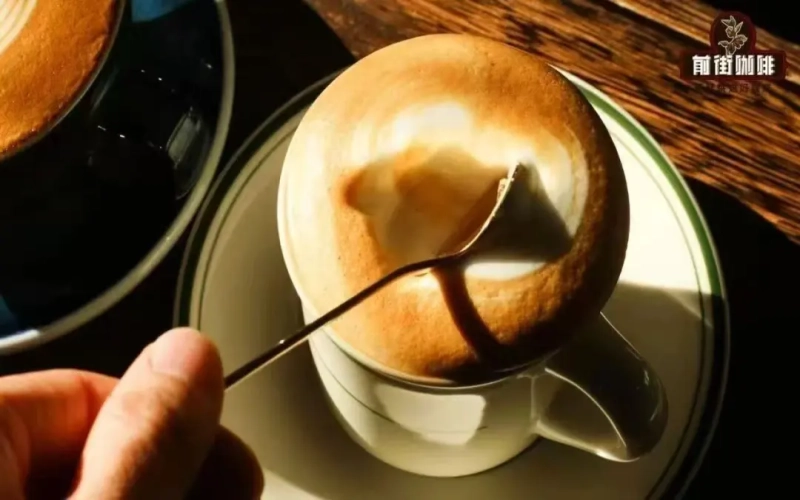
Easily Make Cappuccino at Home: A Complete Guide to Espresso Extraction and Thick Milk Foam, Master Hot and Iced Drink Steps at Once
As a classic representative of Italian milk coffee, cappuccino is deeply loved for its rich, mellow, dense, and smooth taste. Although it has similar ingredients to a latte, the differences in ratio and milk foam thickness bring a completely different taste experience. In this article, Front Street will share in detail how to make a delicious cappuccino at home, covering how to obtain espresso (coffee machine or moka pot alternatives), various ways to froth thick milk foam (electric frother, French press), and the specific assembly steps for hot cappuccino and iced cappuccino. It also recommends two coffee beans, Front Street Classic Blend and Grana Geisha SOE, to help you perfectly recreate the traditional Italian flavor at home. [more…]