







Search Results for: portrait rights
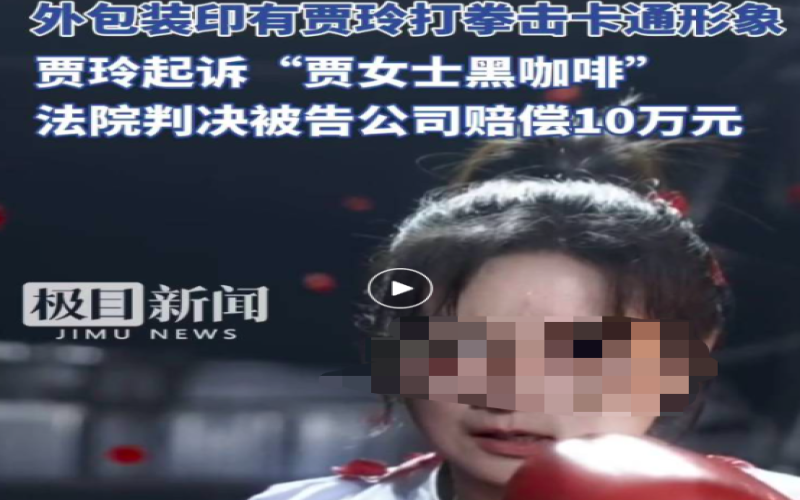
Jia Ling Wins Infringement Case Against "Ms. Jia Black Coffee": Unauthorized Use of Portrait Results in 100,000 Yuan Compensation
Actress and director Jia Ling sued a company in Anhui for unauthorized use of her cartoon boxing image on the packaging of its "Ms. Jia Black Coffee" and implying weight-loss benefits. Recently, the Qiaocheng District Court in Bozhou, Anhui, ruled that the defendant infringed Jia Ling's portrait rights and ordered it to stop producing the infringing product, issue a public apology, and pay 100,000 yuan in compensation for economic losses. The case stemmed from the box-office success of the film YOLO, when some merchants promoted black coffee products under the guise of "Jia Ling's same style," while the film's official team repeatedly clarified that it had never authorized any endorsement of fat-reducing products. This article reviews the course of events and the key points of the ruling, while reminding consumers to view celebrity-endorsed coffee marketing rationally. [more…]
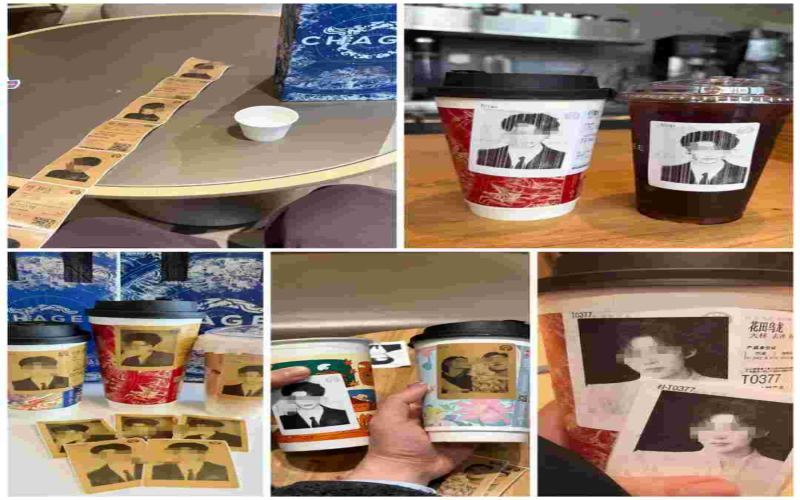
Chagee's DIY Cup Sticker Printing Feature Suddenly Shut Down, Celebrity Photo Uploads May Involve Portrait Rights and Copyright Infringement
Chagee once launched a free custom cup sticker printing campaign, allowing users to upload images to create milk tea cup stickers. However, many fans used third-party tools to bypass the review process and printed photos of celebrities such as Zhang Linghe as cup stickers, sparking widespread discussion online. Recently, the official function for printing cup stickers was suddenly shut down, with the page displaying "Custom Fu Stickers Are Being Upgraded," catching many fans who had not yet printed their exclusive cup stickers off guard. Lawyers pointed out that unauthorized reproduction of photographic works carries infringement risks, and if used for dissemination, exchange, or sale, it clearly infringes on celebrities' portrait rights and photographers' copyrights. The brand may also bear joint liability for failing to establish an effective review mechanism. This article sorts out the entire incident and analyzes the legal issues and responsibilities of all parties involved. [more…]
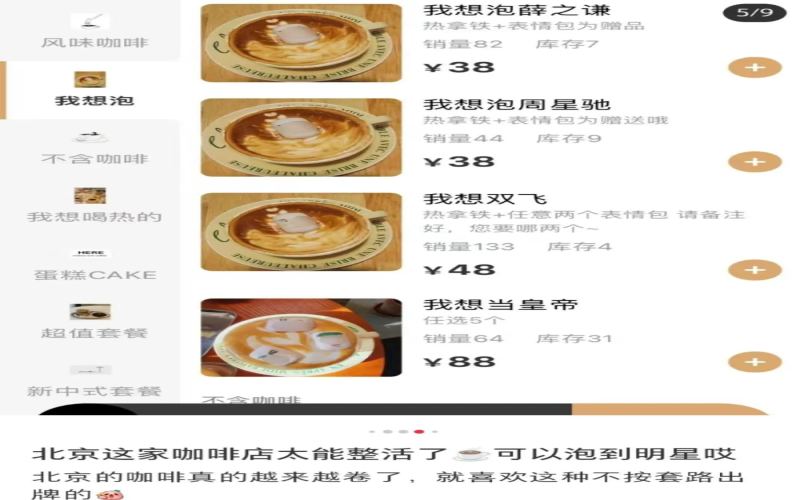
38-yuan latte paired with celebrity-face marshmallows: coffee shop's creative marketing goes viral, portrait rights risk sparks heated debate
Recently, a "I Want to Soak" latte series launched by a coffee shop in Beijing has drawn attention on social media. The series features marshmallows printed with the faces of male celebrities, priced at 38 yuan each, with the option to add more marshmallows for an extra charge, and even offers a 48-yuan two-person option and an 88-yuan five-person option. This novel format has attracted many fans to visit and post about it, but it has also sparked controversy: some consumers find the face-printed marshmallows unappetizing, and more people question whether the shop's use of celebrity likenesses as a promotional selling point without authorization may constitute infringement. Innovation in the coffee industry is worth encouraging, but it must be done within the legal framework. [more…]
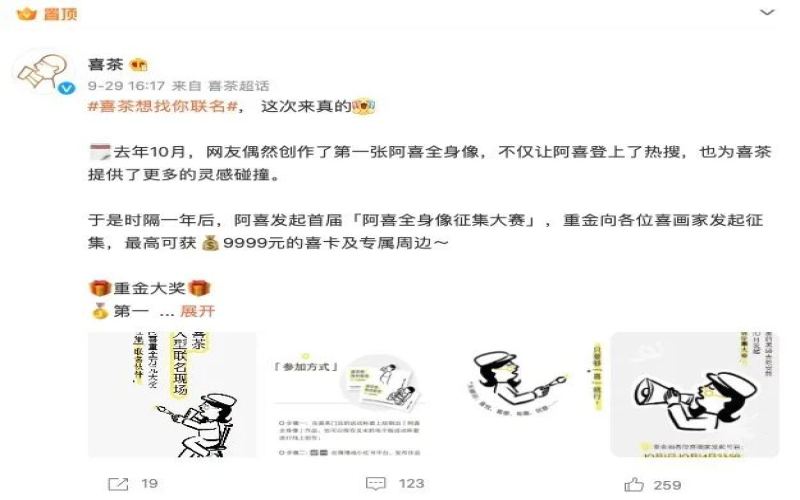
HEYTEA Went Bald for a Fan Collaboration? An Analysis of the "A-Xi Full-Body Portrait" Collection Contest and Brand Logo Iteration
Heytea recently officially announced the launch of its first "A-Xi Full-Body Portrait Collection Contest," inviting fans to participate by drawing the Heytea logo—the full-body portrait of A-Xi—with the top prize worth over 9,999 yuan. The submission period ended on October 15, and thousands of entries have been received across various platforms. The total views of related topics on Weibo and Xiaohongshu have exceeded 10 million, and the grand prize will be announced on October 31. Interestingly, on the eve of the event's launch, the Heytea logo quietly went "bald"—the black hair was removed, and the fingers holding the cup disappeared, sparking a frenzy of complaints from netizens. This article reviews the iterative journey of the Heytea logo from its founding to the present, including last year's viral full-body portrait creations by netizens and the April cross-border collaboration with Hiroshi Fujiwara that saw the logo struck by lightning into an afro, analyzing how the brand interacts with consumers through its logo to accumulate brand equity. For more specialty coffee beans, please add the private WeChat of Front Street Coffee (FrontStreet Coffee), WeChat ID: qjcoffeex. [more…]
CHAGEE anniversary promotional photo sparks controversy: non-celebrity left unmasked and mocked, brand's response questioned
Recently, a set of promotional photos from CHAGEE's seventh-anniversary offline event caused a stir on social media. An ordinary consumer who took part in the event discovered that a photo of her with an unflattering expression had been taken without her knowledge and posted by the brand on its official account, after which friends screenshotted it to poke fun at her. When she contacted customer service to demand the photo be deleted, she encountered delays and received no public apology. The brand's explanation of its review standards further led her to question whether she was being treated differently. As the incident intensified, netizens' opinions split into two camps: some criticized the brand's review mechanism, while others felt the person involved was overthinking things to her own detriment. What exactly does this controversy reveal about the gray areas in the portrait-rights clauses of brand event? As of press time, CHAGEE has not yet responded officially. [more…]
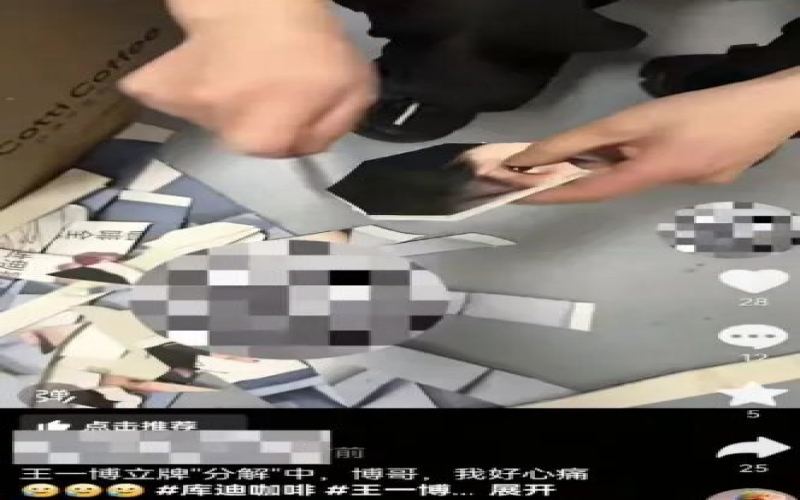
Cotti Coffee store staff destroying Wang Yibo endorsement materials sparks controversy; brand issues public apology and terminates cooperation with the store involved
Recently, a video of a Cotti Coffee employee destroying a standee of former spokesperson Wang Yibo sparked a huge uproar on social media. In the video, the store clerk deliberately cut up the standee's face and posted it with a caption, provoking widespread discontent and a boycott among fans. As the incident continued to escalate, Cotti issued a public statement of apology on February 28, announcing the termination of cooperation with the store involved and its closure, while promising to strengthen training and oversight of the material recycling process. This controversy has brought the issue of material handling standards after the termination of brand endorsement contracts to the forefront, and has once again drawn industry attention to the protection of artists' portrait rights. [more…]
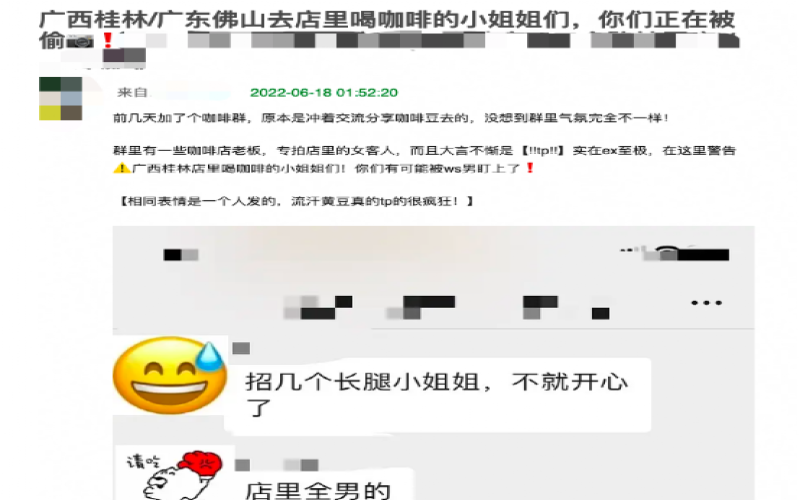
Coffee shop secretly filming female customers exposed: store fires employee and apologizes, industry image tested again
Coffee shops are supposed to be spaces for savoring and relaxation, yet a recent voyeuristic photo scandal exposed on a Douban group has shattered that tranquility. A coffee shop employee shared secretly taken photos of female customers' thighs in a WeChat group, proudly exchanging comments, which triggered strong condemnation from the coffee enthusiast community. The incident involved multiple coffee shops in Guilin, and the shops concerned issued statements one after another, apologizing for the misconduct of individual employees and dismissing or firing those involved. This incident not only violated customers' portrait rights and privacy but also cast a shadow over the professional image of the coffee industry. As coffee enthusiasts, we should pay more attention to baristas' professionalism and work ethics, and return to our love for and dedication to coffee itself. [more…]
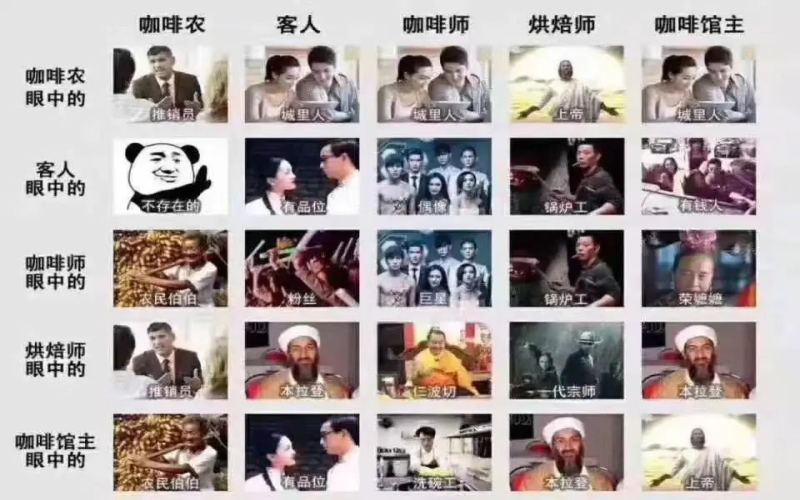
Barista Annual Review: The Industry Truth from Passion to Persistence and a Sharing from Front Street Coffee
As another year draws to a close, the stories of baristas have quietly unfolded over 365 days. From every encounter with customers to the daily routines of latte art, espresso extraction, washing cups, and hauling supplies, this annual report captures a true portrait of baristas along with their humorous complaints. Front Street Coffee joins you in looking back on the ups and downs of this year, exploring how to grow from passionate enthusiasm into professional expertise. Whether you're a industry insider or an enthusiast, you'll find resonance and inspiration here. [more…]
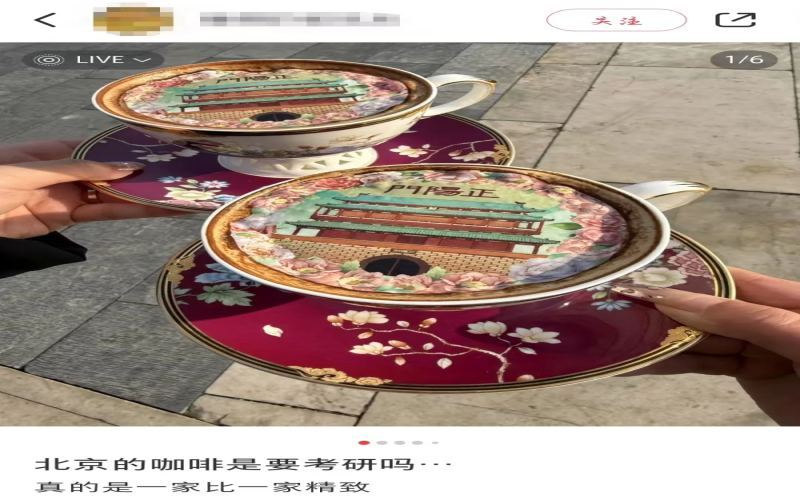
Colorful latte art has gone viral on social networks—edible printed rice paper: creative innovation or gimmick? Coffee lovers are divided.
Recently, a latte decorated with an image of the Zhengyangmen Gate Tower in Beijing sparked heated discussion on social media. The exquisite edible color-ink printing amazed many netizens with the café's ingenuity, but some also frowned at the colorful design on the surface of the liquid. What materials are actually used to make this type of color-printed coffee, jokingly called "graduate-exam level"? Does it add brilliance to the drink, or has it become a photogenic prop that looks good but is useless? Judging from shares by coffee lovers in various places, printing scenic spots, portraits, or brand logos on the surface of lattes is already nothing new, yet controversy over its taste and food safety has never ceased. This article will guide you through the production principles behind this visually stunning coffee, as well as consumers' true attitudes of love and hate toward it. [more…]

From Visuals to Emotions: An In-Depth Interpretation of Coffee Packaging Design Trends and Creative Cases
In today's world, where consumer decisions increasingly rely on visual perception, packaging design has become a key touchpoint for brands to establish a first impression with customers. Excellent coffee packaging must not only possess strategic thinking but also integrate popular aesthetics, allowing the target audience to develop recognition and emotional resonance. This article examines representative coffee packaging cases from multiple dimensions, including character imagery, hand-drawn illustrations, gift coffee, can design, and takeaway paper bags and cups, exploring how different design approaches convey functional features and brand philosophy, and revealing current trends in coffee packaging. [more…]
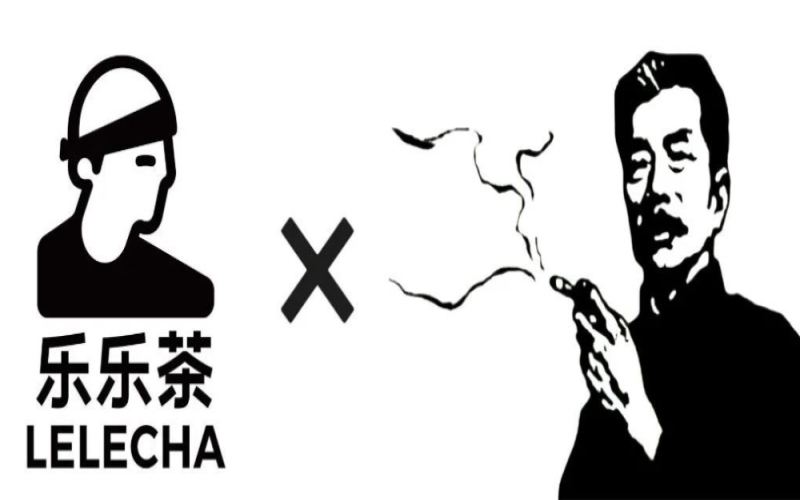
Lele Tea's Lu Xun collaboration "Smoky Oolong" criticized by CCTV.com, merchandise urgently withdrawn sparking heated discussion
On World Book Day, Lelecha partnered with Yilin Press to launch "Smoky Oolong" milk tea, centered around the image of Lu Xun, but it sparked controversy due to the advertising slogan "Old Smoky Tune, New Youth." CCTV.com published an article criticizing the collaboration for turning a literary master into entertainment and for inappropriate wording. Subsequently, Lelecha urgently removed the related merchandise and promotional posts. Behind the incident, the boundary issues of tea beverage brands collaborating with historical figures have once again drawn attention. Front Street Coffee takes you through the whole story. [more…]
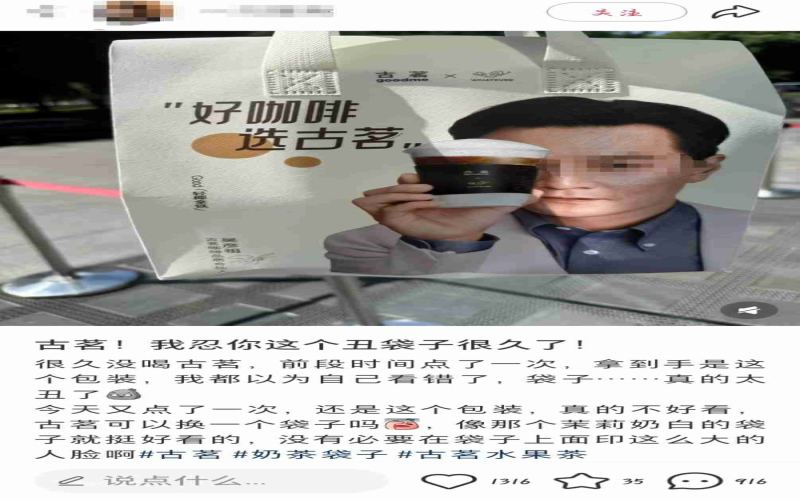
Guming's Wu Yanzu co-branded packaging bag sparks controversy: Consumers complain the design looks like health supplement packaging, brand responds feedback has been noted
After collaborating with actor Daniel Wu to promote coffee products in late June, Guming Tea recently rolled out packaging bags featuring his image at stores nationwide, which unexpectedly sparked widespread dissatisfaction among consumers. Many customers complained on social media that the bag design was "not aesthetically pleasing" and that the celebrity's portrait was too large, saying carrying it felt like "health supplements for middle-aged and elderly people" or "soaking goji berries," and some even said they wanted to throw it away as soon as they received it. Some netizens argued that although Daniel Wu has high national recognition, he is no longer young and does not fit the positioning of a youthful tea beverage brand; others pointed out that the brand should consider scenarios for secondary use of the packaging. On September 23, Guming staff responded that they had not received related complaints, but would record opinions on the design and spokesperson and pass them on for evaluation. The incident reflects the tension between co-branded packaging and the aesthetics of young consumers. [more…]

Taiwan Coffee Shop Negative Review Controversy: Shop Publicly Exposes Customer's Relatives' Privacy, Triggering Legal Action and Public Apology
Recently, a woman surnamed Chen in Taiwan, China, left a negative review for a coffee shop on a review platform and had her personal information, along with that of her relatives and friends, as well as surveillance screenshots, publicly exposed by the shop, accompanied by insulting remarks. The incident sparked strong outrage among netizens, the shop's rating plummeted, and Ms. Chen called the police and filed a lawsuit. The shop subsequently deleted the post and issued a public apology, but Ms. Chen said she had not been contacted privately and would continue to pursue legal action. In this episode of Coffee News, we take you through the whole story, while also focusing on the professional coffee knowledge exchange brought to you by Front Street Coffee. [more…]

Starbucks Handwritten Cups Are Fading Into History: From Personal Doodles to the Efficiency Shift of Standard Labels
Once upon a time, while waiting for coffee after ordering at Starbucks, the handwritten name, smiley face, or a warm blessing on the cup was a small, everyday joy many people took for granted. Now, this personalized service is quietly disappearing, replaced by uniformly printed label stickers. From customers missing the sense of exclusivity brought by handwritten cups, to baristas facing the dual pressures of labor shortages and complaint risks, to the "Fei Kuai" service driving standardized processes, the era of Starbucks handwritten cups seems to have gone forever. This article reviews the rise and fall of handwritten cups, explores the debate between efficiency and ritual behind it, and what this change means for coffee lovers and store operations. [more…]

From Zero to Latte Art: A Self-Taught Barista's Passion and Rewards
For coffee lovers, latte art is not just a skill—it's a journey full of passion. This article shares the growth story of a self-taught latte artist, from最初 being drawn in by the smooth motions of a barista, to buying equipment, delving into extraction and milk frothing, and then reaping a sense of accomplishment through day-after-day practice. She discovered that a wish from years ago—"to make a hot latte with latte art in a pretty cup"—had quietly come true long ago, and that latte art brings far more than the pattern itself: it is the reward of persistence and a sense of ritual in life. If you, too, fell in love with coffee because of latte art, or are slowly improving through practice, this journey of the heart may just be a portrait of you. [more…]
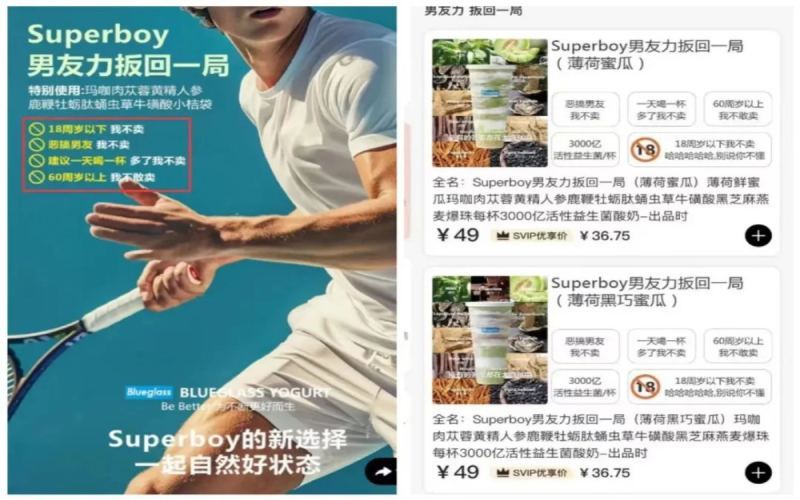
Yogurt brand Blueglass launches "Boyfriend Power" series, controversial suggestive advertising triggers dispute and regulatory investigation
Recently, the yogurt brand Blueglass launched the "Superboy Boyfriend Power Comeback" series, adding traditional Chinese medicine ingredients such as Cistanche, Polygonatum, ginseng, deer whip, and oyster peptides. The intention might have been to promote a health concept, but it was questioned for borderline marketing due to the poster labeling it "18+" and suggestive copy. Similarly, Coconut Palm brand coconut juice was fined 400,000 yuan for vulgar advertising slogans, yet it generated over 5 billion yuan in sales. In an era where traffic is king, eye-catching marketing emerges endlessly, but not all of it yields good results. After Blueglass was exposed, the Shanghai Municipal Administration for Market Regulation has launched an investigation, and the relevant copy was revised and republished. However, the negative label brought by borderline marketing may not be easily erased from consumers' minds. [more…]
Heytea Caught in WanDianZhang Facial Recognition Scandal, Officials Deny Illegally Collecting Consumer Information
On March 16, Heytea trended on Weibo for using WanDianZhang facial recognition cameras. Previously, CCTV's 315 Gala exposed over 20 well-known brands, including Heytea, Kohler, and BMW, for illegally collecting facial information through WanDianZhang cameras without consumers' knowledge. Heytea responded that the cameras are only for security and will never illegally collect facial data. WanDianZhang stated that the platform's facial data volume has reached hundreds of millions and is drafting an announcement to explain its business scope and rectification measures. This incident has once again sparked public concern over the abuse of facial recognition technology and personal privacy security. [more…]
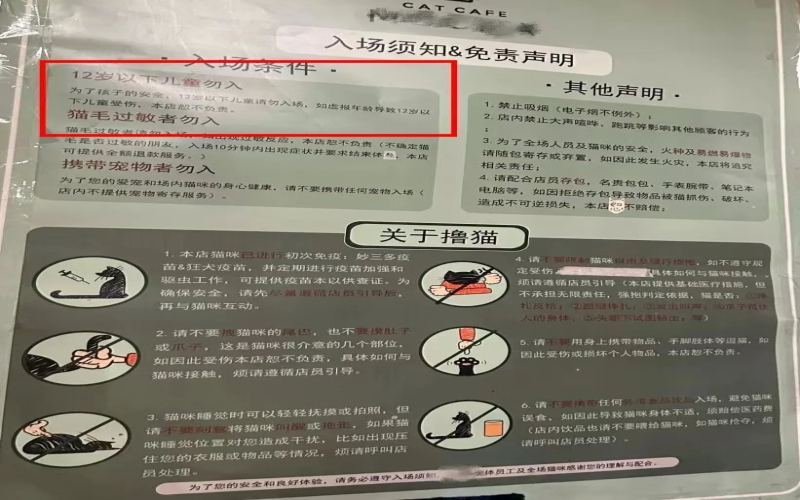
Coffee Shop's Refusal to Admit Young Children Sparks Heated Debate: Safety Consideration or Consumer Discrimination?
Recently, the topic of some coffee shops not admitting children has trended on Weibo, sparking widespread discussion. A cat café has a rule that children under 12 are not allowed to enter, with a strict ban on those under 6, citing concerns for children's safety. Many coffee shop owners have expressed similar stances: they hope to create a quiet space rather than restrict children's nature. Netizens have polarized views on this, with supporters believing that market segmentation is reasonable, while those concerned question whether it constitutes discrimination against consumers. Behind this debate lies the difficulty service industries face in balancing the needs of families with children and the desire for a quiet experience. Front Street Coffee has always focused on the intersection of coffee culture and social topics, and today we'll walk you through the ins and outs of this event. [more…]
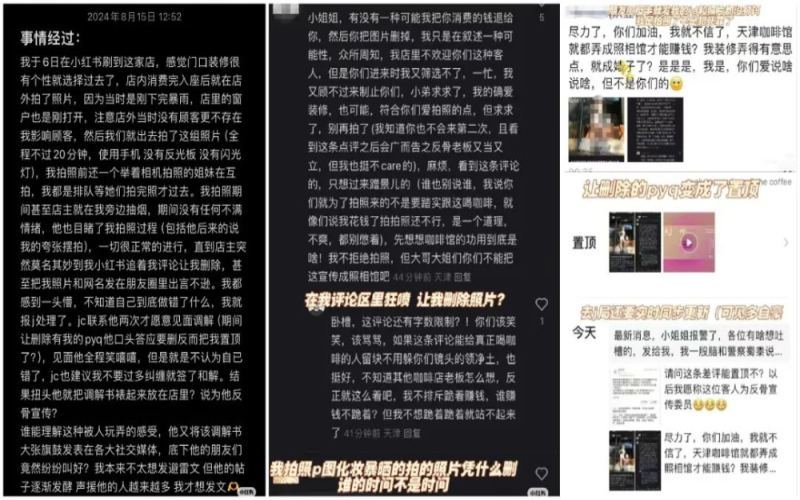
Coffee shop photo check-ins spark controversy: How should the boundary between shop owners and customers be drawn?
In today's era of thriving social media, coffee shops are no longer just places to savor coffee; they have also become popular check-in spots for many people's cameras. However, when photo-taking behavior evolves from personal documentation into commercial shoots or excessive posing, conflicts between shop owners and customers quietly emerge. A recent incident in which a shop owner framed and displayed a mediation agreement has once again made "whether photography is allowed in coffee shops" a hot topic of discussion. On one side is customers' desire to capture beautiful moments, and on the other is operators' consideration of maintaining the shop's atmosphere. How can both parties find a balance? This article will walk you through the whole incident and explore the boundary issues behind photo check-ins. [more…]
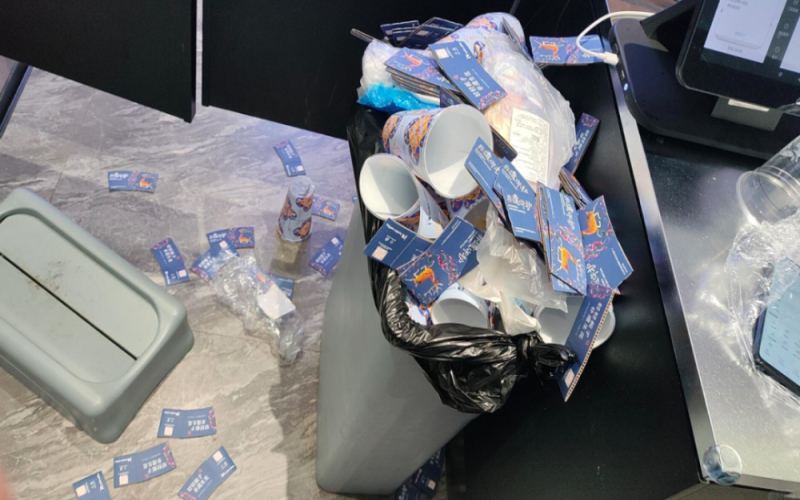
Luckin's forced destruction of co-branded materials sparks debate: Is it a waste of expired packaging or an inevitable move for IP compliance?
Recently, a Luckin Coffee employee posted footage on social media showing a store destroying co-branded packaging overnight, with trash bins full of unopened cup sleeves and takeaway cups, quickly sparking discussions among netizens about waste and environmental protection. According to the employee, on the eve of the end of each co-branding campaign, stores must cut and destroy remaining materials under surveillance, including previously co-branded Chengdu Cultural Tourism small panda keychains. Some netizens compared this with Cotti Coffee's approach, arguing that continuing to use expired packaging materials both reduces waste and gives customers surprises; others with knowledge of the matter pointed out that the destruction may be forced by the licensing period granted by the co-branding partner, and using them beyond the period could lead to breach-of-contract compensation. Behind this controversy lies the dilemma of materials management and intellectual property compliance amid the co-branding boom. [more…]