







Search Results for: pores
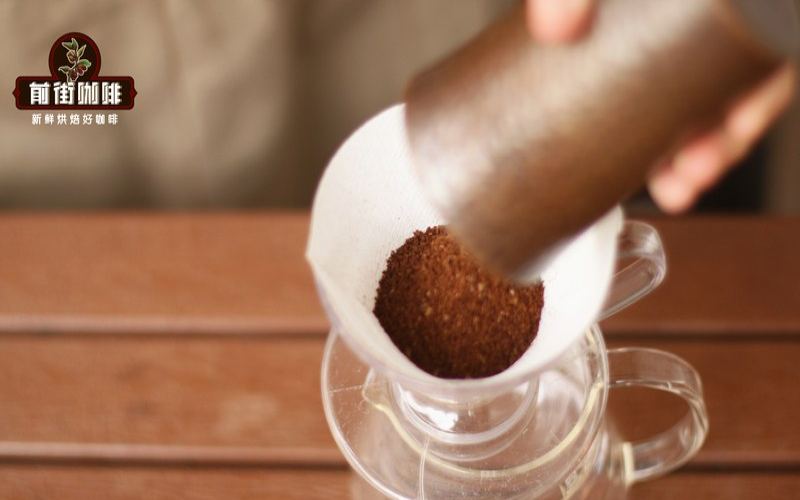
From Degassing to Opening and Consumption: A Flavor-Window Rhythm Guide for Italian-Style Dark and Medium-Dark Roasts
After coffee beans are roasted, they continuously release a large amount of carbon dioxide internally. Due to differences in the degree of heat exposure, dark roasts and medium-dark roasts naturally differ in their internal pore structure and degassing rate. This physiological change directly determines the crema condition during espresso extraction, and also defines the time window during which flavor development reaches a balanced state. [more…]
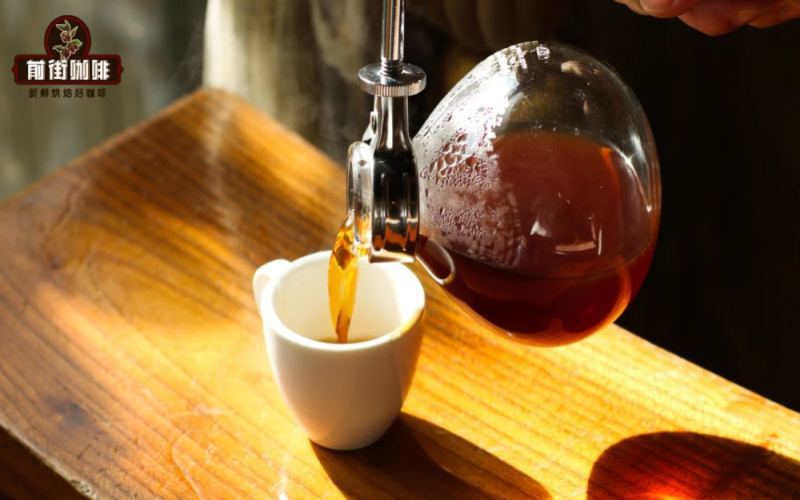
Analysis of Why Siphon Coffee Tastes Weak and What Coffee Beans to Pair for a Richer, More Aromatic Extraction
Coffee brewed with a siphon is supposed to be full of aroma and rich in body, yet sometimes it turns out flat and tasteless—the problem often lies in the operational details and bean selection. The siphon relies on a cloth filter, whose larger pores allow some fine particles to pass through, bringing a pleasant mouthfeel. This article starts with the origin and working principle of the siphon, then guides you through how to use the two techniques of stirring and immersion, paired with Front Street Costa Rica Mozart coffee beans, to brew a rich coffee woven with floral and fruity notes. It will also share practical tips on water temperature control and cloth filter maintenance to help you consistently produce a satisfying cup of siphon coffee. [more…]
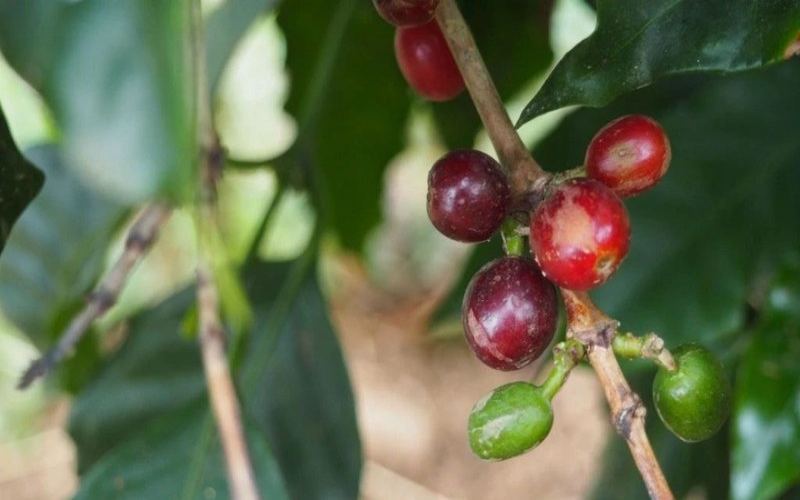
Decaf Pour-Over Beans: Opening the Bag and Peak Flavor Window Explained — Master the Degassing Decline and Brew Your Best Cup
Decaffeination processing causes subtle changes to the cellular structure of green beans. After being heated during roasting, the pores inside the bean are often looser than those of regular beans, and the rhythm of degassing and flavor release is also more unique. If you want to taste clean, transparent fruity notes and sweetness from a pour-over brewer, understanding the freshness curve and degassing process of decaf coffee beans is [more…]
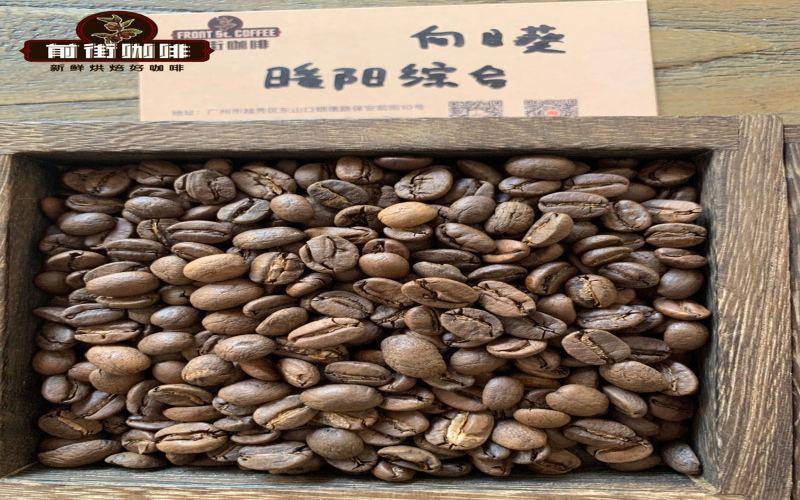
The Flavor Window and Storage Guide for Dark Roast Pour-Over Beans: From Degassing to Peak Flavor
Darker-roasted coffee beans undergo full caramelization and Maillard reactions in the roaster; the fibrous structure inside the bean expands, creating larger pores, and the degree of gas saturation and the rate of release are noticeably faster than in light roasts. Understanding the degassing patterns and flavor evolution of dark-roasted beans helps you accurately gauge the bean's condition during everyday pour-over brewing, allowing [more…]
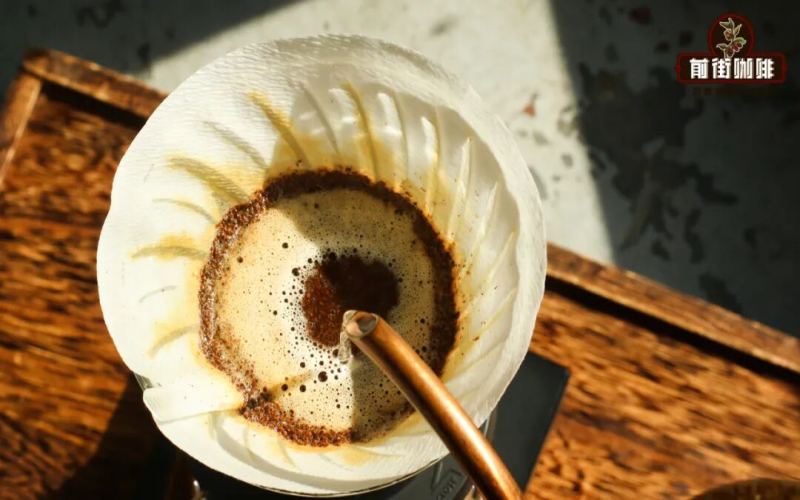
Pour-over coffee brewing method | What is the "Brazil nut effect" and how to avoid affecting coffee extraction when leveling the coffee bed
A surprise question from Front Street Coffee: when you pour coffee grounds into the dripper and end up with the scene shown below, what would you choose to do? A: Pat it flat. B: Pat it flat. C: Choose one or two. I believe most friends, just like Front Street Coffee, would choose to tap the dripper to make this unevenly distributed coffee bed become more level. [more…]
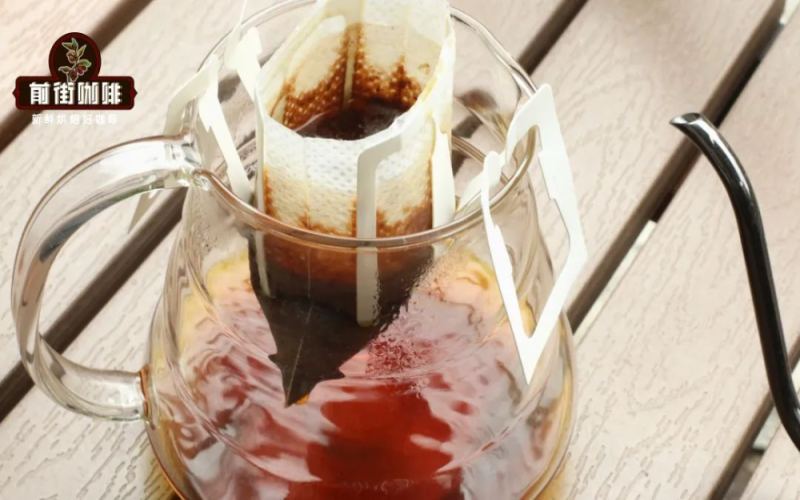
Drip Bag Coffee Brewing Tips | What to Do If a Drip Bag Clogs and Won't Drain? How to Brew a Drip Bag Coffee Pack Without Wasting It?
After reading the title, I bet some of you are already nodding and going, "Yes, yes, that's exactly what happens to me!" So scroll down quickly to clear up your confusion. You clearly followed the steps in the tutorial: tear open—hang it up—boil water—pour water—wait for it to drip through... Yet it feels like ages have passed, so why is the water still sitting on top, cof- [more…]
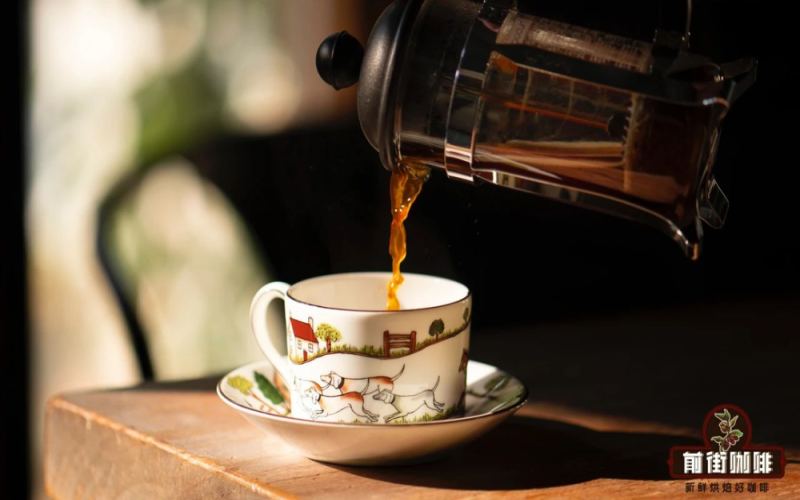
French Press Coffee | What coffee-to-water ratio and water temperature are suitable for making French press coffee? What are the steps for immersion brewing black coffee with a French press?
"What coffee brewing equipment is suitable for coffee novices who don't know how to do pour-over?" Faced with this question, Front Street Coffee first recommends the French press, which is simple to operate and convenient. What exactly is the charm of the French press that can win over coffee lovers who don't know how to do pour-over? French press [more…]
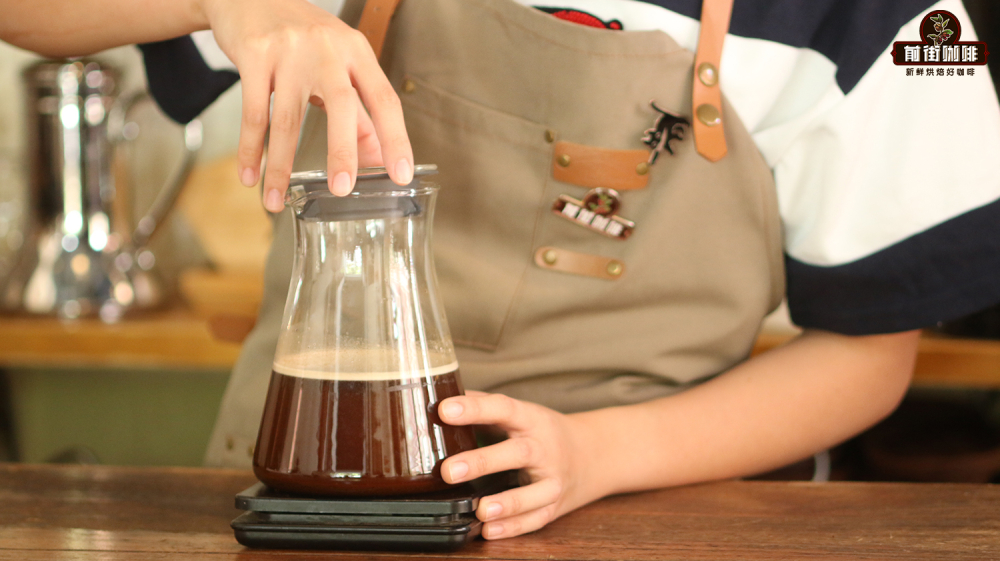
Cold Brew Coffee Beginner Tutorial | What Are the Right Coffee-to-Water Ratio, Grind Size, and Time for Cold Brew Coffee? Introduction to the Method, Principles, and Taste Characteristics of Cold Brew Coffee
As the days go by, it is already June, and the weather has started to get hot. Friends in the south say they can no longer stay outdoors for 2 minutes. Whenever the weather is hot, people can't help but want a refreshing iced coffee. Among them, the coffee that must be drunk every year is none other than cold brew coffee. Cold [more…]

The Science of Specialty Coffee | How do you interpret coffee roasting levels and roasting percentages? What are the flavor characteristics of different roasting levels?
We usually talk a lot about coffee bean brewing, but today Front Street Coffee will explain coffee bean roasting knowledge to everyone. We know that the process of coffee beans going from green beans to roasted beans is the roasting process, and this process includes light roast, medium roast, and dark roast. Exactly how should different coffee beans be roasted? At the same time, light roast, medium roast [more…]

Espresso Blend Opening and Storage Timeline: From Degassing to Flavor Release
After coffee beans are roasted, a large amount of carbon dioxide gas accumulates inside the beans, and this gas is slowly released over time. When extracting espresso, overly active gas can hinder uniform contact between the water flow and the coffee grounds, which can easily lead to channeling during extraction or excessively coarse foam. Understanding [more…]

Key Points for Making a Latte | What Milk Froth Temperature Is Suitable for an Espresso Latte? How Can Coffee Beginners Control the Steaming Temperature of Coffee and Milk?
As the temperature drops, more and more customers at Front Street Coffee shops are ordering hot milk coffee. The steamed sweet milk blended with espresso creates a cup of smooth, fragrant hot latte that truly brings a lot of warmth. To keep the hot latte from cooling down too quickly after serving, some friends steam the milk to a higher temperature. At this point, getting the milk temperature just right is especially important. [more…]
Flavor Fluctuations Within the Peak Flavor Window: Degassing Cycles and Opening/Drinking Methods for Blend Beans and SOE
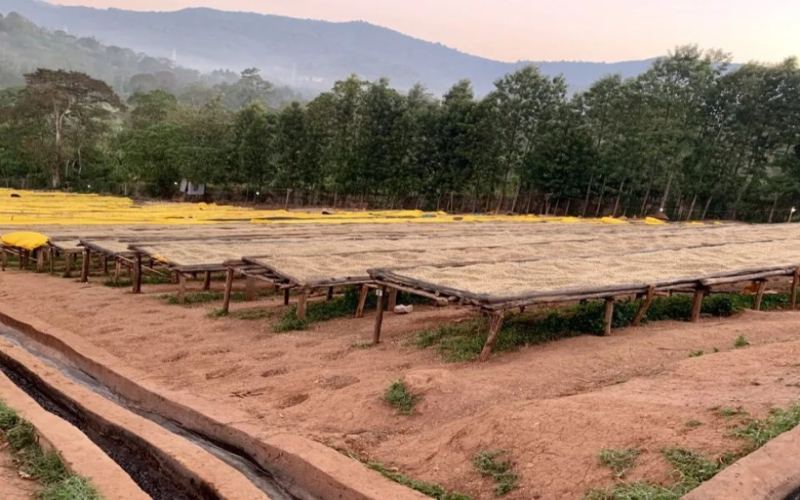
After coffee beans come out of the roaster, they continue to release carbon dioxide internally, and this degassing process directly determines whether the aromatic compounds can be extracted smoothly during brewing. Because blended beans and SOE differ in bean composition and roasting direction, their pace of reaching the optimal drinking state and the period for maintaining aroma each have their own characteristics. Single origin [more…]
Coffee Bean Oil Release | What factors cause roasted coffee beans to become oily? Does coffee bean oil release mean poor coffee quality?
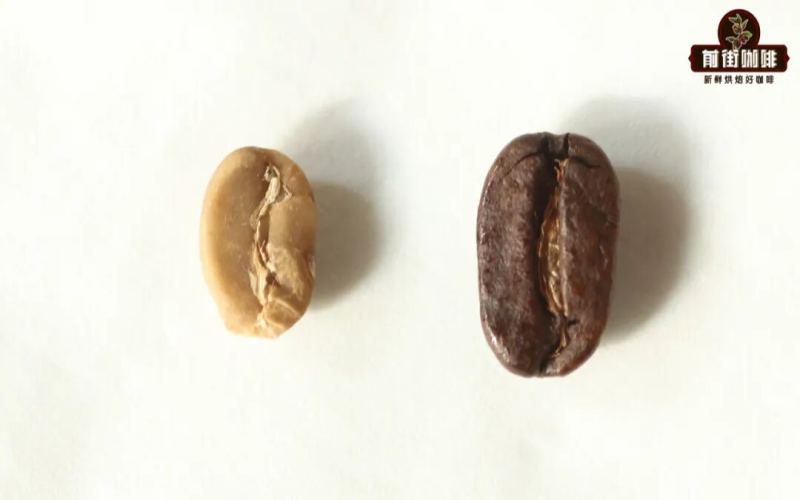
If you often buy beans and brew them at home, you've probably noticed that some coffee beans start to show oil on their surface after sitting for a while. Other beans, no matter how long they're stored, still look dry on the surface. This leads to a rather interesting phenomenon: some people believe that coffee beans [more…]
Coffee Grounds Storage | What Factors Affect the Freshness of Roasted Coffee Beans? How Long Is the Shelf Life of Freshly Ground Coffee? Do Coffee Beans Still Need to Be Rested After Grinding?
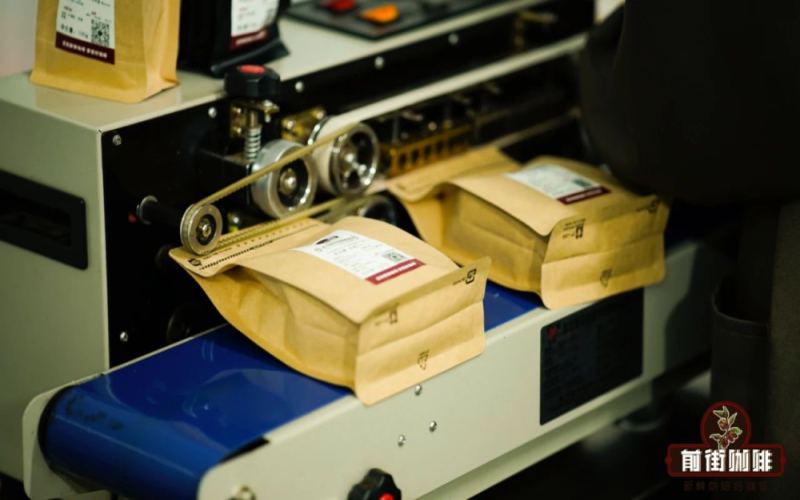
Recently, a friend asked Front Street Coffee: "Why should the air valve be sealed after coffee beans are ground into powder? Wouldn't that prevent the carbon dioxide inside the package from escaping?" The meaning of the exhaust valve on coffee packaging. Front Street Coffee immediately seals and packages the coffee beans after roasting and cooling, which can minimize the loss of coffee bean flavor. [more…]
Understanding the Degassing Cycle of Espresso Beans: Daily Drinking Rhythm and Flavor Preservation Methods for Home Machines
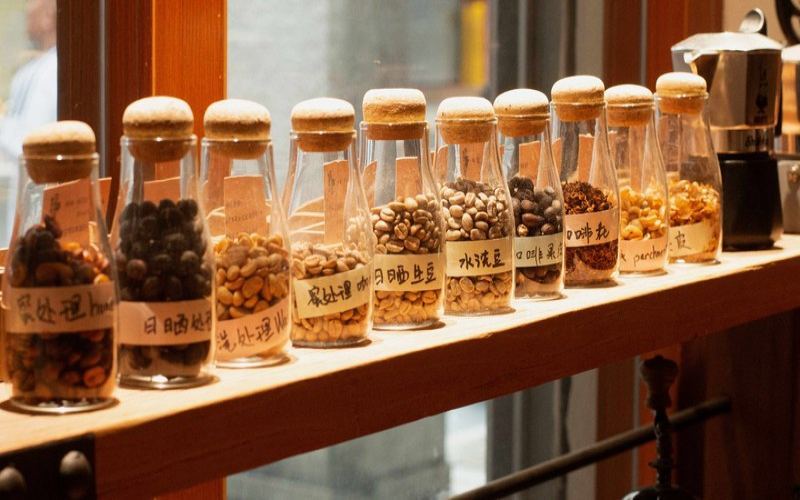
Roasted coffee beans contain abundant carbon dioxide internally, and these gases can participate in forming a golden, delicate crema during extraction. However, during the stage of extremely vigorous degassing, excessive bubbles tend to hinder uniform contact between water flow and coffee particles, making the flavor in the cup appear unsettled. Understanding how coffee beans evolve in condition across different time periods, [more…]
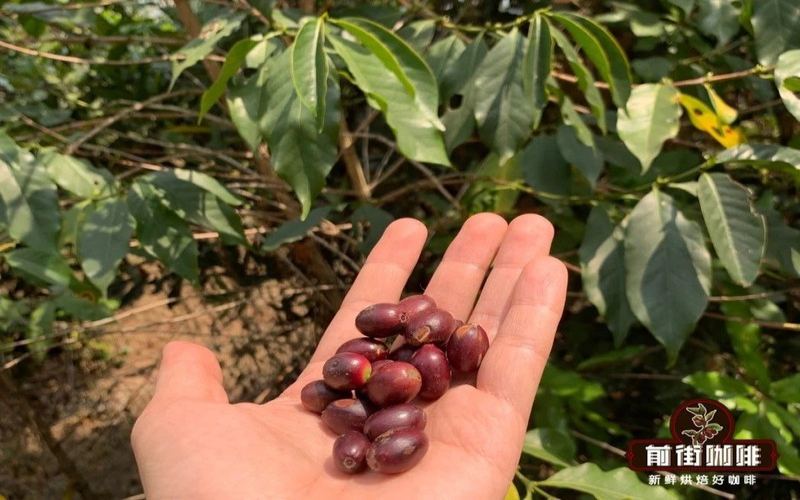
Master the flavor window of light-roast pour-over: understanding the degassing cycle and sealed storage to make aroma last longer
After light-roasted coffee beans leave the roaster, subtle gas exchange continues inside them. The large amount of carbon dioxide accumulated during roasting slowly escapes through the loose fibrous structure, and this natural release process directly affects the penetration efficiency of hot water molecules. Understanding the breathing rhythm of coffee beans can help me [more…]
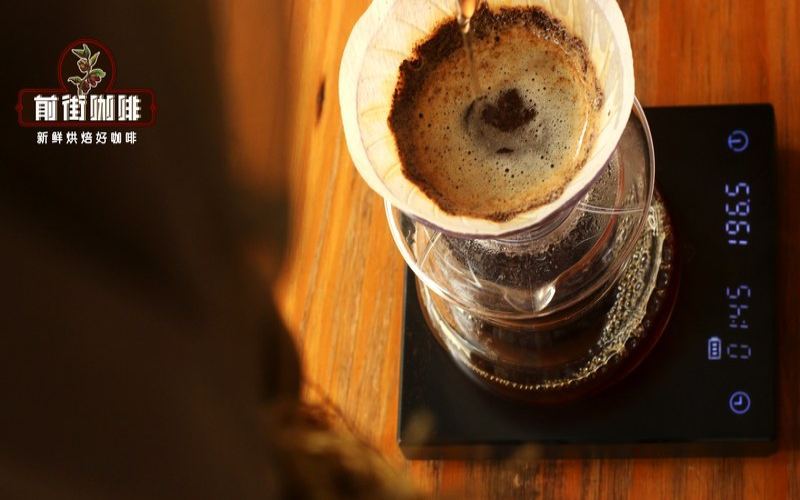
Single-Origin Coffee Opening and Resting Patterns: Capturing the Optimal Drinking Window When Bean Aromas Bloom
Freshly roasted single-origin coffee beans are filled with a large amount of carbon dioxide inside. If they are ground and brewed immediately, the intense degassing reaction will form many bubbles in the coffee bed, preventing the hot water from fully contacting the coffee grounds. Giving the beans a period of steady resting time allows the gas to escape slowly, so that the internal aromatic compounds can be released during extraction. [more…]
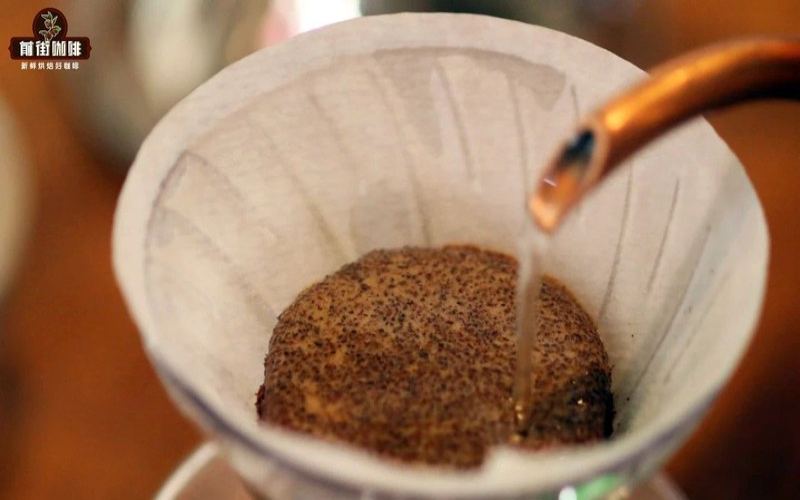
The Flavor Window and Brewing Rhythm of Medium-Roast Coffee Beans: From Degassing to Opening and Storage
Freshly roasted coffee beans are rich in carbon dioxide internally. Under the heat of a medium roast, a loose, porous structure forms, and these gases are gradually released over the following days. If you grind and brew the beans immediately after getting them, the vigorous bubbling of gas will hinder full contact between the water and the coffee grounds, leading to uneven extraction. [more…]
Espresso Flavor Window Analysis: Managing the Flavor Rhythm from Degassing Rest to Opening and Sealing
Freshly roasted coffee beans are filled with active carbon dioxide gas internally. During extraction, this gas creates resistance that prevents hot water from fully contacting the coffee grounds. For espresso extraction, excessive gas makes the crema appear coarse and dissipate quickly, while the flavor tends toward dryness. Allowing the roasted beans to [more…]
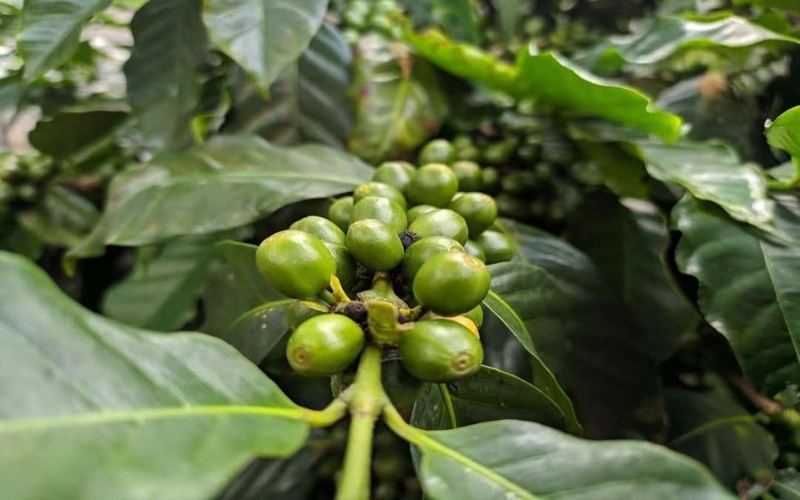
The Flavor Peak of Espresso: Understanding Roast Dates, Degassing Cycles, and Daily Sealed Storage
Espresso extraction is extremely sensitive to the state of the carbon dioxide inside the coffee beans, and the completion of roasting does not mean the beans immediately reach the balance point for aroma release. Freshly roasted coffee beans are packed with a large amount of gas inside. If pressurized extraction is carried out right away, the water flow is easily obstructed by bubbles, leading to uneven extraction and bringing out too many off-flavors. Understanding [more…]