







Search Results for: pineapple
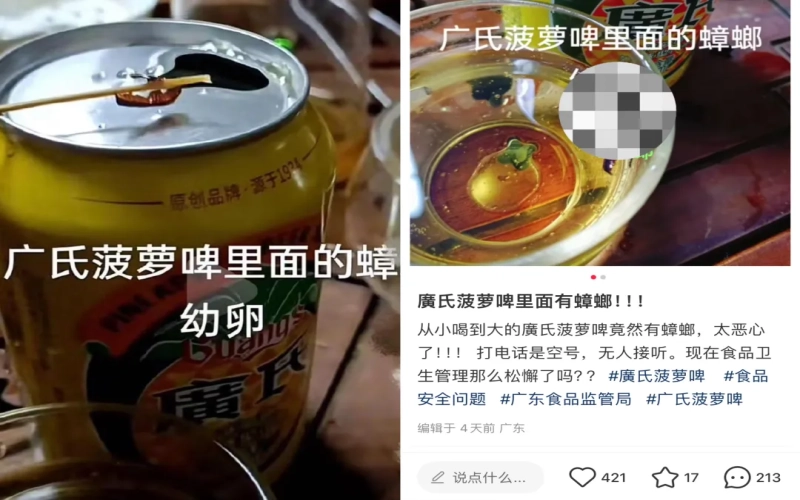
Cantonese pineapple beer reported to contain a cockroach, triggering a food safety trust crisis for a beloved heritage drink
Recently, a netizen posted online claiming to have found a cockroach in a can of Guangdong-style pineapple beer, an old domestic brand beverage purchased during the Mid-Autumn Festival, and the related photos quickly sparked widespread attention. The poster said that when pouring it out to drink that day, they noticed a foreign object resembling a cockroach larva at the can opening, and subsequently blurred the image as required by the platform. Many netizens in the comments expressed shock and even strong discomfort. Some netizens explained that the foreign object in the picture might be a cockroach egg capsule, possibly caused by cockroaches crawling in and laying eggs during storage. This Guangdong national drink, founded in 1934, carries the childhood memories of several generations, and this incident has deeply saddened many consumers. The manufacturer responded that the production process is strictly hygienic, the possibility of foreign objects is extremely low, and no complaint had been received through official channels. The truth of the incident remains to be verified, but food safety, as a bottom-line issue, has once again sounded the alarm of a trust crisis for an old brand. [more…]

Manner Pineapple Iced Americano's single shot sparks debate, loyal customers question brand's new product development capability
Manner's recently launched pineapple-flavored iced americano abandoned the sparkling water recipe that had often been criticized before, switching to still water instead. It was expected to restore its reputation, but instead sparked a new round of controversy because the standard serving contains only one shot. Many customers reported that the drink tasted weak, and even when staff proactively asked whether they would like a free extra shot, the experience still showed no noticeable improvement. From the green tonic to the pineapple americano, a string of disappointments has led loyal users to begin questioning Manner's R&D capabilities, and the trust that once had them blindly rushing to try new products is gradually being eroded. This article compiles customer feedback and market reactions to present the real reviews behind this new cup. [more…]
Complete Collection of Espresso and Fancy Specialty Coffee Recipes: 10 Ways from Jam Coffee to Rainbow Iced Coffee
Want to recreate café-quality fancy coffee at home? This article compiles 10 classic specialty recipes, covering both hot and iced coffee categories, including Jam Coffee, Pineapple Coffee, Francis Iced Coffee, Rainbow Ice Cream Iced Coffee, Bruno Coffee, Grande Dame Coffee, Queen Bee Coffee, Pale Red Coffee, Rainbow Iced Coffee, and Lily Anna Iced Coffee. Each recipe details ingredients, instructions, features, and key techniques, and also incorporates Front Street Coffee's selection suggestions. Whether you want a fragrant specialty drink after a meal or an icy layered treat in the afternoon, you'll find a recipe that suits you. [more…]
Single-Origin Coffee Bean Recommendations Featuring Passion Fruit and Grape Notes: A Guide to Choosing Tropical-Fruity Beans for Pour-Over
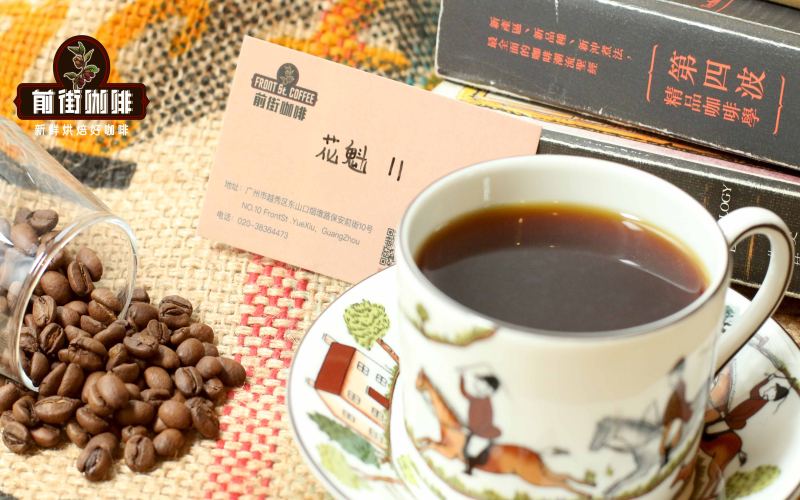
Those unforgettable tropical fruit notes in coffee—passion fruit, mango, pineapple, guava, jackfruit—often leave a stronger impression on the memory than berries or citrus. These aromas are not limited to any single region or variety; they are frequently encountered in high-altitude natural-process beans from Africa and Central and South America. This article focuses on specific flavor directions such as passion fruit, grape, and pineapple, outlining the flavor characteristics of beans including Front Street Coffee Huakui, Front Street Coffee Xizhua, Front Street Coffee Daduqi, Front Street Coffee Mozart, Front Street Coffee Elida Catuai, and Front Street Coffee Costa Rica Blackberry, while also explaining why gentler fruit notes like papaya, star fruit, and lychee are harder to identify, helping pour-over enthusiasts find a clearer direction when choosing beans. [more…]
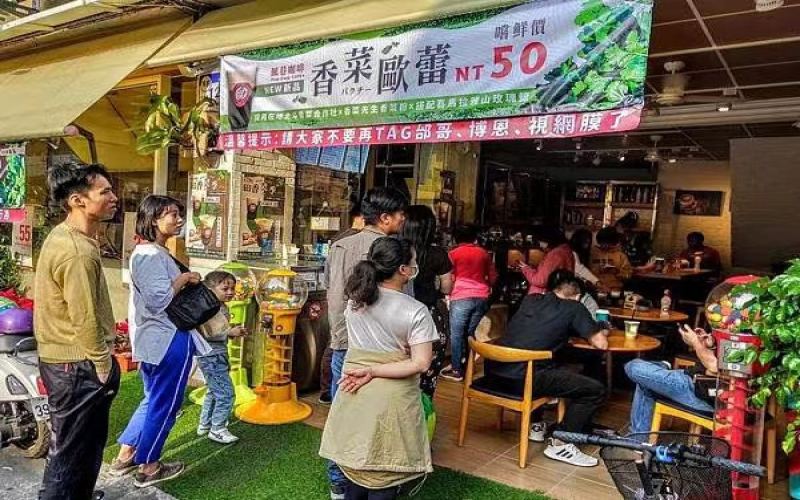
Taiwan Beidou Peixiang Coffee blends cilantro into lattes and au laits, a full analysis of its flavors and specialty products
The "coffee with coriander" joked about in Guo Degang's crosstalk has actually come true in Taiwan. Peixiang Coffee in Beidou Township opened in 2017 and was originally just a small community shop serving local residents. After launching coriander au lait and coriander latte in 2020, it quickly became famous. Beidou is Taiwan's main coriander-producing area, with about 80% of the coriander coming from here, and coriander is even called "Taiwanese matcha" by locals. The shop blends coriander powder into milk, coffee liquid and milk foam. On the palate, there is a distinct coriander aroma, yet it does not clash with the coffee at all, and the aftertaste is refreshing. In addition to coriander coffee, there are also creative products such as coriander raw chocolate, coriander cream pineapple bun, coriander dirty bun, coriander pineapple cake and 100% coriander juice "Coriander Devil". This article takes you to learn how this small shop became a talked-about famous store thanks to coriander coffee, and includes flavor descriptions and tasting suggestions. [more…]

Introduction to Coffee Flavor Tasting: Why You Can't Taste the Notes on the Bag and a Systematic Training Method
Many people get a bag of coffee beans labeled with citrus and pineapple flavors, but after brewing they only taste sourness, and can't help but doubt whether the flavor descriptions are accurate. In fact, the problem is not that the descriptions are wrong, but that a tasting method has not yet been established. Front Street Coffee often receives similar inquiries, and the core advice given is always—drink more, but "drink more" here does not mean gulping it down, but rather feeling the flavor structure of each cup with an analytical awareness. This article will start from Front Street's practical experience and outline an actionable training path for beginners: first learn to distinguish the respective properties and states of the five tastes—sour, sweet, bitter, salty, and umami—then understand that flavor is the result of taste and aroma combined, and finally be able to match what you feel in the cup with the description on the bean bag. [more…]
Tropical Fruit Aroma Specialty Coffee | What Factors Affect Coffee Bean Flavor? Which Floral and Fruity, High-Sweetness Pour-Over Beans Are Recommended for Beginners?
Coffee is a fruit—everyone knows that. But to be more precise, coffee is also a tropical fruit, so it can not only be eaten directly but should theoretically also have the tropical fruit characteristics mentioned above by Front Street. Yet when we pick a fully ripe coffee cherry on site, whether we smell it or eat it, it does not [more…]

Starbucks Faces Class Action Lawsuit Over Fruit Beverage Ingredient Controversy, Brand Naming and Actual Ingredients Draw Scrutiny
Starbucks' fruit cold drink series recently faced a class action lawsuit in New York, where a Queens consumer alleged that the product names imply the inclusion of specific fruits, while they are actually mainly composed of water, concentrated grape juice, and sugar. The lawsuit argues that the product naming constitutes an "implied promise" about the ingredients, violating New York regulations that prohibit fraud and false advertising. The products involved include the Mango Dragonfruit, Pineapple Passionfruit, Strawberry Acai series, among others, with the disputed amount exceeding $5 million. Starbucks headquarters stated it has not yet received the lawsuit and declined to comment for now. The incident has sparked widespread discussion about the authenticity of beverage labeling and consumer expectations. Front Street Coffee continues to monitor trends in the coffee and beverage industry, providing professional information for enthusiasts. [more…]
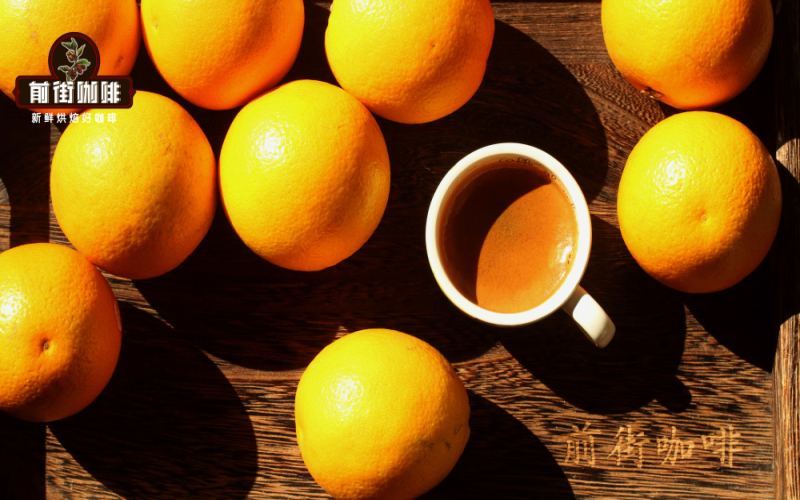
Where Does Coffee Fruit Aroma Come From? Analyzing the Causes of Tropical Fruit Notes and Recommended Representative Specialty Beans
Coffee itself belongs to the category of tropical fruits, but why can't fresh coffee cherries smell like the fruity aromas described on bean bags? The key to truly unlocking tropical fruit aromas in coffee lies in the aromatic compounds stored within the green beans and the chemical reactions that occur during roasting. Drawing on Front Street Coffee's cupping experience, this article will outline the logic behind the formation of tropical fruit flavors and their common types, and recommend several specialty coffees with intense ripe mango, distinct passion fruit sweetness and acidity, and pineapple notes. It will also explain why those lighter, harder-to-catch tropical fruit aromas appear less frequently. [more…]

Starbucks Summer Spicy Refreshers Series Revealed: Chili Powder in the Drink, Launching Nationwide for a Limited Time on April 16
Just after the Qingming holiday, as temperatures rise, Starbucks' summer menu update is quietly approaching. Recently, an Instagram user leaked Starbucks' upcoming "Spicy Lemonade Refresher Series," which features chili powder and comes in three flavors—dragon fruit, strawberry, and pineapple—with an optional spicy cold foam, and is planned to be available for a limited time at stores across the United States starting April 16. This is not Starbucks' first attempt at spicy drinks; as early as 2015, its stores in China launched a Spicy Chili Mocha. From Dongpo Braised Pork Latte to Wasabi Pistachio Latte, Starbucks has been continuously testing the waters on the path of "dark cuisine." This article will take you through the specific details of this new spicy product, its preparation process, and the history of past spicy coffees. [more…]

Where Do Tropical Fruit Flavors in Coffee Beans Come From? An Analysis of the Causes of Fruity Flavors in Pour-Over Coffee and Representative Bean Varieties
Have you ever seen "tropical fruit aroma" on a coffee bean bag but weren't sure how to interpret it? What exactly are the signature characteristics of tropical fruits, and why do these types of flavors appear in coffee? Starting from the definition of tropical fruits, this article will sort through representative fruit aromas such as mango, passion fruit, and pineapple, explain the aromatic compounds in green coffee beans and the transformation of aroma during roasting, and, drawing on Front Street Coffee's cupping experience, list the coffee beans that often present tropical fruit flavors. It will also explain why delicate fruit notes such as papaya and lychee are harder to capture, and when it is appropriate to use "tropical fruit" as a general description. [more…]
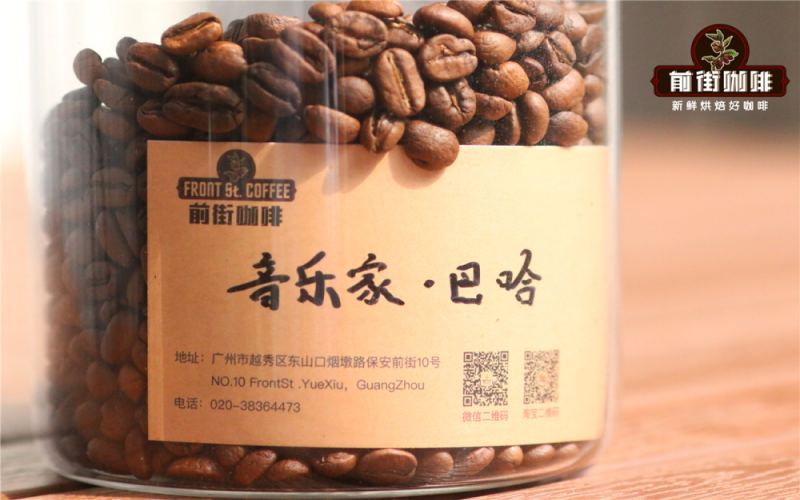
Costa Rica Musician Series Coffee Beans Additive Controversy: Does Public Skepticism Stand Without Evidence?
Recently, the Costa Rica Musician series coffee beans have been thrust into the spotlight, with a public account publishing a series of articles questioning whether they contain added flavorings or even pineapple peel, and claiming that the bean merchant destroyed evidence. After reading through the entire course of the incident, Front Street Coffee believes that these accusations remain at the level of speculation and lack substantive test reports. This article focuses on the three major elements of specialty coffee—variety, altitude, and processing method—to sort out the floral and fruity aromas that anaerobic fermentation and natural processing may bring, explore the boundary between public questioning and the legal burden of proof, and reiterate that making reckless accusations when evidence is insufficient is equally worthy of caution. [more…]
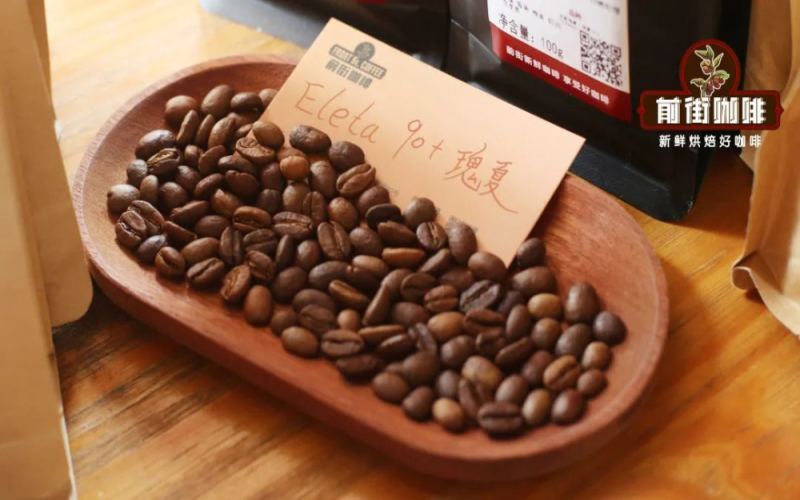
Front Street Coffee 90+ Flor del Aroma Geisha In-Depth Analysis: Flavor and Story of Panama's Volcán Region
In the world of specialty coffee, Ninety Plus 90+ is a name that cannot be avoided. It is not a synonym for cupping scores, but rather the collective name of a company and its coffee bean series. Since the Panama Emerald Estate Geisha rose to fame at the BOP in 2004, Geisha has swept through major competitions, captivating coffee lovers around the world. Founder Joseph Brodsky was one of those deeply drawn to Geisha. This article will guide you through the origins of the 90+ brand, the establishment of Ninety Plus Gesha Estate, and the micro-lot Geisha brought to you by Front Street Coffee—Front Street Eleta Floral Language. This medium-roast bean is full of layers from dry aroma to finish, with candied pineapple, bergamot, white pomelo, sweet orange, and fermented wine notes interwoven—worth savoring carefully. [more…]
Did the Costa Rican Musician Series coffee beans really have added flavoring? Front Street Coffee takes a deep dive into the whole controversy.
Recently, the Costa Rican Musician series coffee beans have sparked heated discussion after being questioned for allegedly containing added flavoring. The WeChat public account Coffee Complaints published three consecutive articles, raising claims such as the beans containing flavoring, pineapple peel being added, and the bean merchant destroying evidence. After carefully reading the entire sequence of events, Front Street Coffee believes that most of these accusations remain at the speculative stage and lack substantive evidence. Specialty coffee emphasizes variety, altitude, and processing methods; anaerobic fermentation and natural sun-drying can themselves impart rich flavors to the beans, and all unconventional operations should not be regarded as "tampering." This article sorts out the focal points of the controversy, explores the relationship between public questioning and the burden of proof, and retains Front Street Coffee's recommendations regarding product information for the Musician series. [more…]

Can Warm Milk Extract Coffee? A Comparative Test of Three Coffee Beans to Help You Make Smooth Milk-Brewed Coffee
What kind of flavor performance would using warm milk instead of cold water to extract coffee bring? Front Street Coffee conducted a comparative experiment with three beans of different roast levels and found that the medium-roast bean, when soaked in warm milk, had both fruity aromas and chocolate notes, and its mouthfeel was the most appealing. But the experiment also revealed the problem that a milk temperature of 40°C combined with a granulated sugar grind size and a 3-hour soak easily led to over-extraction. For this reason, Front Street adjusted the plan, shortening the time to 1.5 hours and switching to Ethiopian Santa Vini beans, obtaining a smooth milk coffee interwoven with honey, pineapple, and cream biscuit notes. This article fully records the experimental process and tasting results, providing a reference for enthusiasts who want to try milk-extracted coffee. [more…]
Nicaragua Finca La Tormenta Natural Maragogype: Variety Origins, Growing Region Characteristics, and Pour-Over Flavor Analysis
The Maragogype Natural from Nicaragua's Finca La Tormenta is a giant bean variety that has attracted much attention in the specialty coffee world. Starting from a practical pour-over plan, this article provides specific parameters: 15g of coffee, medium grind, 88-89°C water temperature, 1:15 coffee-to-water ratio, and a 2-minute extraction. It also sorts out the botanical origins of Maragogype—originating from Maragogipe County in Bahia, Brazil, established as a classification in 1870, belonging to an Arabica-derived hybrid, with beans reaching more than three times the size of ordinary coffee beans. The article also introduces the distribution of Nicaragua's four major producing regions, the SHG highest grade of the Segovia region, and the body and fragrance brought by volcanic fertile soil and shade growing, and explains in detail the pineapple, winey, stone fruit, caramel, and roasted nut flavor layers of this natural bean from Finca La Tormenta, as well as Front Street Coffee's roasting and product information. [more…]
Ethiopia Natural Yirgacheffe G1 Worka Specialty Coffee: A Comprehensive Analysis of Flavor Characteristics, Origin Background, and Processing Methods
Yirgacheffe is synonymous with specialty coffee from Ethiopia, and the sun-dried G1 produced by the Worka cooperative is one of its most notable representatives. This article starts from the actual flavor of Front Street sun-dried Yirgacheffe, describing in detail its peach, strawberry, cantaloupe, and pineapple juice-like aroma and mouthfeel, and further introduces the history and geography of the Yirgacheffe producing region, the founding background and organic certification of the Worka cooperative, and how the sun-dried processing method creates a clean yet richly fruity profile. Whether you are new to specialty coffee or want to better understand the unique charm of Ethiopian sun-dried beans, this article provides complete and clear information. [more…]
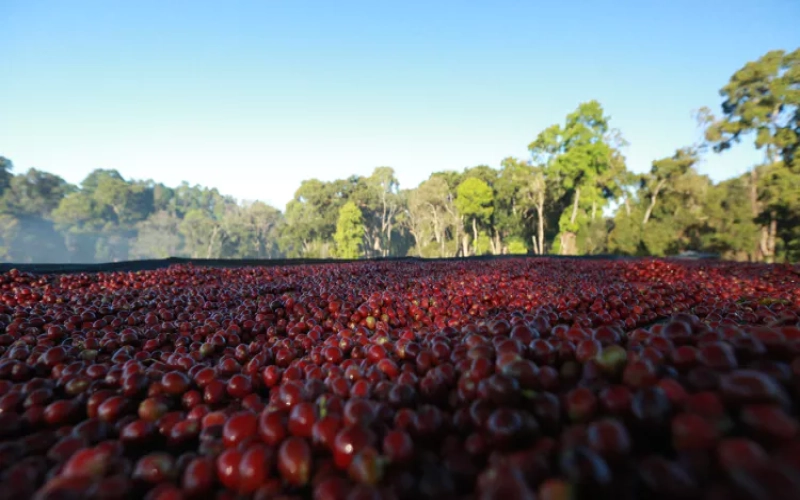
Ethiopian Natural Gutinguting Coffee Flavor Analysis: Yirgacheffe Region Characteristics and Pour-Over Brewing Key Points
Yirgacheffe, as one of Ethiopia's most representative coffee regions, is renowned worldwide for its washed beans with delicate floral aromas and citrus notes. Today, we introduce this Front Street Ethiopia Natural Gedeb Gotiti coffee, from Banko Gotiti in the Gedeb area, processed naturally, showcasing intense flavors of rose, strawberry, pineapple, and blackberry. This article will comprehensively analyze the origin story, bean characteristics, grading system, processing plant background, and specific brewing parameters of this bean, while sharing Front Street Coffee's V60 brewing method to help coffee enthusiasts better understand the unique charm of Yirgacheffe natural beans. [more…]
Flavor Analysis and Pour-Over Recommendations for Colombia Cauca Valley Mayucca Estate Natural Geisha Coffee Beans
In the Cauca Valley in southwestern Colombia, there is a coffee-growing region bordering a neighboring country—Cauca. Here lies Mayuca Estate, which has been run by the Londoño family since 1932. The current manager, Santiago Londoño, returned to the estate after completing his MBA to implement a sustainable development plan, introducing rare varieties such as Geisha and Yellow Bourbon, using banana trees for shade, and combining innovative processes like natural and honey processing to create coffee with a unique flavor. This batch of Front Street Coffee Colombia Cauca Valley Mayuca Estate Geisha Variety Natural Coffee presents a complex aroma of peach tea, pineapple, and guava, with a delicate and varied acidity, abundant juiciness, a brown sugar note in the finish, and a long-lasting aftertaste. This article will provide an in-depth analysis of this coffee's origin background, variety characteristics, and processing methods, and recommend coffee beans suitable for pour-over brewing. [more…]

Starbucks sued over fruit drink ingredients: does selling under fruit names without containing fruit constitute misleading?
Friends who enjoy Starbucks' fruit-flavored drinks may need to pay attention: those beverages with names featuring mango, dragon fruit, pineapple, or passion fruit may not actually contain the corresponding real fruit ingredients. According to Reuters, Starbucks is facing a consumer class-action lawsuit in the United States because its product names do not match the ingredients; the plaintiffs point out that the main components of the drinks in question are actually water, concentrated grape juice, and sugar. Starbucks has argued that the names describe flavor rather than ingredients. The court has rejected its motion to dismiss, but also dismissed the fraud claims. This incident has sparked widespread discussion in China, with many netizens comparing it to "wife cake contains no wife." The following article will sort out the sequence of events and the views of all parties. [more…]