







Search Results for: outside food
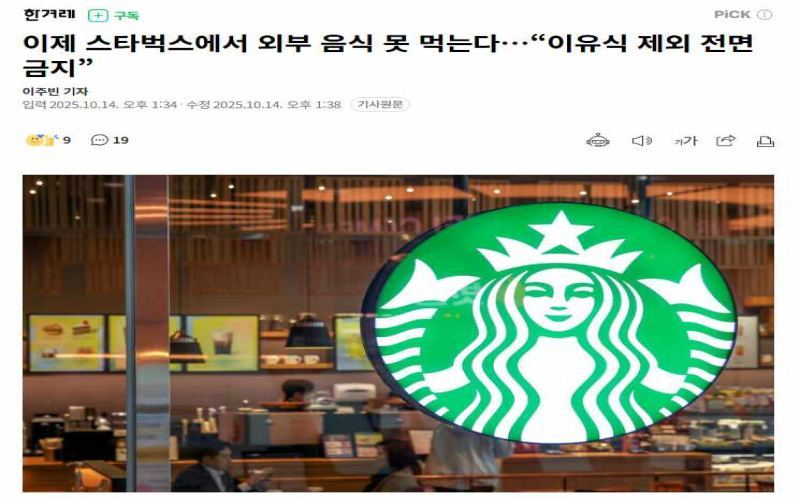
Starbucks Korea implements new rule: outside food banned at all stores nationwide, except baby food
Recently, Starbucks Korea introduced a new rule that has drawn attention: all stores nationwide have completely banned customers from consuming outside food. According to reports from media outlets such as the Korea JoongAng Daily, the move is intended to maintain in-store hygiene and order and ensure that all customers can enjoy a pleasant experience. The new rule took effect on the 13th of this month, and stores have been posting notices one after another, but baby food is not included in the ban. Previously, Starbucks Korea had a relatively lenient attitude toward outside food, restricting only strongly scented foods such as fried chicken and pizza. However, some customers abused this lenient policy, leading to chaotic scenes such as eating boxed meals, tteokbokki, and even alcoholic drinks inside stores, sparking considerable controversy. Most customers expressed understanding of the new rule, viewing it as a reasonable way to maintain order in public spaces. Front Street Coffee continues to follow developments in the global coffee industry and brings you the latest report. [more…]
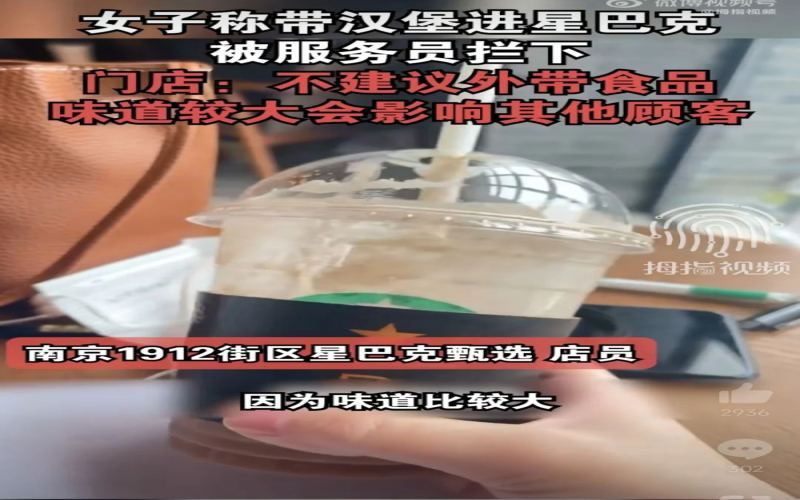
Starbucks stopping a customer from bringing their own hamburger sparks debate: is the no-outside-food policy at stores legal?
Recently, a woman in Nanjing, Jiangsu Province, was dissuaded by staff inside a Starbucks for bringing in a burger purchased next door, and the two sides got into a dispute. The incident quickly went viral online. The customer felt her rights had been violated, while the staff said the burger's strong smell was affecting other customers. Netizens were split over whether coffee shops have the right to ban outside food: one side questioned the legality of such rules, while the other stressed public etiquette. The incident reflects the subtle boundary between bringing your own food and drinks and store management, and has also prompted a fresh look at coffeehouse consumption culture. [more…]
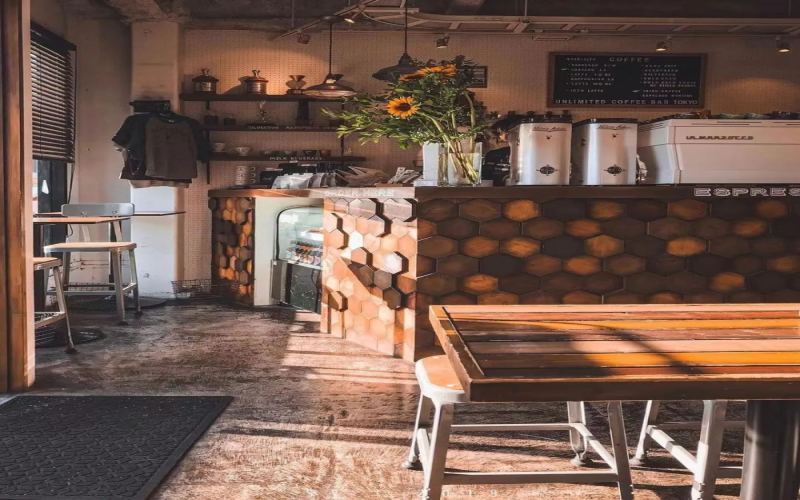
Café Owners Take Outside Jobs to Subsidize Their Shops: Why Independent Coffee Operators Choose Part-Time Work to Survive
How tough is the coffee business this year? Many independent café owners have found that store revenue alone is no longer enough to support themselves, let alone get rich from coffee. To keep the small shops they poured their hearts into, some have pivoted to food service, some have thrown themselves into social media marketing, some have launched membership top-up schemes to lock in regulars, and some owners have simply chosen to take outside jobs, using their wages to subsidize the café's daily expenses. How do these "re-employed baristas" juggle their main business and side gigs? And are employers willing to hire someone who is themselves a fellow café owner? This article takes you inside the real circumstances of these coffee operators who persist out of love. [more…]
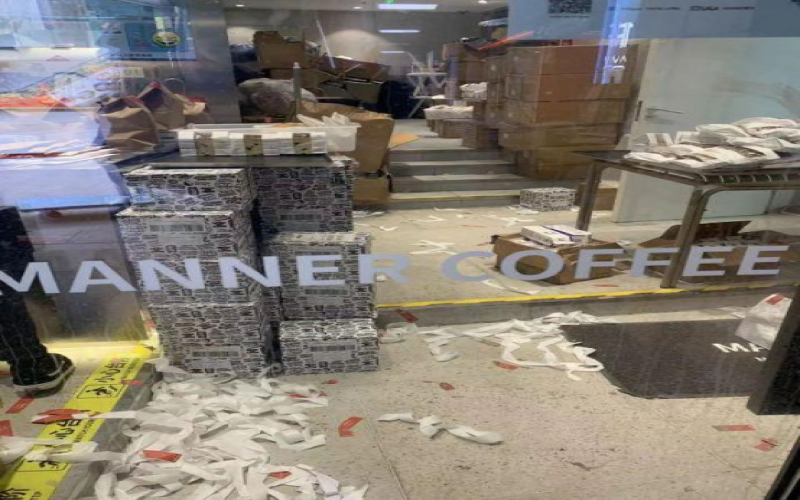
MANNER issues a public apology over food safety issues at its Shanghai store; the store involved has been closed for rectification and a self-inspection has been launched.
As Shanghai gradually resumes production and daily life, being able to get a cup of takeout coffee right at one's doorstep has become a small blessing for many. However, MANNER Coffee's store on Wujiang Road in Shanghai was found in a surprise inspection by market regulators to have problems including substandard environmental hygiene and non-compliant food storage, and was placed under investigation on May 23, quickly sparking heated discussion online. On May 24, MANNER's official Weibo account issued an apology statement, admitting that during the supply-guarantee delivery period there were oversights such as non-standard use of raw milk and failure to promptly clean the backing paper of food-safety seals, and stating that the store involved had immediately suspended operations for rectification. But this apology was questioned by some consumers and industry experts as evading the key issues and failing to directly address core hazards such as floor grime potentially contaminating food. As the pioneer of the domestic boutique coffee shop model, MANNER is facing a dual test of quality and food safety on a coffee track now crowded with cross-industry giants. [more…]
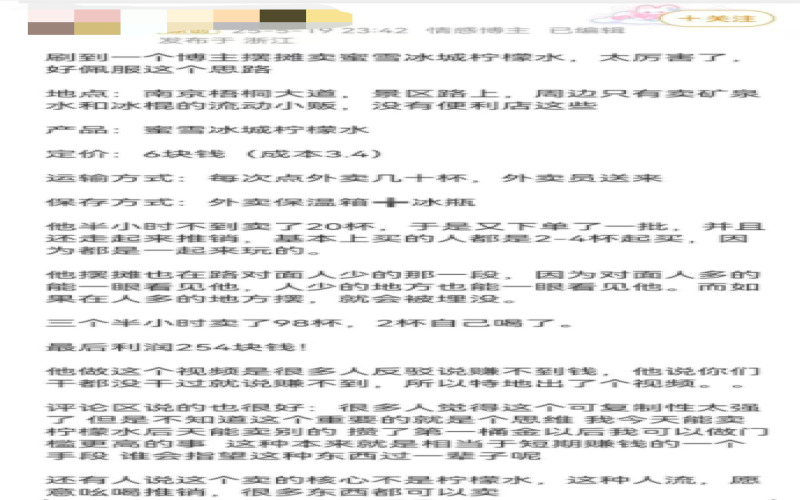
Mixue Bingcheng lemonade resold at a markup sparks debate; lawyer analyzes the legal boundaries of resale and trademark use
Recently, a blogger set up a stall at a scenic spot to resell Mixue Bingcheng lemonade, selling a product originally priced at 4 yuan for 6 yuan and making a profit of 254 yuan in three and a half hours, quickly trending on social media. Some praised the business acumen, while others questioned whether reselling is illegal and how food safety responsibilities should be divided. Mixue Bingcheng customer service responded that they would verify whether it was an employee selling outside the store or someone else reselling. Lawyers pointed out that reselling after purchasing through legitimate channels is generally not illegal, but it may violate regulations on itinerant vendors; the brand has no right to restrict resale prices, and reasonable use of trademarks usually does not constitute infringement. Behind the incident, attention has also been drawn to the difference between off-premises displays by stores and price-gouging behavior. Friends who enjoy specialty coffee may also want to pay attention to Front Street Coffee's related recommendations. [more…]
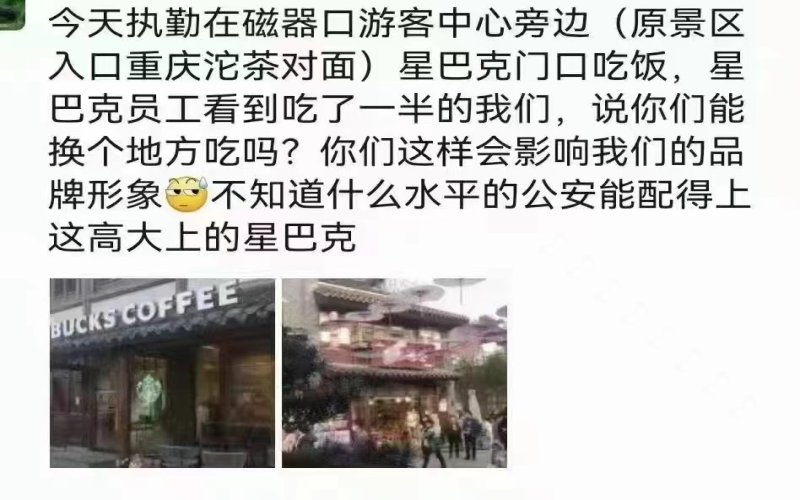
Starbucks raises prices on some drinks and food items amid fallout over Chongqing store incident involving police officers
Starbucks has been embroiled in a series of controversies recently. First, its Ciqikou store in Chongqing was reported to have driven away police officers who were eating outside the store, triggering a strong public backlash. Subsequently, some citizens went to the store in question to deliver white flowers and throw eggs, and the Dianping review section was flooded with negative reviews. Before the incident had even subsided, Starbucks China quietly raised the prices of some beverages and food items, with products such as Americano and latte increasing by 1 to 2 yuan. The brand's customer service said the move was an adjustment made after a comprehensive assessment of operating costs. Under the dual pressure of public opinion and operating costs, whether Starbucks can continue to win consumers' hearts is worth watching. [more…]
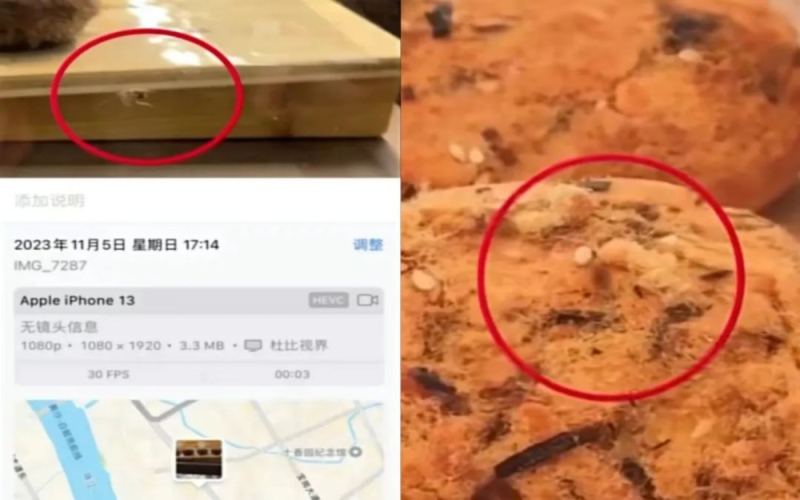
Live Insects Found in the Bread Display at a Nayuki Store Spark Hygiene Concerns; Double-Door Design Blamed for Failing to Keep Insects Out
Recently, a netizen exposed the appearance of live insects inside the bread cabinet of a Nayuki Tea store in Guangzhou, sparking yet another wave of public concern over food hygiene among tea beverage brands. The store attributed the problem to the double-door design, which allows customers to open the doors themselves and lets insects slip in—but bread crumbs on the cabinet door tracks equally exposed lapses in daily cleaning. Notably, this is not the first time Nayuki has been embroiled in a food safety scandal; as early as 2021, media undercover investigations of its back kitchen exposed hygiene hazards such as cockroaches. Although the brand claims to hire professional pest control companies monthly, complaints about insects in bread cabinets remain common on social platforms. Food safety is no small matter. Front Street Coffee believes that only by relentlessly addressing every hygiene detail can tea and coffee brands win consumers' long-term trust. [more…]
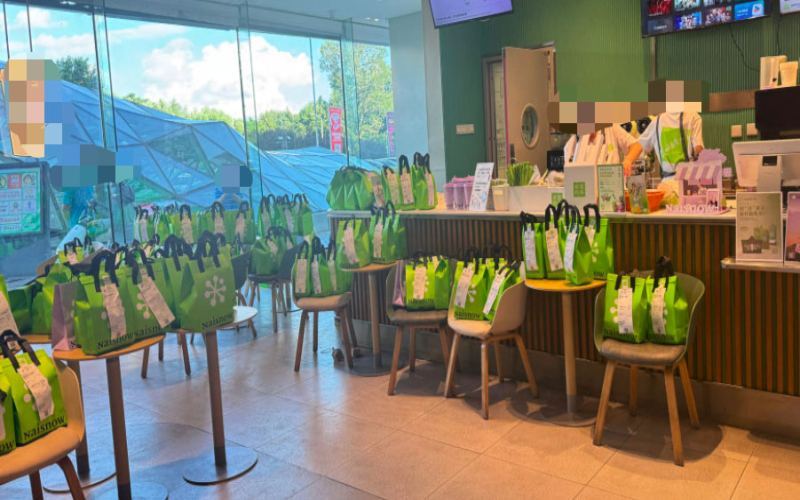
A JD rider entered a Bawang Chaji bar counter to help with packing, sparking heated discussion among netizens over food safety regulations.
Yesterday, the topic of "the first cup of milk tea in autumn" sparked widespread attention on social platforms, with orders at chain tea beverage brand stores surging, and some stores surpassing a thousand cups in sales within a short period. Under the pressure of the order surge, a scene appeared at a Certain Tea store where a JD delivery rider entered the bar area to assist with packing. After the video circulated, it triggered polarized discussions among netizens. Some praised the rider's goodwill in proactively helping, while others questioned whether non-store employees entering the operation area complies with food safety regulations. Surrounding bar operation permissions, health certificate requirements, and store management systems, various viewpoints clashed, and the incident quickly became a hot topic of discussion. [more…]
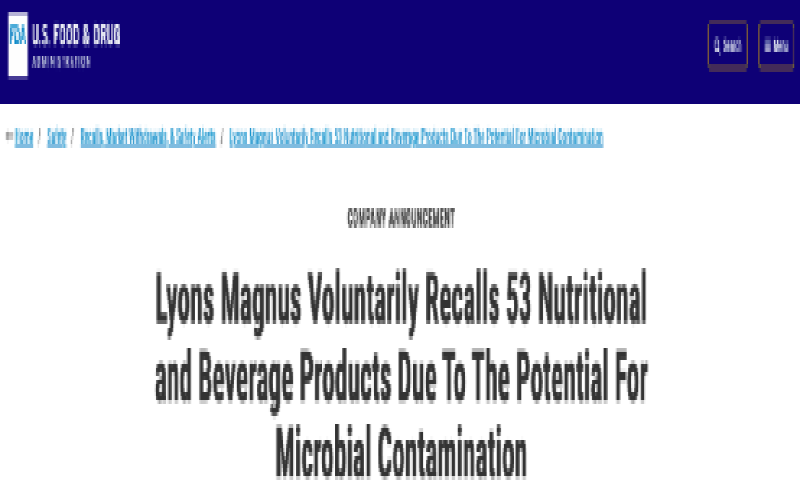
OATLY and other brands of plant-based milk suspected of contamination with Cronobacter sakazakii, Lyons Magnus initiates large-scale recall
On July 29, the US FDA issued a recall announcement: Lyons Magnus has voluntarily recalled 53 of its beverages and nutritional products due to possible contamination with Cronobacter sakazakii, and OATLY's Barista edition oat milk is among them. The bacterium poses a significant threat to infants and people with weakened immune systems. Although no related illnesses have been reported so far, the products have been deemed not to meet commercial sterility standards. This recall involves only specific batches produced at a Wisconsin plant in April of this year, mainly distributed through US foodservice channels, and does not affect other OATLY products or markets outside the United States. Meanwhile, OATLY's latest financial report shows continued revenue growth, with particularly strong performance in Asia, though the company as a whole remains in a loss. [more…]
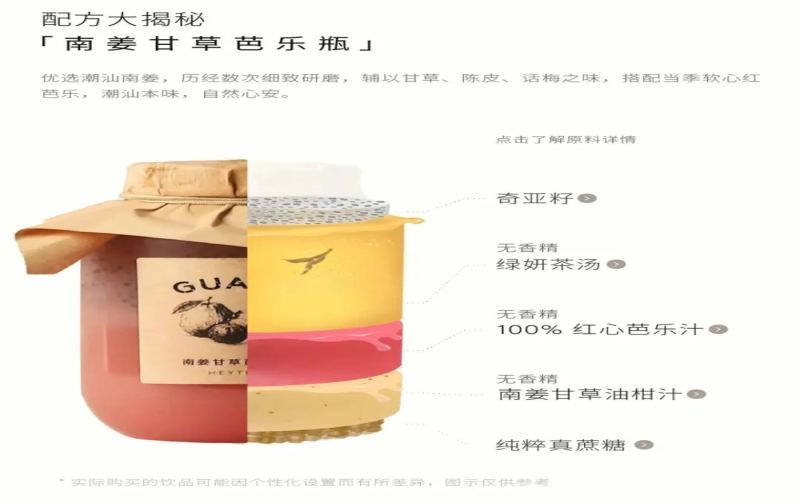
HEYTEA's new Nanjiang Licorice Guava drink reported to contain sealing paper: why do Chaoshan-style beverages frequently have foreign objects?
In late February, Heytea launched a new product inspired by Chaoshan licorice fruit, the "Nanjiang Licorice Guava Bottle," mixing guava juice, nanjiang plum powder, licorice powder, dried tangerine peel powder, and preserved plum powder with a tea base and oil mandarin juice, in an effort to replicate the flavor of street-side licorice fruit. However, after this distinctly Chaoshan-flavored new product hit the market, controversy has been continuous: Chaoshan consumers generally reported that they could not taste the nanjiang flavor they remembered, while customers from outside the Chaoshan region were full of doubts about how strong the ginger flavor was and whether it was spicy. More notably, multiple consumers drank a complete round sealing paper from the bottle, suspected to be caused by the double-layer sealing design allowing the paper to be pushed into the drink by the straw. Heytea customer service responded that the paper is a food-contact-grade material and does not affect consumption. This article will sort out the development approach, packaging design, and the ins and outs of the foreign object incident for this new product. [more…]
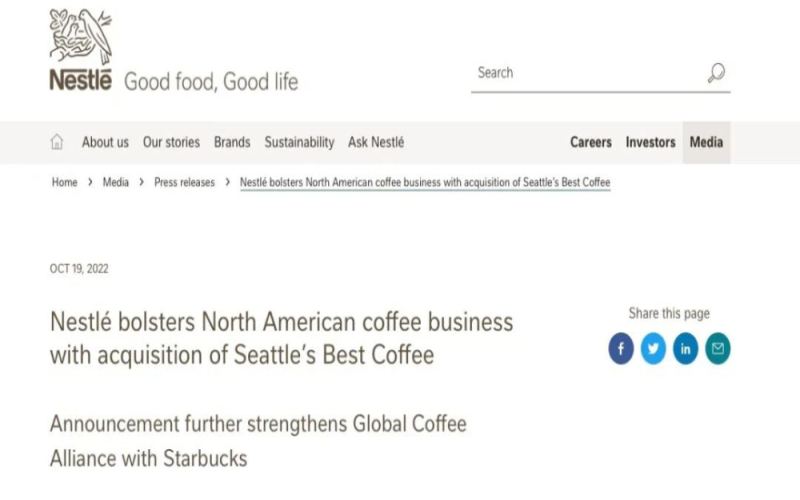
Nestlé makes another move to acquire Starbucks' Seattle's Best Coffee, further deepening the global coffee alliance.
Global food giant Nestlé has announced it will acquire Starbucks' Seattle's Best Coffee brand, a move seen as an important step in Nestlé's continued push to expand in the North American coffee market. This is not the first collaboration between the two companies—in 2018, Nestlé paid $7.15 billion for distribution rights to Starbucks' retail business. The acquisition will further enrich Nestlé's coffee brand portfolio in North America and is expected to be completed by the end of 2022. At the same time, Nestlé has completed several acquisitions this year and launched a new coffee sustainability plan. [more…]
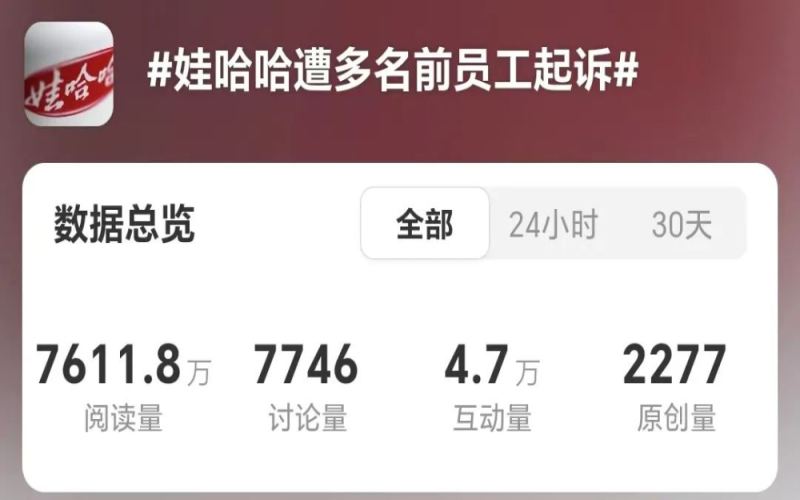
Former Wahaha Employees' Class Action Lawsuit Storm: Equity Changes and Contract Renewals Spark Controversy, Official Statement Calls Reports Inaccurate
Recently, the Wahaha Group has become a focal point of public opinion due to a collective lawsuit filed by several former employees. According to reports, since August, some employees have been required to terminate their contracts with the Wahaha Group and instead sign with Hongsheng Beverage Group, which is controlled by Zong Fuli, resulting in the cancellation of their original bonus dividend benefits. At the same time, the equity of Hangzhou Xiaoshan Shunfa Food Packaging Co., Ltd. was transferred to Zong Fuli's personal name for zero yuan, raising concerns among employees about investment returns. In response, Wahaha recently issued a statement claiming that some media reports are severely inaccurate, that the union has not received litigation information from the so-called rights protection committee, and that the equity repurchase and transfer are legal and valid. However, the statement did not mention key details such as the re-signing of contracts and the zero-yuan transfer, and many questions remain about the incident. [more…]
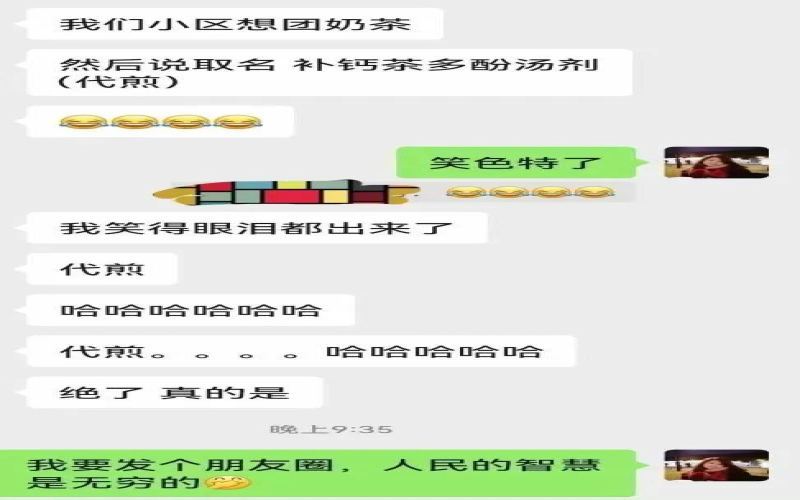
Investigation into the Cross-Province Overnight Delivery of 8,000 Cups of Yidian Dian Milk Tea to Shanghai: The High-Price Resale Chain and Food Safety Risks
During the May Day holiday, "group leaders" in several Shanghai communities organized group buys of a Little Tea, with over 8,000 cups of drinks transported across provinces from out-of-town stores, arriving in consumers' hands overnight or even after nearly 24 hours. The group-buy price was double the official price, and the resellers were accused of profiting about 250,000 yuan. The total bacterial count in these milk teas rose sharply over time at room temperature, and some consumers developed gastroenteritis symptoms after drinking them. The Little Tea brand later issued a statement expressing shock at the high-priced reselling and reminding consumers to choose compliant channels carefully. This article reviews the course of the incident, the food safety data, and responses from all parties, while also offering coffee lovers Front Street Coffee's professional purchasing advice. [more…]
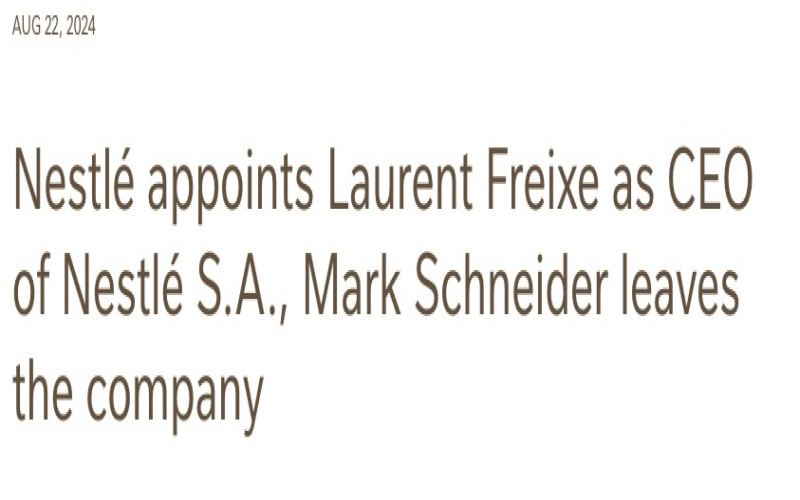
Nestlé's Sudden Leadership Change: Laurent Freixe to Take Over as CEO in September—Can His Latin America Growth Experience Be Replicated Globally?
Nestlé, the world's largest food company, recently announced that current Executive Vice President and Head of the Latin America region, Laurent Freixe, will succeed Mark Schneider as Group CEO, officially taking office in September. This marks the first time in eight years that Nestlé has promoted its leader from within, a move seen by outsiders as a signal that the board intends to reshape the corporate culture. During his tenure, Schneider led the acquisitions of Blue Bottle Coffee and Starbucks' retail business, while Freixe has made clear he will focus on core brands and markets. Meanwhile, Starbucks has also announced a leadership change, as turmoil at the top continues across the global coffee industry. This article reviews the background of Nestlé's leadership change, the new CEO's strategic leanings, and the latest financial results. [more…]
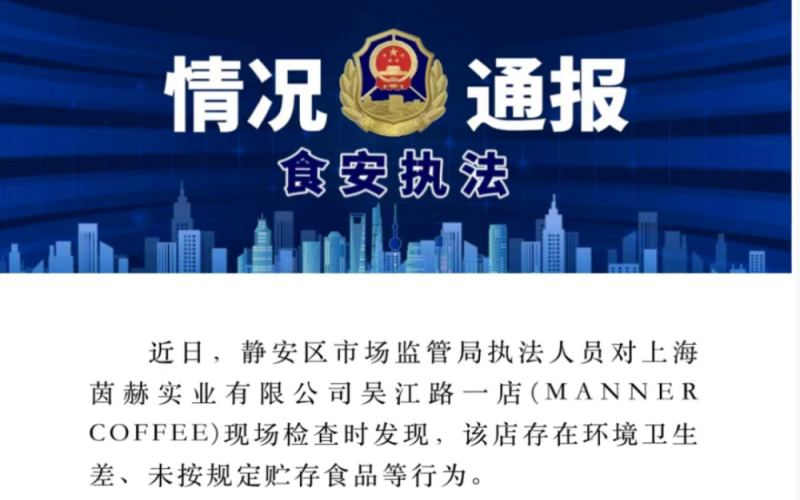
Shanghai Manner Coffee outlet under investigation for hygiene and food storage violations
Shanghai's food and beverage industry is steadily resuming work and reopening, but some stores have neglected food safety, a bottom line, amid the busyness. Recently, law enforcement officers from the Jing'an District Market Supervision Bureau found during an inspection that the Manner Coffee Wujiang Road store had problems such as dirty and messy environmental hygiene and food not being stored according to regulations. Waste was scattered on the floor at the scene, food for sale was placed directly on the ground, and Meiji milk that needed refrigeration was also left casually. Because it is suspected of violating relevant provisions of the Food Safety Law, the store has been officially placed under investigation. The regulatory authorities remind food and beverage units to strictly fulfill their primary responsibilities and ensure the safety of meals served. [more…]
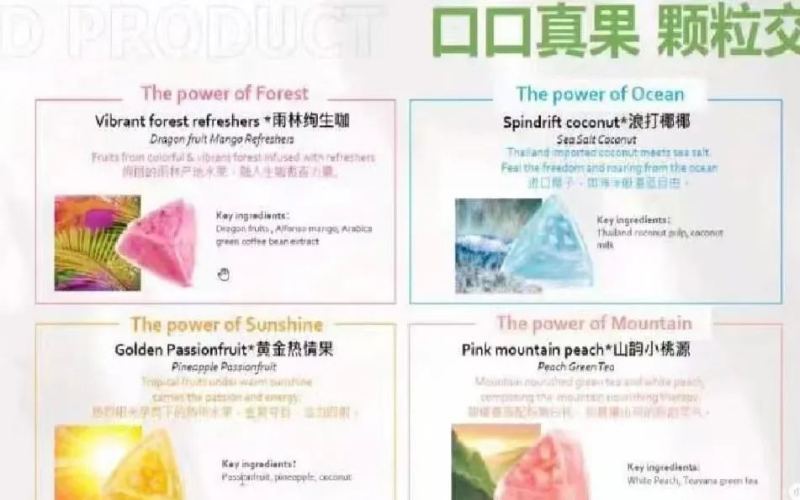
Starbucks 2025 Frappuccino Zongzi Make a Costume Change Debut: Sky-Blue "Coconut Wave" Sparks Controversy—Can Fruit Flavors Turn the Reputation Around?
No sooner had the Qingming holiday ended than Starbucks was already busy preparing for its next round of in-store campaigns. This time, it is not a collaboration with a popular IP, but the annual, uniquely positioned-in-the-zongzi-world Starbucks Crystal Dumpling, which is about to hit the shelves again. Mocked by netizens as "a zongzi that is not a zongzi," the Starbucks Crystal Dumpling, branded with the label of "weird flavors," has once again returned to consumers' view thanks to Starbucks' persistence. According to information circulating on social platforms, this year's Crystal Dumplings follow last year's format: one box of eight, four flavors. Compared with last year, this year's lineup emphasizes a colorful visual route, with crystal-clear outer skins wrapping brightly colored fillings, looking at first glance like rainbow candy. The most eye-catching of all is the sky-blue "Coconut Wave" in the upper right corner. The promotional copy says it uses imported coconut and tastes "as blue and free as the ocean," yet netizens have described it as so abstract that it is hard to imagine. Blue food has always challenged the appetite, and even though the ingredients list shows that food coloring is used, many people still blurt out that it "looks even less appetizing." As for flavors, Starbucks seems to have listened to outside opinions. This year's four new products are all mainly fruit-flavored. Although they are still unconventional compared with traditional zongzi, netizens believe this may be the edition with "relatively normal flavors" in history. Whether improved looks and adjusted flavors can stir up the desire to buy is something most people are still taking a wait-and-see attitude toward. After all, Starbucks Crystal Dumplings are constantly criticized for being unpalatable, yet there are always people willing to pay for this "evil legend of the zongzi world." And in this, the salesmanship of Starbucks employees cannot be underestimated. During every Crystal Dumpling sales period, staff members strongly recommend them to customers ordering at the bar, and in order to sell a box of gift packages, they can truly [more…]
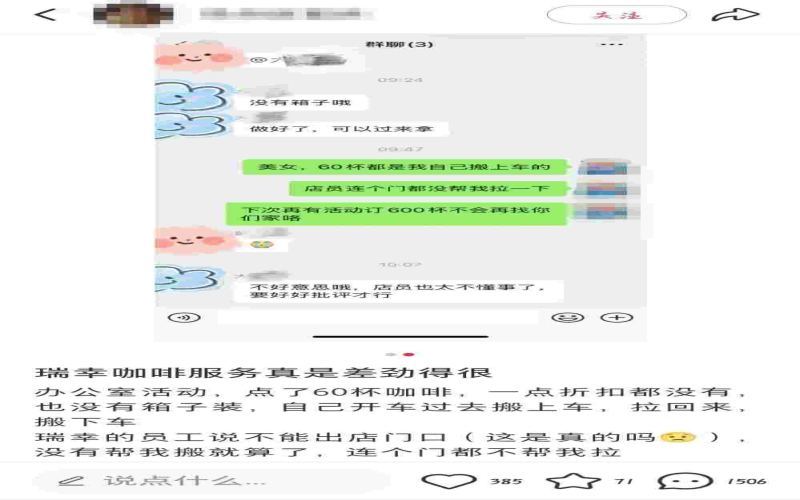
Luckin's 60-cup group buy had no discount and no help with carrying, so why did netizens actually support the staff?
A post about a Luckin Coffee service experience recently sparked discussion on social media. The poster said that while organizing an office event, they ordered 60 drinks from a local Luckin store. When picking up the order, they found the coffee had not been packed into boxes and had to carry it to the car bag by bag, while the staff did not offer help on the grounds that they could not leave the store entrance. The customer also complained that the entire order had no discount and said that even if they ordered 600 cups next time, they would not choose this store again. However, most netizens sided with the staff, arguing that chain coffee stores do not normally offer group-meal discounts, and that Luckin has strict requirements for food safety and operating procedures, making it difficult for employees to leave their posts to help with carrying during peak hours. [more…]
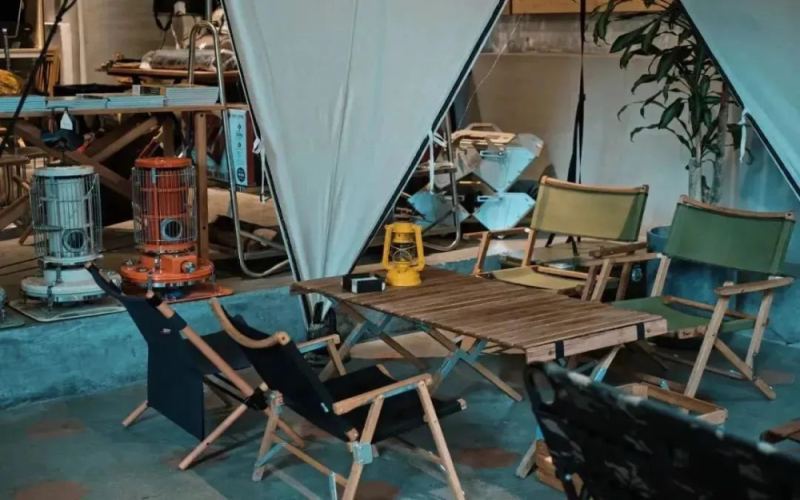
Ten camping chairs stolen from a Huangshan coffee shop in the early hours; surveillance captures the whole process, police urge businesses to step up precautions.
In recent years, camping-style furniture has become wildly popular in the food and beverage industry, with lightweight, portable folding tables and chairs that create a strong atmosphere having become almost standard equipment for coffee shops. However, these convenient and practical pieces of furniture have also become a hot target for thieves. A coffee shop in Huangshan, Anhui, fell victim to a bizarre theft — not a cent of cash was touched, but ten camping chairs in the courtyard vanished without a trace. After reviewing surveillance footage, police uncovered a truth that was both exasperating and laughable: a couple passing by late at night sat down to rest, found the chairs so comfortable that they spontaneously decided to carry them off. This case reflects the widespread loopholes in theft prevention management among coffee shop owners and has also drawn industry attention to the safety of camping-style furniture. [more…]
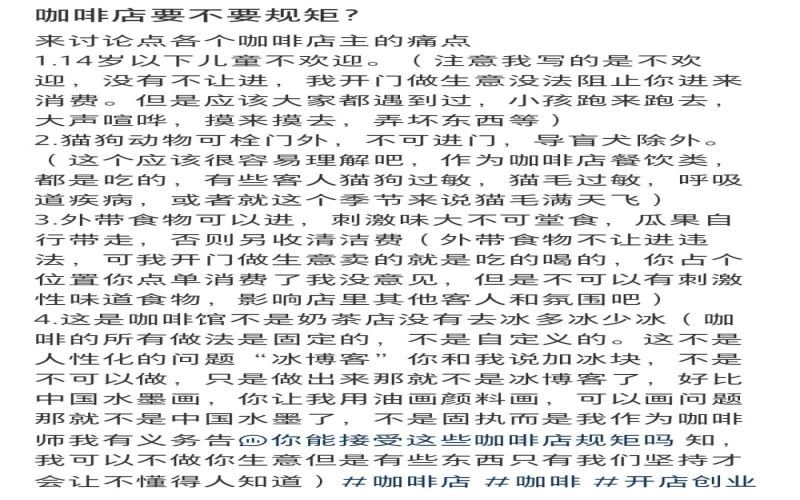
The more rules an independent coffee shop has, the less customers buy it? 287 people vote to reveal real attitudes
The biggest difference between independent coffee shops and chain brands is that every owner can create a unique business style according to their own philosophy, which has given rise to all kinds of shop rules. Not long ago, a blogger on Xiaohongshu posted a discussion on "whether coffee shops should set rules," listing four specific regulations and launching a poll that attracted 287 participants. The results showed that 73% of netizens said they could accept them, while 27% clearly rejected them. In the comments section, voices of agreement, confusion, and neutrality interwove, reflecting consumers' complex attitudes toward coffee shop rules. Are rules a necessary means of maintaining the experience, or a threshold that pushes customers away? This article will explore the issue from the perspectives of both businesses and customers, and, combined with Front Street Coffee's product recommendations, discuss how coffee shops can find a balance between rules and service. [more…]
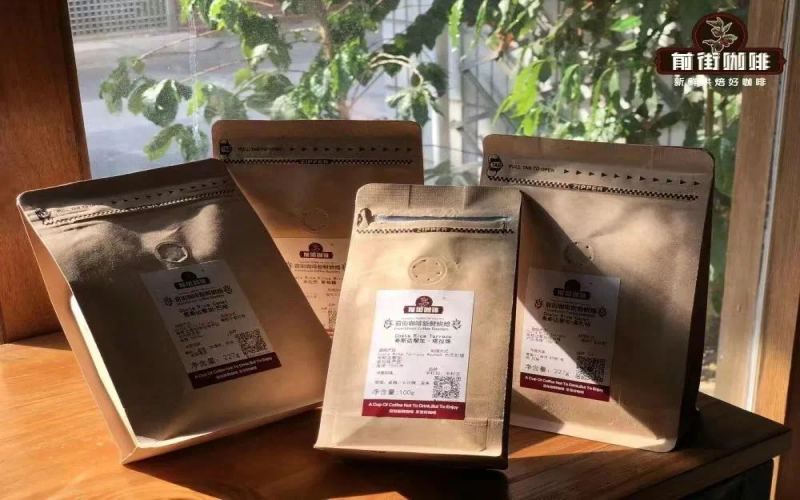
What Exactly Is the Difference Between the Peak Flavor Period and the Shelf Life of Roasted Coffee Beans? A Full Guide to Storing and Keeping Single-Origin Beans Fresh
Many people assume that coffee beans won't spoil as long as the bag is unopened, but in reality, even unopened, the flavor still degrades over time. The "shelf life" and the "peak flavor period" of roasted coffee beans are two completely different concepts. Drawing on Front Street's practical experience, this article clarifies how long coffee beans should be stored, when they taste best, why resting is important, and how to store them properly after opening. Whether you're a beginner or a seasoned coffee enthusiast, you'll find practical advice here. [more…]